Skip to content



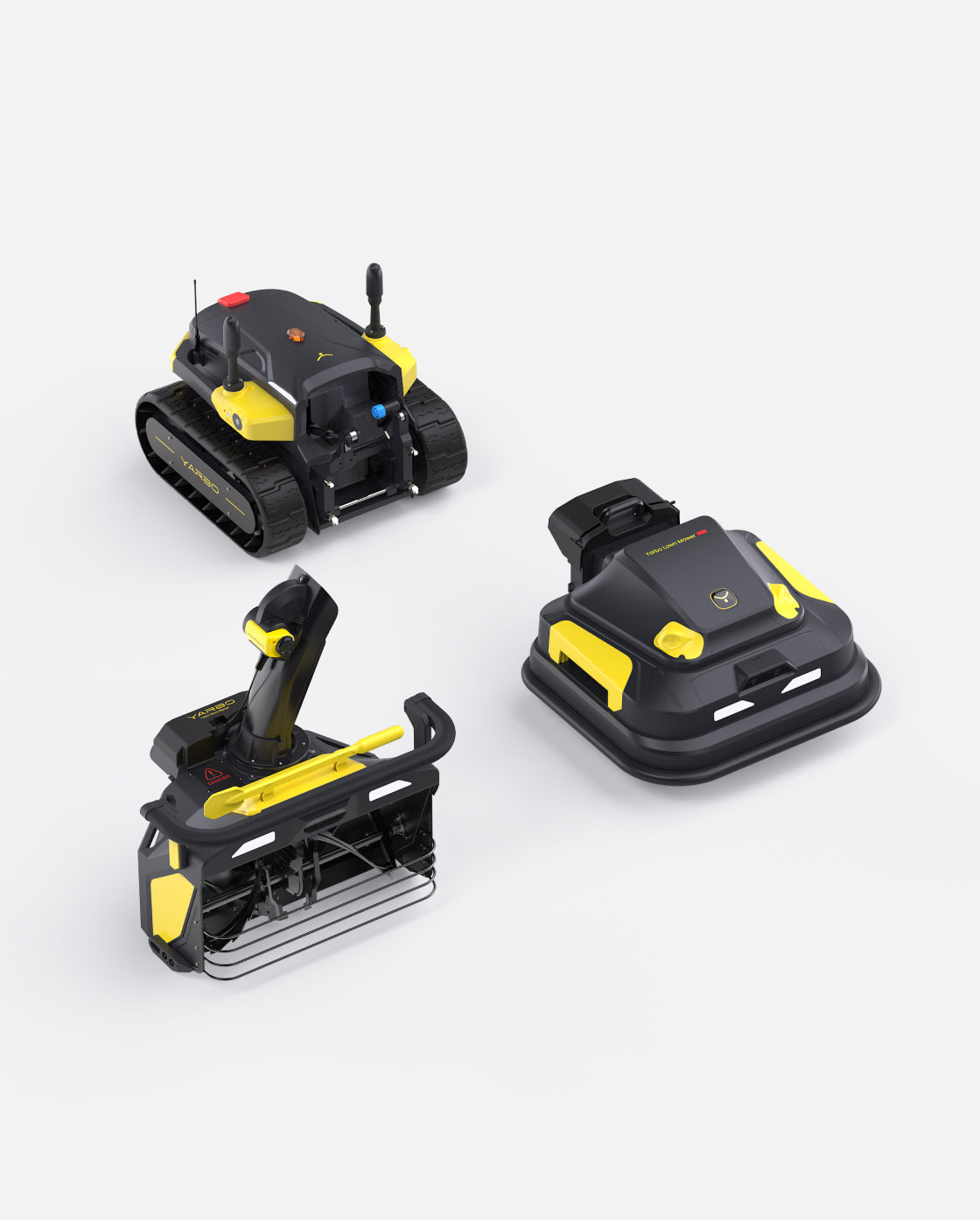
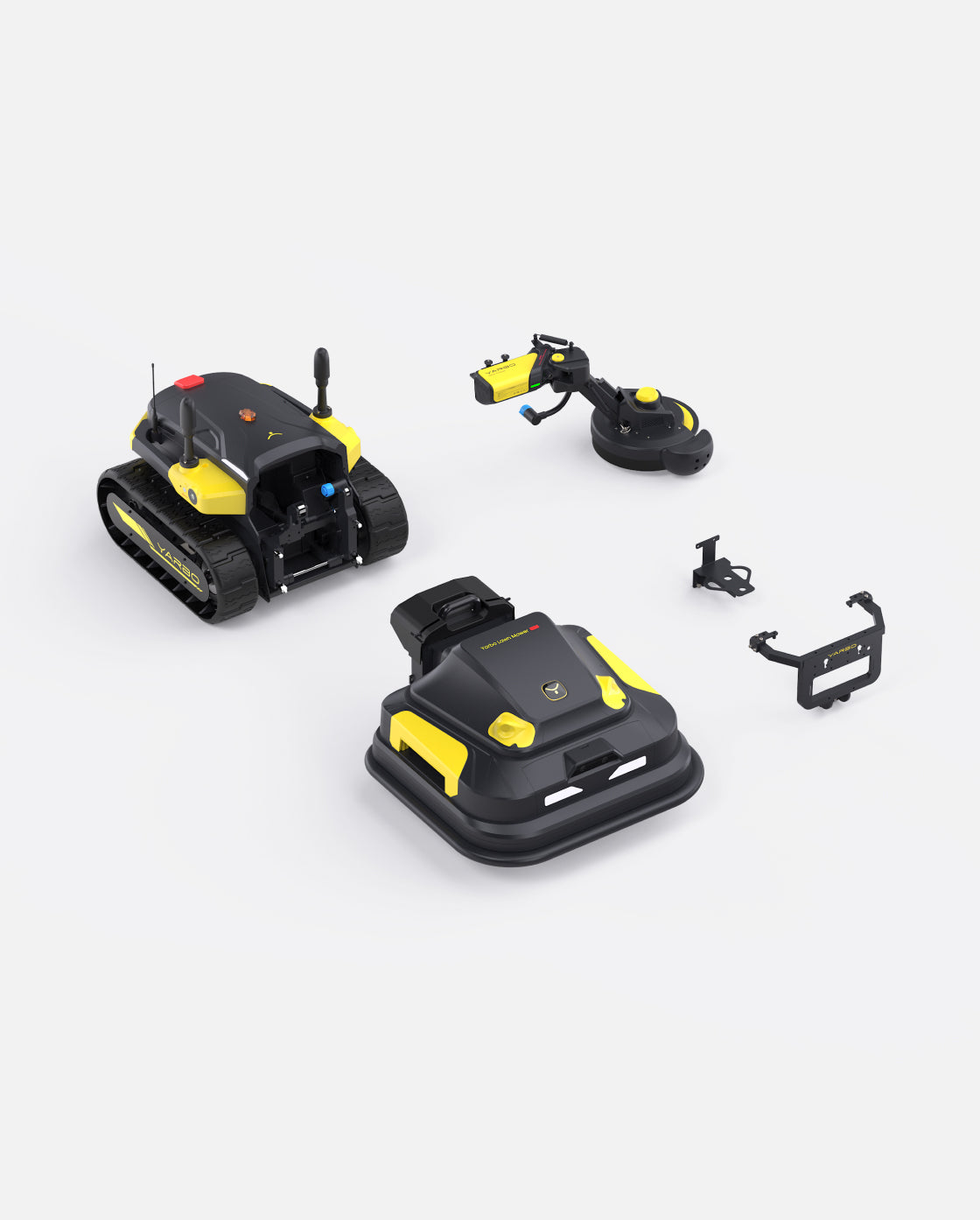
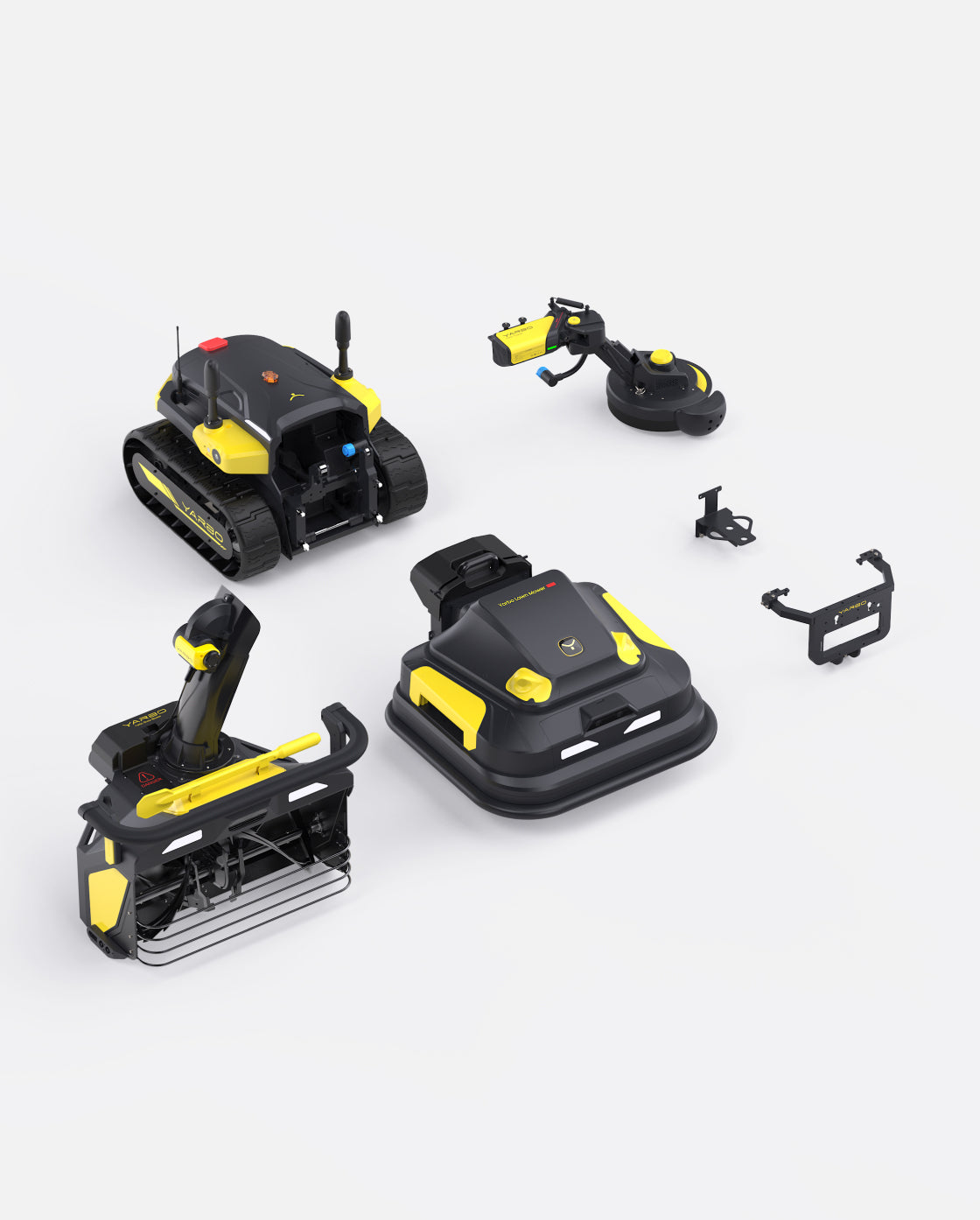
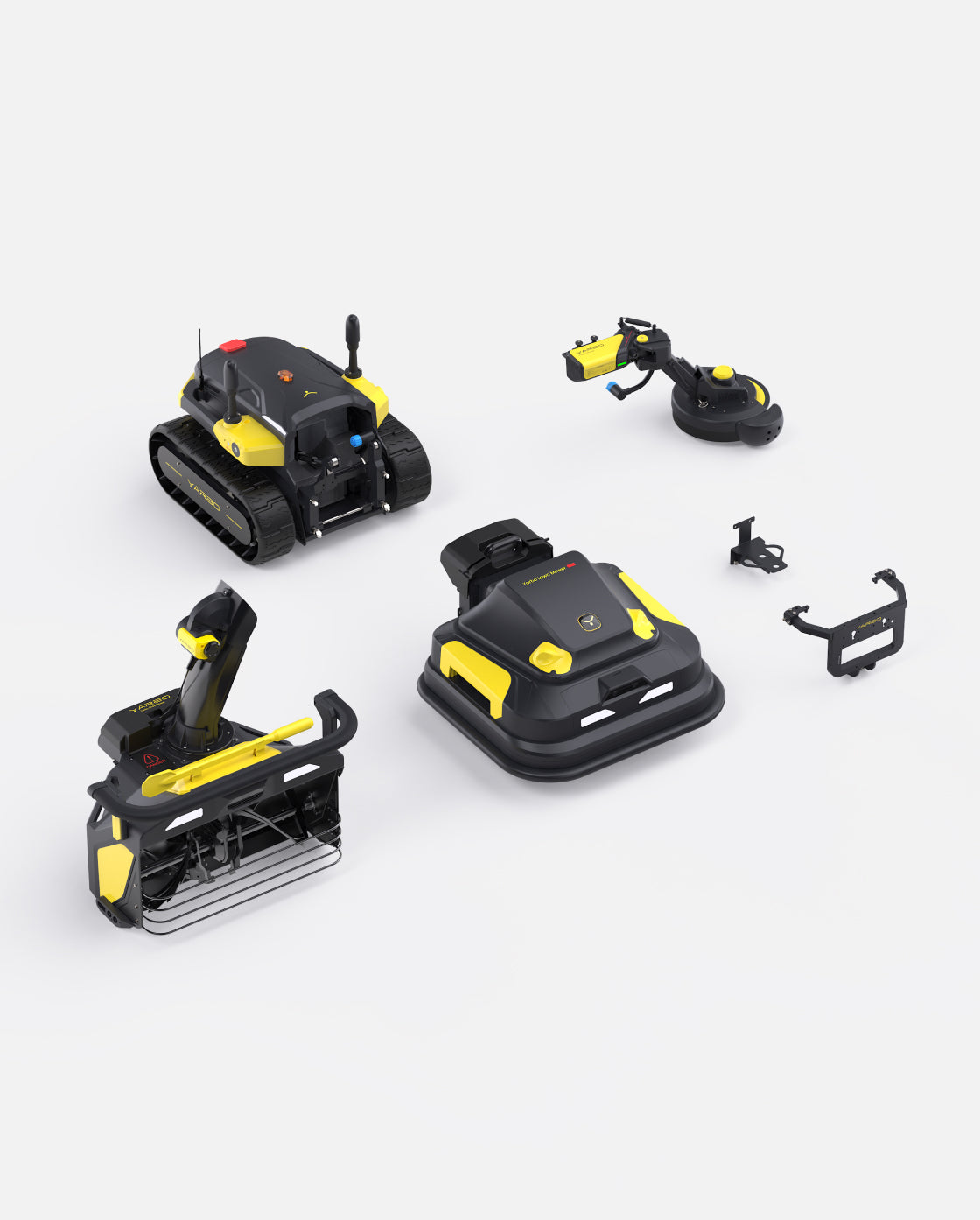


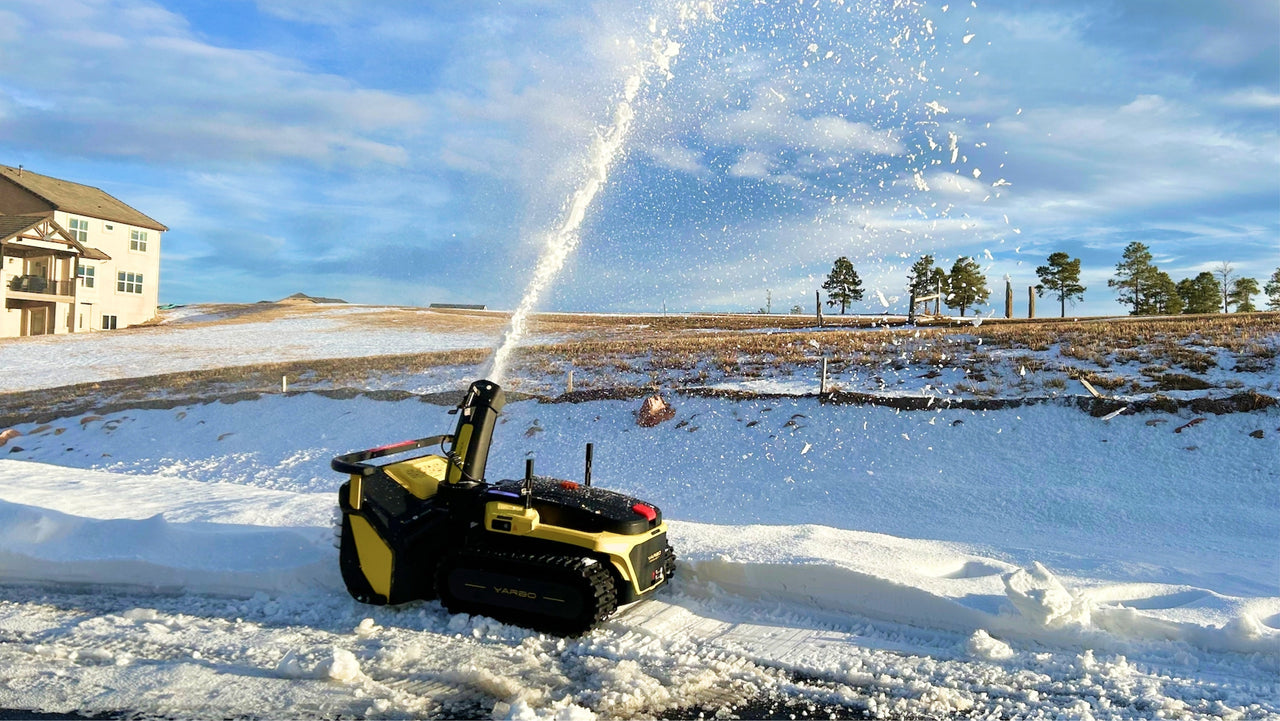
Table Of Contents
Can you use a snow blower on wet snow? The short answer is yes—but with the right equipment and techniques. Wet snow is far more demanding than light, powdery snow. While dry snow moves easily through most blowers, wet snow sticks, clogs, and can even damage underpowered machines.
Still, if you use a snow blower designed to handle heavy snow and follow some simple strategies, clearing your driveway or sidewalk doesn’t have to feel impossible.

Why Wet Snow is Challenging for Snow Blowers?
Wet snow also is utterly different than the light fluffy flakes that we are used to seeing on snow colder temperatures. It’s also denser and heavier, so it’s tougher to throw and more likely to clog the chute. That stickiness of wet snow makes for big, heavy clumps that make it hard for standard snowblowers to contend with. The problem is these properties make clearing wet snow a chore, unless your machine is designed to do so.
A snow blower, unless it is very powerful will not work well at all on wet snow and will in most cases need some specialized attachments. Snow blowers must have sufficient density to move greater amounts of snow without clogging or straining the engine as they must for wet snow.
Pro tip:
Best Time for Clearing: Experts recommend clearing wet snow immediately after snowfall to prevent it from freezing overnight, which makes removal more difficult.

Problems Created by Wet Snow
-
Clogging in the chute – sticky snow clumps don’t move smoothly.
-
Engine strain – lightweight blowers often overwork and stall.
-
Reduced throw distance – wet snow doesn’t fly far, often piling too close.
Pro Tip: Clear wet snow right after a storm, before it freezes overnight. Compact ice is much harder to remove than fresh slush.
Best Techniques for Snow Blowing Wet Snow
Wet snow demands a different approach than powder. Here’s how to master it:
Operate at a Lower Speed
If pushed too quickly through the machine machine wet snow can easily clog the chute. These blockages can be prevented by working at a slower speed for operation to remain smooth.
This is how a robot snow blower is programmed, they
Clear Snow in Layers
If the storm dropped more than six inches, clear the top half first, then return for the bottom layer. This reduces stress on your blower and prevents overheating.
Adjust the Chute Angle
Keeping the chute angled properly ensures snow lands farther away instead of falling back onto the cleared path.
-
Clear Snow in Layers: Deep, wet snow makes for a tricky force to deal with, and when dealing with it, clear it in layers instead of focusing on pushing through the whole shebang at one time. It eases the device to maintain a constant pace and in turn takes pressure from the machine.
Note: Snow blower wet snow before it accumulates beyond six inches reduces strain on the machine and minimizes clogging risks.
-
Adjust the Chute Angle: Help control direction and distance of snow throw set the chute angle. The best chutes are those that are adjusted properly…. particularly helpful in wet conditions, as it keeps the chance of snow accumulating in the chute to a minimum.
Pro Tips for Handling Wet Snow
-
Use an Anti-Clogging Spray: Applying a non-stick spray to the auger and chute can reduce snow buildup and prevent clogging.
-
Opt for a High-Quality Snow Blower: Invest in a snow blower designed to handle wet snow, featuring powerful engines and robust augers.
-
Regular Maintenance: Keep your equipment in top condition by performing regular maintenance checks, especially before the snow season.
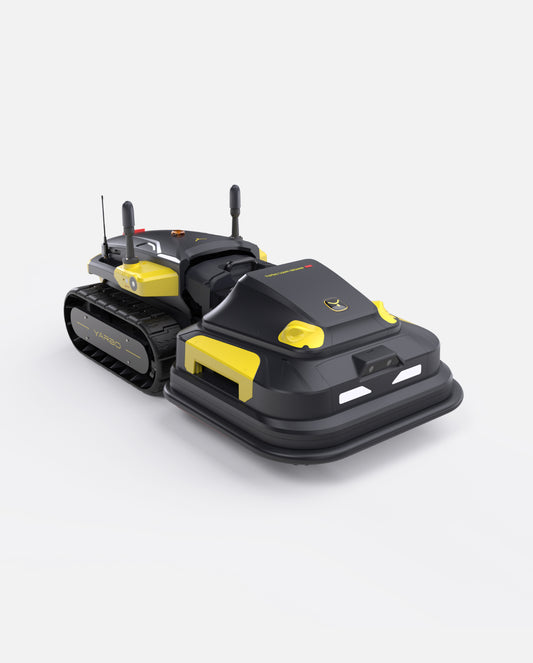
These methods help to make the work more bearable. If one of your attachments is the Yarbo’s Plow Blade on your snow blower, then that can be used to prevent excessive buildup, allowing the snow blower to work more normally and making yarbo the best snowblower for heavy wet snow.
Why Yarbo Stands Out: With Yarbo’s Plow Blade attachment, the snow is redirected before it clogs the chute, giving it a major advantage over traditional snow blower wet snow conditions
 .
.Choosing the Right Snow Blower for Wet Snow
Single-Stage vs. Dual-Stage vs. Three-Stage
-
Single-stage blowers: Light and affordable, but easily overwhelmed by wet snow.
-
Dual-stage blowers: Equipped with auger + impeller systems that handle slushy buildup more effectively.
-
Three-stage blowers: The most powerful, built for regions with constant heavy snowfall.

Features to Look for in the Best Snow Blower for Heavy Wet Snow
-
High engine horsepower.
-
Steel augers and impellers for durability.
-
Wide intake housing for heavy loads.
-
Heated handles and LED lights for operator comfort.
-
Anti-clog chute technology.
Yarbo’s Plow Blade Advantage
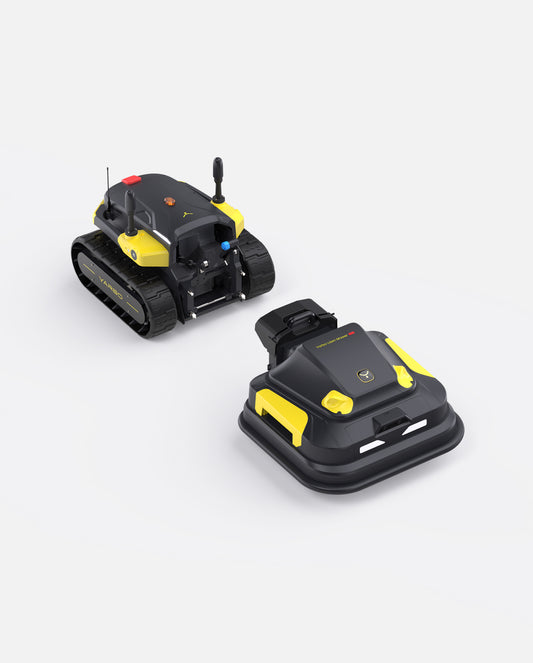
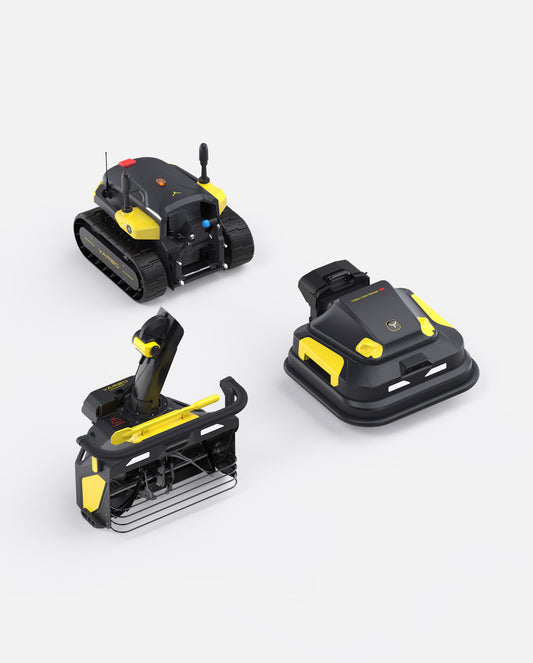
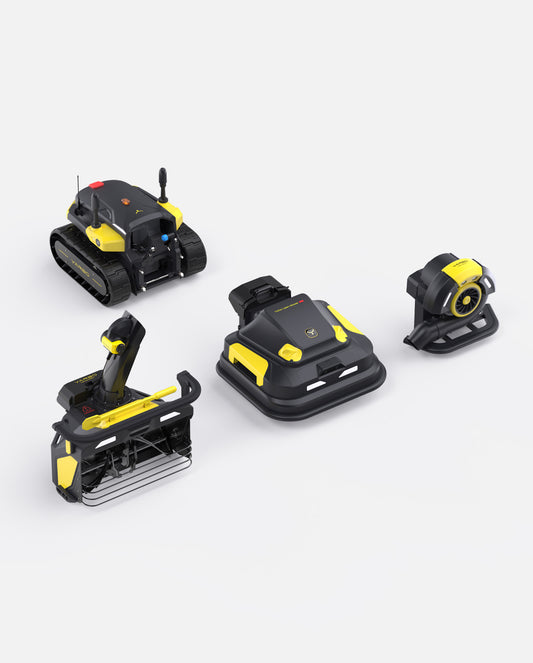
Yarbo’s modular system takes performance further. The Plow Blade clears snow before it reaches the chute, reducing clogging risks. Pair this with Yarbo’s autonomous mode, and you have a snow blower for wet snow that doesn’t just survive the challenge—it masters it.
What Makes a Snow Blower Right for Wet Snow
For clearing wet snow, it is necessary to choose the proper equipment. For example, Yarbo's dual stage snow blowers have a higher power rating and tend to work better with the bigger, wetter snow. these models are designed to handle larger volumes and a more powerful engine to clear the wet snow without clogging.
If wet snow is your thing, Yarbo’s Plow Blade is your attachment. Plow Blade has been specifically designed for these conditions, it will help to prevent going buildup of snow and the overflow of chute blockages. Plow Blade reduces the clog risk, enabling the management of heavy, wet snow by moving the snow as it falls.

In addition, this attachment takes some strain off your machine so it runs at optimum efficiency, even in inclement winter conditions.
Maintenance Tips for Snow Blowers After Clearing Wet Snow
Regular maintenance after each use is important to ward off wet snow from putting your snow blower through a beating. Here are some essential maintenance steps to keep your machine in top condition:
-
Clean the Auger & Chute: Clean the area of the chute and auger towards the end of use to clear snow clogging from one use to next.
-
Use Anti-Stick Spray: A good spray of anti stick over the chute and auger might help take some of the snow buildup off them so that you can handle wet snow better next time.
-
Check the Plow Blade: If you‘re using Yarbo’s Plow Blade, check it out right after each session, looking for wear or damage. Checks are regular to ensure the safety of attachment is still in place. Check belts, shear pins, and auger components for wear and replace them if necessary for other mowers as well.
-
Dry the Machine Thoroughly: Wet conditions increase rust risks. Wipe down the snow blower and store it in a dry place after use.
Once you’ve pulled a wet frigid pogey through your snow blower, it’s time to do the basics to extend its life and get it ready for the next snowfall.
Safety Tips for Snow Blowing Wet Snow
Snow blowing wet snow isn’t just tough—it can be risky. Here’s how to stay safe:
-
Be Cautious of Icy Areas: Hidden icy patches that can be slippery and dangerous are caused by wet snow. You should move carefully and / or avoid sudden turns or movements.

-
Wear Appropriate Gear: Good traction is the order of the day where an icy, wet snow is present and sturdy boots are a must. Staying comfortable also includes wearing gloves and warm coat.
-
Watch for ice patches: Wet snow often hides slick spots.
-
Use a Snow Blower with LED Lights: Reduced visibility during snowstorms makes LED lights essential for safer operation in dim conditions.
-
Never unclog with hands: Always use a tool with the engine off.
-
Stay indoors with automation: Yarbo’s autonomous system lets you manage snow removal safely from your home.
-
Keep Hands Away from Moving Parts: If clogging occurs, always turn off the machine and use a clearing tool to remove obstructions—never use hands.
-
Use Yarbo’s Autonomous Mode: The best snowblower for heavy wet snow, autonomous feature of Yarbo enables you to observe and handle the snow clearing process from the comfort of your home thus minimizing contact with cold and potentially unhealthy conditions.
Following these safety practices, you can do this injury free and ensure that everyone is working in a safe environment
Conclusion
It doesn’t have to be a struggle to clear wet snow. By using the right techniques, equipment and regular maintenance even the toughest winter weather can be handled. With the Plow Blade attachment, Yarbo’s snow blowers provide the power and efficiency you need to take on wet snow removal easier and safer.
Yarbo is recommended for an efficient, effortless winter maintenance solution. Visit our website today to explore our selection of snow blowers and attachments, and learn how to conquer winter with confidence!
FAQs
1. Can all snow blowers handle wet snow?
No, single-stage snow blowers often struggle with wet snow due to weaker augers and lower power. Dual-stage and three-stage models, like Yarbo’s, are better equipped for wet, heavy snow.
2. How do I prevent my snow blower from clogging in wet snow?
Operate at a steady pace, apply non-stick spray, and clear snow in layers rather than attempting to remove deep piles in one pass.
3. Is it better to clear wet snow immediately or wait?
Clear wet snow as soon as possible to prevent it from compacting or freezing overnight, which makes removal significantly harder.
4. What features should I look for in a snow blower for wet snow?
Look for models with high horsepower, steel augers, heated handles, and an anti-clogging chute system for best performance.
5. Why is Yarbo’s snow blower recommended for wet snow?
Yarbo’s snow blower offers an autonomous mode, a dual-stage clearing system, and a specialized Plow Blade attachment designed to minimize clogging and maximize efficiency in wet snow conditions.
Table Of Contents
Subscribe
- Afghanistan+93
- Albania+355
- Algeria+213
- Andorra+376
- Angola+244
- Antigua and Barbuda+1268
- Argentina+54
- Armenia+374
- Aruba+297
- Australia+61
- Austria+43
- Azerbaijan+994
- Bahamas+1242
- Bahrain+973
- Bangladesh+880
- Barbados+1246
- Belarus+375
- Belgium+32
- Belize+501
- Benin+229
- Bhutan+975
- Bolivia+591
- Bosnia and Herzegovina+387
- Botswana+267
- Brazil+55
- British Indian Ocean Territory+246
- Brunei+673
- Bulgaria+359
- Burkina Faso+226
- Burundi+257
- Cambodia+855
- Cameroon+237
- Canada+1
- Cape Verde+238
- Caribbean Netherlands+599
- Central African Republic+236
- Chad+235
- Chile+56
- China+86
- Colombia+57
- Comoros+269
- Congo+243
- Congo+242
- Costa Rica+506
- Côte d’Ivoire+225
- Croatia+385
- Cuba+53
- Curaçao+599
- Cyprus+357
- Czech Republic+420
- Denmark+45
- Djibouti+253
- Dominica+1767
- Dominican Republic+1
- Ecuador+593
- Egypt+20
- El Salvador+503
- Equatorial Guinea+240
- Eritrea+291
- Estonia+372
- Ethiopia+251
- Fiji+679
- Finland+358
- France+33
- French Guiana+594
- French Polynesia+689
- Gabon+241
- Gambia+220
- Georgia+995
- Germany+49
- Ghana+233
- Greece+30
- Grenada+1473
- Guadeloupe+590
- Guam+1671
- Guatemala+502
- Guinea+224
- Guinea-Bissau+245
- Guyana+592
- Haiti+509
- Honduras+504
- Hong Kong+852
- Hungary+36
- Iceland+354
- India+91
- Indonesia+62
- Iran+98
- Iraq+964
- Ireland+353
- Israel+972
- Italy+39
- Jamaica+1876
- Japan+81
- Jordan+962
- Kazakhstan+7
- Kenya+254
- Kiribati+686
- Kosovo+383
- Kuwait+965
- Kyrgyzstan+996
- Laos+856
- Latvia+371
- Lebanon+961
- Lesotho+266
- Liberia+231
- Libya+218
- Liechtenstein+423
- Lithuania+370
- Luxembourg+352
- Macau+853
- Macedonia+389
- Madagascar+261
- Malawi+265
- Malaysia+60
- Maldives+960
- Mali+223
- Malta+356
- Marshall Islands+692
- Martinique+596
- Mauritania+222
- Mauritius+230
- Mexico+52
- Micronesia+691
- Moldova+373
- Monaco+377
- Mongolia+976
- Montenegro+382
- Morocco+212
- Mozambique+258
- Myanmar+95
- Namibia+264
- Nauru+674
- Nepal+977
- Netherlands+31
- New Caledonia+687
- New Zealand+64
- Nicaragua+505
- Niger+227
- Nigeria+234
- North Korea+850
- Norway+47
- Oman+968
- Pakistan+92
- Palau+680
- Palestine+970
- Panama+507
- Papua New Guinea+675
- Paraguay+595
- Peru+51
- Philippines+63
- Poland+48
- Portugal+351
- Puerto Rico+1
- Qatar+974
- Réunion+262
- Romania+40
- Russia+7
- Rwanda+250
- Saint Kitts and Nevis+1869
- Saint Lucia+1758
- Saint Vincent and the Grenadines+1784
- Samoa+685
- San Marino+378
- São Tomé and Príncipe+239
- Saudi Arabia+966
- Senegal+221
- Serbia+381
- Seychelles+248
- Sierra Leone+232
- Singapore+65
- Slovakia+421
- Slovenia+386
- Solomon Islands+677
- Somalia+252
- South Africa+27
- South Korea+82
- South Sudan+211
- Spain+34
- Sri Lanka+94
- Sudan+249
- Suriname+597
- Swaziland+268
- Sweden+46
- Switzerland+41
- Syria+963
- Taiwan+886
- Tajikistan+992
- Tanzania+255
- Thailand+66
- Timor-Leste+670
- Togo+228
- Tonga+676
- Trinidad and Tobago+1868
- Tunisia+216
- Turkey+90
- Turkmenistan+993
- Tuvalu+688
- Uganda+256
- Ukraine+380
- United Arab Emirates+971
- United Kingdom+44
- United States+1
- Uruguay+598
- Uzbekistan+998
- Vanuatu+678
- Vatican City+39
- Venezuela+58
- Vietnam+84
- Yemen+967
- Zambia+260
- Zimbabwe+263
You have successfully subscribed!!
Check your welcome email for exclusive discounts.
Email Check Needed
We are unable to verify your email address.
Please check if the email
is correct.