Skip to content
Cart
0



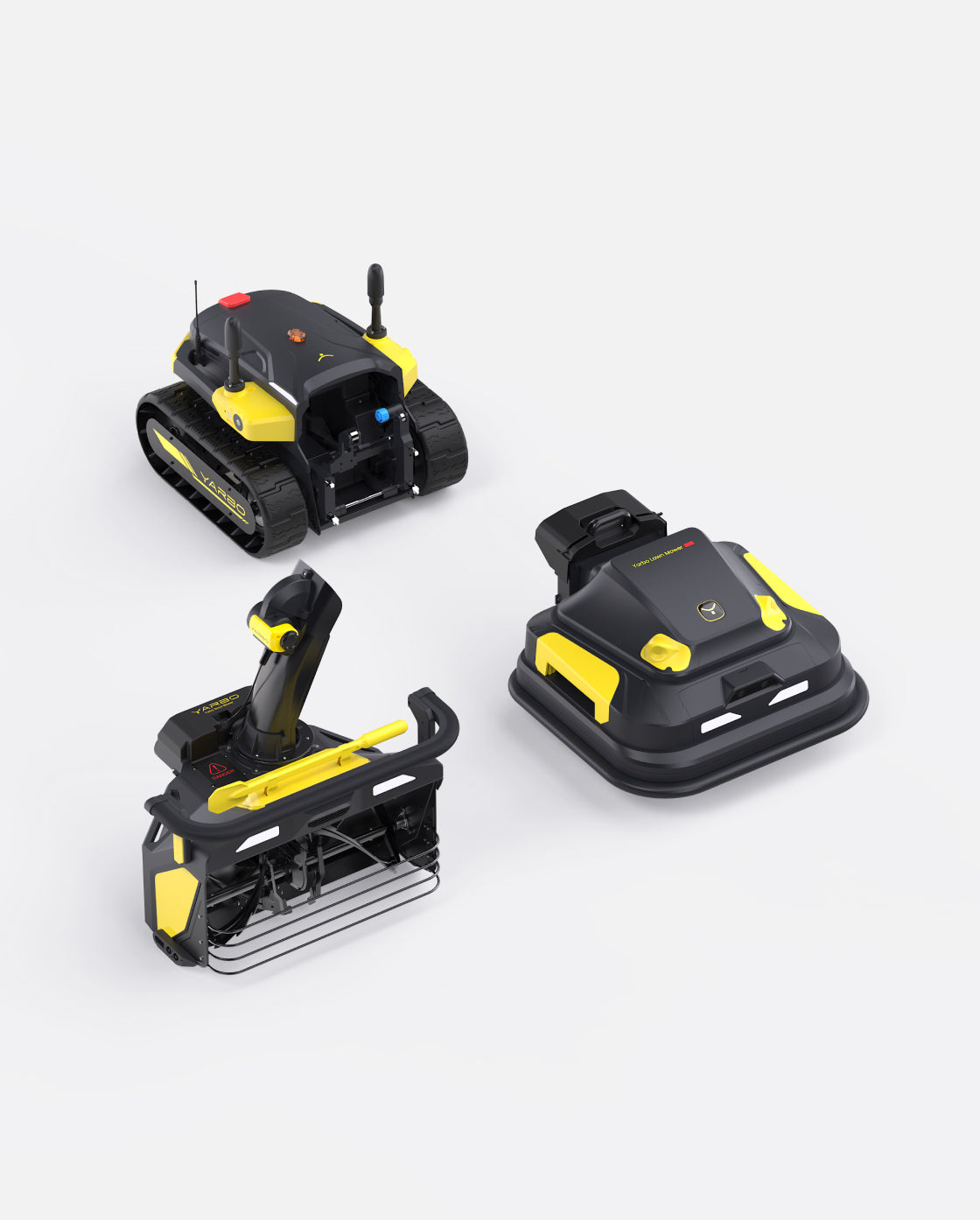

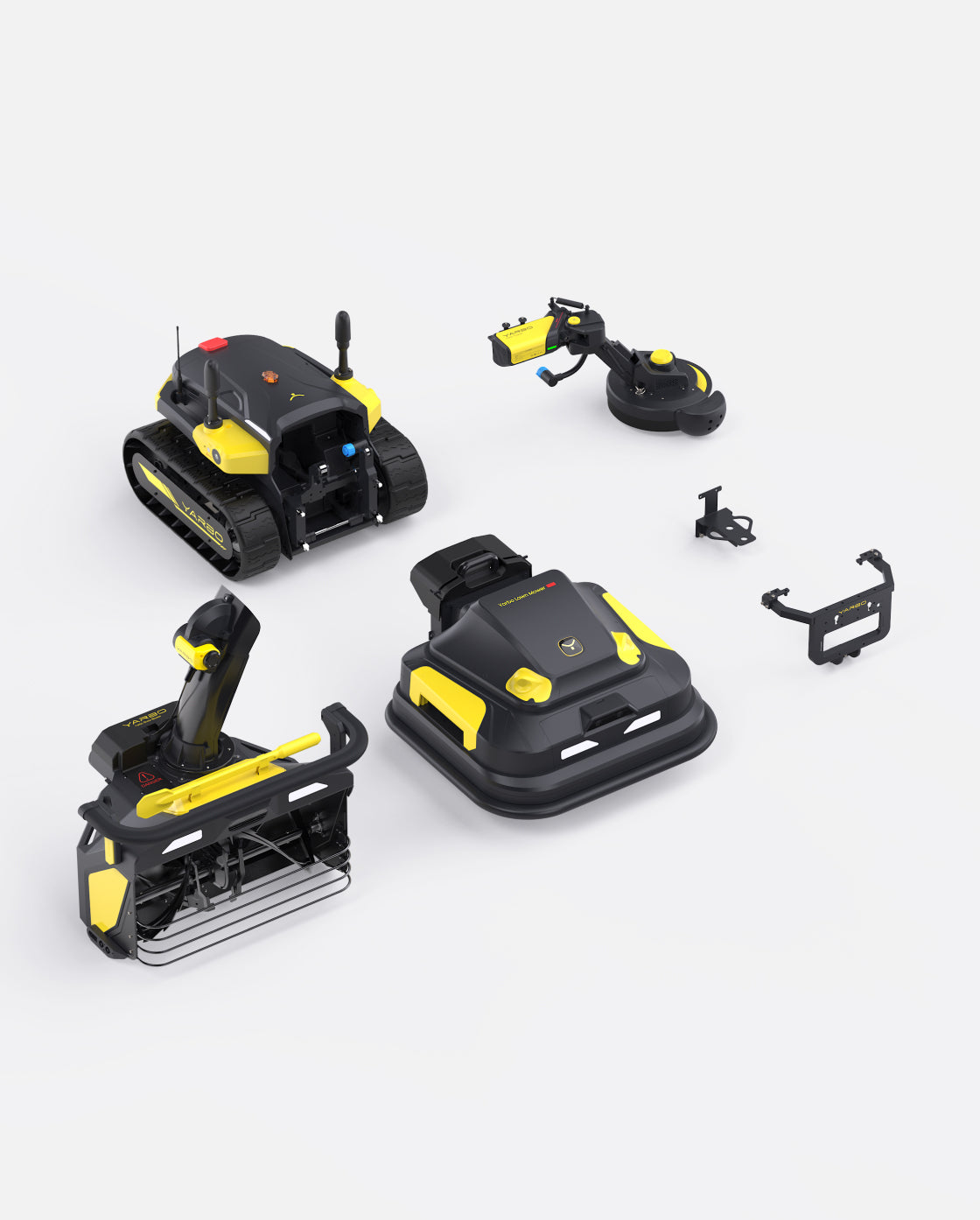
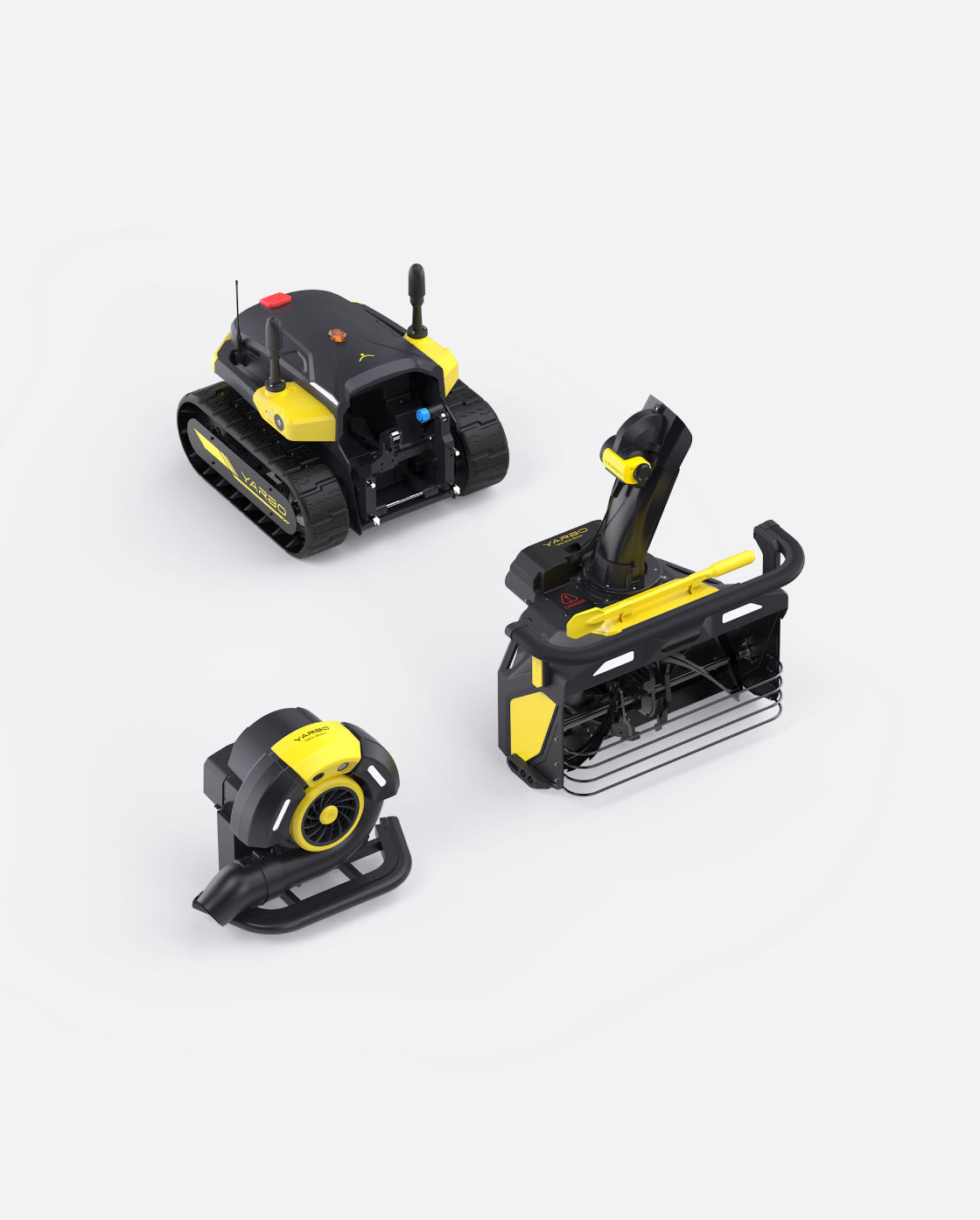


Table Of Contents
For large commercial properties — a 20-acre orchard, a working vineyard, or an 18-hole golf course — grounds maintenance is not a weekend chore. It's a significant, recurring operating cost. And for a growing number of operators, the riding lawn mower is no longer the most efficient way to manage it. Here's what the numbers look like, and where Yarbo fits in.

The Labor Problem Isn't Going Away
Labor is the dominant cost in commercial grounds maintenance — and it's under pressure across all three sectors:
-
Golf courses: Labor accounts for nearly 60% of total maintenance costs in 2024, with the average 18-hole course spending $810,254 per year on maintenance overall. (Source: Golf.com / GCSAA)
-
Vineyards: Labor represents 30% or more of total vineyard production costs. Equipment ownership alone — tractors, mowers, sprayers — can run approximately $1,000 per acre per year before factoring in labor to operate them. (Source: Purdue University / UGA Viticulture Extension, Economics of Grape Production)
-
Orchards: Equipment alone — tractors, sprayers, mowers — represents substantial capital outlay, before factoring in the recurring cost of human crews to operate them. (Source: Clendenen Vineyard Management)
Mowing is not the only labor-intensive task in these operations, but it is one of the most consistent. In all three settings, grass between rows, along fairways, and across rough terrain needs to be cut repeatedly throughout the season.

Why These Properties Need a Different Approach
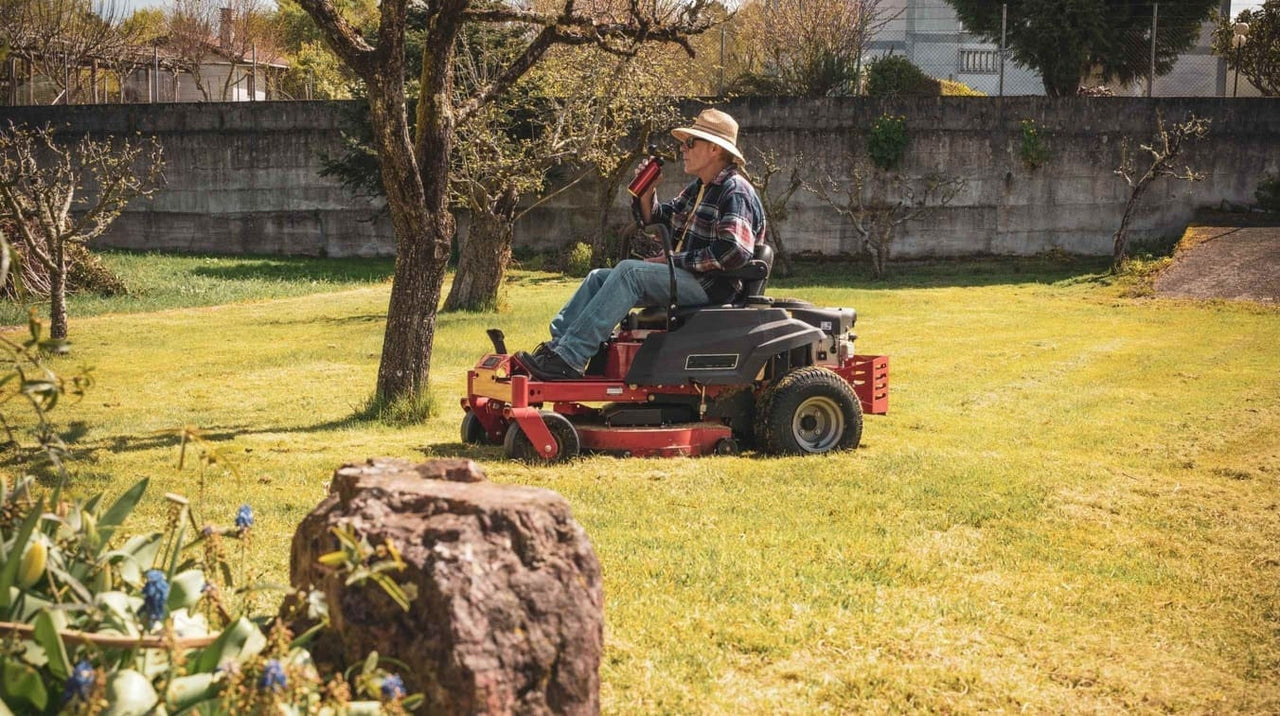
Riding lawn mowers are designed for open, relatively flat terrain. Commercial properties in these three sectors rarely fit that description.
Golf courses:
-
Multiple zones require different equipment — fairway mowers, rough cutters, trim units
-
Early-morning crew scheduling to avoid interfering with play
-
Equipment noise directly affects guest experience
-
Weather, tournaments, and tee times add operational complexity to staffing
Vineyards:
-
Row spacing is narrow, often inconsistent, and varies by cultivar
-
Slopes can be significant — many vineyards operate on 20–40% grades
-
Precise cutting height is required to avoid vine contact
-
Mowing frequency affects soil health, but repeated crew deployment is costly
Orchards:
-
Similar row and slope challenges to vineyards
-
Multiple passes per season required between tree rows
-
Large total acreage means high time and labor commitment
-
Equipment transport between blocks adds logistical overhead

How the Yarbo Platform Addresses These Challenges
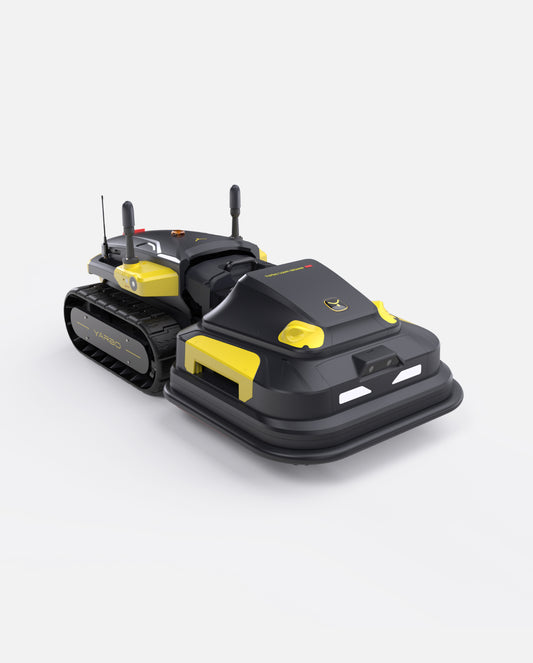
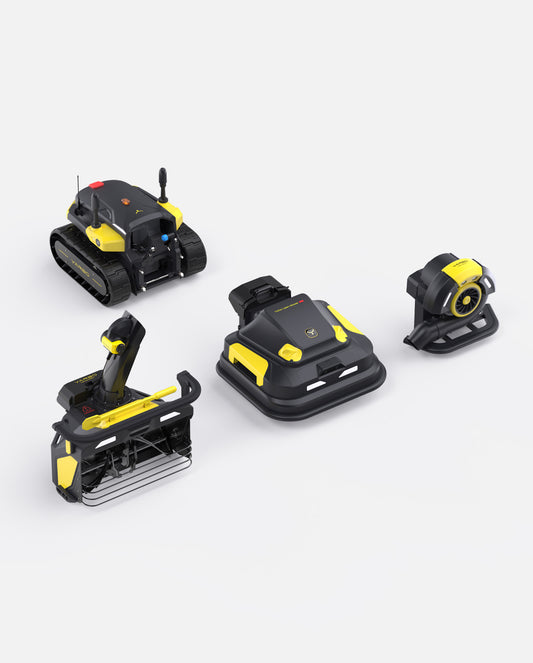
Yarbo's lawn mower collection is built around a modular platform that goes beyond basic autonomous mowing. Here's how the core specs map to commercial property needs.
Yarbo Lawn Mower Pro — For Serious Acreage
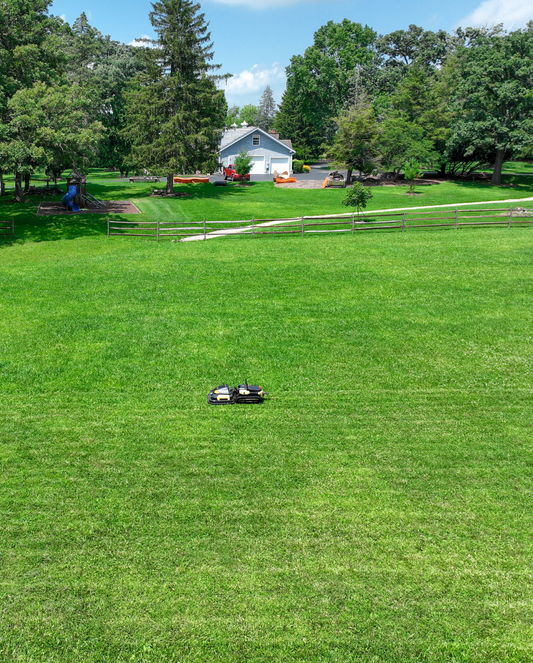
The Yarbo Lawn Mower Pro is the flagship mowing unit, designed for large and complex properties:
-
Up to 6 acres via recharge-and-resume cycles
-
RTK GPS navigation with centimeter-level accuracy — no boundary wires needed
-
Slopes up to 35° (70% grade) in suitable conditions — track-driven for reliable performance on vineyard and orchard terrain
-
Adjustable cutting height from 0.8 to 4.0 inches
-
Camera-based obstacle detection — stops automatically for people, animals, and equipment
-
Quiet operation — significantly less disruptive than gas-powered ride-ons
For properties needing standard coverage, the Yarbo Lawn Mower offers the same core navigation and safety technology at a lower entry price.

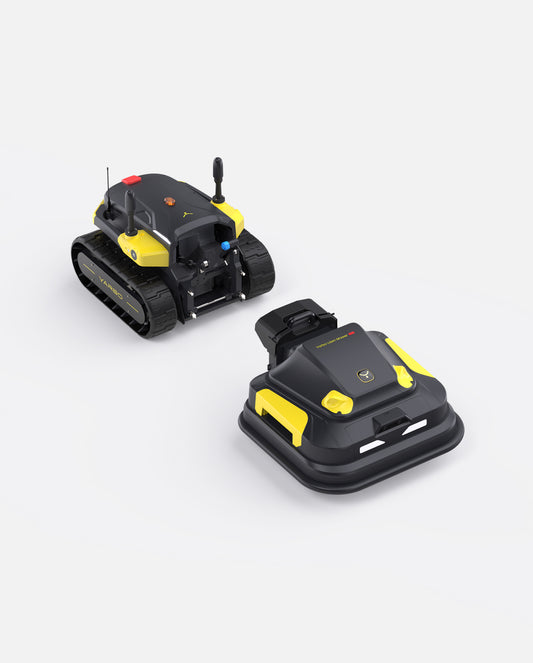
Modular Design — One Platform, Every Season
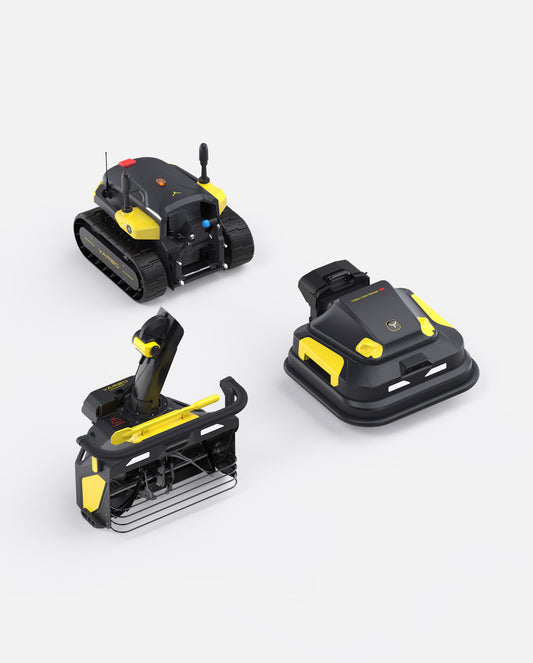
What sets Yarbo apart from single-function mowers is the modular system. The same core unit handles year-round grounds maintenance by swapping modules:
-
Lawn Mower Pro Module — primary mowing season
-
Snow Blower Module — winter access paths, cart paths, parking areas
-
Blower Module — fall leaf and debris clearance on fairways, orchard floors, vineyard rows
For commercial operators managing multiple seasonal needs, Yarbo offers purpose-built bundles:
-
Lawn Mower Pro + Snow Blower — two-season coverage
-
Lawn Mower Pro + Snow Blower + Blower + Trimmer Package — full year-round grounds automation
Multi-Unit Deployment for Larger Properties
For golf courses or large orchards and vineyards where a single unit isn't sufficient, multiple Yarbo units can be deployed across different zones and managed independently via the Yarbo app. Each unit operates autonomously within its mapped zone — no additional staffing required.

The Commercial Case: What the Savings Look Like
For commercial operators, the economics are increasingly compelling. Golf courses and sports facilities deploying robotic mowers are realizing payback periods of 18–24 months, driven primarily by labor savings and reduced fuel costs. (Source: Mordor Intelligence, Electric Lawn Mowers Market Report, 2026) Commercial landscaping firms have reported an average 22% reduction in maintenance costs after switching to robotic mowing. (Source: Industry Research Biz, Robotic Lawn Mowers Market, 2025)
The core savings come from four areas:
-
Labor reallocation — crew time freed from routine mowing can be redirected to higher-value tasks
-
Fuel elimination — battery-powered operation removes gas costs and price volatility
-
Reduced mechanical maintenance — fewer moving parts than gas-powered riders
-
Consistent mowing frequency — more frequent passes improve turf health without proportional cost increases
What to Evaluate Before Deploying
Autonomous mowing works best as part of a broader maintenance program. Before deploying, commercial operators should assess:
-
Zone mapping — Yarbo's RTK GPS system requires initial setup and mapping; complex multi-zone properties take more configuration time upfront
-
Coverage math — match unit capacity (up to 6 acres per unit) to your actual acreage needs; larger properties may require multiple units
-
Terrain assessment — row width, obstacle density, and slope consistency all affect performance
-
Seasonal planning — identify which modules best match your year-round maintenance calendar
The Bottom Line
For orchards, vineyards, and golf courses, the question is no longer whether autonomous mowing is technically viable. The Yarbo platform handles the acreage, the slopes, and the terrain complexity these properties demand. The question is whether the economics work for your specific operation — and for a growing number of commercial operators, they do.
Explore the full Yarbo lawn mower collection, or become a Yarbo dealer to bring autonomous grounds maintenance to your clients.
Labor cost figures sourced from GCSAA 2024 Maintenance Budget Survey and USDA-funded vineyard labor research. Commercial savings estimates based on industry analysis, 2025. Individual results will vary based on property size, terrain, and operational context.
Table Of Contents
Subscribe
- Afghanistan+93
- Albania+355
- Algeria+213
- Andorra+376
- Angola+244
- Antigua and Barbuda+1268
- Argentina+54
- Armenia+374
- Aruba+297
- Australia+61
- Austria+43
- Azerbaijan+994
- Bahamas+1242
- Bahrain+973
- Bangladesh+880
- Barbados+1246
- Belarus+375
- Belgium+32
- Belize+501
- Benin+229
- Bhutan+975
- Bolivia+591
- Bosnia and Herzegovina+387
- Botswana+267
- Brazil+55
- British Indian Ocean Territory+246
- Brunei+673
- Bulgaria+359
- Burkina Faso+226
- Burundi+257
- Cambodia+855
- Cameroon+237
- Canada+1
- Cape Verde+238
- Caribbean Netherlands+599
- Central African Republic+236
- Chad+235
- Chile+56
- China+86
- Colombia+57
- Comoros+269
- Congo+243
- Congo+242
- Costa Rica+506
- Côte d’Ivoire+225
- Croatia+385
- Cuba+53
- Curaçao+599
- Cyprus+357
- Czech Republic+420
- Denmark+45
- Djibouti+253
- Dominica+1767
- Dominican Republic+1
- Ecuador+593
- Egypt+20
- El Salvador+503
- Equatorial Guinea+240
- Eritrea+291
- Estonia+372
- Ethiopia+251
- Fiji+679
- Finland+358
- France+33
- French Guiana+594
- French Polynesia+689
- Gabon+241
- Gambia+220
- Georgia+995
- Germany+49
- Ghana+233
- Greece+30
- Grenada+1473
- Guadeloupe+590
- Guam+1671
- Guatemala+502
- Guinea+224
- Guinea-Bissau+245
- Guyana+592
- Haiti+509
- Honduras+504
- Hong Kong+852
- Hungary+36
- Iceland+354
- India+91
- Indonesia+62
- Iran+98
- Iraq+964
- Ireland+353
- Israel+972
- Italy+39
- Jamaica+1876
- Japan+81
- Jordan+962
- Kazakhstan+7
- Kenya+254
- Kiribati+686
- Kosovo+383
- Kuwait+965
- Kyrgyzstan+996
- Laos+856
- Latvia+371
- Lebanon+961
- Lesotho+266
- Liberia+231
- Libya+218
- Liechtenstein+423
- Lithuania+370
- Luxembourg+352
- Macau+853
- Macedonia+389
- Madagascar+261
- Malawi+265
- Malaysia+60
- Maldives+960
- Mali+223
- Malta+356
- Marshall Islands+692
- Martinique+596
- Mauritania+222
- Mauritius+230
- Mexico+52
- Micronesia+691
- Moldova+373
- Monaco+377
- Mongolia+976
- Montenegro+382
- Morocco+212
- Mozambique+258
- Myanmar+95
- Namibia+264
- Nauru+674
- Nepal+977
- Netherlands+31
- New Caledonia+687
- New Zealand+64
- Nicaragua+505
- Niger+227
- Nigeria+234
- North Korea+850
- Norway+47
- Oman+968
- Pakistan+92
- Palau+680
- Palestine+970
- Panama+507
- Papua New Guinea+675
- Paraguay+595
- Peru+51
- Philippines+63
- Poland+48
- Portugal+351
- Puerto Rico+1
- Qatar+974
- Réunion+262
- Romania+40
- Russia+7
- Rwanda+250
- Saint Kitts and Nevis+1869
- Saint Lucia+1758
- Saint Vincent and the Grenadines+1784
- Samoa+685
- San Marino+378
- São Tomé and Príncipe+239
- Saudi Arabia+966
- Senegal+221
- Serbia+381
- Seychelles+248
- Sierra Leone+232
- Singapore+65
- Slovakia+421
- Slovenia+386
- Solomon Islands+677
- Somalia+252
- South Africa+27
- South Korea+82
- South Sudan+211
- Spain+34
- Sri Lanka+94
- Sudan+249
- Suriname+597
- Swaziland+268
- Sweden+46
- Switzerland+41
- Syria+963
- Taiwan+886
- Tajikistan+992
- Tanzania+255
- Thailand+66
- Timor-Leste+670
- Togo+228
- Tonga+676
- Trinidad and Tobago+1868
- Tunisia+216
- Turkey+90
- Turkmenistan+993
- Tuvalu+688
- Uganda+256
- Ukraine+380
- United Arab Emirates+971
- United Kingdom+44
- United States+1
- Uruguay+598
- Uzbekistan+998
- Vanuatu+678
- Vatican City+39
- Venezuela+58
- Vietnam+84
- Yemen+967
- Zambia+260
- Zimbabwe+263
You have successfully subscribed!!
Check your welcome email for exclusive discounts.
Email Check Needed
We are unable to verify your email address.
Please check if the email
is correct.