Skip to content
Cart
0


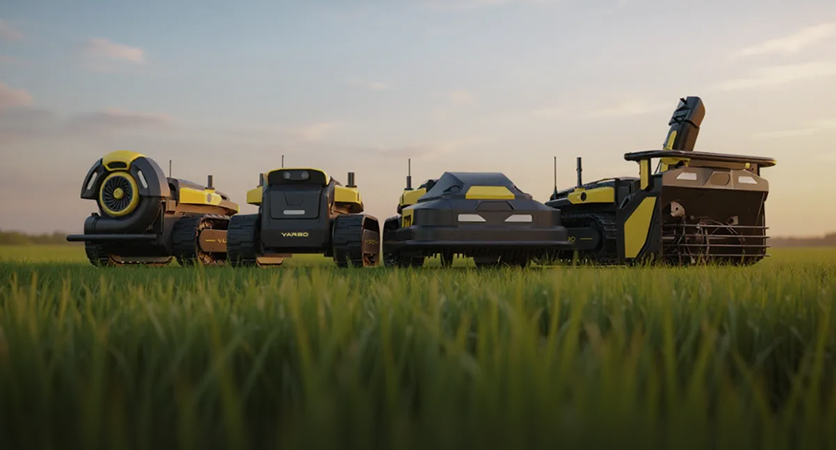
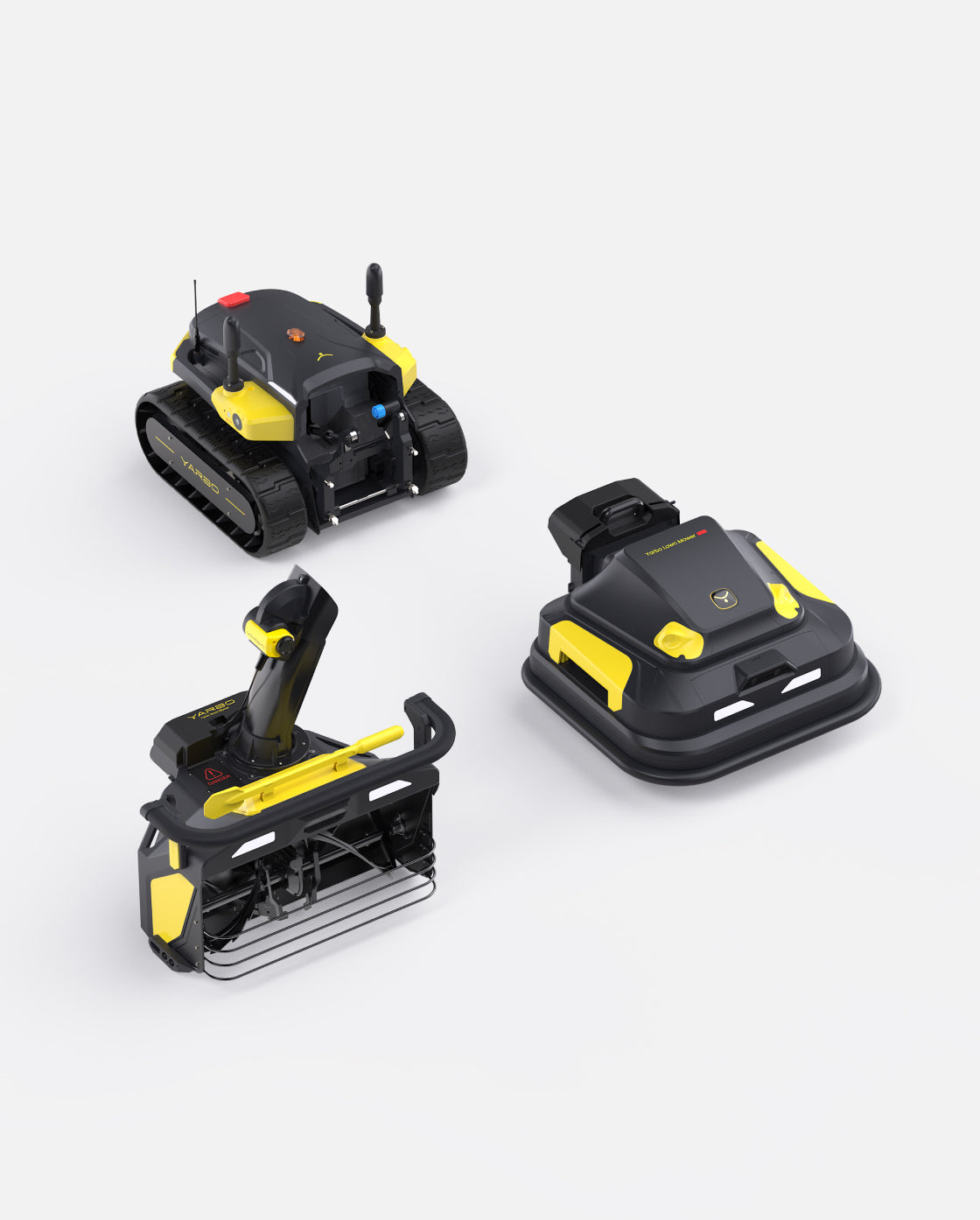
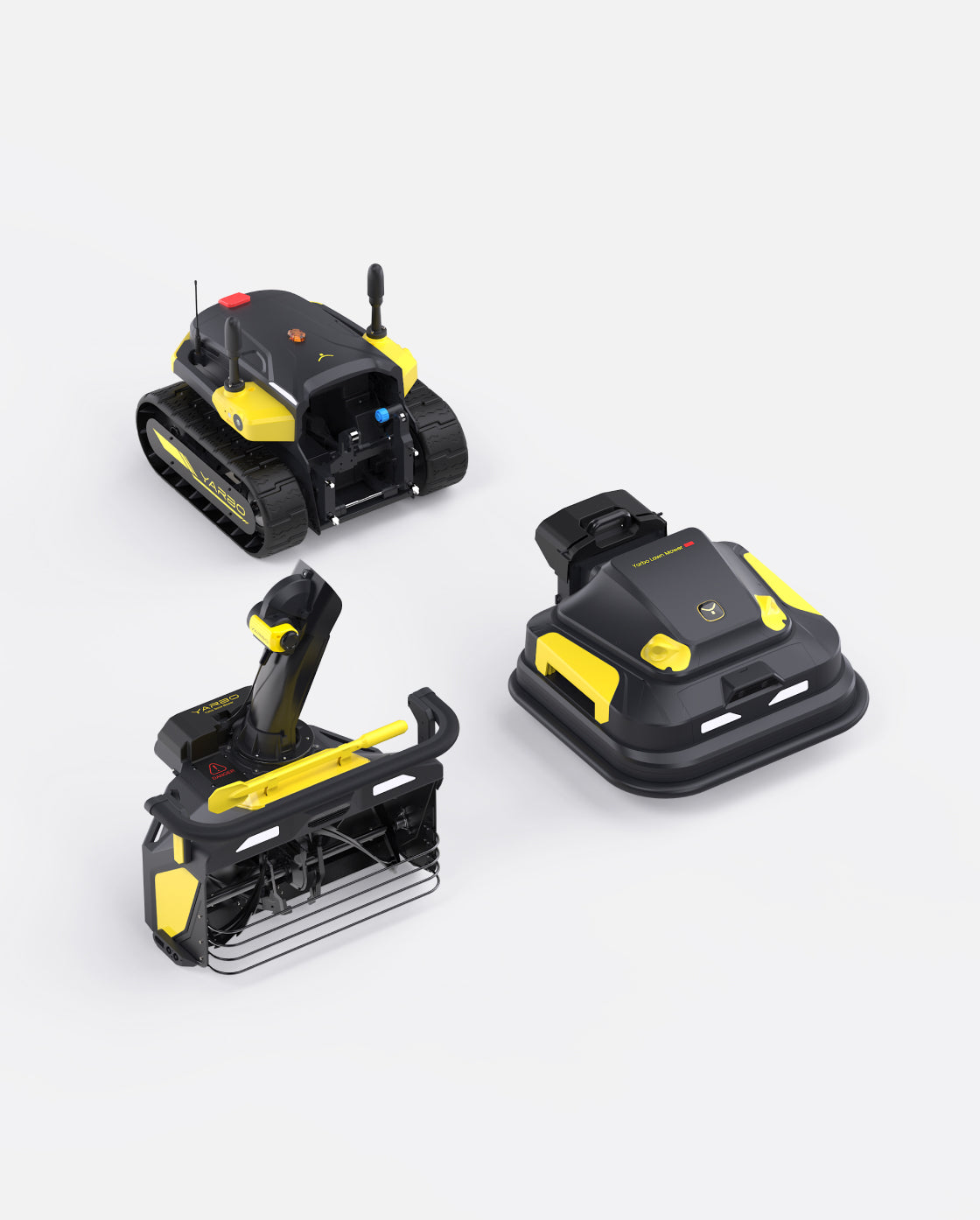


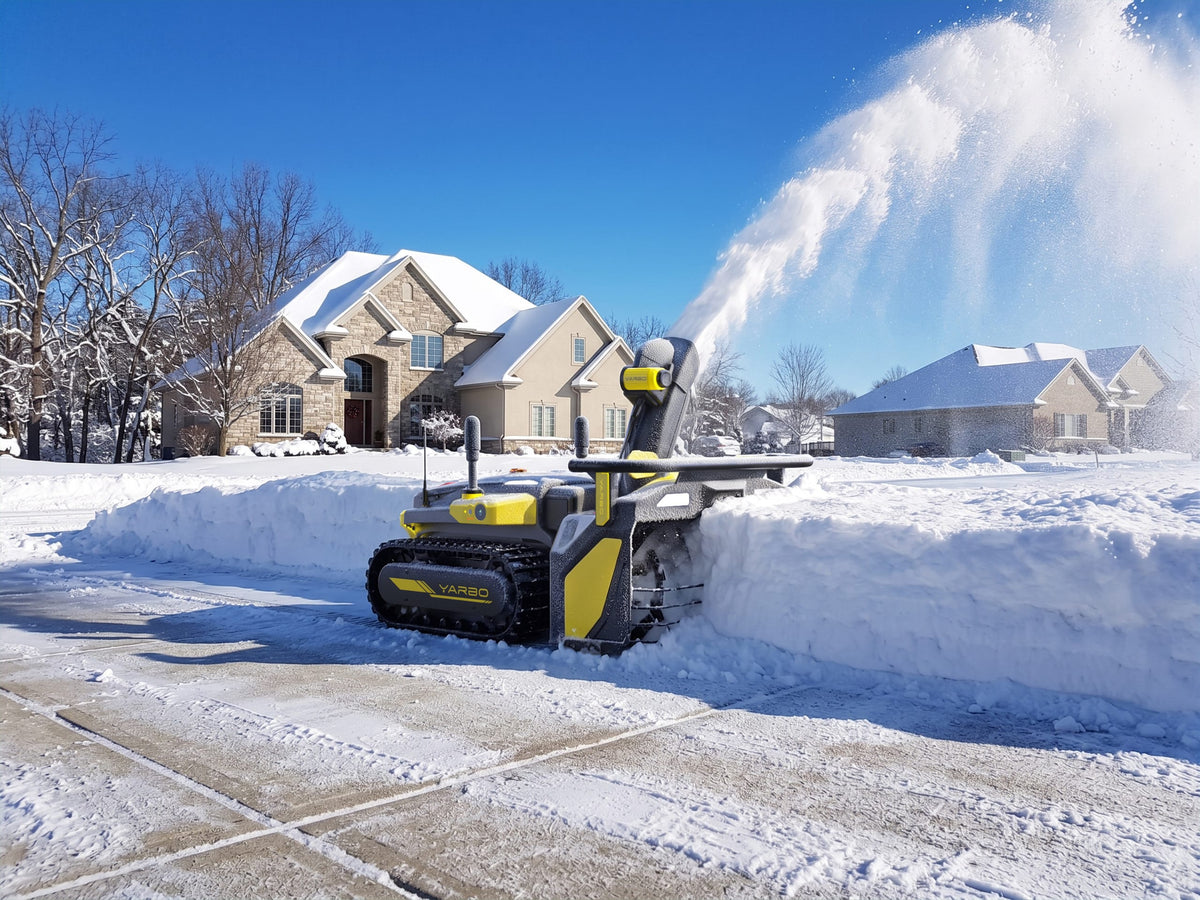
Table Of Contents
The Short Answer
For most residential driveways, a 2-stage snow blower is enough. A 3-stage machine may justify its extra cost when you regularly face deep, heavy snowfall, a long or wide driveway, or a dense, compacted ridge left by the street plow at the end of the driveway.
If you've already decided you need more than a single-stage blower, the real question is whether that third stage, called the accelerator, will make a noticeable difference where you live. This guide explains what the accelerator does, where it helps, where it doesn't, and how a robotic snow blower approaches the same problem in a different way.
If you're still deciding between one and two stages, start with our single-stage vs. two-stage snow blower guide.
How 2-Stage and 3-Stage Snow Blowers Work
Both designs start the same way. A rotating auger at the front of the housing breaks up snow and pulls it toward the center. That is stage one.
2-stage: The auger feeds snow directly into a high-speed impeller (a fan) behind it. The impeller throws the snow up and out through the chute. That is stage two.
3-stage: An extra component, the accelerator, sits in the center of the housing between the auger and the impeller. It helps break up and move snow into the impeller more quickly. The impeller then throws it out as usual.
Think of it like a kitchen line. In a 2-stage machine, one cook chops and passes the food straight to the person plating it. In a 3-stage machine, a second cook in the middle speeds the hand-off when orders pile up. On a quiet night, that extra cook adds little. During a rush, the difference shows.
The accelerator does not automatically make the housing taller or the clearing path wider. Intake height and clearing width still depend on the specific model, so compare those specs directly rather than assuming a 3-stage machine is bigger.
What the Third Stage Adds: Side-by-Side
The accelerator mainly changes how quickly snow moves through the machine. Most other differences come from the fact that 3-stage models are often positioned toward the heavy-duty end of a brand's lineup.
| Factor | Traditional 2-Stage Snow Blower | Traditional 3-Stage Snow Blower |
|---|---|---|
| How snow enters | Auger feeds the impeller directly | Accelerator helps break up and feed snow into the impeller |
| Clearing speed | Steady in light to moderate snow; can slow in deep, heavy snow | Designed to keep material moving in deep or heavy snow; the gain is smaller in light snow |
| Compacted snow and plow piles | Handles manageable packed snow, often with slower passes | The accelerator can help break up and move dense, compacted snow, but is not intended to break solid ice |
| Weight and handling | Available in lighter and heavier configurations | Often heavier; power steering on some models helps |
| Price range | Wide range, from compact to large models | Often higher than comparable 2-stage models |
| Maintenance | Power-source servicing, shear pins, belts, auger and impeller checks | Similar requirements, plus an accelerator mechanism to inspect |
Exact speed gains vary by model, engine size, and snow type. Check the manufacturer's specifications and independent reviews rather than relying on a general rule.
When Is a 3-Stage Snow Blower Worth It?
A third stage may be worth the investment when your snow is frequently deep, heavy, or densely compacted. If your storms are mostly a few inches of light snow, a capable 2-stage machine will usually do the same job for less money.
Snowfall amount and type. The accelerator's advantage is most noticeable in deep accumulations and wet, dense snow. In light, powdery snow, a 2-stage impeller may already provide sufficient clearing capacity.
The plow pile at the end of the driveway. When a municipal plow passes, it often leaves a compacted ridge across the driveway entrance. This is where an accelerator may help, because it can break up and feed dense snow into the impeller. Hard-frozen material or solid ice may still require manual removal.
Driveway size. On a long or wide driveway, faster snow processing can save more total time per storm. On a short, single-car driveway, the benefit may be less noticeable.
Who will run it. Many 3-stage machines are relatively heavy. If the person clearing snow prefers a lighter, easier-to-turn machine, that matters as much as raw throughput.
A simple rule of thumb: if you regularly clear deep accumulation approaching your machine's intake height, or struggle with a heavy plow ridge after most storms, a 3-stage model is worth comparing. Otherwise, a well-sized 2-stage machine may be sufficient.
A Different Approach: Clearing Often Instead of Clearing Harder
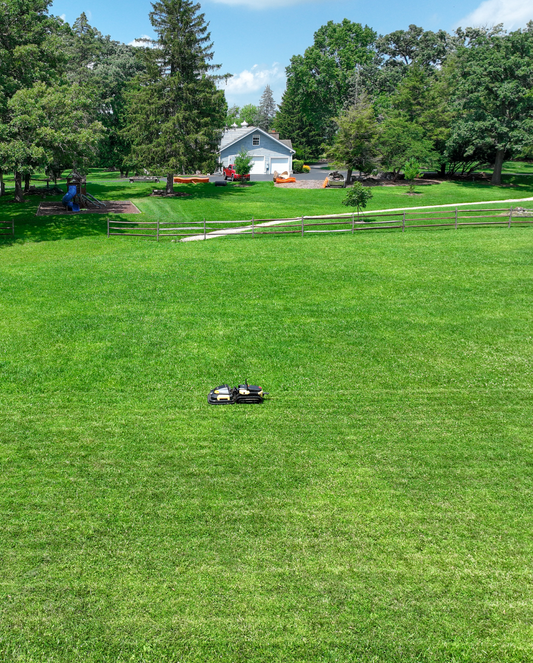
A third stage solves a specific problem: moving a large amount of snow efficiently in one session. A robotic snow blower takes a different route. Instead of waiting for the storm to end, it can clear in smaller passes while snow is still falling, helping keep accumulation manageable.
How a Yarbo Snow Blower Works
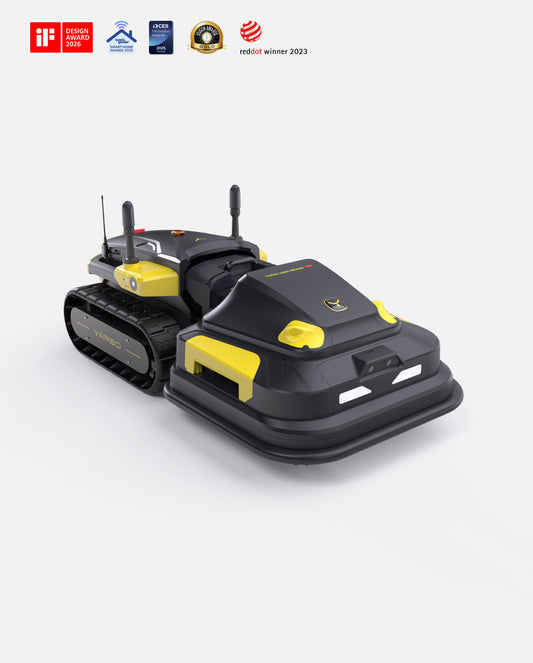
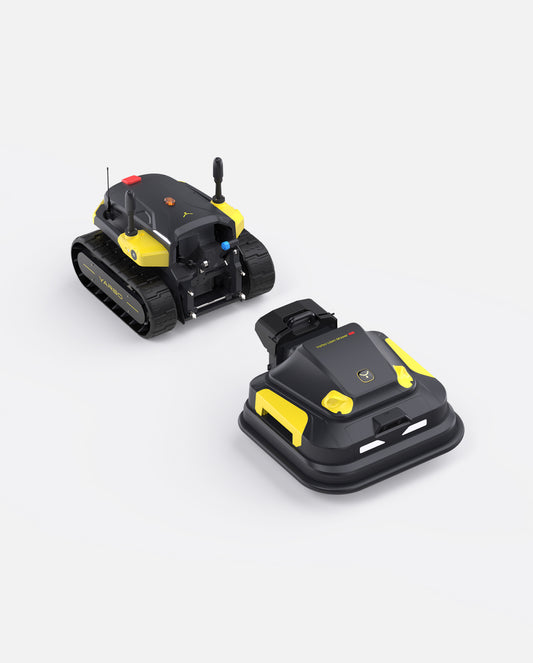
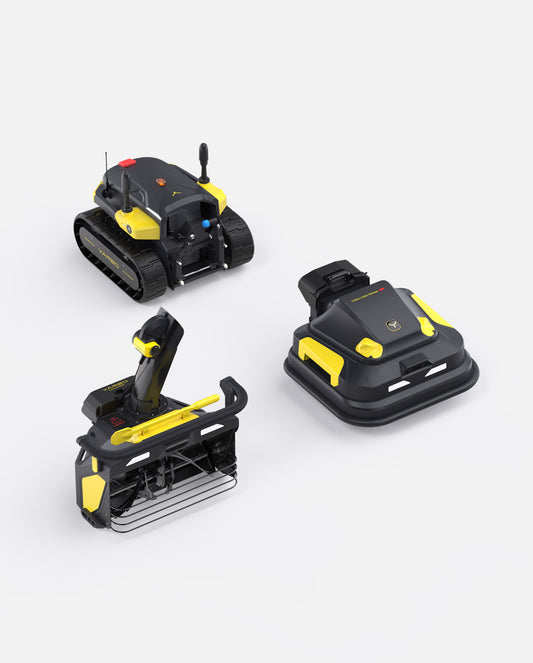
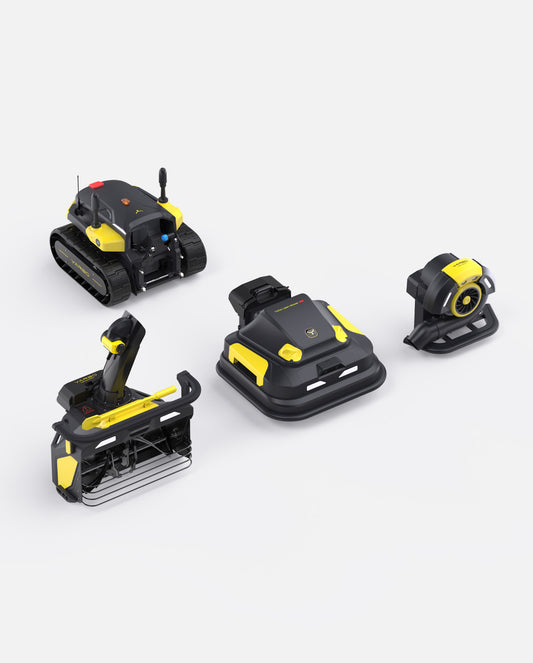
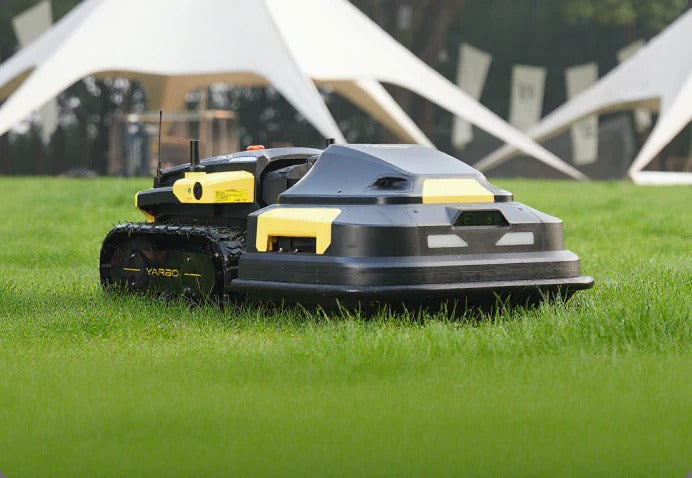
The Yarbo robotic snow blower pairs a Yarbo Core with Snow Blower Module Gen 2. The module itself is a 2-stage design: an auger gathers snow, and an impeller throws it out through an adjustable chute.
-
Setup: Depending on your configuration, you can use an RTK base station or supported NetRTK positioning where network coverage is available. You then map driveways, walkways, and other suitable clearing areas in the Yarbo App. No boundary wires are required.
-
Operation: Yarbo supports weather-triggered clearing, scheduled runs, and manual task initiation through the app. Its PPVS navigation system combines RTK-GPS, stereo vision, odometry, and IMU sensors to help maintain positioning within mapped zones.
-
Charging: At approximately 20% battery, Yarbo can return to its dock, recharge to approximately 80% in around 1.5 hours, and resume its configured task.
-
Control: The chute and deflector are motor-driven, allowing you to adjust snow-throwing direction and distance through the app rather than by hand.

Key Specs (Y40 and Y40P)
The Y40 Core + Snow Blower Module Gen 2 and Y40P version use the same module, so their published clearing figures are identical. The Cores differ in drive system and coverage per charge.
| Spec | Y40 Core + Snow Blower Module Gen 2 | Y40P Core + Snow Blower Module Gen 2 |
|---|---|---|
| Design | 2-stage | 2-stage |
| Intake height | 12 in | 12 in |
| Clearing width | 24 in | 24 in |
| Throw distance | Up to 40 ft | Up to 40 ft |
| Coverage per charge (in 1 in of snow) | Up to 6,000 sq. ft. | Up to 7,000 sq. ft. |
| Snow-removal slope rating | Up to 36% (approximately 20°) | Up to 36% (approximately 20°) |
| Operating temperature | -13°F to 113°F | -13°F to 113°F |
Coverage per charge is measured in 1 inch of snow; actual coverage may be lower in deeper or wetter snow. The published slope rating is subject to traction and operating conditions and does not guarantee safe clearing on every icy slope.
Why Yarbo Takes a Different Approach
Yarbo's approach is to reduce snow buildup through repeated clearing rather than relying solely on maximum single-pass capacity. Scheduled or weather-triggered passes can help keep accumulation within the module's 12-inch intake height, while Yarbo's guidance for deep snow recommends clearing in manageable layers instead of waiting for one large accumulation.
A conventional walk-behind machine requires an operator for each clearing session. Yarbo can repeat configured tasks and recharge between runs without continuous manual steering.
However, this approach still depends on snowfall intensity, battery capacity, operating conditions, and occasional intervention.
Where You May Still Need to Step In
This approach has limits, and they are worth knowing before you buy:
-
Street plow ridges: Compacted piles left by municipal plows may need extra passes or manual breakup.
-
Heavy, wet snow: The optional Snow Plow Blade is designed for suitable wet or packed snow. It attaches to the compatible Snow Blower Module and provides a pushing alternative when snow is difficult to discharge through the chute.
-
Obstacles: Keep vehicles, loose objects, and other obstructions out of mapped clearing zones.
-
Upfront cost and setup: A robotic snow blower generally costs more upfront than many conventional walk-behind machines and requires positioning and mapping setup.
-
Routine care: Instead of gas-engine maintenance, expect battery care, track inspection, and regular checks of the auger, chute, and other components.
Which Option Fits Your Driveway?
There is no single best design. Each fits a different combination of snowfall, driveway conditions, and the amount of time you want to spend clearing snow.
| Option | Best Fit | Main Trade-Off |
|---|---|---|
| Traditional 2-stage | Most residential driveways; moderate to heavy snowfall; buyers looking for a capable, often lower-cost machine | Requires an operator to guide each clearing session; deep accumulation may require slower passes |
| Traditional 3-stage | Frequent deep or heavy snow; long, wide driveways; dense street plow ridges | Often higher price and weight; limited advantage in light snow |
| Yarbo robotic snow blower | Frequent snowfall; homeowners who want less manual steering; properties that could also benefit from mowing or leaf cleanup with the same Core | Higher upfront cost and initial setup; compacted piles and very wet snow may still require intervention |
If you choose Yarbo, the Snow Blower Collection compares the two Cores. The Y40 offers the same clearing width, intake height, and throw distance as the Y40P at a lower price. The Y40P is worth considering for longer driveways, larger mapped areas, and frequent clearing, with published coverage of up to 7,000 sq. ft. per charge under the stated 1-inch snow condition.
The Bottom Line
The third stage is a useful upgrade for certain snow conditions. If deep, heavy snow and compacted plow ridges are a regular part of your winter, a 3-stage blower is worth comparing with high-capacity 2-stage models. If not, a well-sized 2-stage machine can handle many residential driveways effectively.
And if your goal is to spend less time actively operating snow-removal equipment, a robotic snow blower that clears smaller amounts more frequently may change the question entirely.
You can explore Yarbo's snow removal products to see how they fit your property.
FAQ
What Is a 3-Stage Snow Blower?
A 3-stage snow blower adds an accelerator between the auger and the impeller. The accelerator helps move collected snow into the impeller more quickly, which can be particularly useful in deep, heavy, or compacted snow.
Can a 3-Stage Snow Blower Be Used on a Gravel Driveway?
Some models can, with care. Auger-based snow blowers can pick up loose stones, so manufacturers may recommend raising the intake using adjustable skid shoes. Check your model's manual for the appropriate setting.
For Yarbo, official guidance recommends raising the intake by approximately 2 inches on suitable gravel surfaces to reduce stone pickup. This does not eliminate the risk of throwing gravel.
Does a 3-Stage Snow Blower Use More Gas?
Fuel use depends on engine size, operating load, and how long you run the machine, not on stage count alone. Some 3-stage models have larger engines, so compare the manufacturer's engine specifications and actual fuel consumption.
A Yarbo robotic snow blower is battery-powered and uses no gasoline during operation. Its ongoing costs include electricity, maintenance, and any applicable optional connectivity services.
Is a 2-Stage Snow Blower Enough for Heavy Snow?
For many residential driveways, yes. A suitably sized 2-stage machine can handle heavy snow, though it may need slower passes in deep or dense accumulation.
Yarbo Snow Blower Module Gen 2 is also a 2-stage design, with a 12-inch intake height. Actual one-pass clearing capability depends on snow conditions, and recurring clearing during a storm can help prevent excessive buildup.
Can a Robotic Snow Blower Clear the Street Plow Pile?
Sometimes, but not always. Piles left by street plows are often dense and compacted, so they may require extra passes or manual assistance, even with a robotic snow blower. Hard-frozen material may need to be broken up before clearing.
Table Of Contents
Subscribe
- Afghanistan+93
- Albania+355
- Algeria+213
- Andorra+376
- Angola+244
- Antigua and Barbuda+1268
- Argentina+54
- Armenia+374
- Aruba+297
- Australia+61
- Austria+43
- Azerbaijan+994
- Bahamas+1242
- Bahrain+973
- Bangladesh+880
- Barbados+1246
- Belarus+375
- Belgium+32
- Belize+501
- Benin+229
- Bhutan+975
- Bolivia+591
- Bosnia and Herzegovina+387
- Botswana+267
- Brazil+55
- British Indian Ocean Territory+246
- Brunei+673
- Bulgaria+359
- Burkina Faso+226
- Burundi+257
- Cambodia+855
- Cameroon+237
- Canada+1
- Cape Verde+238
- Caribbean Netherlands+599
- Central African Republic+236
- Chad+235
- Chile+56
- China+86
- Colombia+57
- Comoros+269
- Congo+243
- Congo+242
- Costa Rica+506
- Côte d’Ivoire+225
- Croatia+385
- Cuba+53
- Curaçao+599
- Cyprus+357
- Czech Republic+420
- Denmark+45
- Djibouti+253
- Dominica+1767
- Dominican Republic+1
- Ecuador+593
- Egypt+20
- El Salvador+503
- Equatorial Guinea+240
- Eritrea+291
- Estonia+372
- Ethiopia+251
- Fiji+679
- Finland+358
- France+33
- French Guiana+594
- French Polynesia+689
- Gabon+241
- Gambia+220
- Georgia+995
- Germany+49
- Ghana+233
- Greece+30
- Grenada+1473
- Guadeloupe+590
- Guam+1671
- Guatemala+502
- Guinea+224
- Guinea-Bissau+245
- Guyana+592
- Haiti+509
- Honduras+504
- Hong Kong+852
- Hungary+36
- Iceland+354
- India+91
- Indonesia+62
- Iran+98
- Iraq+964
- Ireland+353
- Israel+972
- Italy+39
- Jamaica+1876
- Japan+81
- Jordan+962
- Kazakhstan+7
- Kenya+254
- Kiribati+686
- Kosovo+383
- Kuwait+965
- Kyrgyzstan+996
- Laos+856
- Latvia+371
- Lebanon+961
- Lesotho+266
- Liberia+231
- Libya+218
- Liechtenstein+423
- Lithuania+370
- Luxembourg+352
- Macau+853
- Macedonia+389
- Madagascar+261
- Malawi+265
- Malaysia+60
- Maldives+960
- Mali+223
- Malta+356
- Marshall Islands+692
- Martinique+596
- Mauritania+222
- Mauritius+230
- Mexico+52
- Micronesia+691
- Moldova+373
- Monaco+377
- Mongolia+976
- Montenegro+382
- Morocco+212
- Mozambique+258
- Myanmar+95
- Namibia+264
- Nauru+674
- Nepal+977
- Netherlands+31
- New Caledonia+687
- New Zealand+64
- Nicaragua+505
- Niger+227
- Nigeria+234
- North Korea+850
- Norway+47
- Oman+968
- Pakistan+92
- Palau+680
- Palestine+970
- Panama+507
- Papua New Guinea+675
- Paraguay+595
- Peru+51
- Philippines+63
- Poland+48
- Portugal+351
- Puerto Rico+1
- Qatar+974
- Réunion+262
- Romania+40
- Russia+7
- Rwanda+250
- Saint Kitts and Nevis+1869
- Saint Lucia+1758
- Saint Vincent and the Grenadines+1784
- Samoa+685
- San Marino+378
- São Tomé and Príncipe+239
- Saudi Arabia+966
- Senegal+221
- Serbia+381
- Seychelles+248
- Sierra Leone+232
- Singapore+65
- Slovakia+421
- Slovenia+386
- Solomon Islands+677
- Somalia+252
- South Africa+27
- South Korea+82
- South Sudan+211
- Spain+34
- Sri Lanka+94
- Sudan+249
- Suriname+597
- Swaziland+268
- Sweden+46
- Switzerland+41
- Syria+963
- Taiwan+886
- Tajikistan+992
- Tanzania+255
- Thailand+66
- Timor-Leste+670
- Togo+228
- Tonga+676
- Trinidad and Tobago+1868
- Tunisia+216
- Turkey+90
- Turkmenistan+993
- Tuvalu+688
- Uganda+256
- Ukraine+380
- United Arab Emirates+971
- United Kingdom+44
- United States+1
- Uruguay+598
- Uzbekistan+998
- Vanuatu+678
- Vatican City+39
- Venezuela+58
- Vietnam+84
- Yemen+967
- Zambia+260
- Zimbabwe+263
You have successfully subscribed!!
Check your welcome email for exclusive discounts.
Email Check Needed
We are unable to verify your email address.
Please check if the email
is correct.