Cart
0


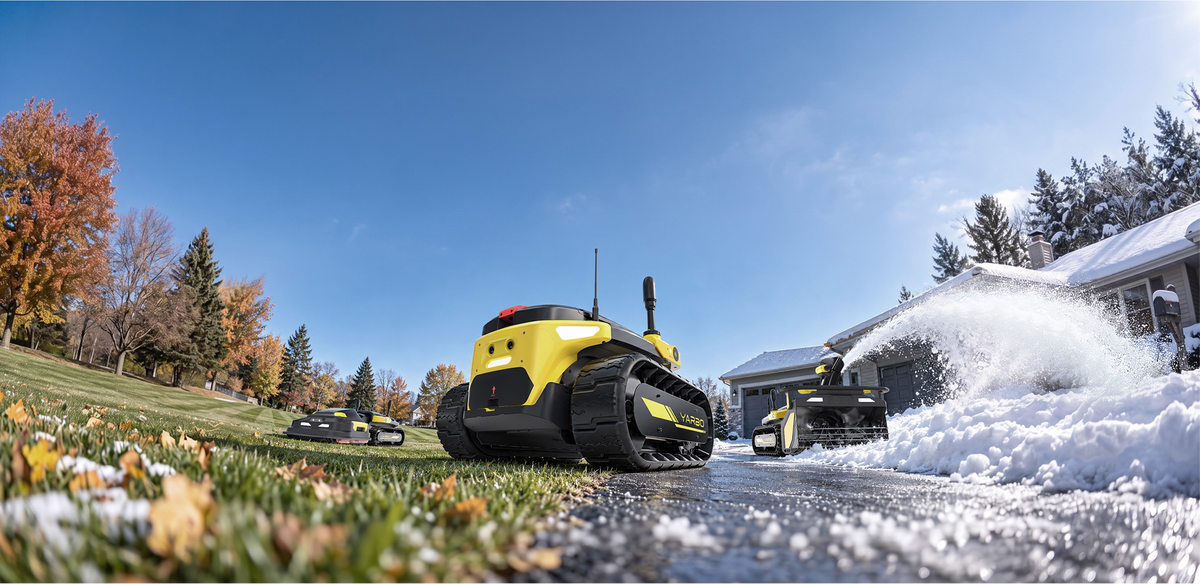
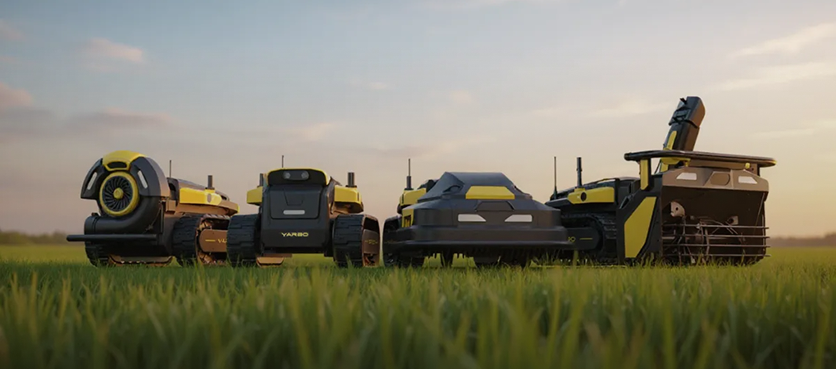
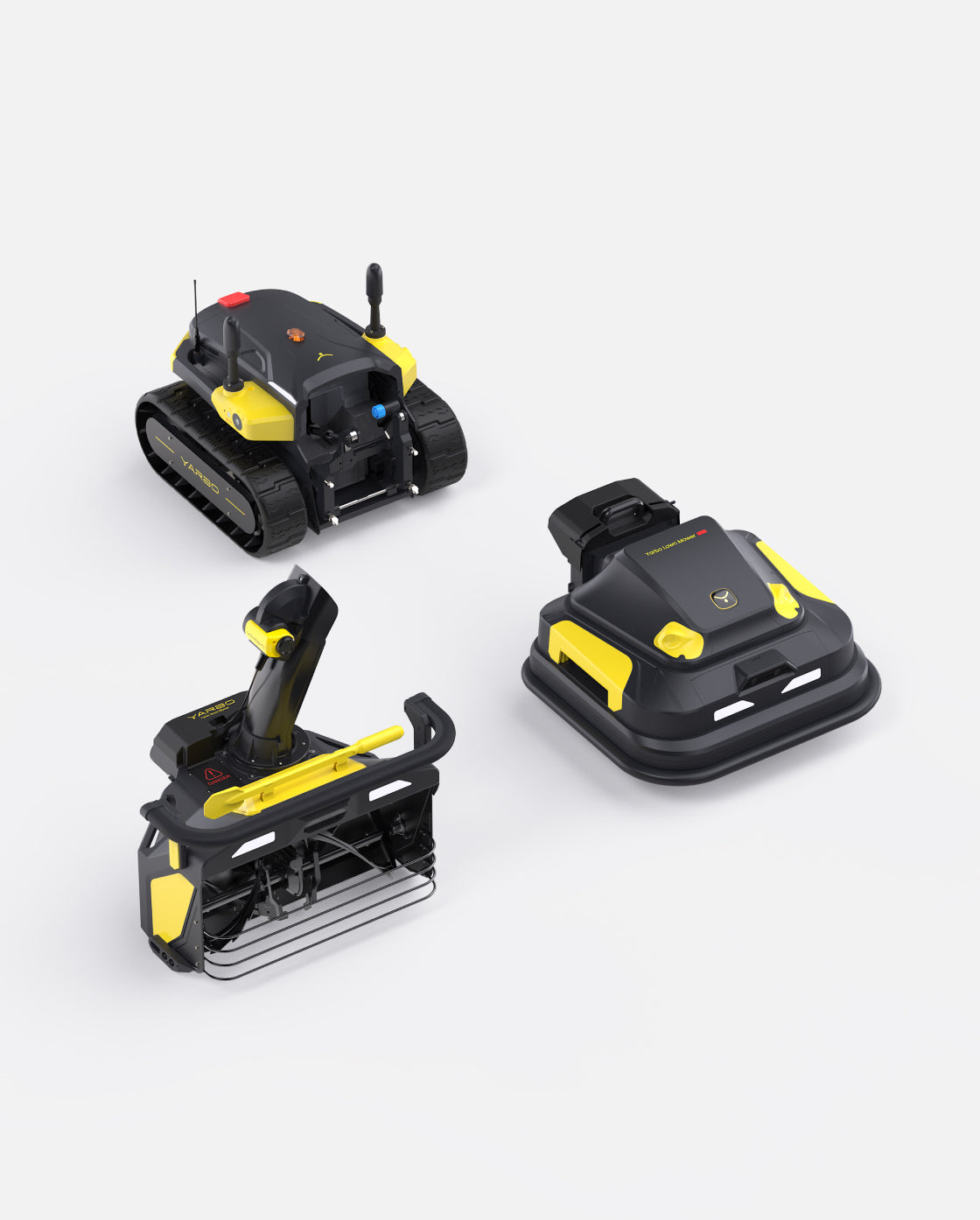
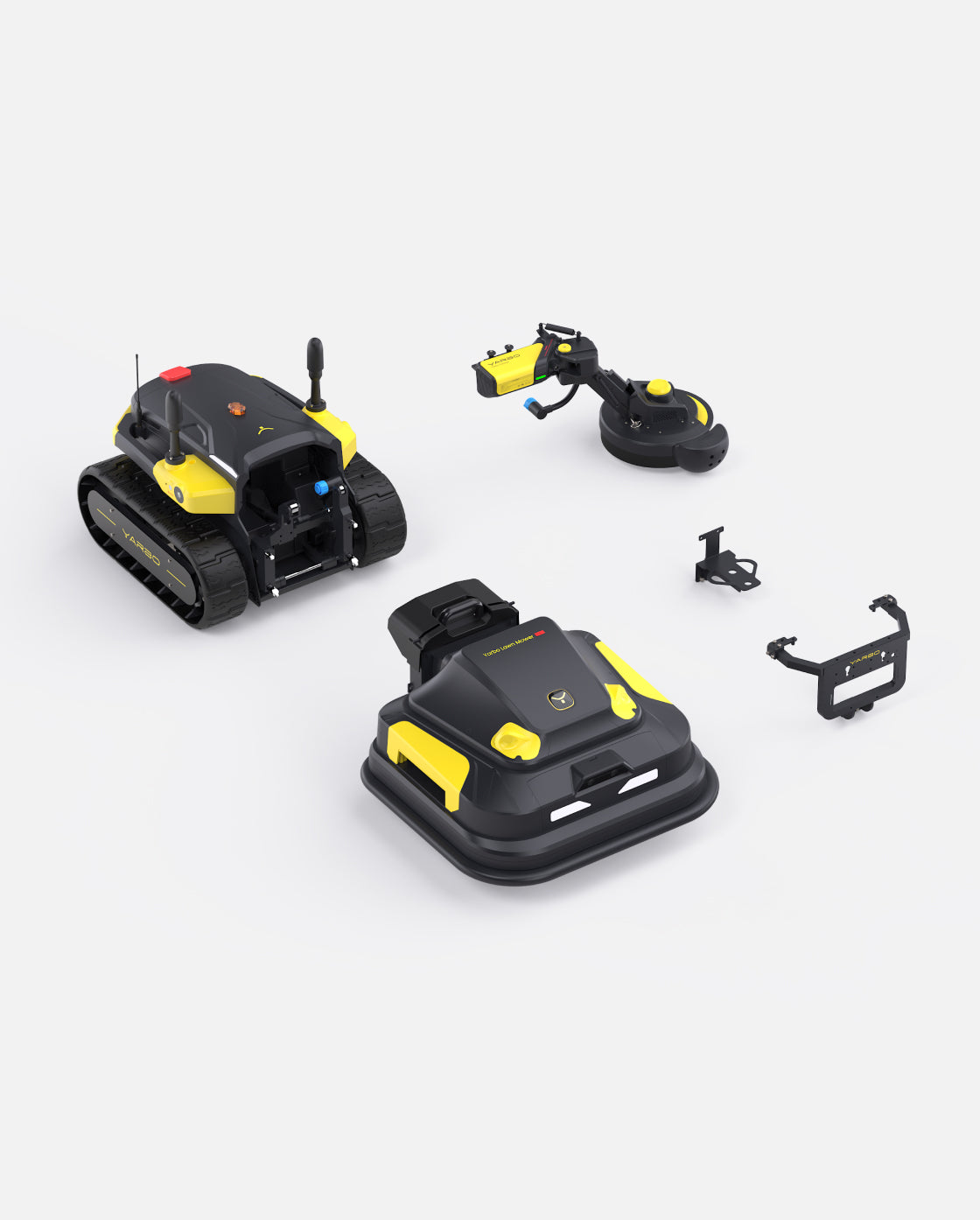



Table Of Contents
Quick Answer: A single-stage snow blower is generally a good fit for smaller, paved driveways with light to moderate snowfall. A two-stage snow blower is better suited to deeper, heavier snow, larger clearing areas, and certain uneven surfaces. The right choice depends on your typical winter conditions, driveway layout, and how much effort you want to put into snow removal.
A few inches of fresh snow on a short, paved driveway is a very different job from clearing a long driveway after an overnight storm. Both require a snow blower, but not necessarily the same kind.
When comparing single-stage vs. two-stage snow blowers, the key difference is how they collect and discharge snow. That affects how each machine handles heavy accumulation, uneven ground, and the dense ridge of snow often left at the end of a driveway by municipal plows.
Here's what you should know before choosing one.
How Do Single-Stage and Two-Stage Snow Blowers Work?
Single-Stage Snow Blower

A single-stage snow blower uses a rotating auger to collect snow and propel it directly through the discharge chute. There's no separate impeller to accelerate the snow after it enters the housing.
On many conventional single-stage models, the rubber-tipped auger contacts the pavement. This helps pick up snow close to the surface, making these machines particularly useful on smooth, paved driveways and walkways.
Single-stage models are generally lighter and easier to maneuver than larger two-stage machines. They're also easier to store when garage space is limited.
Their limitations become more noticeable as snow gets deeper, wetter, or more compacted. With only one mechanism handling both collection and discharge, a smaller machine may struggle to move heavy snow efficiently.
Two-Stage Snow Blowers

A two-stage snow blower separates snow collection from discharge.
First, a rotating auger gathers snow and moves it toward the center of the machine. A separate, high-speed impeller then propels the snow through the chute.
This arrangement generally allows two-stage models to move larger volumes of snow and throw it farther than comparable single-stage machines.
Most conventional two-stage snow blowers also have powered wheels or tracks, reducing the effort needed to move the machine through heavy accumulation.
The auger typically operates above the ground, with skid shoes helping control the intake housing's clearance. That makes suitably equipped models more practical on gravel or uneven surfaces, although loose stones can still be picked up and thrown.
Single-Stage vs. Two-Stage Snow Blower: Key Differences
| Feature | Single-Stage Snow Blower | Two-Stage Snow Blower |
|---|---|---|
| Snow removal mechanism | One auger collects and discharges snow | Auger collects snow; separate impeller discharges it |
| Typical snow conditions | Light to moderate snowfall | Deeper, heavier, or more frequent snowfall |
| Wet snow performance | May struggle as snow becomes dense and sticky | Generally better suited, but chute clogs can still occur |
| Clearing width | Usually narrower | Usually wider, depending on model |
| Surface compatibility | Primarily smooth, paved surfaces | Paved surfaces and some gravel or uneven areas |
| Movement | Most conventional models require manual pushing | Most conventional models are self-propelled |
| Size and storage | Generally lighter and more compact | Usually heavier and requires more space |
| Initial cost | Typically lower | Typically higher |
| Maintenance | Depends on engine or motor and components | Additional auger, impeller, and drive components may require maintenance |
These are general equipment characteristics. Actual clearing capacity, performance, and surface suitability vary by model.
When to Choose Single Stage: Ideal Scenarios
-
Small driveways or walkways If your driveway is short or you only need to clear sidewalks, a single stage snow blower is efficient and cost-effective.
-
Light or occasional snowfalls In areas with mild winters or seldom heavy snow, a single stage model is often enough.
-
Tight spaces and storage constraints It’s easier to maneuver around parked cars, narrow paths, or garden edges.
-
Budget-conscious buyers Offers a balance of function and affordability while still delivering solid performance for modest demands.
Imagine a homeowner in a temperate region with shallow snow and a compact driveway, a single stage snow blower is likely the best snow blower for their needs between the two choices single stage vs two stage snow blower.
Which Snow Blower Handles Heavy and Wet Snow Better?
A few inches of wet snow can be more demanding than a deeper layer of dry powder.
When temperatures hover around freezing, snow becomes heavier and more likely to stick inside the machine. A smaller single-stage blower may have difficulty feeding and discharging it, particularly if the accumulation has already been compacted.
A two-stage machine has a separate impeller to help move snow through the discharge chute. This generally gives it an advantage when clearing heavier accumulation.
Still, a two-stage design doesn't make a machine clog-proof.
Heavy, slushy snow can overwhelm the intake or obstruct the chute, especially when the operator moves too quickly. Slowing down, making narrower passes, or clearing snow before it becomes heavily compacted may help.
The ridge left by a street plow presents another challenge. Known as a windrow, it can contain dense snow and frozen chunks that are considerably harder to remove than fresh snowfall.
A capable two-stage blower may work through manageable sections in smaller passes. Hard-frozen material or solid ice may require a different removal method.
For areas with frequent deep or wet snowfall, a suitably sized two-stage snow blower is generally the more practical choice. Look at the manufacturer's intake height, clearing capacity, and recommended operating conditions rather than relying on the number of stages alone.
Does Driveway Size and Surface Make a Difference?
Absolutely. The amount of snow you receive matters, but so does the ground beneath it.
Small, Paved Driveways
If you have a short, level driveway and usually deal with a few inches of snow, a single-stage machine may be all you need.
Its lighter construction makes it easier to move around parked vehicles, clear short walkways, and store between storms.
You may not benefit much from the additional size and cost of a large two-stage machine if heavy accumulation is rare.
Long Driveways and Larger Properties
A longer driveway changes the workload.
Even moderate snowfall can require many passes, and a narrow clearing width means covering the same area in more trips.
A self-propelled two-stage model can reduce pushing effort and handle a wider path, particularly when the snow is deep enough to slow a smaller machine.
For large properties, also consider how often you're willing to operate the equipment. Clearing the same long driveway several times during a storm can take more of your time than the initial purchase decision might suggest.
Gravel and Uneven Surfaces
Most conventional single-stage snow blowers are intended for paved surfaces because their augers operate close to or against the ground.
On loose gravel, that creates a risk of picking up and throwing stones.
Two-stage models with adjustable skid shoes can keep the intake housing above the surface, reducing the chance of collecting gravel. This doesn't eliminate the risk, so always check the manufacturer's recommendations for your driveway type.
Sloped Driveways
On slopes, traction is often more important than the number of stages.
Many two-stage snow blowers have powered wheels or tracks that help move the machine uphill. But snow-covered and icy surfaces can still cause slipping or loss of control.
Check the equipment's slope and surface restrictions before use. A machine's ability to move uphill does not guarantee safe snow clearing on an icy grade.
Gas vs. Electric: Does Power Source Affect the Choice?
Single-stage and two-stage snow blowers are available with different power systems.
Gas-powered machines remain common, particularly among larger two-stage models. They can provide substantial clearing capacity, but require fuel, engine servicing, and seasonal storage preparation.
Battery-electric snow blowers eliminate gasoline handling and engine oil maintenance. However, battery capacity, cold-weather performance, charging time, and replacement costs become part of the ownership decision.
Electric doesn't automatically mean single-stage or lightweight.
Modern battery-powered two-stage snow blowers use both an auger and impeller, just like their gas-powered counterparts. The mechanical design determines how the machine processes snow; the power source determines how those components are driven.
There's also another distinction worth considering: whether you need to operate the machine throughout the job.
Where Does Yarbo Fit Into the Comparison?
Most conventional single-stage and two-stage snow blowers require you to guide the machine through each clearing pass.
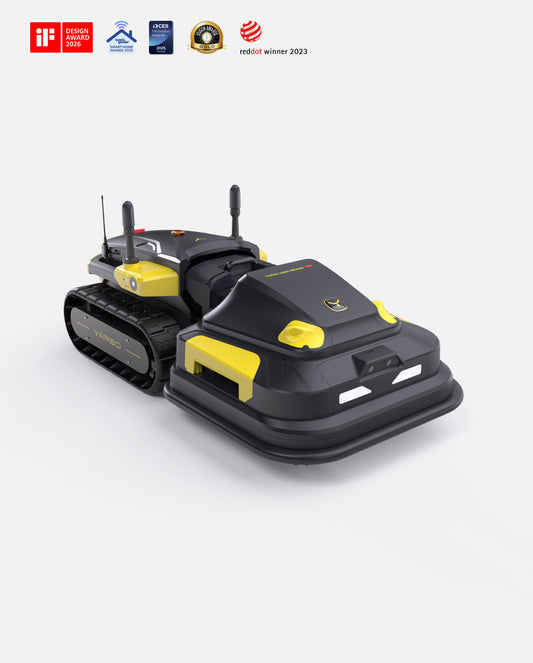
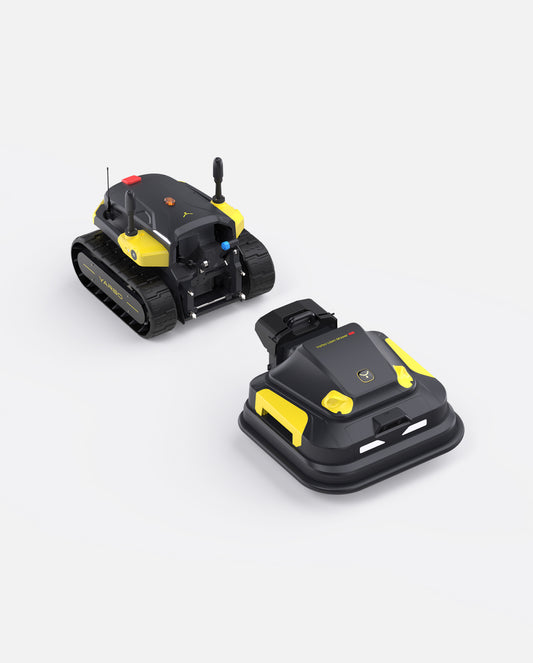
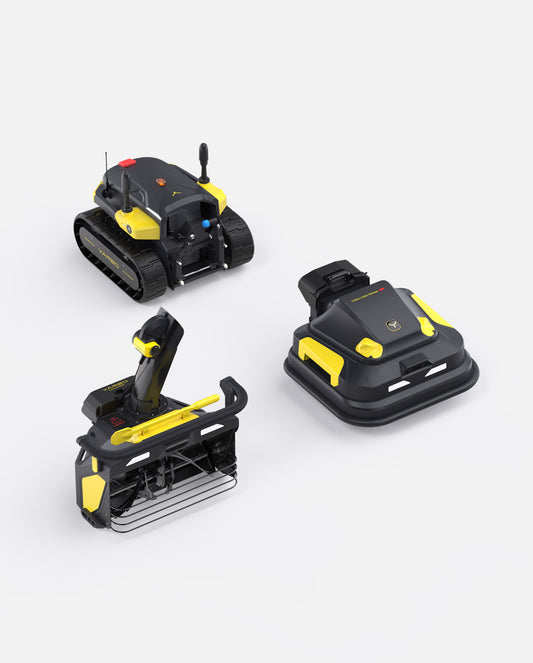
Yarbo takes a different approach. Its Snow Blower Module uses a two-stage auger and impeller system, while a compatible battery-powered robotic Core handles movement and navigation.
With the Yarbo App, you can map your driveway and walkways, configure work areas, and schedule snow clearing. The system also supports weather-triggered clearing and automatic docking and charging.
Instead of walking behind the blower throughout a storm, you can configure recurring clearing tasks in advance. As with other powered snow-removal equipment, proper setup, operating conditions, supervision requirements, and occasional intervention still matter.
Yarbo's Two-Stage Snow Blower Specifications
The current Y40 and Y40P configurations with Snow Blower Module Gen 2 share these published specifications:
| Feature | Yarbo Core with Snow Blower Gen 2 |
|---|---|
| Snow-clearing mechanism | Two-stage auger and impeller |
| Clearing width | 24 inches |
| Snow intake height | 12 inches |
| Maximum throwing distance | Up to 40 feet |
| Navigation | Autonomous navigation with mapped work areas |
| Charging | Automatic docking and recharging |
Source: Yarbo Robotic Snow Blower. Published specifications are subject to the applicable configuration and operating conditions.
The 12-inch intake height and 40-foot maximum throwing distance are equipment specifications, not guarantees for every snow condition. Wet, compacted, or icy accumulation may require additional passes or assistance.
What About Heavy, Wet Snow?
Yarbo also offers an optional Snow Plow Blade attachment for its compatible Snow Blower Module.
When snow becomes too wet or sticky to discharge effectively, the blade provides an alternative way to push suitable accumulation across the clearing area.
It isn't a replacement for every full-size plow, and its performance still depends on snow depth, traction, and available space. The attachment must be used with a compatible Snow Blower Module rather than installed directly on the Core.
For homeowners dealing with frequent snowfall, Yarbo's main distinction is not simply its two-stage clearing mechanism. It's the ability to combine that mechanism with mapped, recurring snow-removal tasks.
Which Snow Blower Should You Choose?
Consider these common situations before buying.
| Your Situation | What to Consider |
|---|---|
| Short, paved driveway with occasional light snow | A compact single-stage blower may be sufficient |
| Longer driveway with regular, deep snowfall | A self-propelled two-stage blower offers greater clearing capacity |
| Frequent heavy, wet accumulation | Look for a capable two-stage model and check its wet-snow handling |
| Gravel driveway | Consider a model with suitable adjustable clearance and manufacturer-approved surface use |
| Steep or icy driveway | Prioritize traction, control, and documented operating limits |
| Frequent storms and a preference for less manual operation | Consider a compatible autonomous two-stage system such as Yarbo |
Before purchasing, check three things: the snow conditions you actually experience, the surfaces you'll clear, and how much time you want to spend operating the machine.
A larger snow blower isn't necessarily a better purchase if your driveway is small and snowfall is light. Likewise, choosing the least expensive machine can be frustrating if it regularly struggles with the snow you need to move.
Frequently Asked Questions
Can a Single-Stage Snow Blower Handle Wet Snow?
Some can handle moderate amounts of wet snow, depending on the model and accumulation depth. However, heavy, sticky snow places more demand on the auger and can reduce discharge performance. A suitable two-stage model is generally better equipped for frequent wet or deep snowfall.
Can You Use a Two-Stage Snow Blower on Gravel?
Many two-stage snow blowers are suitable for gravel driveways when equipped with properly adjusted skid shoes. The intake can be raised above loose stones, but the risk of picking up gravel remains. Always follow the manufacturer's surface recommendations.
Are Electric Snow Blowers Available in Two-Stage Designs?
Yes. Battery-powered two-stage snow blowers use separate auger and impeller mechanisms, just like gas-powered models. Yarbo is one example of an electric two-stage system that also supports autonomous navigation and scheduled clearing.
Does a Two-Stage Snow Blower Require More Maintenance?
Not necessarily. Maintenance depends on the machine's design and power source.
Gas-powered models require engine-related care, while electric models require battery and electrical-system maintenance. Two-stage machines also have auger, impeller, and drive components that need inspection and servicing according to the manufacturer's instructions.
How Should You Store a Snow Blower After Winter?
Before storing your snow blower, remove any remaining snow and debris, let it dry thoroughly, and inspect it for signs of wear or damage.
For gas-powered models, follow the manufacturer's fuel-storage instructions. For battery-powered models, check the recommended battery care and storage conditions. Keep the equipment in a clean, dry, sheltered location.
If you own a Yarbo, storage depends on whether you're switching to another yard care module or putting the entire system away for the off-season. For detailed instructions, see our Snow Blower Storage: How to Store Yarbo After Winter guide.
Final Thoughts
If you usually clear a short, paved driveway after light snowfall, a single-stage snow blower may be the more sensible purchase. It's easier to handle, takes up less storage space, and can be sufficient for occasional winter cleanup.
For longer driveways and regions with frequent heavy snowfall, a two-stage machine offers more clearing capacity and typically requires less pushing effort.
If you'd rather automate recurring snow clearing than guide a machine through every storm, Yarbo adds another option to the traditional single-stage versus two-stage decision.
Explore Yarbo's robotic snow blowers to compare current configurations and find an option suited to your property's winter conditions.
Table Of Contents
Subscribe
- Afghanistan+93
- Albania+355
- Algeria+213
- Andorra+376
- Angola+244
- Antigua and Barbuda+1268
- Argentina+54
- Armenia+374
- Aruba+297
- Australia+61
- Austria+43
- Azerbaijan+994
- Bahamas+1242
- Bahrain+973
- Bangladesh+880
- Barbados+1246
- Belarus+375
- Belgium+32
- Belize+501
- Benin+229
- Bhutan+975
- Bolivia+591
- Bosnia and Herzegovina+387
- Botswana+267
- Brazil+55
- British Indian Ocean Territory+246
- Brunei+673
- Bulgaria+359
- Burkina Faso+226
- Burundi+257
- Cambodia+855
- Cameroon+237
- Canada+1
- Cape Verde+238
- Caribbean Netherlands+599
- Central African Republic+236
- Chad+235
- Chile+56
- China+86
- Colombia+57
- Comoros+269
- Congo+243
- Congo+242
- Costa Rica+506
- Côte d’Ivoire+225
- Croatia+385
- Cuba+53
- Curaçao+599
- Cyprus+357
- Czech Republic+420
- Denmark+45
- Djibouti+253
- Dominica+1767
- Dominican Republic+1
- Ecuador+593
- Egypt+20
- El Salvador+503
- Equatorial Guinea+240
- Eritrea+291
- Estonia+372
- Ethiopia+251
- Fiji+679
- Finland+358
- France+33
- French Guiana+594
- French Polynesia+689
- Gabon+241
- Gambia+220
- Georgia+995
- Germany+49
- Ghana+233
- Greece+30
- Grenada+1473
- Guadeloupe+590
- Guam+1671
- Guatemala+502
- Guinea+224
- Guinea-Bissau+245
- Guyana+592
- Haiti+509
- Honduras+504
- Hong Kong+852
- Hungary+36
- Iceland+354
- India+91
- Indonesia+62
- Iran+98
- Iraq+964
- Ireland+353
- Israel+972
- Italy+39
- Jamaica+1876
- Japan+81
- Jordan+962
- Kazakhstan+7
- Kenya+254
- Kiribati+686
- Kosovo+383
- Kuwait+965
- Kyrgyzstan+996
- Laos+856
- Latvia+371
- Lebanon+961
- Lesotho+266
- Liberia+231
- Libya+218
- Liechtenstein+423
- Lithuania+370
- Luxembourg+352
- Macau+853
- Macedonia+389
- Madagascar+261
- Malawi+265
- Malaysia+60
- Maldives+960
- Mali+223
- Malta+356
- Marshall Islands+692
- Martinique+596
- Mauritania+222
- Mauritius+230
- Mexico+52
- Micronesia+691
- Moldova+373
- Monaco+377
- Mongolia+976
- Montenegro+382
- Morocco+212
- Mozambique+258
- Myanmar+95
- Namibia+264
- Nauru+674
- Nepal+977
- Netherlands+31
- New Caledonia+687
- New Zealand+64
- Nicaragua+505
- Niger+227
- Nigeria+234
- North Korea+850
- Norway+47
- Oman+968
- Pakistan+92
- Palau+680
- Palestine+970
- Panama+507
- Papua New Guinea+675
- Paraguay+595
- Peru+51
- Philippines+63
- Poland+48
- Portugal+351
- Puerto Rico+1
- Qatar+974
- Réunion+262
- Romania+40
- Russia+7
- Rwanda+250
- Saint Kitts and Nevis+1869
- Saint Lucia+1758
- Saint Vincent and the Grenadines+1784
- Samoa+685
- San Marino+378
- São Tomé and Príncipe+239
- Saudi Arabia+966
- Senegal+221
- Serbia+381
- Seychelles+248
- Sierra Leone+232
- Singapore+65
- Slovakia+421
- Slovenia+386
- Solomon Islands+677
- Somalia+252
- South Africa+27
- South Korea+82
- South Sudan+211
- Spain+34
- Sri Lanka+94
- Sudan+249
- Suriname+597
- Swaziland+268
- Sweden+46
- Switzerland+41
- Syria+963
- Taiwan+886
- Tajikistan+992
- Tanzania+255
- Thailand+66
- Timor-Leste+670
- Togo+228
- Tonga+676
- Trinidad and Tobago+1868
- Tunisia+216
- Turkey+90
- Turkmenistan+993
- Tuvalu+688
- Uganda+256
- Ukraine+380
- United Arab Emirates+971
- United Kingdom+44
- United States+1
- Uruguay+598
- Uzbekistan+998
- Vanuatu+678
- Vatican City+39
- Venezuela+58
- Vietnam+84
- Yemen+967
- Zambia+260
- Zimbabwe+263
You have successfully subscribed!!
Check your welcome email for exclusive discounts.
Email Check Needed
We are unable to verify your email address.
Please check if the email
is correct.