Skip to content


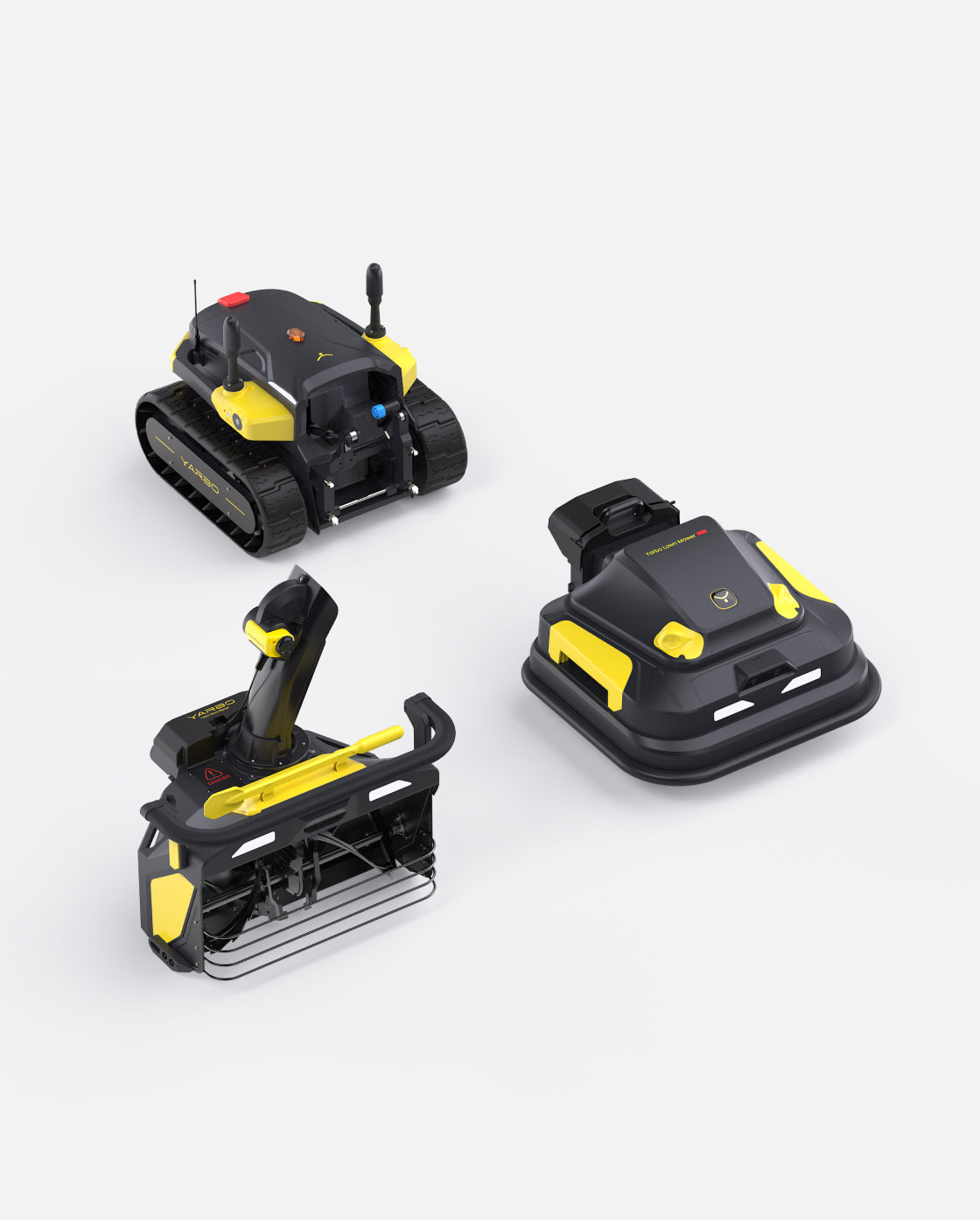
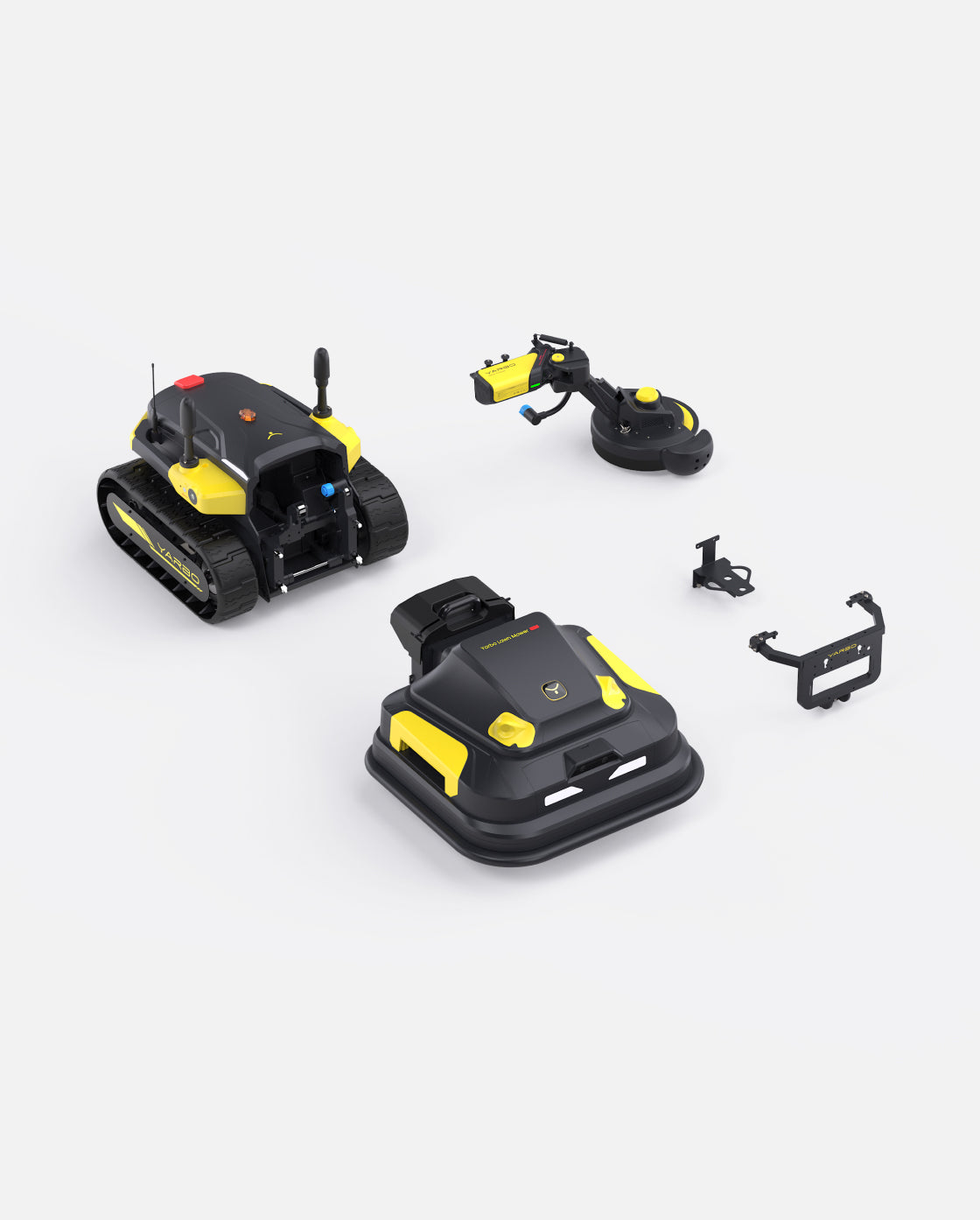
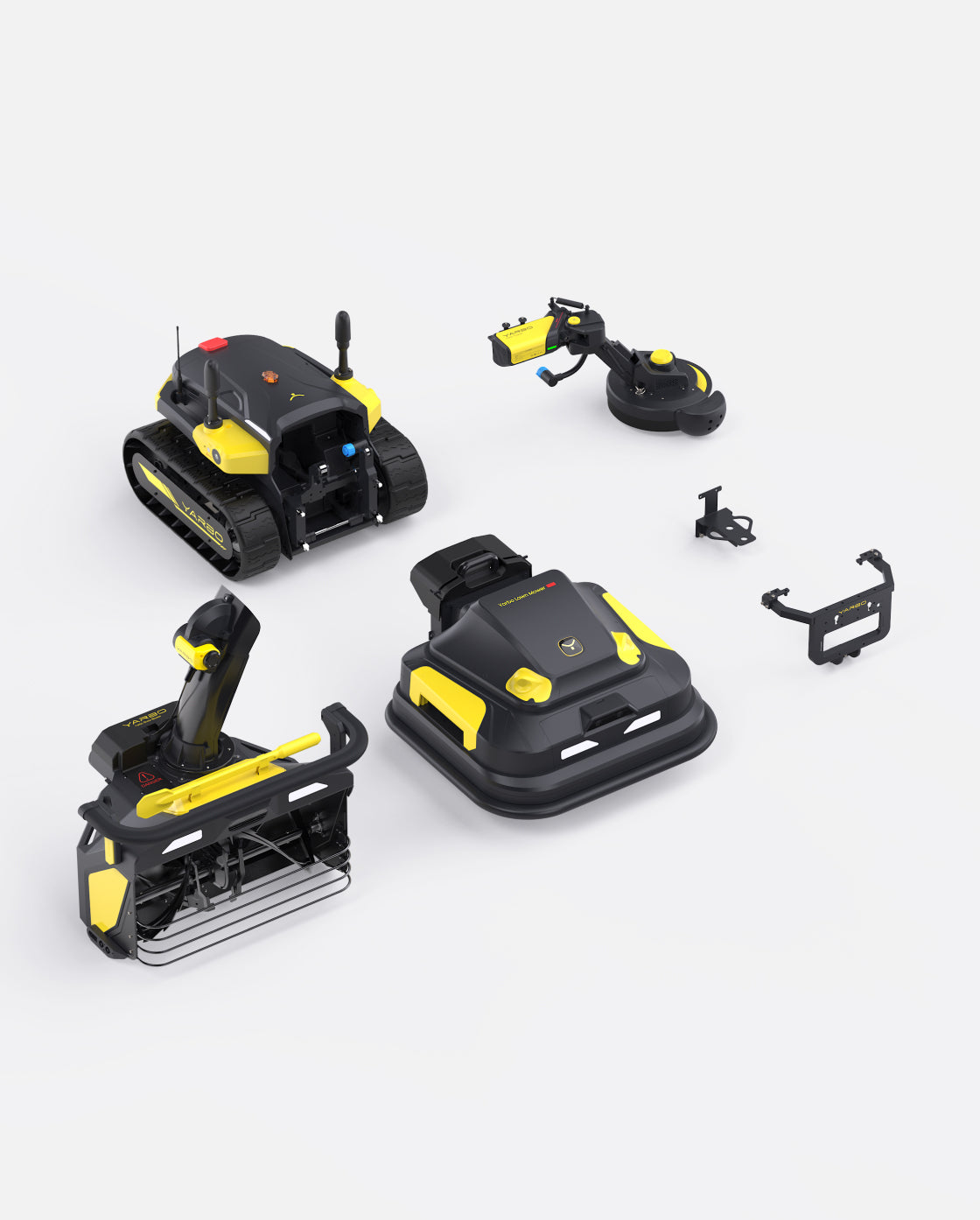
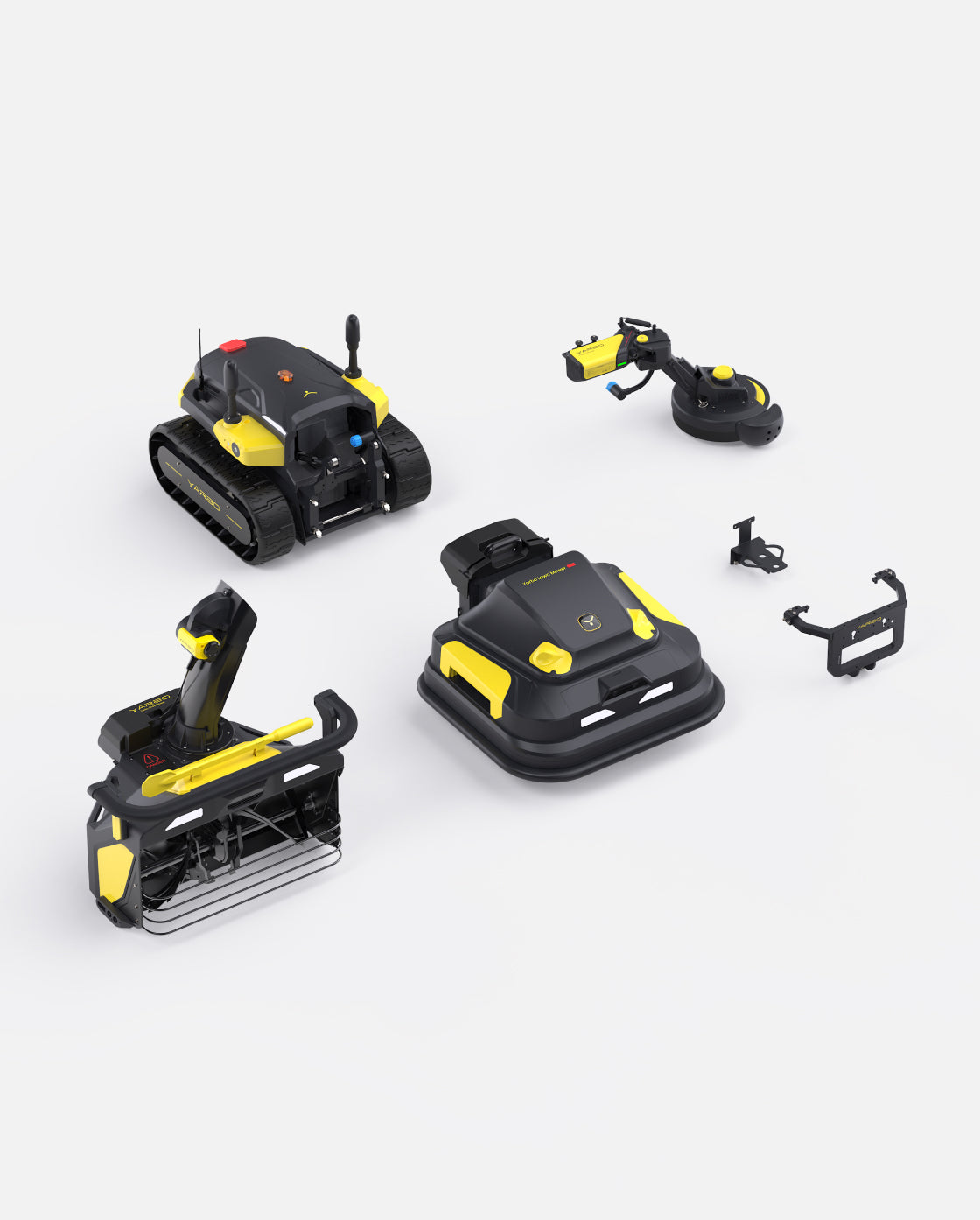


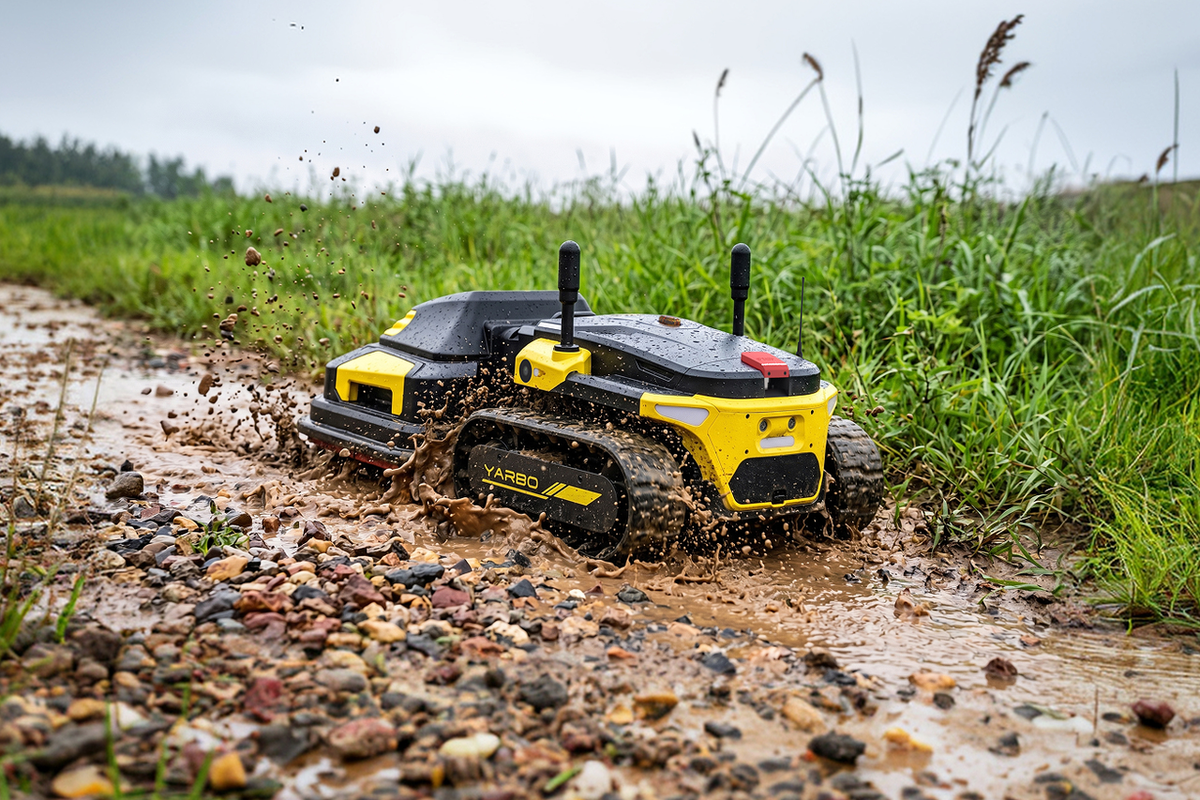
Table Of Contents
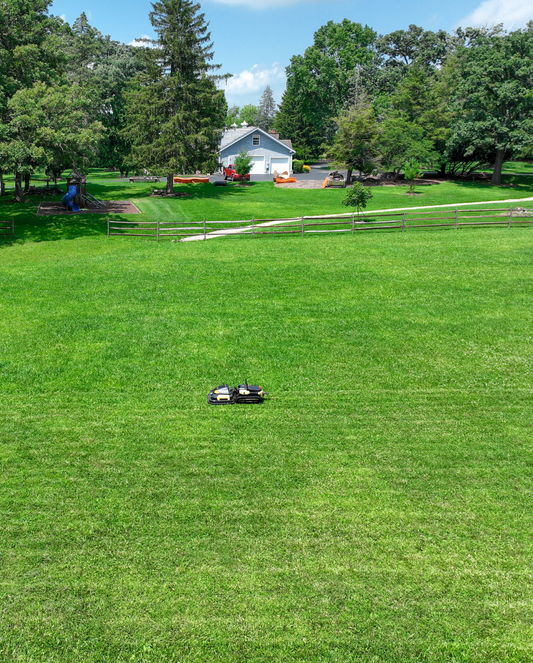
Most people buy a robotic lawn mower thinking about convenience. They picture it quietly working while they drink coffee on the porch. What they don't think about until it's too late: their yard.
Slopes. Soggy mornings after rain. Roots and drainage ditches cutting across the lawn. These aren't edge cases — they're the reality of most residential properties. And they're exactly where a lot of robot mowers fail.
Here's what's actually happening when your robot struggles, and what to look for if your yard doesn't play nice.
Why Terrain Is the First Filter
Most entry-level robotic lawn mowers are rated for slopes between 15–25% (roughly 8–14°). That sounds like a lot until you realize a typical suburban backyard with any kind of grade can easily exceed that. Underestimating your slope is one of the most common reasons people return a mower within the first month.
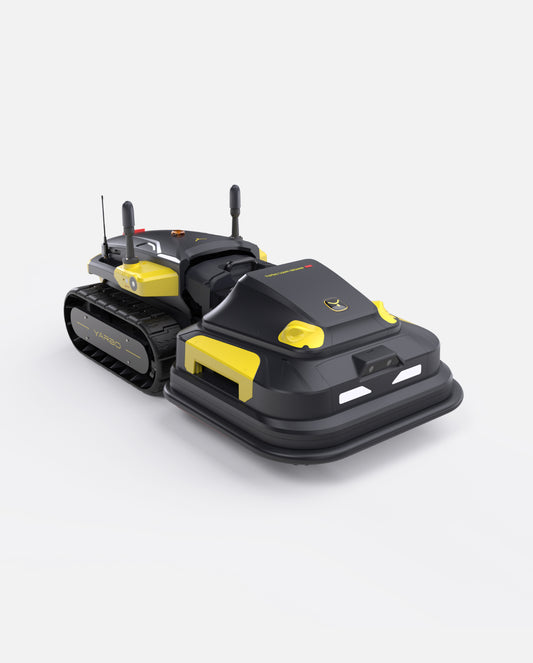
The other issue is the drive system. A standard two-wheel-drive robot on a wet incline is a physics problem waiting to happen — less traction, more wheel spin, and a machine that either stalls or slides. Tracked drive systems distribute weight across a larger contact area, which is why they tend to hold their line on slopes and uneven surfaces where wheeled units don't.
What Happens on Wet Grass
Wet grass cuts differently. It clumps, it slows blade speed, and cutting wet blades can increase the risk of turf disease. A robotic lawn mower with a rain sensor returns to its dock automatically when moisture is detected — that's the baseline feature to look for. Beyond that, how the machine handles resuming work after rain, and whether it can navigate a damp slope safely, depends heavily on the drive system.
Uneven Ground and What It Does to Cut Quality
This is the problem most reviews skip over. Uneven terrain doesn't just challenge traction — it challenges cut consistency. A deck that can't adapt to surface changes will scalp high spots and miss low ones, leaving your lawn looking worse than before.
Low center of gravity matters here. So does how the machine distributes its weight across the chassis on roots, drainage ditches, and grade transitions.
What the Yarbo Y40P Was Built For
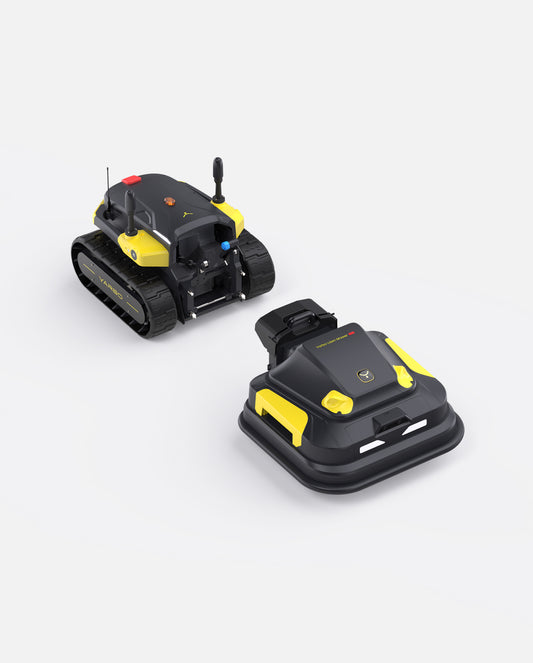
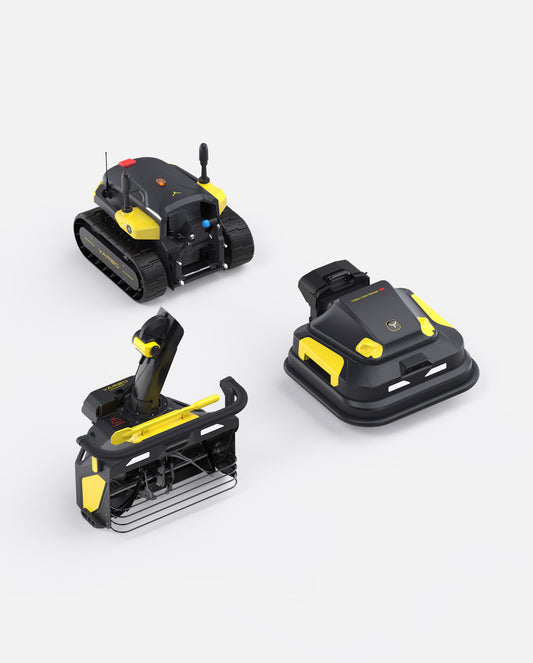
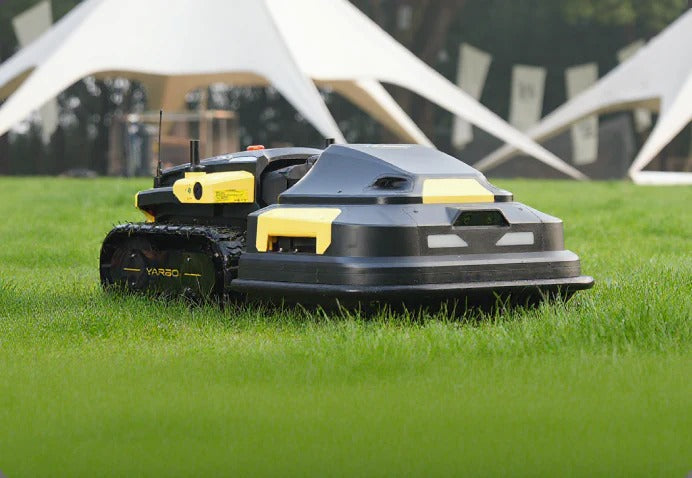
For yards that are flat, regular, and straightforward to maintain, the Yarbo Y40 handles the job reliably. The Y40P is built for when the terrain demands more — its key advantages are higher working speed and quieter operation, which together drive greater efficiency across large, complex properties.
Its dual hub motor drive system was specifically designed for slopes, drainage ditches, uneven ground, and dense grass — the conditions that expose the limits of standard robot mowers. It climbs slopes up to 70% (35°), with faster acceleration and turning response that helps it hold its line rather than drift on difficult ground. The hub motor system provides smoother motion control and steadier traction across thicker lawns and more varied backyard terrain.
Rain detection is built in, automatically returning the mower to its dock when needed. Binocular cameras, sensors, and a bumper system handle obstacle avoidance — navigation that holds up on the kind of complex, varied terrain that simpler machines can't manage.
If your yard has pushed cheaper robots to their limit, that's the baseline worth measuring against. Browse the full robot lawn mower lineup to see how different models stack up for demanding terrain.
What to Look For (Quick Reference)
Before buying any robot mower for a difficult yard, check these:
-
Slope rating: aim for 35°/70% or higher
-
Drive system: tracked for uneven terrain and hills
-
Rain detection: automatic dock return when wet
-
Coverage per charge, not just total coverage capacity
-
Obstacle detection quality — it matters more on uneven ground
FAQ
What slope can a robotic lawn mower handle?
Entry-level models typically manage 15–25% (8–14°). Performance robotic lawn mowers like the Yarbo Y40P reach 70% (35°), which covers most residential terrain, including steep backyard grades.
Can a robotic lawn mower work in the rain?
Most include rain sensors that return the mower to its dock when moisture is detected. How well a machine handles wet terrain depends primarily on its drive system and chassis design.
Is a tracked robotic lawn mower better than a wheeled one for hills?
Generally yes — tracks distribute weight more evenly and maintain traction across slopes and uneven surfaces better than standard wheels.
Table Of Contents
Subscribe
- Afghanistan+93
- Albania+355
- Algeria+213
- Andorra+376
- Angola+244
- Antigua and Barbuda+1268
- Argentina+54
- Armenia+374
- Aruba+297
- Australia+61
- Austria+43
- Azerbaijan+994
- Bahamas+1242
- Bahrain+973
- Bangladesh+880
- Barbados+1246
- Belarus+375
- Belgium+32
- Belize+501
- Benin+229
- Bhutan+975
- Bolivia+591
- Bosnia and Herzegovina+387
- Botswana+267
- Brazil+55
- British Indian Ocean Territory+246
- Brunei+673
- Bulgaria+359
- Burkina Faso+226
- Burundi+257
- Cambodia+855
- Cameroon+237
- Canada+1
- Cape Verde+238
- Caribbean Netherlands+599
- Central African Republic+236
- Chad+235
- Chile+56
- China+86
- Colombia+57
- Comoros+269
- Congo+243
- Congo+242
- Costa Rica+506
- Côte d’Ivoire+225
- Croatia+385
- Cuba+53
- Curaçao+599
- Cyprus+357
- Czech Republic+420
- Denmark+45
- Djibouti+253
- Dominica+1767
- Dominican Republic+1
- Ecuador+593
- Egypt+20
- El Salvador+503
- Equatorial Guinea+240
- Eritrea+291
- Estonia+372
- Ethiopia+251
- Fiji+679
- Finland+358
- France+33
- French Guiana+594
- French Polynesia+689
- Gabon+241
- Gambia+220
- Georgia+995
- Germany+49
- Ghana+233
- Greece+30
- Grenada+1473
- Guadeloupe+590
- Guam+1671
- Guatemala+502
- Guinea+224
- Guinea-Bissau+245
- Guyana+592
- Haiti+509
- Honduras+504
- Hong Kong+852
- Hungary+36
- Iceland+354
- India+91
- Indonesia+62
- Iran+98
- Iraq+964
- Ireland+353
- Israel+972
- Italy+39
- Jamaica+1876
- Japan+81
- Jordan+962
- Kazakhstan+7
- Kenya+254
- Kiribati+686
- Kosovo+383
- Kuwait+965
- Kyrgyzstan+996
- Laos+856
- Latvia+371
- Lebanon+961
- Lesotho+266
- Liberia+231
- Libya+218
- Liechtenstein+423
- Lithuania+370
- Luxembourg+352
- Macau+853
- Macedonia+389
- Madagascar+261
- Malawi+265
- Malaysia+60
- Maldives+960
- Mali+223
- Malta+356
- Marshall Islands+692
- Martinique+596
- Mauritania+222
- Mauritius+230
- Mexico+52
- Micronesia+691
- Moldova+373
- Monaco+377
- Mongolia+976
- Montenegro+382
- Morocco+212
- Mozambique+258
- Myanmar+95
- Namibia+264
- Nauru+674
- Nepal+977
- Netherlands+31
- New Caledonia+687
- New Zealand+64
- Nicaragua+505
- Niger+227
- Nigeria+234
- North Korea+850
- Norway+47
- Oman+968
- Pakistan+92
- Palau+680
- Palestine+970
- Panama+507
- Papua New Guinea+675
- Paraguay+595
- Peru+51
- Philippines+63
- Poland+48
- Portugal+351
- Puerto Rico+1
- Qatar+974
- Réunion+262
- Romania+40
- Russia+7
- Rwanda+250
- Saint Kitts and Nevis+1869
- Saint Lucia+1758
- Saint Vincent and the Grenadines+1784
- Samoa+685
- San Marino+378
- São Tomé and Príncipe+239
- Saudi Arabia+966
- Senegal+221
- Serbia+381
- Seychelles+248
- Sierra Leone+232
- Singapore+65
- Slovakia+421
- Slovenia+386
- Solomon Islands+677
- Somalia+252
- South Africa+27
- South Korea+82
- South Sudan+211
- Spain+34
- Sri Lanka+94
- Sudan+249
- Suriname+597
- Swaziland+268
- Sweden+46
- Switzerland+41
- Syria+963
- Taiwan+886
- Tajikistan+992
- Tanzania+255
- Thailand+66
- Timor-Leste+670
- Togo+228
- Tonga+676
- Trinidad and Tobago+1868
- Tunisia+216
- Turkey+90
- Turkmenistan+993
- Tuvalu+688
- Uganda+256
- Ukraine+380
- United Arab Emirates+971
- United Kingdom+44
- United States+1
- Uruguay+598
- Uzbekistan+998
- Vanuatu+678
- Vatican City+39
- Venezuela+58
- Vietnam+84
- Yemen+967
- Zambia+260
- Zimbabwe+263
You have successfully subscribed!!
Check your welcome email for exclusive discounts.
Email Check Needed
We are unable to verify your email address.
Please check if the email
is correct.