Skip to content




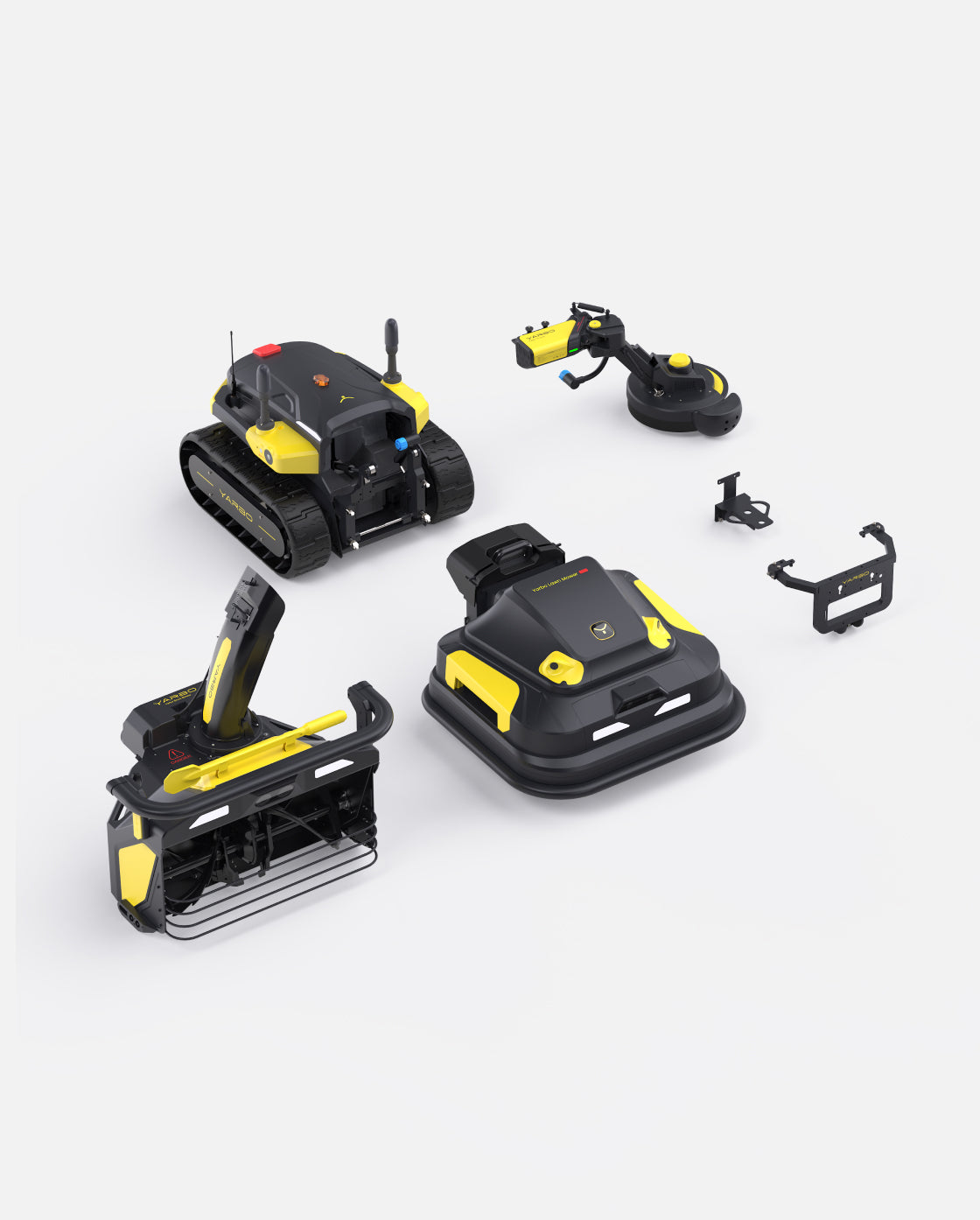




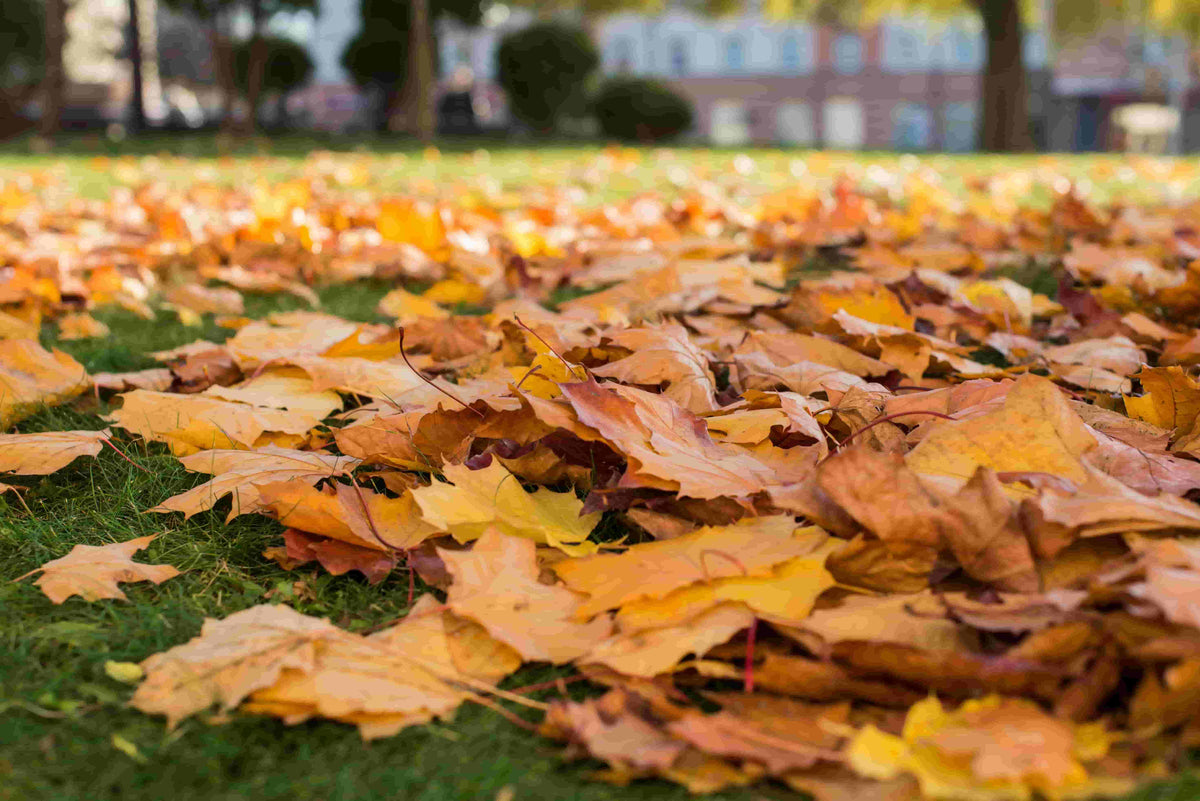
Table Of Contents
Fall should feel cozy. Instead, for millions of homeowners with heavily treed yards, it means staring at a lawn buried under leaves — knowing the weekend is about to disappear. Again.
If that sounds familiar, you're not alone. The challenge isn't just finding the right tool — it's building a routine that keeps up with the volume without eating every free hour you have from October through December.
Here's what actually works, based on what experienced homeowners have figured out the hard way.
Start With the Right Habits, Not Just the Right Tool
The single biggest mistake homeowners make with heavy leaf loads is waiting too long between cleanups. Leaves don't fall all at once — they come down in waves over six or more weeks. A yard that's manageable on a Saturday becomes overwhelming by the following weekend.

Clean up every one to two weeks, not once at the end of the season. Smaller, frequent sessions take a fraction of the time of one massive end-of-season effort, and your lawn stays healthier for it. A thick leaf layer left on grass for more than a few weeks blocks sunlight and traps moisture — the grass underneath doesn't recover well, and fixing it in spring costs real money.
A few other habits that make a consistent difference:
-
Work dry, always. Wet leaves are heavy, clump together, and don't move cleanly. If rain is coming, clean up the day before. If it just rained, wait. Fighting wet leaves is twice the work for half the result.
-
Use the wind, don't fight it. Check wind direction before you start and blow with it. Working against the wind turns a 45-minute job into an exercise in frustration.
-
Work the perimeter first. Start at tree bases, fence lines, and garden edges — then push everything toward the center of the yard in a sweeping motion. You'll consolidate leaves efficiently instead of scattering them back over ground you've already cleared.
-
Build windrows, not mountains. Create several long rows of leaves running in the same direction rather than one giant pile. Windrows are easier to manage, easier to blow onto a tarp, and easier to mulch-mow over.
The Most Efficient Cleanup Workflow
Once you've got the right habits, the physical workflow matters. Here's the sequence that experienced homeowners use on large, heavily treed yards:
-
Blow perimeter to center. Start at the edges, push everything inward. Keep the nozzle aimed low at the base of piles — not the tops.
-
Consolidate into windrows on a tarp. Lay a large tarp on the ground, blow your windrow onto it, fold the edges over, and drag it to the curb, compost, or woods. Far faster than bagging leaf by leaf.
-
Mulch-mow what's left. After moving the bulk, run the mower over stragglers on the mulching setting. Shredded fragments fall between grass blades, decompose quickly, and feed the lawn. No bagging needed — and it actually improves soil health over time.
-
Check disposal rules. Many towns offer curbside yard waste pickup in fall, but requirements vary — some want paper bags, some want leaves in a windrow at the curb, most ban plastic. Know your local rules before you bag anything.
Choosing the Right Blower for Your Yard
Once you have the workflow down, the right tool makes it dramatically faster. A few things worth knowing before you buy:
The most important spec on any blower isn't MPH — it's CFM (cubic feet per minute). MPH tells you air speed, which helps with wet or stuck debris. CFM tells you air volume, which determines how many leaves you can move at once. For large, dry leaf piles, high CFM is what actually clears ground fast.
For yard size: a battery handheld works fine up to about a quarter acre with moderate leaf volume. Beyond that — especially on heavily treed lots — most experienced homeowners land on a gas or high-voltage battery backpack blower. The airflow is in a different league, the weight is distributed across your body instead of held in one arm, and it doesn't run out of steam mid-session.

One homeowner with 1.5 wooded acres described the switch to a backpack blower as the moment leaf season stopped owning his weekends. That sentiment comes up over and over. But there's an important limit to what even a great backpack blower solves — and that's worth understanding before you buy one.
When a Better Blower Isn't Enough
A backpack blower makes any single cleanup session faster and less physically exhausting. What it doesn't change is the fact that you still have to do it — every week, for six weeks, through October and November, often in cold and windy conditions.
For yards with moderate leaf fall, that's fine. For large properties surrounded by mature trees, it's a recurring time commitment that adds up to a significant chunk of every fall.
This is the problem that a robot leaf blower actually solves — not efficiency per session, but eliminating the repeated manual effort altogether.
The Case for Automating Leaf Cleanup
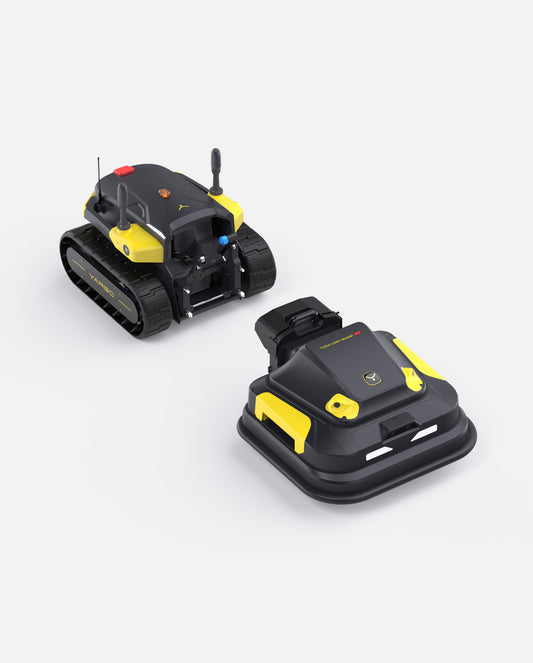
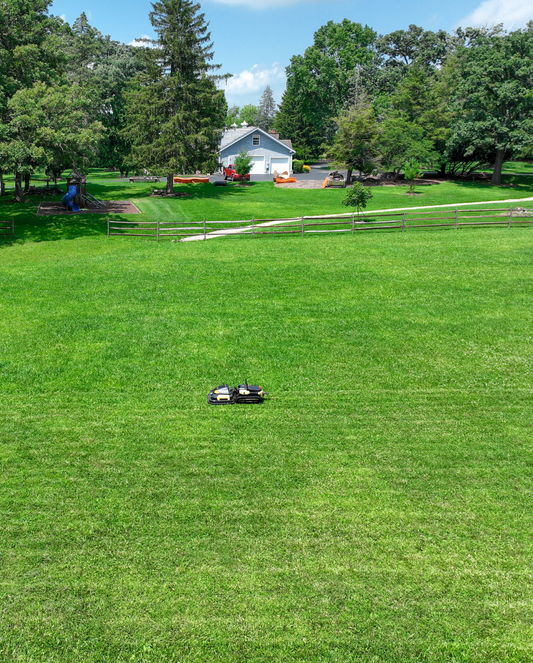
A robot leaf blower navigates the yard autonomously, gathers leaves into piles using high-output airflow, and runs on a schedule you set — so the yard stays consistently clear without you going out every weekend to make it happen.
The Yarbo Blower is one of the most capable options available, delivering 607 CFM and 174 MPH of blowing force — output that matches a serious backpack blower — with up to 70 minutes of runtime per charge and the ability to handle slopes up to 35 degrees. It operates via app control, and because it's part of Yarbo's modular outdoor robot platform, the same Core unit works year-round as a lawn mower and snow blower as well.
Who does it make sense for? Honestly, not everyone. If your yard is small and leaf volume is manageable, a good handheld blower and thirty minutes every couple of weekends is probably the right answer. But if you're spending multiple hours on leaf cleanup every week for the better part of two months — and you're going to be doing it again next year, and the year after that — the math on automation looks very different.
The backpack blower makes the work faster. The robot makes it disappear.
Explore the Yarbo robot leaf blower collection to see how it handles large yards through the full fall season.
Table Of Contents
Subscribe
- Afghanistan+93
- Albania+355
- Algeria+213
- Andorra+376
- Angola+244
- Antigua and Barbuda+1268
- Argentina+54
- Armenia+374
- Aruba+297
- Australia+61
- Austria+43
- Azerbaijan+994
- Bahamas+1242
- Bahrain+973
- Bangladesh+880
- Barbados+1246
- Belarus+375
- Belgium+32
- Belize+501
- Benin+229
- Bhutan+975
- Bolivia+591
- Bosnia and Herzegovina+387
- Botswana+267
- Brazil+55
- British Indian Ocean Territory+246
- Brunei+673
- Bulgaria+359
- Burkina Faso+226
- Burundi+257
- Cambodia+855
- Cameroon+237
- Canada+1
- Cape Verde+238
- Caribbean Netherlands+599
- Central African Republic+236
- Chad+235
- Chile+56
- China+86
- Colombia+57
- Comoros+269
- Congo+243
- Congo+242
- Costa Rica+506
- Côte d’Ivoire+225
- Croatia+385
- Cuba+53
- Curaçao+599
- Cyprus+357
- Czech Republic+420
- Denmark+45
- Djibouti+253
- Dominica+1767
- Dominican Republic+1
- Ecuador+593
- Egypt+20
- El Salvador+503
- Equatorial Guinea+240
- Eritrea+291
- Estonia+372
- Ethiopia+251
- Fiji+679
- Finland+358
- France+33
- French Guiana+594
- French Polynesia+689
- Gabon+241
- Gambia+220
- Georgia+995
- Germany+49
- Ghana+233
- Greece+30
- Grenada+1473
- Guadeloupe+590
- Guam+1671
- Guatemala+502
- Guinea+224
- Guinea-Bissau+245
- Guyana+592
- Haiti+509
- Honduras+504
- Hong Kong+852
- Hungary+36
- Iceland+354
- India+91
- Indonesia+62
- Iran+98
- Iraq+964
- Ireland+353
- Israel+972
- Italy+39
- Jamaica+1876
- Japan+81
- Jordan+962
- Kazakhstan+7
- Kenya+254
- Kiribati+686
- Kosovo+383
- Kuwait+965
- Kyrgyzstan+996
- Laos+856
- Latvia+371
- Lebanon+961
- Lesotho+266
- Liberia+231
- Libya+218
- Liechtenstein+423
- Lithuania+370
- Luxembourg+352
- Macau+853
- Macedonia+389
- Madagascar+261
- Malawi+265
- Malaysia+60
- Maldives+960
- Mali+223
- Malta+356
- Marshall Islands+692
- Martinique+596
- Mauritania+222
- Mauritius+230
- Mexico+52
- Micronesia+691
- Moldova+373
- Monaco+377
- Mongolia+976
- Montenegro+382
- Morocco+212
- Mozambique+258
- Myanmar+95
- Namibia+264
- Nauru+674
- Nepal+977
- Netherlands+31
- New Caledonia+687
- New Zealand+64
- Nicaragua+505
- Niger+227
- Nigeria+234
- North Korea+850
- Norway+47
- Oman+968
- Pakistan+92
- Palau+680
- Palestine+970
- Panama+507
- Papua New Guinea+675
- Paraguay+595
- Peru+51
- Philippines+63
- Poland+48
- Portugal+351
- Puerto Rico+1
- Qatar+974
- Réunion+262
- Romania+40
- Russia+7
- Rwanda+250
- Saint Kitts and Nevis+1869
- Saint Lucia+1758
- Saint Vincent and the Grenadines+1784
- Samoa+685
- San Marino+378
- São Tomé and Príncipe+239
- Saudi Arabia+966
- Senegal+221
- Serbia+381
- Seychelles+248
- Sierra Leone+232
- Singapore+65
- Slovakia+421
- Slovenia+386
- Solomon Islands+677
- Somalia+252
- South Africa+27
- South Korea+82
- South Sudan+211
- Spain+34
- Sri Lanka+94
- Sudan+249
- Suriname+597
- Swaziland+268
- Sweden+46
- Switzerland+41
- Syria+963
- Taiwan+886
- Tajikistan+992
- Tanzania+255
- Thailand+66
- Timor-Leste+670
- Togo+228
- Tonga+676
- Trinidad and Tobago+1868
- Tunisia+216
- Turkey+90
- Turkmenistan+993
- Tuvalu+688
- Uganda+256
- Ukraine+380
- United Arab Emirates+971
- United Kingdom+44
- United States+1
- Uruguay+598
- Uzbekistan+998
- Vanuatu+678
- Vatican City+39
- Venezuela+58
- Vietnam+84
- Yemen+967
- Zambia+260
- Zimbabwe+263
You have successfully subscribed!!
Check your welcome email for exclusive discounts.
Email Check Needed
We are unable to verify your email address.
Please check if the email
is correct.