Skip to content
Cart
0


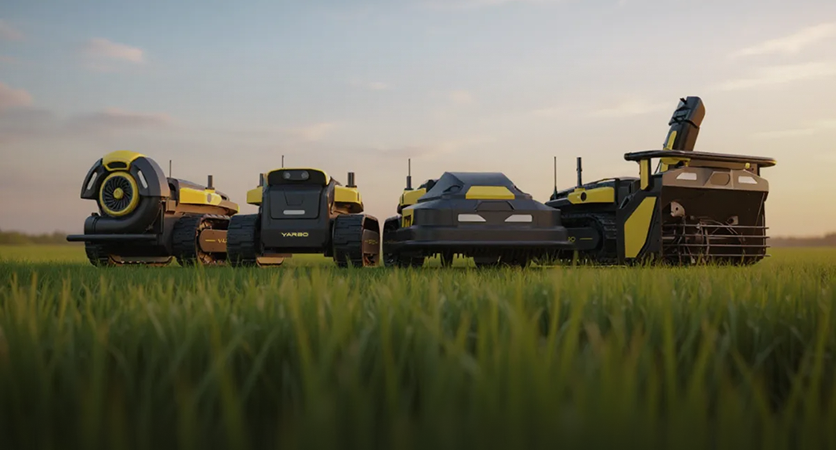
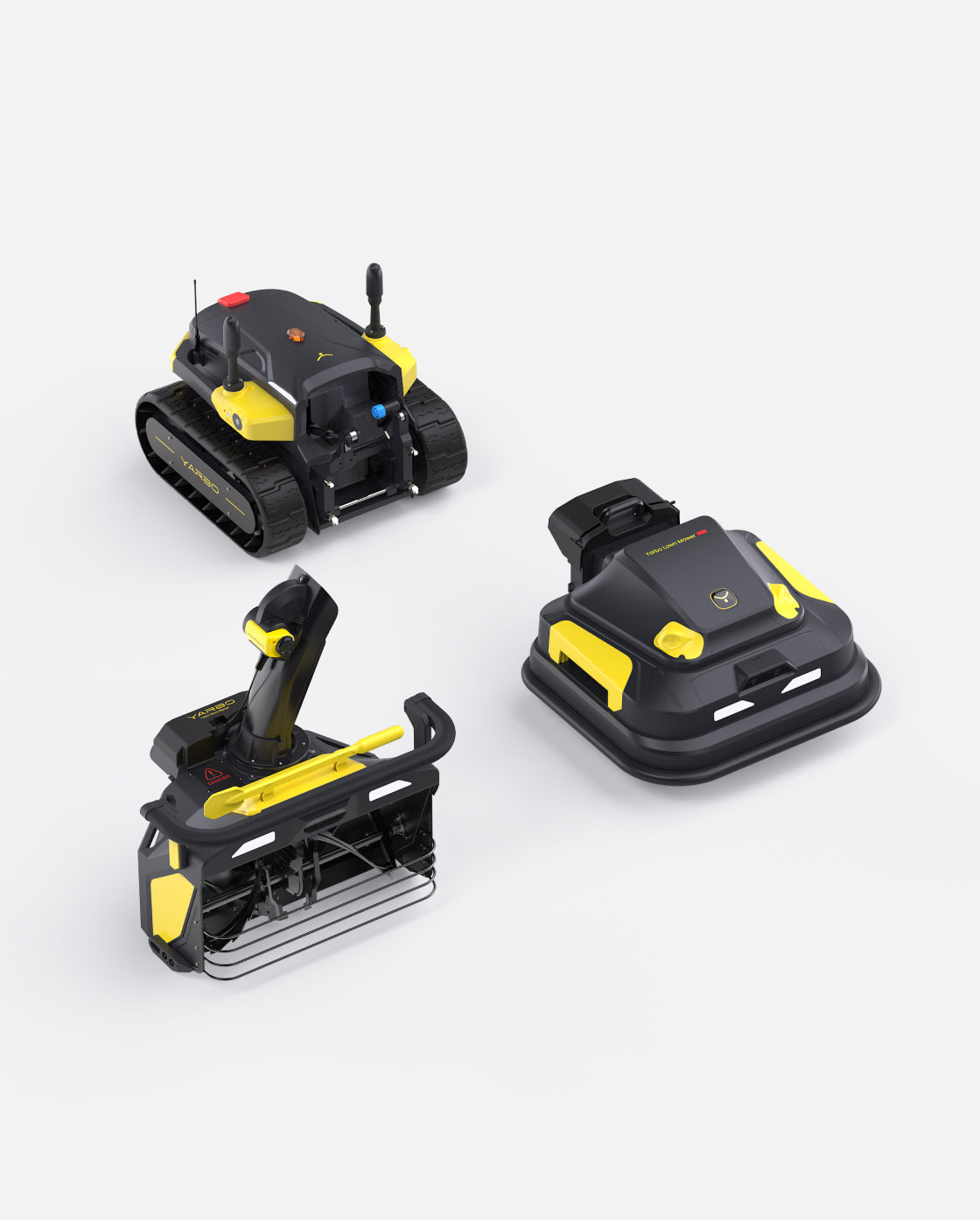
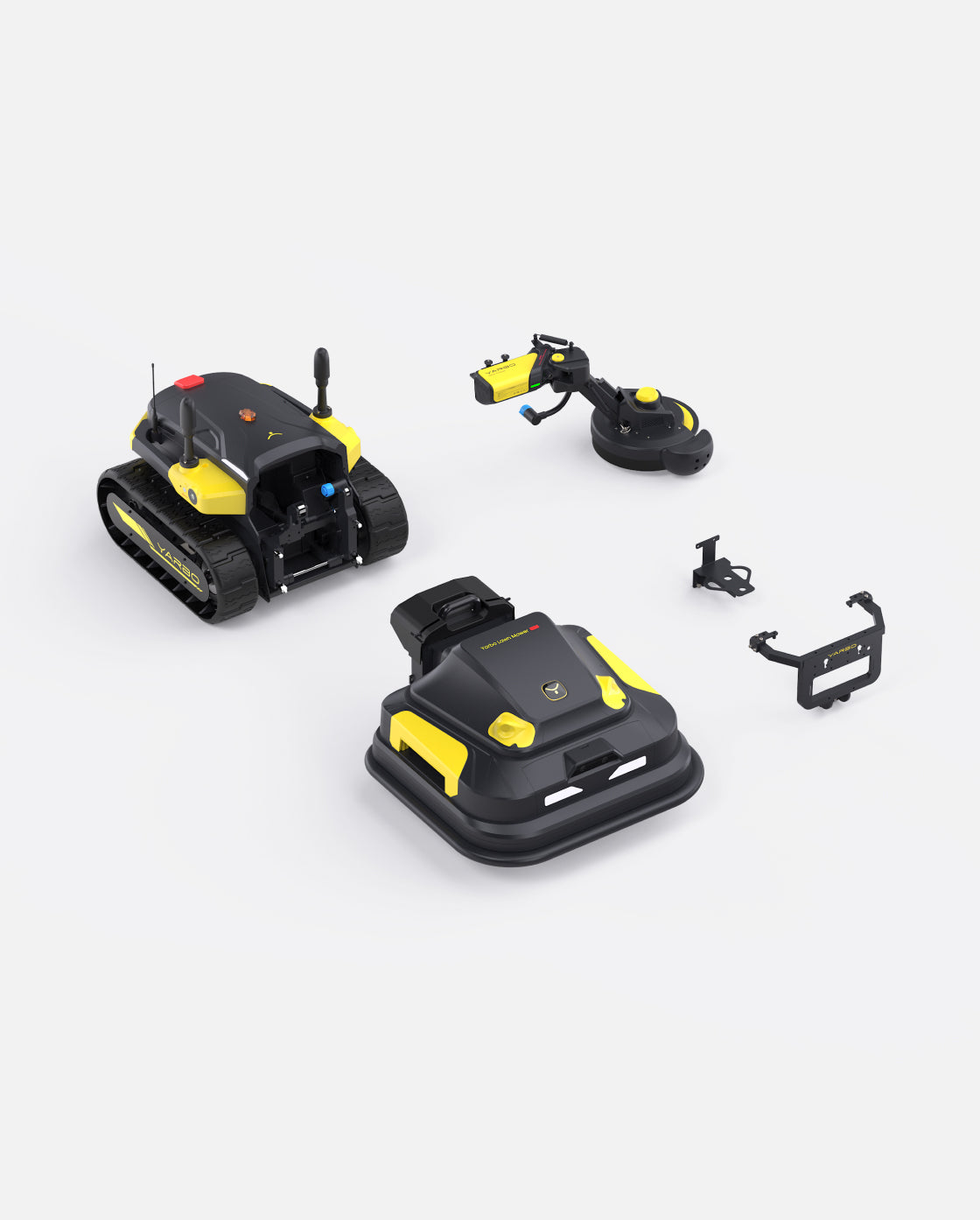
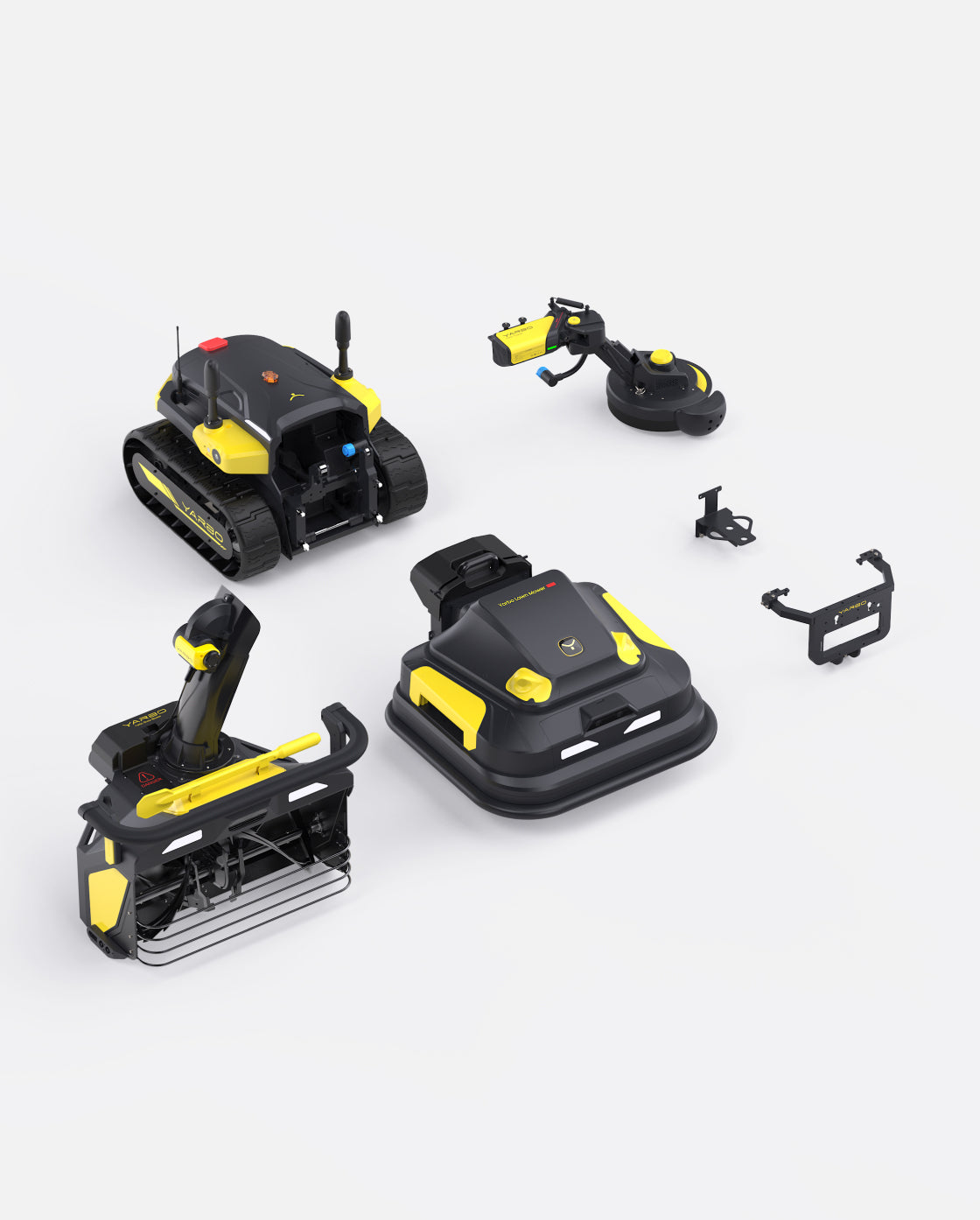
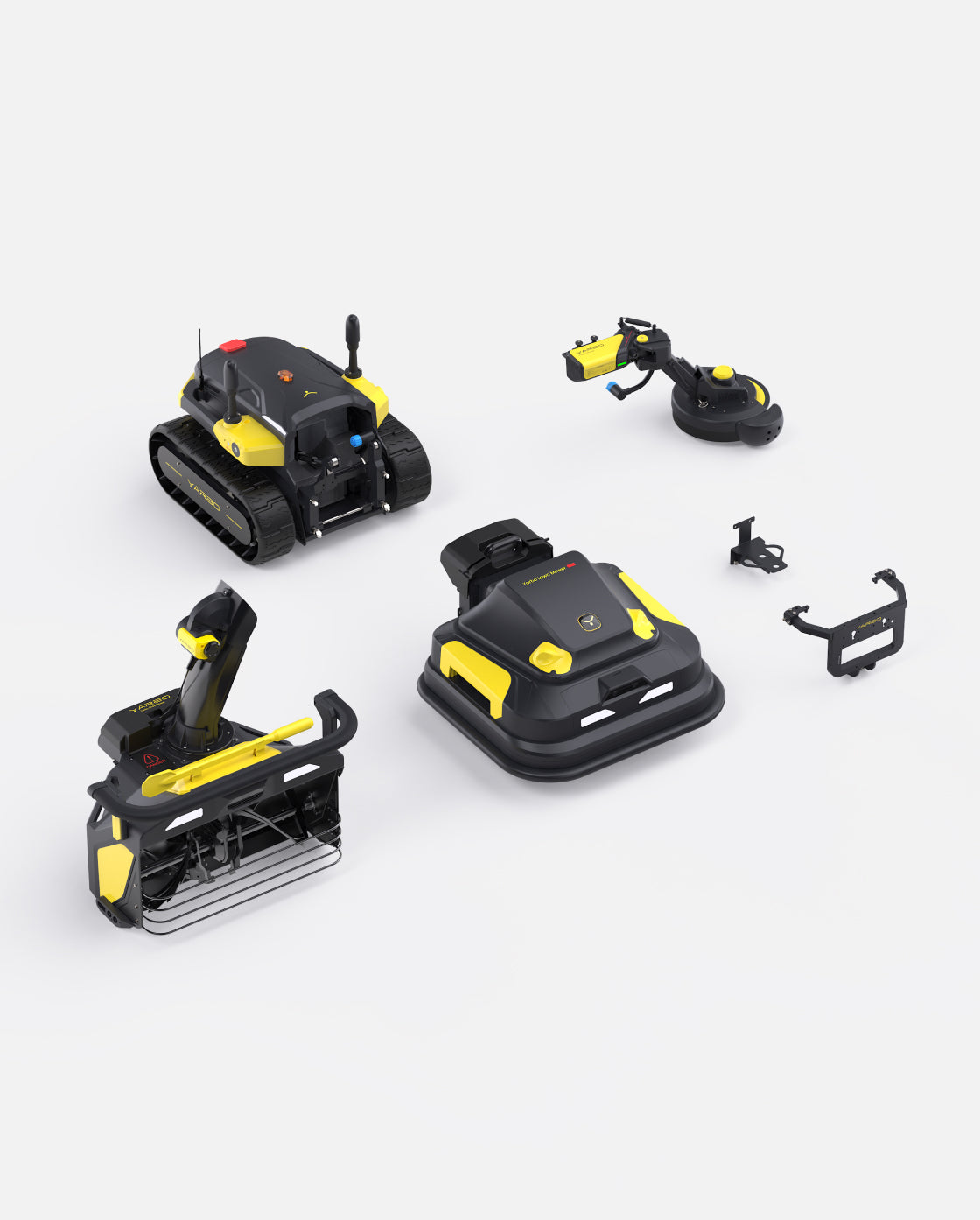


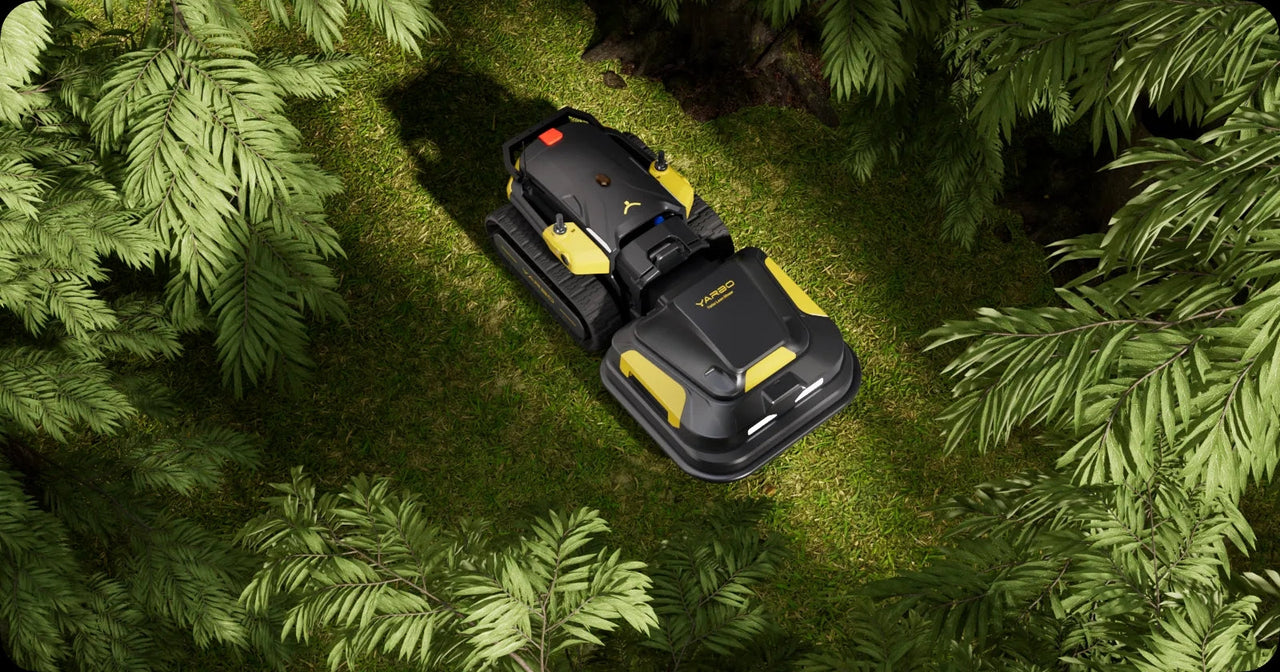
Table Of Contents
Choosing the right lawn mower is the first step to maintaining a lush, healthy, and low-maintenance yard. With various types of lawn mowers available, homeowners often find it challenging to decide which mower best fits their needs.
If you’ve been spending 5–15 hours each week maintaining your yard, it’s time to consider a solution that saves time, reduces manual labor, and cuts down long-term costs.

This detailed guide will help you understand the types of lawn mowers on the market and guide you on how to select a lawn mower that aligns with your yard’s size, slope, and terrain.
Table Of Contents:
Types of Lawn Mowers for Different Yard Sizes
When choosing the right lawn mower, understanding the type of lawn mowers available helps you select the best match for your yard’s size, terrain, and your lifestyle needs.
-
Push Lawn Mowers Push mowers are best for small, flat yards under ¼ acre. They are affordable, simple to use, and give you complete control over your mowing pattern. However, they require manual effort and can be tiring for larger spaces or uneven terrain.

-
Self-Propelled Lawn Mowers These mowers are ideal for mid-sized yards and slightly sloped terrain, typically between ¼ acre and ½ acre. The mower’s drive system propels it forward, making it easier to maneuver without heavy pushing, while still allowing you to guide its direction.
-
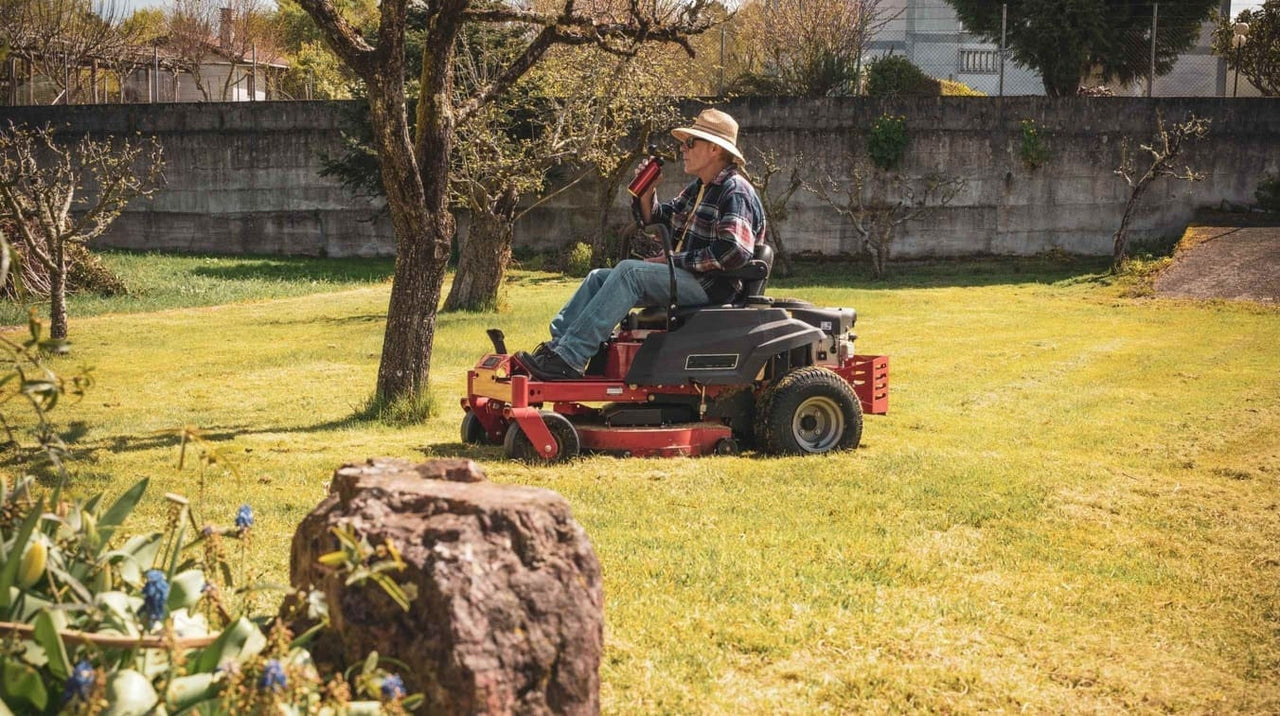
Riding Lawn Mowers Designed for larger yards ranging from ½ acre to 2 acres, riding mowers significantly reduce the physical effort and time required for mowing. With comfortable seating and wide cutting decks, these type of lawn mowers are excellent for homeowners who want efficient mowing with minimal fatigue.
-
Zero-Turn Mowers Zero-turn mowers are perfect for large lawns with many trees, flower beds, or landscaping obstacles. Their tight turning radius enables quick, precise maneuvering around obstacles, reducing mowing time while delivering a clean, professional finish.

-
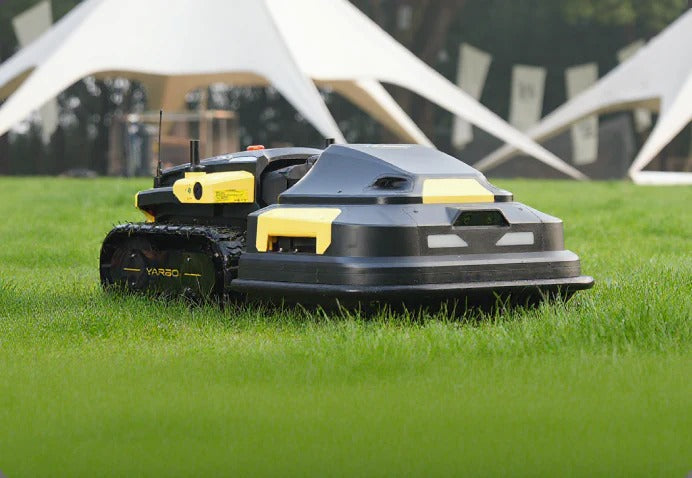
Robotic Lawn Mowers For homeowners seeking a hands-free solution, robotic type of lawn mowers automate lawn care while maintaining consistent grass height.

They are well-suited for small to mid-sized yards but advanced models like Yarbo can handle large and complex yards, slopes, and multiple zones with minimal supervision.
-
Electric vs Gas Lawn Mowers Both push and riding mowers come in electric and gas lawn mowers. Electric mowers are quieter, require less maintenance, and are environmentally friendly, making them ideal for small to medium lawns. Gas-powered mowers, on the other hand, provide more power for thick, tall grass and large properties, making them suitable for heavy-duty yard maintenance.
Understanding these types of lawn mowers ensures you align your choice with your yard’s needs.
Key Features to Consider When Choosing a Lawn Mower
Cutting Width and Height Adjustment
The cutting width determines how much grass is trimmed in one pass. A 14–21 inch width balances efficiency and maneuverability for most lawns. Smaller yards do well with narrower decks, while wider decks save time on larger properties.
Height adjustment lets you control grass length seasonally. Higher cuts help retain moisture in summer, while lower cuts work well in cooler months. Most mowers offer 1–1.5 inch minimum and 3.5–4.5 inch maximum cutting heights for flexibility.
Propulsion Type: Push vs. Self-Propelled
Push mowers are budget-friendly but require manual effort, best for small, flat yards. Self-propelled mowers move on their own, reducing strain and making them ideal for larger yards or uneven terrain.
Grass Clipping Options
-
Bagging: Keeps lawns tidy, ideal for tall or wet grass.
-
Mulching: Returns fine clippings to the soil, enriching your lawn.
-
Side Discharge: Useful for heavy clippings and overgrown areas.
Mulching is the most eco-friendly, while bagging maintains a neat appearance.
Maneuverability and Storage
Easy maneuverability saves time, especially in yards with trees, flower beds, and narrow spaces. Compact mowers or zero-turn models improve navigation.
For storage, consider foldable handles or compact designs to save space. Always store your mower in a dry, sheltered area to prevent rust.
By focusing on these key features, you can confidently narrow down the types of lawn mowers that will keep your yard healthy while fitting your property size and lifestyle.
How to Select a Lawn Mower for Large, Complex Yards?
Here are a few things you need to ask yourself before choosing a lawn mower for your large lawn: Is your yard large, sloped, or filled with obstacles?
For homeowners with yards over 1 acre, slopes up to 35°, or complex terrain, choosing the right lawn mower is about efficiency, safety, and cost-effectiveness.

🔹 Size Matters: Large areas (1–6 acres) require wide-cutting decks and powerful engines.
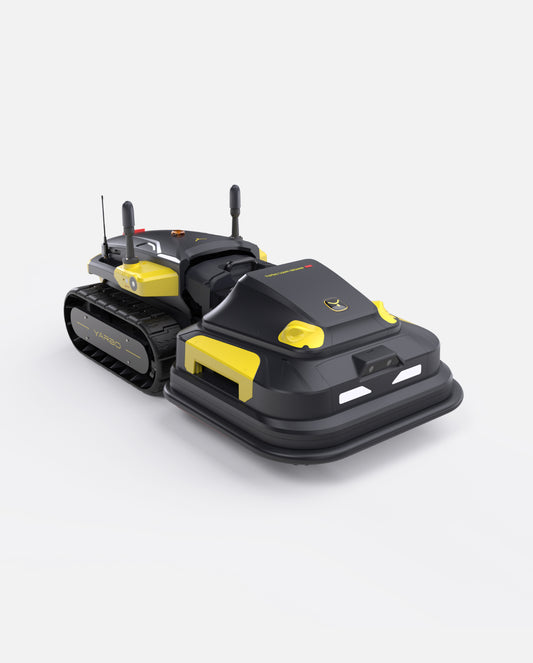
🔹 Slope Handling: Slopes can be hazardous with traditional mowers. Track-driven mowers like Yarbo handle 35° slopes safely without slipping.
🔹 Navigation and Precision: RTK-GPS technology enables accurate mowing without boundary wires, perfect for properties with trees, rocks, and ponds.
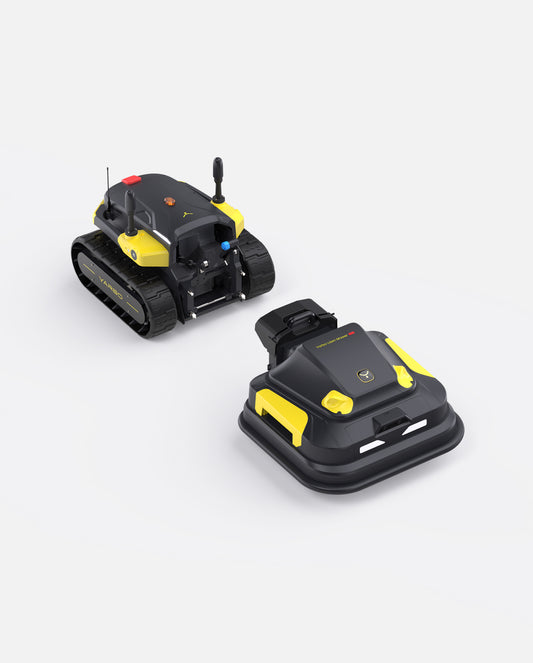
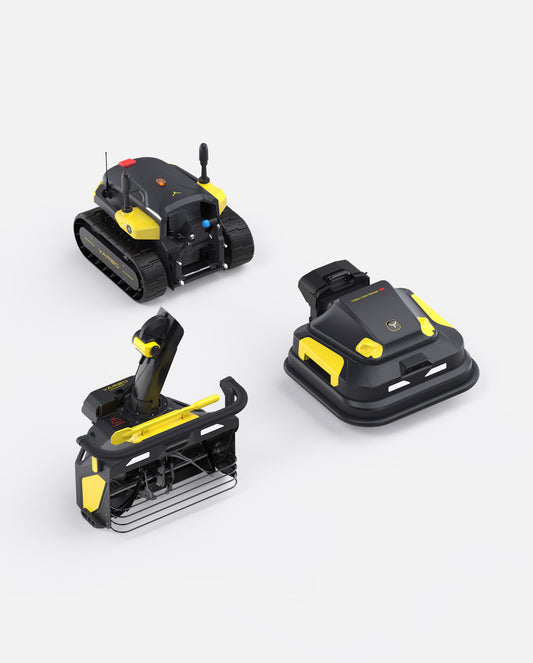
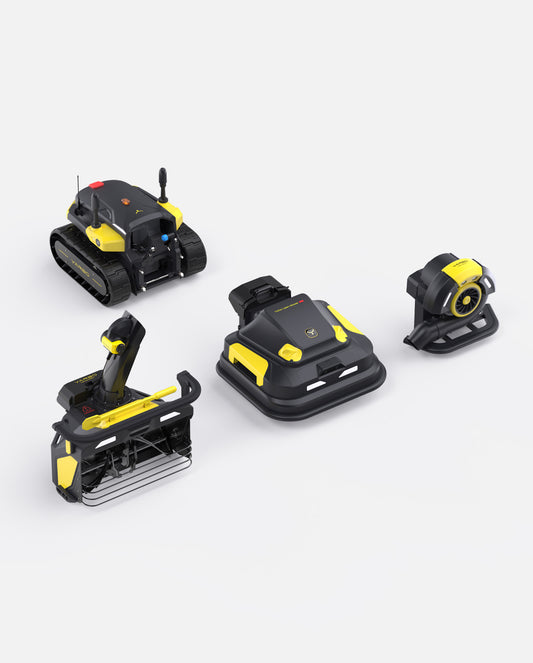
🔹 Seasonal Flexibility: Consider all-season, modular mowers like Yarbo that can switch between mowing, leaf blowing, and snow removal with a single core machine.
Ready to Upgrade Your Yard Care?
Stop spending hours each week on yard work. Stop wasting money on outsourcing.
Best Mowers for Small Yards (Under ¼ Acre)
If you have a small yard, you don’t need a heavy-duty mower. A push mower or a remote mower can handle the job efficiently. Push mowers are lightweight, easy to maneuver, and perfect for tight spaces. Robotic mowers, on the other hand, offer a hands-free experience. They’re ideal for small lawns, as they can navigate compact areas with ease.
Tip: Robotic mowers are great if you want to save time and enjoy a perfectly trimmed lawn without lifting a finger.
Here’s a quick comparison:
| Lawn Mower Type | Ideal Lawn Size | Efficiency and Coverage |
| Robotic Mowers | Small to medium lawns | Can manage up to 18 acres, but slower for larger areas |
Best Mowers for Medium Yards (¼ to ½ Acre)
For medium-sized yards, you’ll want something with a bit more power. Self-propelled mowers or robotic models like the Optimow series are excellent choices. Self-propelled mowers reduce the effort needed to push, making them a great option for slightly larger areas. If you prefer a tech-savvy solution, robotic or remote mower like the Yarbo Pro.

Best Mowers for Large Yards (Over ½ Acre)
Large yards require mowers that can cover a lot of ground quickly. Traditionally, riding mowers and gas-powered zero-turn mowers have been the go-to choices. Riding mowers are efficient for areas over 1,000 square feet, while zero-turn mowers offer exceptional speed and maneuverability—often reducing mowing time by up to 75%. If your yard has a lot of obstacles, a zero-turn mower can help you navigate them with ease.
| Feature | Gas-Powered Zero-Turn Mowers |
| Speed | Exceptional speed for covering large areas quickly |
| Maneuverability | Quick and precise turns for navigating obstacles |
| Efficiency | Powerful engines for even and efficient grass cutting |
| Time Reduction | Reduces mowing time by 60-75% |
Note: If your yard has a lot of obstacles, a zero-turn mower can help you navigate them with ease.
But now, there’s a smarter solution: the Yarbo Robotic Lawn Mower. Designed specifically for large properties, Yarbo eliminates the need for you to be out in the heat riding a mower. With autonomous navigation, advanced obstacle avoidance, and powerful cutting performance, Yarbo takes care of your lawn while you relax or focus on other tasks. It’s the next-gen upgrade every large-yard owner in North America, Canada, or Europe should consider.
When choosing a lawn mower, always consider the size of your yard and the type of mower that fits your lifestyle. With robotic options like Yarbo, maintaining a large lawn no longer has to mean hours of manual work.
Choosing the Right Type of Lawn Mower Critical for Homeowners
Selecting the right lawn mower from the many types available isn’t just about preference—it’s a long-term investment that impacts your time, budget, and the health of your lawn. A high-quality mower can last for years, so it's essential to make an informed decision based on thorough research and your lawn’s unique needs.
The right choice should directly address the common pain points homeowners face:
-
Time-Consuming Maintenance: Managing large lawns can take 5–15 hours a week—time better spent with family or relaxing.
-
High Ongoing Costs: Hiring professional lawn care services can exceed $2,400 annually, not including seasonal extras like leaf removal or snow clearing.
-
Safety Concerns: Traditional gas-powered mowers pose risks, especially on slopes or uneven terrain—particularly for older adults or individuals with mobility challenges.
-
Lack of Versatility: Many standard mowers aren’t built for diverse lawn conditions, forcing homeowners to invest in multiple machines over time.
By understanding these challenges and matching your lawn’s needs to the right mower type—be it push, riding, or robotic—you can enjoy a safer, smarter, and more cost-effective lawn care experience.
FAQS
1. What types of lawn mowers are best for large yards?
Riding and robotic mowers are best, with Yarbo offering advanced track drive and RTK-GPS for large, complex yards.
2. How do I select a lawn mower for slopes?
For slopes up to 35°, track-driven robotic mowers like Yarbo offer safe and efficient mowing without the risk of slipping.
3. Is a modular robotic mower worth the investment?
Absolutely. Yarbo’s modular system covers mowing, snow blowing, and leaf blowing, providing year-round yard care with a single machine.
Table Of Contents
Subscribe
- Afghanistan+93
- Albania+355
- Algeria+213
- Andorra+376
- Angola+244
- Antigua and Barbuda+1268
- Argentina+54
- Armenia+374
- Aruba+297
- Australia+61
- Austria+43
- Azerbaijan+994
- Bahamas+1242
- Bahrain+973
- Bangladesh+880
- Barbados+1246
- Belarus+375
- Belgium+32
- Belize+501
- Benin+229
- Bhutan+975
- Bolivia+591
- Bosnia and Herzegovina+387
- Botswana+267
- Brazil+55
- British Indian Ocean Territory+246
- Brunei+673
- Bulgaria+359
- Burkina Faso+226
- Burundi+257
- Cambodia+855
- Cameroon+237
- Canada+1
- Cape Verde+238
- Caribbean Netherlands+599
- Central African Republic+236
- Chad+235
- Chile+56
- China+86
- Colombia+57
- Comoros+269
- Congo+243
- Congo+242
- Costa Rica+506
- Côte d’Ivoire+225
- Croatia+385
- Cuba+53
- Curaçao+599
- Cyprus+357
- Czech Republic+420
- Denmark+45
- Djibouti+253
- Dominica+1767
- Dominican Republic+1
- Ecuador+593
- Egypt+20
- El Salvador+503
- Equatorial Guinea+240
- Eritrea+291
- Estonia+372
- Ethiopia+251
- Fiji+679
- Finland+358
- France+33
- French Guiana+594
- French Polynesia+689
- Gabon+241
- Gambia+220
- Georgia+995
- Germany+49
- Ghana+233
- Greece+30
- Grenada+1473
- Guadeloupe+590
- Guam+1671
- Guatemala+502
- Guinea+224
- Guinea-Bissau+245
- Guyana+592
- Haiti+509
- Honduras+504
- Hong Kong+852
- Hungary+36
- Iceland+354
- India+91
- Indonesia+62
- Iran+98
- Iraq+964
- Ireland+353
- Israel+972
- Italy+39
- Jamaica+1876
- Japan+81
- Jordan+962
- Kazakhstan+7
- Kenya+254
- Kiribati+686
- Kosovo+383
- Kuwait+965
- Kyrgyzstan+996
- Laos+856
- Latvia+371
- Lebanon+961
- Lesotho+266
- Liberia+231
- Libya+218
- Liechtenstein+423
- Lithuania+370
- Luxembourg+352
- Macau+853
- Macedonia+389
- Madagascar+261
- Malawi+265
- Malaysia+60
- Maldives+960
- Mali+223
- Malta+356
- Marshall Islands+692
- Martinique+596
- Mauritania+222
- Mauritius+230
- Mexico+52
- Micronesia+691
- Moldova+373
- Monaco+377
- Mongolia+976
- Montenegro+382
- Morocco+212
- Mozambique+258
- Myanmar+95
- Namibia+264
- Nauru+674
- Nepal+977
- Netherlands+31
- New Caledonia+687
- New Zealand+64
- Nicaragua+505
- Niger+227
- Nigeria+234
- North Korea+850
- Norway+47
- Oman+968
- Pakistan+92
- Palau+680
- Palestine+970
- Panama+507
- Papua New Guinea+675
- Paraguay+595
- Peru+51
- Philippines+63
- Poland+48
- Portugal+351
- Puerto Rico+1
- Qatar+974
- Réunion+262
- Romania+40
- Russia+7
- Rwanda+250
- Saint Kitts and Nevis+1869
- Saint Lucia+1758
- Saint Vincent and the Grenadines+1784
- Samoa+685
- San Marino+378
- São Tomé and Príncipe+239
- Saudi Arabia+966
- Senegal+221
- Serbia+381
- Seychelles+248
- Sierra Leone+232
- Singapore+65
- Slovakia+421
- Slovenia+386
- Solomon Islands+677
- Somalia+252
- South Africa+27
- South Korea+82
- South Sudan+211
- Spain+34
- Sri Lanka+94
- Sudan+249
- Suriname+597
- Swaziland+268
- Sweden+46
- Switzerland+41
- Syria+963
- Taiwan+886
- Tajikistan+992
- Tanzania+255
- Thailand+66
- Timor-Leste+670
- Togo+228
- Tonga+676
- Trinidad and Tobago+1868
- Tunisia+216
- Turkey+90
- Turkmenistan+993
- Tuvalu+688
- Uganda+256
- Ukraine+380
- United Arab Emirates+971
- United Kingdom+44
- United States+1
- Uruguay+598
- Uzbekistan+998
- Vanuatu+678
- Vatican City+39
- Venezuela+58
- Vietnam+84
- Yemen+967
- Zambia+260
- Zimbabwe+263
You have successfully subscribed!!
Check your welcome email for exclusive discounts.
Email Check Needed
We are unable to verify your email address.
Please check if the email
is correct.