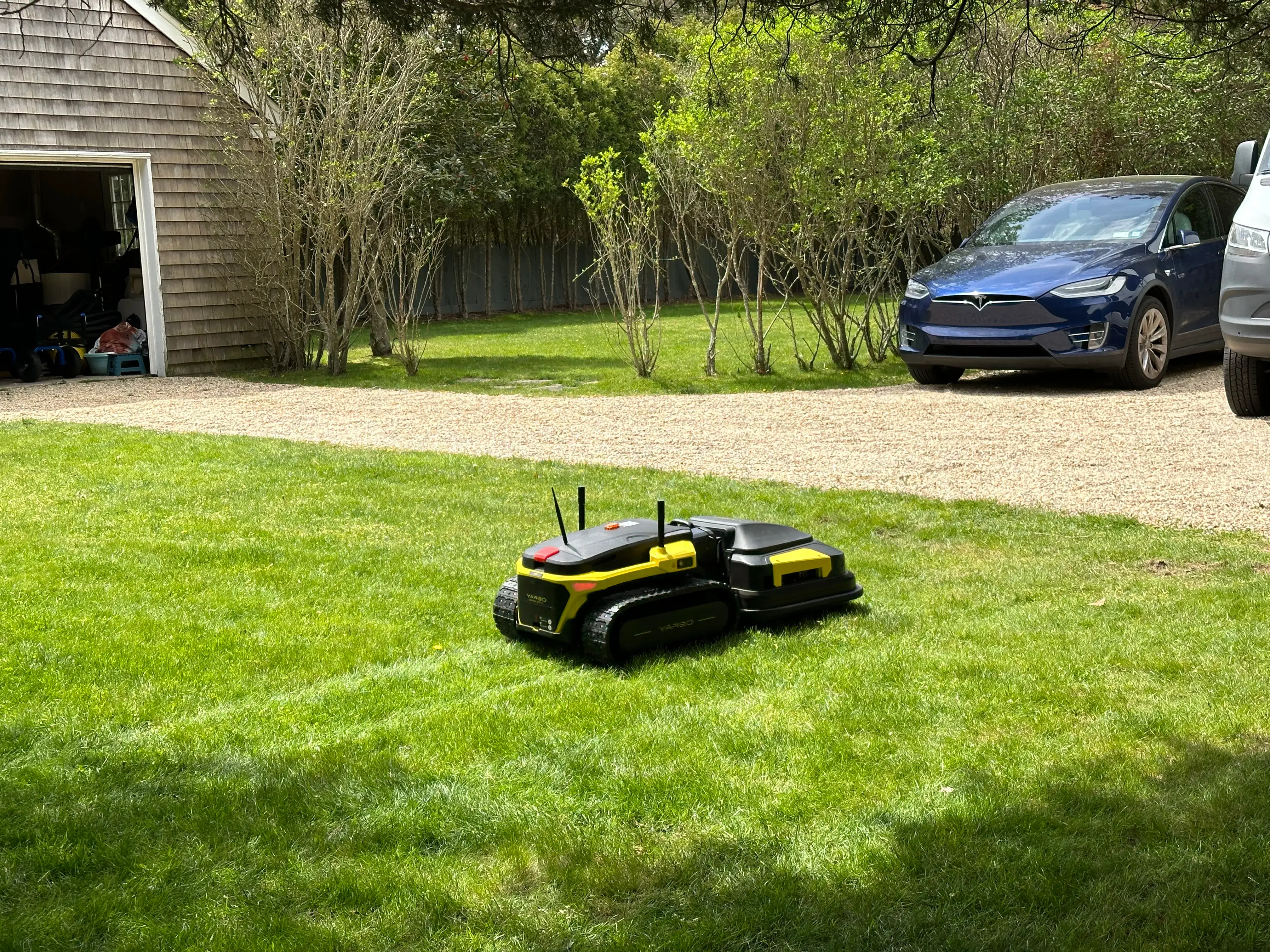
Looking for springtime grass care tips that actually work?
Springtime is the perfect season to bring your yard back to life. With the right approach—even beginners can achieve a lush, green lawn.
This guide covers everything from springtime grass care to knowing when is best time to plant grass seed in spring, so your lawn thrives all season long.
Table of Contents:
Why Springtime Grass Care Matters
After a long, harsh winter, your lawn is likely struggling. Snow, cold temperatures, and soil compaction can leave behind patchy areas, weeds, and weak turf. These spring lawn care tips can:
-
Restore Your Lawn's Health: Help grass recover from winter stress.
-
Improve Curb Appeal: A healthy lawn enhances your home's aesthetics.
-
Boost Property Value: A vibrant lawn can raise your home's resale value.
-
Create Outdoor Enjoyment: Make space for family gatherings, barbecues, and play.
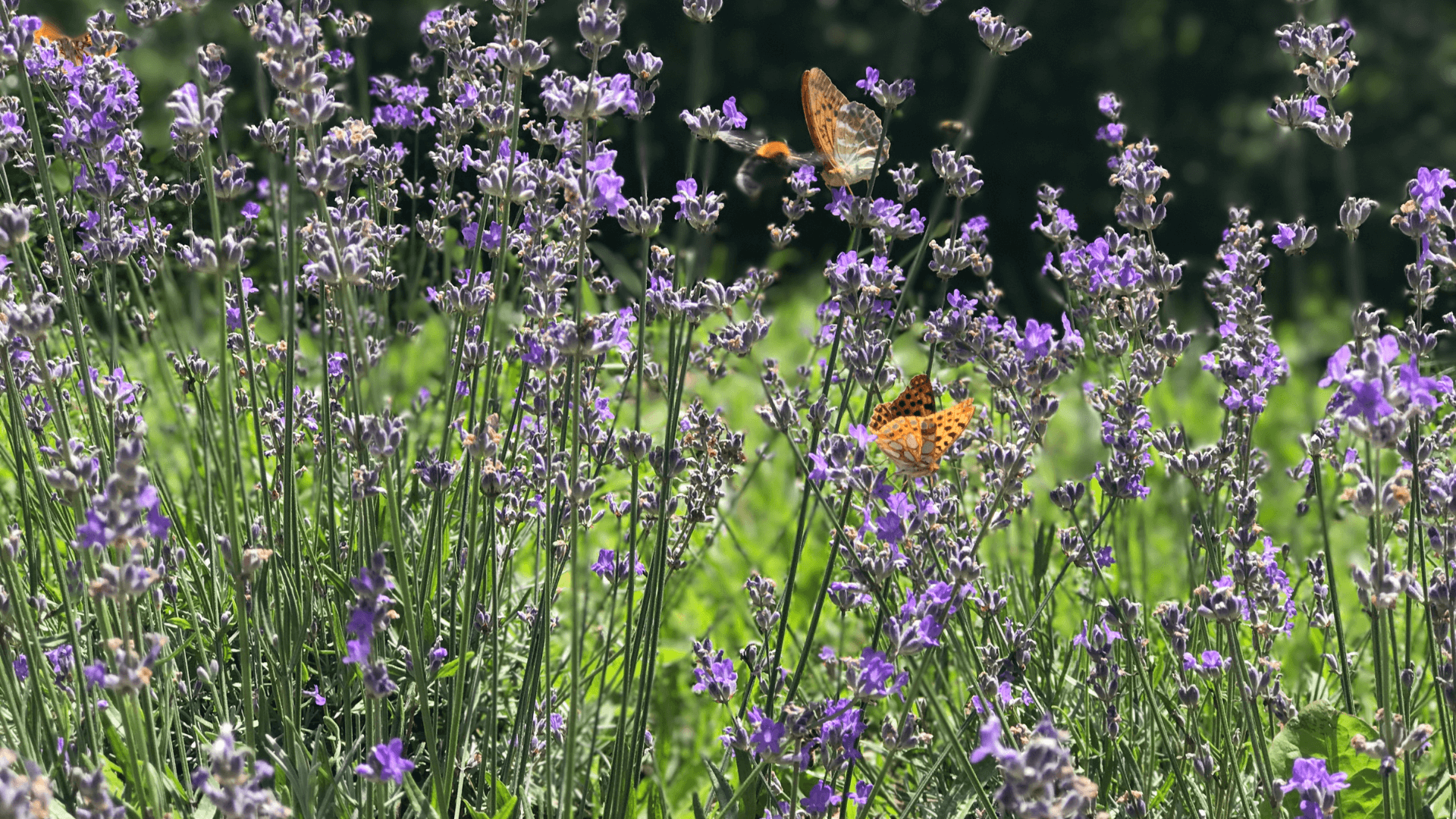
Easy Springtime Grass Care Tips for Beginners
-
Aerate and Dethatch Early
One of the first essential spring lawn care tips is to aerate and dethatch your lawn. Compacted soil and thatch buildup block water, oxygen, and nutrients. Aeration creates small holes that promote airflow, while dethatching removes dead grass and organic matter that stifles new growth.
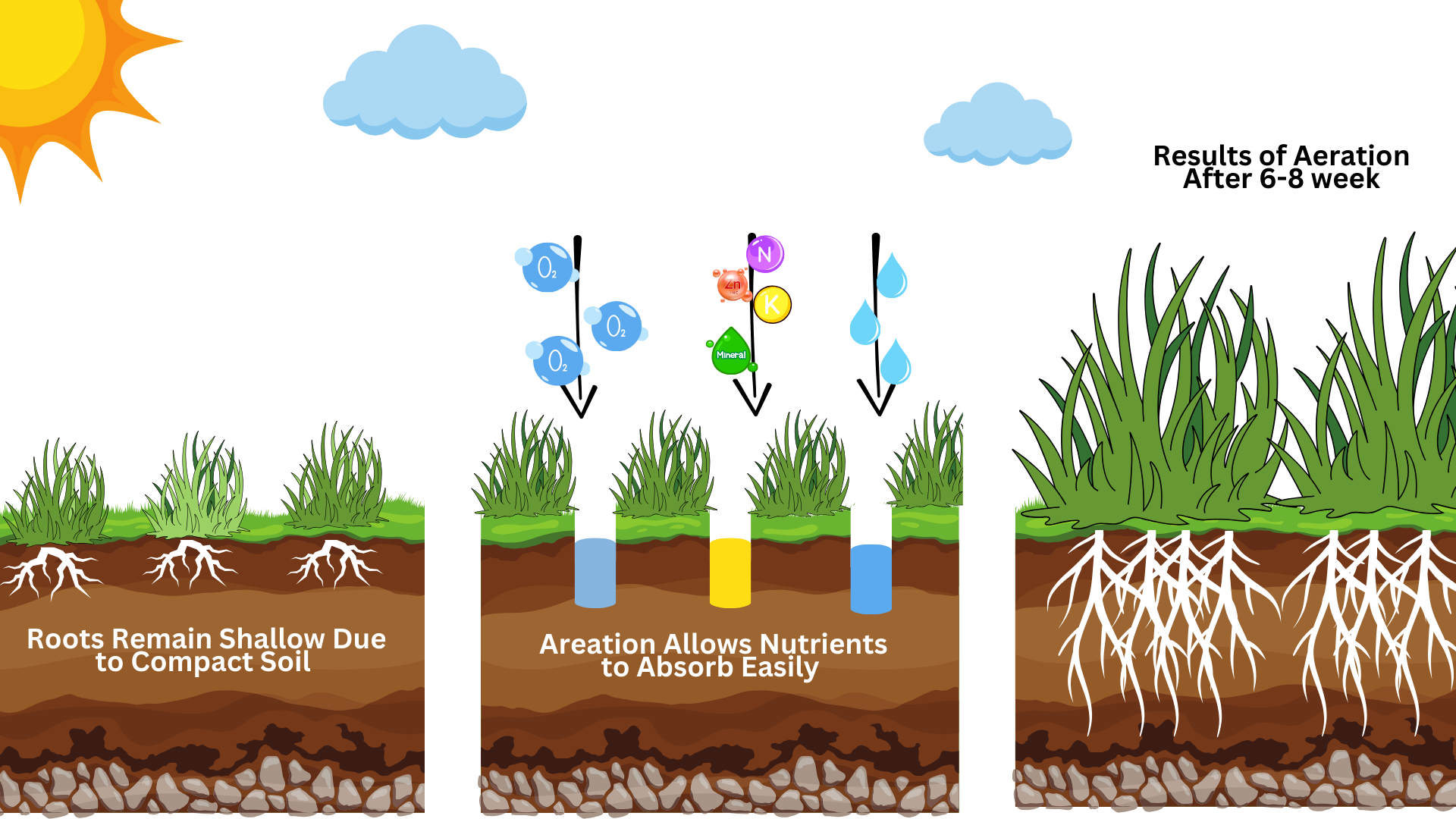
Best time to do this: Early to mid-spring, once the soil is soft.
-
Seed Bare Patches for Uniform Growth
Wondering when is best time to plant grass seed in spring? The ideal time is when temperatures consistently stay between 55°F and 75°F. Choose the right grass seed for your region and spread it over thin or bald patches. This encourages even coverage and dense growth.
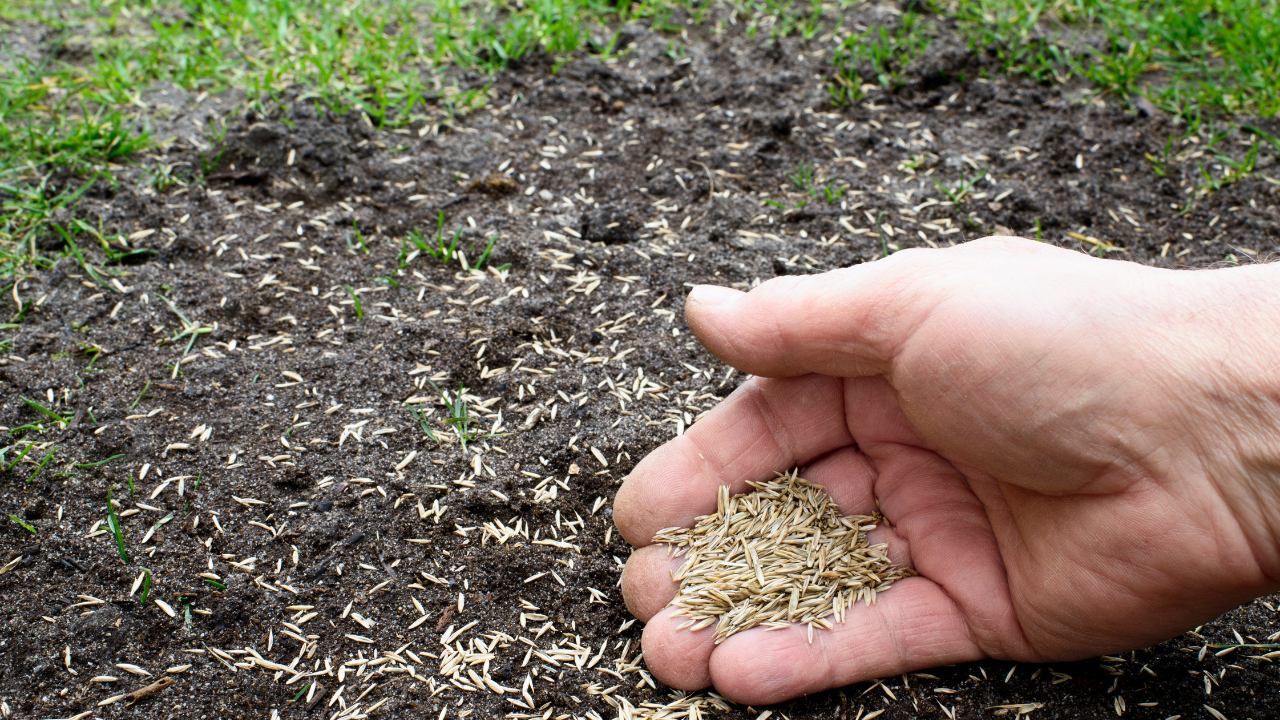
Pro Tip: Use a seed starter fertilizer to speed up germination.
-
Fertilize for Strong Roots and Growth
Spring fertilization is vital for root development and vibrant blades. Use a balanced, slow-release fertilizer to nourish your grass over time. Apply after your first mowing for best absorption.
Don't over-fertilize—it can lead to weed growth and lawn burn.
-
Practice Smart Watering Techniques
Water deeply, but infrequently. Daily light watering encourages shallow roots, making grass more susceptible to heat and disease. Instead, water your lawn 1–2 times per week, early in the morning to reduce evaporation.
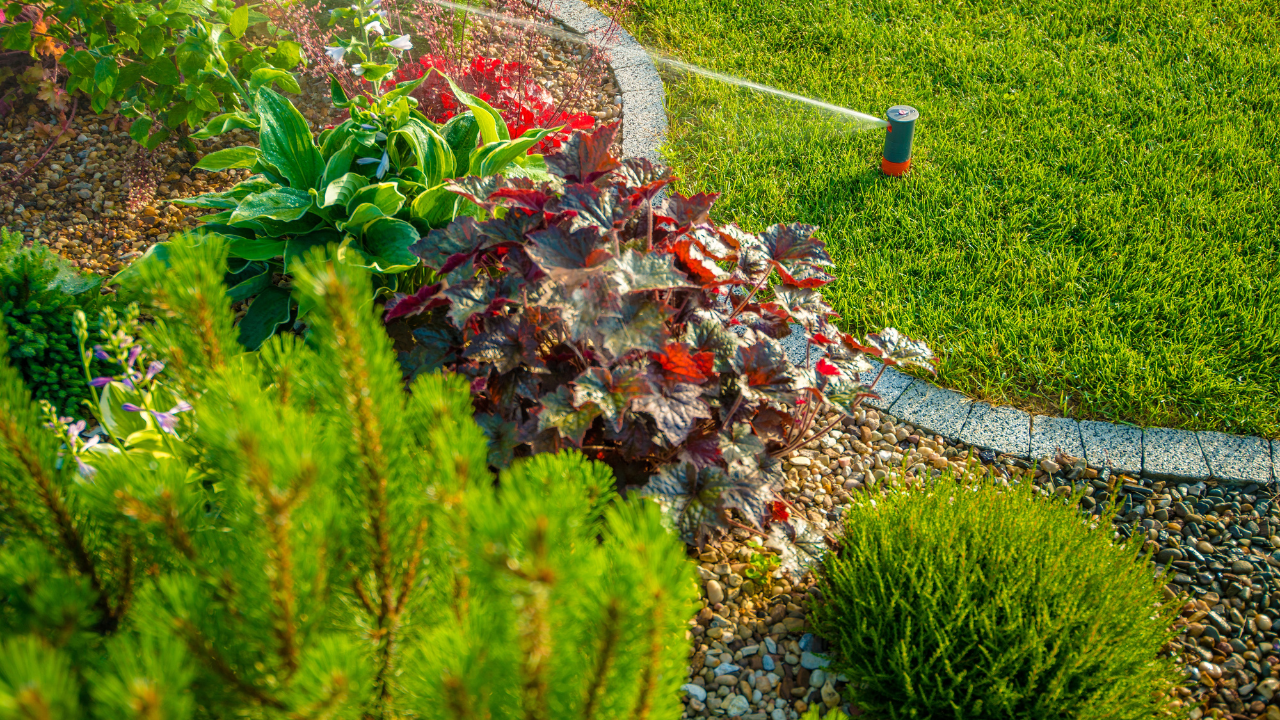
Aim for 1 inch of water per week including rainfall.
Avoid watering plants in peak sun light hours of the day, it helps the plants getting the most water as it reduces water evaporation.
-
Apply Weed Control Products
Spring is the ideal time to stop weeds before they sprout. Use a pre-emergent herbicide early in the season to prevent crabgrass and other invaders. Spot-treat existing weeds with a post-emergent product or pull them by hand.
.png?w=2245&h=1587)
Eco tip: Opt for organic or pet-safe options where possible.
This is essential as weeds are natural competitors to grass and take up nutrients necessary for your grass.
-
Prevent Lawn Pests Naturally
Keep an eye out for grubs, chinch bugs, and ants. Signs include yellow patches or thinning areas. Consider using natural pest deterrents like neem oil or beneficial nematodes if necessary.
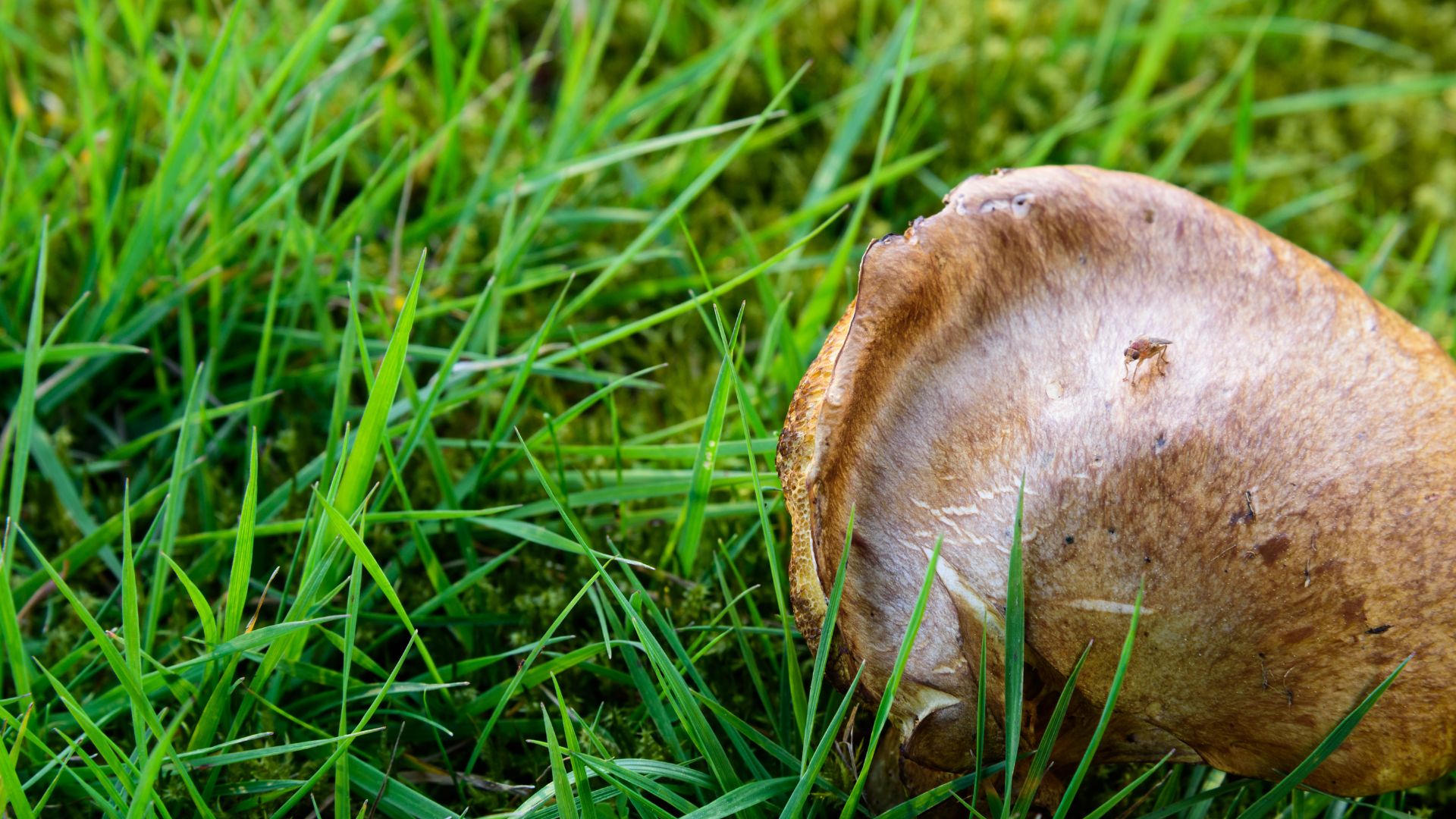
Avoid blanket chemical treatments unless infestation is severe.
-
Mow High, Not Low
Cutting grass too short makes it vulnerable. Maintain a mowing height of 2.5 to 3 inches for most grasses. This helps shade the soil, retain moisture, and prevent weeds.
Follow the 1/3 rule: never cut more than one-third of the grass blade.
-
Keep Lawn Mower Blades Sharp
Dull blades tear rather than cut, leading to frayed grass that browns quickly. Sharpen mower blades every 4–6 weeks during mowing season for a clean cut and better lawn health.
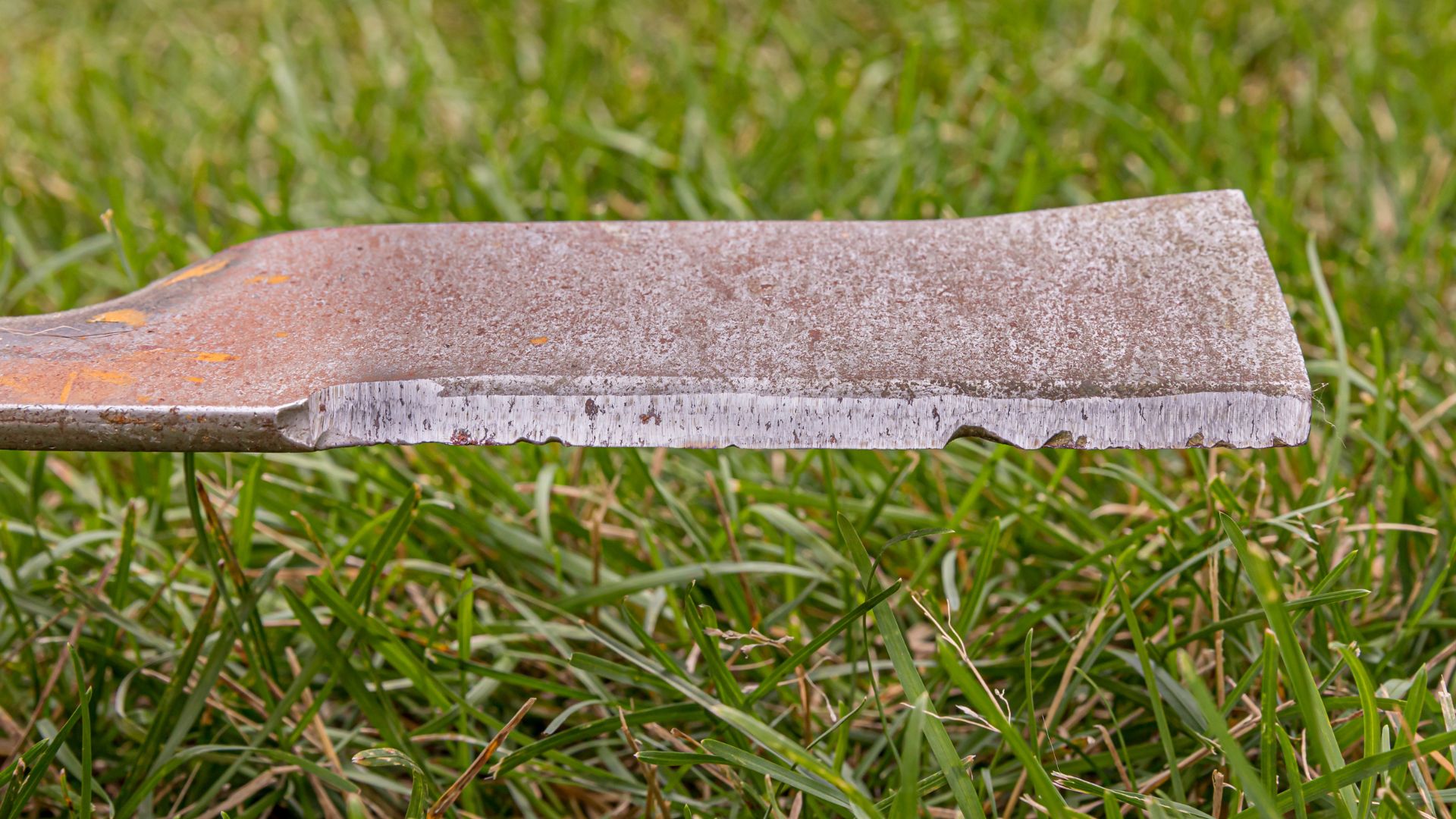
Pro tip: Sharpen your blades before the first mow of spring.
-
Stick to a Mowing Schedule
Establish a consistent mowing routine. Mow once a week during rapid growth periods. Avoid mowing wet grass, which can clump and damage the lawn and result in inconsistent results.
Adjust frequency based on weather and grass growth.
-
Choose the Right Lawn Mower
Match your lawn mower to your yard size. Small lawns are best served by lightweight push or electric mowers. Larger areas benefit from riding or robotic mowers for efficiency and precision.
A robotic mower is great for hands-free springtime grass care.
-
Mulch Your Grass Clippings
Instead of bagging, mulch your clippings back into the lawn. It adds nitrogen naturally and promotes healthy soil structure. Use a mulching mower to do this effectively.
Clippings decompose quickly and reduce the need for fertilizer.
-
Test and Adjust Soil pH
Healthy lawns start with balanced soil. Test your soil’s pH (ideal range: 6.0 to 7.0). Add lime to raise pH or sulfur to lower it, based on the results. A soil test kit is inexpensive and widely available.
Testing helps you choose the right fertilizer and improve grass uptake.
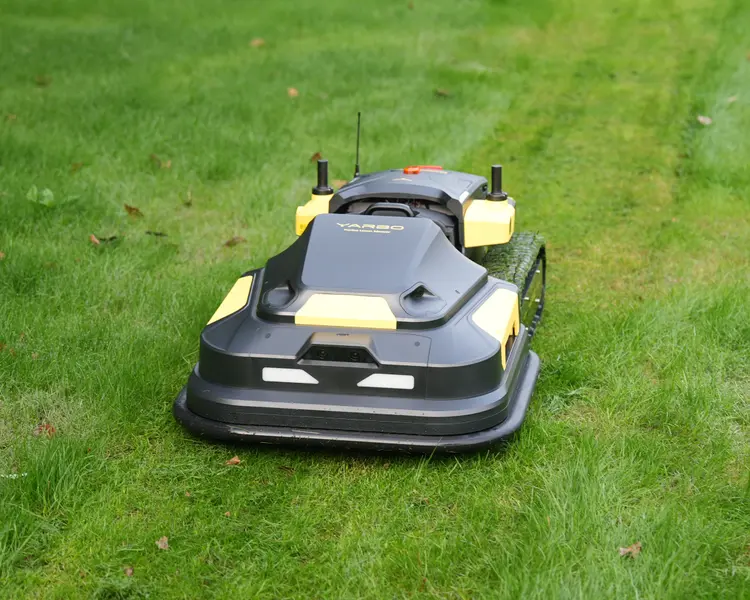
Yarbo Lawn Mower: Reliable Choice for Large Yards in Spring and Beyond
Spring is the perfect time to set the foundation for a healthy lawn, especially if you have a large yard. As the grass begins to grow again, regular mowing becomes essential—and Yarbo makes that effortless.
Yarbo robotic lawn mowers combine cutting-edge technology with smart automation to give your lawn the attention it needs, right when it needs it.
-
Optimized for Large Lawns: Yarbo mowers are built for wide coverage with extended battery life and powerful cutting performance—ideal for tackling rapid spring growth across bigger properties.
-
Spring-Ready Smart Automation: As your lawn awakens, Yarbo’s intelligent path planning and obstacle avoidance ensure clean, even cuts without the hassle of pushing or riding a mower.
-
Connected and Convenient: Use the Yarbo app to schedule more frequent spring mowings remotely, keeping your lawn neat as temperatures rise and growth accelerates.
-
Eco-Friendly Performance: Fully electric and energy-efficient, Yarbo is a greener choice for spring lawn care, avoiding emissions and gas fumes while giving your yard a fresh, clean cut.
Simplify Lawn Care for Your Spacious Outdoor Area
Wondering how to make spring lawn care easier for a large property? Along with following smart springtime grass care tips, the right equipment makes a huge difference.
A high-quality Yarbo robotic lawn mower for larger yards with ease, offering consistent, precise mowing without the heavy lifting.

Take the stress out of your routine and enjoy more free time while Yarbo keeps your lawn lush, neat, and healthy—all season long. Invest in Yarbo today and experience effortless lawn care at scale.
Conclusion
Spring is your lawn’s comeback season. By following these beginner-friendly spring lawn care tips, you’ll build a lush, green yard that lasts through summer and beyond.
With proper springtime grass care, you'll enjoy better curb appeal, outdoor fun, and peace of mind knowing your lawn is thriving.

Ready to level up your lawn care game?
Explore smart tools like the Yarbo Robotic Lawn Mower for effortless spring maintenance.
FAQs
Q: Is Yarbo Lawn Mower Pro effective for mowing warm-season grasses?
A: The Yarbo Lawn Mower Pro features a high-torque motor and smart cutting system that easily handles dense, tough grasses like Zoysia, Bermuda, and St. Augustine. Its precision blades and adaptive mowing tech ensure a clean, even cut—ideal for thick, warm-season turf.
Q: Should I fertilize before or after mowing?
A: After mowing. Mowing first helps fertilizer reach the soil more effectively.
Q: Can I water my lawn at night?
A: It’s not recommended. Watering at night encourages mold and fungus. Mornings are best.
Q: How often should I mow in spring?
A: About once a week. Avoid cutting more than 1/3 of the grass height at a time.
Q: Is it okay to aerate and seed on the same day?
A: Yes! Aerating just before seeding improves soil contact and seed germination.
-7.png?w=1001&h=621)
 Private group · 33.0K members