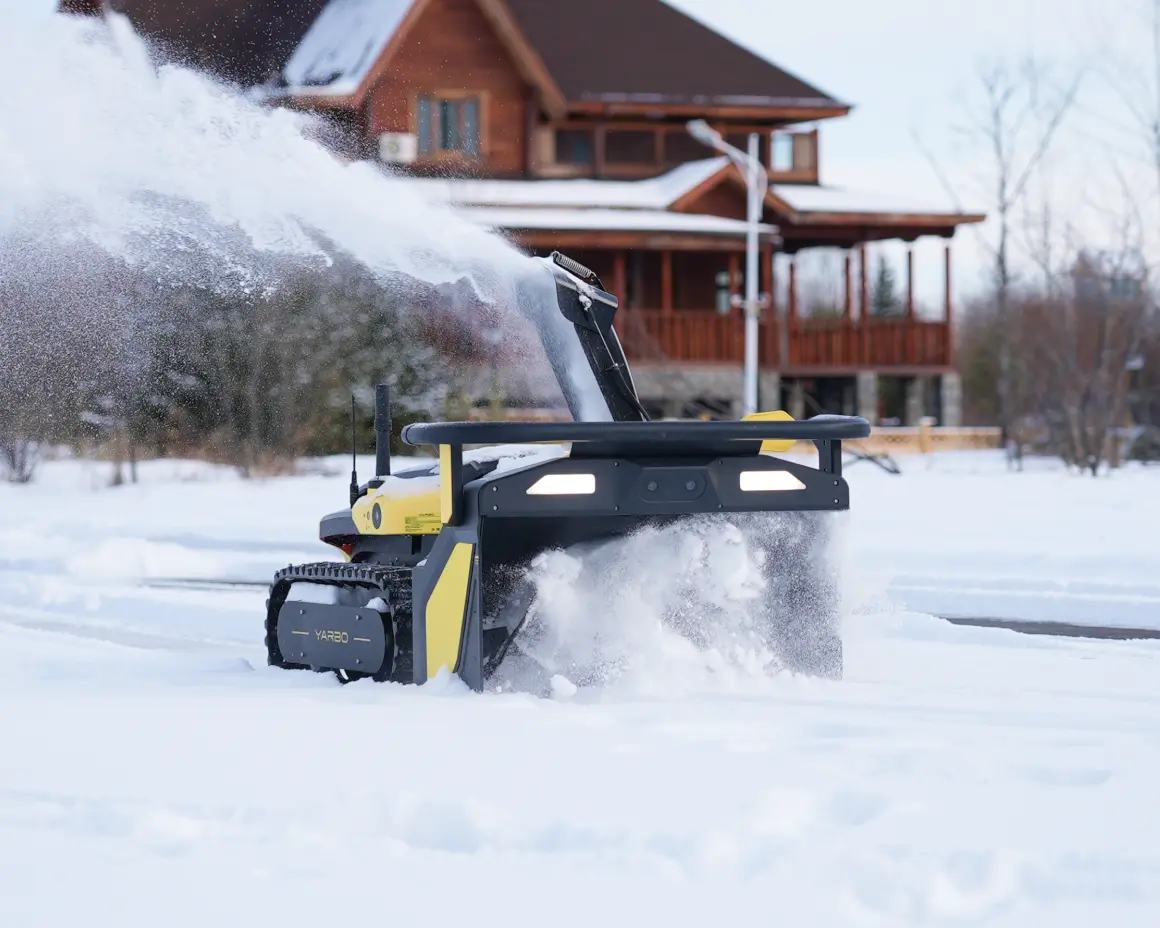
For North American homeowners with long driveways and 2–6 acre courtyards, snow removal during extreme weather isn’t just another chore—it’s a demanding, safety-critical necessity.
In this comprehensive guide, you’ll learn practical best practices for residential snow removal, including how Yarbo’s intelligent snow removal system provides efficient, safe, and eco-friendly solutions for large residential owners in harsh winters.
Table Of Contents:
Why Is Residential Snow Removal So Critical?
For properties with long driveways and large courtyards, heavy snowfall means:
-
Early wake-ups to shovel snow before work
-
Physical exhaustion and muscle strain
-
Risk of slips and falls, especially for elderly residents
-
Long, repeated clearing sessions during continuous snowfall
Imagine shoveling a 100-meter driveway at 5 AM in -15°C before your morning coffee, only to repeat the process later as more snow falls.
Impact on Home Safety
Uncleared snow:
-
Turns sidewalks and driveways into ice sheets, increasing injury risk
-
Leads to structural risks like ice dams and roof leaks
-
Increases liability if someone slips on your property
For large-scale residential properties, these risks are magnified due to the vast area requiring timely attention.
Traditional Snow Removal Methods and Limitations
Manual Shoveling
-
Inexpensive but:
-
Time-consuming and physically demanding
-
Increases injury risk, particularly during repeated snowfalls
Snow Blowers
-
Faster than manual shoveling but:
-
Require manual operation in harsh weather
-
Often have limited clearing width and snow-throwing distance
-
Require fuel or cord management, adding hassle
Professional Snow Removal Services
-
Reduce homeowner effort but:
-
Costly ($300–$600 per season or more)
-
Often hard to schedule during peak snowfall
-
Dependent on availability, delaying clearance
These tools make residential snow removal manageable and less physically taxing.
Tools and Equipment for Efficient Snow Removal
Before the first snowfall, ensure you have:
-
Ergonomic snow shovels
-
A snow blower with adequate clearing width
-
Roof snow rakes
-
Eco-friendly ice melt products
-
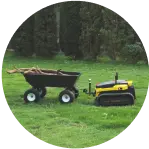
Yarbo’s automated modular snow removal system for hands-free clearing
These tools help manage snow efficiently, but combining them with smart planning ensures consistent, safe snow removal all season.
How to Create a Snow Removal Plan for Your Home?
-
Assess your property layout for slopes, shaded areas, and high-traffic paths.
-
Monitor weather forecasts to prepare early.
-
Assign snow removal tasks if you have a family or hire professional help.
-
Determine snow piling areas away from walkways and driveways to prevent ice patches.
-
Schedule regular snow removal intervals during heavy snowfall to prevent compaction.
To avoid overexertion in winter, you need to be careful, take short breaks, and stay hydrated.
Residential Snow Removal Safety Tips
-
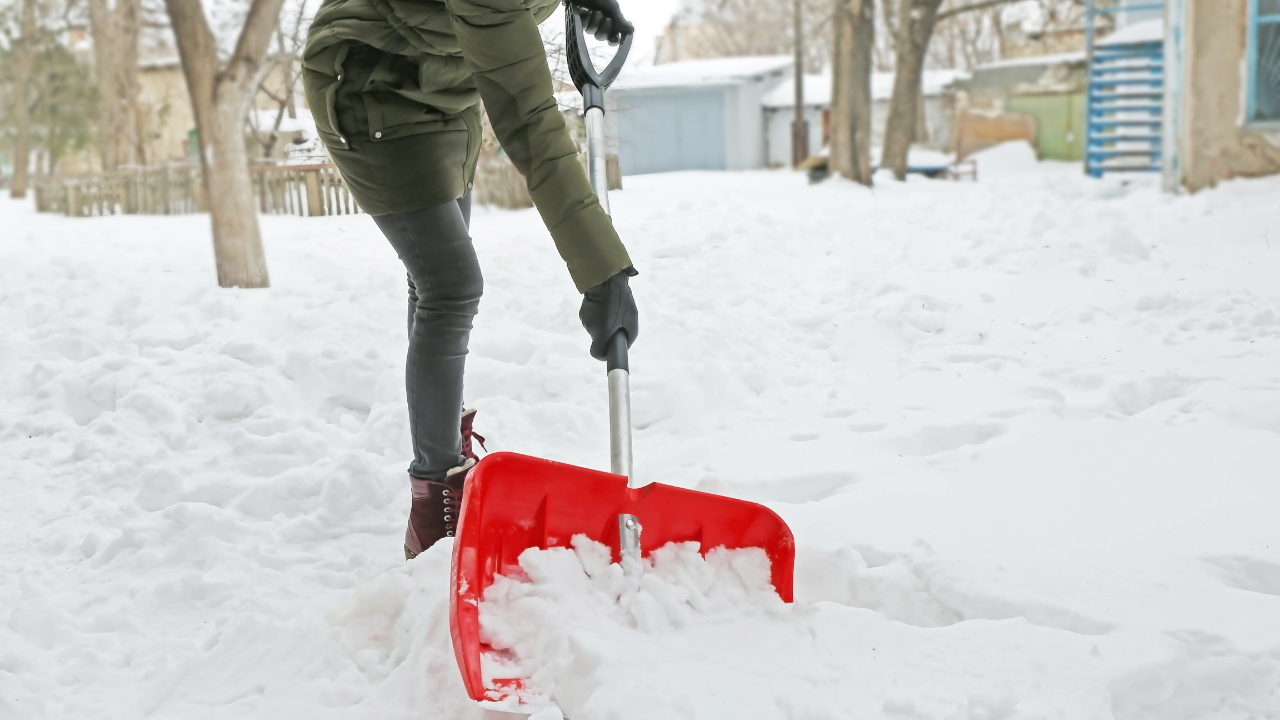
Warm up before shoveling to prevent muscle strain. Light stretching and a short walk can help prepare your body for physical activity.
-
Use ergonomic shovels to reduce back stress and make lifting easier. Push snow rather than lifting when possible.
-
Take frequent breaks to rest and recover. Snow removal is strenuous work, especially in cold weather.
-
Clear snow while it is still light and fluffy to make the job easier and reduce the risk of injury from lifting heavy, packed snow.
-
Be mindful of overexertion. Shoveling snow can be as intense as a full workout. Overexerting yourself, especially in freezing temperatures, increases the risk of heart attack, sprains, and other serious injuries.
-
Winter injuries can be very painful and slow to heal. Strains, falls, and exposure-related issues like frostbite or hypothermia are common if you're not careful.
-
Dress in layers to stay warm but avoid overheating. Wear waterproof gloves and boots with good traction.
-
Apply de-icers sparingly to avoid environmental damage, and choose environmentally friendly products whenever possible.
-
Stay hydrated even in the cold—your body still loses fluids through exertion.
Always listen to your body, and stop if you feel dizzy, short of breath, or overly fatigued.
.png?w=1280&h=720)
Handling Ice During Residential Snow Removal
-
Shovel snow promptly to prevent ice formation.
-
Apply ice melt strategically on high-traffic areas.
-
Use a roof rake to remove snow buildup that can cause ice dams.
-
Consider heated driveway options for long-term solutions.
How Yarbo Simplifies Residential Snow Removal in Harsh Winters
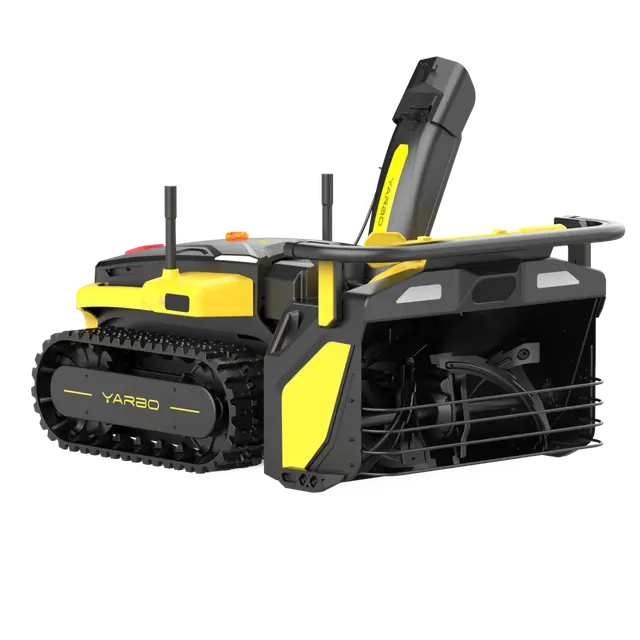
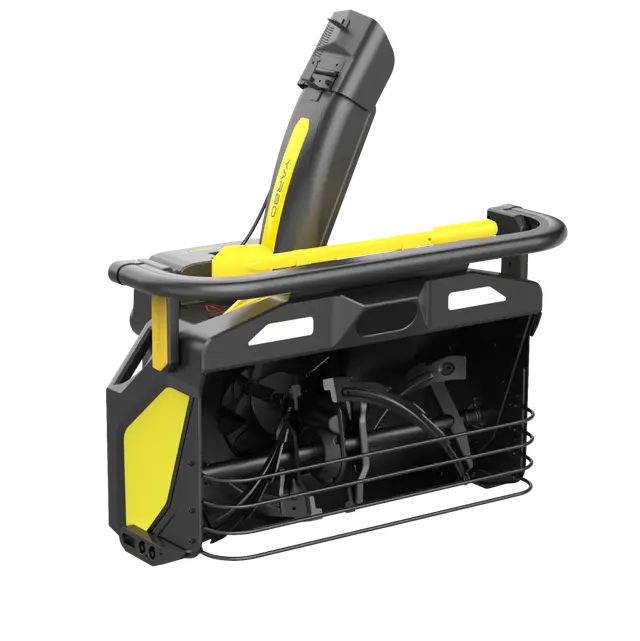
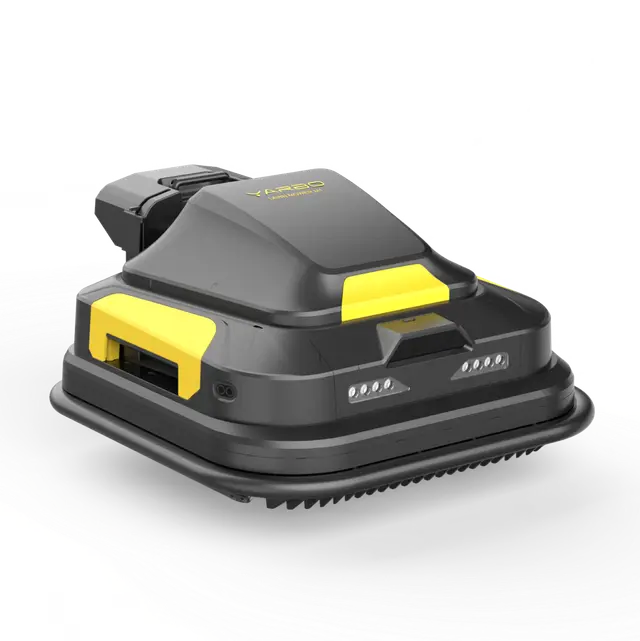
Yarbo’s modular system, including its snow blower module, revolutionizes residential snow removal in extreme weather by providing:
-
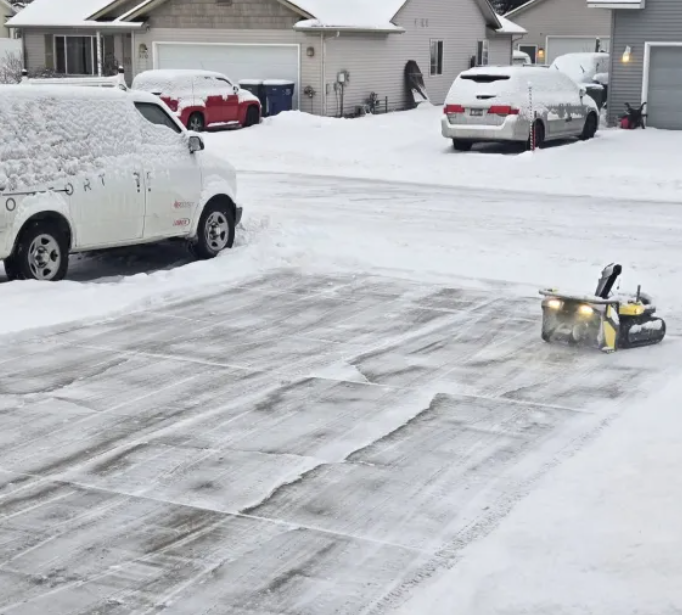
Automated snow clearing while you stay indoors.
-
Precise path mapping for consistent clearing.
-
360° obstacle detection for safety.
-
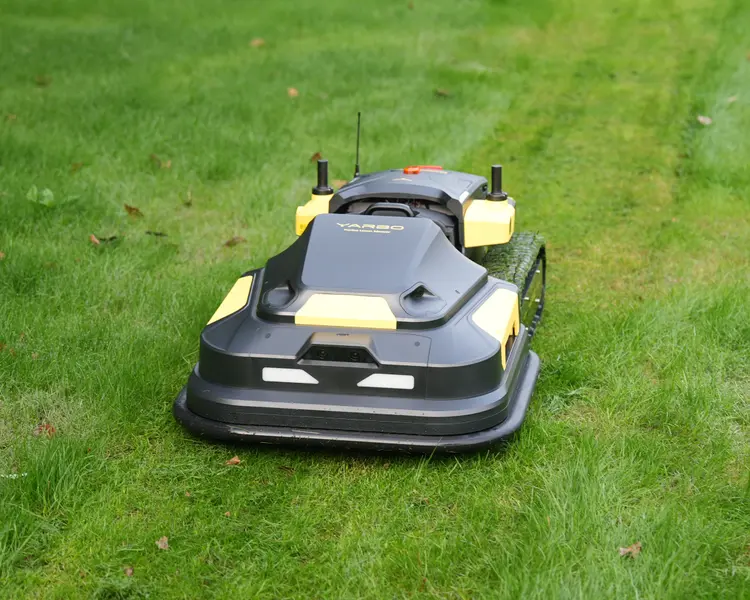
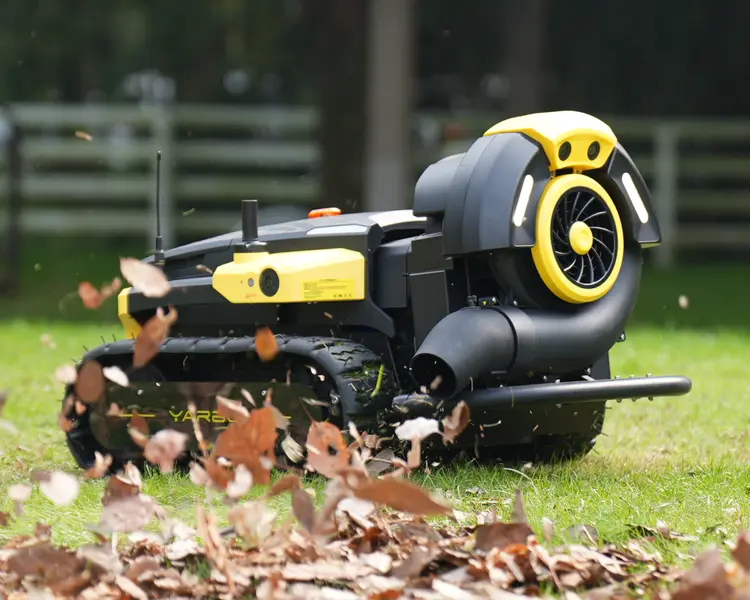
Easy module switching between snow blower, lawn mower, and leaf blower functions.
Yarbo’s Intelligent Snow Removal Solution for Large Residential Properties
-
Clears driveways up to 100 meters long
-
24-inch cleaning width and 40-foot snow-throwing distance
-
Functions reliably in -20°C
-
Fully automated with remote app control
-
Uses RTK-GPS navigation for precise path mapping
-
Handles multi-area cleaning efficiently
-
Electric, zero-emission operation for eco-friendly snow removal
| Features | Yarbo Snow Removal | Manual Shoveling | Professional Services | Traditional Snow Blowers |
| Coverage Area | 2–6 acres | Limited by strength | Dependent on provider | Small–medium areas |
| Automation | Fully automated | Fully manual | Semi-manual | Semi-automatic |
| Extreme Weather Capability | Operates at -20°C | Limited | Weather-dependent | Limited |
| ROI | Saves $2,000+ in 5 years | Annual costs $300–$600 | High recurring costs | Medium-term costs |
ROI and Long-Term Value
-
Manual removal: $300–$600 annually
-
Professional services: High seasonal costs
-
Yarbo: One-time investment, saving $2,000+ over 5 years
-
Eliminate early morning and repeated snow removal during storms.
-
Stay indoors while Yarbo clears snow safely and efficiently.
User Stories: Residential Snow Removal Made Easy with Yarbo
Tom from Minnesota shares:
“After switching to Yarbo for snow removal residential needs, I no longer worry about 6 AM shoveling before work. It handles heavy snow effortlessly, and I can manage everything through the app.”
Eco-Friendly Residential Snow Removal
You can minimize your environmental footprint by:
-
Using electric snow blowers instead of gas-powered.
-
Choosing environmentally friendly de-icers.
-
Using snow-melting mats on walkways.
-
Leveraging Yarbo’s electric, emission-free system for snow removal in residential processes.
Yarbo's Eco-Friendly Operations
-
Electric-powered with zero emissions
-
Low noise for residential areas
-
May qualify for local environmental incentives
Handling Ice During Residential Snow Removal
-
Shovel snow promptly to prevent ice formation.
-
Apply ice melt strategically on high-traffic areas.
-
Use a roof rake to remove snow buildup that can cause ice dams.
-
Consider heated driveway options for long-term solutions.
DIY vs Professional Snow Removal Residential Services
| Factor | DIY | Professional Services |
| Cost | Lower upfront | Higher, but saves time |
| Convenience | Physically demanding | Effortless |
| Response Time | Immediate if available | Scheduled/contract-based |
| Consistency | Dependent on your availability | Guaranteed |
Cost Considerations for Snow Removal Residential Solutions
-
DIY snow removal costs between $50-$500 depending on tools.
-
Professional services range from $30-$100 per visit or $300-$600 for seasonal contracts.
-
Yarbo’s modular system has a higher upfront cost but provides year-round utility, reducing long-term expenses.
Benefits of Professional Residential Snow Removal Services
Professional services:
-
Handle heavy, wet snow with specialized equipment.
-
Ensure timely clearing even during continuous snowfall.
-
Reduce your risk of injury.
-
Provide consistent snow removal residential solutions regardless of weather conditions.
Conclusion
Residential snow removal doesn’t have to be stressful. With the right plan, tools, and leveraging innovations like Yarbo’s modular snow removal system, you can handle extreme weather safely, efficiently, and sustainably. Take control of your winter while protecting your property and your health this season.
FAQs About Residential Snow Removal
-
How often should I clear snow during a storm?
It’s best to clear snow every 2-3 inches to prevent compaction and ice formation. -
Is professional snow removal worth it for residential properties?
Yes, it ensures consistent, safe, and timely snow clearing, reducing your physical workload and injury risk. -
Can Yarbo handle heavy snow?
Yes, Yarbo’s snow blower module is designed to clear heavy, wet snow effectively while navigating your driveway safely. -
What is the best eco-friendly snow removal method?
Using electric snow blowers, minimizing salt usage, and using snow-melting mats are effective, environmentally friendly options. -
Can I use salt to melt snow on driveways?
Yes, but use it sparingly to prevent damage to concrete, plants, and local water systems. -
Does Yarbo work in extreme cold weather?
Yes, Yarbo is engineered for sub-zero operation, making it reliable during harsh winters.
-7.png?w=1001&h=621)
 Private group · 33.0K members