Skip to content



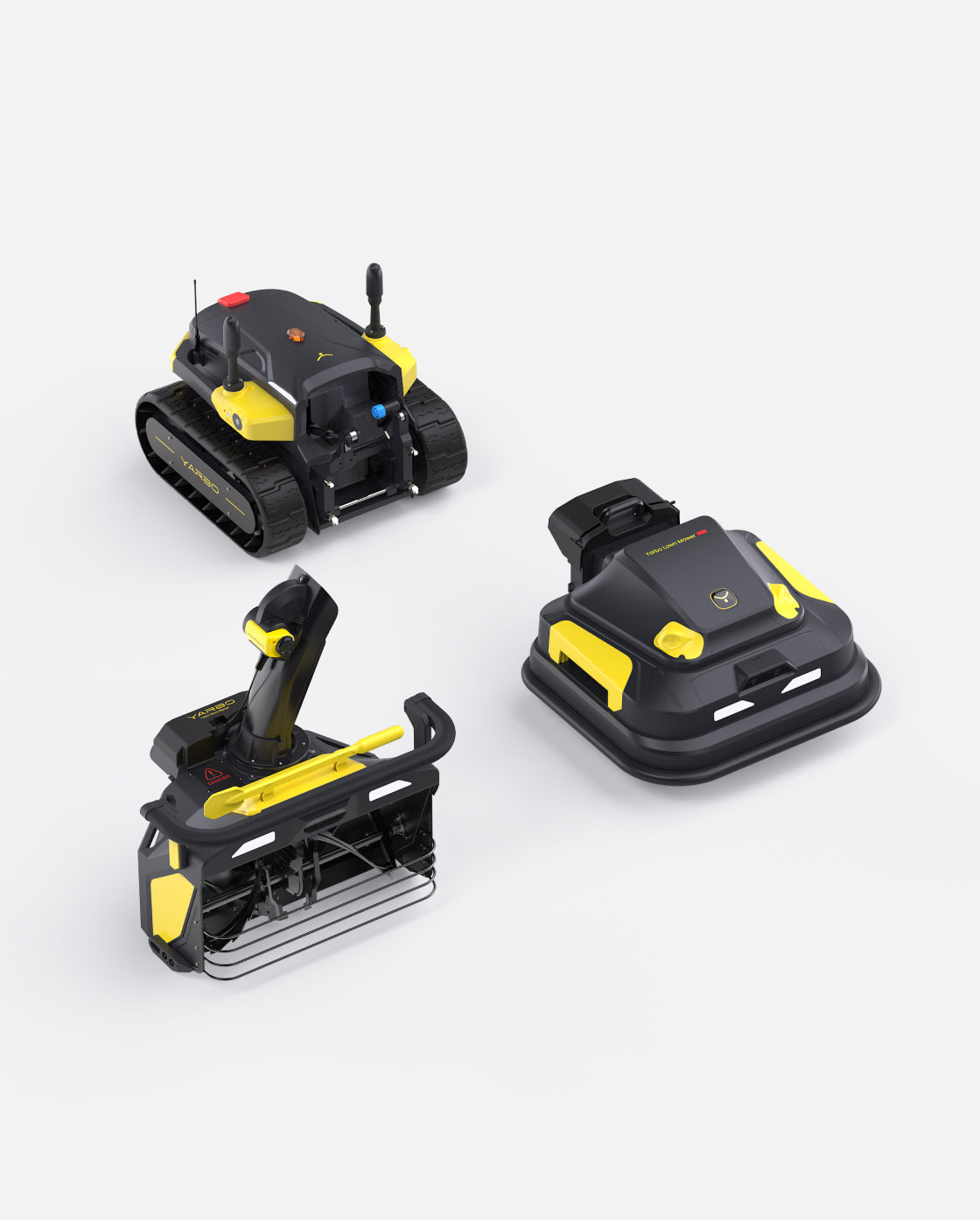
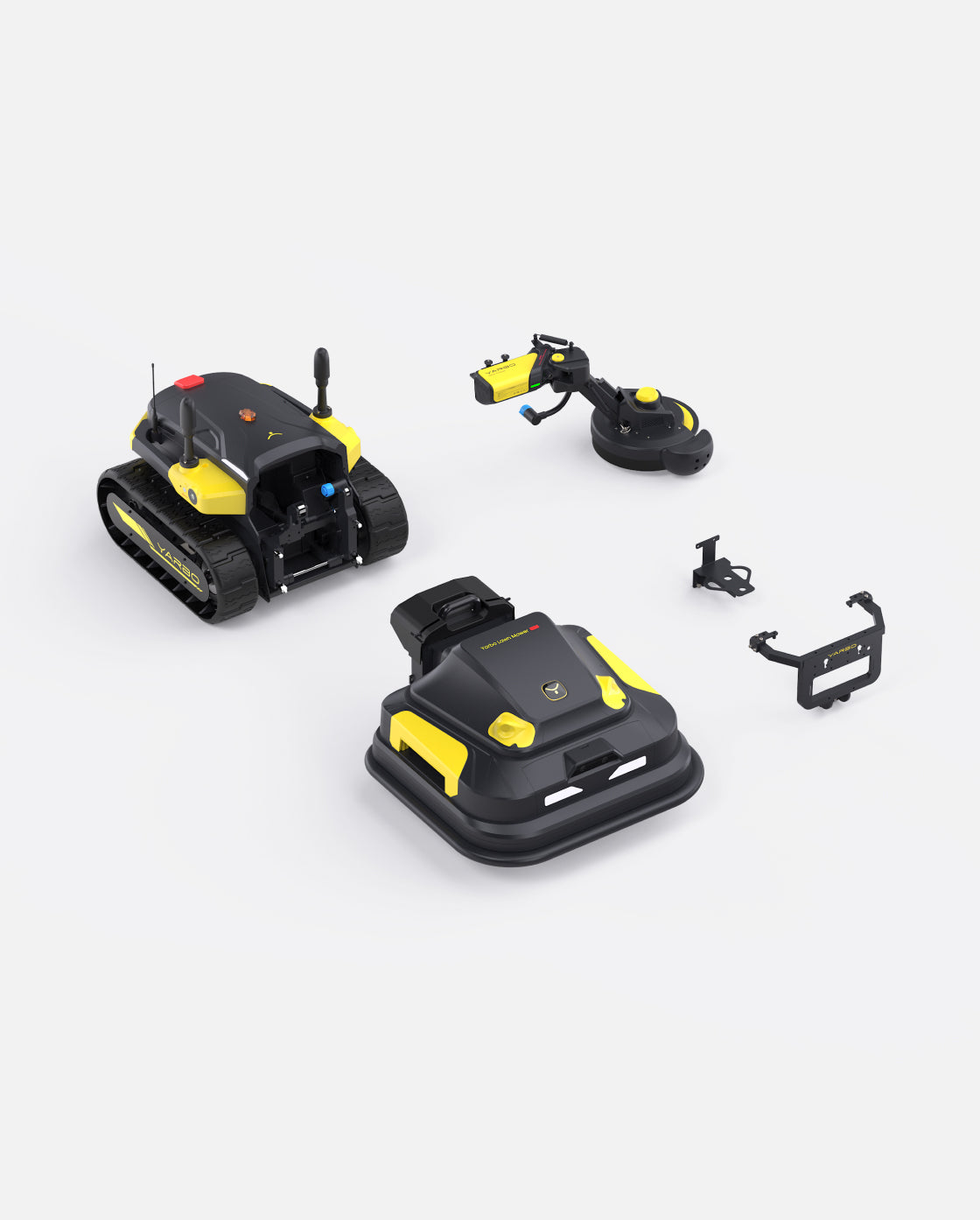
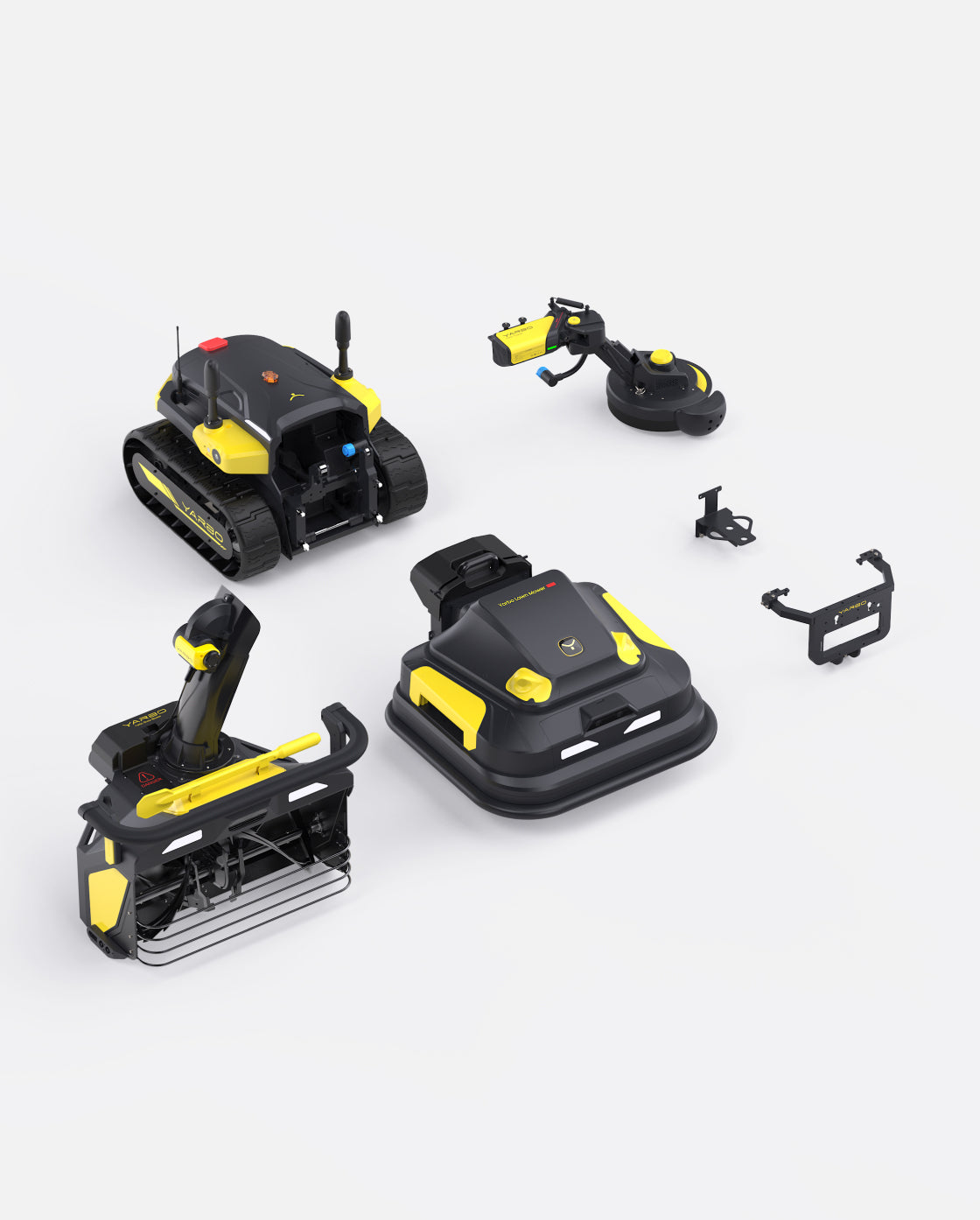
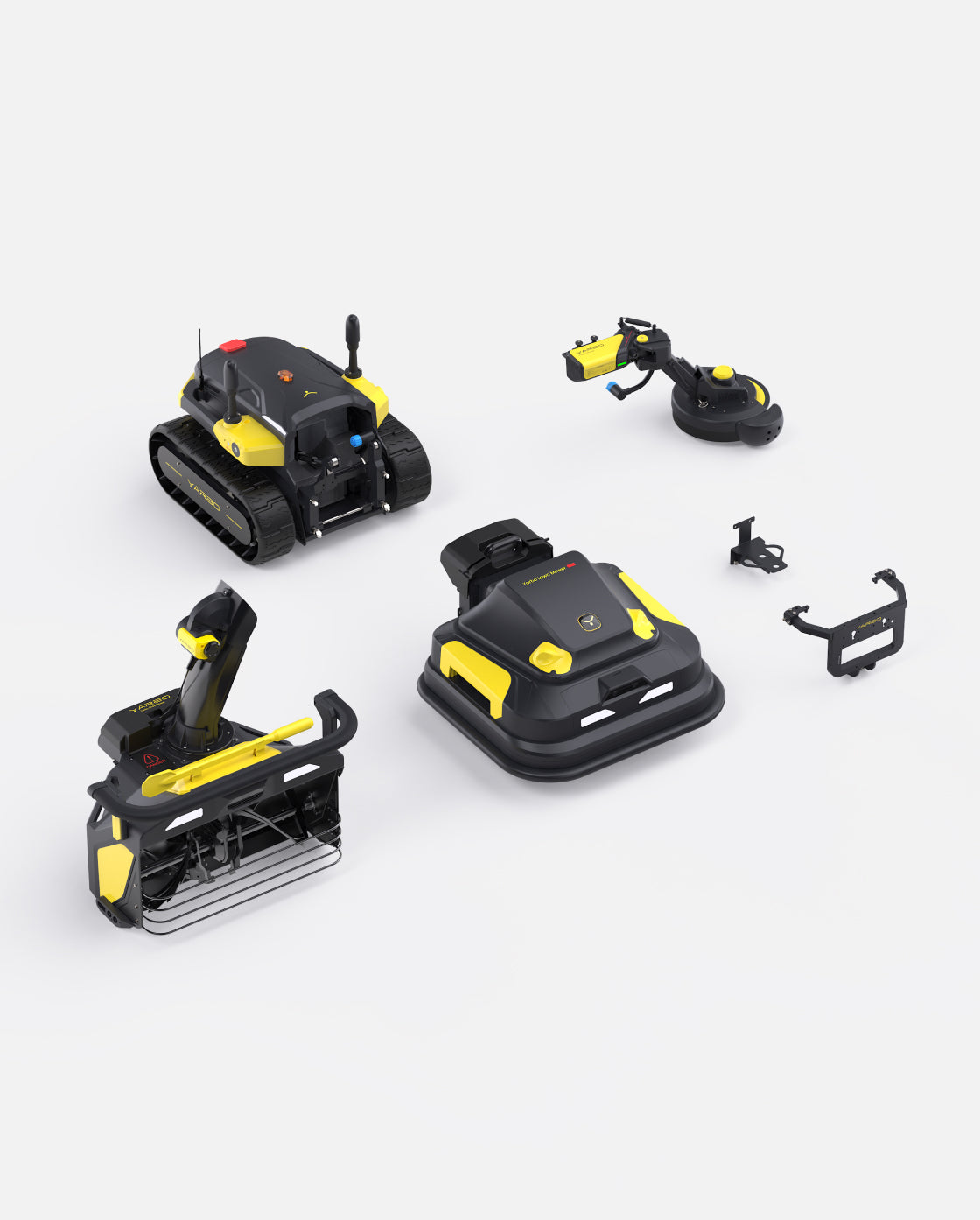



Table Of Contents
Leaf blowers are essential tools for maintaining a tidy yard. When autumn leaves blanket your property, or debris needs clearing, the right blower makes all the difference. The choice between a gas powered leaf blower and a battery-operated model can significantly impact your routine. Each has distinct advantages and disadvantages. Understanding these nuances helps you make an informed decision for your yard’s demands and your preferences.
Gas Powered Leaf Blower: The Traditional Workhorses
For years, gas powered leaf blower models have been a popular choice for homeowners. They are known for their robust performance and ability to tackle demanding yard tasks.
Advantages Of Gas Powered Leaf Blower
-
Unmatched Power: Gas blowers boast powerful engines. They generate impressive air speeds and volumes. This makes them ideal for large yards or areas with heavy leaf coverage, stubborn debris, twigs, and even small branches.
-
Portability: Without a power cord, a gas powered leaf blower offers excellent mobility. You can move freely around your property, navigating intricate landscapes or distant areas without worrying about power sources.
-
Longer Run Time: For extensive properties, gas blowers can run longer on a single tank of fuel than most battery models. This means fewer interruptions for refueling, allowing for more efficient completion of large tasks.
Disadvantages Of Gas Powered Leaf Blower
-
Noise and Emissions: A major drawback of gas powered leaf blower models is their noise level. They can be quite loud, which might disturb neighbors. They also emit fumes, contributing to air pollution and increasing your carbon footprint.
-
Maintenance: These blowers require regular maintenance. This includes engine tune-ups, spark plug changes, air filter cleaning, and fuel mixing. This upkeep can be time-consuming and adds to the overall cost and effort of ownership.
-
Weight: Gas powered leaf blower units are typically heavier than electric models. This can make them challenging to handle, especially during extended use, potentially leading to user fatigue.
-
Complex Starting: Starting a gas blower often involves a more intricate process, including priming, choking, and cord-pulling.
Battery Operated Leaf Blowers: The Modern, Eco-Friendly Choice
Electric leaf blowers, particularly battery-operated models, have gained significant popularity. They are often favored for their ease of use and environmental benefits.

Advantages Of Battery Operated Leaf Blowers
-
Quieter Operation: Battery leaf blowers are significantly quieter than their gas counterparts. This makes them ideal for residential areas with noise restrictions, allowing for more peaceful yard maintenance. They are far less disruptive, emitting noise comparable to a vacuum cleaner.
-
Environmentally Friendly: Since battery operated leaf blowers do not use gasoline, they produce zero emissions. This makes them a greener choice, benefiting the environment and contributing to a healthier working atmosphere. They align with sustainable landscaping practices.
-
Low Maintenance: Battery leaf blowers require less maintenance. There's no need for fuel mixing or engine servicing, saving time and cost. Upkeep primarily involves battery charging.
-
Simplicity and Ease of Use: These models are incredibly user-friendly. Just connect the battery and pull the trigger. Their lightweight nature, thanks to lithium-ion batteries, makes them easy to maneuver for a wide range of users.
-
Cost-Effective (Generally): Battery operated leaf blowers are often more cost-effective upfront than many gas powered options.
Disadvantages Of Battery Operated Leaf Blowers
-
Limited Power: While suitable for small to medium-sized yards, electric blowers may struggle with larger areas or heavy, wet debris. Their power is generally less than that of gas models.
-
Battery Limitations: Battery-powered models offer freedom from cords, but their run times are limited. They require recharging, and for longer tasks, an extra battery is often necessary to avoid interruptions. A typical run time is about an hour.
-
Initial Cost (High-Quality Models): High-quality battery-powered blowers, especially those with multiple batteries for extended use, can have a higher initial investment.
Quick Comparison: Gas vs. Battery-Operated Leaf Blowers
To summarize the key differences, here’s a quick comparison table:
| Feature | Gas-Powered Leaf Blowers | Battery-Operated Leaf Blowers |
| Power | Unmatched, high air speed/volume, ideal for heavy debris, large yards, twigs, small branches | Generally less power, suitable for small to medium yards, may struggle with large areas or wet debris |
| Portability | Excellent mobility, no power cord, freedom to move around property | Cord-free models offer freedom, but run times are limited by battery. Corded models restrict movement. |
| Run Time | Longer run time on a single tank of fuel, fewer interruptions for large tasks | Limited run times (e.g., about an hour), requires recharging, extra battery often needed |
| Noise Level | Quite loud, can disturb neighbors, requires ear protection | Significantly quieter, comparable to a vacuum cleaner, less disruptive |
| Emissions | Emits fumes, contributes to air pollution and carbon footprint | Zero emissions, environmentally friendly, greener choice |
| Maintenance | Requires regular maintenance (engine tune-ups, fuel mixing, spark plugs, air filters) | Low maintenance, no fuel mixing or engine servicing, primarily battery charging |
| Weight | Typically heavier, can be challenging for extended use, leading to fatigue | Generally lighter due to lithium-ion batteries, easy to maneuver |
| Starting | Often intricate: priming, choking, cord-pulling | Simple: connect battery and pull trigger |
| Initial Cost | Can be more affordable upfront for many basic models | High-quality models, especially with extra batteries, can be more expensive upfront |
| Target Use | Large yards, heavy leaf coverage, commercial landscaping | Small to medium yards, residential areas with noise restrictions |
Yarbo: Redefining Leaf Cleanup with Intelligent Automation
At Yarbo, we understand the challenges of yard maintenance. We've designed a solution that combines the best of both worlds—power and environmental friendliness—with unmatched versatility and intelligence.

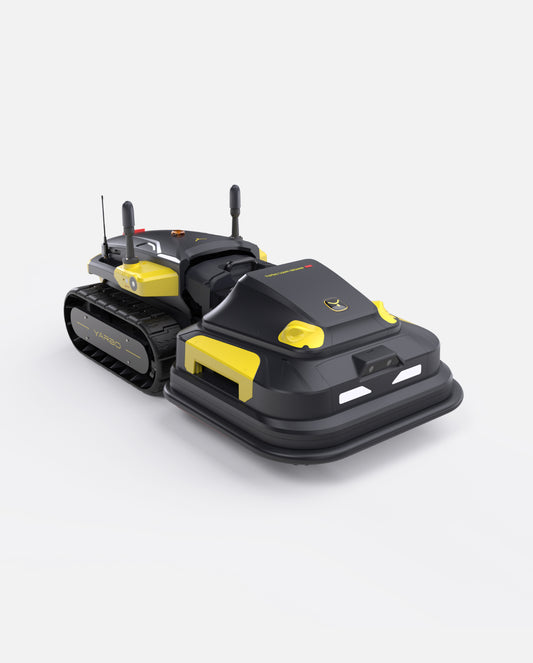
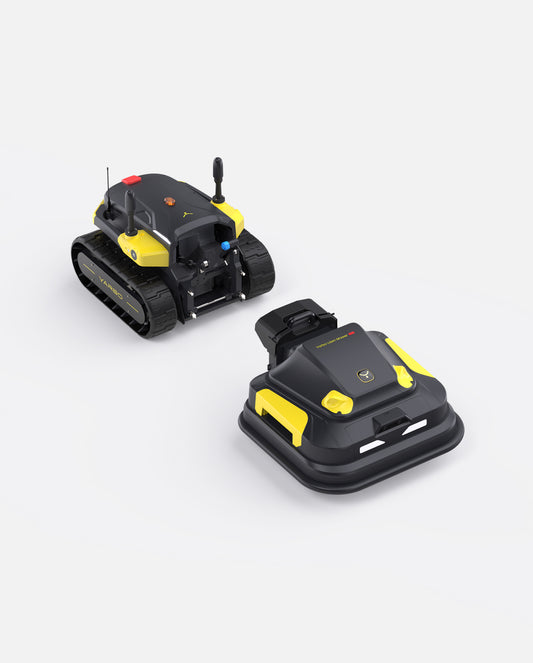
The Yarbo Core is the foundation of our modular ecosystem. It's a robust, tracked base equipped with advanced navigation. This includes RTK-GPS, binocular cameras, and an Inertial Measurement Unit (IMU) for centimeter-level precision. It even boasts 360° obstacle detection with multiple cameras and ultrasonic sensors, ensuring safe operation around pets and obstacles. The core unit is built for durability, with an IPX5 waterproof rating and resilience to extreme temperatures, operating from -25°C to 45°C, and even as low as -40°C with heating modules.
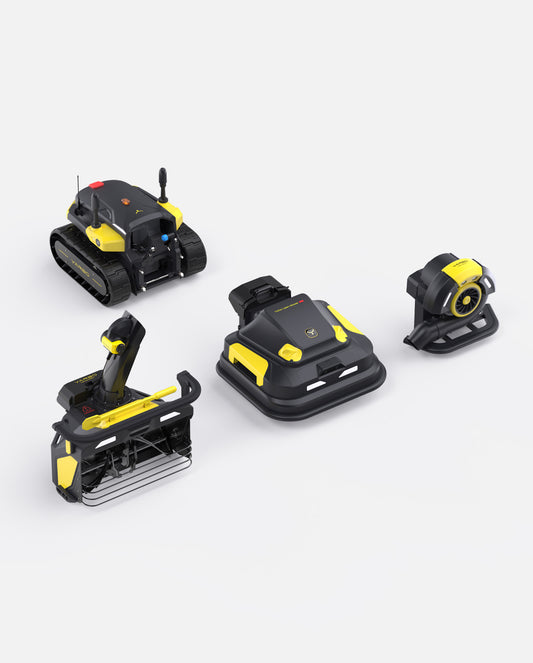
When it comes to leaf blowing, the Yarbo Blower Module stands out. It's the world's first intelligent leaf-blowing robot, engineered to mimic human leaf-clearing techniques.
-
Exceptional Performance: The Yarbo Blower delivers a high-velocity airflow of up to 174 MPH. You can adjust this power via the app, creating fan-shaped blowing patterns for efficient debris removal.
-
Intelligent Navigation and Safety: Equipped with millimeter-wave radar and real-time cameras, it offers dynamic obstacle avoidance. This means it operates safely around plants, garden decorations, and pets.
-
Quiet and Clean Operation: Unlike a noisy gas powered leaf blower, Yarbo operates quietly, at around 60 dB, comparable to a conversation. Since it's electric, it produces zero direct emissions, eliminating harmful fumes and fuel storage hassles.
The Modular Advantage
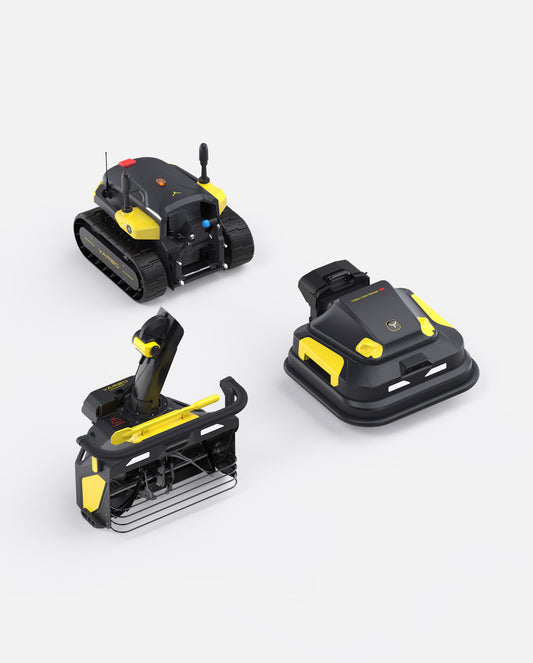
What truly sets Yarbo apart from any standard gas powered leaf blower or conventional battery leaf blowers is its modular design. The same Yarbo Core that powers your blower module can quickly switch to a lawn mower module for summer or a snow blower module for winter. This "3-in-1 solution for year-round yard care" eliminates the need for multiple standalone tools, saving you money, storage space, and maintenance headaches. No other mainstream competitor offers this full multi-season functionality in a single robotic system. This innovation positions Yarbo in a category of its own, redefining automated yard care.
Designed for Large and Complex Yards
Yarbo is not a toy. It's built for serious jobs—specifically large residential properties (up to 6 acres) and complex terrains. Its tracked drive provides superior traction, allowing it to easily conquer slopes up to 35° (70% grade). This robust performance addresses the pain points of homeowners with challenging properties where traditional equipment or other robotic mowers often fall short.
Automation and Long-Term Value
With Yarbo, you get true automation. It operates hands-free once set up, mapping your yard and managing tasks autonomously. It returns to its charging station wirelessly when the battery is low and resumes work automatically. This means you regain your time, letting Yarbo handle yard duties in the background. While a premium investment, a fully equipped Yarbo can pay for itself within approximately 2-3 years by replacing multiple expensive machines and eliminating annual contractor fees. This long-term value makes Yarbo a strategic investment for your property.
Making the Right Choice for Your Yard
When choosing a leaf blower, consider your specific needs.
-
For very large yards with heavy, wet debris, a traditional gas-powered leaf blower might still appeal due to its raw power. However, be prepared for noise, emissions, and regular maintenance.
-
For smaller, flatter yards or areas with noise restrictions, a conventional battery-operated leaf blower offers a quieter, lighter, and more eco-friendly experience. But be mindful of battery life and potential power limitations.
-
For homeowners with large or complex yards seeking ultimate convenience, year-round functionality, and a powerful, intelligent, eco-friendly solution, Yarbo robotic leaf blower stands as an unrivaled choice. It automates leaf blowing, mowing, and snow clearing, freeing up your time and transforming yard maintenance from a chore into an effortless background task.
Ultimately, the best choice aligns with your property's demands, your lifestyle, and your values.
Table Of Contents
Subscribe
- Afghanistan+93
- Albania+355
- Algeria+213
- Andorra+376
- Angola+244
- Antigua and Barbuda+1268
- Argentina+54
- Armenia+374
- Aruba+297
- Australia+61
- Austria+43
- Azerbaijan+994
- Bahamas+1242
- Bahrain+973
- Bangladesh+880
- Barbados+1246
- Belarus+375
- Belgium+32
- Belize+501
- Benin+229
- Bhutan+975
- Bolivia+591
- Bosnia and Herzegovina+387
- Botswana+267
- Brazil+55
- British Indian Ocean Territory+246
- Brunei+673
- Bulgaria+359
- Burkina Faso+226
- Burundi+257
- Cambodia+855
- Cameroon+237
- Canada+1
- Cape Verde+238
- Caribbean Netherlands+599
- Central African Republic+236
- Chad+235
- Chile+56
- China+86
- Colombia+57
- Comoros+269
- Congo+243
- Congo+242
- Costa Rica+506
- Côte d’Ivoire+225
- Croatia+385
- Cuba+53
- Curaçao+599
- Cyprus+357
- Czech Republic+420
- Denmark+45
- Djibouti+253
- Dominica+1767
- Dominican Republic+1
- Ecuador+593
- Egypt+20
- El Salvador+503
- Equatorial Guinea+240
- Eritrea+291
- Estonia+372
- Ethiopia+251
- Fiji+679
- Finland+358
- France+33
- French Guiana+594
- French Polynesia+689
- Gabon+241
- Gambia+220
- Georgia+995
- Germany+49
- Ghana+233
- Greece+30
- Grenada+1473
- Guadeloupe+590
- Guam+1671
- Guatemala+502
- Guinea+224
- Guinea-Bissau+245
- Guyana+592
- Haiti+509
- Honduras+504
- Hong Kong+852
- Hungary+36
- Iceland+354
- India+91
- Indonesia+62
- Iran+98
- Iraq+964
- Ireland+353
- Israel+972
- Italy+39
- Jamaica+1876
- Japan+81
- Jordan+962
- Kazakhstan+7
- Kenya+254
- Kiribati+686
- Kosovo+383
- Kuwait+965
- Kyrgyzstan+996
- Laos+856
- Latvia+371
- Lebanon+961
- Lesotho+266
- Liberia+231
- Libya+218
- Liechtenstein+423
- Lithuania+370
- Luxembourg+352
- Macau+853
- Macedonia+389
- Madagascar+261
- Malawi+265
- Malaysia+60
- Maldives+960
- Mali+223
- Malta+356
- Marshall Islands+692
- Martinique+596
- Mauritania+222
- Mauritius+230
- Mexico+52
- Micronesia+691
- Moldova+373
- Monaco+377
- Mongolia+976
- Montenegro+382
- Morocco+212
- Mozambique+258
- Myanmar+95
- Namibia+264
- Nauru+674
- Nepal+977
- Netherlands+31
- New Caledonia+687
- New Zealand+64
- Nicaragua+505
- Niger+227
- Nigeria+234
- North Korea+850
- Norway+47
- Oman+968
- Pakistan+92
- Palau+680
- Palestine+970
- Panama+507
- Papua New Guinea+675
- Paraguay+595
- Peru+51
- Philippines+63
- Poland+48
- Portugal+351
- Puerto Rico+1
- Qatar+974
- Réunion+262
- Romania+40
- Russia+7
- Rwanda+250
- Saint Kitts and Nevis+1869
- Saint Lucia+1758
- Saint Vincent and the Grenadines+1784
- Samoa+685
- San Marino+378
- São Tomé and Príncipe+239
- Saudi Arabia+966
- Senegal+221
- Serbia+381
- Seychelles+248
- Sierra Leone+232
- Singapore+65
- Slovakia+421
- Slovenia+386
- Solomon Islands+677
- Somalia+252
- South Africa+27
- South Korea+82
- South Sudan+211
- Spain+34
- Sri Lanka+94
- Sudan+249
- Suriname+597
- Swaziland+268
- Sweden+46
- Switzerland+41
- Syria+963
- Taiwan+886
- Tajikistan+992
- Tanzania+255
- Thailand+66
- Timor-Leste+670
- Togo+228
- Tonga+676
- Trinidad and Tobago+1868
- Tunisia+216
- Turkey+90
- Turkmenistan+993
- Tuvalu+688
- Uganda+256
- Ukraine+380
- United Arab Emirates+971
- United Kingdom+44
- United States+1
- Uruguay+598
- Uzbekistan+998
- Vanuatu+678
- Vatican City+39
- Venezuela+58
- Vietnam+84
- Yemen+967
- Zambia+260
- Zimbabwe+263
You have successfully subscribed!!
Check your welcome email for exclusive discounts.
Email Check Needed
We are unable to verify your email address.
Please check if the email
is correct.