Skip to content



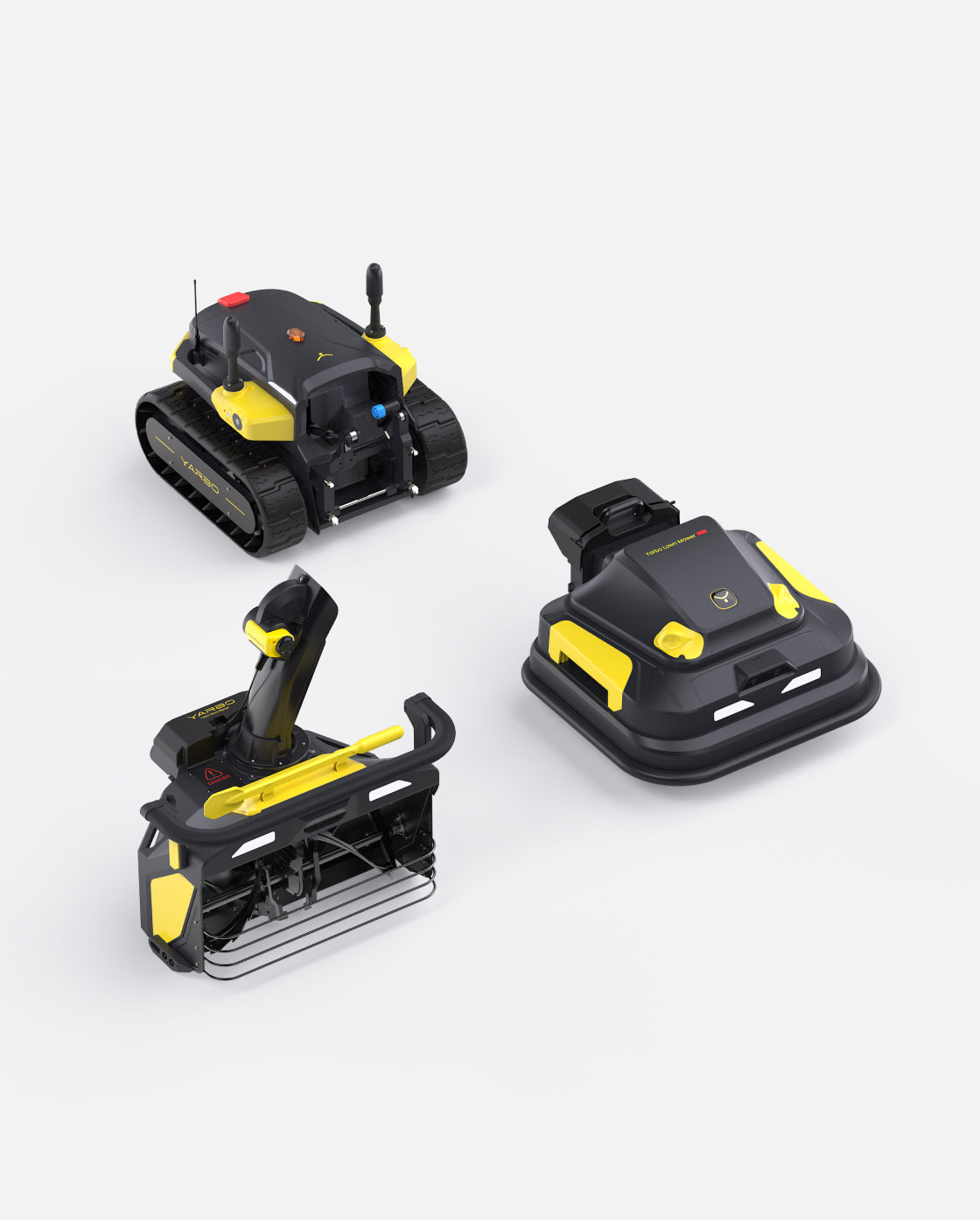

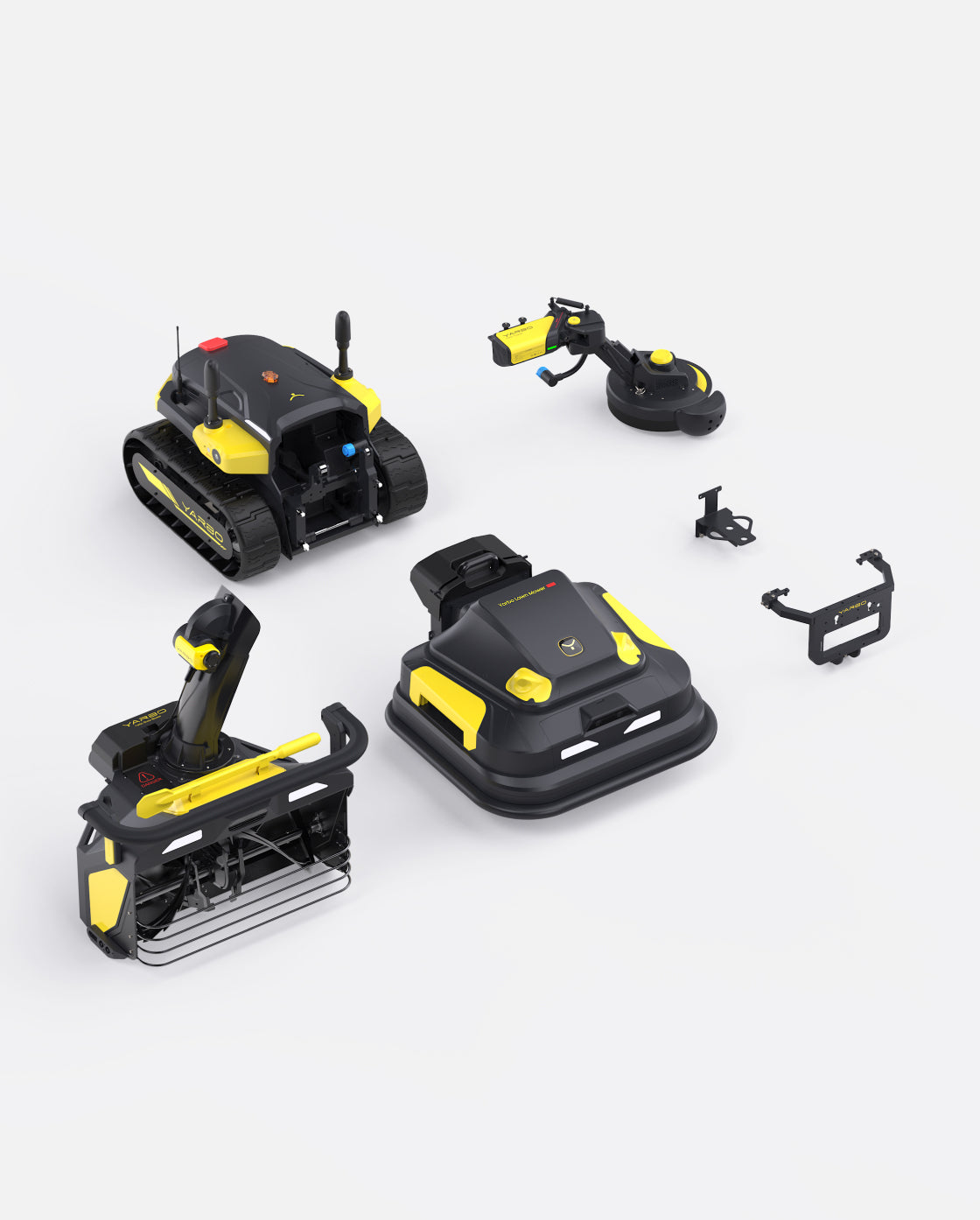
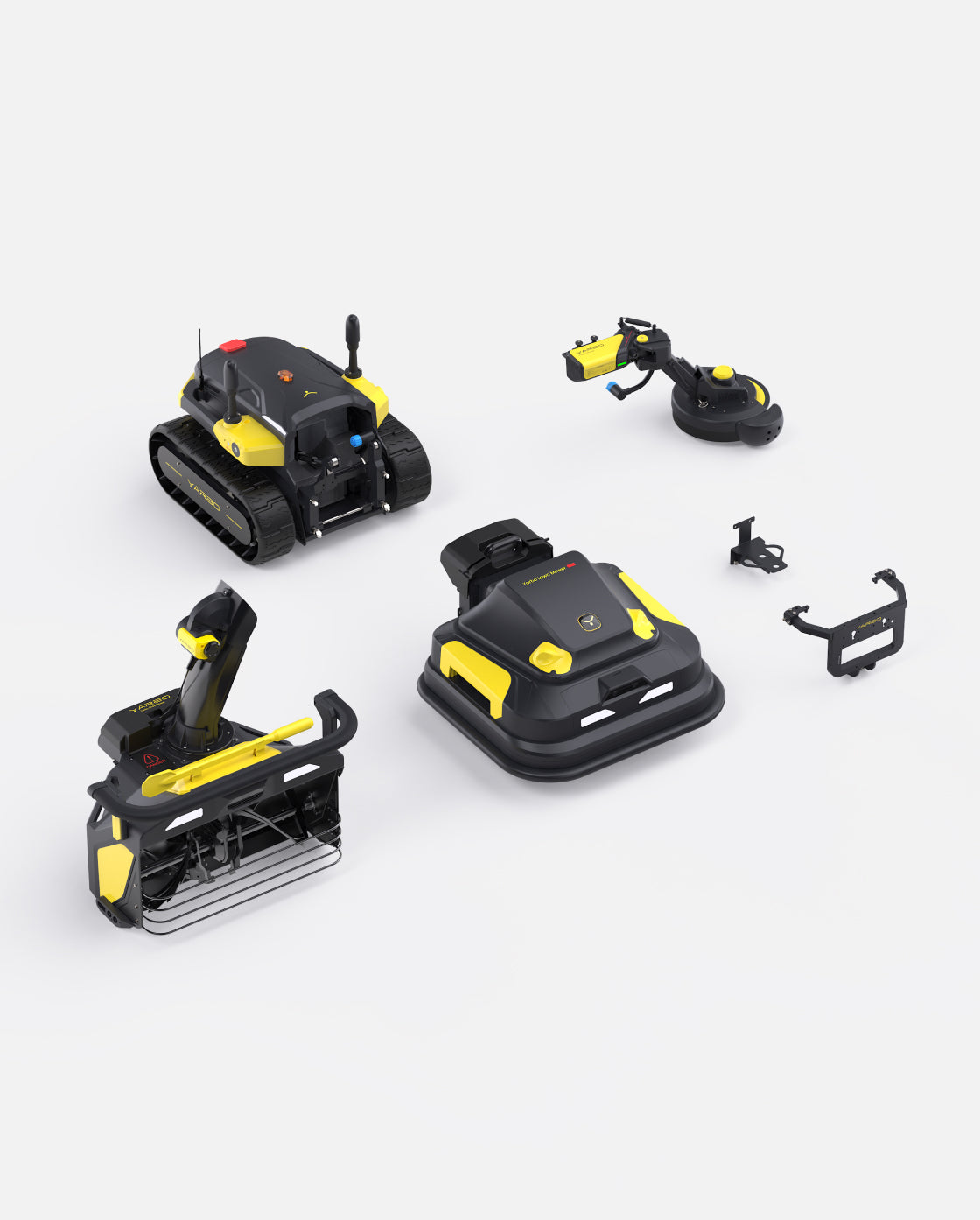


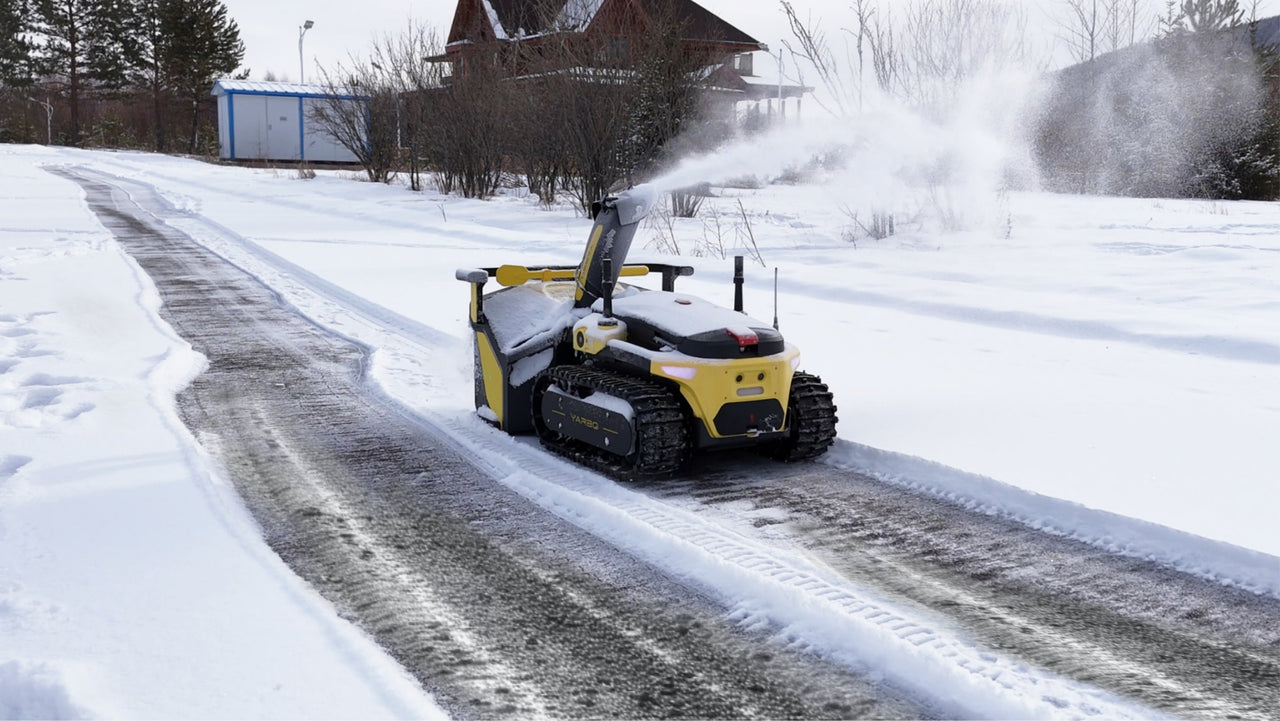
Table Of Contents
Gravel driveways have a timeless charm, but they can become a nightmare in winter when covered in heavy snow. Unlike paved surfaces, gravel shifts easily, meaning traditional snow removal methods often cause damage. Homeowners frequently ask:
How to Effectively Use a Snow Blower For Gravel Driveway Without Damage? The answer lies in using the right tools, techniques, and preparation methods.
This guide explores proven strategies, the best snow blower options for gravel driveways, and safety tips to make winter driveway snow removal easier, safer, and more effective.
Table of Contents:
Why Gravel Driveways Need Special Snow Removal Techniques?
Removing snow from gravel is trickier than from asphalt or concrete because of the loose surface. A standard shovel or blower can pick up gravel, scatter it across your yard, or damage equipment. Gravel driveways also freeze unevenly, leading to hidden ice pockets that require extra caution.
By using targeted techniques, you can clear snow while preserving your driveway’s structure and keeping vehicles safe from sliding.
Challenges of Driveway Snow Removal on Gravel
Some of the main issues homeowners face include:
-
Gravel displacement – removing snow often leads to scooping up gravel.
-
Uneven surfaces – low points can become ice traps.
-
Snow compaction – cars driving on snow press it deep into gravel, making removal tougher.
-
Equipment damage – single-stage blowers or sharp shovels can get damaged by rocks.
Recognizing these challenges allows you to choose the right methods.
Preparing Your Gravel Driveway Before Winter Arrives
Preparation makes winter maintenance easier. A well-prepared driveway will reduce damage during snow removal. Here’s what you can do:
-
Level the gravel surface before the first snowfall.
-
Add fresh gravel to low or uneven spots.
-
Install markers along edges to guide snow removal tools.
-
Pack down gravel to create a firmer base.
This proactive approach reduces frustration and saves money on post-winter repairs.
Essential Tools for Safe Gravel Driveway Snow Removal
Having the right tools ensures both efficiency and safety.
Snow Blower for Gravel Driveway – Key Features to Look For
When choosing a snow blower for gravel driveway, consider:
-
Two-stage or three-stage models (avoid single-stage).
-
Adjustable skid shoes to prevent scooping gravel.
-
Powerful auger systems designed for uneven terrain.
-
Self-propelled drive for better control on gravel.
Alternative Tools: Shovels, Plows, and Pushers
-
Shovels with rounded edges minimize gravel damage.
-
Snow pushers work for lighter snowfalls.
-
ATV or truck-mounted plows are efficient for long driveways.
Step-by-Step Guide: How to Remove Snow from a Gravel Driveway
Step 1: Creating a Base Layer of Snow
Leave the first inch of snow as a protective cushion to keep gravel in place.
Step 2: Adjusting Snow Blower Height for Gravel
Raise the snow blower chute using skid shoes to glide above gravel.
Step 3: Clearing Edges and Corners Carefully
Use hand tools to clear delicate areas where machines might dig into gravel.
Step 4: Using Push Techniques for Manual Clearing
Push snow instead of scooping it to reduce gravel displacement.
Safety tips for Gravel Driveway Snow Removal
-
Install Skid Shoes on Your Snow Removal Equipment
Skid shoes attach to snow blowers and plows, lifting the blades slightly above the ground to avoid scraping gravel. This simple addition can prevent excessive wear and tear while still clearing snow effectively.
-
Opt for a Layered Snow Removal Approach
Rather than clearing snow all the way down to the gravel, leave a thin layer of packed snow to protect the driveway. This minimizes gravel displacement and provides a stable surface.
Steps to follow:
First pass: Set the snow blower or plow to a higher setting.
Second pass: Lower the setting slightly to remove excess snow without digging into the gravel.
-
Avoid Using Salt or Chemical De-icers
Salt and de-icers can create muddy, unstable surfaces on gravel driveways. Instead, use sand or a sand-salt mix for better traction without damaging the driveway.

-
Use a Snow Pusher Instead of a Shovel
Shoveling is time-consuming and can lead to uneven surfaces. A snow pusher with a rounded blade helps move snow without digging into the gravel, making it a safer and more efficient option.
-
Automated Snow Removal for Gravel Driveways
Automated snow removal systems provide an ideal solution for gravel driveways, offering a safer, more efficient alternative to traditional methods. These systems are specifically engineered to handle gravel surfaces with precision and minimal risk of damage.
Challenges of Snow Removal on Gravel Driveways
Clearing snow from gravel driveways can be tricky. Traditional methods like shoveling or using snow blowers, often displace gravel, leaving uneven surfaces and dangerous ice patches. These methods require extra time and effort and can damage your driveway.
Automated snow removal systems, such as snow blowers designed specifically for gravel, provide a more efficient and damage-free solution. They clear snow consistently without disturbing the gravel, making them the ideal choice for homeowners with gravel driveways.
Why Traditional Methods Are Less Effective on Gravel Driveways?
Traditional snow removal methods, like shoveling, snow blowers, and snow plows, can be effective for paved surfaces but tend to be more time-consuming and labor-intensive on gravel driveways. Here’s why they struggle:
-
Manual Labor: Shoveling snow by hand is physically demanding and can result in gravel displacement, leaving the driveway uneven and requiring additional maintenance.
-
Snow Blowers: Traditional snow blowers frequently pick up gravel and snow, leading to equipment damage and driveway wear.
-
Chemical De-icers: While effective in melting snow, these chemicals can loosen gravel layers, leading to instability and costly repairs.
-
Snow Plows: Snow plows can scrape the surface of the gravel driveway, pushing the gravel out of place and creating ruts or holes. Over time, this leads to uneven surfaces and higher maintenance costs.
Though these traditional methods can clear snow, they often do so inefficiently, requiring more effort and resulting in ongoing repairs.
Risks of Traditional Snow Removal on Gravel
Using traditional methods to clear snow from gravel driveways can lead to both short-term and long-term issues:
-
Gravel Displacement: Traditional snow plows and snow blowers often move gravel along with the snow, creating uneven surfaces and requiring costly repairs. Over time, this can result in deep ruts and holes that may make your driveway difficult to navigate and potentially unsafe.
-
Surface Damage: Traditional methods of scraping the gravel surface frequently wear down the material, leading to further degradation and more frequent maintenance.
-
Inconsistent Snow Clearing: These methods often fail to clear snow evenly, leaving behind patches that may refreeze and form hazardous ice. This increases the risk of accidents, both for pedestrians and vehicles.
-
Gravel Displacement
-
Snow plows and snow blowers often pick up and scatter gravel along with the snow.
-
This results in uneven surfaces, requiring frequent refilling and maintenance.
-
Surface Damage
-
Repeated scraping and shifting of gravel can lead to ruts, potholes, and instability.
-
Chemical de-icers can loosen gravel layers, causing costly driveway repairs.
-
Inconsistent Snow Clearing
-
Uneven removal can leave behind packed snow, increasing the risk of ice buildup.
-
Manual labor is time-consuming and physically demanding, making winter maintenance more difficult.

Automated snow removal systems can help prevent these issues by offering a more consistent and damage-free snow-clearing process.
-
Adaptable to Gravel: Automated systems feature adjustable working heights to ensure effective snow clearing without disturbing gravel.
-
Effortless Operation: These systems work independently, saving time and reducing the physical effort required for manual snow removal.
-
Consistent and Precise Performance: Automated systems deliver even clearing, eliminating ice patches and reducing safety risks.
By choosing automated snow removal, homeowners can maintain their gravel driveways without the hassle or risk of traditional methods.
Best Snow Blower for Gravel Driveway in 2025
Two-Stage Snow Blowers
Ideal for medium to heavy snow. They use augers to break down snow and an impeller to throw it far.
Three-Stage Snow Blowers
More powerful, capable of handling wet, heavy snow quickly. Best for large gravel driveways.
Why Single-Stage Blowers Don’t Work on Gravel?
They sit too low and scrape gravel, causing damage.
How Yarbo Solves Gravel Driveway Snow Removal?
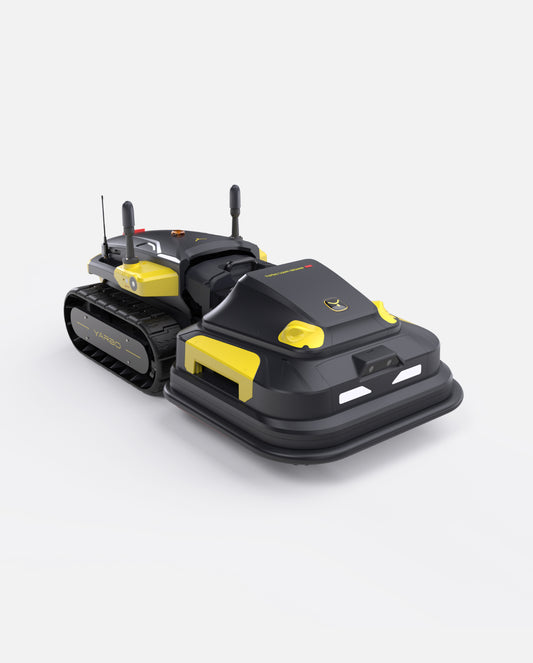
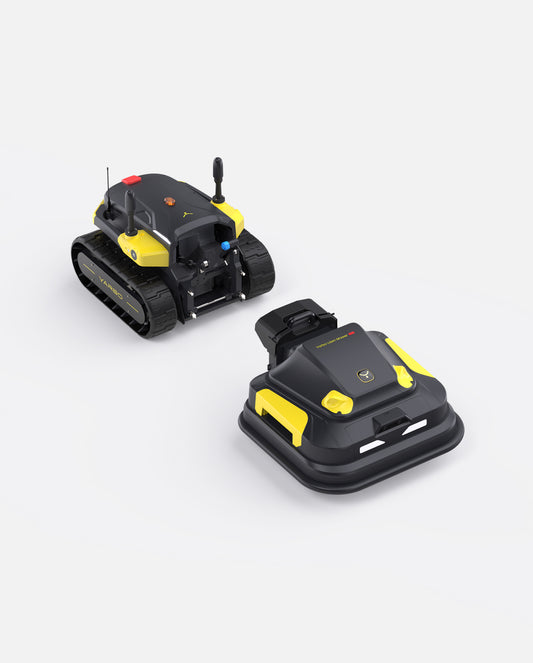
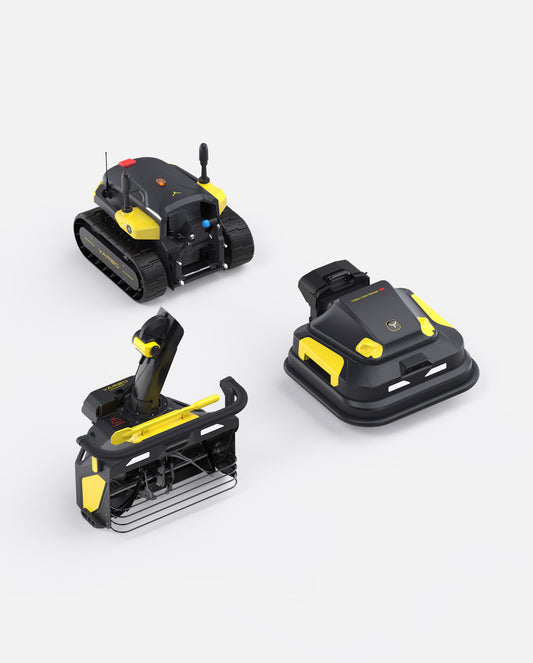
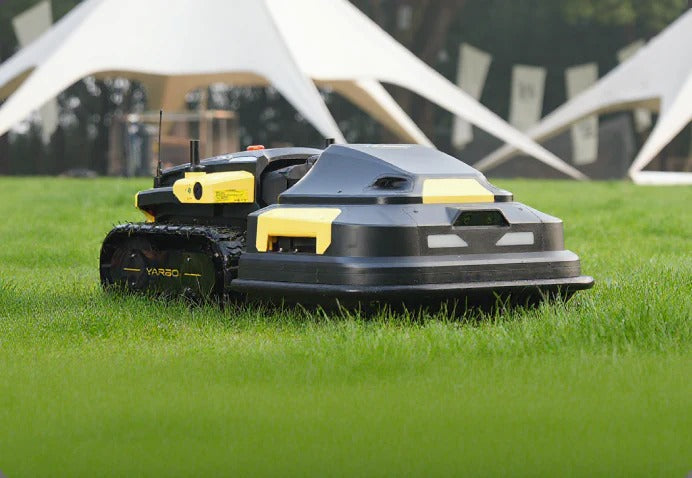
Yarbo is engineered specificallyto be a snow blower for gravel driveway, offering advanced features that optimize snow removal:

-
Module Minimal Height: This feature allows precise adjustment of the working height via the Yarbo App, ensuring gravel surfaces remain intact while maximizing clearing efficiency.
-
360-Degree Camera System: Yarbo’s full-coverage camera enables intelligent navigation, obstacle detection, and consistent path management, ensuring safe and efficient operation.
-
Skid Shoes for Surface Protection: Skid Shoes help Yarbo glide smoothly over gravel and uneven terrains, protecting both the auger housing and the driveway surface.
-
Customizable Settings: Tailor Yarbo’s snow removal settings to suit your driveway conditions using the Yarbo App.
With these features, Yarbo offers a reliable and efficient solution is form of a snow blower for gravel driveway which outperforms traditional and manual methods.
How to Use Yarbo on Gravel Driveways?
Using Yarbo to clear snow from your gravel driveway is simple. Just follow these easy steps:

-
Prepare Yarbo: Fully charge the snow blower and clear any large debris from the driveway.
-
Adjust Settings: Use the Yarbo App to set the optimal working height and map your driveway boundaries.
-
Start Yarbo: Activate the machine using the app or controller, and select settings tailored for gravel driveways.
-
Monitor and Maintain: Observe Yarbo as it clears snow and check for debris or gravel afterward to keep everything running smoothly.
Make Winter Maintenance Easier with Yarbo
Ready to learn how to remove snow from a gravel driveway using a snow removal. Automatic snow blowers make it easier and more efficient with their hands of operations. Yarbo’s automated systems make clearing snow from driveways simple and efficient. Discover Yarbo’s Features or Get in Touch to see how we can help you this winter.

Learn more safety tips during snow removal.
FAQs
Q: What is the best method how to remove snow from a gravel driveway without displacing the gravel?
A: Using a snow blower with adjustable skid shoes can effectively clear snow while minimizing gravel displacement. Additionally, a leaf blower can be useful for removing light, dry snow without disturbing the gravel.
Q: Can I use salt to melt ice in my gravel driveway?
A: While salt can melt ice, it may lead to issues on gravel driveways, such as turning the surface into mud. A mix of sand and salt is often recommended to provide traction without completely melting the hard-packed snow base.
Q: How can I prevent ice buildup on my gravel driveway?
A: Applying brine (a mixture of salt and water) before a winter storm can prevent ice from bonding to the surface, making it easier to manage. However, caution is advised when using brine near plants, soil, or concrete.
Q: Is it advisable to use snow plow on a gravel driveway?
A: Yes, But it's essential to adjust the plow blade height to avoid scrapping off the gravel. Attaching plow shoes can help raise the blade slightly, allowing it to float over the gravel surface.
Table Of Contents
Subscribe
- Afghanistan+93
- Albania+355
- Algeria+213
- Andorra+376
- Angola+244
- Antigua and Barbuda+1268
- Argentina+54
- Armenia+374
- Aruba+297
- Australia+61
- Austria+43
- Azerbaijan+994
- Bahamas+1242
- Bahrain+973
- Bangladesh+880
- Barbados+1246
- Belarus+375
- Belgium+32
- Belize+501
- Benin+229
- Bhutan+975
- Bolivia+591
- Bosnia and Herzegovina+387
- Botswana+267
- Brazil+55
- British Indian Ocean Territory+246
- Brunei+673
- Bulgaria+359
- Burkina Faso+226
- Burundi+257
- Cambodia+855
- Cameroon+237
- Canada+1
- Cape Verde+238
- Caribbean Netherlands+599
- Central African Republic+236
- Chad+235
- Chile+56
- China+86
- Colombia+57
- Comoros+269
- Congo+243
- Congo+242
- Costa Rica+506
- Côte d’Ivoire+225
- Croatia+385
- Cuba+53
- Curaçao+599
- Cyprus+357
- Czech Republic+420
- Denmark+45
- Djibouti+253
- Dominica+1767
- Dominican Republic+1
- Ecuador+593
- Egypt+20
- El Salvador+503
- Equatorial Guinea+240
- Eritrea+291
- Estonia+372
- Ethiopia+251
- Fiji+679
- Finland+358
- France+33
- French Guiana+594
- French Polynesia+689
- Gabon+241
- Gambia+220
- Georgia+995
- Germany+49
- Ghana+233
- Greece+30
- Grenada+1473
- Guadeloupe+590
- Guam+1671
- Guatemala+502
- Guinea+224
- Guinea-Bissau+245
- Guyana+592
- Haiti+509
- Honduras+504
- Hong Kong+852
- Hungary+36
- Iceland+354
- India+91
- Indonesia+62
- Iran+98
- Iraq+964
- Ireland+353
- Israel+972
- Italy+39
- Jamaica+1876
- Japan+81
- Jordan+962
- Kazakhstan+7
- Kenya+254
- Kiribati+686
- Kosovo+383
- Kuwait+965
- Kyrgyzstan+996
- Laos+856
- Latvia+371
- Lebanon+961
- Lesotho+266
- Liberia+231
- Libya+218
- Liechtenstein+423
- Lithuania+370
- Luxembourg+352
- Macau+853
- Macedonia+389
- Madagascar+261
- Malawi+265
- Malaysia+60
- Maldives+960
- Mali+223
- Malta+356
- Marshall Islands+692
- Martinique+596
- Mauritania+222
- Mauritius+230
- Mexico+52
- Micronesia+691
- Moldova+373
- Monaco+377
- Mongolia+976
- Montenegro+382
- Morocco+212
- Mozambique+258
- Myanmar+95
- Namibia+264
- Nauru+674
- Nepal+977
- Netherlands+31
- New Caledonia+687
- New Zealand+64
- Nicaragua+505
- Niger+227
- Nigeria+234
- North Korea+850
- Norway+47
- Oman+968
- Pakistan+92
- Palau+680
- Palestine+970
- Panama+507
- Papua New Guinea+675
- Paraguay+595
- Peru+51
- Philippines+63
- Poland+48
- Portugal+351
- Puerto Rico+1
- Qatar+974
- Réunion+262
- Romania+40
- Russia+7
- Rwanda+250
- Saint Kitts and Nevis+1869
- Saint Lucia+1758
- Saint Vincent and the Grenadines+1784
- Samoa+685
- San Marino+378
- São Tomé and Príncipe+239
- Saudi Arabia+966
- Senegal+221
- Serbia+381
- Seychelles+248
- Sierra Leone+232
- Singapore+65
- Slovakia+421
- Slovenia+386
- Solomon Islands+677
- Somalia+252
- South Africa+27
- South Korea+82
- South Sudan+211
- Spain+34
- Sri Lanka+94
- Sudan+249
- Suriname+597
- Swaziland+268
- Sweden+46
- Switzerland+41
- Syria+963
- Taiwan+886
- Tajikistan+992
- Tanzania+255
- Thailand+66
- Timor-Leste+670
- Togo+228
- Tonga+676
- Trinidad and Tobago+1868
- Tunisia+216
- Turkey+90
- Turkmenistan+993
- Tuvalu+688
- Uganda+256
- Ukraine+380
- United Arab Emirates+971
- United Kingdom+44
- United States+1
- Uruguay+598
- Uzbekistan+998
- Vanuatu+678
- Vatican City+39
- Venezuela+58
- Vietnam+84
- Yemen+967
- Zambia+260
- Zimbabwe+263
You have successfully subscribed!!
Check your welcome email for exclusive discounts.
Email Check Needed
We are unable to verify your email address.
Please check if the email
is correct.