







Cart
0
Table Of Contents
Yes, but only for the right snow. A leaf blower can work well on fresh, dry, powdery snow a couple of inches deep or less. It struggles with wet, heavy snow, cannot break up packed snow, and won't remove ice.
A landscape professional quoted by Homes & Gardens recommends using a leaf blower for around 1–2 inches of light, fluffy snow, ideally cleared soon after it falls. Actual results depend on the blower and snow conditions. Below, we cover how to judge your snow, how to protect your equipment, and when it's time to switch to a snow blower.
Which Tool Fits Your Snow?
| Condition | Leaf Blower | Better Tool |
|---|---|---|
| Fresh, dry powder, about 1–2 in | Can work well if cleared soon after snowfall | Leaf blower |
| Dry snow deeper than a few inches | Becomes less efficient; snow may blow back or settle elsewhere | Snow blower |
| Wet, heavy snow (packs into a snowball) | Difficult to move with airflow alone | Snow blower or shovel |
| Packed or icy snow | Cannot break apart hardened accumulation | Shovel, suitable ice scraper, or deicer |
| Gravel driveway or path | May scatter loose stones or stir up dust | Shovel or equipment suitable for gravel |
| Paved driveway, deck, patio, or steps | Useful for light dustings, where the manufacturer permits snow use | Leaf blower |
Based on expert guidance published by Homes & Gardens, December 2025. Actual performance varies by equipment and conditions.
A quick field test: if the snow easily packs into a firm snowball, it is likely too wet or dense for efficient leaf-blower clearing. This is a useful rule of thumb, not a precise measurement of snow moisture.
Safety and Protecting Your Blower
-
Check the manual first. Not every leaf blower is approved for use in snowy or wet conditions. If the manufacturer advises against snow removal, follow that guidance.
-
Keep moisture away from electrical components. Corded models require particular care around snow and standing water. Use only approved outdoor electrical equipment, and never operate a blower where moisture could enter connections or components.
-
Expect reduced battery performance in extreme cold. Cold temperatures can shorten runtime and affect power delivery. Follow the manufacturer's temperature limits and battery charging and storage instructions.
-
Blow downwind and wear protection. Wind can send snow back toward you or onto areas you've already cleared. Wear safety glasses, gloves, slip-resistant boots, and appropriate hearing protection.
-
Watch the surface. Loose gravel and debris can be thrown by high-velocity airflow. Avoid directing the blower toward stones, vehicles, windows, or people. A shovel may be the safer option on loose gravel.
When to Switch to a Snow Blower
A leaf blower is useful for light snow touch-ups, but it isn't a substitute for dedicated snow-removal equipment during heavier storms.
Experts quoted by Homes & Gardens recommend switching methods once snow becomes several inches deep, wet, dense, or compacted.
Consider a dedicated snow blower if:
-
storms regularly leave more than a few inches of snow at a time;
-
your snow tends to be wet and heavy rather than light and dry;
-
snow sits long enough to compact or freeze before you can clear it;
-
you have a long driveway where clearing snow with a handheld leaf blower would be impractical.
For heavy, wet storms, see our tips for using a snow blower on heavy and wet snow.
One Core, Two Modules: How Yarbo Splits the Job
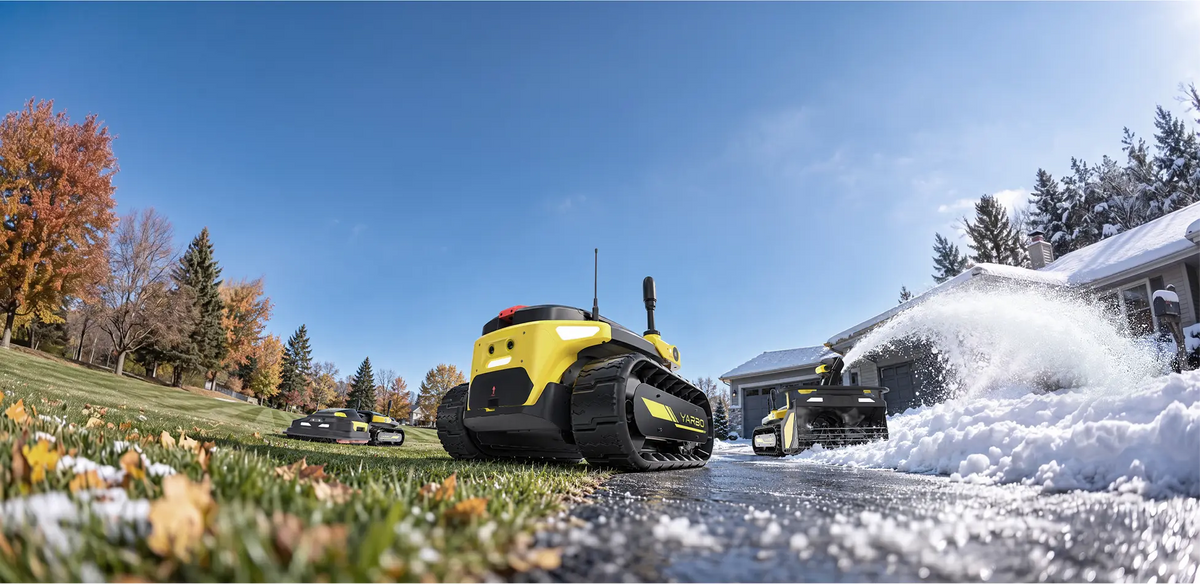
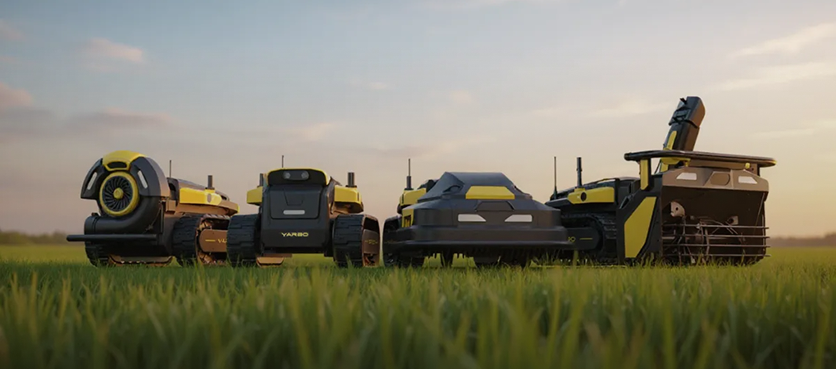
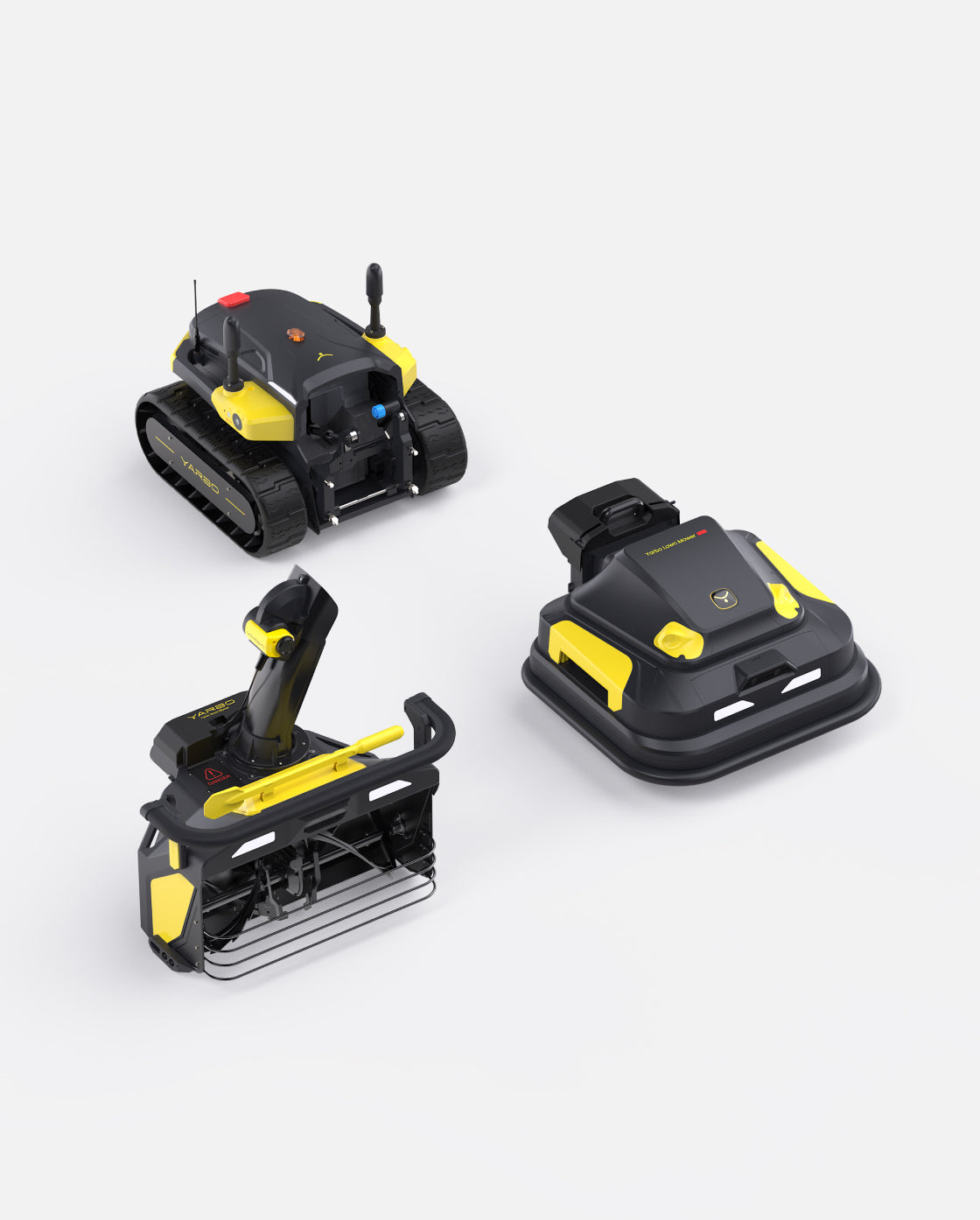
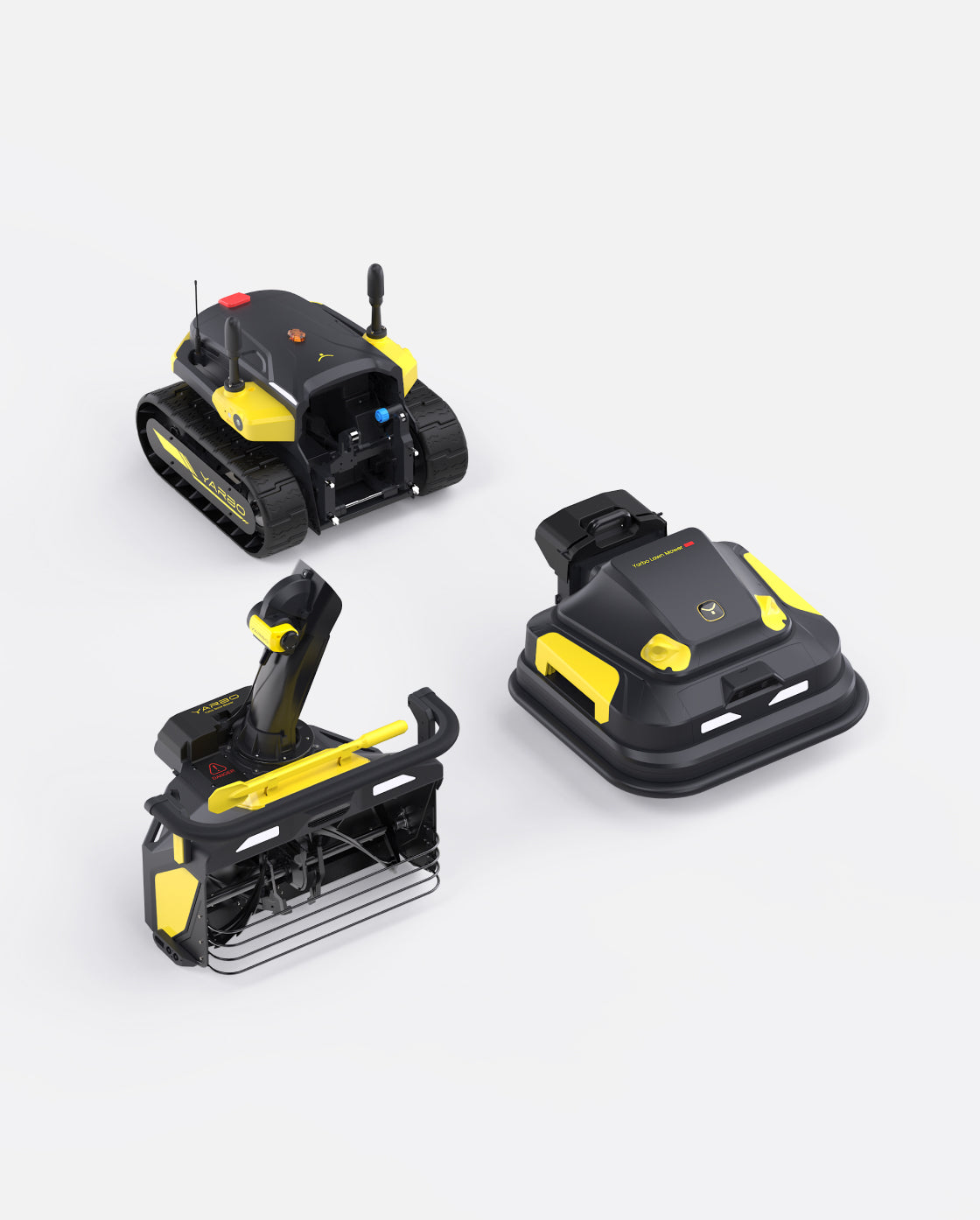
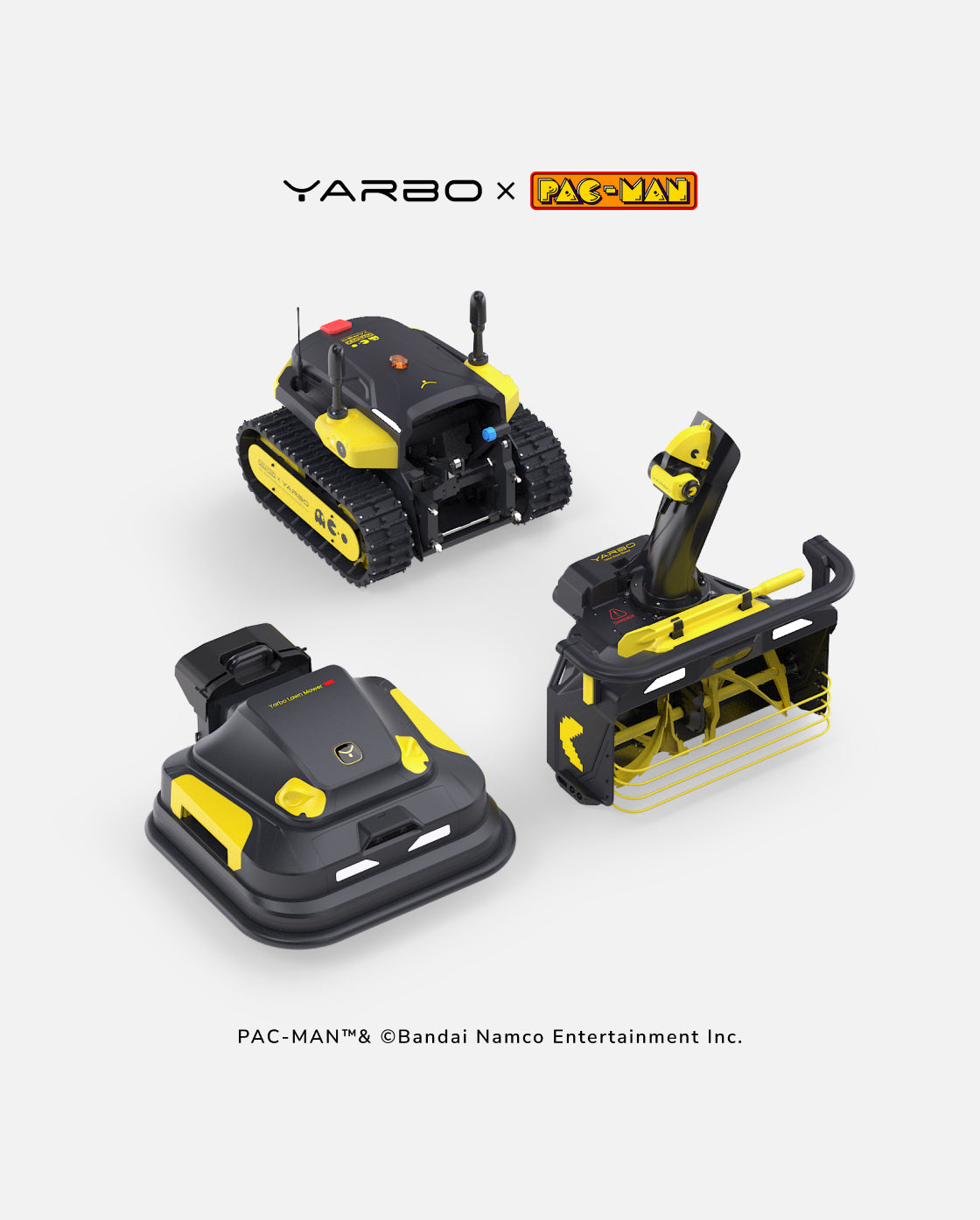
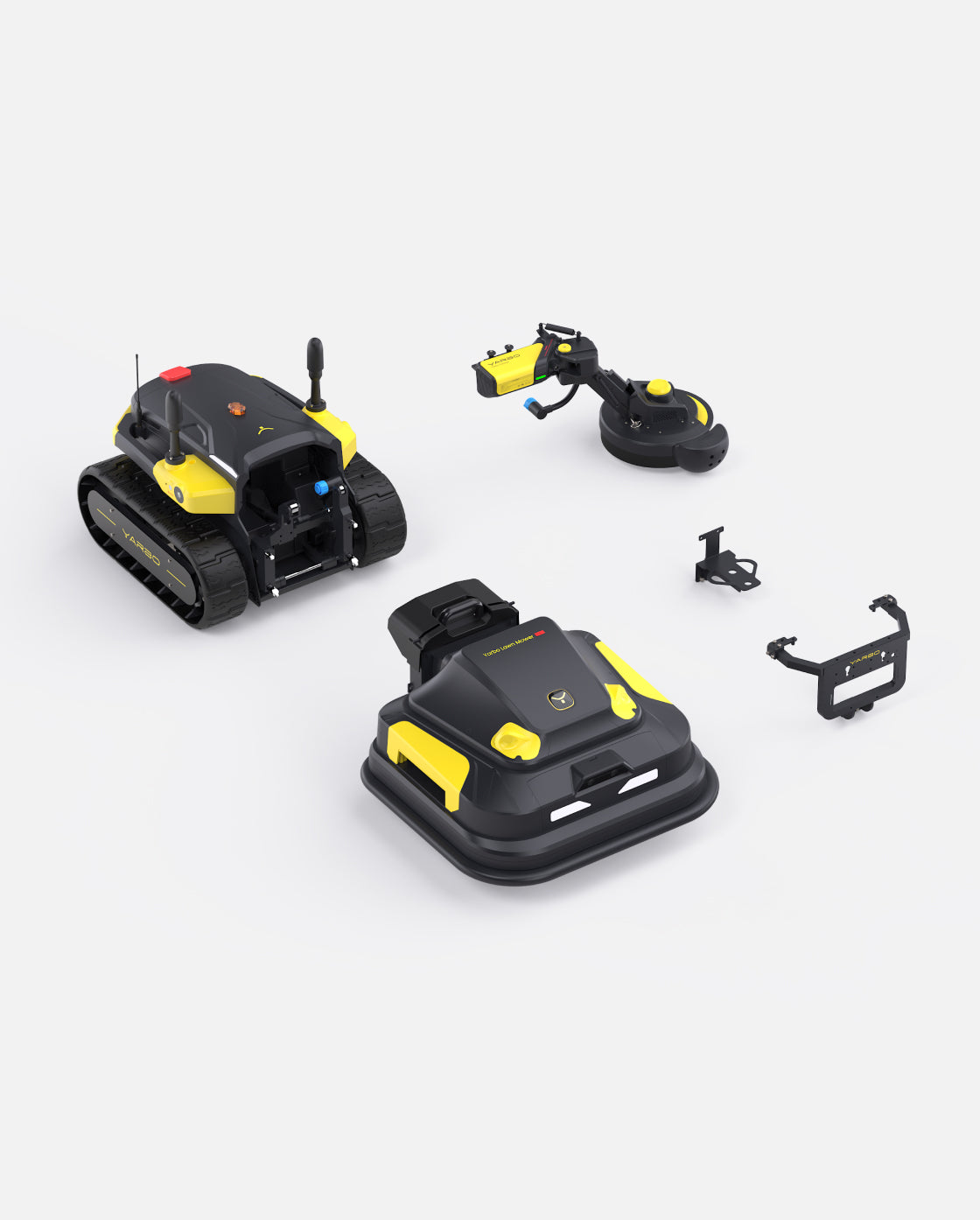
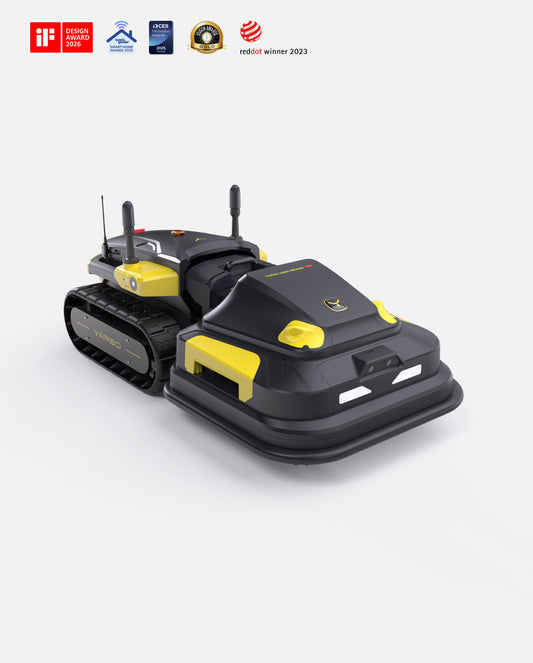
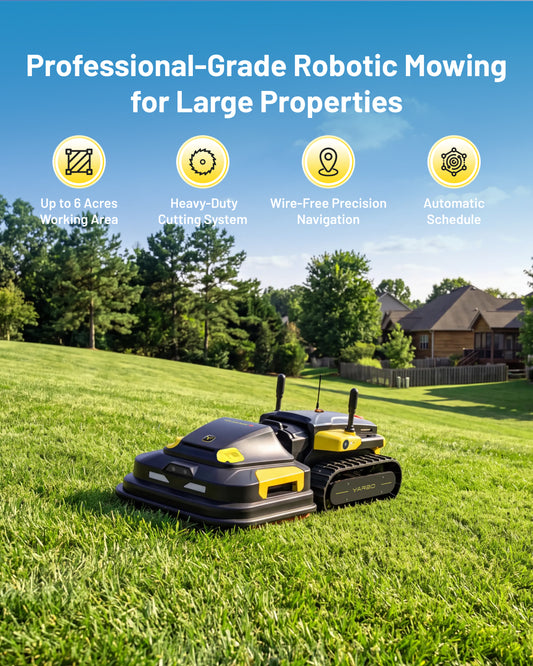
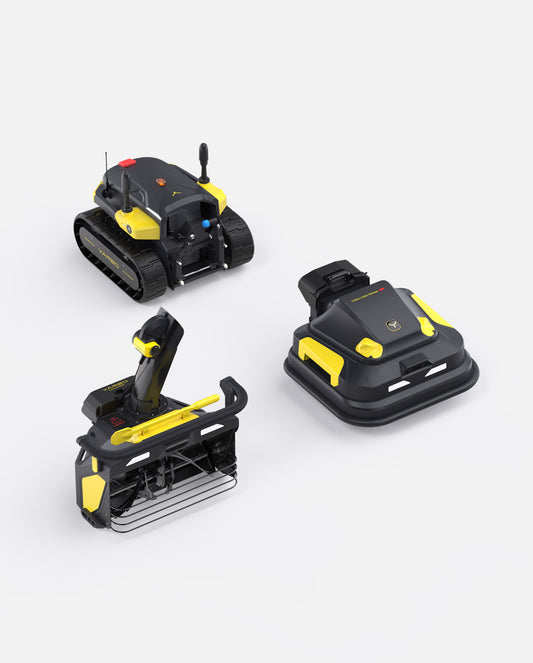
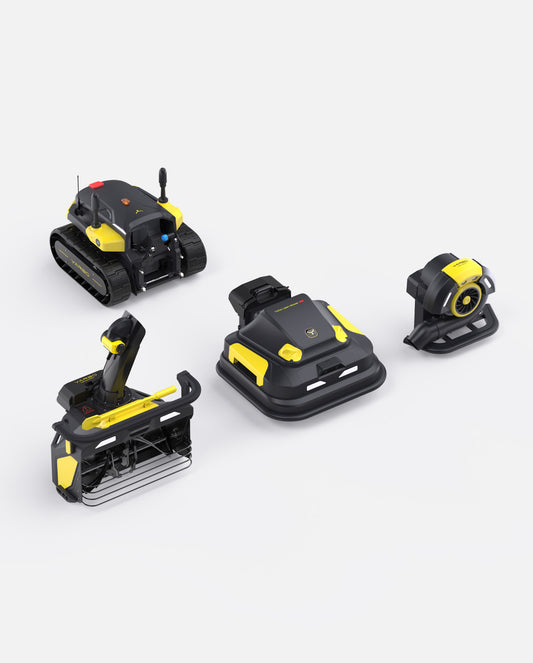
Yarbo offers two different modules for light snow and heavier snowfall, both compatible with the same Yarbo Core. You can choose the module that matches your typical winter conditions and change between them when needed.

Yarbo Blower Module: Light Snow Touch-Ups. On its official product page, Yarbo rates the Blower for light snow removal on driveways and walkways, handling up to 2 inches of fresh, dry snow.
It delivers up to 21 N of blowing force, 174 MPH air velocity, and 607 CFM of air volume, with a runtime of approximately 70 minutes per charge. Actual runtime depends on operating conditions.
Unlike a handheld blower, Yarbo can follow a mapped work plan on a schedule you configure in the app. This allows it to perform suitable light-snow clearing tasks without continuous manual guidance, helping you address fresh powder before it becomes compacted.
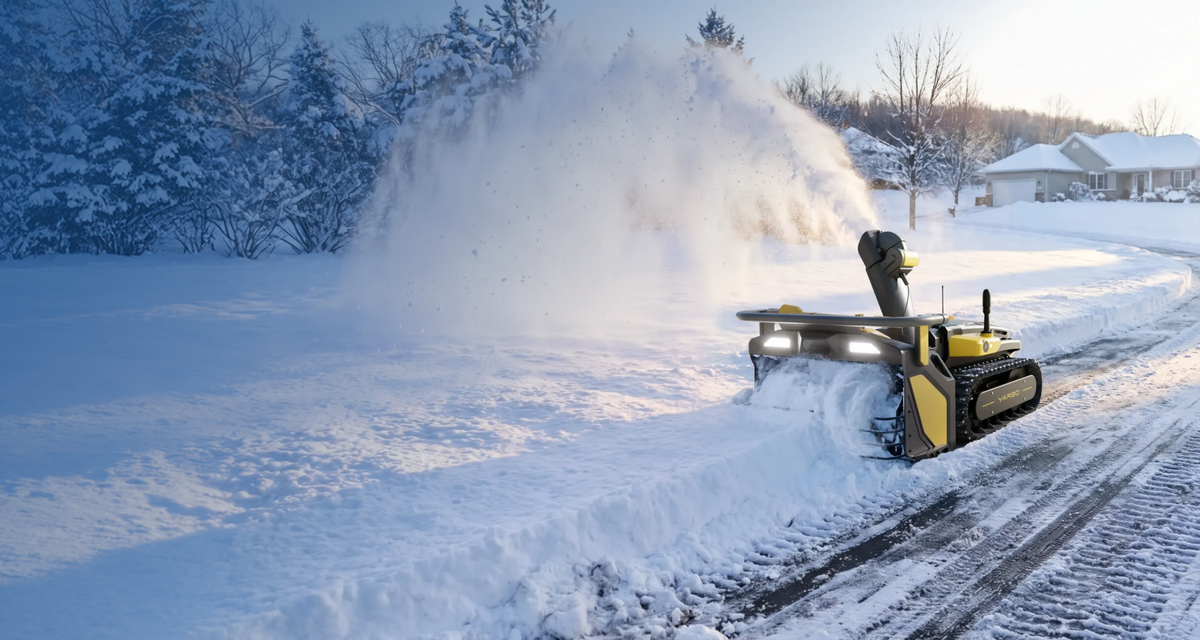
Snow Blower Module Gen 2: Deeper or Heavier Snow. When snow goes beyond a light, dry dusting, Yarbo's dedicated Snow Blower Module is the more suitable option.
It uses a two-stage auger and impeller system with a 24-inch clearing width and 12-inch intake height. Yarbo lists dry, wet, and packed snow among its applicable conditions, although actual clearing performance depends on snow depth and density.
The module has a published snow-removal slope rating of up to 36% (approximately 20°), subject to suitable traction and operating conditions.
Do You Need Both? It depends on the snowfall your area typically receives:
-
Mostly light, dry dustings of 2 inches or less: The Blower Module may be sufficient for routine light-snow cleanup, in addition to leaf and debris removal during other seasons. Browse the Leaf Cleanup collection.
-
Regular storms of several inches or heavy, wet snow: Consider the dedicated Snow Blower Module, with the Blower available for lighter touch-ups between storms. Explore the Y40 Core + Snow Blower Gen 2 + Blower bundle, the Y40P version, or the full Robotic Snow Blower collection.
The Y40 and Y40P differ in drive systems and coverage per charge, but both use Snow Blower Module Gen 2. Check the configuration that best suits your property.
Product specifications are based on yarbo.com, November 2026. The Blower's 2-inch light-snow rating applies to fresh, dry snow. Follow Yarbo's instructions when changing modules.
FAQ
Can I Use a Leaf Blower to Clear Snow Off My Car?
Yes, a handheld leaf blower may help remove loose, dry, powdery snow from a car, provided the manufacturer permits this use.
Homes & Gardens notes that a leaf blower can be useful for clearing light snow from a vehicle's roof.
Before using one, make sure the surrounding area is free of loose stones or debris that could damage the paint or glass. Keep the nozzle from contacting the vehicle and avoid blowing snow toward other people or vehicles.
A leaf blower won't reliably remove ice or frozen-on snow, so keep a suitable automotive snow brush and ice scraper available. Clear the roof, windows, lights, and other visibility-critical areas before driving.
How Much Airflow Does a Leaf Blower Need for Snow?
There's no single airflow threshold that guarantees effective snow removal. Snow depth, density, and moisture content matter as much as the blower's specifications.
Experts quoted by Homes & Gardens generally recommend higher-output leaf blowers for light snow, but performance varies by model.
When comparing equipment, look at both air volume (CFM) and air velocity (MPH). CFM measures how much air the blower moves, while MPH describes how quickly that air travels.
For reference, the Yarbo Blower Module delivers 607 CFM and 174 MPH, with 21 N of blowing force. Even with those specifications, Yarbo limits its published snow-removal capability to up to 2 inches of fresh, dry snow.
Sources
Table Of Contents
Subscribe
- Afghanistan+93
- Albania+355
- Algeria+213
- Andorra+376
- Angola+244
- Antigua and Barbuda+1268
- Argentina+54
- Armenia+374
- Aruba+297
- Australia+61
- Austria+43
- Azerbaijan+994
- Bahamas+1242
- Bahrain+973
- Bangladesh+880
- Barbados+1246
- Belarus+375
- Belgium+32
- Belize+501
- Benin+229
- Bhutan+975
- Bolivia+591
- Bosnia and Herzegovina+387
- Botswana+267
- Brazil+55
- British Indian Ocean Territory+246
- Brunei+673
- Bulgaria+359
- Burkina Faso+226
- Burundi+257
- Cambodia+855
- Cameroon+237
- Canada+1
- Cape Verde+238
- Caribbean Netherlands+599
- Central African Republic+236
- Chad+235
- Chile+56
- China+86
- Colombia+57
- Comoros+269
- Congo+243
- Congo+242
- Costa Rica+506
- Côte d’Ivoire+225
- Croatia+385
- Cuba+53
- Curaçao+599
- Cyprus+357
- Czech Republic+420
- Denmark+45
- Djibouti+253
- Dominica+1767
- Dominican Republic+1
- Ecuador+593
- Egypt+20
- El Salvador+503
- Equatorial Guinea+240
- Eritrea+291
- Estonia+372
- Ethiopia+251
- Fiji+679
- Finland+358
- France+33
- French Guiana+594
- French Polynesia+689
- Gabon+241
- Gambia+220
- Georgia+995
- Germany+49
- Ghana+233
- Greece+30
- Grenada+1473
- Guadeloupe+590
- Guam+1671
- Guatemala+502
- Guinea+224
- Guinea-Bissau+245
- Guyana+592
- Haiti+509
- Honduras+504
- Hong Kong+852
- Hungary+36
- Iceland+354
- India+91
- Indonesia+62
- Iran+98
- Iraq+964
- Ireland+353
- Israel+972
- Italy+39
- Jamaica+1876
- Japan+81
- Jordan+962
- Kazakhstan+7
- Kenya+254
- Kiribati+686
- Kosovo+383
- Kuwait+965
- Kyrgyzstan+996
- Laos+856
- Latvia+371
- Lebanon+961
- Lesotho+266
- Liberia+231
- Libya+218
- Liechtenstein+423
- Lithuania+370
- Luxembourg+352
- Macau+853
- Macedonia+389
- Madagascar+261
- Malawi+265
- Malaysia+60
- Maldives+960
- Mali+223
- Malta+356
- Marshall Islands+692
- Martinique+596
- Mauritania+222
- Mauritius+230
- Mexico+52
- Micronesia+691
- Moldova+373
- Monaco+377
- Mongolia+976
- Montenegro+382
- Morocco+212
- Mozambique+258
- Myanmar+95
- Namibia+264
- Nauru+674
- Nepal+977
- Netherlands+31
- New Caledonia+687
- New Zealand+64
- Nicaragua+505
- Niger+227
- Nigeria+234
- North Korea+850
- Norway+47
- Oman+968
- Pakistan+92
- Palau+680
- Palestine+970
- Panama+507
- Papua New Guinea+675
- Paraguay+595
- Peru+51
- Philippines+63
- Poland+48
- Portugal+351
- Puerto Rico+1
- Qatar+974
- Réunion+262
- Romania+40
- Russia+7
- Rwanda+250
- Saint Kitts and Nevis+1869
- Saint Lucia+1758
- Saint Vincent and the Grenadines+1784
- Samoa+685
- San Marino+378
- São Tomé and Príncipe+239
- Saudi Arabia+966
- Senegal+221
- Serbia+381
- Seychelles+248
- Sierra Leone+232
- Singapore+65
- Slovakia+421
- Slovenia+386
- Solomon Islands+677
- Somalia+252
- South Africa+27
- South Korea+82
- South Sudan+211
- Spain+34
- Sri Lanka+94
- Sudan+249
- Suriname+597
- Swaziland+268
- Sweden+46
- Switzerland+41
- Syria+963
- Taiwan+886
- Tajikistan+992
- Tanzania+255
- Thailand+66
- Timor-Leste+670
- Togo+228
- Tonga+676
- Trinidad and Tobago+1868
- Tunisia+216
- Turkey+90
- Turkmenistan+993
- Tuvalu+688
- Uganda+256
- Ukraine+380
- United Arab Emirates+971
- United Kingdom+44
- United States+1
- Uruguay+598
- Uzbekistan+998
- Vanuatu+678
- Vatican City+39
- Venezuela+58
- Vietnam+84
- Yemen+967
- Zambia+260
- Zimbabwe+263
You have successfully subscribed!!
Check your welcome email for exclusive discounts.
Email Check Needed
We are unable to verify your email address.
Please check if the email
is correct.