If you’ve ever relied on a traditional mower only to find yourself stuck when the skies open up, you know how frustrating unpredictable weather can be. From torrential downpours to sweltering summer heat, weather is the single biggest challenge for homeowners looking to maintain a healthy lawn. That’s where the storm-resistant robot mower enters the conversation.
Robot mowers aren’t new—but most struggle when faced with harsh weather. Wet grass clumps, electronics short-circuit, and mowing patterns become inefficient. Yarbo, however, has engineered a solution designed to keep lawns perfectly maintained year-round, no matter the climate.
In this article, we’ll explore 10 ways Yarbo proves itself as the ultimate storm-resistant robot mower, diving into mowing patterns in grass, all-season durability, and why it’s quickly becoming the gold standard in lawn care technology.
Table of Contents:
What Makes a Robot Mower Storm-Resistant?
Not all robot mowers are built equal. Many models work well under sunny skies but fail under pressure when storms hit. A storm-resistant mower must combine engineering, AI, and durable materials to keep working where others stop.
Core Build Quality & Materials
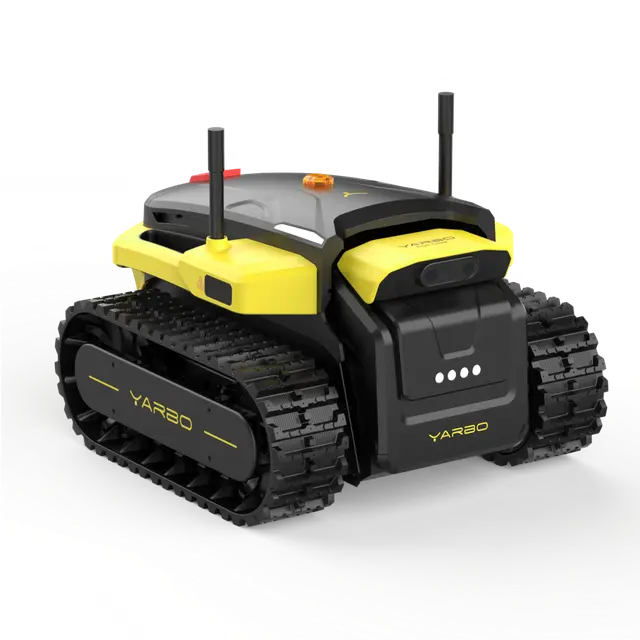
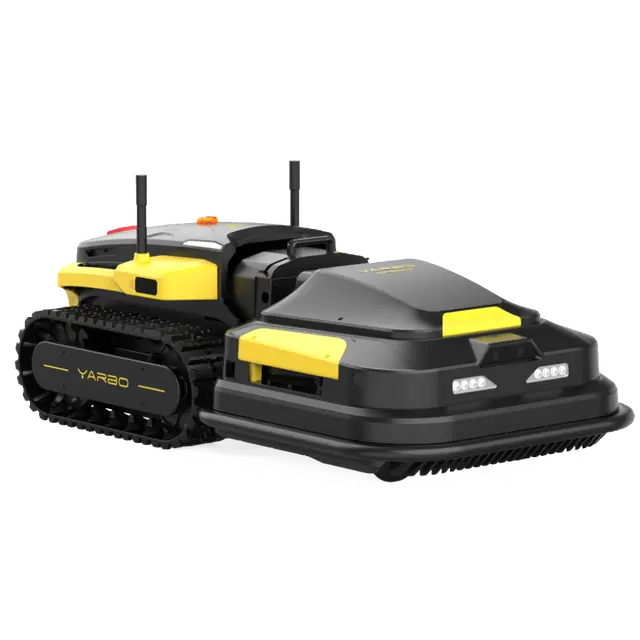
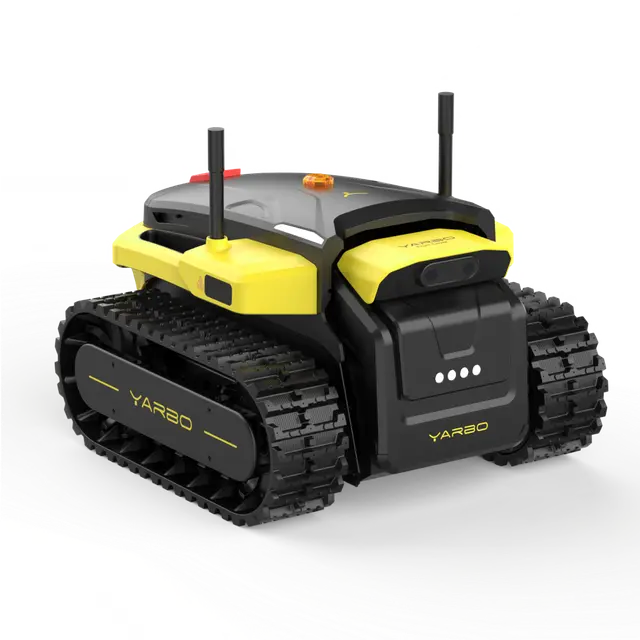
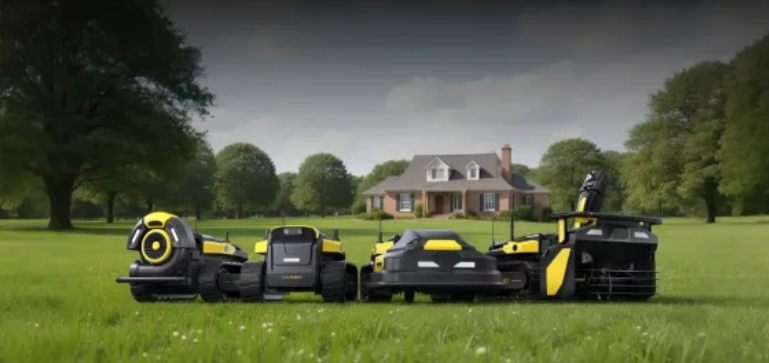
Yarbo uses reinforced, impact-resistant housing to withstand hail, flying debris, and heavy rain. Its outer shell isn’t just plastic—it’s a mix of advanced composites built for long-term resilience.
Sealed Electronics & Waterproofing:
Where standard mowers are vulnerable to water damage, Yarbo’s IPX5-rated waterproof sealing protects sensitive electronics. This ensures motors, sensors, and the battery remain safe even in downpours, preventing short-circuits and ensuring continuous operation.
Impact Resistance for Harsh Conditions:
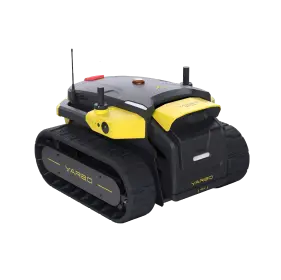
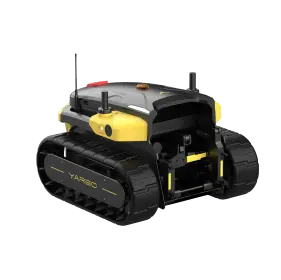
Storms bring fallen branches, rocks, and unexpected yard hazards. Yarbo’s chassis includes shock-absorbing technology that allows it to navigate obstacles without damage, reducing maintenance needs and proving its capability in complex terrain. It's built like a "little tank on treads" that can endure heavy use.
Yarbo: The Next-Gen Robot Mower for All Seasons
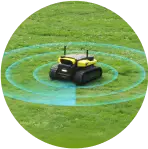
Smart Sensors & Real-Time Adaptability (Optimized): Equipped with AI-powered sensors, RTK-GPS, binocular cameras, IMU, and ultrasonic radars, Yarbo detects changes in ground conditions, from slippery grass to storm debris.
This allows it to adjust mowing speed, blade torque, and navigation patterns instantly, ensuring centimeter-level precision navigation even in complex terrains like slopes up to 35° (70% grade).
Advanced AI for Storm Prediction:
Yarbo integrates with real-time weather data to anticipate incoming storms. Instead of mowing blindly, it automatically creates snow-clearing plans based on forecasts and scheduling functions to prevent snow accumulation, or plans mowing sessions around safe weather windows—preventing wasted energy and potential hazards.
If lightning is detected, its AI safety protocols pause mowing and return Yarbo to its docking station.
Battery Performance in Extreme Weather:
Cold and heat both affect battery efficiency. Yarbo combats this with temperature-regulated battery cells designed for consistent runtime, whether it’s 45°C in summer or as low as -40°C with heating modules when powered on.
The snow blower module's cold-resistant battery can work in temperatures as low as -25°C to 60°C, ensuring it will "show up for work" even in deep midwinter. Its lithium-ion battery supports up to 4 hours of continuous operation for mowing or can clear an area of 6,000 square feet on a single charge.
Smart Sensors & Real-Time Adaptability
Equipped with AI-powered sensors, Yarbo detects changes in ground conditions, from slippery grass to storm debris. This allows it to adjust mowing speed, blade torque, and navigation patterns instantly.
Mowing Patterns in Grass: Yarbo’s Intelligent Approach
Optimized Lawn Mowing Patterns for Efficiency:
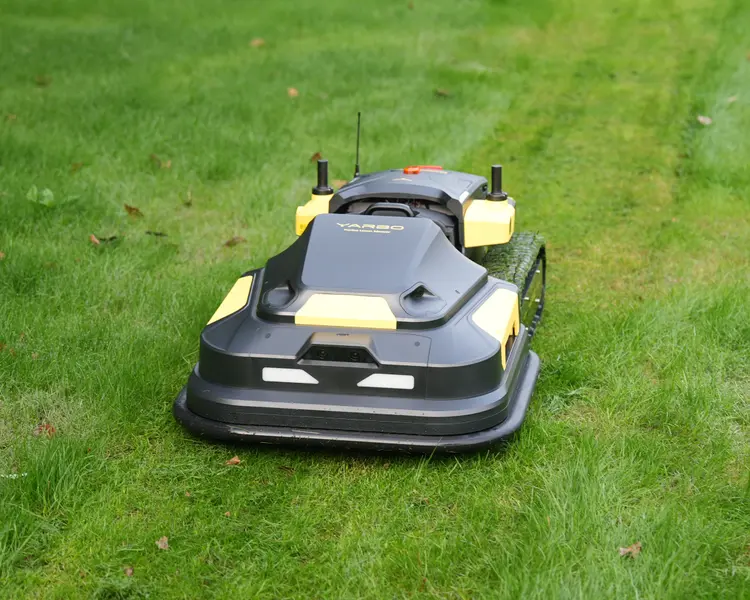
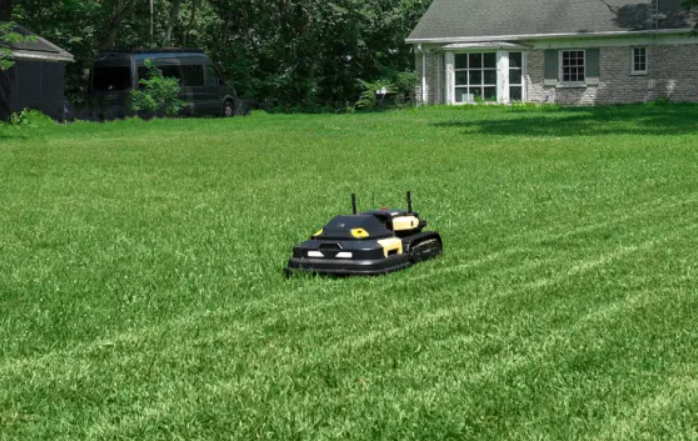
Yarbo uses algorithm-driven lawn mowing patterns in grass to create uniform results. By switching between diagonal, striped, and spiral patterns, it promotes healthier turf growth while avoiding soil compaction across your up to 6-acre lawn.
Adaptive Mowing in Wet & Stormy Conditions:
Wet grass can clog blades and damage lawns. Yarbo’s AI adjusts blade speed and mowing depth when moisture levels are high, preventing clumping and ensuring a clean cut even during damp conditions.
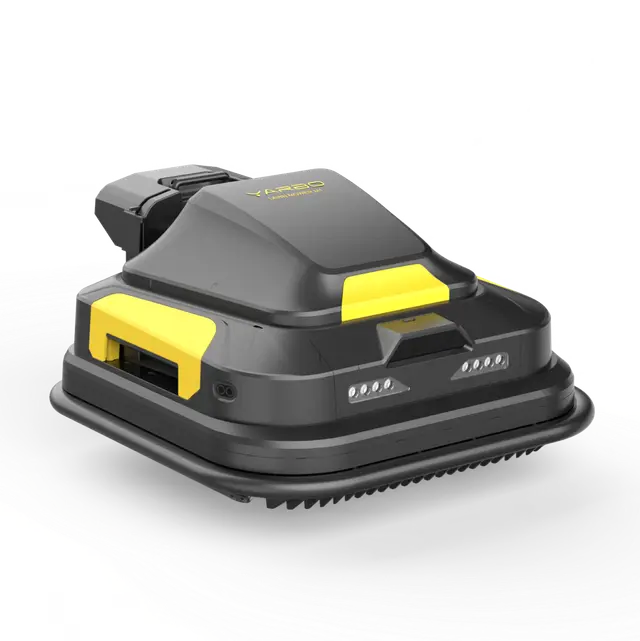
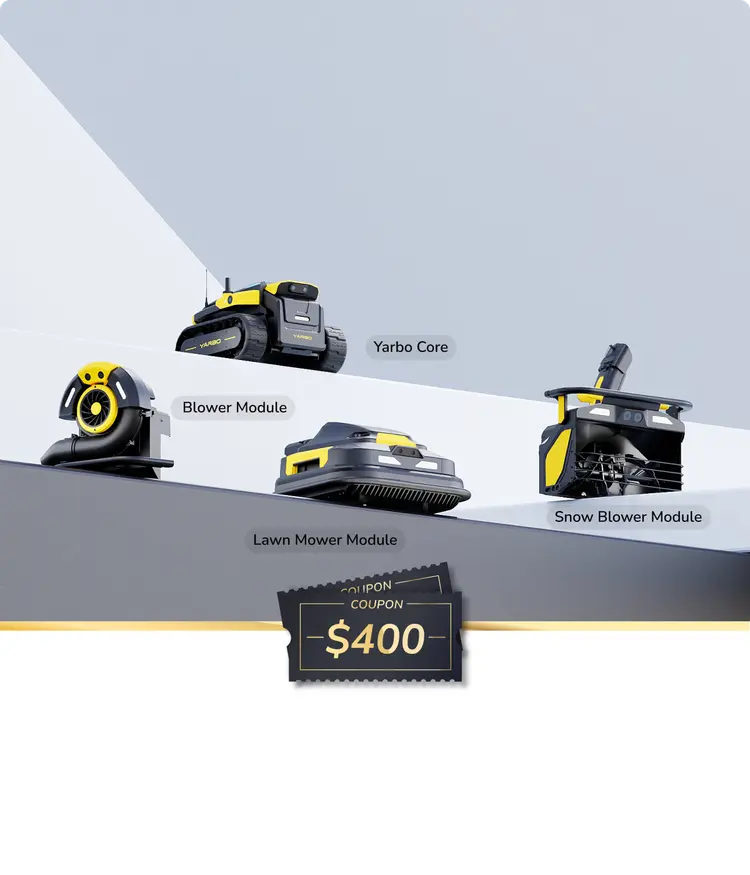
The Lawn Mower Pro version is specifically designed to handle tall, thick, wet, or overgrown grass without clogging, providing efficient and clean trims.
Comparing Yarbo Robot Mower vs. Traditional Lawn Mowers
It’s easy to think a ride on mower or push mower could do the same job, but in harsh weather, the differences become obvious.
Ride-On vs Robot Mower in Harsh Weather
-
Ride-On Mowers: Unsafe in storms, require manual operation, and risk damaging lawns in wet soil.
-
Yarbo Robot Mower: Autonomous, storm-resistant, and optimized to adapt mowing patterns without human intervention.
Cost, Maintenance & Time Savings
While ride-ons may cost less upfront, Yarbo saves money in the long run with:
-
Lower maintenance (fewer moving parts).
-
No fuel costs (electric-powered).
-
Time savings (fully autonomous).
Real-World Case Studies: Yarbo in Storm Conditions
Real-World Case Studies: Yarbo in Storm Conditions
Theoretical benefits are one thing, but how does Yarbo actually perform? For high-value, performance-driven products like Yarbo, "eye-witness" accounts and "real-world torture test" videos are critical to building trust.
Heavy Rain Performance:
In user-submitted videos and real-world trials, Yarbo has completed mowing sessions during moderate rainfall without clogging or stalling with the pro version now upraded with rain sensors —something that causes most robot mowers to retreat to their docks.
Its adaptive mowing system adjusts to prevent damage and ensures clean cuts even in damp conditions.
Snow-Ready Modular Functionality:
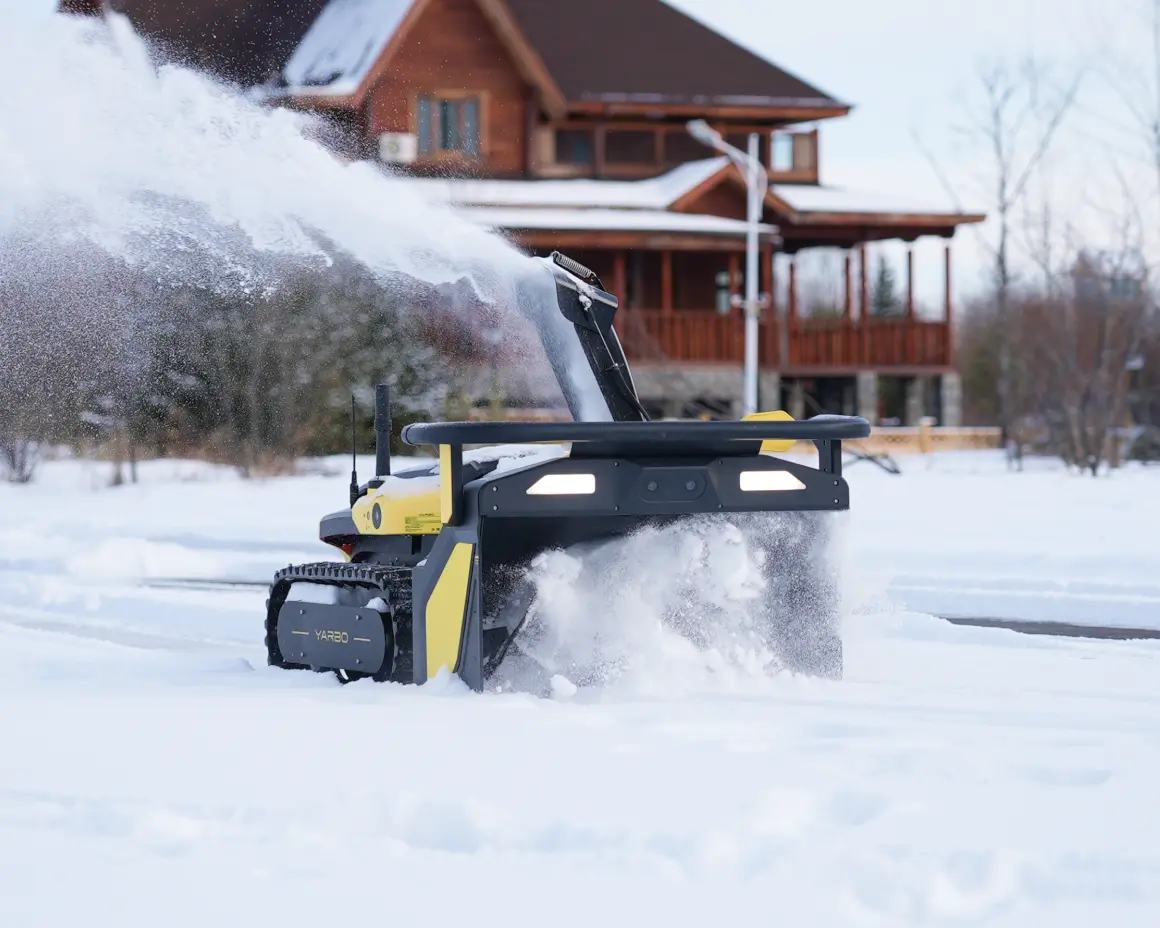
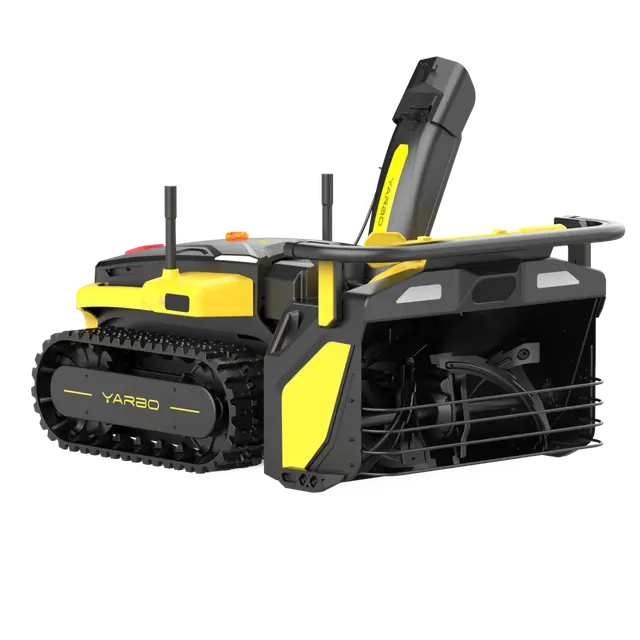
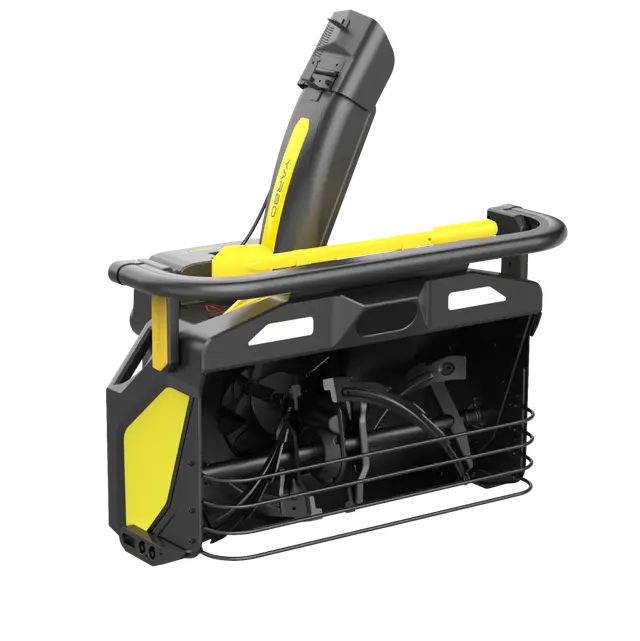
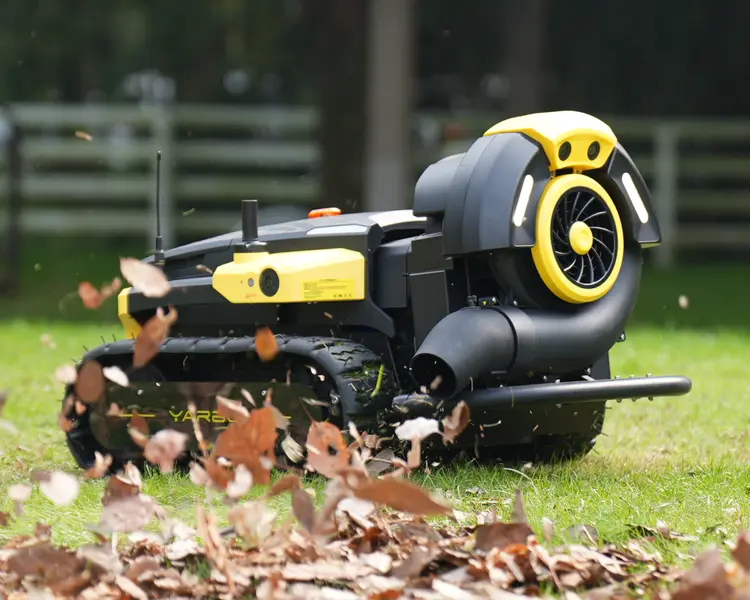
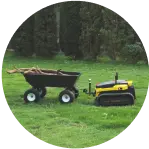
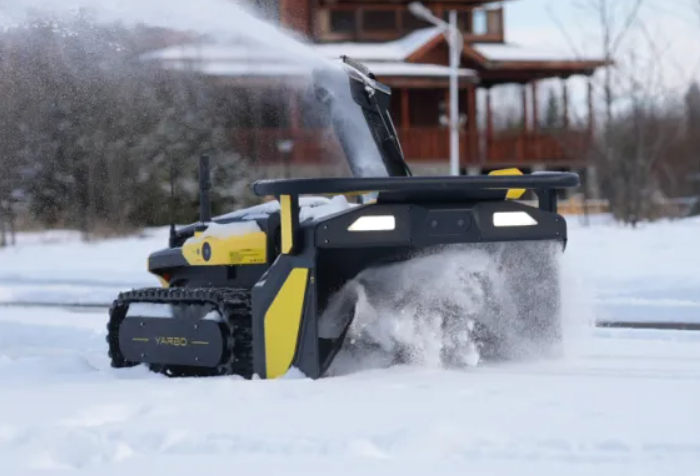
When storms shift from rain to snow, Yarbo isn’t retired—it transforms. With its Snow Blower module, the "world's first intelligent leaf-blowing robot", it clears driveways and walkways, keeping it useful all winter.
The module can clear up to 12 inches of snow with a 21-inch width, throwing snow up to 40 feet. Users have reported that it handles heavy, wet snow and dense plow piles with persistence.
Environmental Benefits of a Storm-Resistant Robot Mower
Storm resistance isn’t just about durability—it also supports sustainability.
Reduced Carbon Footprint
Gas-powered mowers emit pollutants and consume fossil fuels. Yarbo’s electric design reduces emissions, even when operating in tough weather.
Sustainability in Long-Term Lawn Care
By optimizing mowing patterns, Yarbo prevents overcutting and supports healthier turf growth. Healthier lawns absorb more CO₂, contributing to environmental benefits.
Conclusion
Storms, heat, and unpredictable weather no longer need to derail lawn care. With storm-resistant engineering, smart mowing patterns, and Yarbo's year-round modular functionality stands out as the ultimate robot mower for homeowners and professionals alike.
Whether you’re dealing with heavy rain in spring, heatwaves in summer, or snowstorms in winter, Yarbo ensures your lawn stays perfectly maintained—without risking safety, efficiency, or environmental responsibility.
For those looking for a robot mower that doesn’t quit when the weather gets tough, Yarbo is the clear choice.
FAQs
Q1: Can a robot mower really operate during heavy rain?
Yes, Yarbo is built with sealed electronics and waterproof housing, making it safe to operate even in heavy rainfall.
Q2: What happens if there’s lightning during mowing?
The mower’s AI safety protocols pause mowing and return Yarbo to its docking station during unsafe storm conditions, ensuring ultimate safety.
Q3: Do mowing patterns change in wet grass?
Yes, Yarbo’s adaptive mowing system adjusts lawn mowing patterns to prevent damage, clumping, or uneven cuts.
Q4: How does Yarbo compare to ride-on mowers in storms?
Unlike ride-on mowers that are unsafe in storms and require manual operation, Yarbo operates autonomously with weather detection and advanced sensors, making it safer and more efficient in unpredictable conditions, especially on slopes up to 35° (70% grade).
Q5: Can Yarbo handle snow or just rain?
Yarbo’s modular design includes a robot snow blower, making it useful year-round—not just for mowing.
Q6: Is Yarbo eco-friendly in storm conditions?
Yes. Its electric system reduces emissions while protecting soil and grass health compared to heavy gas-powered mowers.
-7.png?w=1001&h=621)
 Private group · 33.0K members