Imagine a small, silent robot gliding across your yard, making perfect turns, never bumping into your flower beds, and leaving a clean, even cut behind. The big question most homeowners have is: how do robot mowers know where to cut?
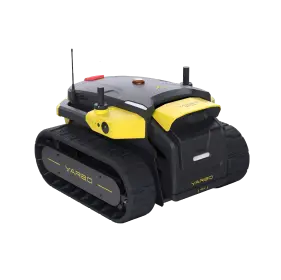
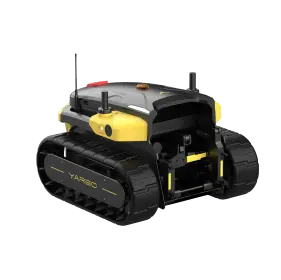
The answer lies in a powerful mix of technologies: GPS precision, PPVS (Precise Positioning Vision System), AI-driven vision, and intelligent sensors. Brands like Yarbo are leading the way, not only eliminating the need for perimeter wires but also making mowing smarter, safer, and more adaptable to real-world lawn conditions.
Let’s break down how robot mowers navigate, cut, and adapt to your lawn like seasoned gardeners.
Table of Contents:
Perimeter Wire Technology: The Old School Method
Before wireless mowers came along, robotic lawn mowers relied on perimeter wires. These wires were buried or pegged into the lawn to create an invisible fence. The mower detected the wire’s signal and stayed within bounds.
How it Worked:
-
The mower’s sensors detected the signal and stayed within bounds.
-
“No-go” zones were created using secondary wire loops.
-
Movement inside the boundary was randomized or pattern-based.
It worked, but came with downsides:
-
A labor-intensive setup that needed to be carefully planned
-
Limited flexibility (changing your yard layout meant rewiring, all that work all over again.)
-
No “awareness” of where it had already mowed
-
Inability to mow near the edges of the boundaries.
As lawns became smarter, this system started to show its age.
Limitations of Wired Systems
While functional, this system had drawbacks:
-
Labor-intensive installation – burying wires is time-consuming.
-
Lack of flexibility – changing your yard layout required re-installing wires.
-
No smart awareness – the mower had no memory of which areas were already cut.
-
Edge issues – difficulty trimming close to the wire’s edge.
As homeowners demanded smarter, wire-free solutions, GPS-driven technology took over.
GPS-Based Mapping: Smarter, Wire-Free Navigation
Enter the age of wireless robot mowers. Using GNSS (Global Navigation Satellite Systems) and RTK-GPS (Real-Time Kinematic GPS) for centimeter-level accuracy, modern robotic mowers know their exact position down to the centimeter, without wires.
Learn in detailed comparisons of wired vs. wireless lawn mower.
How GPS Mowers Know Where to Cut:
-
Mapping Mode: The user maps the boundaries via the mower’s app or a manual remote.
-
Virtual Zones: These digital zones are saved in the mower’s memory.
-
RTK-GPS: A reference station (usually the charging dock) corrects the GPS signal, ensuring super-accurate location tracking.
-
Smart Planning: The mower cuts methodically, covering the entire area efficiently.
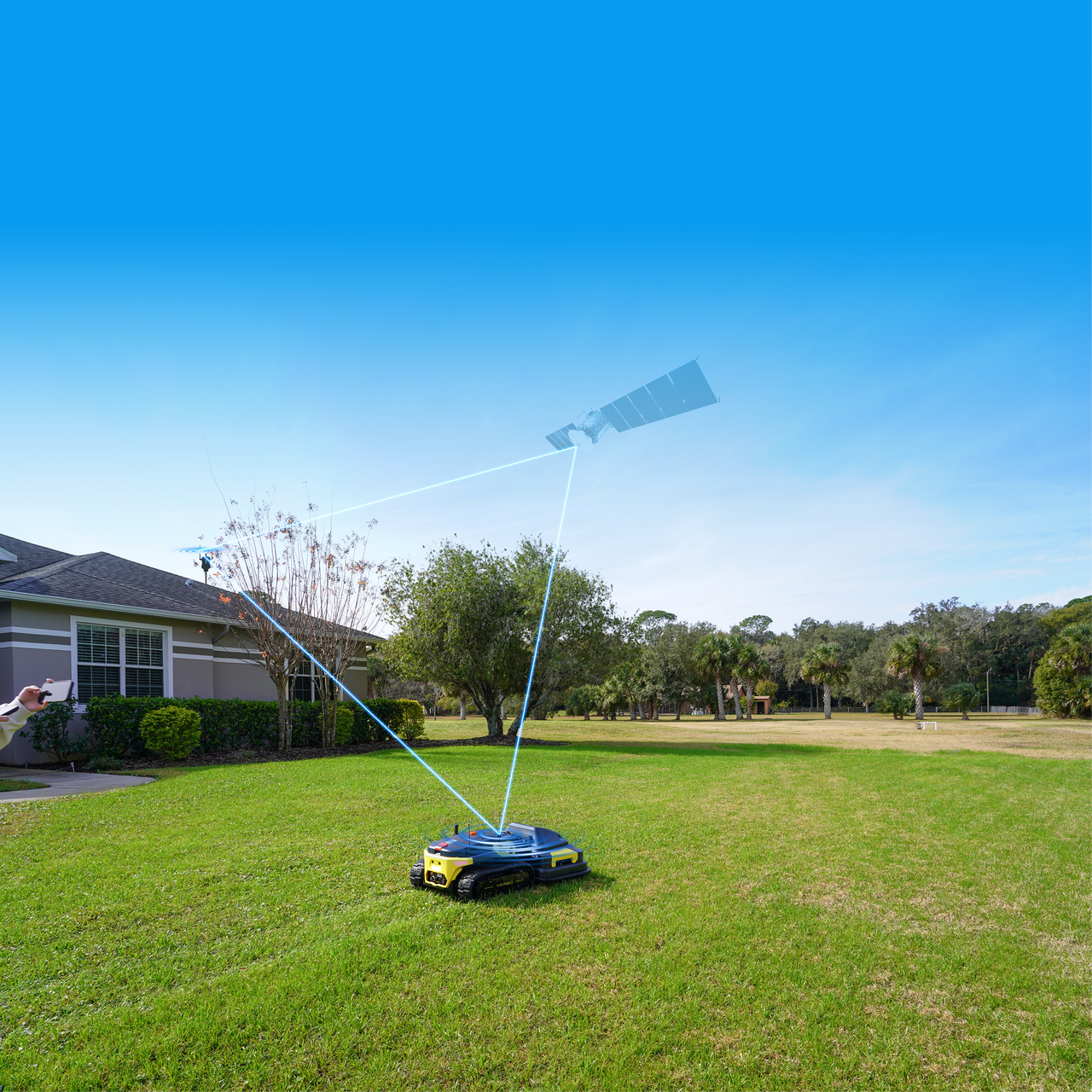
Yarbo, for example, uses RTK-GPS and advanced AI to create fully wire-free zones in under 30 minutes. Explore Yarbo’s smart boundary setup
Benefits of RTK-GPS Precision
-
Eliminates the need for physical wires.
-
Reduces overlap and missed patches.
-
Enables edge-to-edge mowing.
-
Improves battery efficiency with smarter paths.
And yet, GPS alone isn’t always enough — especially in shaded yards, near tall buildings, or under tree canopies. That’s where Yarbo’s PPVS system comes in.
PPVS: Yarbo’s Precise Positioning Vision System
What Is PPVS and Why It Matters?
PPVS (Precise Positioning Vision System) is Yarbo’s breakthrough in navigation. It combines RTK-GPS, computer vision, IMUs (Inertial Measurement Units), odometers, and algorithmic fusion to deliver unmatched accuracy — even when GPS signals are weak or blocked.
In simple terms: while other mowers stop or drift, Yarbo keeps mowing with precision.
Dead Reckoning: When GPS Signals Drop
One of the most impressive features of PPVS is Dead Reckoning (DR). When GPS coverage is lost (under trees, next to walls, or under roof edges), Yarbo uses its internal sensors to estimate its position — much like Google Maps keeps your car moving even in tunnels.
Default DR distances:
-
Mapping: 5 m (~16 ft)
-
Working area: 50 m (~164 ft)
-
Boundaries & pathways: 10 m (~33 ft)
This ensures Yarbo continues mowing smoothly instead of pausing unnecessarily.
How Homeowners Can Adjust PPVS Settings?
Through the Yarbo Lab App, users can customize PPVS for their yard:
-
Raise in-area distance for large, open yards with scattered trees → fewer pauses.
-
Lower boundary distance near flowerbeds or pools → added safety.
-
Increase mapping distance under tree cover → smoother map drawing.
Real-Life Examples of PPVS in Action
-
Large lawns with trees: Yarbo keeps mowing without stopping every few minutes.
-
Yards with flowerbeds near boundaries: Lowering boundary distance prevents overruns.
-
Complex gardens with pathways: PPVS ensures Yarbo doesn’t wander into sidewalks or no-go zones.
This adaptability is why Yarbo stands out from GPS-only mowers.
Vision + AI Recognition: When Mowers Start to “See”
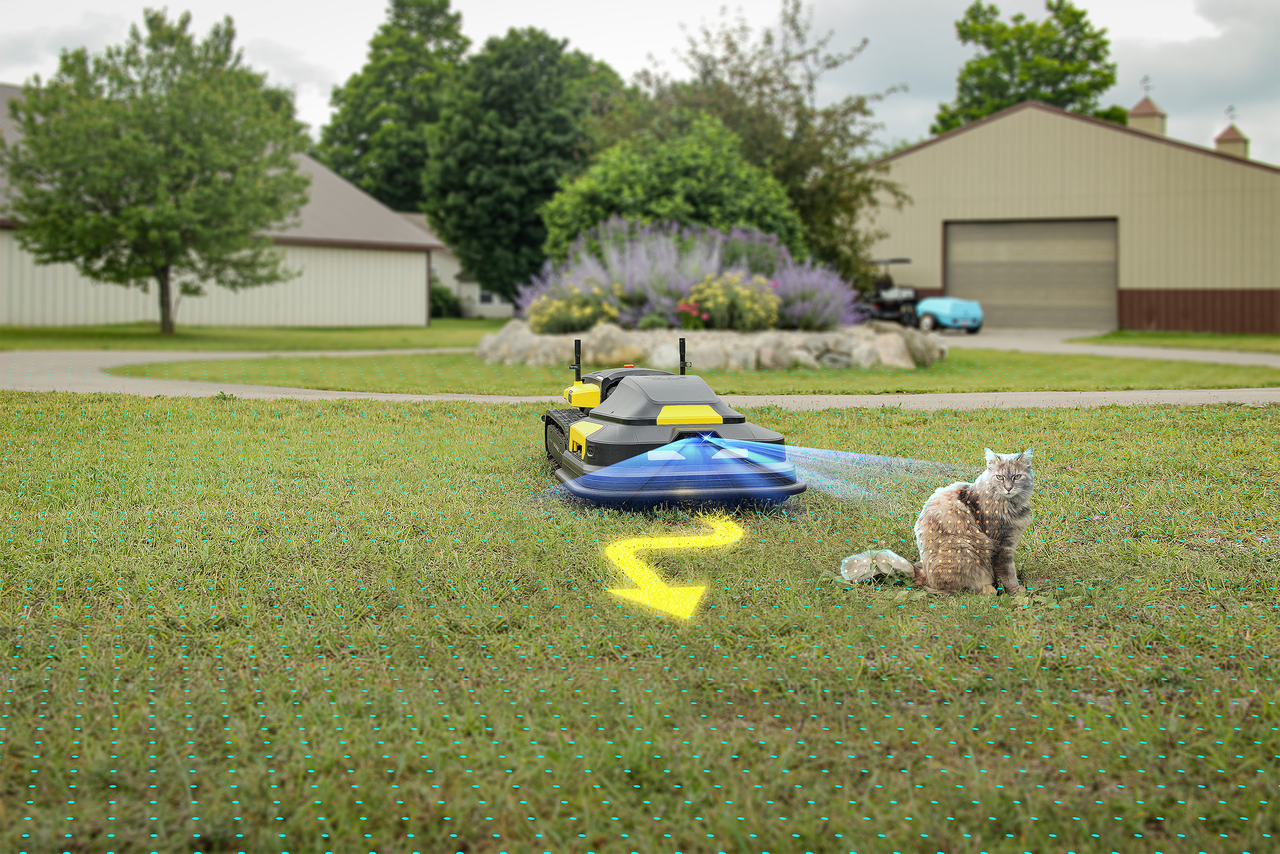
The latest mowers don’t just navigate — they “see.” These AI-driven mowers use cameras to detect objects in real-time. Yarbo can recognize:
-
Grass vs. gravel or pavement
-
Toys, tools, and pet waste
-
Trees, fences, and walls
AI-Driven Lawn Patterns for Better Aesthetics
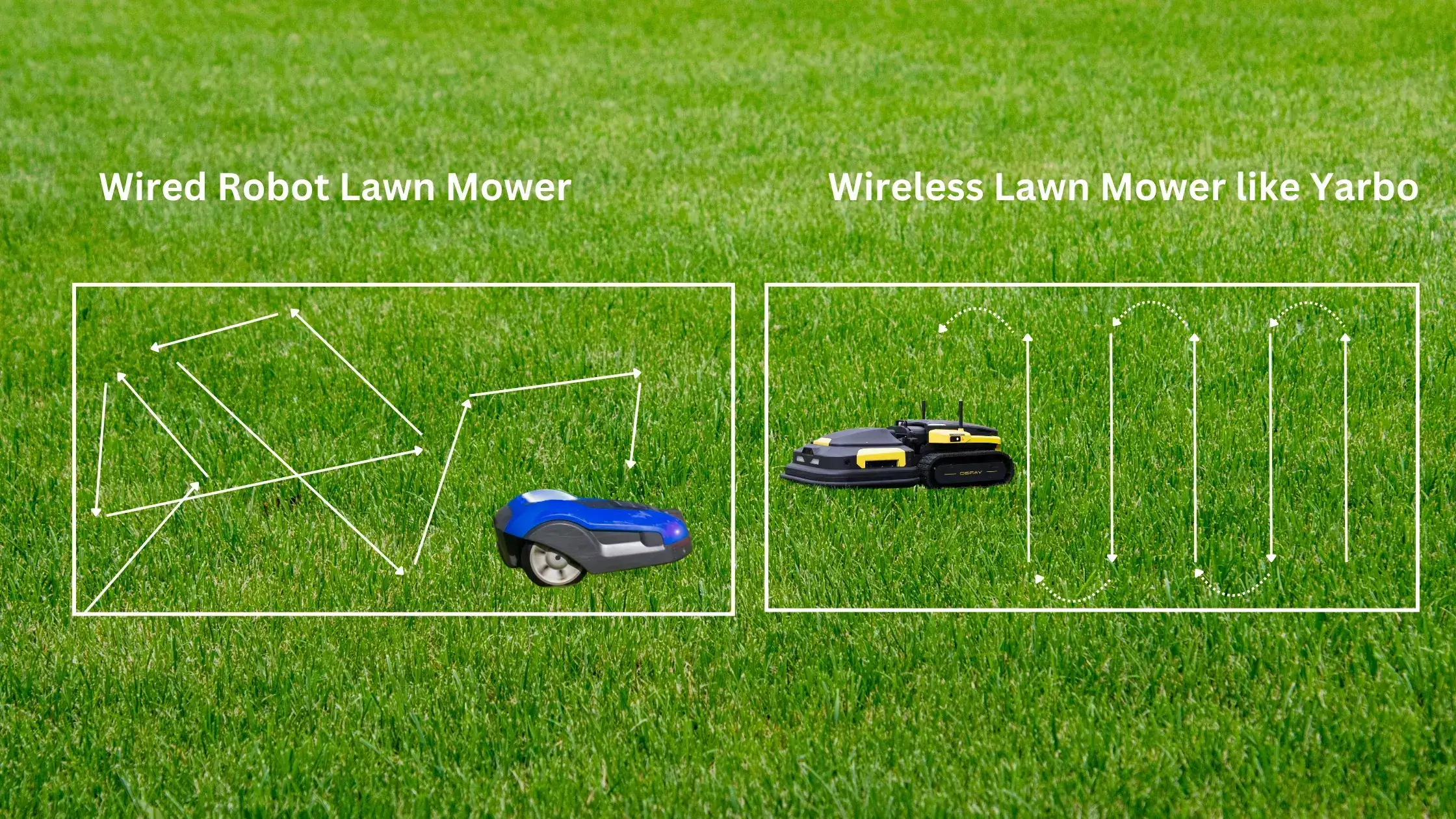
Instead of random mowing, AI enables:
-
Straight-line or diagonal mowing
-
Adaptive patterns for healthier grass
-
Edge-first mowing for sharp borders
How It Works:
-
Onboard Cameras: Capture real-time visuals of the lawn.
-
AI Algorithms: Identify grass, obstacles, edges, even pet waste.
-
Machine Learning: Adapts over time to mowing patterns and obstacle types.
-
Mowing Patterns: They can mow in the pattern of your choice to enhance lawn aesthetics.
This gives robot mowers the context to make smarter decisions, even recognizing dynamic elements like toys or puddles. Yarbo uses these tools to actively avoid hazards while maintaining edge-to-edge coverage.
Zoning & Lawn Memory: Smarter Planning for Big Yards
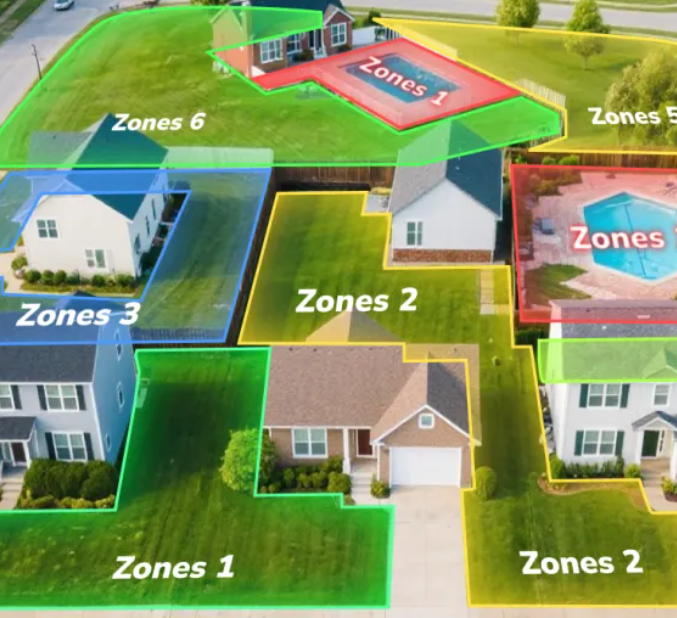
Dividing Complex Lawns into Virtual Zones
Modern mowers divide lawns into zones for better efficiency. Yarbo allows multiple zones to be defined via its app — no wires required.
Learning Grass Growth & Optimizing Cutting Frequency
Over time, Yarbo learns:
-
Which zones grow faster
-
Where mowing is needed more often
-
When to skip mowing to prevent overcutting
For example, Yarbo lets users create multiple mowing zones from a single app — no fences, no wires, just virtual lawn management.
Sensors for Micro-Adjustments
Types of Sensors Inside a Smart Mower
-
Bump sensors – detect unexpected obstacles.
-
Lift/tilt sensors – instantly stop blades for safety.
-
Rain sensors – pause mowing in wet weather.
-
IMUs (gyroscopes + accelerometers) – track slope, speed, and direction.
How Sensors Protect Safety & Efficiency?
Combined with PPVS, these sensors ensure Yarbo can adapt instantly to its environment without damaging itself, your lawn, or obstacles.
Key Sensors Used:
-
Bump Sensors: Detect unexpected obstacles and reroute.
-
Lift/Tilt Sensors: Stop blades immediately when lifted.
-
Rain Sensors: Pause mowing in wet weather.
-
Inertial Measurement Units (IMUs): Track slope, direction, and speed.
These help mowers fine-tune their movements, preventing damage and ensuring smooth coverage.
Real-Time Decision-Making
Robot mowers constantly process three streams of data:
-
Current GPS/RTK position
-
PPVS + Dead Reckoning estimates
-
Sensor feedback (obstacles, tilt, terrain)
Instant Reactions for Smarter Pathing
By blending these inputs, Yarbo can:
-
Decide where to cut next
-
Avoid already-mowed areas
-
Choose the most efficient mowing route
-
Safely pause when signals or safety scores drop
How Yarbo Sets the Standard in Smart Cutting?
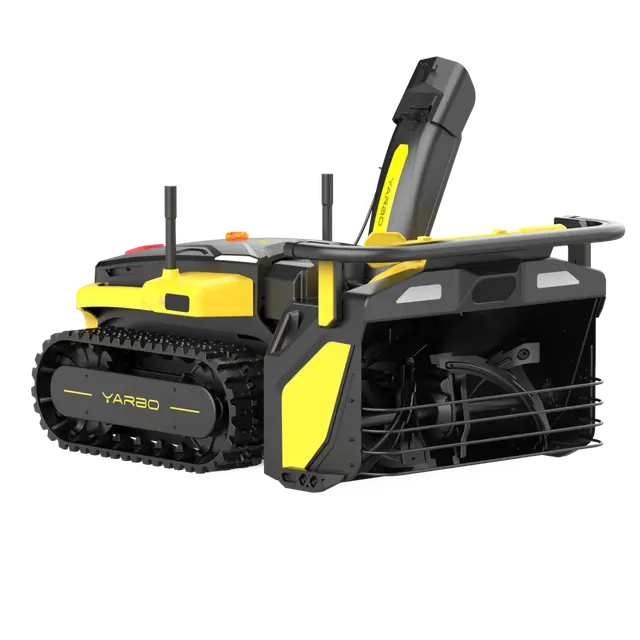
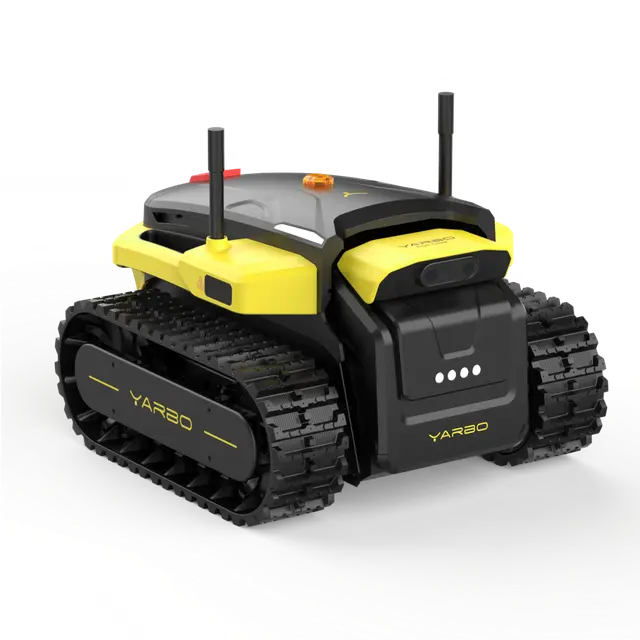
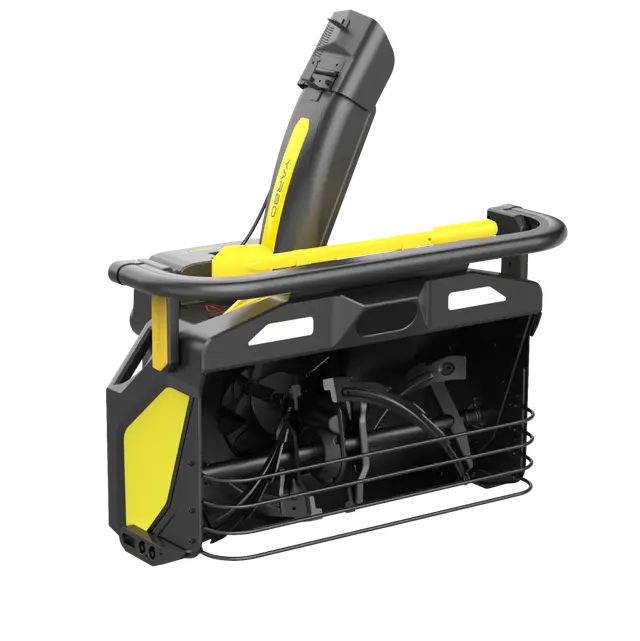
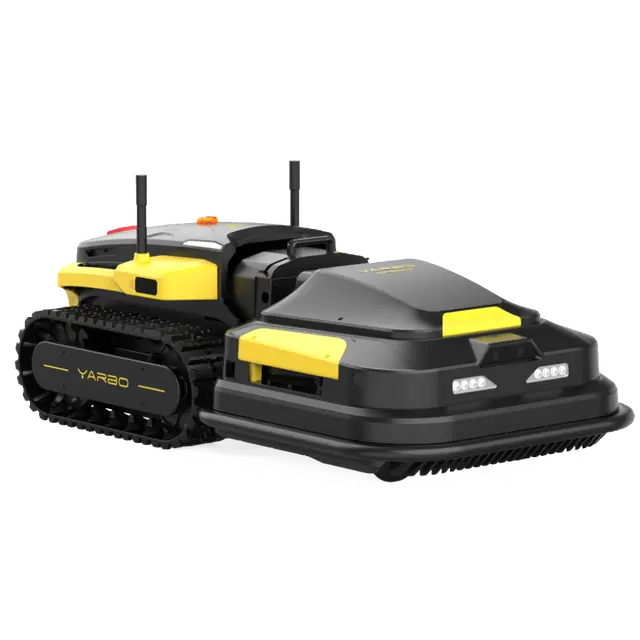
Multi-Functional Modular Design
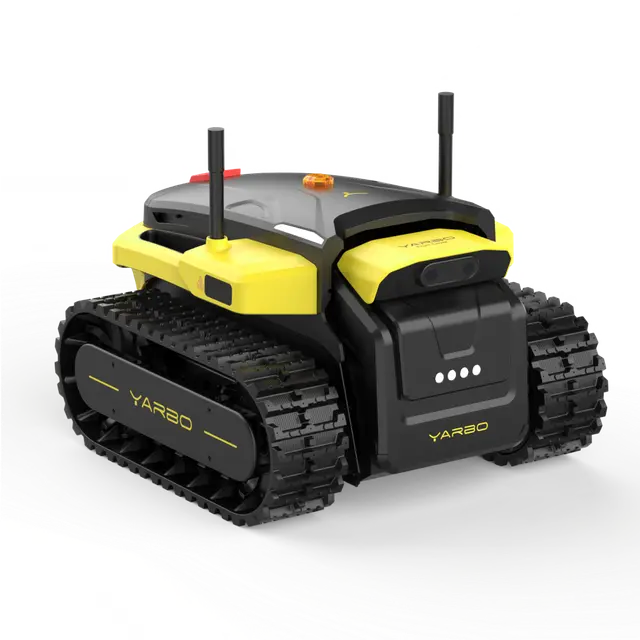
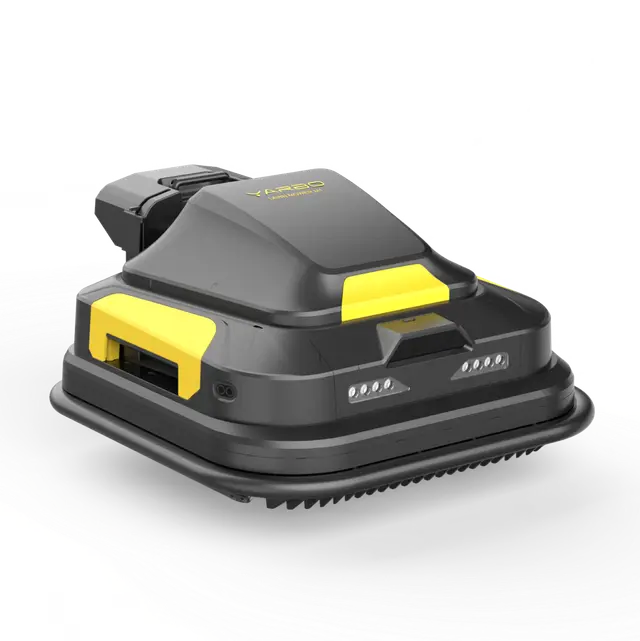
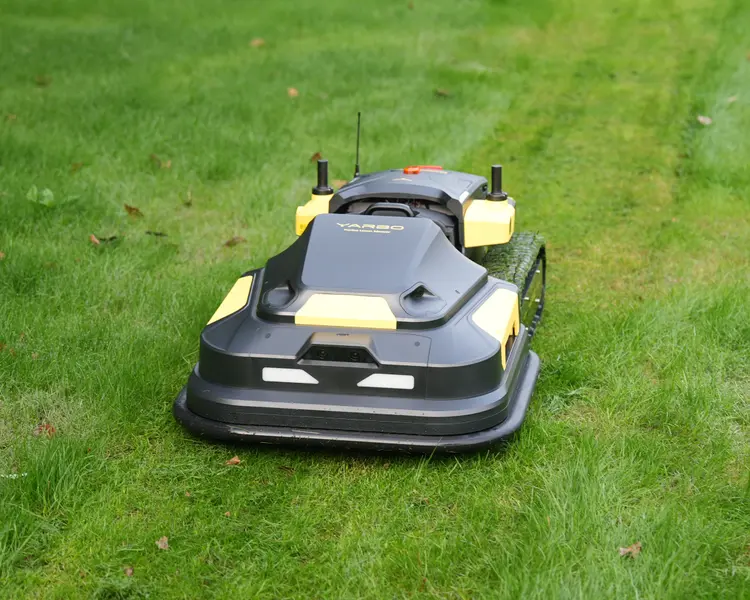
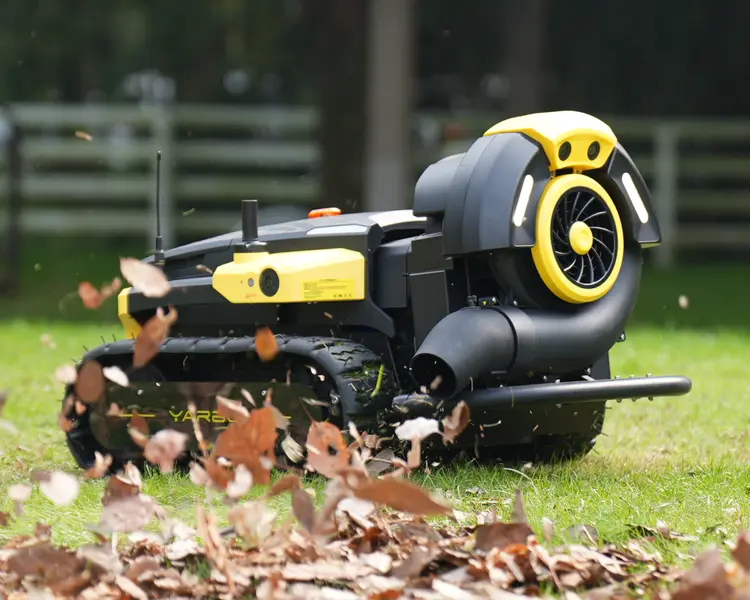
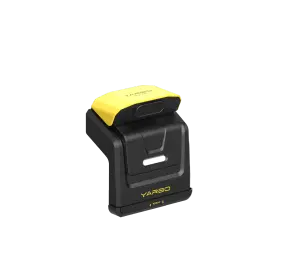
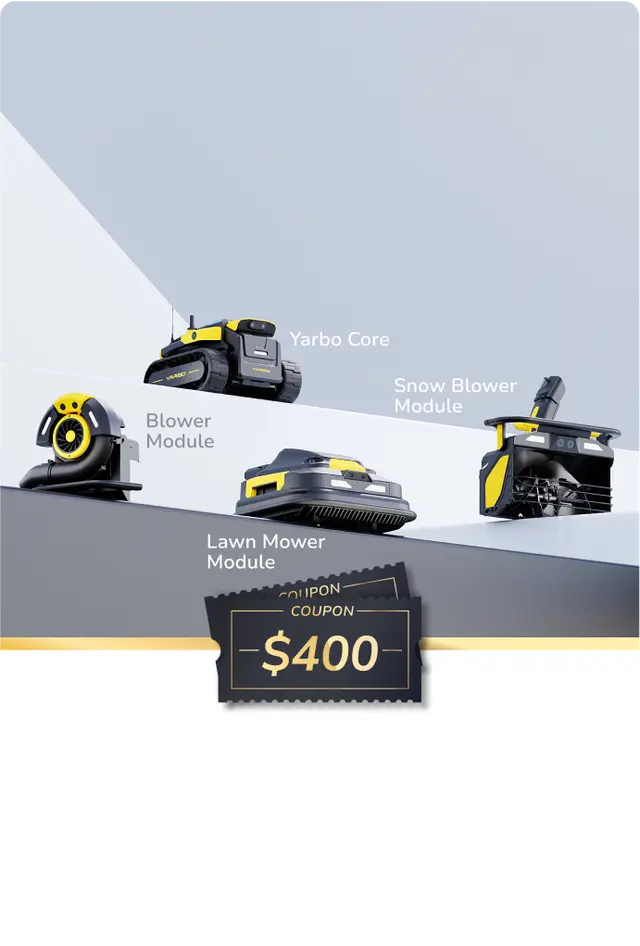
Unlike single-purpose mowers, Yarbo is modular. The same base unit can switch between:
-
Lawn Mowing Module
-
Snow Blower Module
-
Leaf Blower & Sweeper Module
This means one machine manages your yard year-round.
RTK-GPS + PPVS + AI: The Triple Advantage
-
RTK-GPS: ±2cm accuracy outdoors
-
PPVS: Keeps mowing when GPS fails
-
AI Vision: Identifies grass, boundaries, and hazards
Yarbo Lab App: Customize Your Mowing Like a Pro
With Yarbo’s app, homeowners can:
-
Adjust PPVS Dead Reckoning distances
-
Set mowing schedules per zone
-
Monitor GPS signal quality in real-time
-
Create no-go zones with a swipe
You don’t just get lawn care — you get a smarter yard. See Yarbo in action with our yarbo neighbour showcase program
Precision Benefits: Why Accuracy Matters?
Knowing exactly where to cut delivers multiple benefits:
-
No missed patches: Every inch gets covered.
-
Edge perfection: Get closer to walls, flower beds, and trees.
-
Battery savings: Less wandering means longer runtime.
-
No wasted battery on overlaps
-
Healthier grass with fewer passes
-
Cleaner edges along fences, walls, and flowerbeds
-
No over-mowing: Prevents grass damage from repeated passes.
Precision is not a gimmick — it’s what turns robotic mowing into true hands-free lawn care.
Fewer Interruptions, More Hands-Free Convenience
Thanks to PPVS and smart zoning, Yarbo mows smoothly without constant pausing, giving you a true hands-free lawn care experience.
Conclusion
So, how do robot mowers know where to cut? The answer lies in the perfect fusion of GPS precision, AI vision, and real-time sensor data — working together to make every cut intentional, efficient, and safe.
With Yarbo’s RTK-GPS + PPVS fusion system, you don’t just get a mower that knows where to cut — you get a mower that adapts to your lawn, works even under trees, and keeps your yard safe and beautiful with zero effort from you.
Explore Yarbo’s RTK-GPS Smart Mower and discover just how precisely your lawn can be maintained:
FAQs
1. How does a robot lawn mower know where it has already cut?
Modern mowers use GPS logs and memory mapping to avoid overlap.
2. Do I need perimeter wires for smart mowers?
Not if you choose a GPS-based model like Yarbo.
3. Can robot mowers see obstacles like toys or poop?
Only models with AI vision systems can — like Yarbo.
4. What happens if the mower loses GPS signal?
It may pause or rely on IMUs until signal resumes. Some mowers auto-return to base.
5. How accurate is RTK-GPS?
It provides ±2cm accuracy, perfect for edge trimming and tight zones.
-7.png?w=1001&h=621)
 Private group · 33.0K members