Robotic mowers are no longer just futuristic gadgets; they’ve become real game-changers for homeowners who want perfectly cut lawns without the sweat of traditional mowing. But with so many brands competing for attention, the big question is: which mower is truly right for your yard?
In this article, we’ll dive deep into the Yarbo mower vs competitors—specifically Mammotion’s LUBA, Segway’s Navimow, and Husqvarna Automower. We’ll look at navigation systems, terrain handling, power, cost, and real-world usability. By the end, you’ll have a clear picture of what sets Yarbo apart and whether it’s the right choice for your property.
Table of Contents:
Why Compare Yarbo Mower With Its Competitors?
Every homeowner has different priorities: some want maximum yard coverage, others crave wire-free convenience, and some focus on after-sales support. Yarbo mower positions itself as a heavy-duty specialist designed for large, complex yards, but how does that really stack up against LUBA’s boundary-free mowing or Husqvarna’s long-standing reputation?. Comparing these brands side by side helps cut through marketing buzz and uncover real value, especially for those with unique challenges.
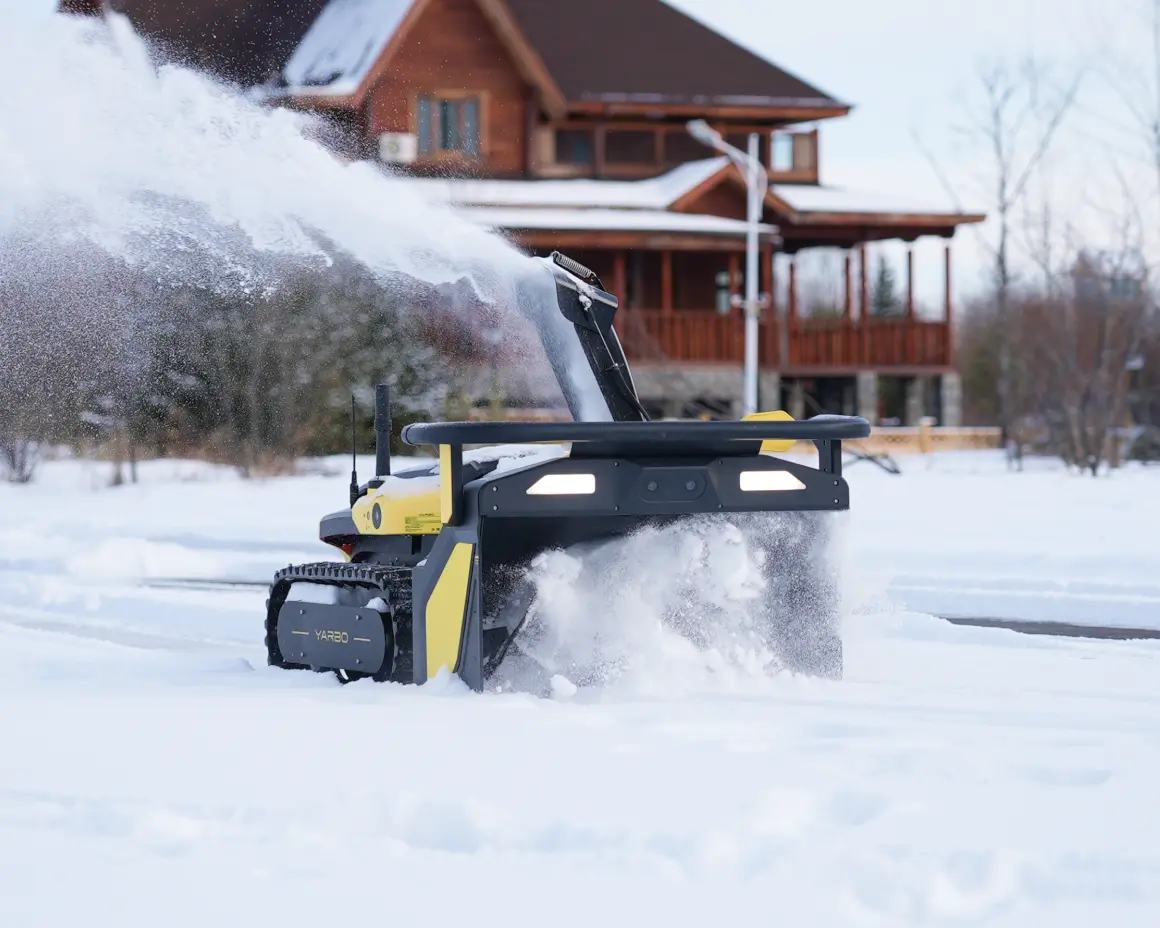
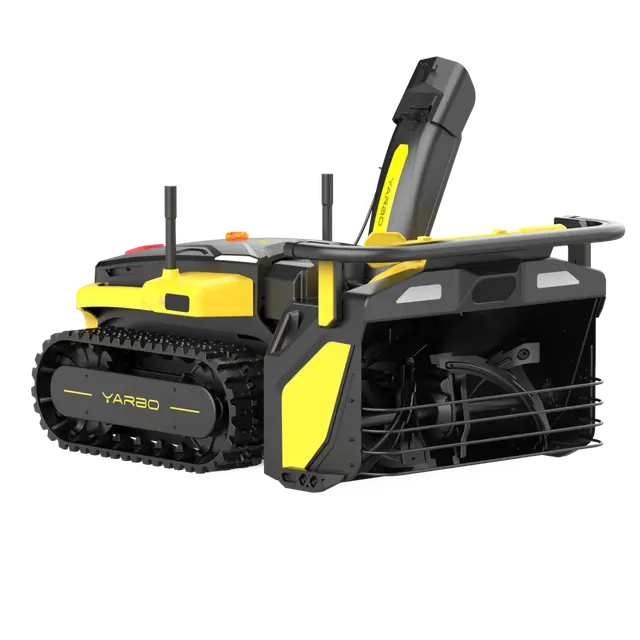
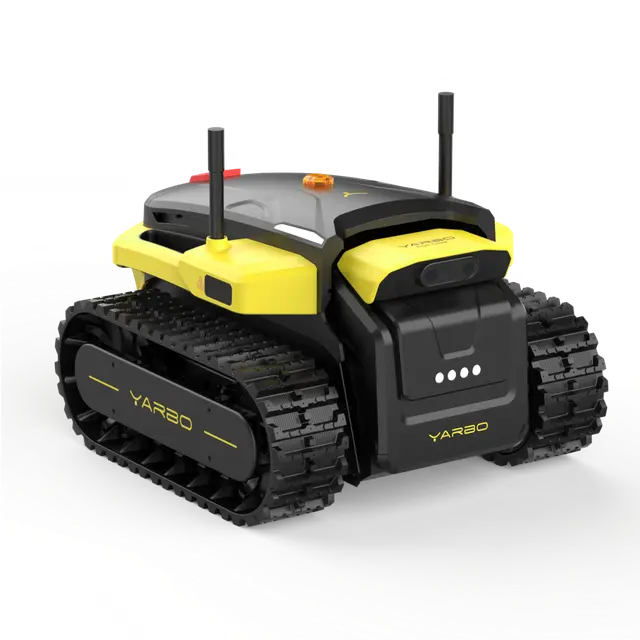
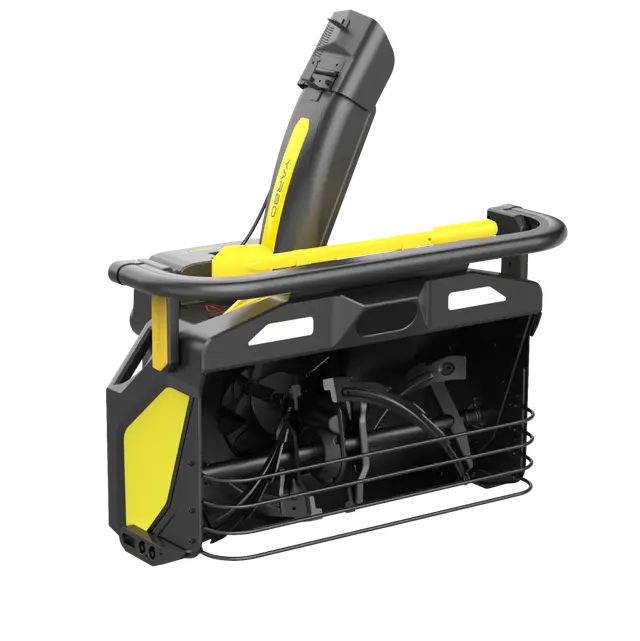
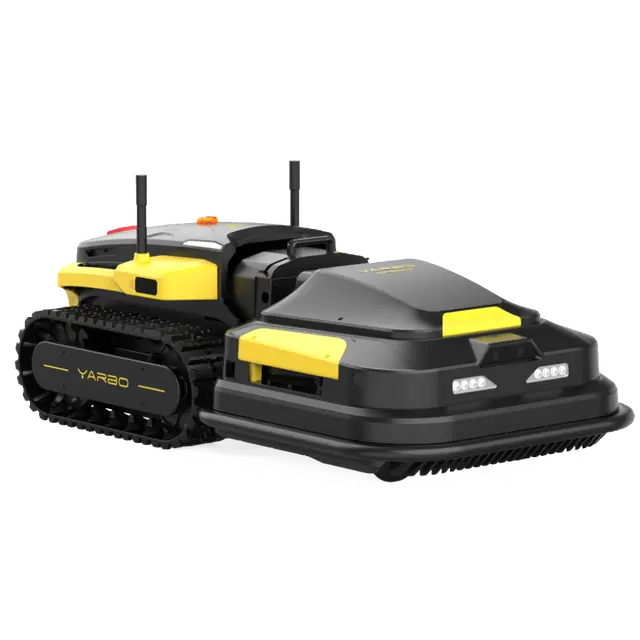
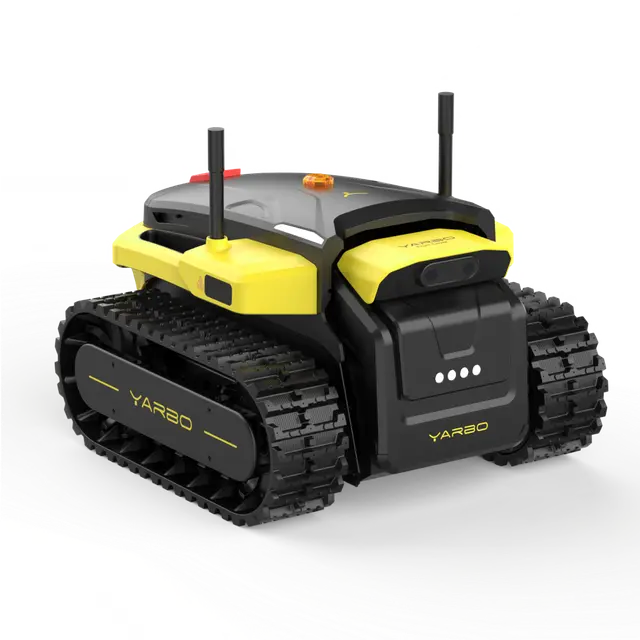
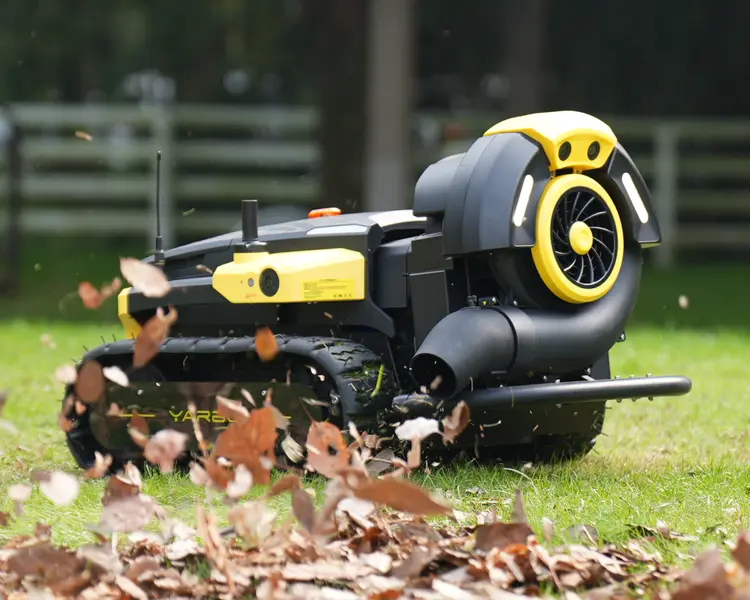
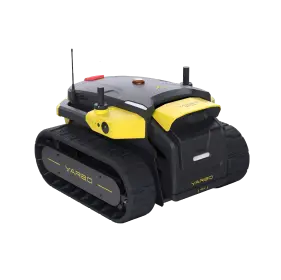
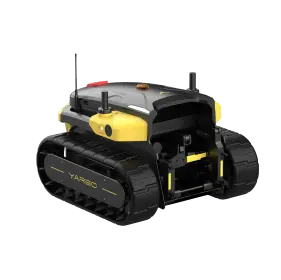
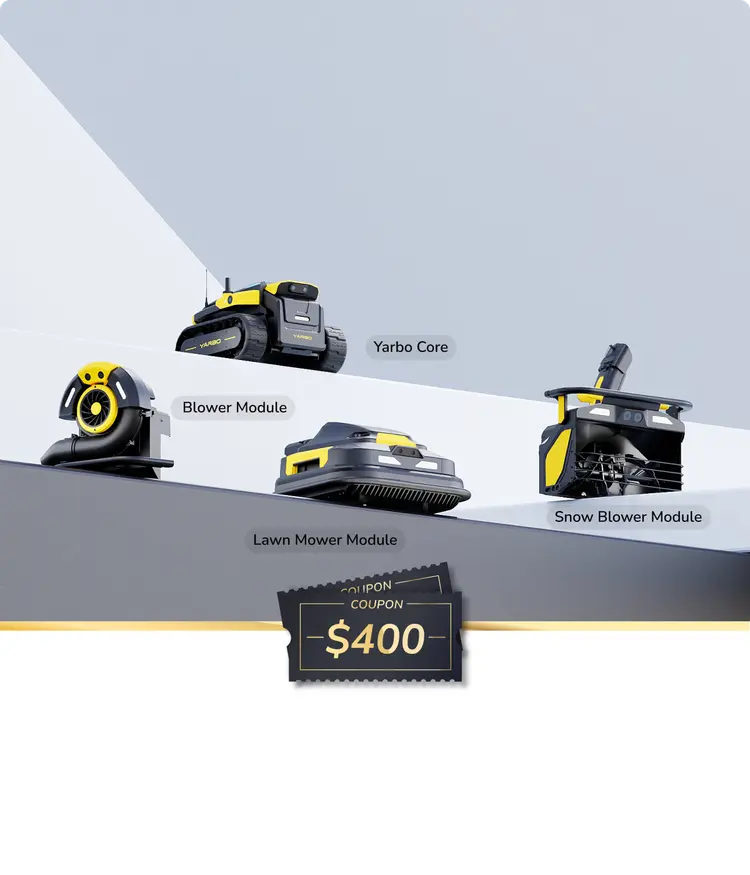
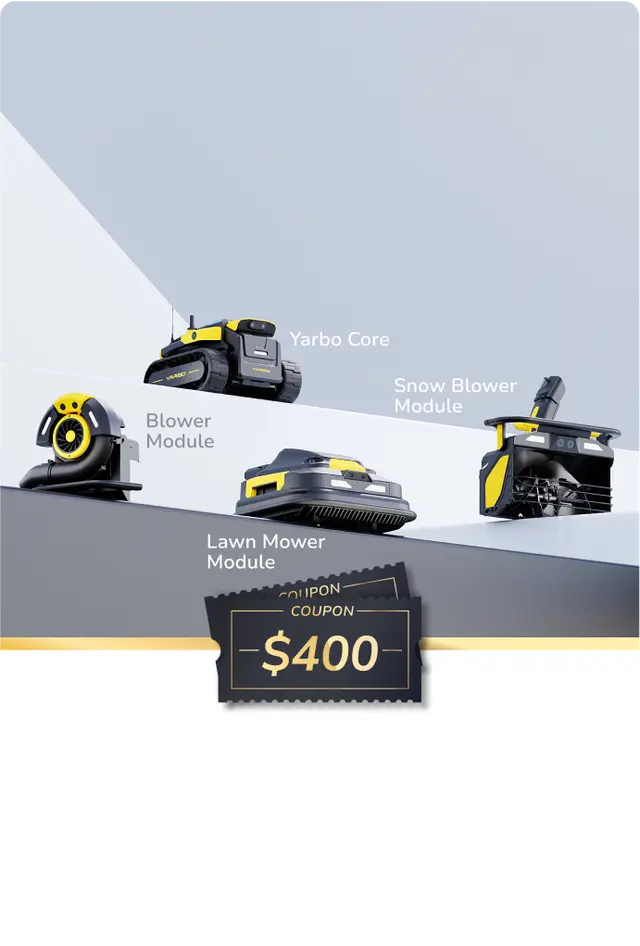
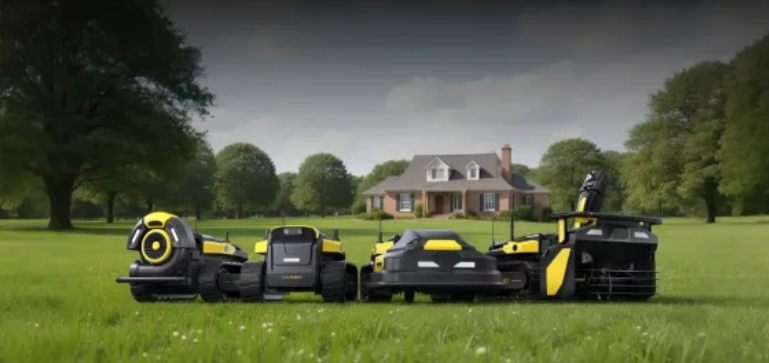
The Yarbo mower isn’t just a robot mower—it’s a revolutionary all-season modular platform that adapts to different needs. With its central Core unit and easily swappable attachments, Yarbo can mow grass, clear snow, and blow leaves, making it a true year-round solution for your property. This capability is a significant differentiator, as no mainstream competitor offers full multi-season yard care. Where competitors often focus solely on mowing, Yarbo provides unparalleled versatility and future-proofing for homeowners who want one device that adapts to every season.
Key Features of Yarbo:
-
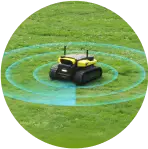
Wire-free Hybrid Navigation: Utilizes advanced RTK-GPS combined with binocular cameras, IMU, and ultrasonic sensors for centimeter-level precision and reliable operation, even under heavy tree cover or in areas with weak satellite signals. This ensures "fault-safe" and "full coverage" in challenging environments.
-
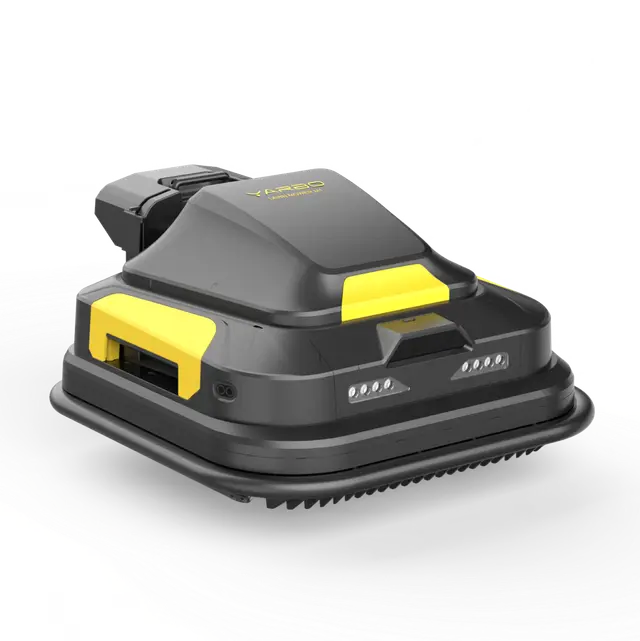
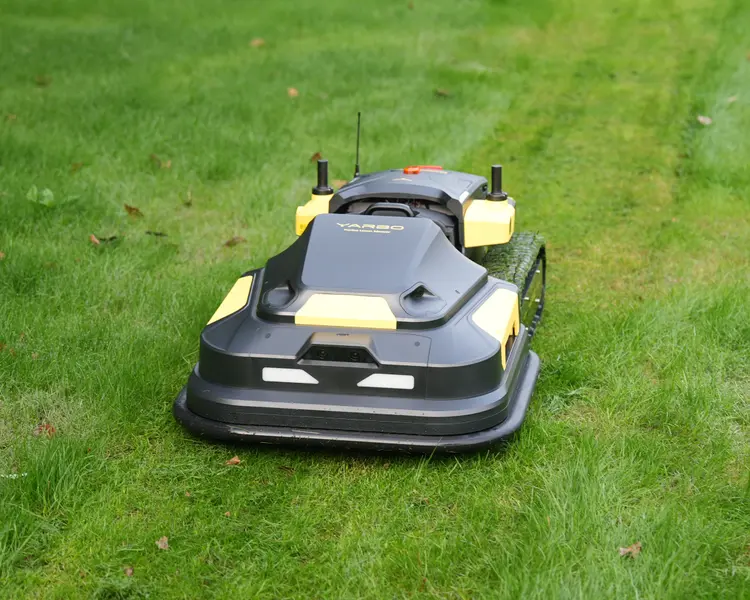
Exceptional Coverage & Efficiency: Capable of mowing large yards up to 6 acres (25,000 m²) with multi-cycle operation. Its dual 20-inch cutting decks deliver an industry-leading cutting width for rapid mowing.
-
All-Terrain Mastery: The robust tracked drive system provides superior traction on slopes up to 35° (70% grade), far exceeding typical residential mowers. It's built with a robust over 200 lb, solid Q355 high-strength structural steel frame for maximum durability on diverse terrains.
-
All-Season Modular Platform: The Yarbo Core seamlessly integrates with modules for lawn mowing, snow blowing, leaf blowing, and future attachments like trimmers or spreaders. This means one investment replaces multiple seasonal tools, offering significant long-term value and convenience.
-
Intelligent Automation & Safety: Equipped with an advanced spatial AI system (6 cameras, 4 ultrasonic radars, front bumper, AI algorithms) that detects obstacles (pets, toys, debris) in real-time to avoid collisions. It features real-time weather integration for automatic snow-clearing plans, intelligent battery thermal control, and self-rescue capabilities.
-
User-Friendly Design: Features include an app for remote management, scheduling, unlimited multi-zone support, and customizable parameters (cutting height 0.8-4 inches, speed, mowing patterns). Setting up boundaries is wire-free and managed through the app.
-
Zero Emissions & Low Noise: Being fully electric, Yarbo produces no direct emissions, making it eco-friendly and safe for the environment. Its quiet operation means you can mow anytime — early morning, late evening, or even during the night — without disturbing neighbors or disrupting your own peace.
Where competitors often focus solely on mowing, Yarbo mower provides versatility and future-proofing for homeowners who want one device that adapts to every season.
Yarbo vs Luba (Mammotion)
Mammotion's Luba series focuses heavily on robotic mowers, emphasizing boundary-free mowing and all-wheel drive. While Luba is a strong contender, Yarbo's modular ecosystem sets it in a league of its own.
-
Modularity & Value: Yarbo offers unparalleled all-season modularity, meaning one machine can mow, blow snow, and clear leaves. Luba is a dedicated mowing product, requiring separate solutions for other seasonal tasks. This gives Yarbo a distinct advantage in long-term value and ROI.
-
Navigation & Reliability: Luba utilizes RTK-GPS and vision for navigation. However, user feedback for RTK-GPS systems, including Luba, often mentions concerns about signal instability under tree cover and in complex environments. Yarbo's advanced hybrid navigation system (RTK-GPS, binocular cameras, IMU, ultrasonic sensors) ensures "fault-safe" and "full coverage" even in challenging areas where satellite visibility is compromised.
-
Coverage & Terrain: Yarbo boasts a maximum mowing coverage of up to 6 acres. Luba 2 AWD (10000 model) covers up to ~3 acres. While Luba claims impressive slope handling up to 38.6° (80% grade) with AWD, Yarbo's tracked traction and rugged, heavy-duty build (Q355 high-strength steel frame) provide superior stability and control for overall yard ruggedness and complex terrains.
-
Customer Feedback: Luba users have reported RTK system connectivity issues and instances where the mower "drifts" on slopes, contradicting claims of precise straight-line mowing.
Yarbo vs Segway Navimow
Segway’s Navimow emphasizes ease of use and smart navigation, making it a strong competitor for small to medium lawns. However, when stacked against Yarbo, its limitations become apparent, especially for expansive properties.
Comparison Highlights:
-
Capacity & Market Focus: Navimow X390 is rated for lawns up to 2.5 acres. Yarbo excels with large, multi-acre properties, covering up to 6.2 acres. Navimow is better suited for city homeowners with smaller lawns, while Yarbo is the superior choice for expansive and challenging properties.
-
Functions & Seasonality: Navimow is strictly a mower. While Segway has planned expansion ports for accessories like a trimmer, these are designed to enhance mowing rather than tackle entirely different seasonal tasks like snow or leaf removal. Yarbo, with its modular design, offers comprehensive 3-in-1 year-round yard maintenance (mowing, snow clearing, leaf blowing).
-
Navigation & Obstacle Avoidance: Both use RTK-GPS. However, user feedback on systems like Ecovacs (which also employs advanced obstacle detection) shows that "advanced obstacle detection" can sometimes be "overly cautious," stopping 20 cm from obstacles and leading to missed spots. Yarbo integrates real-time obstacle avoidance with its hybrid navigation system, balancing safety with efficient, full coverage.
Yarbo vs Husqvarna
Husqvarna is one of the most established names in robotic mowing, known for its Automower® series and brand heritage. While Husqvarna boasts decades of trust, its models often require boundary wires and offer less innovation and multi-functionality compared to Yarbo for today's large, complex yards.
Comparison Breakdown:
-
Boundary Setup: Most Husqvarna models still rely on physical boundary wires. While some premium models offer EPOS (RTK satellite navigation), these are limited. Yarbo is fully wire-free, using advanced RTK-GPS, vision, and sensors for precise, boundary-free mapping. This eliminates the hassle of laying, burying, or repairing wires, a common pain point for large-yard owners.
-
Coverage & Technology: High-end Husqvarna models, like the Automower 440iQ, handle up to ~2 acres. Yarbo’s capacity of up to 6 acres significantly surpasses this, making it ideal for the largest properties. Yarbo leverages AI and real-time object recognition with its hybrid navigation system, offering a more advanced and robust approach to yard care compared to Husqvarna’s simpler systems.
-
Seasonality: Husqvarna is strictly a mower. Yarbo's modular design provides comprehensive, year-round functionality, tackling mowing, snow clearing, and leaf blowing.
-
Slope Handling: Husqvarna models generally handle moderate slopes up to ~24° (45% grade). Yarbo’s tracked drive system handles significantly steeper slopes up to 35° (70% grade), making it a powerful choice for hilly terrains.
When it comes to Yarbo vs Husqvarna, Yarbo wins on innovation, flexibility, and future-proofing, while Husqvarna wins on brand heritage and trust.
Feature Comparison Table: Yarbo Mower vs Competitors
| Aspect | Yarbo Modular Robot (Core + Modules) | Mammotion Luba 2 10000 (AWD Mower) | Segway Navimow X390 (X3 Series) | Husqvarna Automower 440iQ (EPOS) |
| Multi-Function | Yes – Lawn Mower, Snow Blower, Leaf Blower (plus future attachments). One Core handles all seasons. | No – Mowing only. | No – Mowing only (planned expansion for trimmer, etc., not snow/leaf). | No – Mowing only (Husqvarna offers separate devices for snow, no robot snowblower). |
| Max Mowing Area | Up to 6 acres (25,000 m²) – with scheduled cycle mowing. | Up to ~3 acres (12,000 m²). | Up to 2.5 acres. | Up to ~2 acres (EPOS model). |
| Slope Handling | Up to 35° (70% grade) – Tracks + weight provide superior traction. | Up to ~38° (80% grade) – AWD wheels, very capable. | Up to ~27° (≈50% grade). | Up to ~24° (45% grade). |
| Navigation | No perimeter wire – RTK-GPS + Vision (cameras) + IMU + Ultrasonic Sensors for hybrid mapping & obstacle detection. "Fault-safe" and "full coverage". | No wire – RTK-GPS + Vision. Up to 60 zones. | No wire – Exact Fusion GPS (RTK) + Camera. | EPOS RTK satellite navigation (wire-free), can fallback to wire. |
| Battery & Runtime | 36V/38.4Ah Li-ion (≈1.38 kWh) swappable battery. Up to 4 hours continuous operation (mowing). Fast-charge ~1.5 h (20%→80%). | 25.2V/15.6Ah Li-ion (0.39 kWh). Runs ~3 h. Recharges ~2.5 h. | 25.2V/8.7Ah Li-ion (estimated). ~80 min mow. Recharges ~80 min. | 18V/10.0Ah Li-ion (typical). Runs ~60-100 min. Recharges ~60 min. |
| Obstacle Avoidance | Advanced AI | Moderate | Basic | Basic |
Yarbo Lawn Mower Pro: Unmatched Performance for Demanding Yards
For homeowners demanding the ultimate in lawn care performance for complex and challenging conditions, Yarbo offers a specialized Lawn Mower Pro version. This model directly addresses user needs for enhanced power and refined cutting quality.
-
Ultimate Mowing Power: Features dual 300W drive motors, providing double the power of the standard version with peak power up to 2500W, ensuring strong operation even in demanding conditions like tall, thick, or wet grass.
-
Durable Mulching Blades: Equipped with heavy-duty blades designed to finely shred grass clippings, Yarbo returns natural nutrients back into the soil. This not only promotes a healthier, greener lawn but also minimizes the need for bagging or extra cleanup.
-
Precision Cutting Height: The cutting height can be adjusted from 0.8 inches to 4 inches (2-10 cm) to meet diverse lawn trimming needs.
-
Low-Noise Operation: Operates at just 60 dB, making it significantly quieter than traditional gas mowers and contributing to a peaceful yard environment.
This Pro version is designed to handle overgrown grass or dense warm-season grasses (common in the southern US and Australia) with ease, without clogging, providing efficient and clean trims.
Navigation and Mapping Showdown
-
Yarbo → Advanced mapping + obstacle detection, with wireless recharging.
-
LUBA → Perimeter-wire free with GNSS/vision mapping.
-
Segway Navimow → RTK + 3D vision, highly precise.
-
Husqvarna → Mostly perimeter wire; EPOS available on premium models.
In this area, LUBA and Segway lead in innovation, while Yarbo sticks to power and scale.
Power, Runtime, and Coverage
-
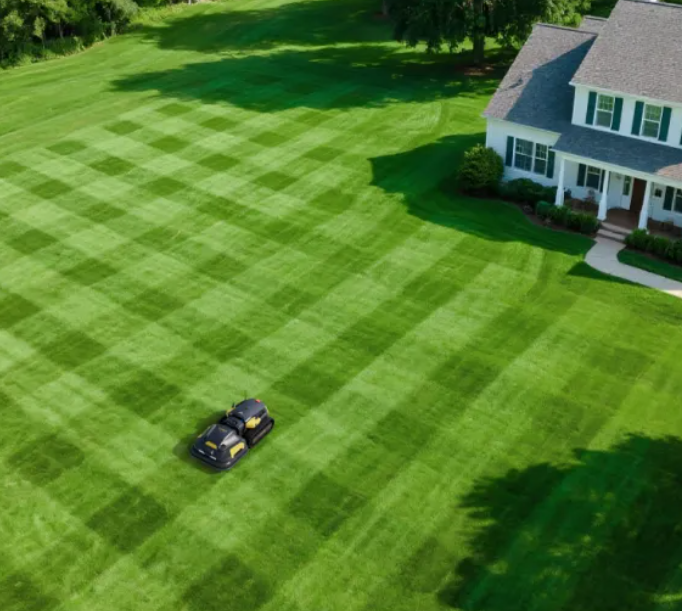
Yarbo: Up to 6 acres with multi-cycle operation.
-
LUBA/Mammotion: Best for up to 1.25 acres.
-
Segway Navimow: Up to ~2.5 acres, depending on model.
-
Husqvarna: Wide range, from small yards to large estates.
Verdict: Yarbo dominates in sheer coverage capacity, while others win in efficiency for smaller yards.
Slope and Terrain Handling
-
Yarbo: Handles slopes up to ~35°.
-
LUBA AWD: Up to 38°, one of the best in class.
-
Segway Navimow: Strong slope handling with RTK support.
-
Husqvarna: Reliable, but slope capability varies by model.
If you’ve got steep hills, LUBA has the edge. But for overall yard ruggedness, Yarbo is hard to beat.
Software and Smart Features
-
Yarbo App → Remote management, scheduling, multi-zone support.
-
Mammotion App → Advanced multi-zone mapping, user-friendly.
-
Navimow App → Smart home integrations, RTK calibration.
-
Automower Connect → Smart scheduling, GPS theft alerts.
All four brands deliver strong apps, but Segway and Mammotion push the tech boundary, while Yarbo keeps things simple yet powerful.
Cost, Warranty, and Value
-
Yarbo: Higher upfront, but designed for large properties. 2-year warranty with an optional extended warranty service available.
-
Mammotion/LUBA: Mid-to-high price, convenience-focused.
-
Segway: Premium pricing for RTK precision.
-
Husqvarna: Wide range; backed by dealer support.
Your choice depends on what you value more: coverage and durability (Yarbo), convenience (LUBA), or precision (Navimow).
Conclusion
When it comes to robotic mowing, there’s no one-size-fits-all solution. If your lawn is massive, complex, and demanding, Yarbo clearly stands out with its rugged build, acreage capacity, and unmatched modularity for year-round care. For steep hills and wire-free convenience, Mammotion’s LUBA is a strong rival, but lacks Yarbo's multi-season functionality. If precision navigation on smaller lawns is your top priority, Segway’s Navimow is a strong option. And if you want brand heritage, Husqvarna remains a safe bet, though often with boundary wires and less innovation.
Ultimately, Yarbo’s biggest advantage is its engineering for scale and comprehensive seasonal care. For homeowners with large, challenging yards, Yarbo is not just a high-tech gadget; it's a solution for peace of mind, independence, and efficiency. It’s designed to allow you to "reclaim your weekends," transforming your yard from a chore into a source of enjoyment.
FAQs
1. Is the Yarbo mower really good for 6 acres?
Yes, Yarbo states it can cover up to 6 acres with recharge cycles, making it one of the largest-capacity mowers available.
2. Do I need boundary wires for Yarbo?
Yarbo doesn’t rely on traditional perimeter wires. It uses mapping and obstacle detection to manage large zones.
3. Which mower is best for steep hills?
Mammotion’s LUBA AWD currently leads with slopes up to 38°, but Yarbo is close at 35°.
4. Is Segway Navimow worth the premium?
If you want RTK-level precision and smart home integration, yes. But for raw acreage, Yarbo offers more.
5. How does Husqvarna Automower compare?
It’s the most established brand with dealer support, but many models still use perimeter wires.
6. Which brand gives the best ROI?
If you’d otherwise pay for lawn care services on a large property, Yarbo pays off fastest. For smaller lawns, LUBA or Husqvarna might be more cost-effective.
-7.png?w=1001&h=621)
 Private group · 33.0K members