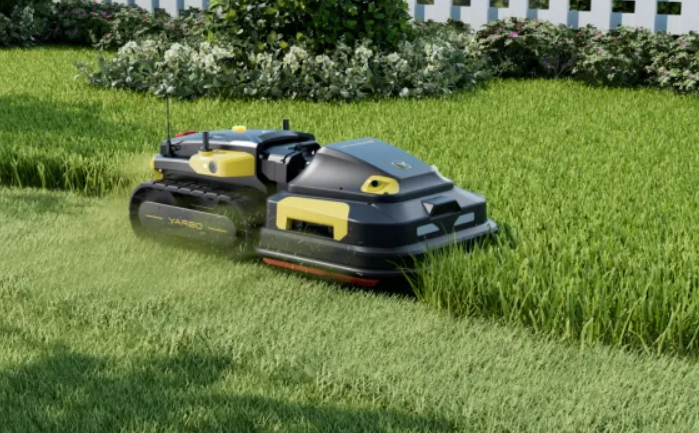
Lawn care has always been a seasonal responsibility that demands both time and effort. From handling noisy gas-powered mowers to dealing with uneven cuts, homeowners have faced recurring frustrations. But technology is reshaping outdoor living with grass mower robot, which offer a hands-free, precise, and eco-friendly way to manage lawns.
Automating your lawn with a mowing robot doesn’t just free up weekends—it also ensures healthier grass. Robots maintain consistent cutting schedules, preventing grass from overgrowing and reducing thatch build-up. For busy families, working professionals, or even seniors who want a beautiful yard without physical strain, these robots are game-changers.
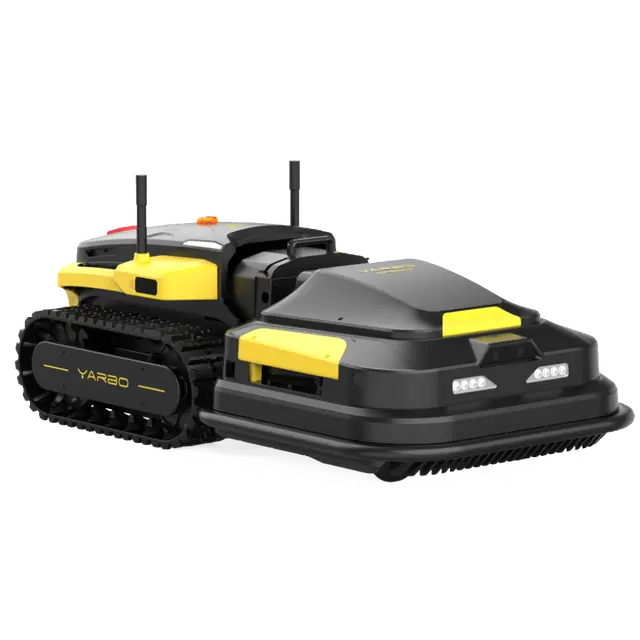
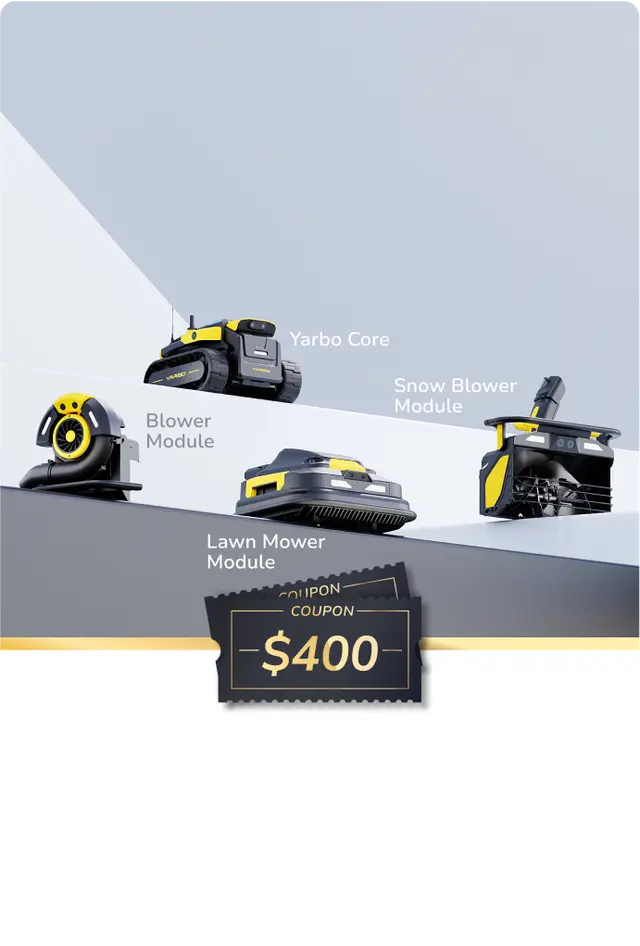
And leading the charge is Yarbo, whose innovative, modular robotic system redefines what a mower can do.
Key characteristics include:
Automating your lawn with a mowing robot doesn’t just free up weekends—it also ensures healthier grass. Robots maintain consistent cutting schedules, preventing grass from overgrowing and reducing thatch build-up. For busy families, working professionals, or even seniors who want a beautiful yard without physical strain, these robots are game-changers.
And leading the charge is Yarbo, whose innovative, modular robotic system redefines what a mower can do.
Table of Contents
What Is a Grass Mower Robot?
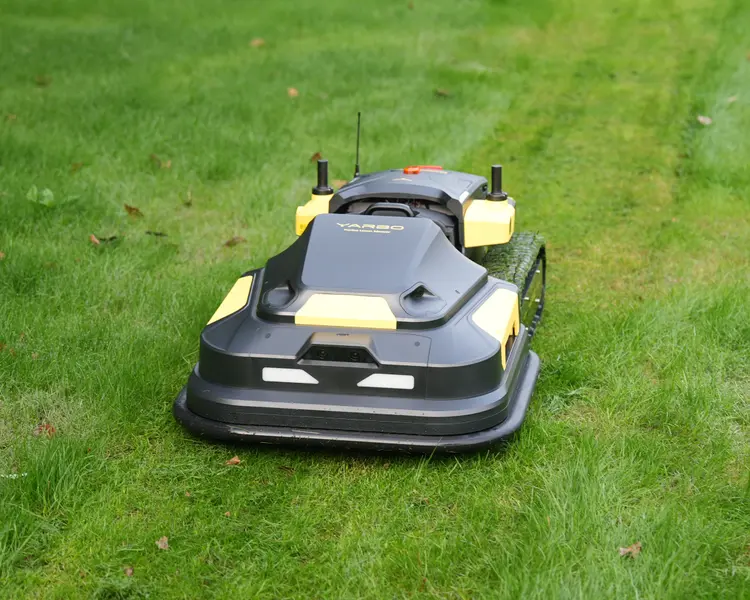
A grass mower robot is an autonomous device designed to cut lawns without direct supervision. Think of it as the outdoor cousin of a robotic vacuum—it roams your yard, trims grass evenly, and returns to its charging station when needed.
Key characteristics include:
-
Smart Navigation: Uses sensors, GPS, and AI mapping to cover every part of your yard.
-
Automatic Charging: Returns to its base station when battery is low.
-
Scheduled Mowing: Runs on pre-set schedules, keeping your lawn in perfect condition year-round.
- Safety Sensors: Stops instantly if lifted or obstructed.
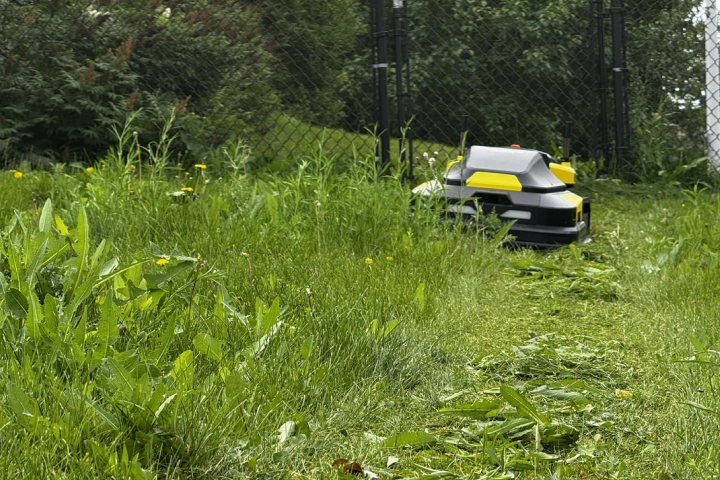
Unlike traditional mowers, lawn cutter robots work silently, often under 60 dB, meaning you can run them even at night without disturbing neighbors.
Unlike traditional mowers, lawn cutter robots work silently, often under 60 dB, meaning you can run them even at night without disturbing neighbors.
The Rise of Mowing Robots in Modern Lawn Care
The demand for mowing robots has grown rapidly over the last decade, fueled by:
-
Urbanization & Busier Lifestyles: Homeowners want smart solutions for routine chores.
-
Eco-Friendly Living: Robots are often battery-powered, reducing emissions compared to gas mowers.
-
Smart Home Integration: Devices can now connect with apps and smart assistants.
-
Yard Complexity: AI navigation makes robots capable of handling slopes, obstacles, and uneven lawns.
Reports show that the global robotic lawn mower market is projected to grow at a double-digit CAGR, highlighting the rising trust in this technology.
How Does a Grass Mower Robot Work?
The working principle of a lawn cutter robot combines advanced technology with practical engineering:
-
Boundary Definition – Some models use boundary wires or virtual GPS zones to define mowing areas.
-
Smart Cutting Algorithms – Robots move in efficient patterns, ensuring every blade of grass is trimmed.
-
Height Adjustment – Grass height can be set according to user preference for a neat finish.
-
Self-Charging – When the battery runs low, the robot autonomously returns to its docking station.
-
Weather Adaptation – Many modern robots, including Yarbo’s, have sensors to avoid mowing in heavy rain.
This level of automation makes the mowing robot a true time-saver, especially for homeowners with demanding schedules.

Key Features to Look for in a Grass Mower Robot
When choosing a grass mower robot, consider the following:
-
Cutting Width & Height Adjustment – Determines how much area the robot can cover per session.
-
Battery Life & Charging Time – Longer battery equals fewer interruptions.
-
Navigation System – GPS and AI ensure efficiency.
-
Slope Handling – Essential for uneven yards.
-
Weather Resistance – Ensures durability in different climates.
-
App Integration – Remote control via smartphone.
-
Safety Mechanisms – Stops when lifted or bumped.
Yarbo’s mowing robot excels in all these areas, especially with its wire-free setup and advanced obstacle detection.
| Feature | Grass Mower Robot | Traditional Mower |
| Operation | Fully automated | Manual effort required |
| Noise Level | Quiet (50–60 dB) | Loud (90+ dB) |
| Eco-Friendliness | Battery-powered, no emissions | Gas-powered, high emissions |
| Cost Over Time | Higher upfront, low maintenance | Lower upfront, high fuel/maintenance |
| Lawn Health | Consistent trimming | Inconsistent, depends on user |
Clearly, the mowing robot offers long-term benefits that outweigh the traditional approach.
Advantages of Owning a Lawn Cutter Robot
-
Saves Time: Automates hours of mowing each month.
-
Consistent Lawn Health: Frequent trims improve grass density.
-
Quiet Operation: Run anytime without noise pollution.
-
Eco-Friendly: Zero emissions compared to gas mowers.
-
Safety: Built-in sensors protect children, pets, and property.
-
Smart Control: Adjust settings via smartphone.
For homeowners, these benefits translate into both convenience and a better living experience.
Common Concerns About Mowing Robots and Their Solutions
-
Will it get stuck on obstacles?
Advanced robots like Yarbo use LiDAR and AI navigation to avoid obstacles. -
Can it handle rain?
Most mowing robots pause operations during heavy rain and resume later. -
What about slopes?
Yarbo can handle 40% slopes, making it ideal for complex yards. -
Is setup complicated?
Yarbo’s wire-free installation makes it one of the easiest robots to set up.
Are Grass Mower Robots Suitable for Large Yards?
Yes! Traditional mowing robots often struggled with large spaces, but Yarbo has changed the game.
-
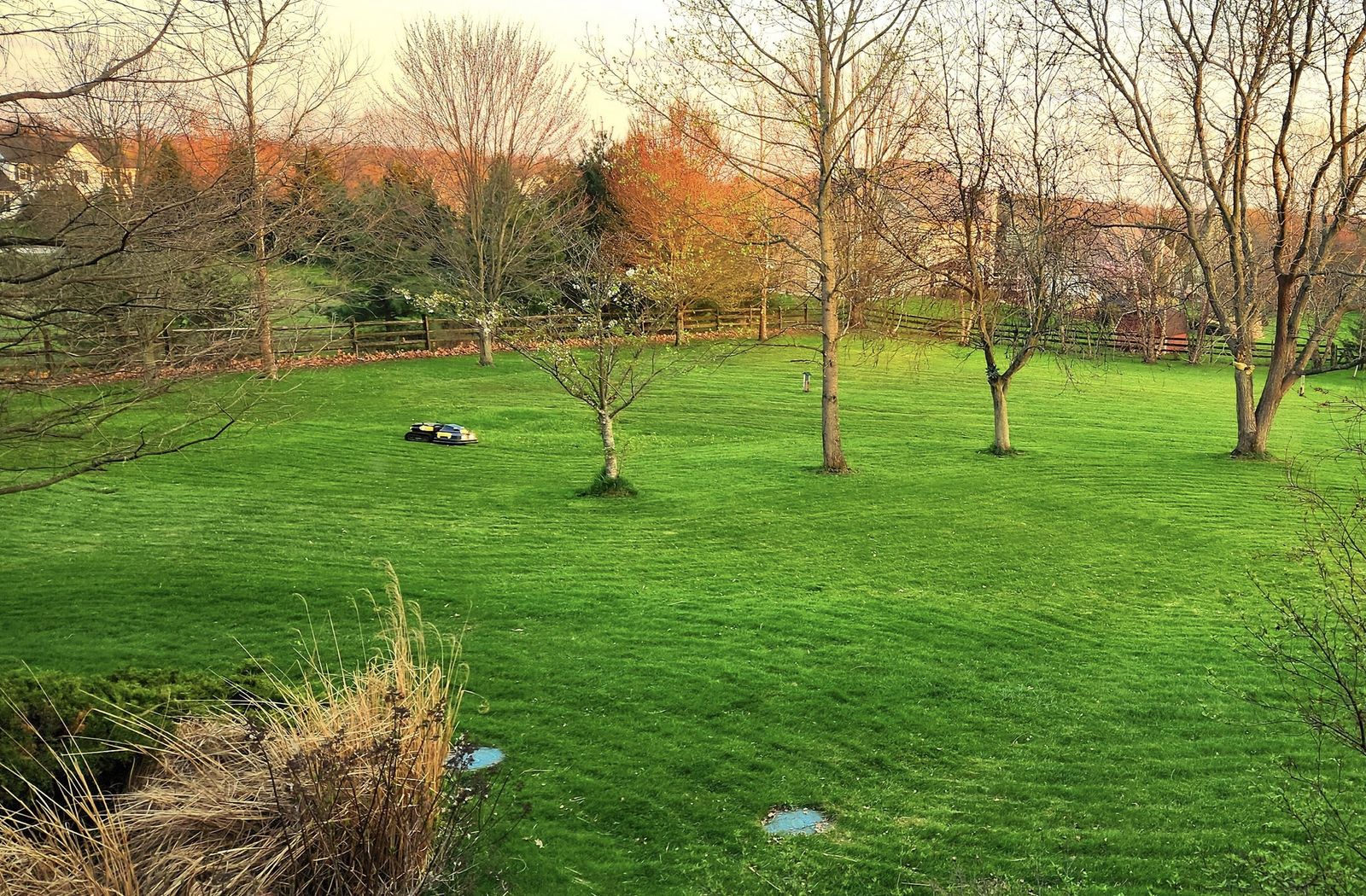
Coverage: Yarbo’s robot is designed for large and complex courtyards upto 6 acres.
-
Battery: Long-lasting power allows it to mow expansive areas in fewer sessions.
-
Navigation: GPS mapping ensures no patches are missed.
-
Scalability: With modular attachments, it’s more than just a mower—it’s a full yard management system.
Yarbo: Redefining Lawn Care with Smart Robot Technology
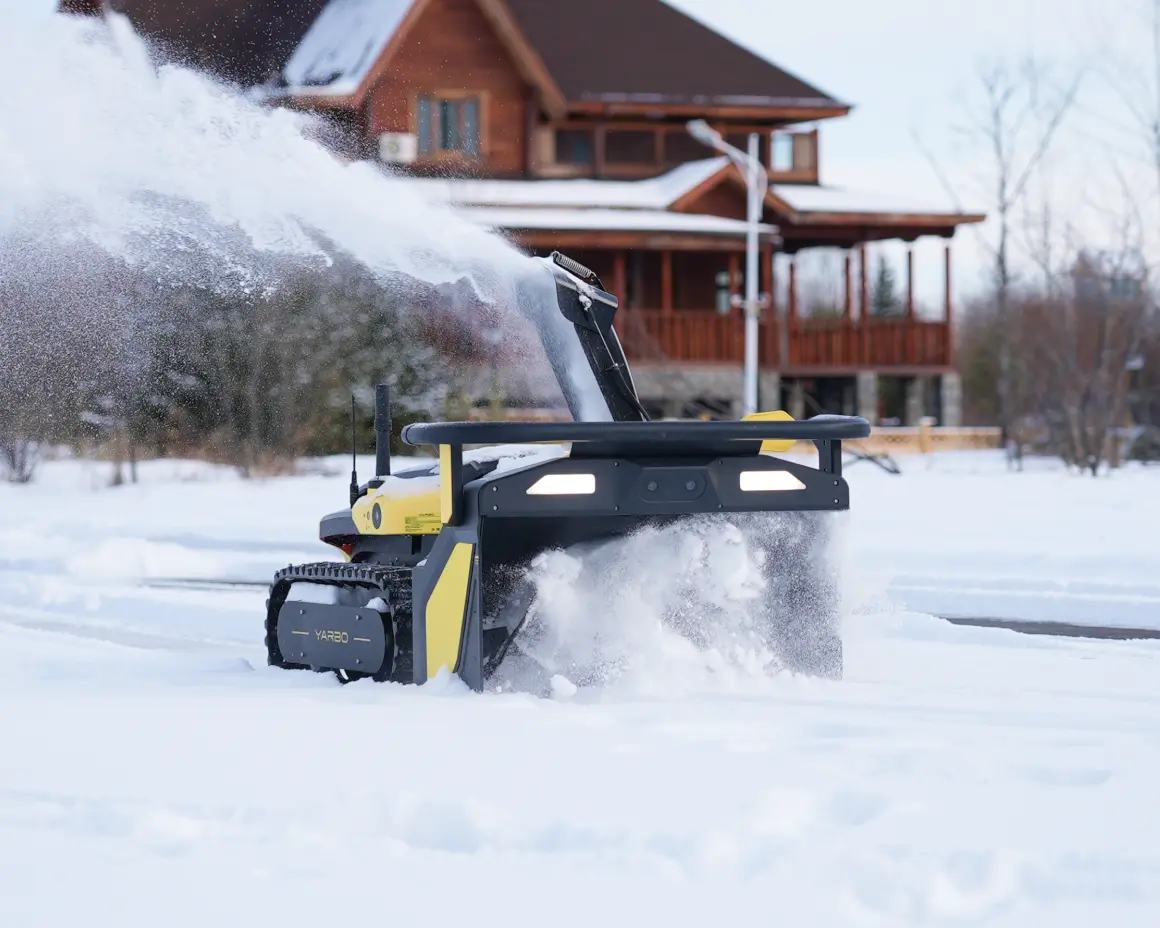
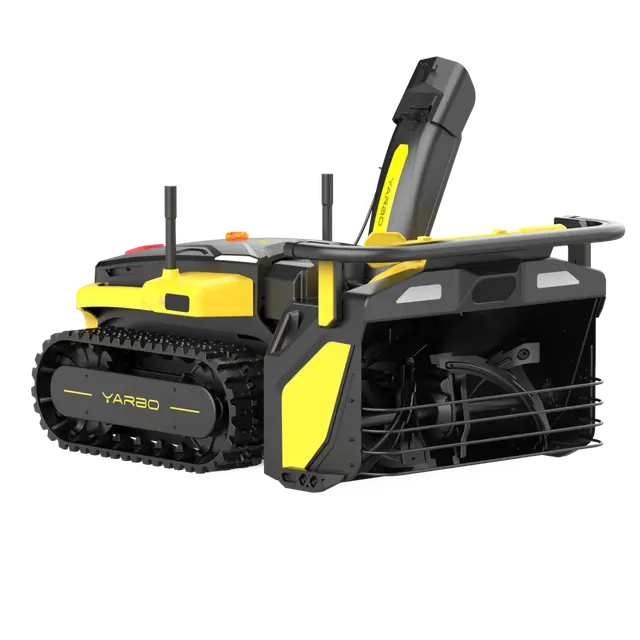
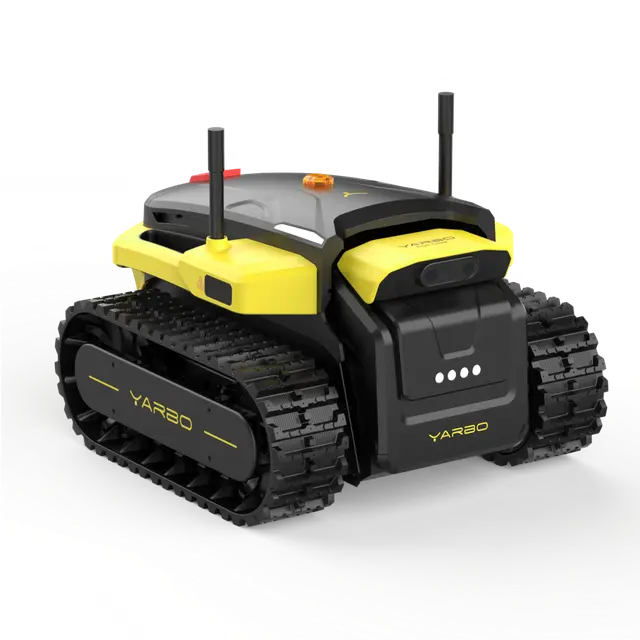
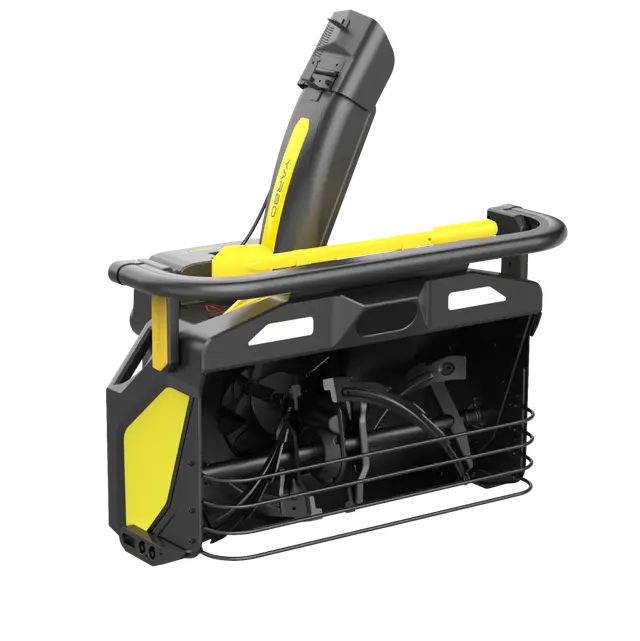
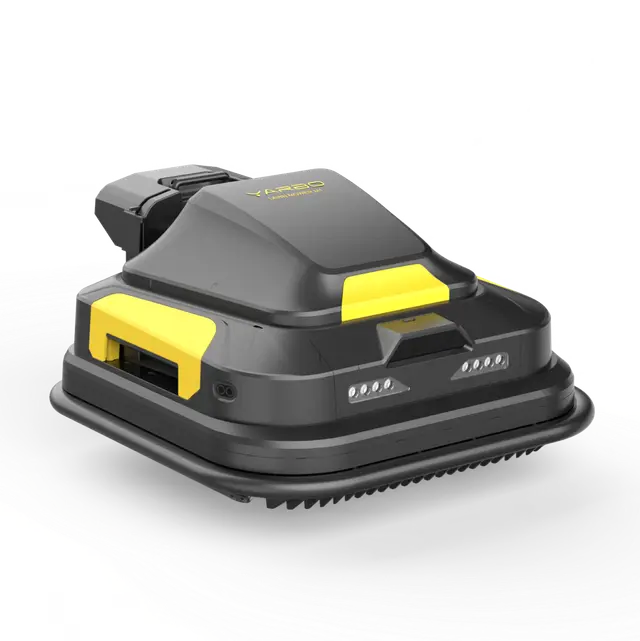
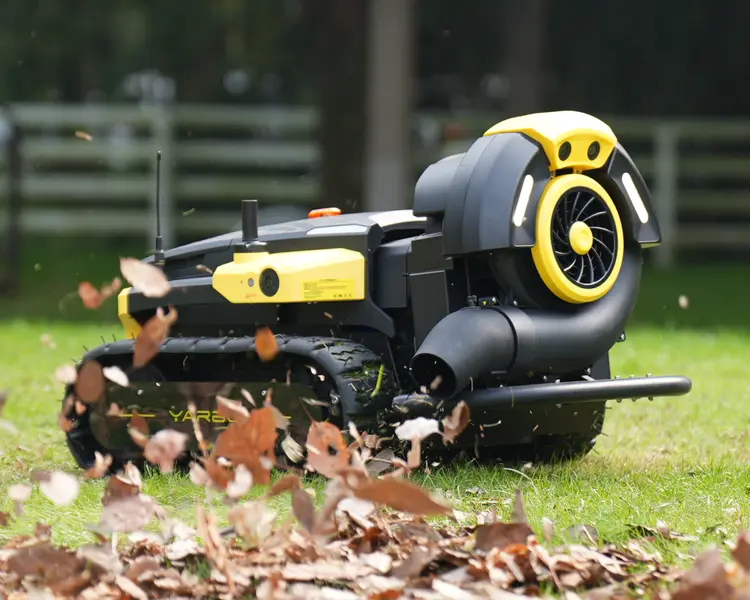
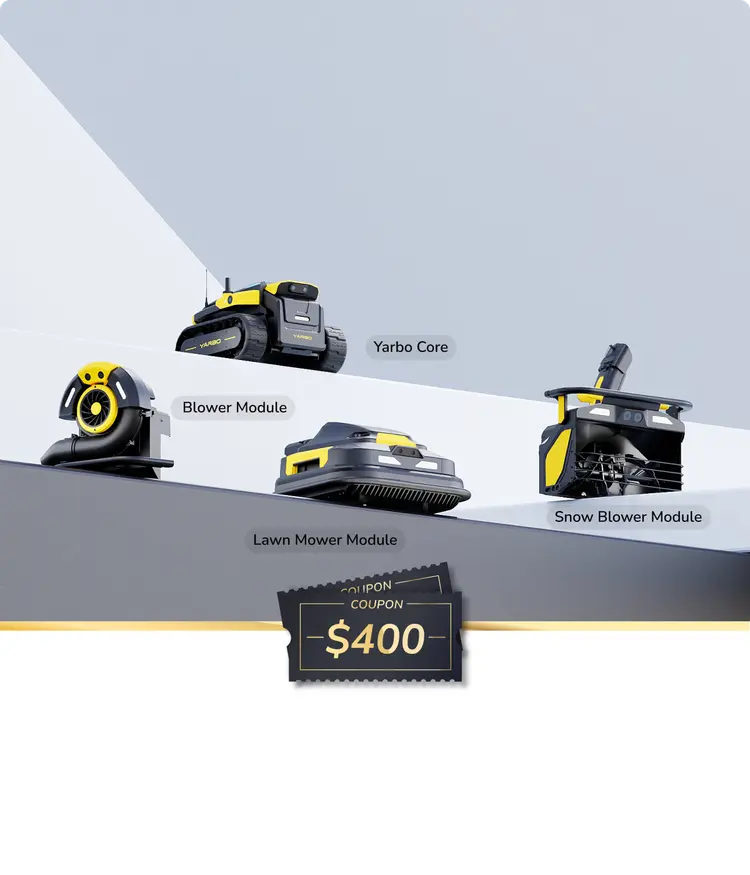
Yarbo isn’t just another mowing robot brand—it’s a yard innovation pioneer. Their modular system allows one robot to perform multiple tasks: mowing, snow blowing, leaf blowing, and more.
Key Differentiators:
-
Modular Attachments – Swap functions easily.
-
Advanced Sensors – Avoid obstacles and ensure safety.
-
Smart App Control – Full customization via smartphone.
-
Wire-Free Setup – No boundary wires needed.
This makes Yarbo one of the most versatile and powerful solutions for homeowners.
Unique Features of Yarbo’s Lawn Mower Robot
-
Wire-Free Operation: No need to install boundary wires.
-
Obstacle Detection:
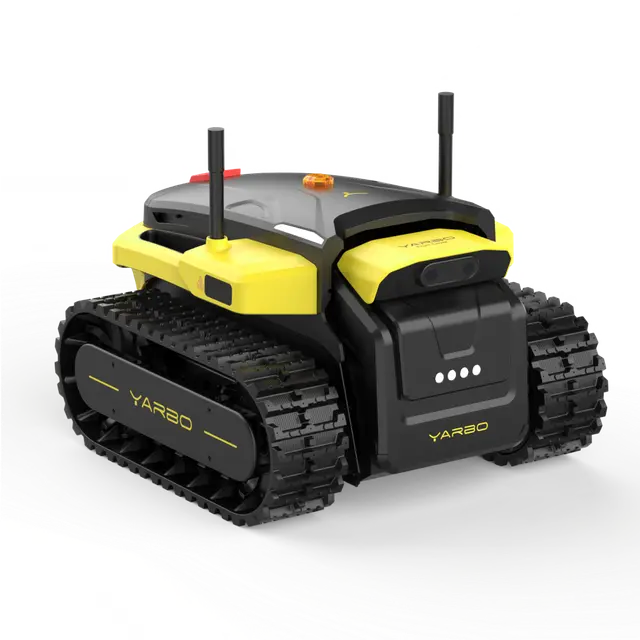
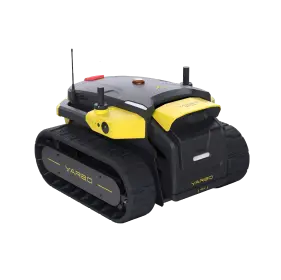
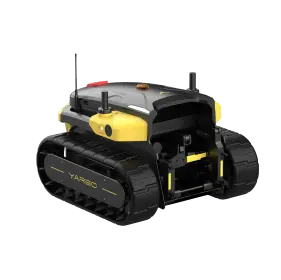
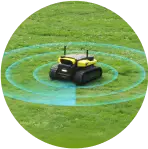
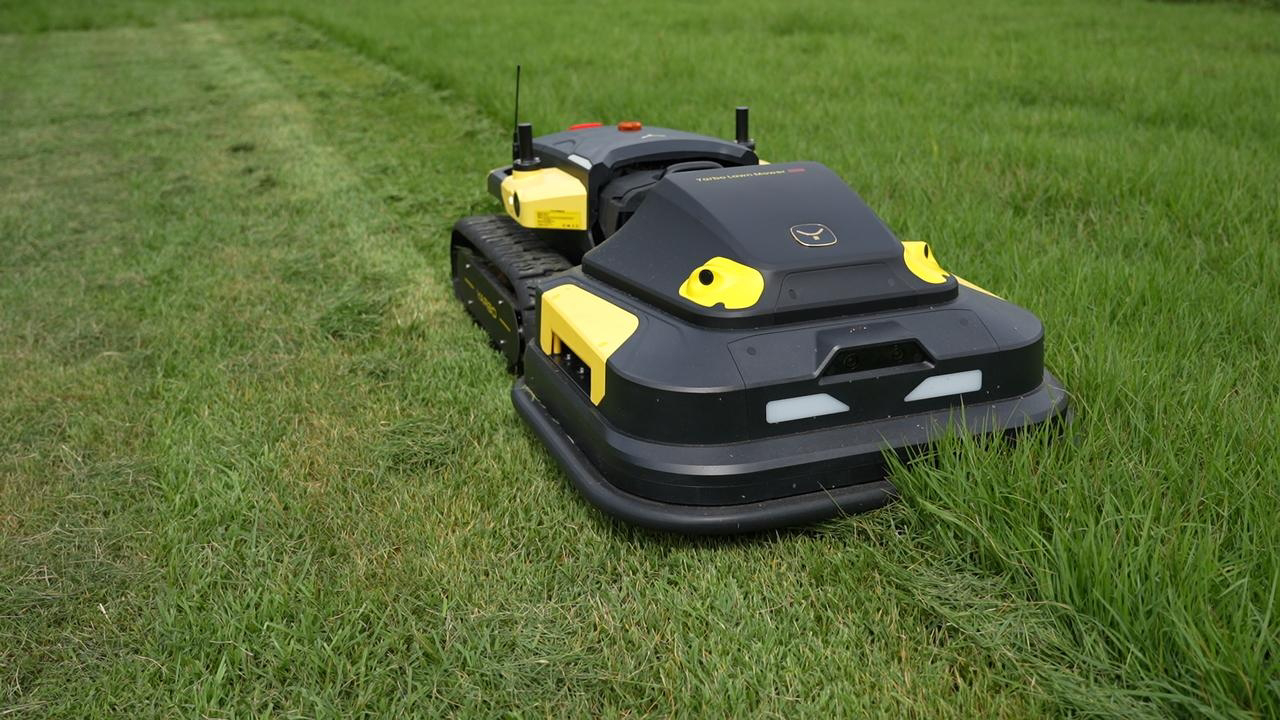
Unlike many basic robot mowers that rely solely on boundary wires or limited sensor input, Yarbo’s mowing robot excels with a fully wire-free setup and advanced navigation system. The Yarbo Core is equipped with RTK-GPS, binocular cameras, and an Inertial Measurement Unit (IMU), enabling centimeter-level precision in mapping and movement. Its dual-antenna system ensures consistent positioning without the need for manual calibration, allowing the mower to cover large and complex lawns with high accuracy.
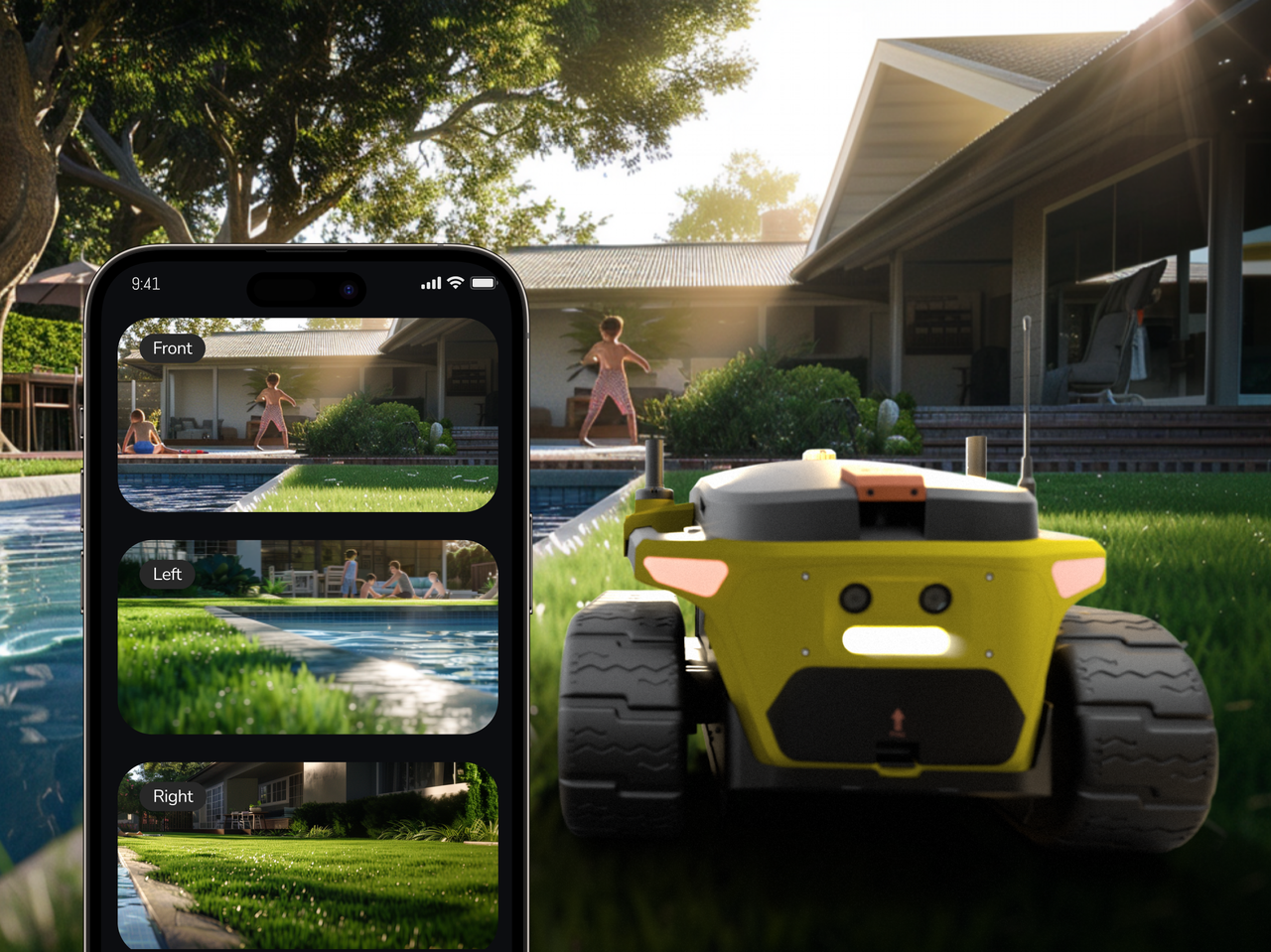
For obstacle detection, Yarbo leads the industry by integrating a combination of spatial AI system features 6 cameras, 4 ultrasonic radars, three-part front bumper, and advanced AI algorithms for obstacle avoidance., providing 360° real-time awareness of its environment. This i allows the mower to identify, classify, and safely avoid obstacles such as ets, furniture, and garden décor — something traditional mowers or lower-end robots cannot do.
The Pro version goes even further, adding odometer-based multi-positioning navigation for enhanced reliability in varied terrains and challenging yard layouts. This ensures Yarbo not only navigates with precision but also adapts dynamically to different lawn conditions, maintaining both safety and efficiency.
-
Pet & Child Safety: Stops immediately upon contact.
-
Slope Handling and Large-Area Coverage
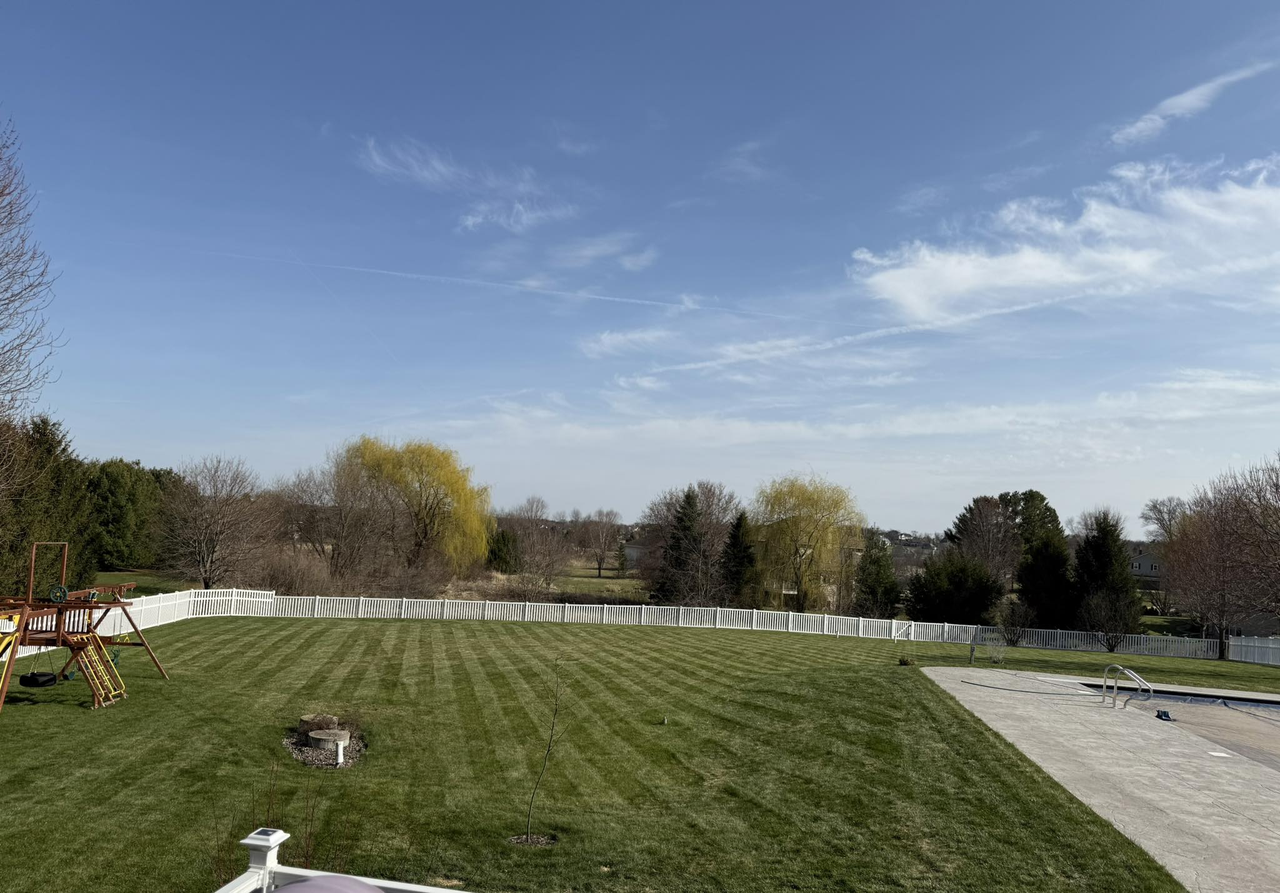
Yarbo is not just “designed for large and complex courtyards” — it’s engineered to master them. The mower can confidently handle slopes up to 35° (70% grade), far beyond the limits of most traditional robot mowers. The Snow Blower module is specially optimized for winter performance, managing inclines of up to 36% (21°) even in icy or slippery conditions.
What makes this possible is Yarbo’s torsion-flexible mower frame and patented all-terrain track system, which automatically adapts to uneven ground, dips, roots, and rugged terrain. This advanced design ensures continuous traction and stability, whether it’s navigating soft soil, thick grass, or sloped driveways.
When it comes to coverage, Yarbo is built for big yards and estates. With scheduled cycle mowing, it can maintain up to 6 acres (25,000 m²), making it one of the most capable solutions on the market for homeowners with expansive or complex properties.
-
Modular Expansion: Converts into a snow blower or leaf blower.
Power, Battery Life, and Performance Considerations
Yarbo’s mowing robot is built with high-capacity batteries, ensuring extended runtime per charge. With smart charging technology, it can resume work seamlessly without wasting energy.
Performance highlights:
-
Handles long grass efficiently.
-
Adjustable cutting height ensures a tailored lawn finish.
-
Optimized blades reduce energy consumption while providing sharp cuts.
Safety Features for Families, Pets, and Property
Safety is a top priority for mowing robots. Yarbo includes:
-
Lift & Tilt Sensors: Blades stop instantly if lifted.
-
Collision Sensors: Detects and avoids obstacles.
-
Child & Pet Safety: AI ensures safe navigation around moving objects.
-
Low Noise: Safer for neighborhoods and families.
Cost vs. Value: Are Mowing Robots Worth the Investment?
Total Cost of Ownership: Why Yarbo Pays for Itself
While Yarbo requires a higher upfront investment compared to traditional mowers, the value becomes clear when looking at the long-term numbers. A fully equipped Yarbo package (Core + Mower, Snow Blower, and Leaf Blower modules) ranges from $6,999 to $9,700.
Now compare this to the ongoing costs of professional yard services:
-
Lawn care services typically cost around $150–$250 per month during mowing season.
-
Snow removal services can add another $50–$100 per visit, which easily totals $600–$1,000+ per season in snowy regions.
-
Combined, many homeowners spend $2,400–$3,500 per year on contractors just for mowing and snow clearing.
At that rate, Yarbo’s investment pays for itself in 2–3 years through contractor fee savings alone.
On top of that, Yarbo consolidates equipment. Instead of buying and maintaining three separate machines — a lawn mower (~$2,000 for a high-end model), a snow blower (~$1,500–$2,500), and a leaf blower ($300–$800) — Yarbo delivers all three functions in one modular system. Over time, that’s a savings of thousands of dollars, not to mention reduced storage, fuel, and maintenance costs.
When viewed through Total Cost of Ownership (TCO), Yarbo isn’t just a purchase — it’s an investment that pays back quickly while adding convenience and automation.
Environmental Benefits of Switching to a Lawn Cutter Robot
-
Zero Emissions: Unlike gas mowers, robots are electric.
-
Reduced Noise Pollution: Operates quietly.
-
Efficient Energy Use: Consumes less energy than traditional equipment.
-
Sustainable Lawn Care: Regular mowing encourages natural growth cycles.
Real-World Torture Tests & Diverse Application Scenarios
Yarbo isn’t tested only in picture-perfect lawns — it’s proven in real-world torture tests where most machines fail. Instead of staged demos, Yarbo’s performance has been showcased in the toughest conditions homeowners worry about:
-
Icy Slopes: Climbs and operates on 18° frozen, slippery inclines without losing traction.
-
Muddy Grass & Wet Conditions: Keeps mowing even when the ground is soft and saturated, where traditional wheels would sink or stall.
-
Gravel Driveways & Mixed Surfaces: Smoothly transitions across gravel, pavement, and turf without needing manual intervention.
-
Dense Tree Areas & Signal Challenges: Thanks to RTK-GPS with dual antennas and AI vision, Yarbo maintains centimeter-level precision even under tree cover or in complex courtyards.
-
Vineyards & Terraced Lawns: Handles narrow rows, terraces, and multiple slope levels — showing its adaptability to commercial or non-traditional lawn layouts.
By highlighting these non-standard scenarios, Yarbo builds trust with homeowners who know their yards aren’t “perfect test fields.” It demonstrates that Yarbo isn’t just for suburban lawns — it’s engineered for real properties with real challenges.
How to Maintain Your Grass Mower Robot for Longevity?
-
Clean the Blades Regularly – Prevents clogging and improves efficiency.
-
Check Wheels & Sensors – Remove dirt or grass build-up.
-
Update Firmware – Keep software up-to-date for best performance.
-
Battery Care – Charge properly and store correctly in winter.
Conclusion
A grass mower robot is more than just a gadget—it’s a lifestyle upgrade. By saving time, ensuring precision, and promoting sustainability, mowing robots are transforming lawn care. And with Yarbo’s advanced modular system, homeowners don’t just get a mower—they get a complete yard management solution.
Future of Mowing Robots: AI and Smart Yard Integration
The future of mowing robots looks promising, with trends such as:
-
AI-Powered Learning: Robots that adapt to lawn growth patterns.
-
Full Smart Home Integration: Voice commands and IoT compatibility.
-
Sustainability Focus: Solar-powered charging stations.
-
Multi-Functionality: More modular designs, like Yarbo’s, to handle all yard tasks.
If you’re ready to embrace the future of effortless lawn care, Yarbo is a clear choice.
FAQs
1. How long does a grass mower robot last?
With proper maintenance, most robots last 5–10 years.
With proper maintenance, most robots last 5–10 years.
2. Can mowing robots handle tall grass?
Yes, Yarbo’s new robot lawn mower pro is specifically designed to cut tall and dense grass.
Yes, Yarbo’s new robot lawn mower pro is specifically designed to cut tall and dense grass.
3. Do I need to install boundary wires?
Not with Yarbo. It uses GPS for wire-free operation.
Not with Yarbo. It uses GPS for wire-free operation.
4. Are grass mower robots safe for pets?
Absolutely. They have sensors to stop instantly if pets are nearby.
Absolutely. They have sensors to stop instantly if pets are nearby.
5. How much lawn can Yarbo’s mower cover?
It’s designed for large yards and complex courtyards, making it suitable for expansive properties.
It’s designed for large yards and complex courtyards, making it suitable for expansive properties.
6. Do mowing robots work in rain?
They typically pause during heavy rain and resume once conditions improve.
They typically pause during heavy rain and resume once conditions improve.
-7.png?w=1001&h=621)
 Private group · 33.0K members