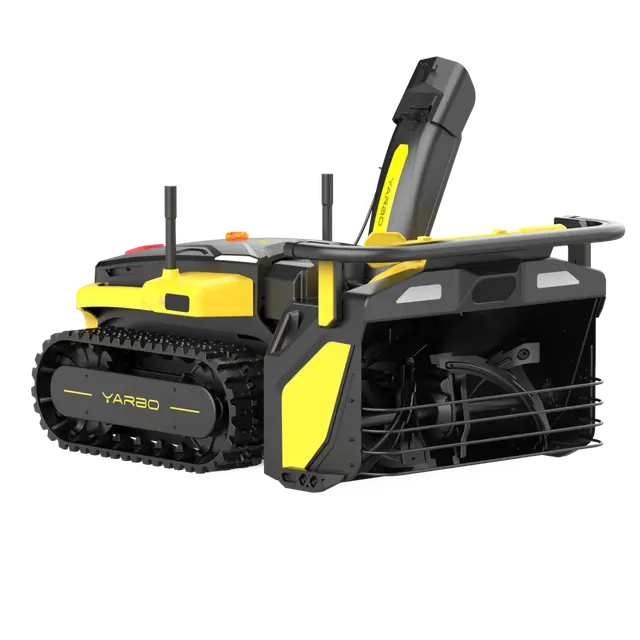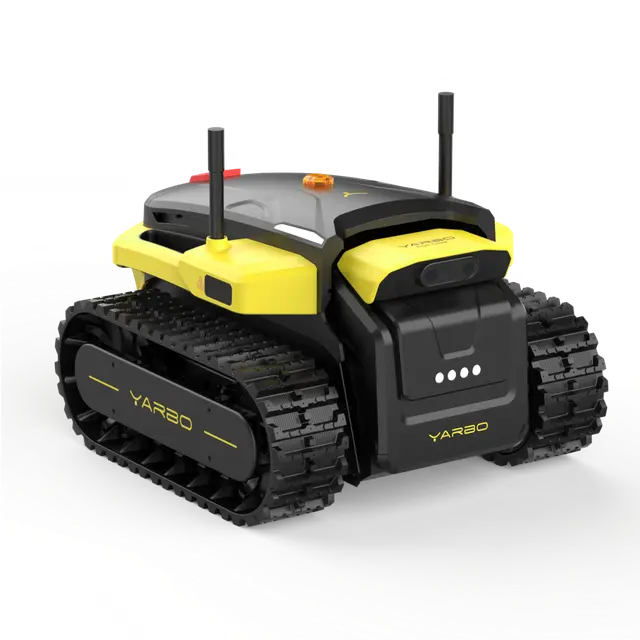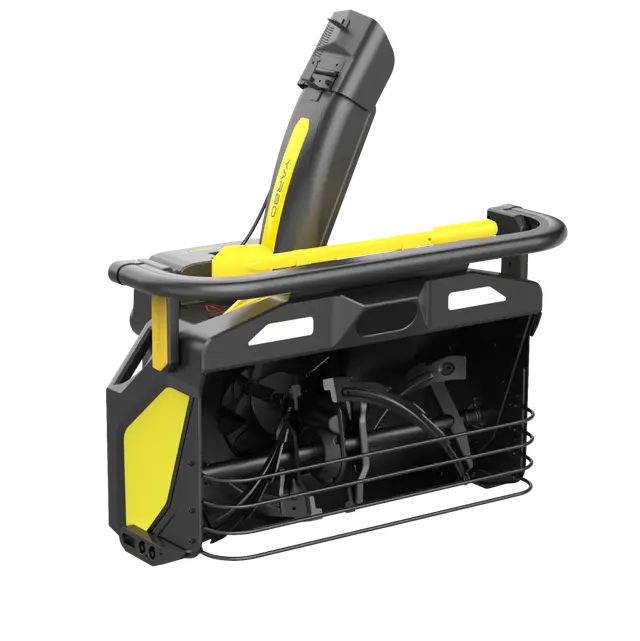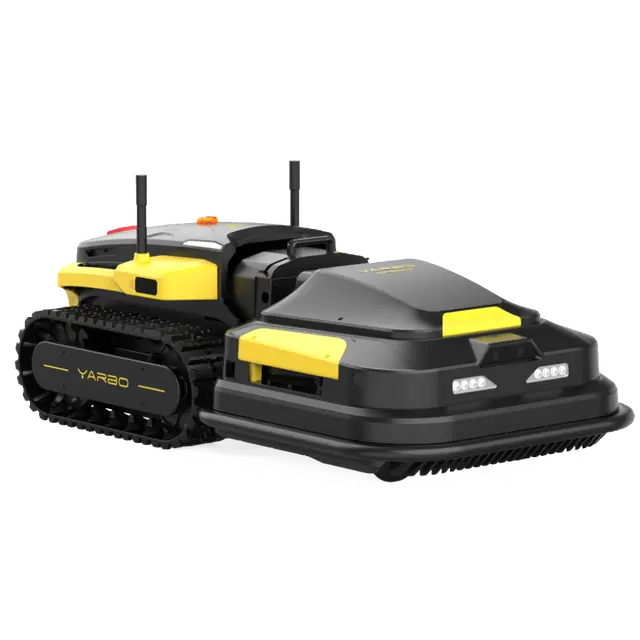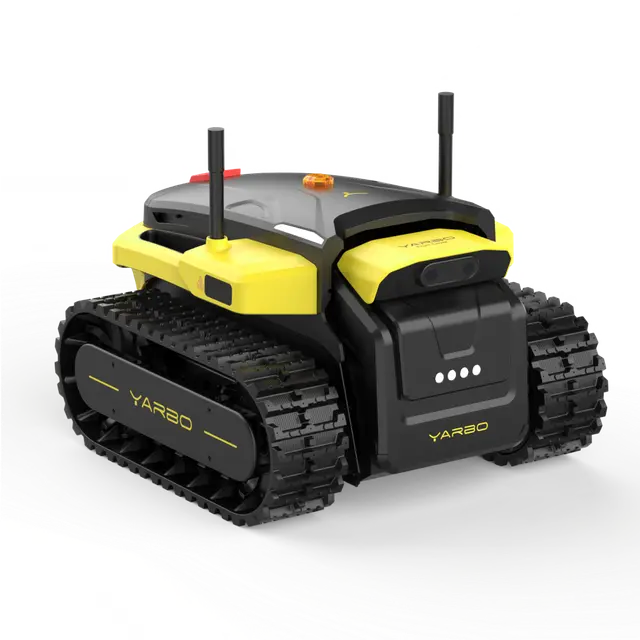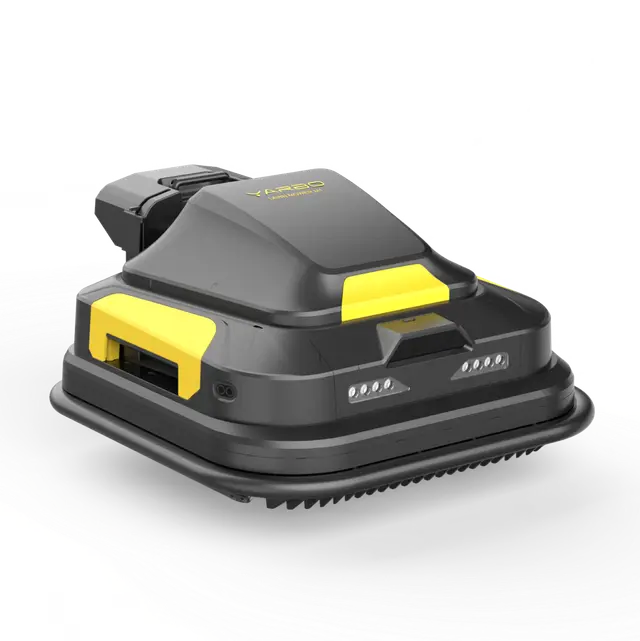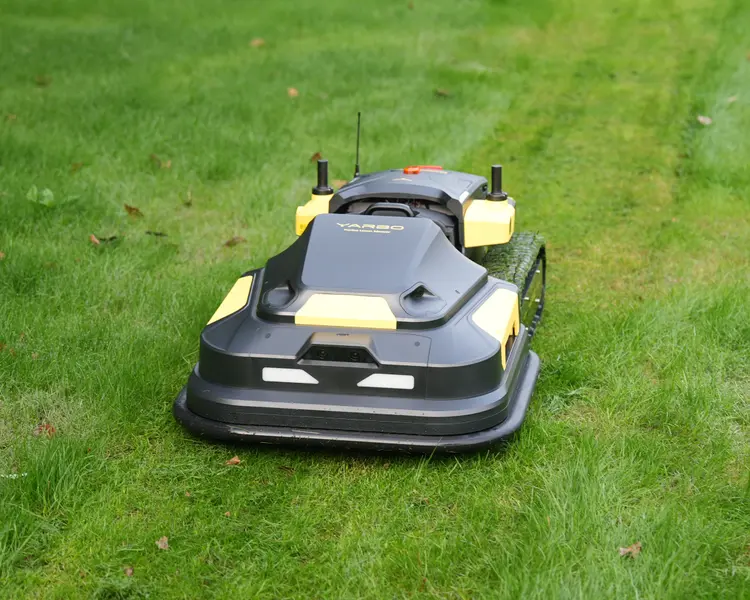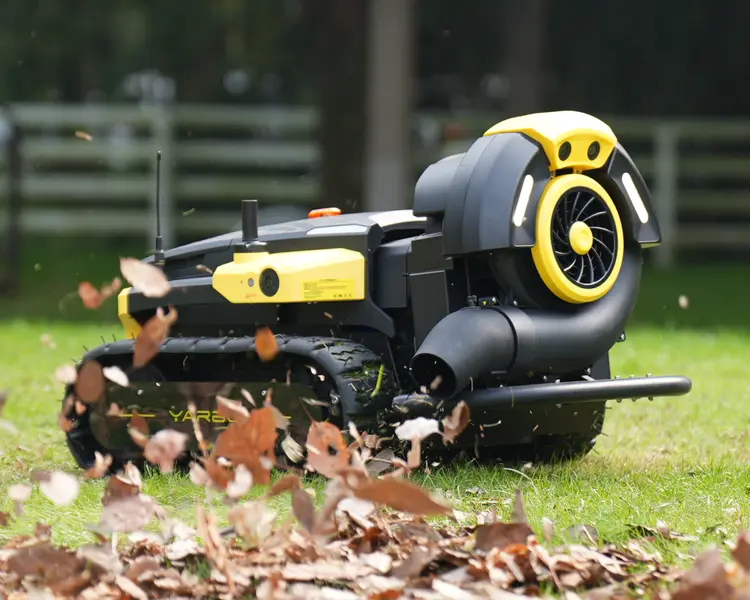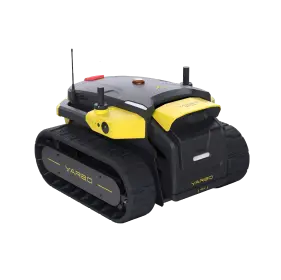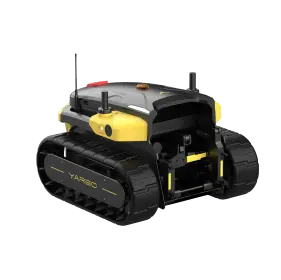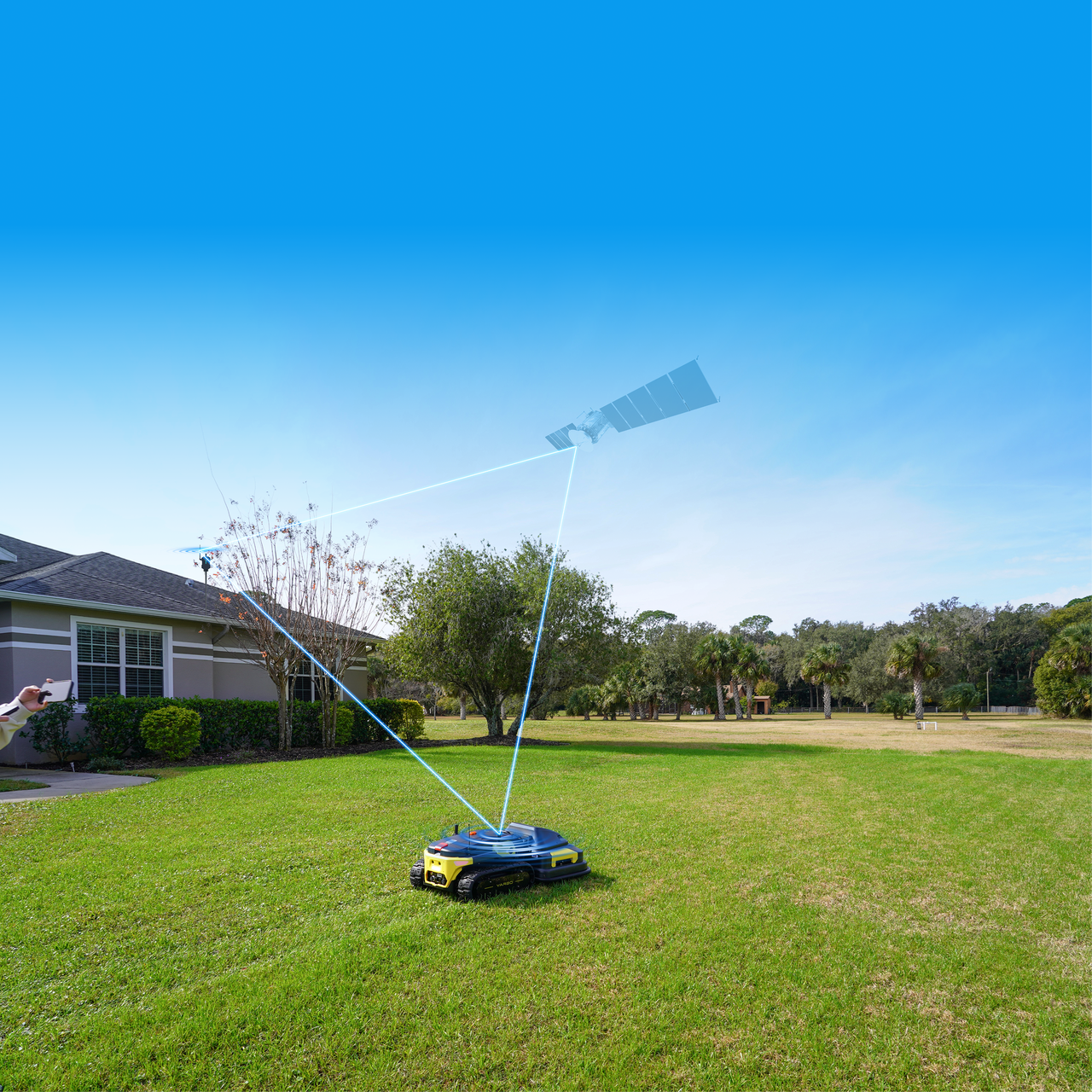
The lawn care industry is rapidly evolving. Gone are the days when maintaining a perfect yard meant hours of manual mowing or relying on costly lawn care services. With innovations like the GPS lawn mower robot, homeowners now enjoy precision mowing with little effort. A common question, however, is whether advanced robotic mowers like Yarbo can consistently get a strong RTK signal in different types of yards.
This article explores how Yarbo uses cutting-edge RTK technology, how it compares to traditional mowers, and whether your lawn is suitable for a robot lawn mower without perimeter wire.
Table of Contents:
What is a GPS Lawn Mower?
A GPS lawn mower is a robotic mower that relies on satellite positioning systems to navigate your lawn. Unlike older models, these do not depend solely on boundary wires. Instead, they use advanced mapping and real-time kinematics (RTK) to deliver high-accuracy mowing.
Traditional Lawn Mowers vs. GPS Lawn Mower Robots
-
Traditional mowers: Require manual operation, physical effort, and fuel or battery charging.
-
GPS mower robots: Operate autonomously, use precise mapping, and save significant time.
Key Benefits of a Robot Lawn Mower Without Perimeter Wire
-
No installation hassles from buried wires.
-
Smarter navigation and efficient mowing patterns.
-
Greater adaptability for complex yard layouts.
-
Reduced maintenance and long-term costs.
How Does RTK GPS Work in a Lawn Setting?
RTK (Real-Time Kinematic) GPS improves positioning accuracy by using correction signals from a reference station. In practical terms, this allows Yarbo to mow within centimeter-level precision, ensuring every inch of grass is covered.
Why RTK is a Game-Changer for GPS Lawn Mower Robots
-
High Accuracy: Perfect lawn striping with minimal overlap.
-
Efficiency: Reduced time and energy consumption.
-
Consistency: Reliable performance across different terrains.
How Yarbo Uses RTK for Precision Lawn Care?
Yarbo’s RTK system includes:
-
A robotic unit with a built-in RTK receiver.
-
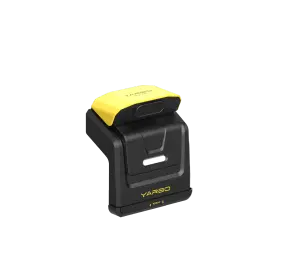
A base station, which q2is typically placed on your property near the mower’s charging dock.
-
Communication with GNSS (Global Navigation Satellite Systems) like GPS, GLONASS, Galileo, and BeiDou.
The base station receives satellite signals, then transmits correction data to the mower in real-time — reducing position errors to just 1–2 centimeters.
This level of precision is what allows Yarbo to:
-
Operate without perimeter wires.
-
Mow in tight, complex zones.
-
Stop exactly at a zone boundary.
-
Seamlessly resume mowing after charging.
Factors That Influence RTK Signal Strength
Obstructions and Interference
-
Tall Trees or Dense Foliage Can block or reflect satellite signals, especially when wet or thick with leaves.
-
Buildings or Fences Metal sheds, tall homes, or thick privacy fences may interfere with the line of sight to satellites.
-
Heavy Cloud Cover Rarely causes signal loss but may reduce signal quality when combined with other obstructions.
Yard Size and Complexity
Hills or valleys may create blind spots depending on satellite position. While smaller yards are easier to cover, Yarbo’s system is designed for both compact lawns and large properties.

Local Weather and Environmental Conditions
Heavy rain, storms, or snow may temporarily affect signal quality, though Yarbo is engineered to adapt and recalibrate.
Just like your Wi-Fi signal can be blocked by walls, RTK signals can be influenced by environmental obstructions.
Good news? Yarbo is designed to handle most residential landscapes — and there are practical ways to optimize performance.
Yarbo’s Advanced GPS System
How Yarbo Optimizes RTK Signal Reception?
Yarbo uses dual-frequency GPS and advanced antennas that lock onto satellites faster and maintain signal stability, even in challenging conditions.
Coverage Capacity: Small Yards vs. Large Properties
Whether you own a suburban yard or a sprawling estate, Yarbo can mow efficiently without needing boundary wires.
Can Yarbo Get RTK Signal in Tree-Covered Yards?
Short answer: Yes, in most cases — with smart placement. Yarbo has been tested in real-world environments including:
-
Suburban yards with scattered trees
-
Densely wooded rural properties
-
Homes with tall hedges and fences
By strategically placing the base station, Yarbo can still achieve a clean signal in moderately shaded areas.
Pro Tips for Tree-Covered Lawns:
-
Place the RTK base station on a rooftop or open area.
-
Keep it above surrounding obstacles, like sheds or garden furniture.
-
Ensure a clear sky view at least 120° in all directions.
If dense foliage covers the entire lawn, consider mowing during midday hours, when satellites are better aligned overhead.
Robot Lawn Mower Without Perimeter Wire: Is It Reliable?
Pros of Wire-Free Navigation
-
Easier setup and relocation.
-
Smart boundary detection.
-
Customizable mowing zones.
Common Concerns and Misconceptions
Some homeowners worry about accuracy or reliability without perimeter wires. Thanks to RTK GPS, Yarbo delivers precise and dependable results, even on complex terrains.
Real-World Yarbo Performance
Here’s what some Yarbo users are saying:
🗣️ “I was skeptical — we’ve got a big maple and pine that shade most of the backyard. But Yarbo still mapped our zones and hasn’t missed a boundary once.” — James, Michigan
🗣️ “Had trouble the first day, then I raised the base station on my shed roof — works flawlessly now!” — Emily, Oregon
🗣️ “My previous robot needed wires and still got stuck. Yarbo handles my tiered lawn with trees better than expected.” — Rick, New Jersey
These testimonials echo what Yarbo engineers designed for: real homes, real trees, real performance.
How to Optimize RTK Signal in Your Lawn?
If you want Yarbo to shine in your yard, here’s how to guarantee a strong RTK connection:
RTK Base Station Setup Tips
-
Mount it at least 2 meters off the ground
-
Ensure wide sky visibility — avoid placing it near tall structures
-
Keep it within 200 meters of your mowing area
Boosting Signal Strength
-
Consider a pole mount or tripod for height
-
Use Yarbo’s signal diagnostics tool during setup
-
Avoid reflective surfaces like glass, water features, or metal sheds nearby
Yarbo RTK vs Competitor Systems
Let’s compare Yarbo’s RTK tech with others in the robotic mower space:
| Feature | Yarbo | Mammotion LUBA | Worx Landroid | Husqvarna Automower |
| RTK GPS | ✅ Yes | ✅ Yes | ❌ No | ✅ Only in NERA Series |
| Wire-Free Setup | ✅ Yes | ✅ Yes | ❌ No | ✅ Some Models |
| Obstacle Avoidance | ✅ AI Vision + Sensors | Basic Bumper | Basic Bumper | Ultrasonic (Optional) |
| Lawn Size Support | Up to 1.5 Acres | Up to 1 Acre | Up to 0.25 Acre | Up to 1.25 Acres |
| Tree Signal Handling | 🟢 Excellent (elevated RTK base) | 🟡 Good | 🔴 Poor | 🟡 Average |
Yarbo doesn’t just match — it leads in most RTK signal and terrain handling categories.
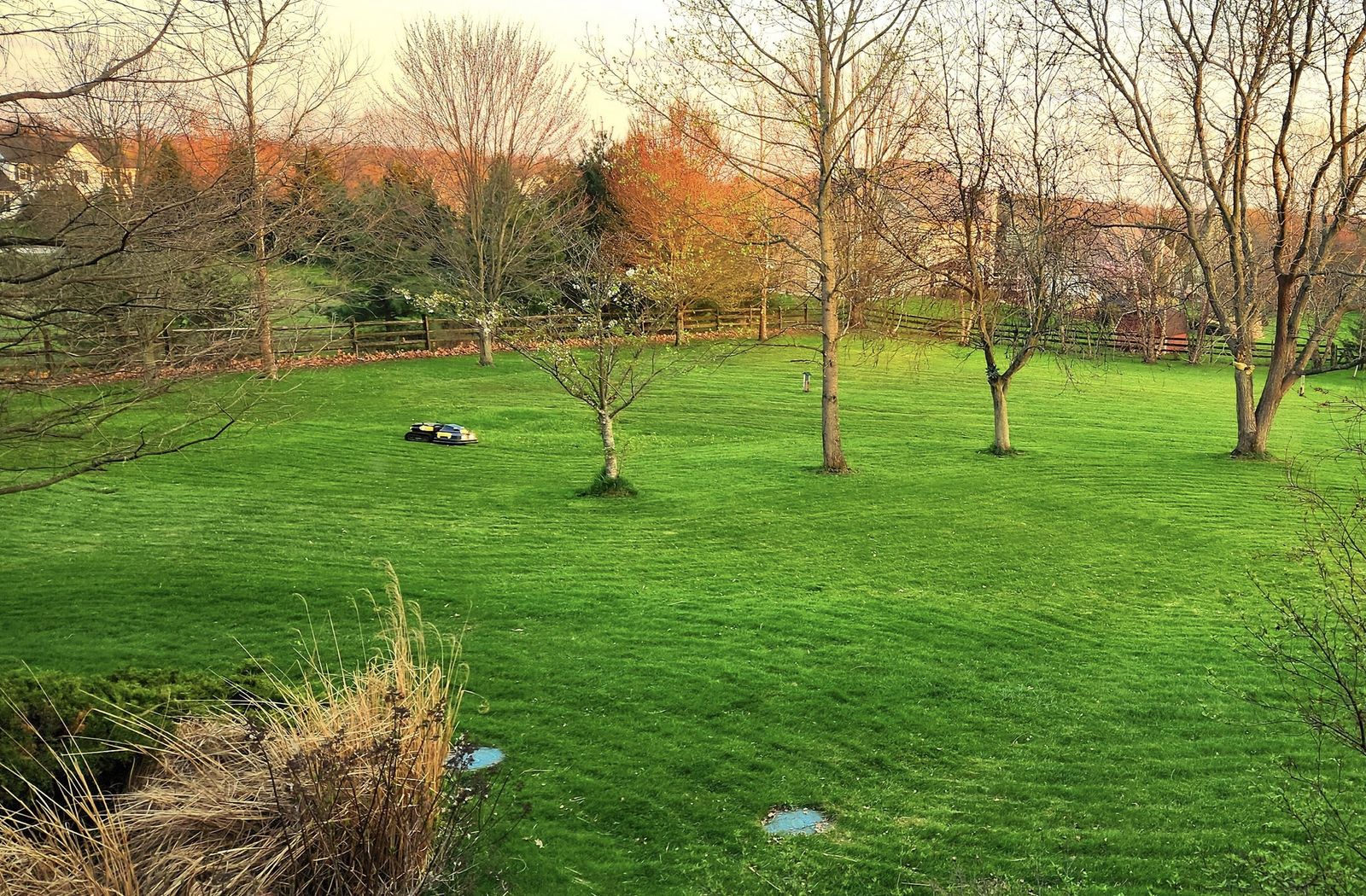
When to Use Yarbo’s PPVS (Precise Positioning Vision System)
Yarbo is equipped with a unique fusion navigation system called PPVS (Precise Positioning Vision System), designed to maintain reliable navigation even in challenging environments where satellite communication is unstable or unavailable.
How it works:
How it works:
-
RTK-GPS for high-precision positioning
-
Computer Vision with dual cameras for obstacle recognition and path guidance
-
ODOM technology for movement tracking
-
IMU sensors for stable directional control
When satellite signals are blocked—such as under dense foliage, between tall buildings, or in GPS blind spots—PPVS ensures the mower continues operating safely and accurately. Its multi-sensor fusion allows Yarbo to adapt in real time, reducing the risk of drifting off course or damaging sensitive areas like garden beds.
Working without satellite communication: In conditions where GPS is lost, Yarbo relies on computer vision and ODOM technologies to navigate. While this provides reliable operation, the accuracy may vary depending on environmental complexity.
For instance, in dense forests or narrow passageways, Yarbo may require virtual maps or manual path adjustments to maintain consistent coverage.
Offline mode explained: If RTK correction data is briefly interrupted (e.g., due to network fluctuations), Yarbo can enter an “offline mode.”
In this state, it continues executing its work plan using HaLow connectivity between the Data Center (DC) and the mower. Once the connection stabilizes, Yarbo seamlessly returns to full RTK-assisted navigation.
Key takeaway: Yarbo’s PPVS ensures that even without satellite communication, the mower can continue operating safely using visual and ODOM guidance.
However, in extremely obstructed environments, performance may be limited, requiring occasional manual support or pre-defined mapping for best results.
Benefits of a Strong RTK Signal
Getting a clear RTK signal isn’t just about boundaries. It powers Yarbo’s best features:
-
Flawless edge mowing
-
No go-zone enforcement
-
Auto-resume after charging
-
Cut path optimization
-
No perimeter wire needed
Simply put, RTK = smarter, faster, cleaner lawn care.
Conclusion
A GPS lawn mower robot without perimeter wire is more than just a convenience—it’s the future of yard care. Yarbo leverages RTK GPS technology to deliver unmatched accuracy, efficiency, and adaptability for modern homeowners. While signal strength depends on factors like obstructions and weather, Yarbo’s advanced system ensures reliable mowing across various yard types.
If you’re searching for a robot lawn mower without perimeter wire that can handle both small and large lawns, Yarbo is a powerful and future-ready solution.
FAQs
-
Can a GPS lawn mower work without perimeter wires?
Yes, advanced models like Yarbo use RTK GPS, making perimeter wires unnecessary. -
How accurate is RTK GPS for lawn mowing?
RTK GPS offers centimeter-level accuracy, ensuring Yarbo cuts evenly. -
Will trees or fences block the RTK signal?
Obstructions can reduce signal strength, but Yarbo’s dual-satellite system minimizes disruptions. -
Is a GPS lawn mower robot suitable for large properties?
Absolutely. Yarbo is designed for both small yards and expansive estates. -
Does weather affect RTK performance?
Severe weather may temporarily impact signal strength, but Yarbo’s adaptive system recalibrates quickly. -
How does Yarbo compare to other GPS mowers?
Yarbo stands out for its heavy-duty design, wire-free setup, and advanced RTK GPS performance.
-7.png?w=1001&h=621)
 Private group · 33.0K members