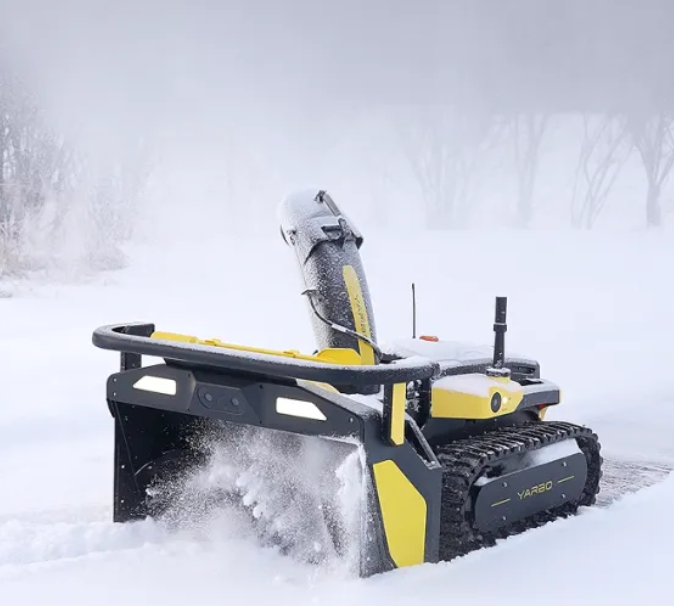
Learning storing snowblower and winterize it for an easy start correctly ensures both safety and efficiency. Many homeowners purchase a snow blower only to find that improper use leads to clogged chutes, uneven clearing, or even damaged driveways. By following the right steps, you can make snow removal faster and safer.
Table of Contents
Before you start, clear your driveway or walkway of rocks, toys, or debris that could get caught in the auger. Always wear protective gear such as gloves and goggles. Position the chute in the direction you want snow to discharge, ideally downwind to avoid snow blowing back at you.
Operate the snow blower at a steady pace. Going too fast can overload the machine, while going too slow reduces efficiency. For deep or heavy snow, use overlapping passes to make sure the path is fully cleared. On gravel driveways, raise the skid shoes slightly to avoid picking up stones.
If your snow blower clogs, never use your hands to clear it. Always turn off the machine and use a clean-out tool or stick. Following these basic steps not only extends your blower’s lifespan but also reduces the risk of injury.
Storing Snowblower: Best Practices to Preserve Your Machine
Once the snow season winds down, storing your snowblower properly is crucial. Many people mistakenly leave their machines dirty and filled with old fuel, which leads to rust, corrosion, and carburetor clogs.
The first step is cleaning. Snow, salt, and dirt should be washed off with warm water and mild soap. Dry the unit completely to prevent moisture from causing rust. Next, focus on fuel.
Gasoline left sitting for months can go stale, damaging internal components. Either drain the fuel tank entirely or add a stabilizer to keep it fresh.
Storing snowblower in a cool, dry area like a garage or shed. Avoid damp basements or open outdoor spaces, as moisture accelerates wear. A breathable, waterproof cover is recommended to protect against dust and rust.
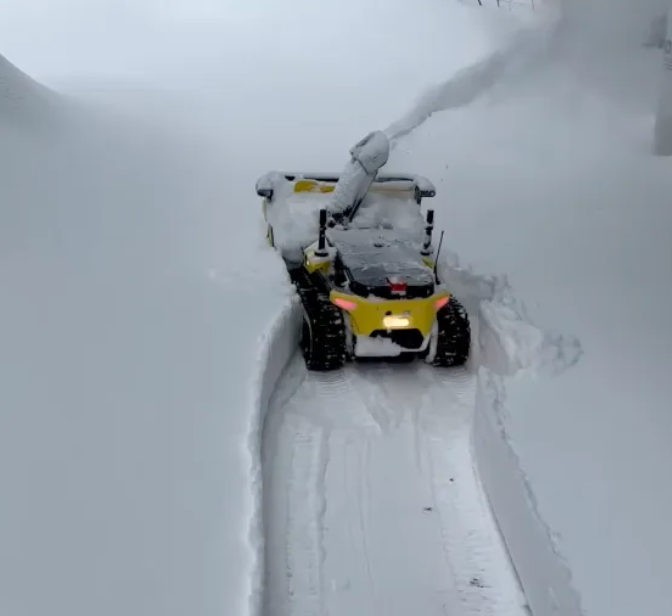
For homeowners with limited storage space, consider folding handles or compact models. If storage is outdoors, elevate the blower on wooden planks to prevent contact with wet ground. By following these practices, your snow blower remains ready for service when the next storm arrives.
Yarbo's Smart Storing Approach
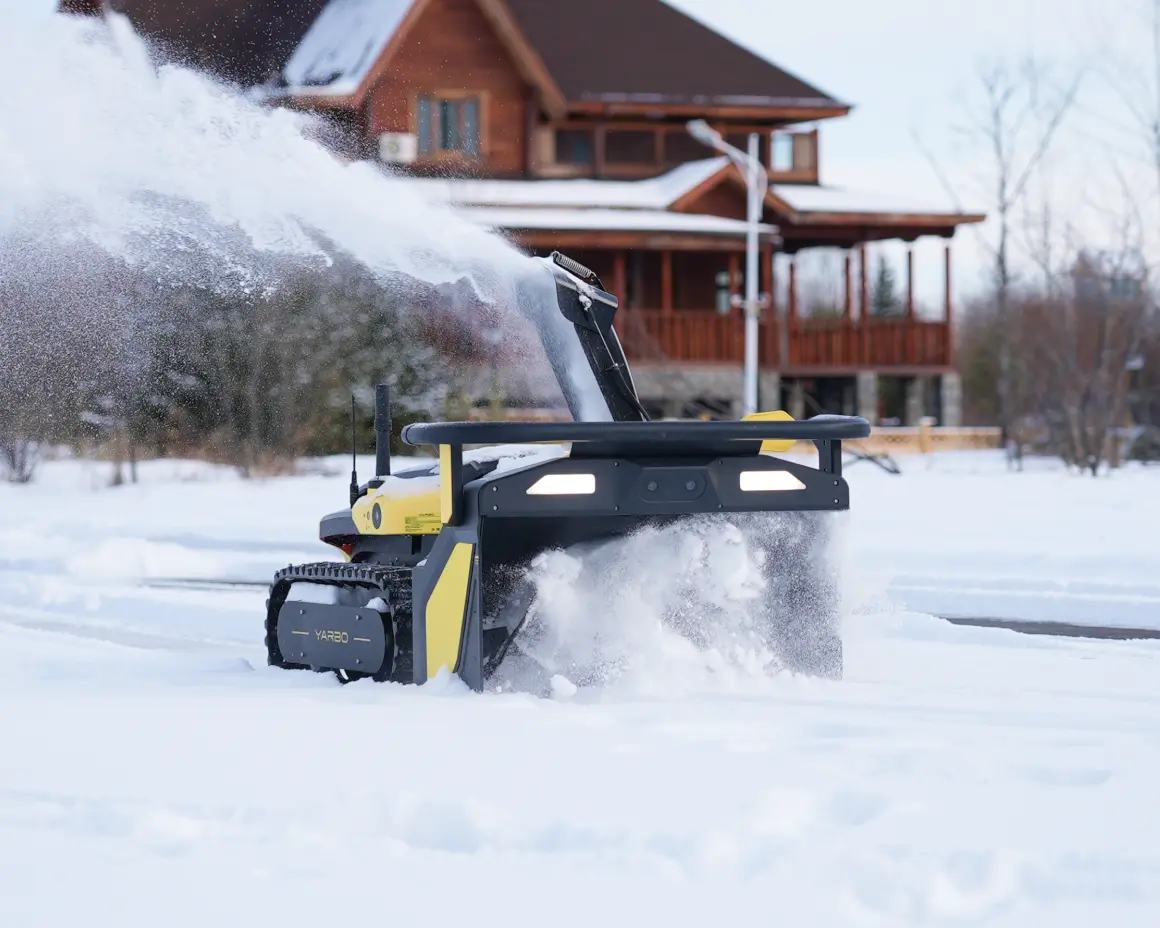
While traditional snowblowers demand careful cleaning and fuel management, Yarbo's modular and electric design significantly simplifies this process.
-
Cleaning:
Just like any equipment, your Yarbo Snow Blower module should be cleaned of snow, salt, and dirt with warm water and mild soap. Ensure it's dried completely to prevent rust, as its IPX5 waterproof rating ensures it can handle wet conditions. -
No Fuel Hassles:
This is where Yarbo truly shines. Unlike gas-powered machines where stale fuel leads to carburetor clogs and damage, Yarbo runs entirely on a 36V/38.4Ah lithium-ion battery. This means no draining, no stabilizers, and no worries about gasoline degradation.
You simply ensure the battery is at an appropriate storage charge level. -
Modular Storage Advantage:
One of the biggest pain points for large yard owners is managing multiple bulky seasonal tools. With Yarbo, you have one Yarbo Core unit that integrates with various modules. This means your garage isn't cluttered with separate mowers, blowers, and snowblowers.
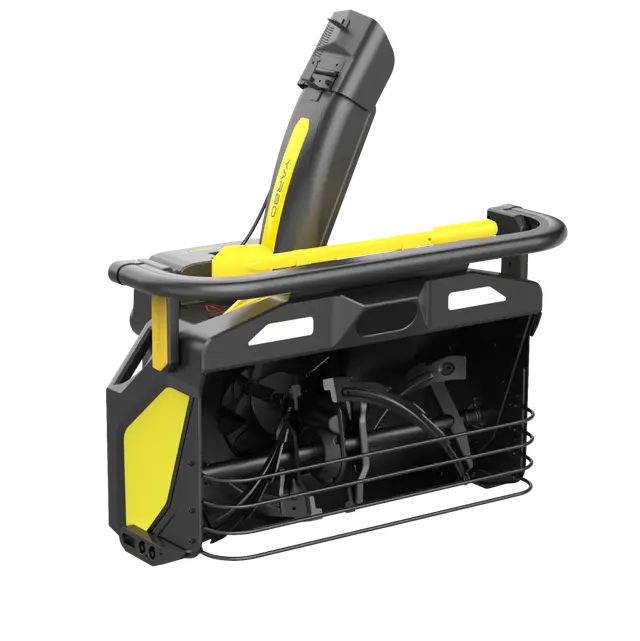
You store the compact Snow Blower module separately from the Core, freeing up significant space. It's the ultimate "one solution" for year-round maintenance, reducing equipment purchase costs and saving storage space. -
Durable Design for Any Environment:
Yarbo is built for North America's harshest conditions, with extreme temperature resilience from -25°C to 45°C, and even operation as low as -40°C with heating modules when powered on. Its rugged, heavy-duty build means you have less to worry about regarding environmental wear during storage.
While a breathable cover is still recommended for dust protection, the core unit and modules are designed to endure.
How to Winterize a Snow Blower: Step-by-Step Guide
Knowing how to winterize a snow blower is just as important as learning how to use it. Winterizing ensures the machine will start easily next year without costly repairs. Here’s a step-by-step maintenance tips:
-
Drain or Stabilize Fuel – Either run the tank empty or add fuel stabilizer to prevent carburetor buildup.
-
Change the Oil – Fresh oil protects the engine from corrosion during storage.
-
Check Spark Plug – Replace if dirty or corroded to guarantee a strong start.
-
Inspect Belts and Auger – Look for cracks, frays, or worn parts. Replace if necessary.
-
Lubricate Moving Parts – Apply lubricant to bearings, chute, and cables to prevent seizing.
-
Clean Thoroughly – Remove all salt and snow residue to avoid rust.
-
Store Correctly – Cover and place in a dry, sheltered area.
By completing these tasks, you ensure your blower fires up easily when the first snow falls again. Skipping even one step could lead to breakdowns, sluggish starts, or expensive repairs.
Winterizing Made Simple with Yarbo
The traditional list of winterizing steps can be daunting, but Yarbo’s electric and smart design dramatically streamlines this process, ensuring your robot is ready for next season with minimal effort.
Here’s how Yarbo simplifies typical winterization:
-
No Fuel to Drain or Stabilize: As an electric robot, Yarbo completely eliminates steps 1 (Drain or Stabilize Fuel) from traditional winterization guides.
-
No Oil Changes, No Spark Plugs: Yarbo's advanced electric motors mean there's no engine oil to change (step 2) or spark plugs to check or replace (step 3). This saves you time and money on fluids and parts.
-
Simplified Inspections: You'll still want to inspect belts and the auger (step 4) for any wear or damage, just as you would with any heavy-duty equipment. Yarbo's robust, heavy-duty build is designed for durability, but regular visual checks are always good practice.
-
Lubrication: While Yarbo's advanced design minimizes many mechanical parts found in traditional snowblowers, lubricating any exposed moving parts (step 5) like the chute mechanism is a good habit to prevent seizing, ensuring smooth operation.
-
Thorough Cleaning: Cleaning all salt and snow residue (step 6) is vital for any snowblower, including Yarbo, to prevent rust and maintain its integrity.
-
Smart Storage: Place your Yarbo Core and Snow Blower module in a dry, sheltered area (step 7). Its cold-resistant battery can work in extreme temperatures, but storing it properly helps preserve its lifespan. Remember, with Yarbo, you’re storing a modular system, not multiple standalone machines, which reduces clutter.
Extra Tips for Easy Starts Next Season
Beyond the basics, a few extra measures can make a big difference. For example, keep a maintenance log so you know when oil, spark plugs, or belts were last replaced. Consider upgrading to ethanol-free fuel, as ethanol tends to absorb moisture and damage carburetors.
.png?w=1280&h=720)
Check tire pressure before storage, since deflated tires can crack over time. If your blower has a battery, disconnect and store it indoors in a climate-controlled environment. Finally, spray the auger housing with a rust-preventive coating or silicone spray. This not only protects against rust but also prevents snow from sticking during use.
These small details often separate a blower that starts instantly from one that requires hours of troubleshooting.
Common Pitfalls When Storing Snowblower
Even seasoned homeowners make mistakes with snow blower maintenance. Some of the most common include:
-
Leaving untreated fuel in the tank
-
Storing the blower uncovered in damp areas
-
Neglecting oil changes for multiple seasons
-
Using hands to clear clogs instead of a clean-out tool
-
Forgetting to lubricate moving parts before storage
Each of these errors shortens your machine’s lifespan and makes it less reliable. Avoiding them ensures your investment lasts for many winters.
Yarbo's Year-Round, Hands-Free Yard Care
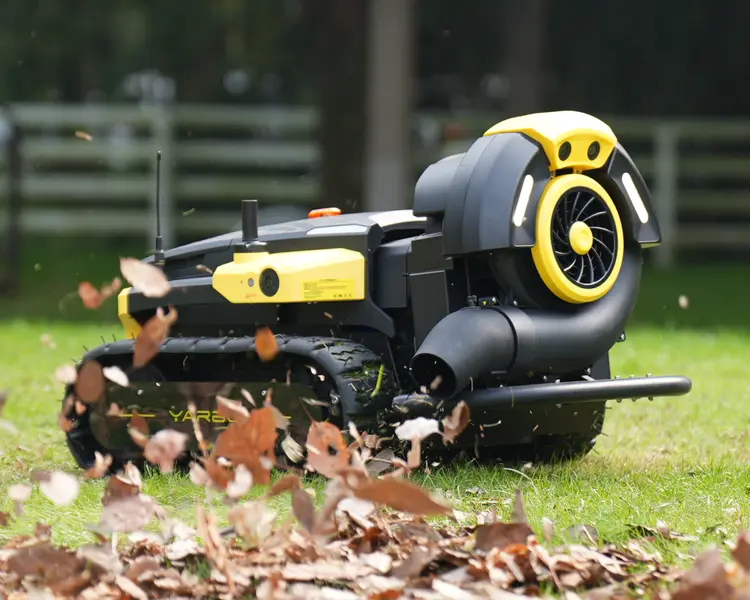
Beyond just simplifying winter storage, Yarbo is engineered for intelligent automation and year-round versatility. Its wireless automatic charging system avoids direct contact, enhancing safety and efficiency. Once the snow blower module is stored, you can quickly switch to the lawn mower or leaf blower module on the same Yarbo Core unit. This means your investment works for you across all seasons, from clearing snow and leaves to meticulously mowing up to 6 acres.
Users like @RCSparks Studio have noted, 'The Yarbo Snow Blower doesn't just clear snow - it redefines what's possible. Its advanced design and chilling intelligence are equal parts inspiring and eerie...'.
With Yarbo, you're not just buying a tool; you're investing in peace of mind, independence, and efficiency for your property.
Conclusion
Learning how to use a snow blower, understanding storing snowblower best practices, and knowing how to winterize a snow blower are three essential skills for every homeowner. When done right, your machine will last longer, start faster, and perform more efficiently when the next snowstorm hits.
Instead of struggling with clogs, dead batteries, or stale fuel, you’ll enjoy peace of mind knowing your snow blower is well-prepared. Proper care today ensures smooth, hassle-free winters tomorrow.
Frequently Asked Questions (FAQs)
Q1. How do you use a snow blower correctly?
To use a snow blower effectively, start by clearing obstacles, setting the proper chute direction, walking firmly behind the machine, and moving at a consistent pace.
To use a snow blower effectively, start by clearing obstacles, setting the proper chute direction, walking firmly behind the machine, and moving at a consistent pace.
Q2. What’s the best way to storing snowblower during off-season?
Store your snowblower in a dry, covered area, draining or stabilizing fuel, cleaning components, and using a breathable protective cover.
Store your snowblower in a dry, covered area, draining or stabilizing fuel, cleaning components, and using a breathable protective cover.
Q3. How do you winterize a snow blower before storing it?
Winterizing involves cleaning off salt and debris, draining or stabilizing fuel, changing oil, checking spark plugs, belts, auger, and skid shoes, then storing with care.
Winterizing involves cleaning off salt and debris, draining or stabilizing fuel, changing oil, checking spark plugs, belts, auger, and skid shoes, then storing with care.
Q4. Can improper winterizing affect how to use a snow blower next season?
Yes—neglecting winterizing can cause clogging, hard starts, wear on engine components, and reduced performance, impacting safe and efficient use.
Yes—neglecting winterizing can cause clogging, hard starts, wear on engine components, and reduced performance, impacting safe and efficient use.
Q5. How often should you check and replace belts and spark plugs when storing a snow blower?
Check them before storing each season; replace if cracked, frayed, corroded, or worn to ensure easy operation next winter.
Check them before storing each season; replace if cracked, frayed, corroded, or worn to ensure easy operation next winter.
Q6. Is there a recommended order among using, storing, and winterizing tasks?
Yes—first use the snow blower normally; after final use, clean it, then winterize using systematic steps before storing.
Yes—first use the snow blower normally; after final use, clean it, then winterize using systematic steps before storing.
-7.png?w=1001&h=621)
 Private group · 33.0K members