-1.png?w=1280&h=720)
Spring lawn care is the foundation for a lush, vibrant yard all year round. One of the most critical steps in the spring lawn care checklist is knowing exactly when to plant grass seeds.
Plant too early and frost might ruin your progress. Plant too late and the summer heat can scorch young grass. This guide will walk you through early spring lawn care essentials, timing tips, tools, and proven strategies for growing a greener lawn.
Table Of Contents:
Why Spring Lawn Care Matters?
After winter dormancy, your lawn wakes up hungry and vulnerable. If neglected in spring, it can become compacted, patchy, and prone to weeds or pests.
Spring lawn care isn't just about appearances—it’s about building resilience for the months ahead.
Benefits of proactive spring lawn care:
-
Reduces weed takeover
-
Promotes deep root systems
-
Enhances drought resistance
-
Keeps pests and diseases at bay
What’s The Best Time to Begin Spring Lawn Care?
Timing is everything. Ideally, begin your spring lawn care once soil temperatures consistently reach 50–65°F. That’s typically between late March and early May, depending on your region.
This temperature range sparks grass seed germination and soil biology activity.
Indicators to start spring lawn care:
-
Soil feels soft and workable
-
Forsythia and lilacs begin blooming
-
Daytime highs consistently in 60s (°F)
Spring Lawn Care Checklist for a Healthy Lawn
A thriving lawn in summer begins with the right care in spring. Whether you're a seasoned gardener or a first-time homeowner, this spring lawn care checklist ensures nothing gets overlooked.
From the soil beneath your feet to the tools you use, every detail matters.
Raking and Removing Debris
Once the snow melts and the ground begins to thaw, winter's leftovers become obvious. Fallen branches, matted leaves, and thatch buildup can block sunlight and trap moisture, creating breeding grounds for mold and disease.
Why it matters:
-
Raking stimulates the grass and breaks up soil crust.
-
Clearing out debris allows sunlight, oxygen, and nutrients to reach the soil.
-
It prevents fungal issues and pest infestations hiding under damp leaves.
.png?w=1280&h=720)
Best Practices:
-
Use a spring time rake with flexible metal tines to gently lift dead grass without ripping up healthy blades.
-
Remove leaves, twigs, and any trash that may have blown into the yard.
-
If you notice signs of snow mold (matted, white patches), lightly fluff the affected areas to encourage recovery.
Pro Tip: Don’t be too aggressive if your lawn is still soggy. Wait until the ground is firm to avoid root damage.
Soil Testing and Preparation
The success of your lawn hinges on your soil. Before planting, it's essential to understand what your grass will be growing in. A soil test reveals the pH level and nutrient profile, helping you make informed decisions about fertilization and amendments.
Why it matters:
-
If the pH is off, nutrients become inaccessible to plants.
-
Too much nitrogen or phosphorus can hinder growth or cause runoff pollution.
-
Organic matter levels tell you how well the soil can hold nutrients and moisture.

Action Steps:
-
Buy an inexpensive soil test kit from a garden center or online, or send a sample to your local extension service for a detailed report.
-
Target a neutral pH between 6.0 and 7.0, which supports most grass types.
-
Apply lime to raise pH or sulfur to lower it if needed.
-
If organic matter is low, incorporate compost or aged manure to enrich the soil naturally.
A well-balanced soil gives your seeds the perfect head start for strong root development.
Aeration and Dethatching
Compacted soil and thick thatch can suffocate your lawn, blocking the flow of air, water, and nutrients. Spring is a critical time to address both issues—especially if your lawn saw heavy foot traffic or snow cover during winter.

What’s the difference?
-
Aeration loosens compacted soil by punching small holes into the ground.
-
Dethatching removes the thick layer of dead roots and organic matter that builds up between soil and grass blades.
Why it matters:
-
Aeration improves water absorption and encourages deeper root growth.
-
Dethatching helps new grass seeds make direct contact with soil for successful germination.
-
Both processes improve fertilizer effectiveness.
How to do it:
-
For aeration, use:
-
A manual core aerator for small lawns.
-
A power aerator for large or heavily compacted areas.
-
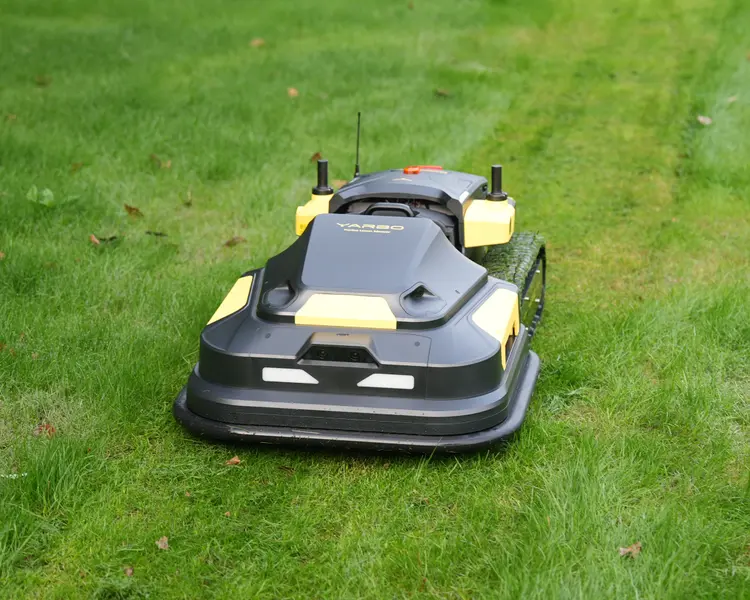
Or, go high-tech with the Yarbo Lawn Multi-Tool Robot, which autonomously aerates your lawn with precision.
-
-
For dethatching:
-
Use a thatching rake for light jobs.
-
Rent or purchase a power dethatcher for thick thatch layers.
-
When to aerate and dethatch:
-
For cool-season grasses: Early to mid-spring
-
For warm-season grasses: Late spring to early summer, just before peak growth
Pro Tip: Aerate when the soil is moist, but not saturated. Water your lawn the day before if necessary for better plug removal.
When Should You Plant Grass Seed in Spring?
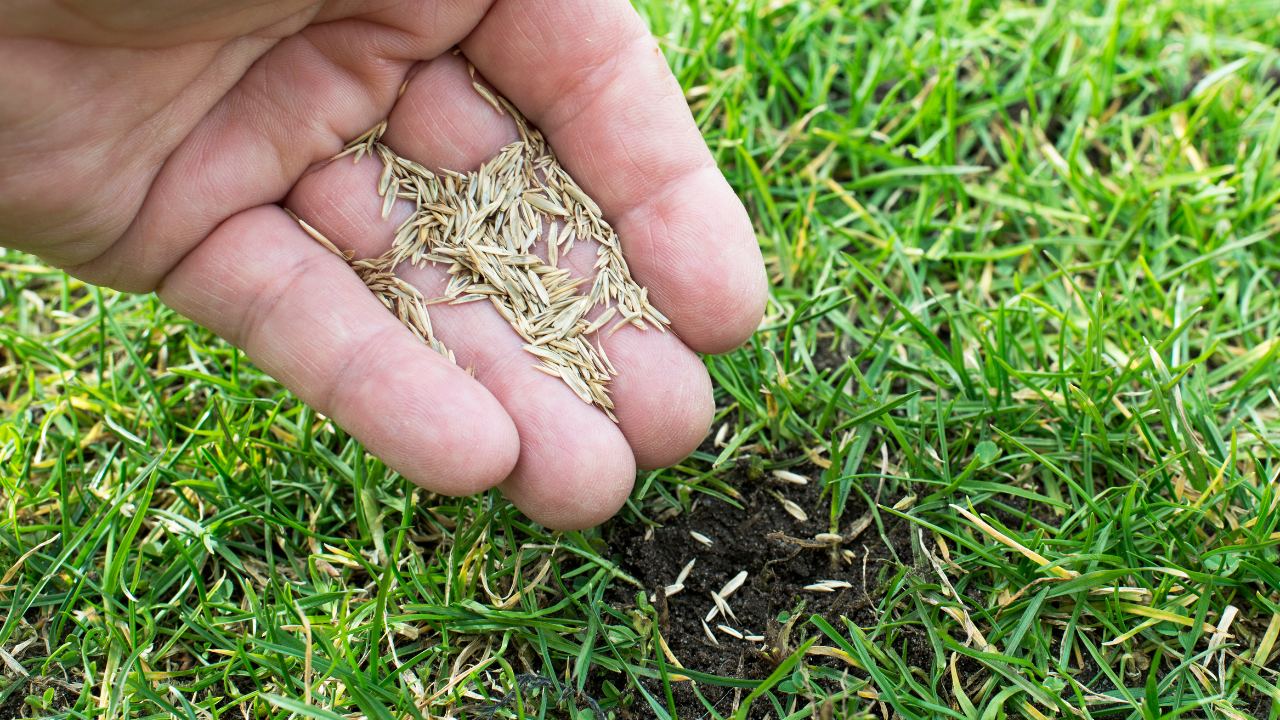
One of the most critical elements of spring lawn care is seeding at the right time. Whether you’re restoring bare patches or starting a new lawn from scratch, knowing when to plant grass seed in spring makes all the difference in germination success and long-term growth.
Timing depends on Grass Type and Region
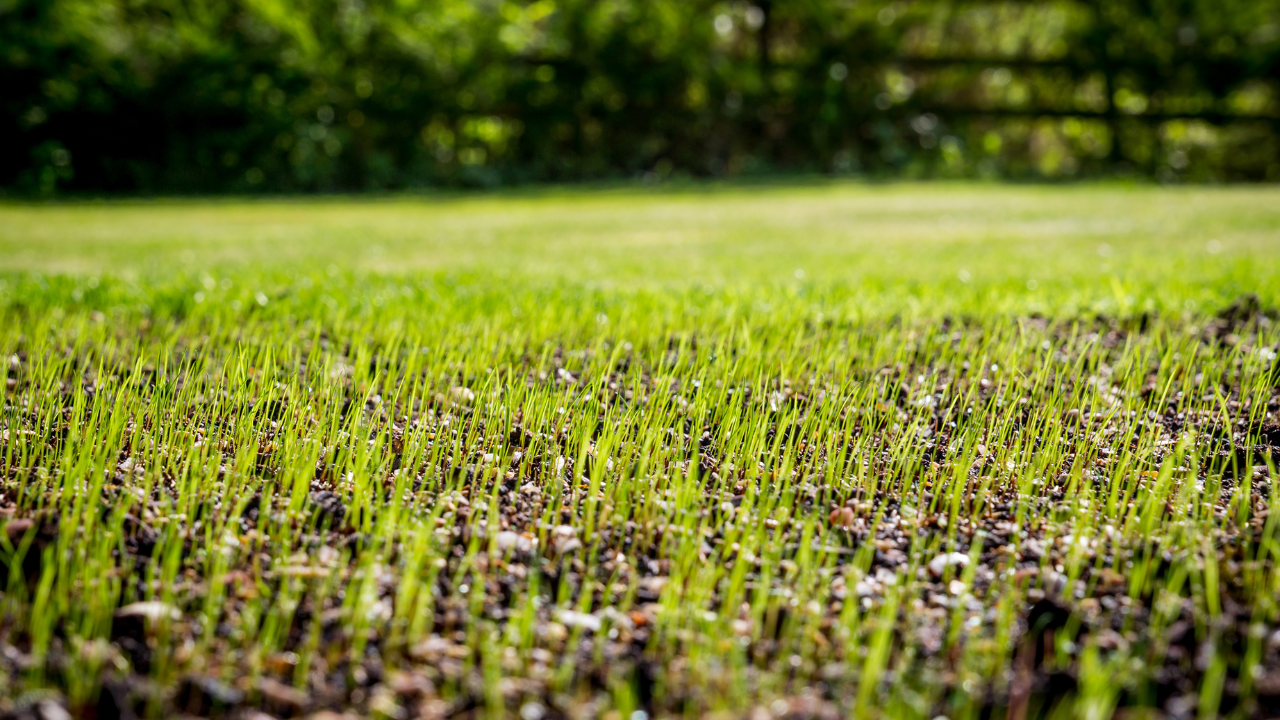
There’s no one-size-fits-all answer—the best time to plant grass seed in spring depends on your climate and the type of grass you're using. Timing your seeding around soil temperatures, not just air temperatures, is key for healthy germination.
Cool-Season Grasses (Best for Northern Climates)
Popular cool-season grasses include:
-
Fescue
-
Perennial Ryegrass
-
Kentucky Bluegrass
These varieties thrive in areas with cold winters and moderate summers. The ideal time for planting them is early spring, as soon as soil temperatures reach about 50–55°F (10–13°C). In most regions, this falls between late March and mid-April.
Cool-season grasses benefit from the mild weather and natural spring rains, which reduce the need for supplemental watering. Because they grow actively in cooler weather, seeding early gives them time to establish before the summer heat sets in.
Early spring lawn care for cool-season grasses should prioritize seeding, light fertilization, and moisture retention.
Warm-Season Grasses (Best for Southern Climates)
Warm-season grasses such as:
-
Bermuda
-
Zoysia
-
St. Augustine
These heat-tolerant types perform best in southern and coastal areas where summers are long and hot. For successful germination, the soil temperature must be at least 65–70°F (18–21°C), making late spring to early summer the optimal time to seed—generally around late April through May.
Planting too early in cool soil can delay or prevent germination. To speed up warm-season seed growth, make sure your spring lawn care checklist includes tilling the soil and applying a starter fertilizer rich in phosphorus.
| Grass Type | Ideal Planting Window | Germination Time |
| Fescue | March–April | 7–14 days |
| Kentucky Bluegrass | April | 14–30 days |
| Bermuda | Late April–May | 10–30 days |
| Zoysia | May | 14–21 days |
Choosing the Right Grass Seed
Your location, lawn use, and sunlight all influence which seed works best.
| Region | Best Grass Type | Notes |
| Northeast | Kentucky Bluegrass, Ryegrass | Cold-hardy, dense |
| Midwest | Fescue blends | Drought resistant |
| South | Bermuda, Zoysia | Heat and traffic tolerant |
| West | Tall Fescue | Handles drought well |
Tips for Successful Grass Seeding
Follow these expert tips for strong germination and early growth.
-
Watering and Moisture Control
Keep the top 1 inch of soil consistently moist. Water lightly 2–3 times daily until seeds germinate. Avoid puddling.
-
Fertilizing After Seeding
Use a starter fertilizer high in phosphorus (like 10-20-10) right after seeding. Once grass sprouts, switch to a balanced fertilizer.
Yarbo Lawn Care Tools for Effortless Spring Prep
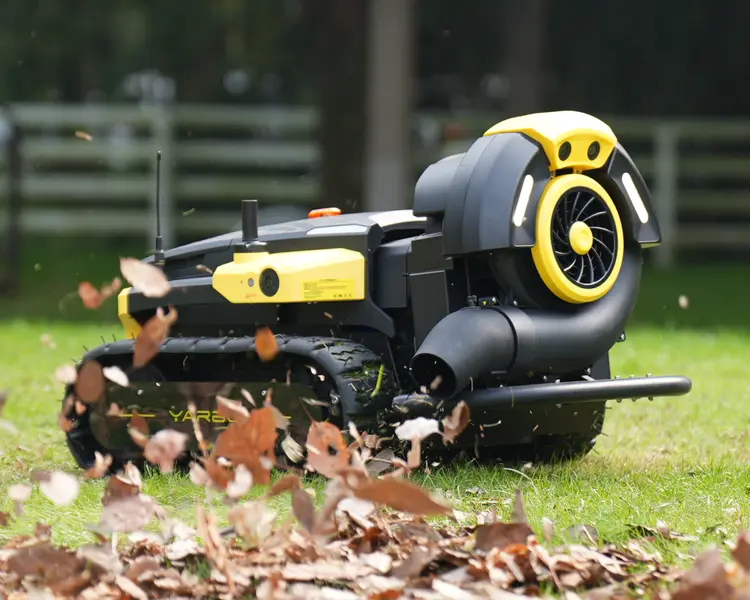
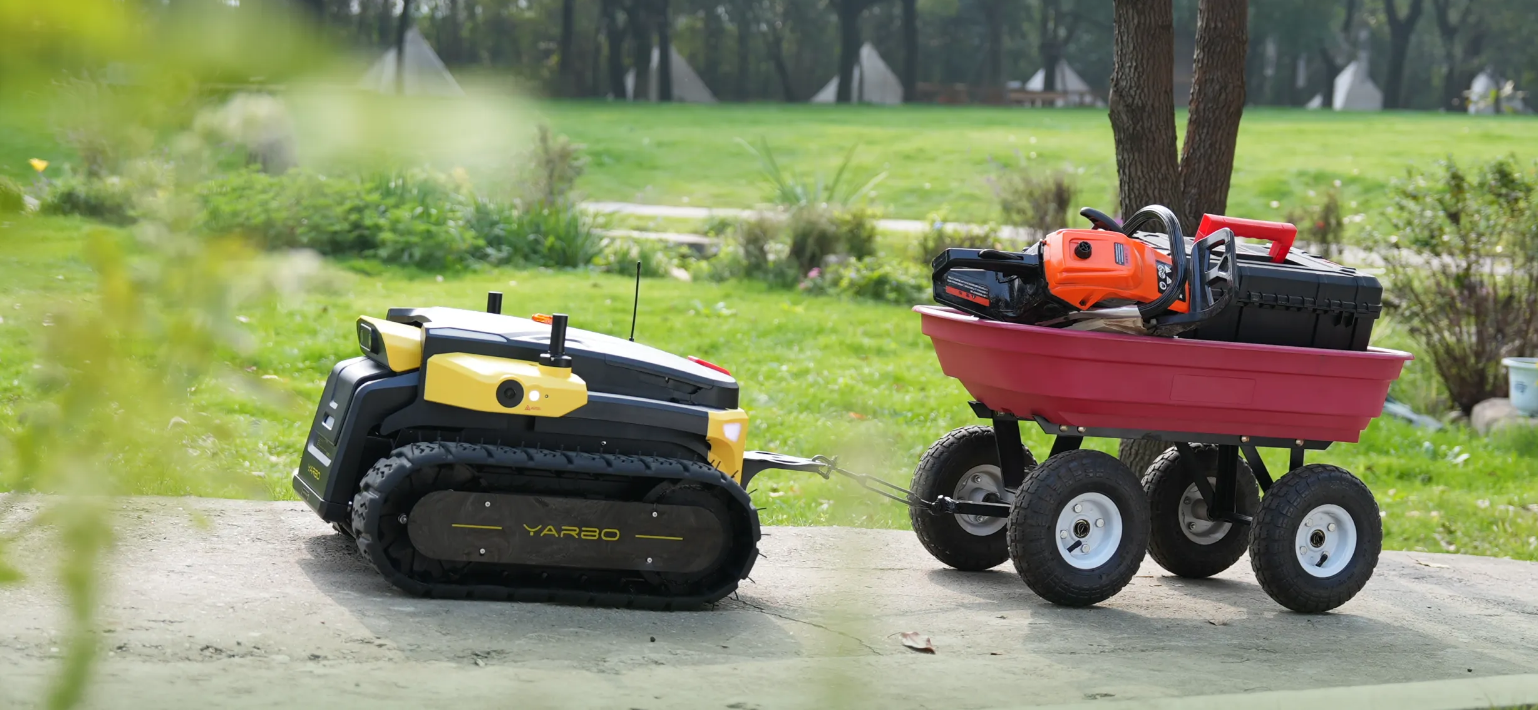
For large or complex yards, spring prep can feel overwhelming. Yarbo’s modular smart robot takes the weight off your shoulders. It can:
-
Rake leaves and debris
-
Aerate compacted soil
-
Mow evenly without damaging new growth
-
Handle all-season grasses including tough varieties like Bermuda and Zoysia
Why Yarbo?
-
Autonomous operation saves you time and the hard work of bracing the harsh weather
-
Designed for managing large yards and properties
-
Obstacle avoidance
-
Works in rain and tough terrains
-
Can help you save upto 90,000$ in 5 years
-
24/7 support and software upgrades
Conclusion
Spring lawn care is all about smart timing, consistent effort, and using the right tools. Plant your grass seeds based on regional temperatures and grass type, and follow a solid spring lawn care checklist to give your lawn a healthy head start.
If you’re dealing with a large or complex yard, Yarbo can take the spring burden off your back with robotic efficiency.
Ready for the best lawn care of your life with Yarbo?
FAQs
-
What is the best temperature to plant grass seed in spring?
Between 50–65°F depending on grass type. Check your soil temp with a soil thermometer. -
Can I fertilize and seed at the same time in spring?
Yes, use a starter fertilizer designed for seeding. -
How soon can I mow after seeding?
Wait until the grass is at least 3 inches tall and fully rooted—usually after 3–4 weeks. -
Should I water grass seed every day?
Yes, keep the topsoil consistently moist with light watering 2–3 times daily. -
Can I use a robotic lawn mower after seeding?
Wait until your grass is well established—typically after 4 to 6 mowings. Then, set your Yarbo to its highest cutting height and enable energy-saving mode to ensure gentle, low-speed trims that promote healthy growth. -
What if I missed early spring—can I still seed in late spring?
For cool-season grasses, it's best to wait until fall. Warm-season grasses can still be planted in late spring.
-7.png?w=1001&h=621)
 Private group · 33.0K members