.png?w=1280&h=720)
Lawn mowers have come a long way from their primitive origins. Initially, grass was cut manually using scythes and shears—a laborious and time-consuming task.
The invention of the first mechanical lawn mower in 1830 by Edwin Budding in England marked a turning point, introducing a cylinder-based push design.
From that moment, the evolution of lawn care began to take shape through the development of various types of lawn mowers, each designed to improve efficiency, comfort, and performance.
Table of Contents:
What Are the Main Types of Lawn Mowers?
Before we jump to robot lawn mowers or look for answers to do robotic lawn mowers work? The world of lawn mowers is vast, with different types of lawn mowers suited for different yard sizes, terrains, and user preferences.
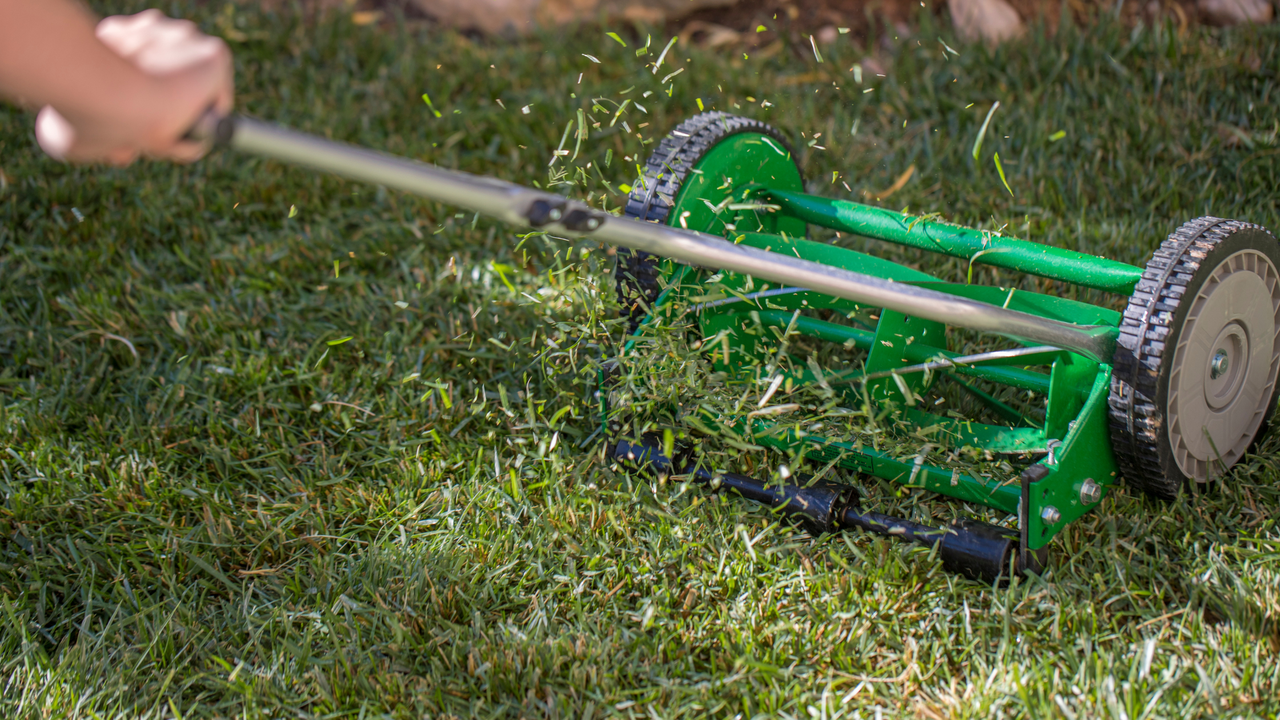
Manual Reel Mowers
These eco-friendly mowers operate without fuel or electricity. They’re great for small yards and health-conscious users looking for a quiet, workout-friendly option.
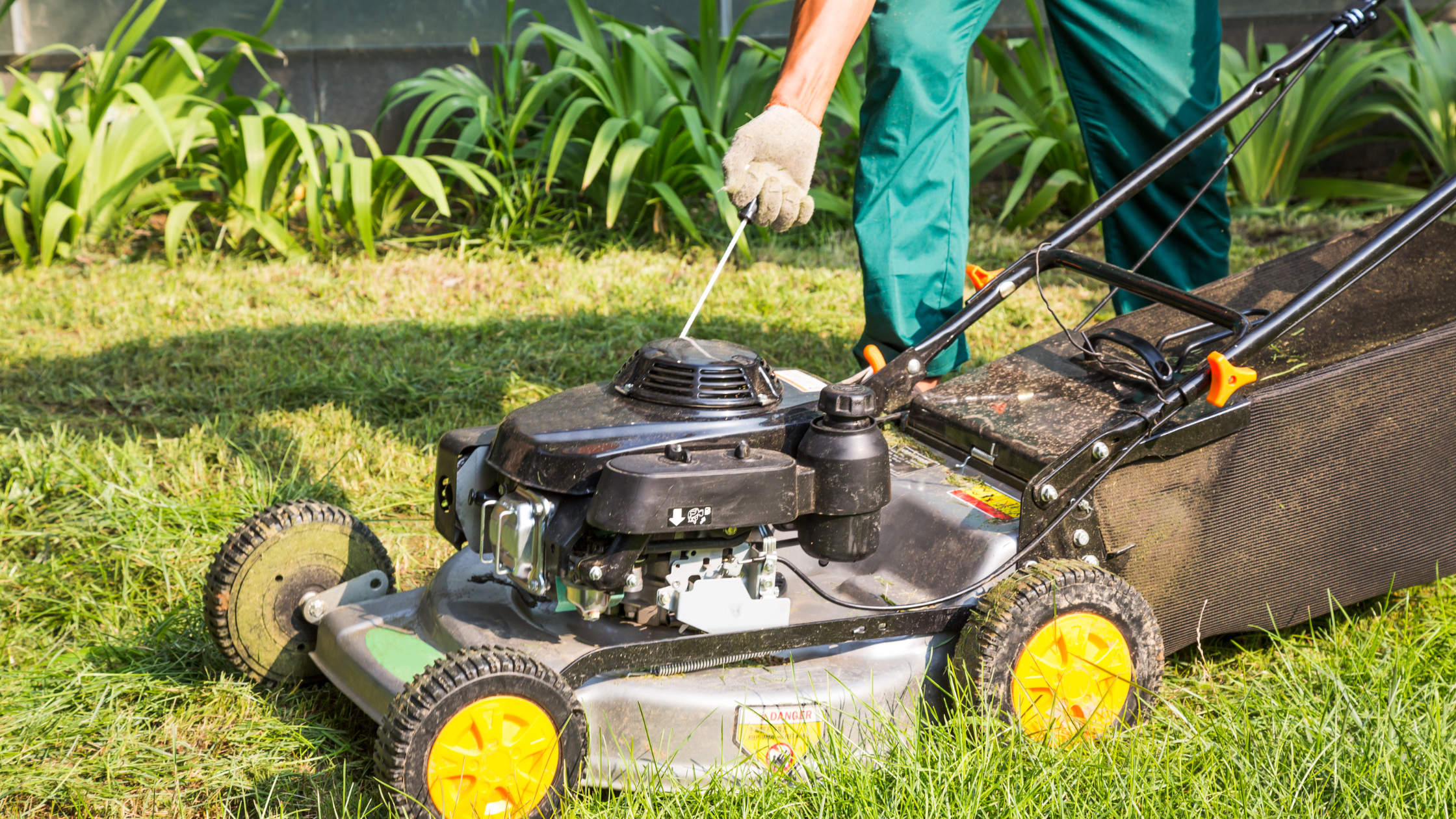
Gas-Powered Push Mowers
Popular among homeowners for decades, gas mowers are powerful and effective. However, they’re noisy, polluting, and require regular maintenance.
Electric Lawn Mowers
Corded and cordless electric mowers offer a quieter and cleaner alternative to gas models, although they often lack power and runtime for large lawns.
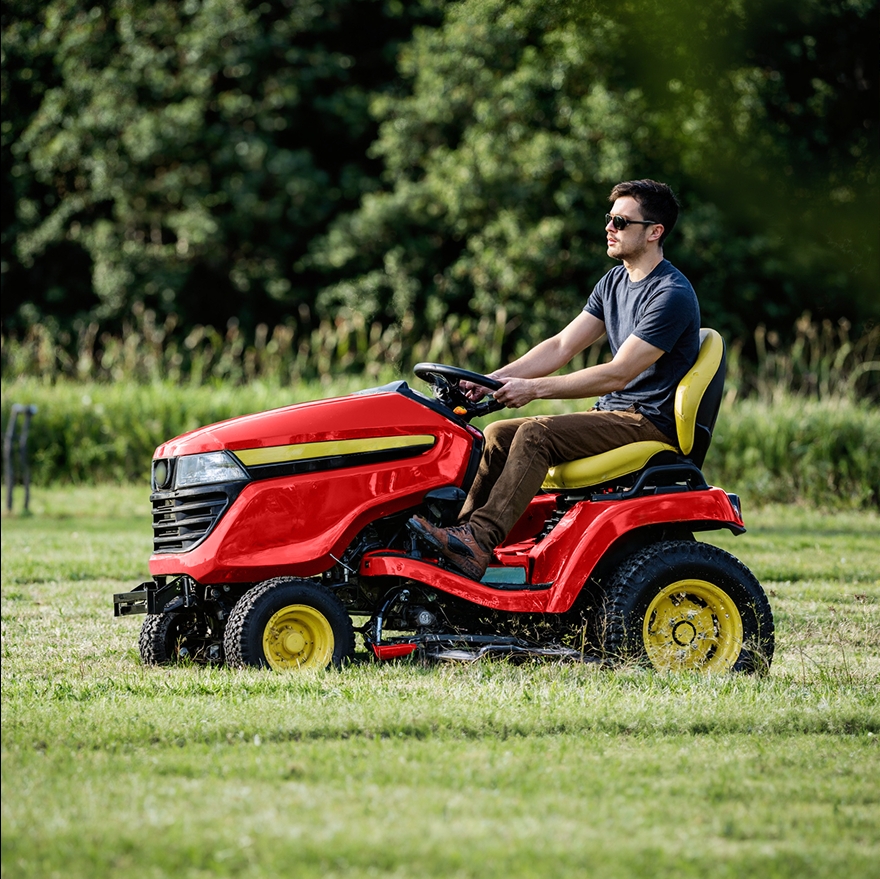
Ride-On Mowers
Perfect for sprawling estates and commercial properties, ride-ons reduce labor but come with high costs, storage needs, and maintenance demands.
How Robotic Lawn Mowers Took Over the Game?
With the rise of smart technology, the robotic lawn mower has disrupted traditional lawn care. These compact, intelligent machines now autonomously maintain lawns, offering hands-free convenience and impressive results, but do robotic lawn mowers work?
To know the answer to this, lets discuss fitst.
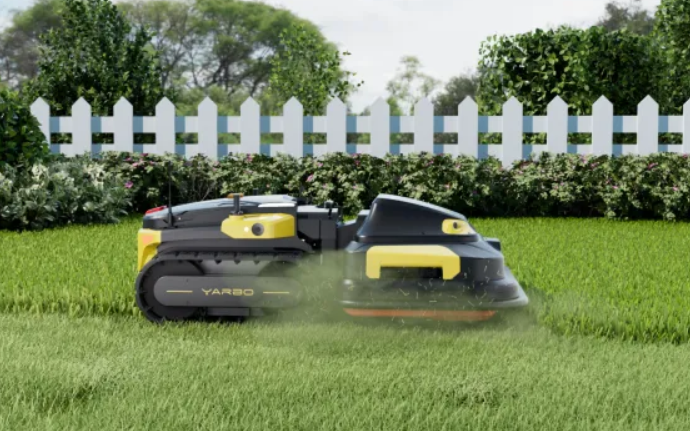
The trend is clear: more homeowners and professionals are ditching noisy, high-maintenance machines for silent, sleek robots that work around the clock.
How Do Robotic Lawn Mowers Work?
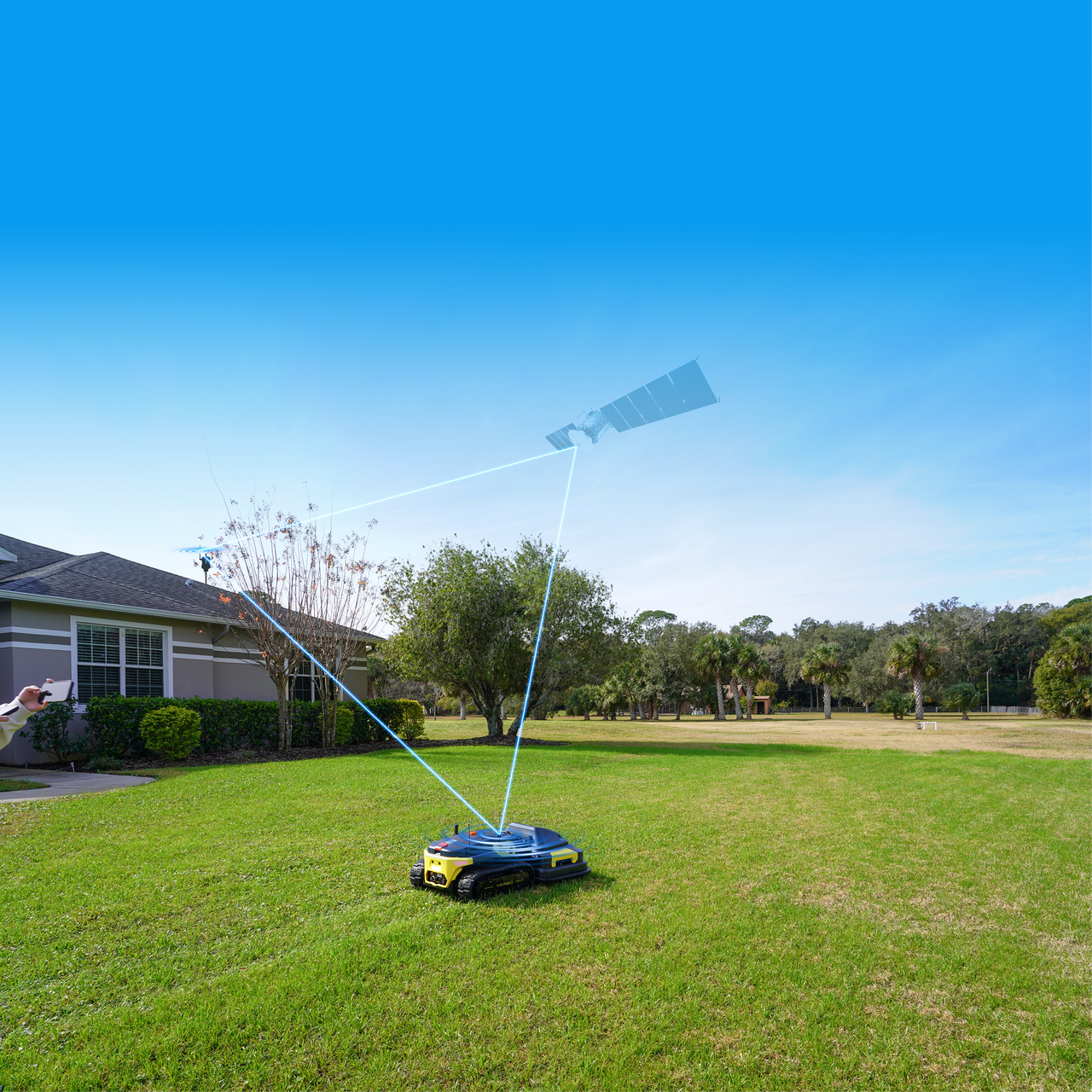
Robotic mowers are powered by batteries and guided by advanced sensors, GPS, and sometimes vision systems.
Sensors, GPS, and Boundary Systems
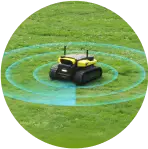
Robotic mowers detect obstacles, avoid pets and kids, and stay within virtual or physical boundaries using:
-
Ultrasonic sensors
-
RTK-GPS for precision navigation
-
Virtual mapping via apps
-
Obstacle avoidance systems7
Smart Features and Automation
Modern robot mowers like Yarbo integrate with mobile apps, weather sensors, and AI. They:
-
Mow on schedules
-
Return to charge autonomously
-
mowing height adjustment
-
Route planning and scheduling
-
Remote and app controlls
-
Work even in complex yards with slopes and obstacles
Robot Lawn Mower Cost: Is It Worth It?
Robot lawn mower cost varies widely. Entry-level models start around $600, while premium systems like Yarbo’s can range upwards of $2,500–$7,000+.
| Model Tier | Price Range | Features |
| Entry-Level | $600–$1,000 | Basic sensors, limited area |
| Mid-Range | $1,000–$2,500 | App controls, smart navigation |
| High-End | $3,500+ | GPS, obstacle avoidance, multi-zone |
The upfront cost is often offset by savings in gas, time, maintenance, and long-term landscaping services.
The Benefits of Switching to Robotic Lawn Mowers
-
Save 100+ hours a year
-
Lower lawn maintenance costs
-
Better lawn health with consistent trimming
-
Quieter, eco-friendly operation
-
Improved safety with obstacle detection
Comparing Traditional vs Robotic Lawn Mowers
| Feature | Traditional Mowers | Robotic Lawn Mowers |
| Labor | Manual | Fully Automated |
| Fuel | Gas/Electric | Rechargeable Battery |
| Noise | High | Low |
| Precision | Varies | Consistent |
| Maintenance | Frequent | Minimal |
| Safety | Low (blades exposed) | High (auto-stop sensors) |
Why Transition from Traditional Mowing?
Traditional mowing may have served its purpose for decades, but for homeowners and property managers—especially those managing large yards—the drawbacks have become harder to ignore in today’s fast-paced, digitally advanced world.
-
Time-consuming: Weekly mowing eats up precious hours.
-
Maintenance-heavy: Engines, oil, and blade upkeep can be a hassle.
-
Noisy and Polluting: Gas mowers emit harmful fumes and sound pollution.
-
Inconsistent results: Human mowing leads to uneven lawns.
The Digital World Has Evolved—Why Not Lawn Mowing?
Think about it:
-
We have smartphones instead of landlines.
-
Robotic vacuums clean our homes while we’re away.
-
AI assistants manage our calendars, emails, and reminders.
Yet many are still out in the sun sweating behind a mower?
In an era where machines handle everything from cleaning floors to delivering groceries, it only makes sense that lawn mowing joins the digital revolution.
Robotic lawn mowers, especially those built for large properties like Yarbo’s commercial-grade model, automate one of the most physically demanding and repetitive outdoor chores.
No more wasting weekends, battling noisy engines, or struggling with upkeep. It’s not just about luxury—it’s about efficiency, consistency, and evolving with the times.
Yarbo: Revolutionizing Robotic Lawn Mowing
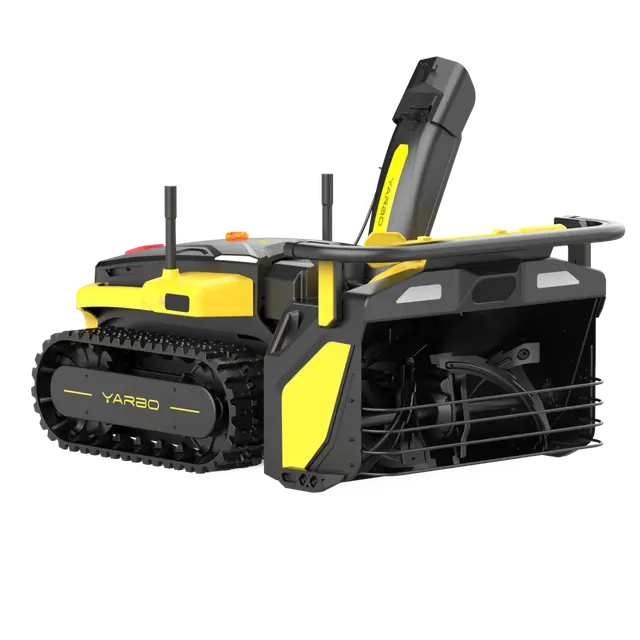
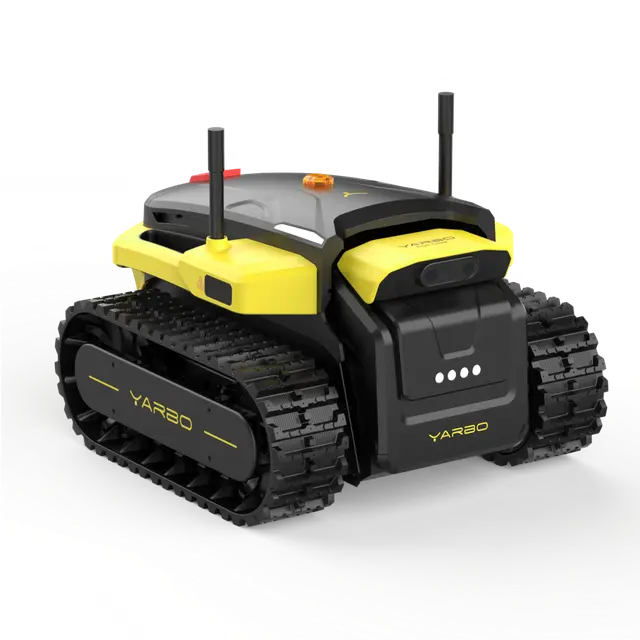
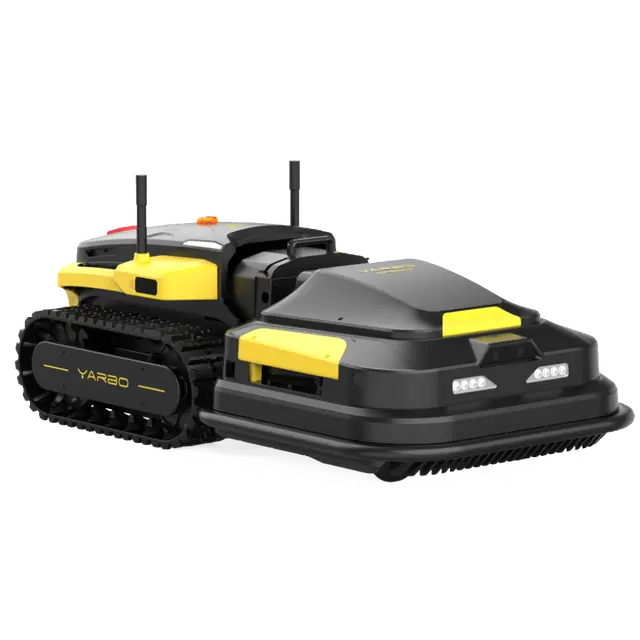
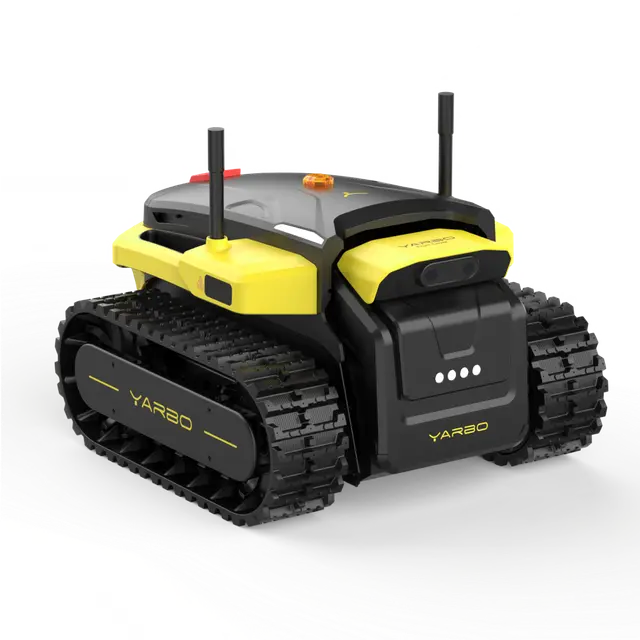
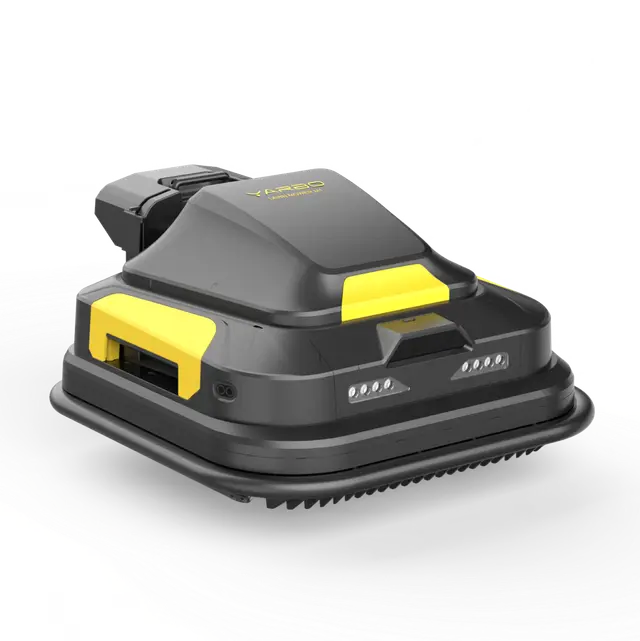
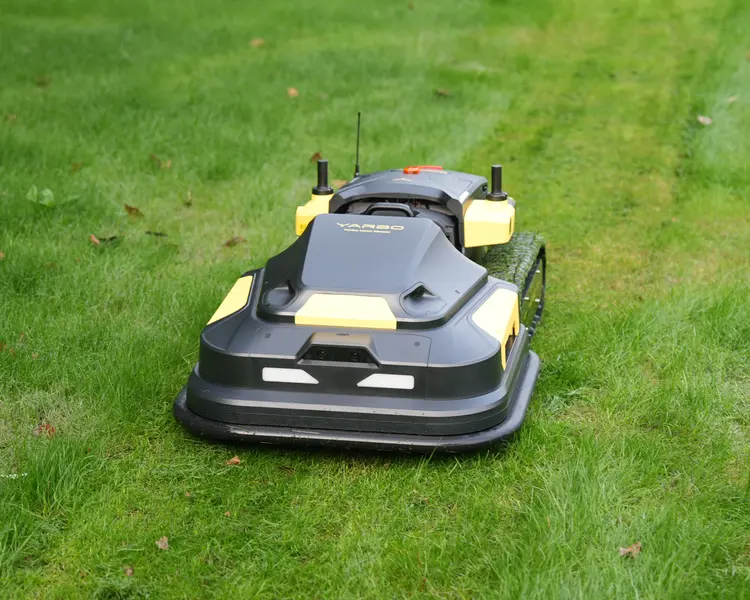
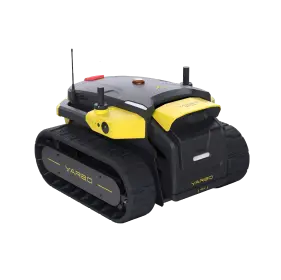
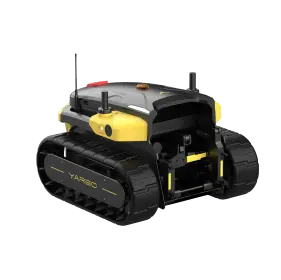
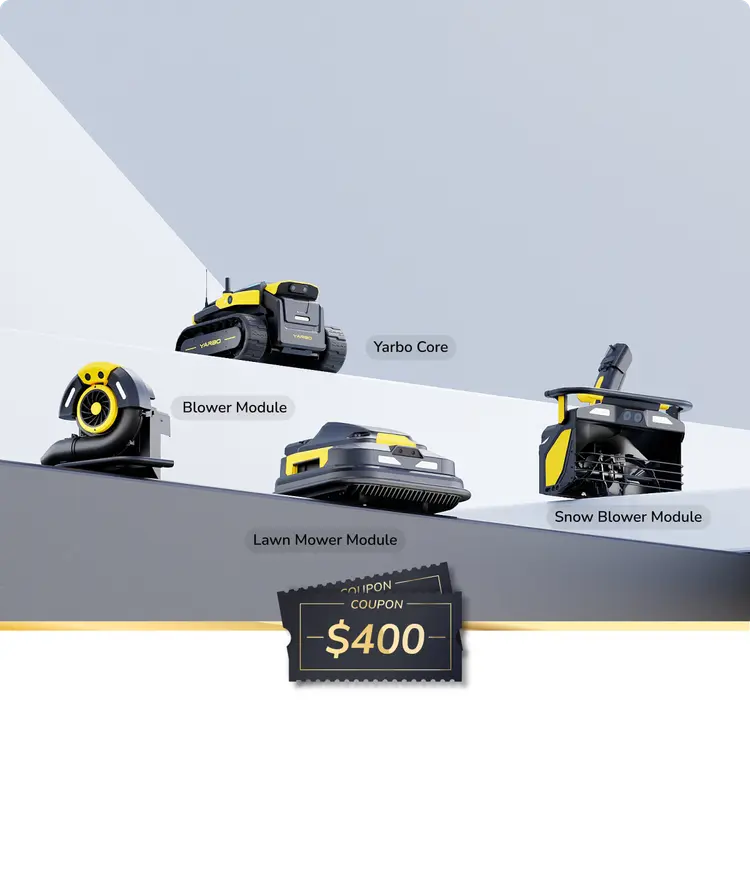
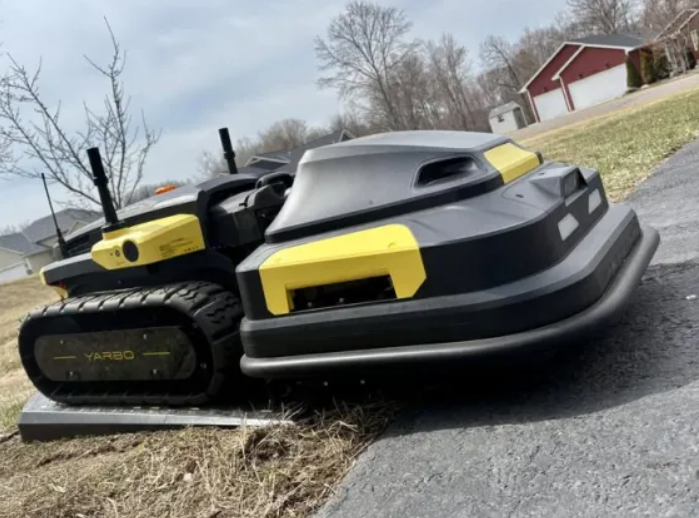
Yarbo isn’t just another toy robotic lawn mower. It’s engineered keeping in mind the pain points of people with large, complex courtyards. It's not for everyone; it's specifically designed for a particular demographic.
It’s the first commercial-grade lawn mower that requires no boundary wires and is completely wireless, modular, and built for serious performance and results.
-
Built for Large and Complex Yards
Yarbo covers vast spaces effortlessly using RTK-GPS and obstacle detection to map and mow with precision.
-
Full Automation, Zero Hassle
From scheduling to height adjustments, Yarbo automates it all. You won’t lift a finger once it’s installed.
-
Wireless Setup and True Intelligence
Forget buried wires. Yarbo’s intelligent software and wireless boundary system adapt to your lawn’s changes season after season.
What to Look for in a Commercial-Grade Robotic Mower
When choosing a commercial robot mower, look for:
-
RTK-GPS navigation
-
Wireless boundary setup
-
All-terrain wheels and high-torque motors
-
Long battery life and fast charging
-
App and voice assistant integration
-
All-season performance
Yarbo checks every box—and then some
Real User Stories and Yarbo Success Cases
“I manage a large lawn care service, and Yarbo has cut my team’s workload by 70%. It’s the most reliable piece of equipment we’ve owned.” — Daniel R., Texas
“No more tangled cords or noisy afternoons. Yarbo quietly handles my 1.5-acre yard like a champ.” — Melissa K., New York
Are Robotic Lawn Mowers Safe for Pets and Children?
Yes. Advanced models like Yarbo include:
-
Auto-stop on collision
-
Obstacle detection with smart avoidance
-
Lift sensors that immediately stop the blades if the unit is lifted
-
Tilt detection that halts operation on excessive slopes
-
Rain sensors that return the mower to its dock during precipitation
-
Frost protection that prevents operation below 32°F (0°C) to protect your lawn
-
Enclosed blade designs
-
Schedule settings to mow when kids/pets aren’t outside.
The Future of Lawn Mowing: From Task to Technology
Lawn care is no longer just a chore—it’s a showcase of how smart technology can save time, reduce effort, and elevate property value. Robotic mowers like Yarbo represent the future: eco-conscious, efficient, and intelligent.
Conclusion
This isn’t just an upgrade. Yarbo’s commercial-grade robotic mower is a game-changer. Fully automated, wireless, and smart enough to handle the largest, most complex yards, it’s not a toy or fancy gadget—it’s a lawn mowing beast.
Ready to transform your lawn care game?
FAQs
Q1: How often do robotic mowers cut the lawn?
A: Most robotic mowers trim the grass several times a week for optimal lawn health.
A: Most robotic mowers trim the grass several times a week for optimal lawn health.
Q2: Can robot lawn mowers handle steep slopes?
A: Yes. Advanced models like Yarbo are designed to handle slopes up to 70%./35° slopes
A: Yes. Advanced models like Yarbo are designed to handle slopes up to 70%./35° slopes
Q3: How long does the battery last on a robot mower?
A: Depending on the model, runtime varies from 60 minutes to over 3 hours.
A: Depending on the model, runtime varies from 60 minutes to over 3 hours.
Q4: Do robot mowers work in rain?
A: Some models have rain sensors and will return to base, while others are waterproof and continue mowing.
A: Some models have rain sensors and will return to base, while others are waterproof and continue mowing.
Q5: Are robotic lawn mowers hard to install?
A: Not with Yarbo. It uses wireless mapping, eliminating the need for perimeter wires.
A: Not with Yarbo. It uses wireless mapping, eliminating the need for perimeter wires.
Q6: Can I control the robot mower remotely?
A: Yes. Yarbo offers full mobile app control with real-time updates and schedules.
A: Yes. Yarbo offers full mobile app control with real-time updates and schedules.
-7.png?w=1001&h=621)
 Private group · 33.0K members