If your lawn mower struggles to start, stalls frequently, or burns fuel inefficiently, the culprit could be something small but mighty—the spark plug for lawn mower. Often overlooked, this inexpensive component is essential for smooth ignition, consistent engine performance, and longer machine life. Replacing it at the right time and in the right way can save you from costly repairs and endless frustration.
In this comprehensive guide, you’ll learn why spark plugs are so important, when to replace them, the tools you’ll need, and exactly how to replace the spark plugs for a lawn mower step by step. By the end, you’ll feel confident enough to tackle this quick maintenance task yourself.
Table of Contents:
Why the Spark Plug for Lawn Mower Matters?
How a Spark Plug Powers Your Lawn Mower Engine?
Every time you pull the starter cord, the spark plug ignites the air-fuel mixture inside the mower’s combustion chamber. Without that spark, your mower won’t run. Even a weak spark can reduce power, increase fuel consumption, and make your mowing experience a headache.
Common Symptoms of a Bad Spark Plug for Lawn Mower
-
Hard starting or multiple pulls before the engine fires up
-
Engine misfires or rough idling
-
Decreased fuel efficiency
-
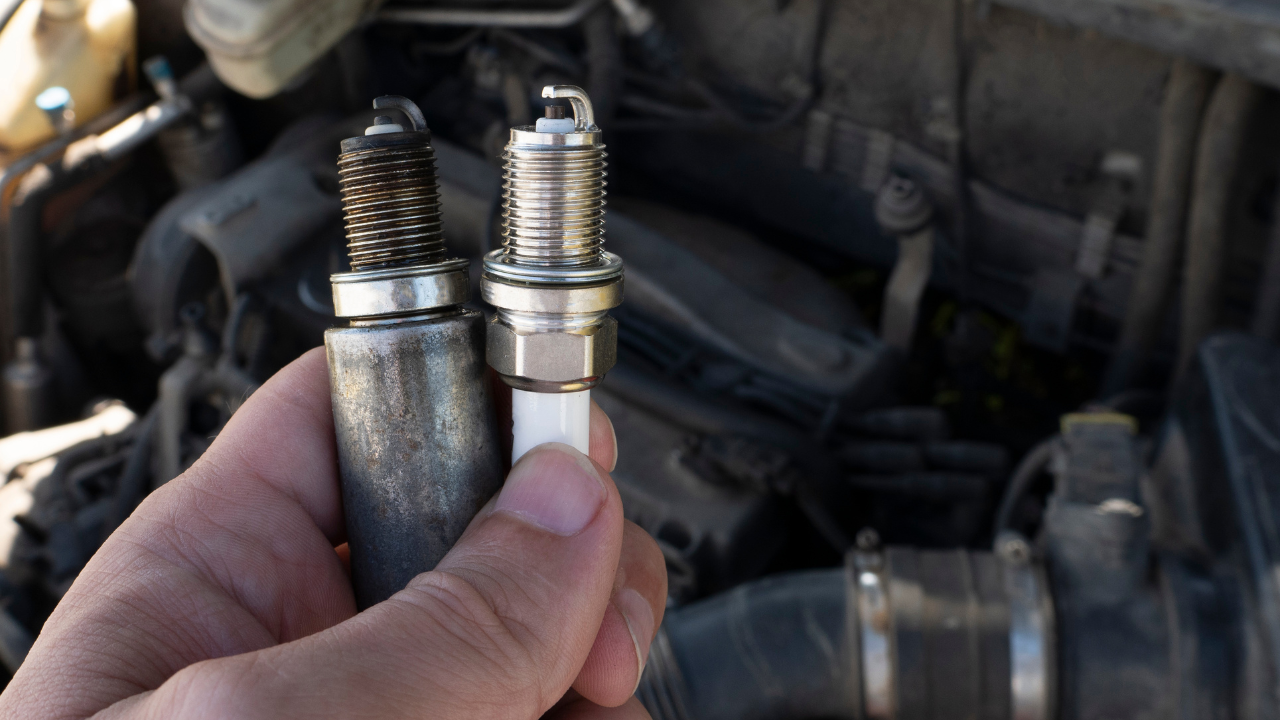
Black, oily, or damaged spark plug tip
-
Difficulty maintaining consistent power while mowing
When Should You Replace the Spark Plug for Lawn Mower?
Manufacturer Guidelines and Replacement Intervals
Most mower manufacturers recommend replacing the spark plug once every season or after about 25–30 hours of use. However, if you mow larger yards regularly, you might need to change it more frequently.
Seasonal Inspections for Longer Engine Life
A quick spark plug inspection at the start and end of mowing season helps prevent sudden breakdowns. If the plug looks corroded, blackened, or has a damaged electrode, it’s time for a replacement.
Tools and Materials Needed to Replace Spark Plug for Lawn Mower
-
Spark Plug Wrench and Socket Size Explained
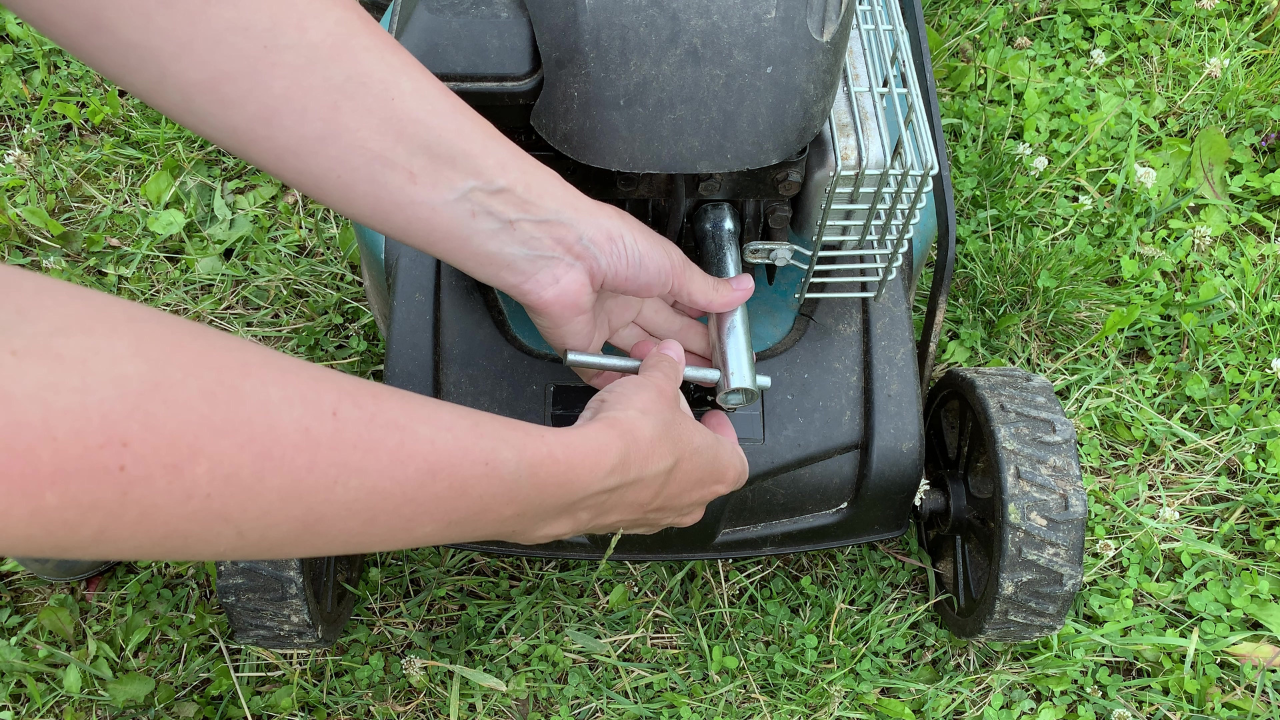
To remove a spark plug, you’ll need:
-
Spark plug wrench or ratchet with the correct socket size (usually 13/16-inch or 5/8-inch for lawn mowers).
-
A torque wrench (optional but recommended for precise tightening).
-
Choosing the Correct Spark Plug for Lawn Mower Models
Always check your mower’s manual for the correct plug type. Popular brands like NGK, Champion, and Bosch manufacture high-quality spark plug for mower. The wrong size or heat range can cause misfires or engine damage.
How to Replace The Spark Plugs for Lawn Mower: Step-by-Step Guide
Changing the spark plug for lawn mower is one of the simplest and most cost-effective maintenance tasks you can do, yet it has a huge impact on performance. By following these steps carefully, you’ll avoid mistakes, extend your mower’s lifespan, and save yourself the hassle of unnecessary repair bills.
Step 1: Disconnect the Ignition Wire Safely
Safety always comes first. Before touching the spark plug, locate the thick black ignition wire that clips onto the top of the spark plug. Gently pull it off by gripping the boot (the rubbery cap), not the wire itself. This prevents accidental engine sparks or shocks while you work.
Some professionals even recommend wearing gloves at this stage, especially if you’ve just run the mower and the engine is still warm. A disconnected wire guarantees the mower won’t start while you’re handling the plug.
Some professionals even recommend wearing gloves at this stage, especially if you’ve just run the mower and the engine is still warm. A disconnected wire guarantees the mower won’t start while you’re handling the plug.
Step 2: Remove the Old Spark Plug
Next, use a spark plug wrench or a ratchet with the correct socket size (usually 5/8-inch or 13/16-inch, depending on your mower model). Turn the plug counterclockwise until it loosens and comes free. Once removed, examine the plug carefully:
-
If it’s coated with black carbon deposits, your engine may be running too rich.
-
If it’s oily, there could be an issue with oil leaking into the combustion chamber.
-
If the electrode is burned or worn, it’s a clear sign it’s overdue for replacement.
Keeping the old plug handy can also help you confirm that the new one matches in length, thread size, and shape.
Step 3: Check the Gap on the New Spark Plug for Lawn Mower
Even brand-new plugs don’t always have the correct gap out of the box. The gap is the tiny space between the center electrode and the ground electrode, usually around 0.020–0.030 inches for lawn mowers. Use a feeler gauge or a spark plug gap tool to measure it. If it’s too wide, gently tap the electrode to close it; if too tight, use the tool to slightly bend it outward.
A properly gapped plug ensures your engine fires efficiently, maximizing fuel use and reducing emissions. Skipping this step can lead to weak sparks, harder starts, and uneven mowing performance.
Step 4: Install and Tighten the New Spark Plug
Now it’s time to install the replacement. Start by hand-threading the plug into the cylinder head to avoid cross-threading—a common mistake that can damage the engine. Once you feel it’s snug, use your wrench to give it a final turn.
The rule of thumb is about a quarter-turn past hand-tight for a new plug. If you’re using a torque wrench, check your mower’s manual for the recommended torque (usually around 15–20 ft-lbs). Avoid overtightening, as this can strip the threads or crack the ceramic insulator, leading to expensive repairs.
Step 5: Reconnect the Wire and Test Your Lawn Mower
Finally, push the ignition wire boot back onto the top of the spark plug until it clicks into place. Make sure it’s secure. Now, pull the starter cord or press the electric start button. With a fresh spark plug in place, your mower should start quickly, smoothly, and with more consistent power. If you notice smoother idling and better fuel efficiency, you’ll know the replacement was successful.

Tools for Measuring and Adjusting Spark Plug Gap
-
Feeler gauge
-
Gap tool with adjustment slot
Mistakes to Avoid When Gapping Spark Plug for Lawn Mower
-
Don’t forcefully bend the center electrode.
-
Never install a spark plug without checking the gap—it may not come pre-set.
Troubleshooting After Replacing Spark Plug for Lawn Mower
What to Do if the Mower Still Won’t Start
If a new spark plug for mower doesn’t fix the issue:
-
Check the air filter for blockages
-
Inspect the fuel system (fresh fuel, no leaks)
-
Look for ignition coil issues
Preventive Care to Extend Spark Plug Life
-
Store mower in a dry area
-
Use clean, fresh fuel
-
Perform annual maintenance checks
Cost of Spark Plug for Mower Replacement
DIY Replacement vs. Hiring a Technician
Replacing the spark plug yourself costs less than $10. Hiring a technician may cost $50–$100, depending on service fees.
Average Cost of Spark Plug for Lawn Mower
-
Standard copper plug: $3–$6
-
Platinum plug: $6–$10
-
Iridium plug: $10–$15
Comparing Copper, Platinum, and Iridium Spark Plugs
-
Copper: Affordable, reliable, but shorter lifespan.
-
Platinum: Last longer and provide consistent performance.
-
Iridium: Premium option, ideal for heavy-duty mowing, with the longest life.
OEM vs. Aftermarket Spark Plug for Lawn Mower
-
OEM plugs: Designed specifically for your mower, best fit and performance.
-
Aftermarket plugs: Affordable alternatives, but choose trusted brands.
Conclusion
A well-maintained spark plug for lawn mower ensures smooth starts, efficient fuel use, and consistent power. Luckily, replacement is one of the easiest DIY tasks you can do for your mower. With just a few tools and minutes of your time, you’ll restore your mower’s performance and avoid costly repairs. Don’t wait for your mower to fail—inspect and replace your spark plug regularly to keep your lawn looking its best.
FAQs
1. How often should I replace spark plug for lawn mower?
At least once per season or every 25–30 hours of use.
2. Can I clean spark plug for lawn mower instead of replacing it?
Yes, light carbon deposits can be cleaned, but replacement is better for reliability.
3. What happens if I ignore a faulty spark plug for lawn mower?
You’ll face hard starts, wasted fuel, and possible engine damage.
4. How do I know which spark plug fits my lawn mower?
Check the owner’s manual or consult the manufacturer’s website.
5. Do all lawn mowers use the same type of spark plug?
No—spark plug sizes and heat ratings vary by brand and model.
6. Can a bad spark plug for lawn mower damage the engine?
Yes, misfires and incomplete combustion can stress engine components.
-7.png?w=1001&h=621)
 Private group · 33.0K members