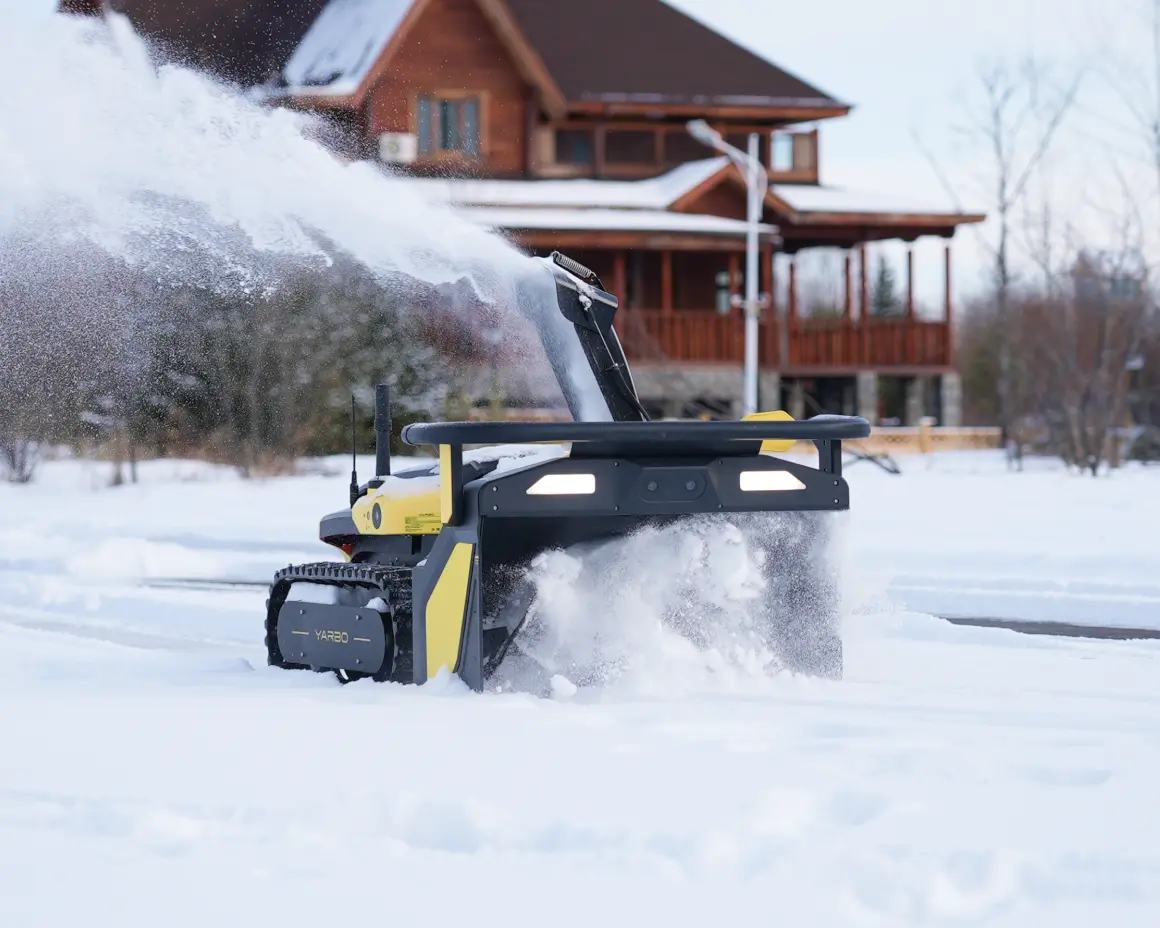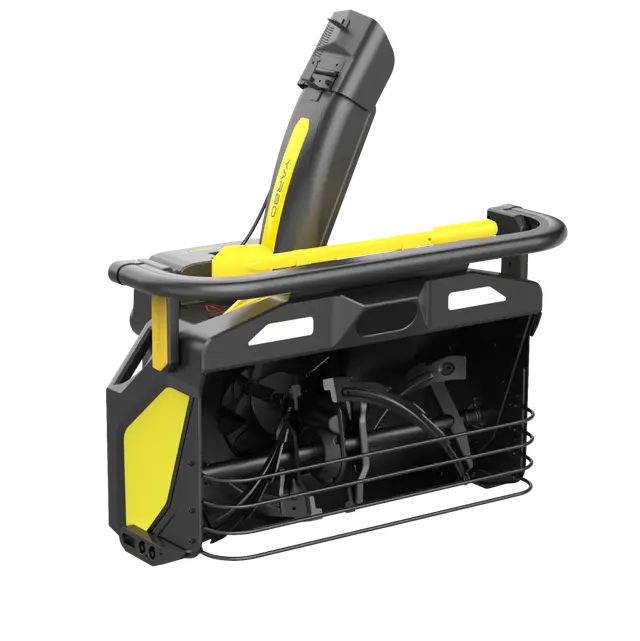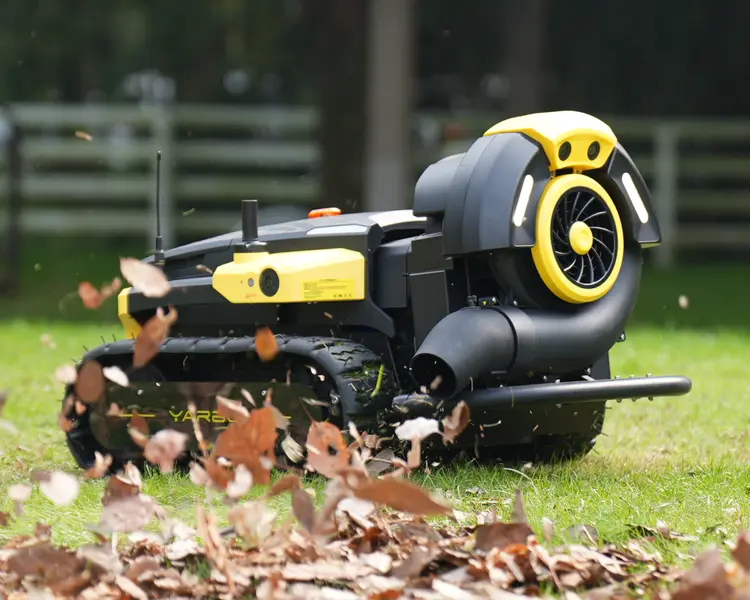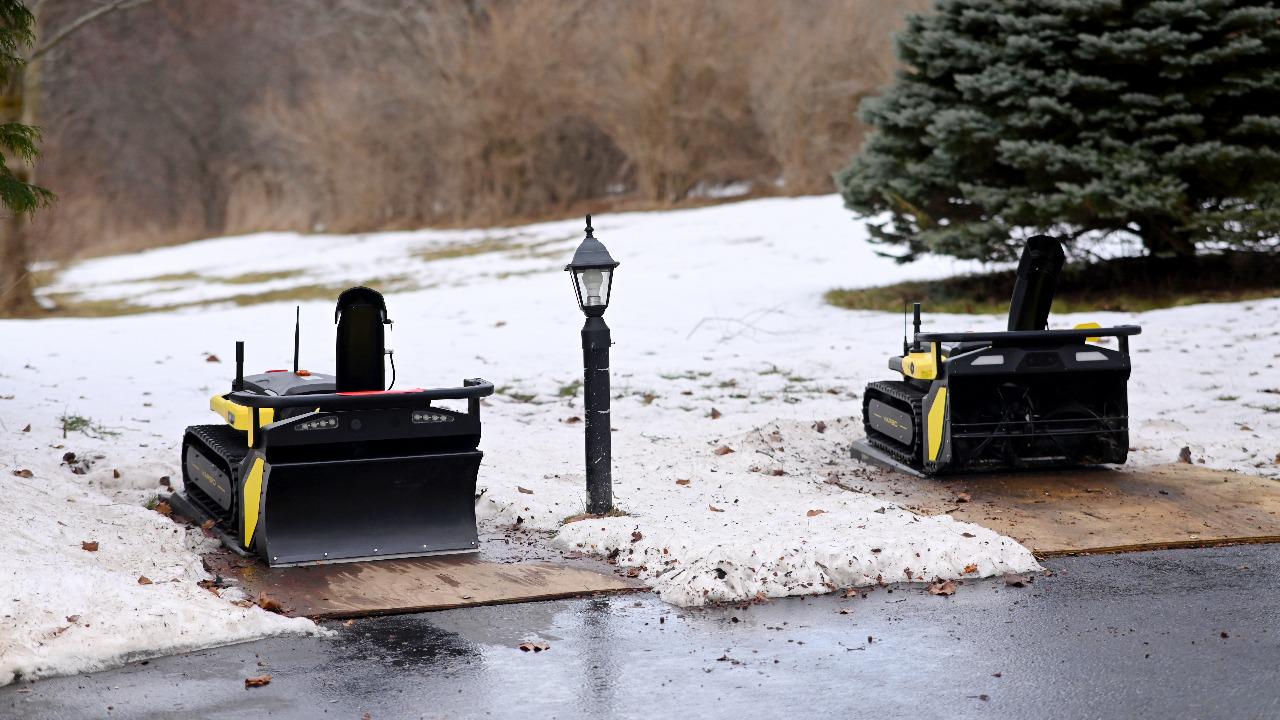
When the snow finally melts and winter’s grip loosens, your thoughts naturally turn from clearing driveways to putting away your snowblower but improper storage can lead to frustrating startup problems, corrosion, and costly repairs. Snow blower storage is critical for keeping your equipment in top shape. In this guide, we’ll walk you through exactly how to store Yarbo after winter so it’s ready, reliable, and rust-free when snow returns.
Table Of Contents:
Why Snow Blower Storage Matters After Winter
Letting a snowblower sit idle through spring, summer, and autumn without proper care is a bit like leaving a car outside over time, moisture, old fuel, and neglect can damage major components. Fuel left in the tank can deteriorate and gum up the carburetor or fuel lines, making the engine hard to start next season.
Moreover, salt, grit, snow residue, and moisture trapped on metal parts can lead to rust and corrosion, especially on augers, blades, and exposed hardware.
For these reasons, snowblower storage is not optional it’s essential maintenance if you want your machine to last and perform reliably next winter.
When Is the Right Time for Snow Blower Storage
The time to store your snowblower is right after the last significant snowfall — once you’re confident winter is over or that snow danger is gone for the foreseeable future. Waiting too long risks corrosion and starts the deterioration process.
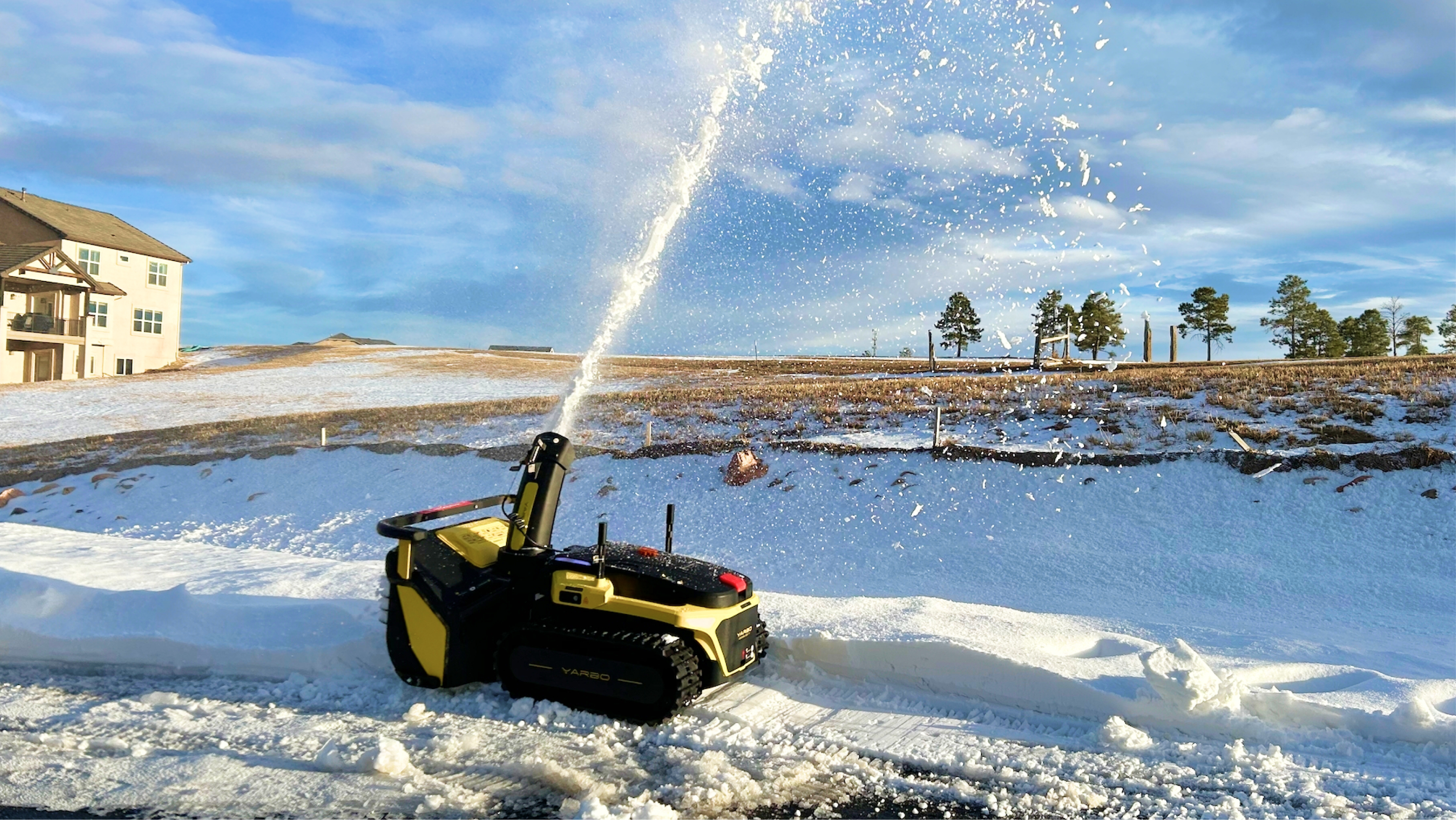
As a rule of thumb: once the snow is cleared, salt and ice are gone, and temperatures steadily rise, it’s time to begin storage prep. Doing it promptly reduces the chance of rust or fuel degradation.
Preparing Your Yarbo: Clean & Dry Thoroughly
The first step in snow blower storage is giving your machine a thorough cleaning:
-
Remove all snow, slush, salt, and debris from the auger, chute, housing, wheels, and any metal surfaces. Salt in particular accelerates corrosion.
-
Use a damp cloth or a low-pressure hose (if manual advises) to wash the exterior. Then air-dry completely — trapped moisture is a leading cause of rust.
-
If there are places where water collects or snow used to accumulate (like under the chute or auger housing), pay extra attention to dry them out thoroughly.
A clean, dry snowblower is far less likely to suffer corrosion when stored for months.
Fuel Care: Drain or Stabilize the Gas
Handling fuel properly is perhaps the most critical step for snowblower storage. Old gas left sitting can degrade and form varnish or gum deposits, which clog carburetors and fuel lines often leading to costly engine problems.
You generally have two options:
-
Drain the fuel tank completely by running the engine until it stops, then drain any remaining gas in the carburetor bowl (if accessible). This ensures no old fuel remains to degrade.
-
Use a fuel stabilizer before storage (if manual allows). Add stabilizer to fresh fuel, run the engine for a few minutes so the stabilized fuel circulates through the system preventing gum deposits during storage.
If you choose stabilization, make sure to follow the stabilizer manufacturer’s instructions carefully. If you prefer a fully empty tank for peace of mind, draining is the safest bet.
Engine Maintenance: Oil Change, Spark Plug & Cylinder Care
Winter’s over it's a good time to do engine maintenance while your snowblower is clean and accessible:
-
Change the engine oil (if recommended by the manual). Old oil can leave residue and degrade over storage, harming components.
-
Remove or inspect the spark plug. Some owners remove the spark plug to prevent accidental starts, or if storing long-term.
-
For added protection: some manuals recommend pouring a small amount of clean engine oil into the cylinder (via spark-plug hole), then cranking the engine to distribute the oil. This coats internal surfaces and helps prevent internal corrosion during long storage.
These steps make sure internal engine parts are protected from moisture or deteriorated oil over months of non-use.
Lubrication & Rust Prevention for Moving Parts
Snowblowers have many moving parts: augers, impellers, bearings, cables, wheels, etc. Without lubrication, these can rust or seize up during storage:
-
Spray or apply light machine oil or silicone-based lubricant to auger shafts, chute controls, bearings, wheel axles, cables, and linkages.
-
Coat any exposed metal surfaces (chains, springs, bolts, skid shoes, blades) with a rust-preventative spray or light oil — especially if storing in a metal shed or unheated area.
Proper lubrication preserves function and reduces corrosion risk while the machine sits idle.
Choosing the Right Snowblower Shed or Storage Space
Not all storage spaces are created equal. Where you store your snowblower greatly affects its chances of surviving the offseason without issues:

-
Opt for a clean, dry, well-ventilated shed, garage, or storage area. Avoid damp basements, unventilated metal sheds, or outdoor areas exposed to moisture.
-
Maintain stable temperature — avoid spaces that get extremely hot or cold, or have high humidity. Extreme temperature swings degrade rubber and plastic parts, and accelerate rust.
-
If possible, designate a dedicated winter-gear corner or zone in your storage area to keep your snowblower and accessories organized.
A proper “snowblower shed” environment is one of the most reliable ways to ensure long-term health of your equipment.
Covering and Elevating Your Snowblower
Even in a good shed, it’s smart to take extra protective steps:
-
Use a breathable cover (not plastic tarp) to shield the snowblower from dust, debris, and light moisture. Plastic covers trap condensation and can promote rust.
-
Elevate the snowblower off the ground use wooden blocks, a mat, or pallet to avoid direct contact with concrete or moisture-prone floors, especially if the shed is unheated or might get damp.
These extra precautions help prevent rust and moisture-related issues during months of inactivity.
Why Storing Yarbo Properly Saves Time and Money
Proper snow blower storage isn’t just “doing chores.” It’s:
-
Preventing engine problems and expensive repairs — avoiding gum buildup, carburetor issues, or rust-related failures.
-
Extending equipment lifespan — well-maintained machines last many seasons longer.
-
Ensuring reliability — no surprises when snow strikes; quick start, smooth operation.
-
Saving time and hassle — fewer maintenance headaches, less downtime, lower replacement costs.
For owners of high-end equipment like Yarbo, proper storage is part of protecting your investment and ensuring it delivers value year after year.
Conclusion
Storing your snowblower especially a quality one like Yarbo isn’t as simple as “just park it until next winter.” Proper snow blower storage involves cleaning, fuel care, lubrication, rust prevention, and smart storage space selection. Follow the seasonal checklist above, avoid common mistakes, and treat storage as essential maintenance.
Your next steps? As winter wraps up: clean the snowblower, decide on fuel strategy (drain or stabilize), do the maintenance, and move it to a dry, ventilated shed under a breathable cover. Then relax your blower will be ready for the next season.
FAQs
Q1: Can I store my snowblower outside under a tarp?
A1: It’s not recommended. Outdoor storage even under a tarp exposes the blower to moisture, temperature swings, and pests. A breathable cover in a dry, ventilated shed or garage is far safer.
A1: It’s not recommended. Outdoor storage even under a tarp exposes the blower to moisture, temperature swings, and pests. A breathable cover in a dry, ventilated shed or garage is far safer.
Q2: Should I drain the gasoline or use a fuel stabilizer?
A2: Both are valid draining fuel removes risk of gum formation; using a stabilizer and running the engine ensures smoother startup later. Pick the method compatible with your owner’s manual and local storage conditions.
A2: Both are valid draining fuel removes risk of gum formation; using a stabilizer and running the engine ensures smoother startup later. Pick the method compatible with your owner’s manual and local storage conditions.
Q3: Is it necessary to change the oil before storage?
A3: Yes, especially if the blower will be stored for months. Changing oil removes old degraded oil that might cause corrosion and ensures fresh lubrication for next use.
A3: Yes, especially if the blower will be stored for months. Changing oil removes old degraded oil that might cause corrosion and ensures fresh lubrication for next use.
Q4: What happens if I store the snowblower on a damp concrete floor?
A4: Moisture from concrete may lead to rust on metal parts, especially the auger housing and underside potentially damaging components over time.
A4: Moisture from concrete may lead to rust on metal parts, especially the auger housing and underside potentially damaging components over time.
Q5: How often should I check the snowblower during storage?
A5: It’s wise to check at least once every month: make sure the space is dry, the cover is secure, and there are no signs of rust, pests, or moisture buildup.
A5: It’s wise to check at least once every month: make sure the space is dry, the cover is secure, and there are no signs of rust, pests, or moisture buildup.
Q6: My storage shed is unheated is that okay?
A6: As long as it's dry, well-ventilated, and doesn't get extremely damp, unheated storage is fine. Just ensure you elevate the machine off the floor and use a breathable cover to minimize moisture exposure.
A6: As long as it's dry, well-ventilated, and doesn't get extremely damp, unheated storage is fine. Just ensure you elevate the machine off the floor and use a breathable cover to minimize moisture exposure.
-7.png?w=1001&h=621)
 Private group · 33.0K members