Snow removal is an unavoidable winter task for millions of homeowners and businesses. While the blanket of white snow may look beautiful, clearing it without proper snow removal tools or snow removal equipment can cause serious risks such as back injuries, slips, and even heart strain.
Strained muscles, falls, frostbite, and even heart attacks are risks associated with clearing snow. Not to mention injuries sustained in colder temperatures take longer to heal.
By understanding the right safety techniques and using the best equipment, you can keep your property safe while protecting your health.
Table of Contents:
What Are the Biggest Risks of Snow Removal?
Shoveling snow looks simple, but it’s actually a demanding physical activity. Common risks include:
-
Slips and Falls: Icy surfaces are deceptively slippery and falling on ice is not only painful, it can also cause serious injuries as cold temperatures can make muscles and joints stiffer.
-
Overexertion: Lifting heavy snow improperly can strain muscles much quicker than usual as there is usually decreased circulation.
-
Cold Injuries: Frostbite and hypothermia can occur quickly in freezing temperatures.
-
Equipment Injuries: mishandling tools or machines can lead to accidents.
These dangers make it essential to prepare properly before starting snow removal.
Essential Safety Tips for Snow Removal
Following simple but effective safety steps can prevent accidents.
-
Assessing the Weather and Conditions
Check the weather forecast before heading out. Avoid removing snow during blizzards or extreme cold conditions to reduce the risk of injury.
-
Dress for Warmth and Protection
Wear layers of breathable clothing, waterproof gloves, and boots with good traction. A hat and face covering prevent frostbite.
-
Warm Up Before Shoveling
Treat snow removal like exercise. Stretch lightly to loosen muscles and avoid sudden strain.
-
Maintain Proper Shoveling Posture
Push snow rather than lifting it whenever possible. If lifting is necessary, bend at your knees—not your back.
Protect Yourself from Cold Weather Risks
-
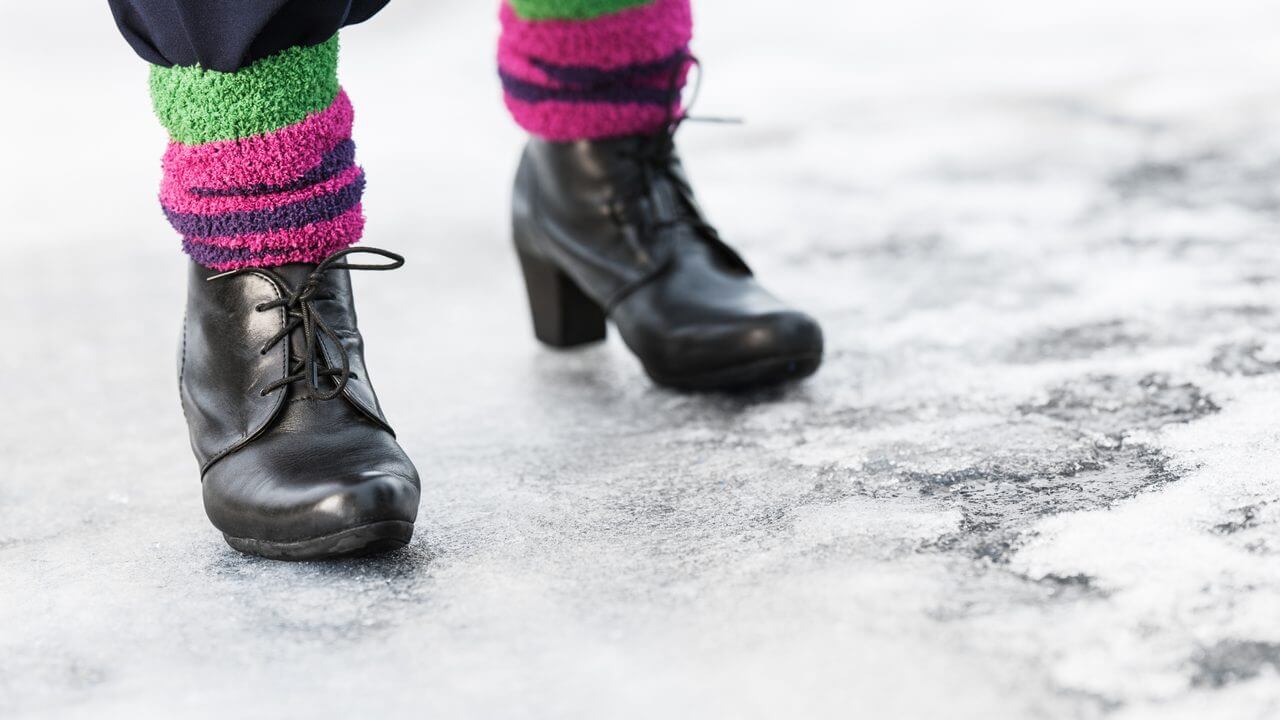
Watch Out for Ice
Be cautious of icy patches. Sprinkle salt or sand to improve traction and prevent slips.
-
Listen to Your Body
Stop immediately if you feel tired, dizzy, or experience chest discomfort. These could be warning signs of overexertion or a potential heart issue.
-
Know the Signs of a Heart Attack
Chest pain, shortness of breath, or discomfort in your arms, neck, or back are signs to watch for. Seek medical help immediately if you notice any of these.
-
Recognizing Frostbite and Hypothermia Symptoms
Watch for early signs like numbness, shivering, or pale skin. Seek shelter immediately if symptoms occur.
Prepare Your Body For Snow Removal
-
Warm Up Before You Shovel
Just like before a workout, warm up your muscles by stretching your arms, legs, shoulders, and back. This helps prevent strains and injuries.
-
Stay Hydrated
Shoveling is physically intense and can lead to dehydration, even in the cold. Drink water or sports drinks before, during, and after snow removal.
-
Take Breaks Often
Don’t rush! Pace yourself and take frequent breaks to avoid overexertion. Shoveling too quickly can strain your heart and muscles.
Shoveling Techniques for Maximum Safety
-
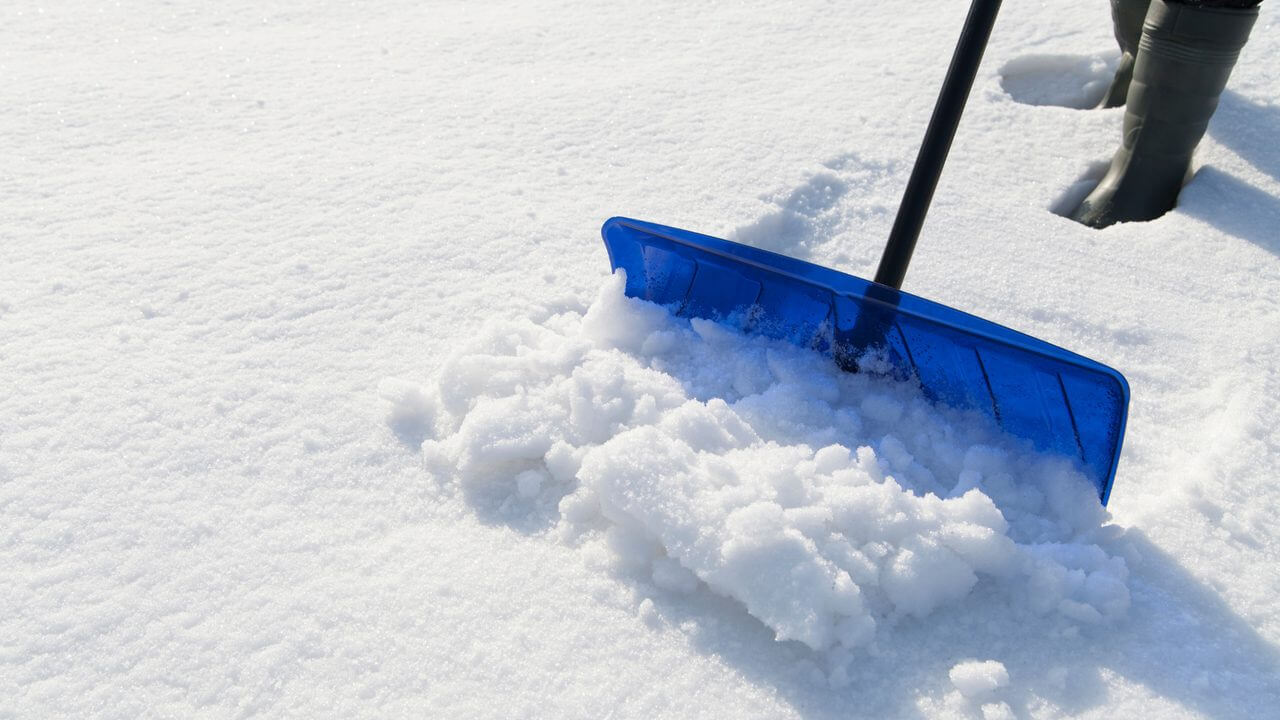
Use the Right Shovel
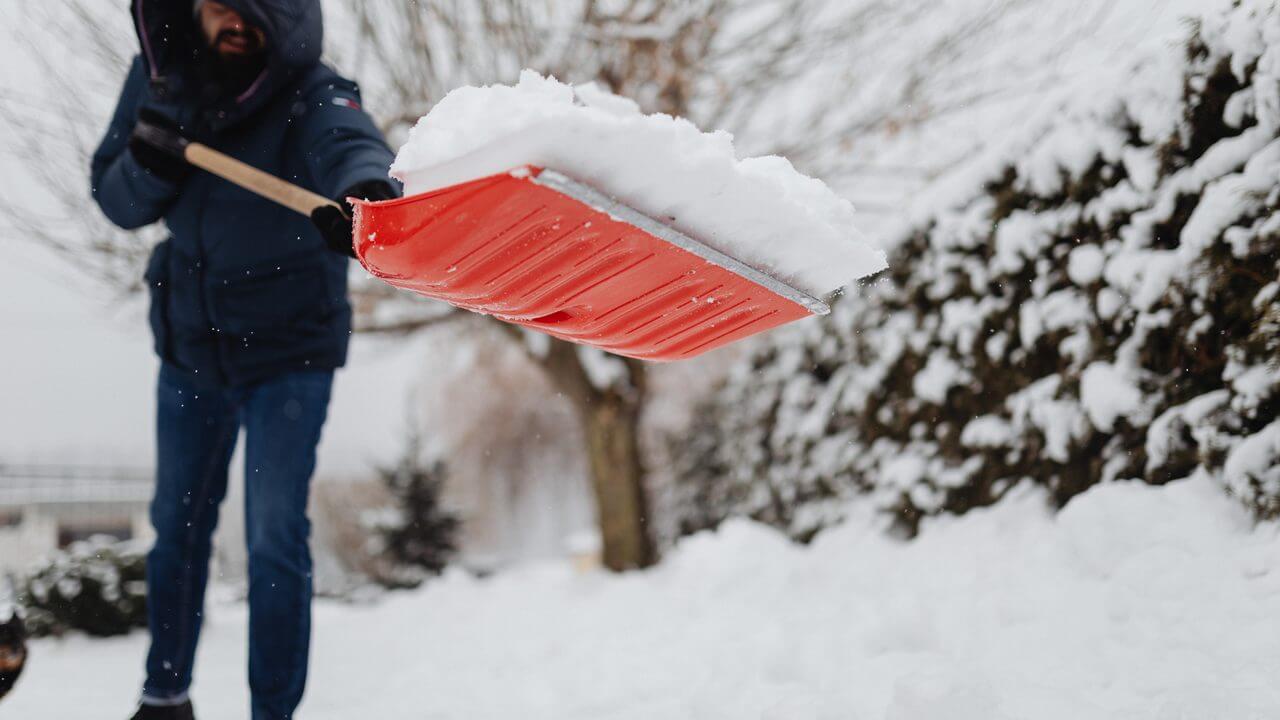
Choose an ergonomically designed snow shovel with a curved handle and lightweight materials. A non-stick blade makes the job easier by preventing snow from sticking.
-
Push, Don’t Lift
Whenever possible, push the snow rather than lifting it. If you must lift, use your legs—not your back—to avoid straining it.
-
Avoid Twisting Movements
When you throw snow, turn your whole body instead of twisting your torso. This prevents back injuries.
Choosing the Right Snow Removal Tools
Not all snow removal tools are created equal. Choosing the right ones reduces strain and improves efficiency.
Best Manual Snow Shovels
Look for lightweight, durable shovels with sturdy handles. Metal blades cut through ice, while plastic ones are lighter for quick snow clearing.
Ergonomic Snow Shovels
Ergonomic handles reduce bending and back strain. Curved shafts and padded grips make long sessions safer.
Ice Scrapers and Snow Brushes
Essential for clearing vehicles and walkways, these small but handy tools prevent accidents from icy surfaces.
Using Snowblowers Safely During Winters
Reading the Manual First
Familiarize yourself with the snowblower's operation manual before using it.
Clearing the Area of Debris
Ensure the area is free of objects like rocks or branches that could damage the equipment or cause accidents.
Proper Handling and Operation
Always turn off the snowblower before clearing clogs or adjusting settings. Wear ear and eye protection to shield yourself from debris.
Best Practices for Efficient Snow Removal
-
Shovel Fresh Snow
Fresh snow is lighter and easier to remove. Don’t let it accumulate for days, as packed snow becomes heavier and more challenging to clear.
-
Start Early and Clear Often
The earlier you start, the easier it is to manage the snow. Frequent clearing during a storm reduces the overall workload.
-
Using De-Icers Effectively
Sprinkle salt or use eco-friendly de-icing products on icy patches to reduce slipping hazards.
-
Breaking Ice Safely
Use a sturdy ice chisel or breaker, and always strike at an angle to prevent tools from bouncing back dangerously.
-
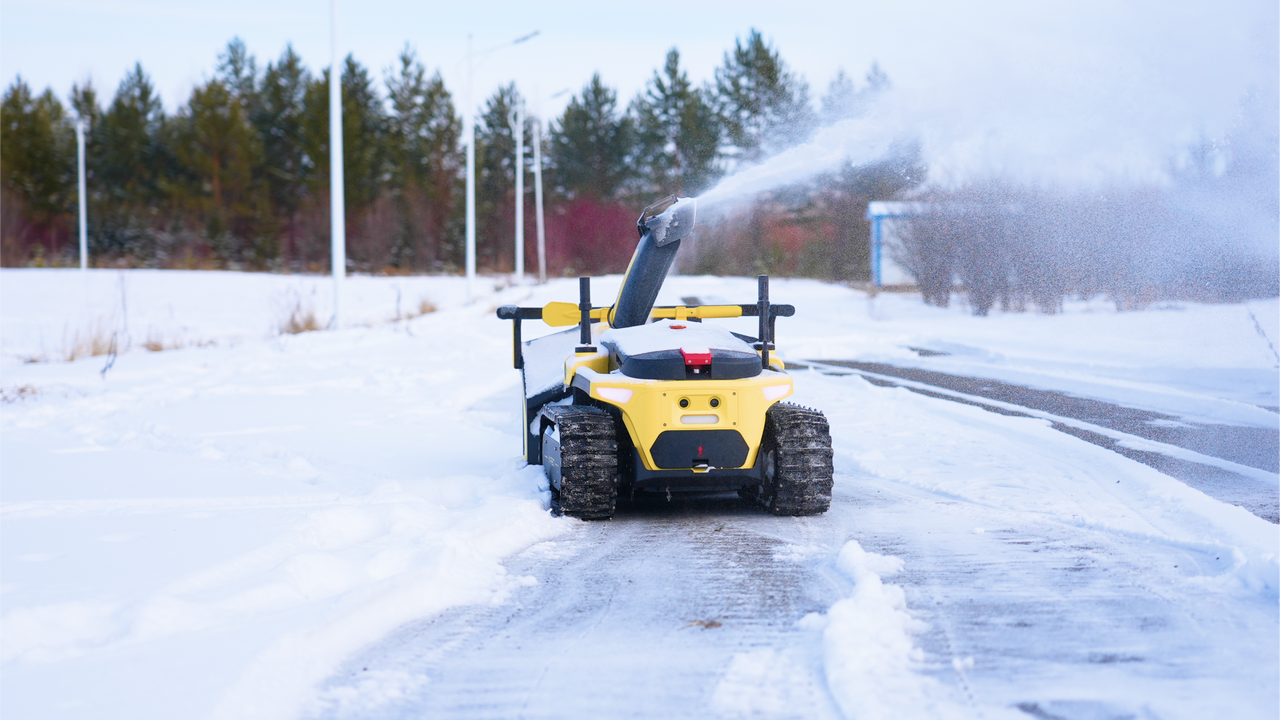
Use a Snow Blower for Heavy Snow
For large or heavy snowfall, a snow blower is a game-changer. It reduces physical strain and clears snow quickly.
Conclusion
Snow removal is an inevitable part of winter, but safety should always come first. By preparing properly, using the right techniques, and being mindful of the risks, you can tackle the snow without putting yourself in harm’s way. Remember, safety isn’t just a precaution—it’s a priority.
FAQs
1. What is the safest way to remove snow?
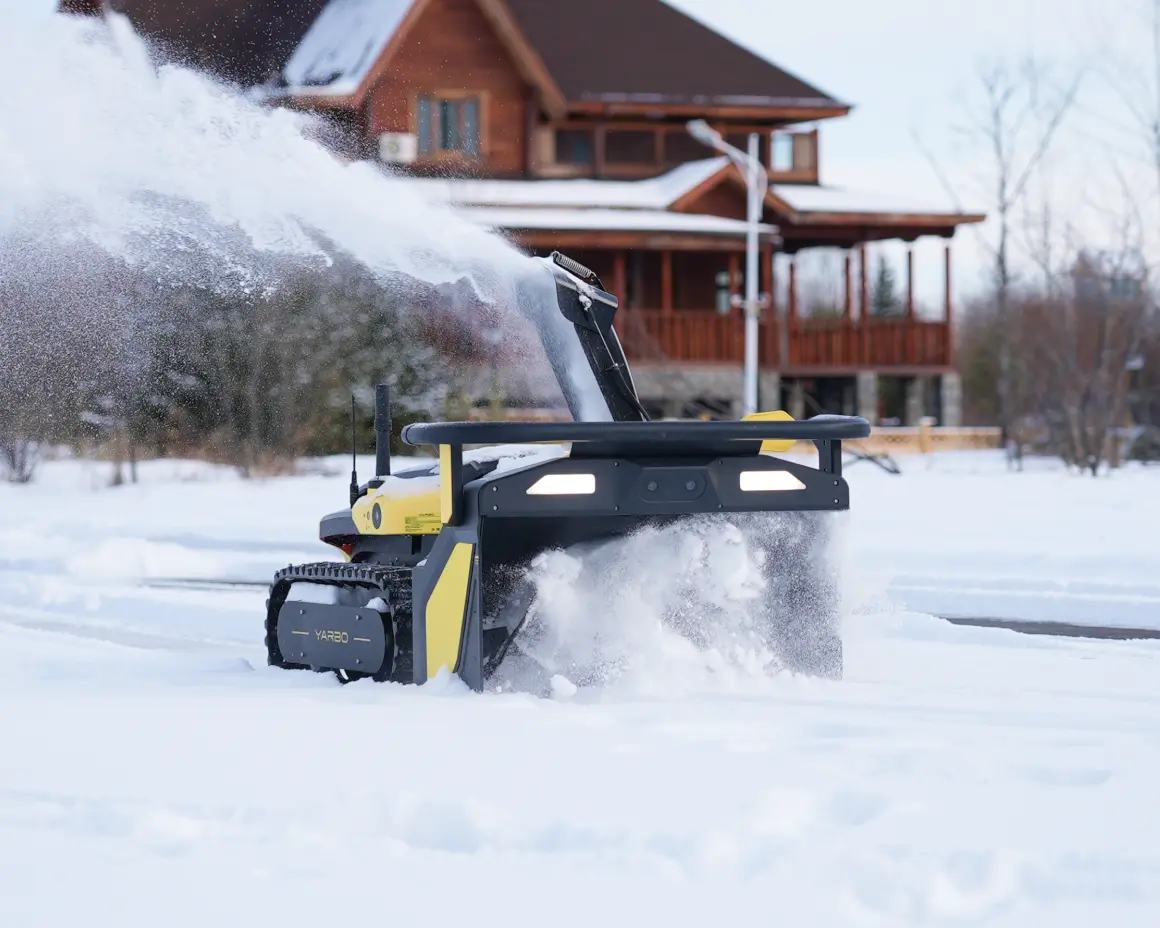
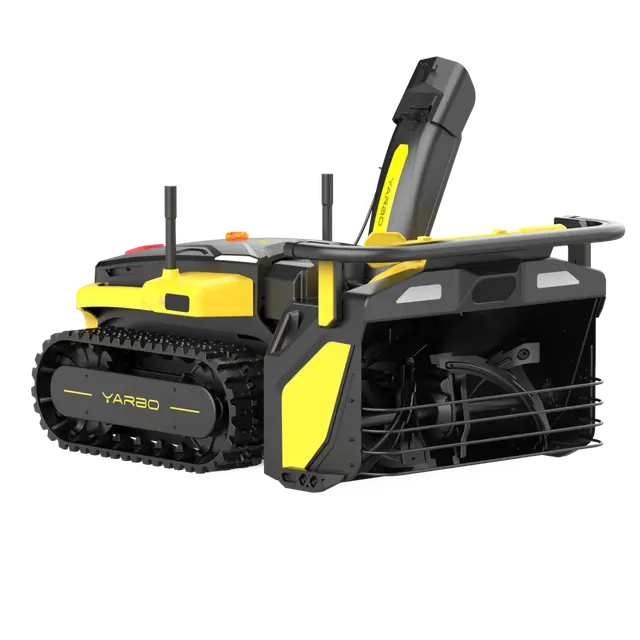
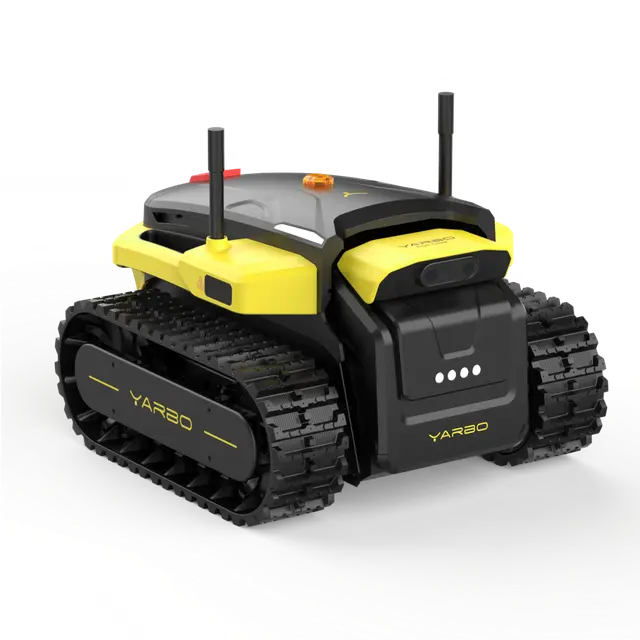
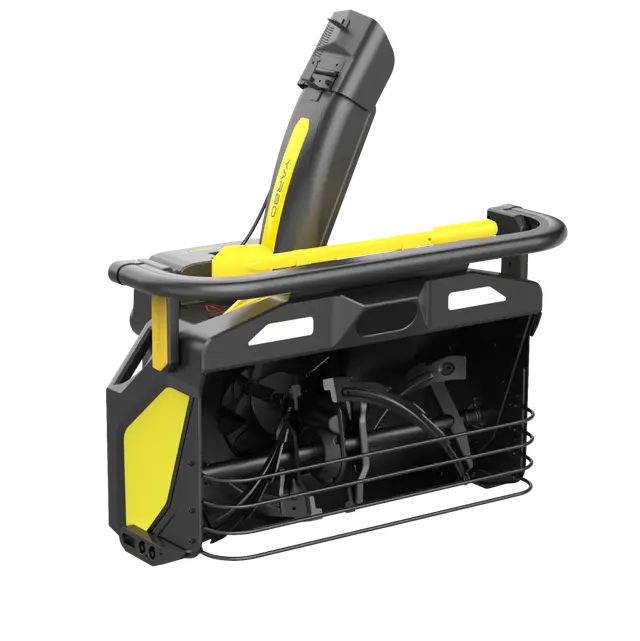
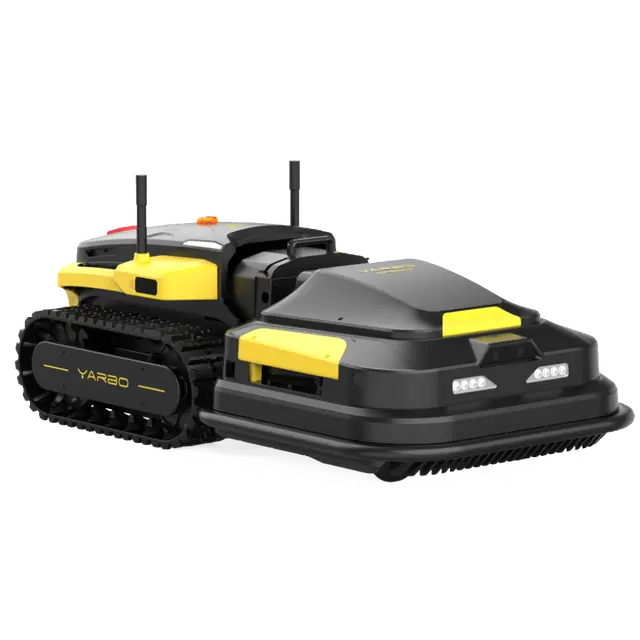
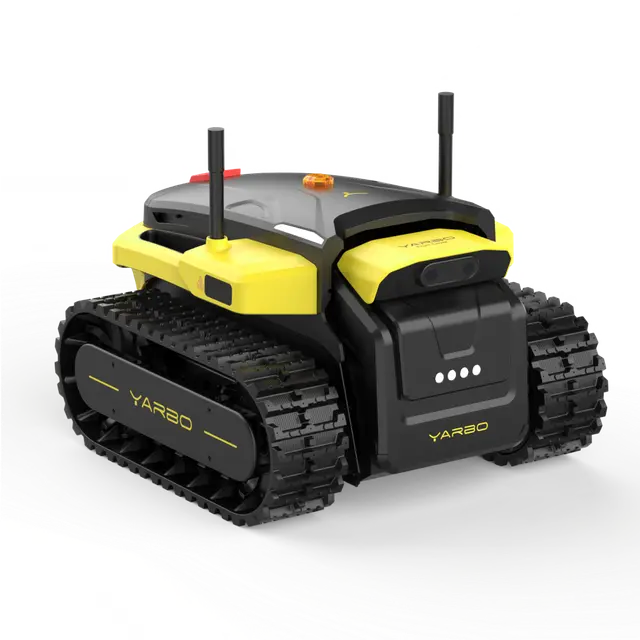
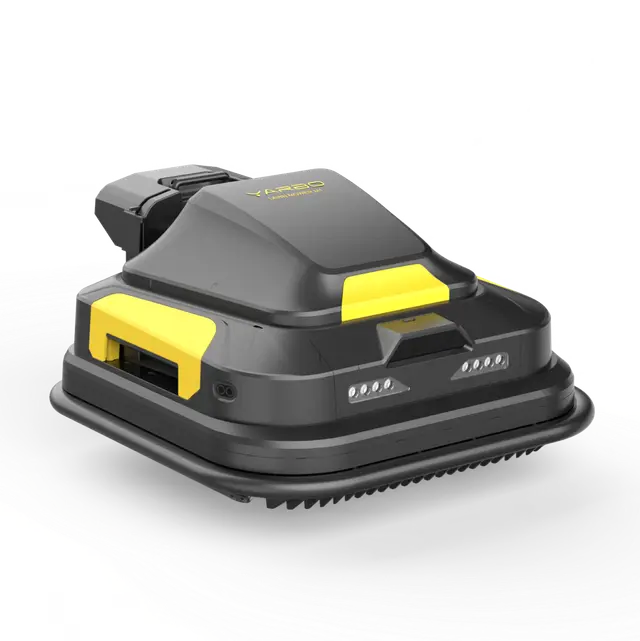
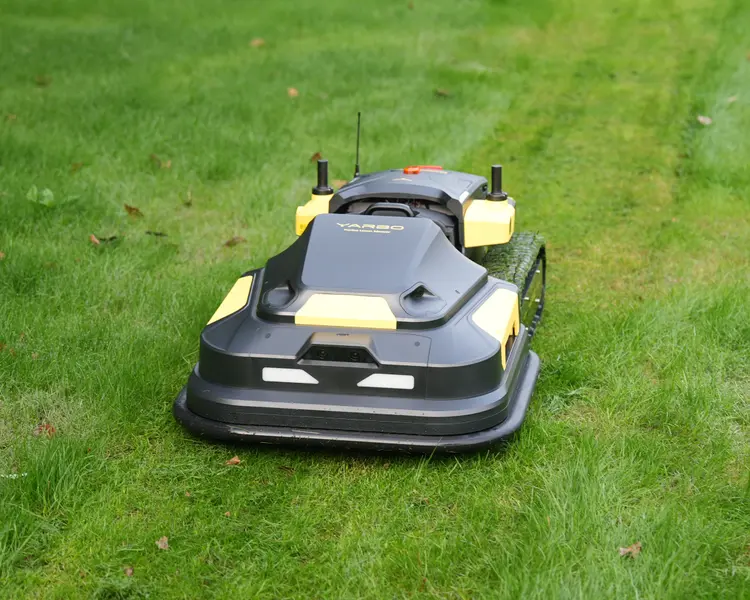
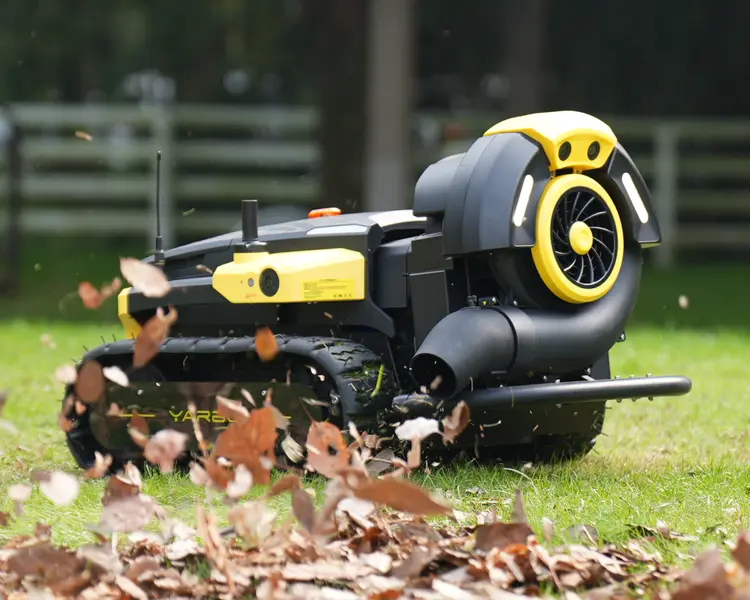
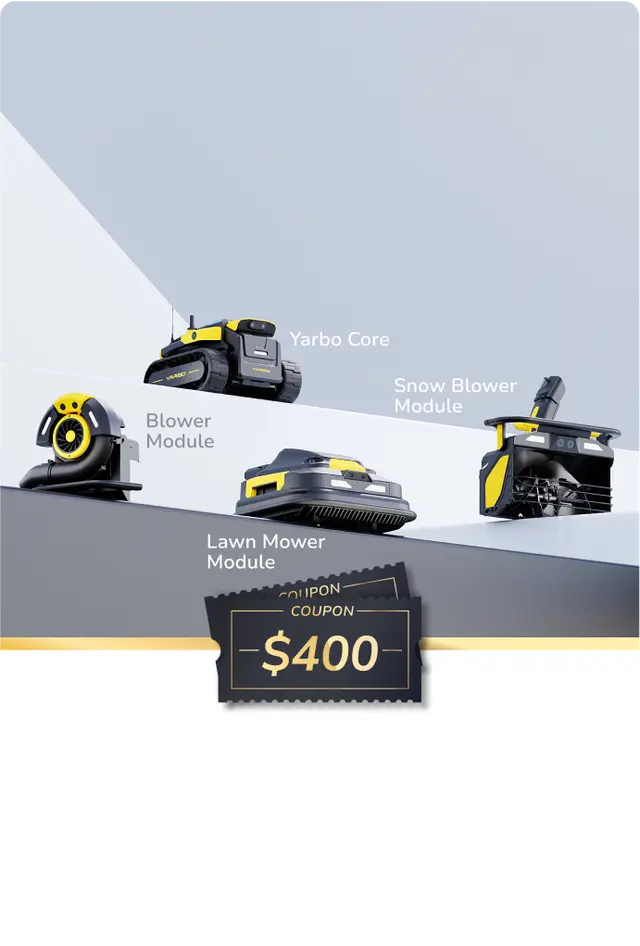
Using ergonomic shovels or robotic snow removal equipment like Yarbo minimizes physical strain and lowers injury risks.
2. Can I use regular tools instead of snow removal tools?
Household tools aren’t designed for snow. Specialized snow removal tools are safer and more effective.
Using ergonomic shovels or robotic snow removal equipment like Yarbo minimizes physical strain and lowers injury risks.
2. Can I use regular tools instead of snow removal tools?
Household tools aren’t designed for snow. Specialized snow removal tools are safer and more effective.
3. Are snow blowers safer than shoveling?
Yes, snow blowers reduce physical exertion, but they still require safe handling to prevent accidents.
Yes, snow blowers reduce physical exertion, but they still require safe handling to prevent accidents.
4. How can I avoid back pain when shoveling snow?
Bend at your knees, push snow instead of lifting, and use ergonomic snow shovels.
Bend at your knees, push snow instead of lifting, and use ergonomic snow shovels.
5. Is robotic snow removal equipment worth the investment?
For large properties or frequent snowfalls, robotic options like Yarbo save time, reduce health risks, and ensure efficiency.
For large properties or frequent snowfalls, robotic options like Yarbo save time, reduce health risks, and ensure efficiency.
6. What protective gear should I wear during snow removal?
Waterproof boots with traction, gloves, layers of clothing, and face protection are essential.
Waterproof boots with traction, gloves, layers of clothing, and face protection are essential.
-7.png?w=1001&h=621)
 Private group · 33.0K members