.png?w=1280&h=720)
Quick Answer: Electric snow blowers, particularly autonomous models like Yarbo, outperform traditional gas snow blowers in terms of environmental impact (zero emissions), long-term cost savings, and operational convenience, while modern two-stage electric designs largely close the gap on raw clearing performance.
When it comes to clearing snow, choosing between an electric vs gas snow blower is more than a matter of convenience it's a decision that affects performance, cost, and environmental impact. As snow removal demands grow, homeowners are increasingly asking: does a robotic, battery-powered solution actually beat a traditional gas snow blower?
In this comparison, we dive into the strengths and drawbacks of both, with a special focus on Yarbo’s cutting-edge snow blower module. We’ll not only challenge but often outperform gas models in long-term value and sustainability.
Table Of Contents:
Why Traditional Gas Snow Blowers Still Dominate
Gas snow blowers have been the go-to for decades, and for good reason:
-
Raw power: Gas engines can generate a lot of torque, making them ideal for very deep or heavy, wet snow.
-
Long operational time: As long as there’s fuel, gas blowers can run without needing to recharge.
-
High throw capability: Many gas models can throw snow very far, useful for large driveways or wide open areas.
-
Availability and familiarity: Many users already own gas-powered machines, and parts or service are widely available.
But there are significant downsides:
-
Maintenance burden: Gas snow blowers need regular engine care oil changes, spark plugs, fuel stabilizers, and winter storage.
-
Fuel costs and logistics: Buying, storing, and handling gasoline isn’t just messy it adds up.
-
Noise, emissions, and environmental impact: Gas engines are noisy and emit pollutants, contributing to noise pollution and carbon emissions.
-
Manual operation: Unless using a ride-on blower, gas models still require physical effort or supervision.
These issues make many homeowners question if there's a better way and that’s where electric options, especially Yarbo’s robotic snow blower, shine.
Rise of Electric Snow Blowers
Electric snow blowers have evolved significantly in recent years. There are primarily two categories:

-
Corded Electric Snow Blowers:
- Pros: Constant power, no need to recharge.
- Cons: Tethered to an outlet; limited reach.
-
Battery-Powered / Robotic Electric Models:
- Pros: Wireless freedom, quieter operation, zero fuel.
- Cons: Limited run-time; need charging infrastructure.
Advances in battery technology, navigation, and robotics have made electric models more practical and efficient. These machines appeal to users who want an eco-friendlier, low-maintenance solution — especially if they're open to innovation.
Enter Yarbo Snow Blower
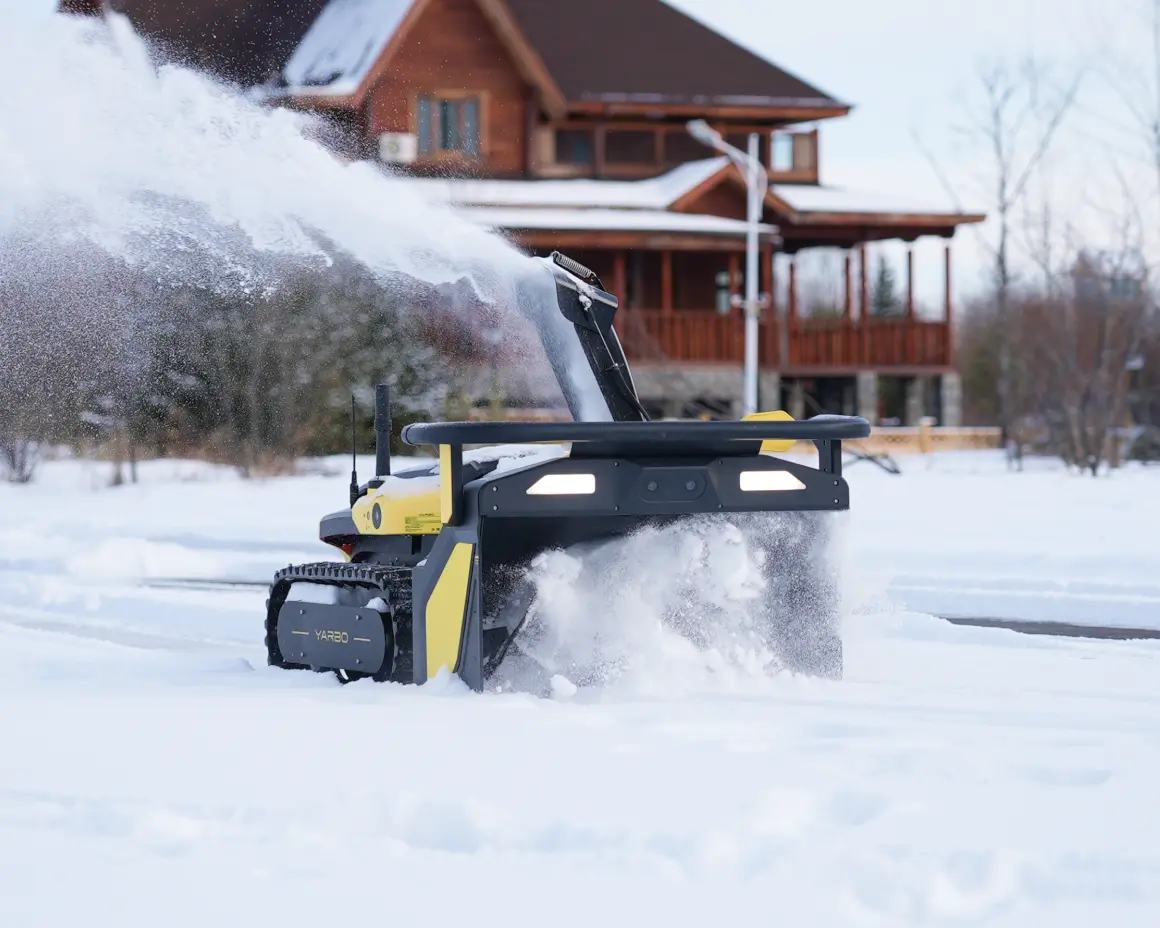
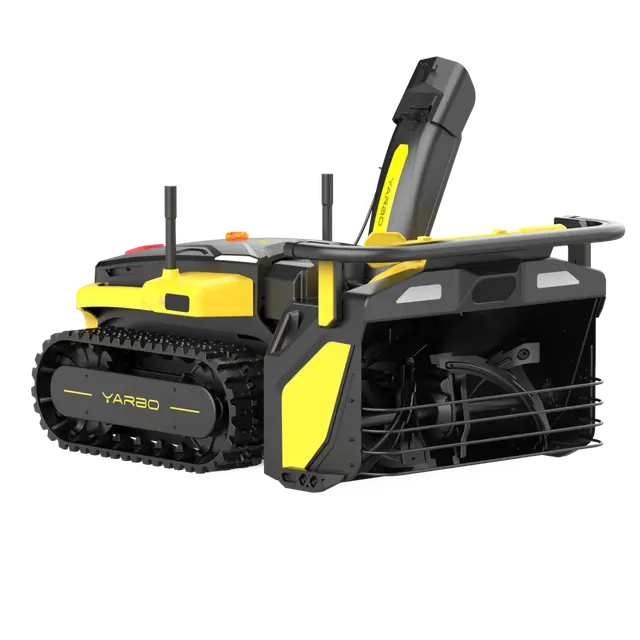
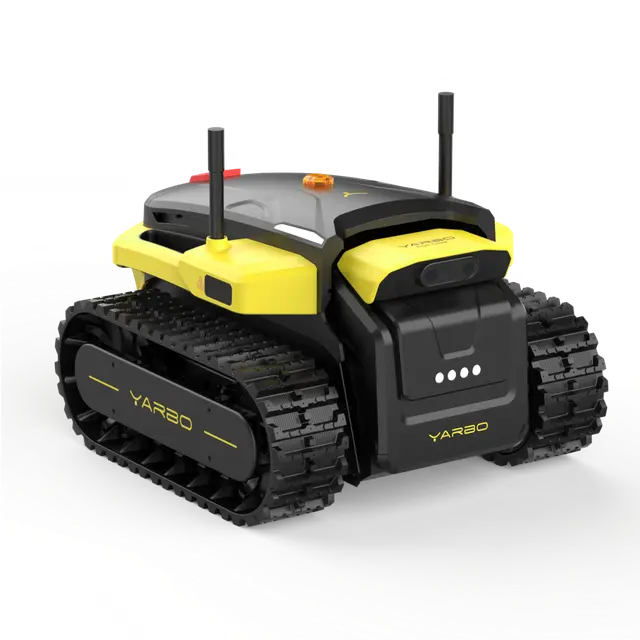
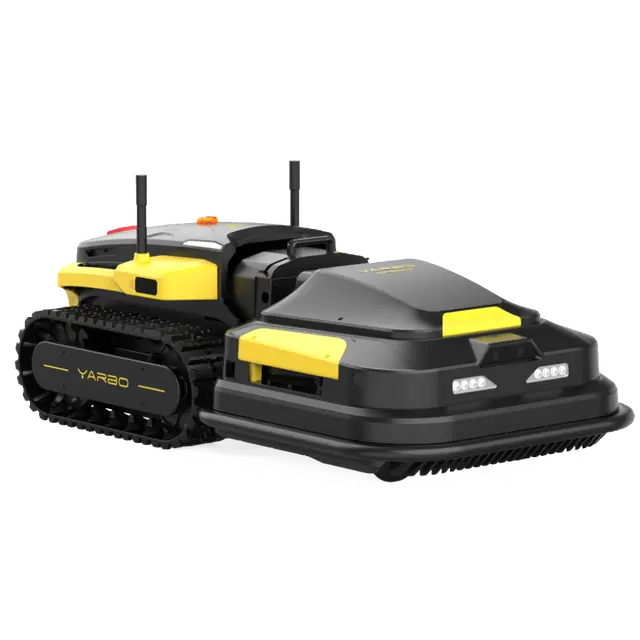
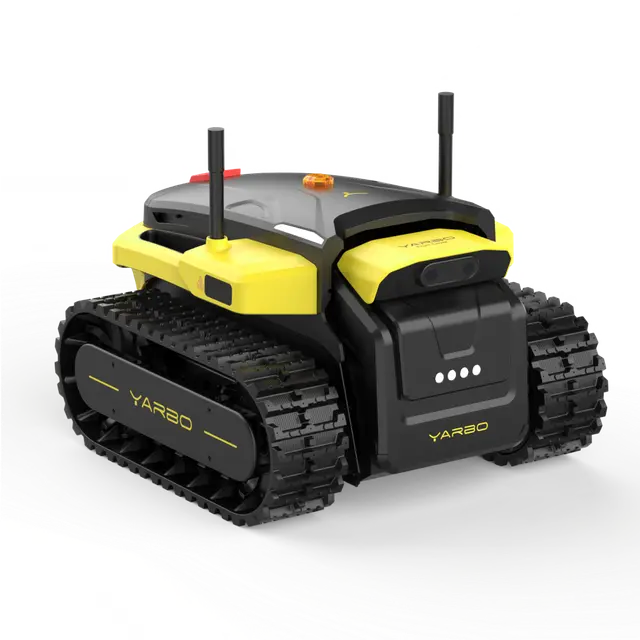
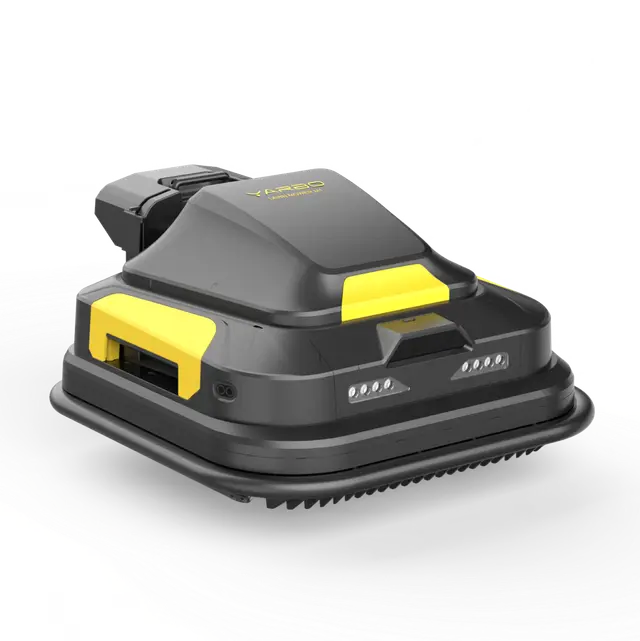
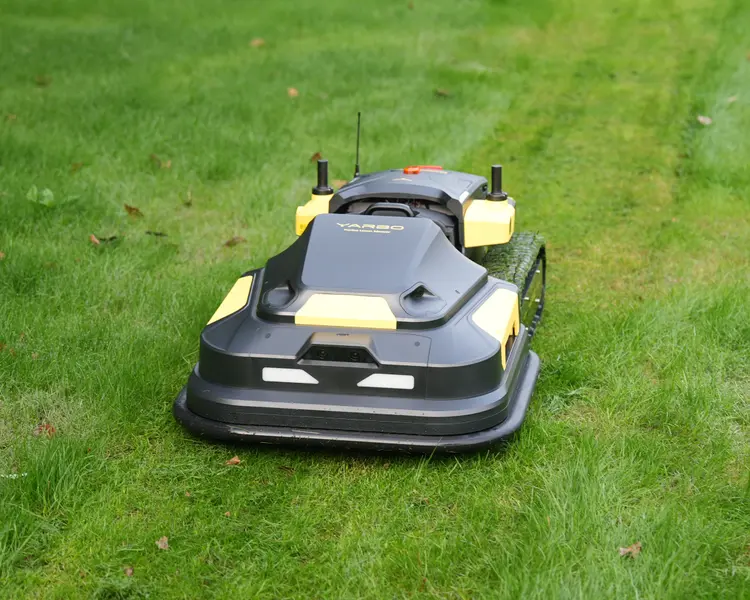
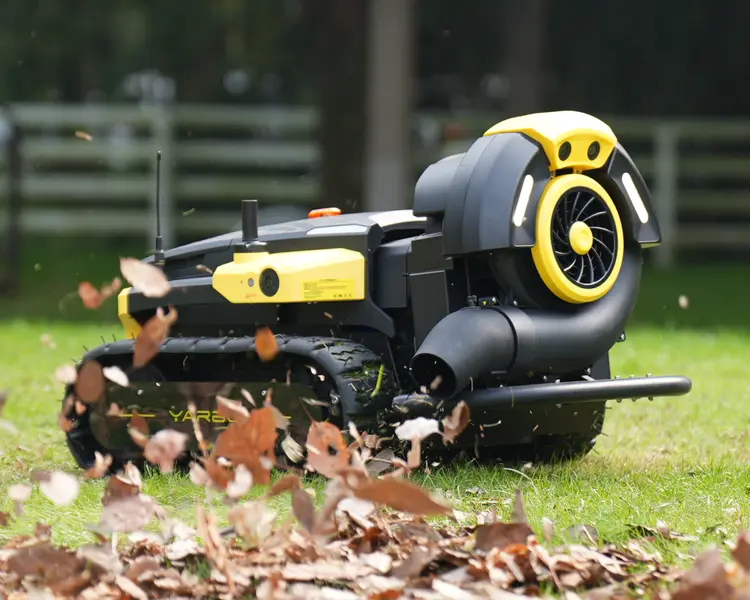
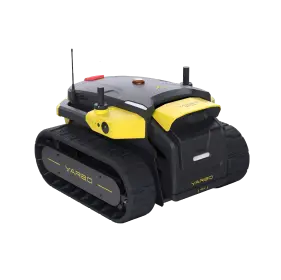
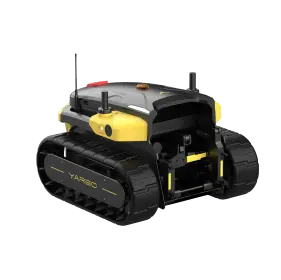
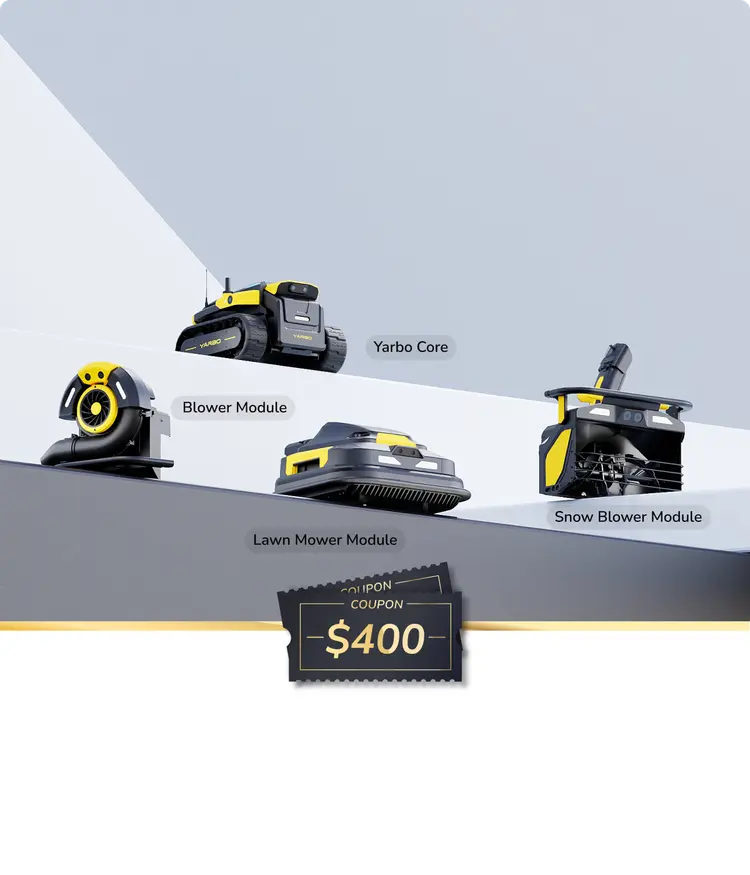
Yarbo isn’t just any electric snow blower, it’s a modular, autonomous yard-care robot designed for year-round use. The snow blower is one of its interchangeable modules, built on a tracked base with a smart navigation system.
Key Yarbo Snow Blower Features:
-
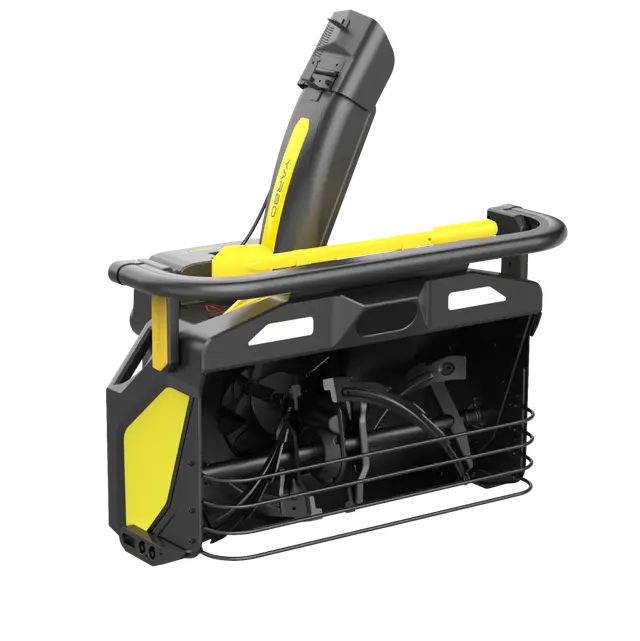
Clearing Power: 24″ clearing width, 12″ intake height.
-
Throw Distance: Adjustable from 6 ft up to 40 ft.
-
Run Time / Charge: About 1.5 hours of operation per charge; 3 hours to fully recharge.
-
Cleaning Capacity: Clears up to 6,000 sq ft of 1-inch snow per charge.
-
Operating Conditions: Works in temperatures from −25 °C to +45 °C (–13°F to +140°F) with an IPX5 waterproof rating.
-
Slope Handling: Can navigate slopes up to 36% (21°) thanks to rugged, all-terrain tracks.
-
Smart Navigation: Uses RTK-GPS, binocular cameras, ultrasonic sensors, and AI route planning.
-
Modularity: The snow blower is just one module — you can swap in a lawn mower or leaf blower for other seasons.
-
Durability & Support: Comes with a 2-year warranty, 24/7 customer support, and a 30-day return policy.
Performance Comparison: Electric vs Gas Snow Blower
| Feature | Yarbo (Autonomous Electric) | Traditional Gas Snow Blower |
| Operation | Autonomous Clearing; Hands-Free | Manual Push; Continuous Operator Required |
| Snow Clearing | Two-stage intake handles wet, dry, or packed snow effectively. 12 inch capacity. | Raw power, ideal for very deep, heavy snow. |
| Emissions | Zero Exhaust Emissions during operation. | High emissions; contributes to local air pollution. |
| Noise Level | Low noise operation (approx. 60 dB). | High noise and vibration (85 dB). |
| Maintenance | Low annual effort; software auto-updates. | High: Requires fuel stabilizers, oil changes, spark plugs. |
| Slope Handling | Up to 36% slope capacity. | Traction and effort are limited (unless track-driven). |
| Operational Time | About 1.5 hours per charge; 3 hours to fully recharge. | Long operational time if fueled. |
Yarbo can run continuously throughout a storm, automatically returning to its dock when the battery is low and resuming when charged.
Performance Insights:
-
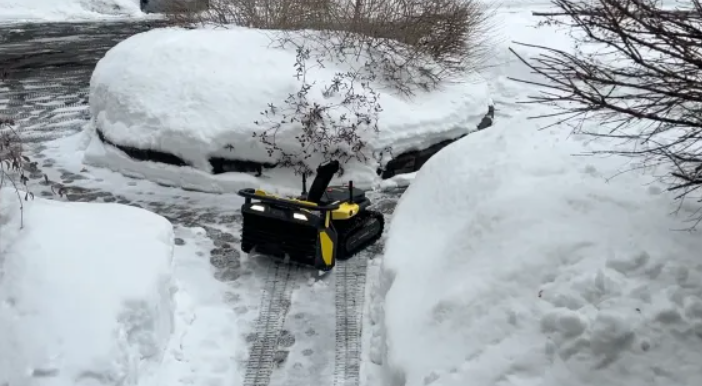
Yarbo’s two-stage intake lets it handle wet, dry, or packed snow effectively.
-
With the 24″ width, Yarbo covers a broader swath in each pass than many residential push snow blowers.
-
Because of its automation, Yarbo can run throughout a storm, returning to dock when battery is low and resuming when charged.
-
The adjustable chute (−10° to 190° rotation, deflection −5° to +50°) lets users control where the snow lands.
Cost Comparison Over Time
While gas snow blowers may be cheaper initially (depending on model), the total cost over time tells a different story especially with Yarbo.
-
According to Yarbo’s own 5-year savings estimate, using Yarbo’s modules can save significantly compared to traditional tool-based or service-based snow clearing.
-
Fuel vs Electricity: Gas costs can fluctuate, and fuel storage adds risk. Yarbo only consumes electricity, which is more stable and predictable.
-
Maintenance Savings: No oil changes, spark plugs, or gas winterization. Just battery maintenance, firmware updates, and occasional track upkeep.
-
Modular Value: Because Yarbo is modular, you're not buying a dedicated machine just for snow, the same base can handle mowing, leaf blowing, and more, increasing utilization and value.
-
Resale / Longevity: As a robot, Yarbo’s value may persist longer, especially given software updates and modular add-ons.
Environmental Impact
Comparing the environmental footprint highlights electric models, like Yarbo, as the particularly green choice.
-
Zero Emissions: Yarbo operates on battery power, producing zero exhaust gases during use.
-
Noise Reduction: Electric operation results in significantly less noise pollution compared to loud gas blowers.
-
Resource Efficiency: The modular design promotes sustainable use by consolidating multiple yard tasks into a single robot platform, reducing the need for redundant tools.
Practical Use: Setup, Navigation & Efficiency
Using Yarbo isn’t just plug-and-play, but the design makes it very user-friendly and efficient.
-
Setup: You map your driveway or zones in the Yarbo app. Once mapped, Yarbo can autonomously clear based on weather or schedule.
-
Auto-docking: Yarbo returns to its charging dock when the battery is low, then resumes when charged.
-
Smart routing: With RTK-GPS, camera vision, and sensors, Yarbo plans efficient paths, avoiding obstacles and optimizing coverage.
-
Adaptability: If snow gets too deep in one pass, Yarbo can make multiple shallow passes rather than struggle.
-
Safety: It uses bumper collision sensors, camera vision, and radar for obstacle detection.
Calculating Your ROI with Yarbo
If you’re evaluating electric vs gas snow blower from a financial lens:
-
Compute Your Area & Frequency: How much driveway / sidewalk space do you need to clear? How often?
-
Estimate Gas Costs: Fuel consumption, how many liters/gallons per season, maintenance.
-
Yarbo Costs: Initial investment (core + module), plus electricity, minimal maintenance.
-
Savings from Modularity: Since Yarbo can do mowing or leaf blowing, you avoid buying separate machines.
-
Long-Term Value: As battery tech improves and firmware updates roll out, your robot could improve over time.
Calculate your ROI with yarbo here. Yarbo’s own model suggests notable 5-year savings when compared to tool-based or service-based snow removal.
Is Yarbo Snow blower Right for You?
Here are considerations to help you decide whether Yarbo snow blower or a traditional gas snow blower is more suitable:
Choose Yarbo if you:
-
Want a hands-free, automated solution
-
Prefer eco-friendly and quieter operation
-
Have a moderate to large driveway (but not very huge)
-
Like the idea of modularity using the same base for mowing or leaf tasks
-
Don’t mind an upfront investment and want long-term value
Stick with Gas if you:
-
Have extremely deep, heavy, or compacted snow regularly
-
Need the maximum throw distance on demand
-
Don’t mind manual operation or maintenance
-
Have a very large area and don’t want to rely on frequent charging
How to Buy & Get Support
-
Visit the Yarbo site to order the Snow Blower Module (note: the Core unit is required).
-
Yarbo offers 2-year warranty, 24/7 customer support, and a 30-day return policy.
-
For technical questions or advanced setup, check Yarbo’s support pages or community forums.
When planning your purchase, calculate ROI and think about how you’ll use Yarbo in other seasons (mower, blower, trimmer etc.).
Conclusion
In the debate of electric vs. gas snow blowers, Yarbo emerges as a compelling choice for homeowners who value automation, flexibility, and long-term savings. While gas blowers remain strong in raw power and familiarity, Yarbo’s electric, autonomous, and modular design solves many pain points offering smart snow removal and year-round, eco-conscious use.
FAQs
-
Can Yarbo clear very deep or wet snow?
Yarbo’s two-stage intake is designed to handle up to 12 in (30 cm) of snow. For very wet or compacted snow, multiple passes may be more effective than a single heavy pass. -
Does Yarbo require a perimeter wire like traditional robot mowers?
No — Yarbo uses RTK-GPS, cameras, and sensors for navigation, so no boundary wire is required. -
How does Yarbo know when to clear snow? You can schedule clearing through the Yarbo app or enable “weather-triggered” runs so Yarbo responds to snowfall automatically.
-
What if the dock gets covered in snow or dirt? The dock should be installed in a location with good satellite reception. Some users report performance issues if the dock becomes blocked or buried.
-
Can I use Yarbo for other yard tasks? Yes — Yarbo is modular. You can swap out the snow blower module for a mower, leaf blower, or other modules.
-
Is Yarbo expensive compared to a gas snow blower?
The upfront cost is higher when it comes to electric snow blower vs gas snow blower , but when you factor in fuel, maintenance, and modular use, Yarbo can offer strong ROI especially over 5 years.
-7.png?w=1001&h=621)
 Private group · 33.0K members