.png?w=1920&h=1080)
A lush, green lawn in spring doesn’t happen by accident. It’s the result of strategic winter lawn care and timely application of the best winterizer fertilizer in fall. Winterizer fertilizers aren’t just about short-term nutrition; they’re designed to strengthen roots and prepare your grass for the dormant season.
By applying fertilizer in the fall, you give your lawn the nutrients it needs to survive harsh winter conditions and emerge stronger and greener when temperatures rise.
Table of Contents:
Why Winterizer Fertilizers Are Essential for Lawn Health?
During fall, grass focuses less on top growth and more on root development. Applying a winterizer fertilizer provides essential nutrients—especially potassium—that help improve root strength, disease resistance, and overall durability.
These fertilizers help:
-
Strengthen roots before dormancy
-
Enhance nutrient storage for spring revival
-
Improve resistance to freezing temperatures
In short, they act like a “shield,” preparing your lawn to bounce back healthier in spring.
Key Nutrients Found in the Best Winterizer Fertilizers
Most high-quality winterizers include:
-
Nitrogen (N): Encourages carbohydrate storage for spring growth
-
Phosphorus (P): Aids in root establishment
-
Potassium (K): Boosts cold tolerance and stress resistance
A good example is an N-P-K ratio of 10-0-20, emphasizing potassium for winter hardiness.
When to Put Down Fertilizer in the Fall?
Knowing when to put down fertilizer in the fall is as crucial as the type you use. Timing ensures nutrients are absorbed effectively before frost sets in.
Ideal Temperature and Timing
Apply your best winterizer fertilizer when soil temperatures consistently stay between 50°F and 60°F (10°C–15°C)—usually about 2 to 3 weeks before the first frost.
For many regions, this means late September to early November. The grass is still active and can absorb nutrients efficiently during this window.
Regional Considerations for Application
| Region | Ideal Application Time |
| Northern U.S. | Late September – Mid October |
| Midwest | Mid – Late October |
| Southern U.S. | Late October – Early November |
| Pacific Northwest | September – October |
Always check local frost forecasts before applying.
How Winter Lawn Care Sets the Stage for Spring?
Applying a winterizer fertilizer is only one part of a complete winter lawn care strategy. To ensure your grass awakens lush and vibrant in spring, you need a holistic approach that includes soil preparation, nutrient balance, debris management, and protection from frost damage. A few weeks of dedicated fall maintenance can yield months of effortless beauty when the weather warms.

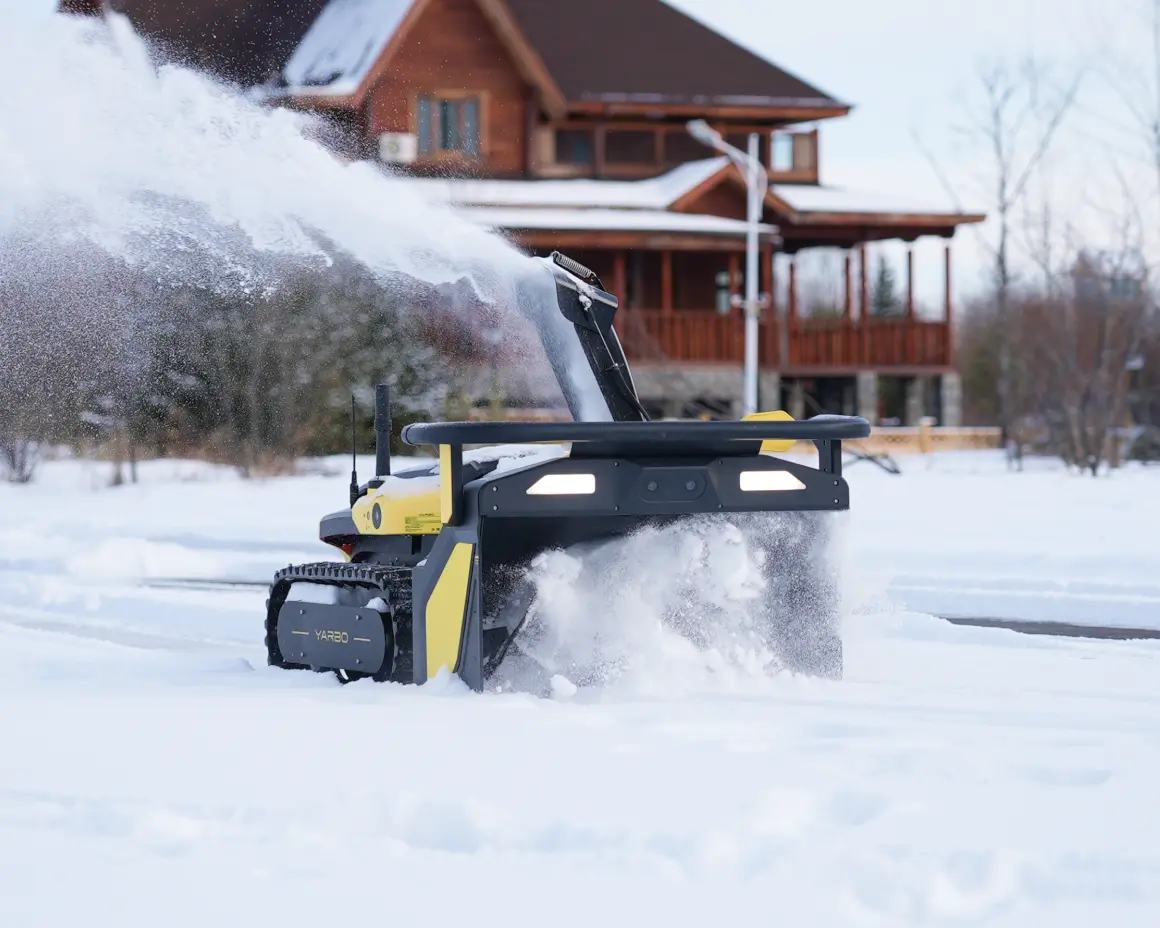
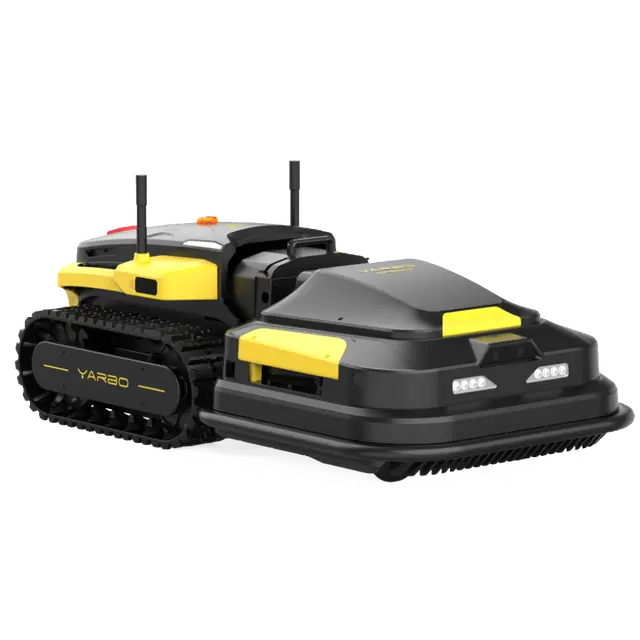
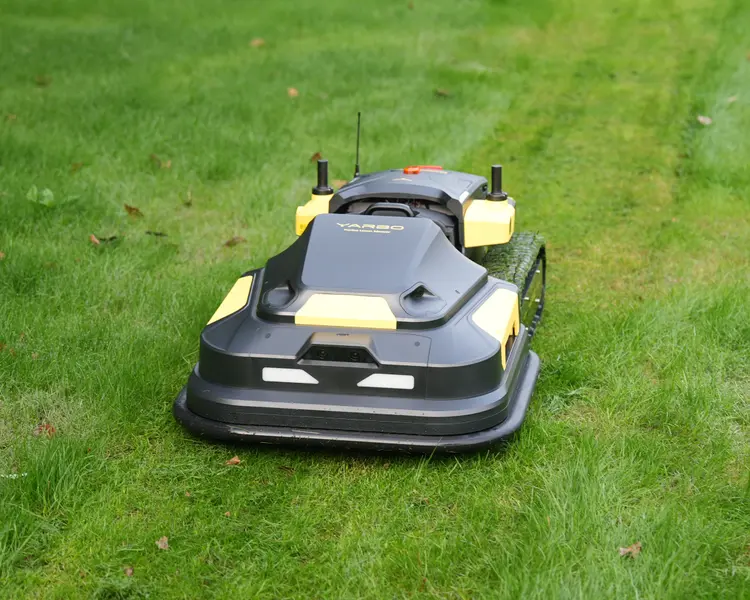
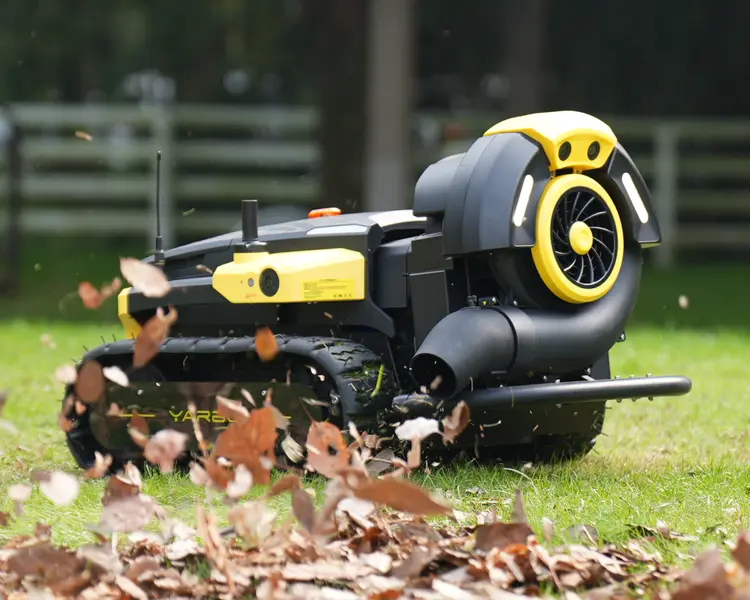
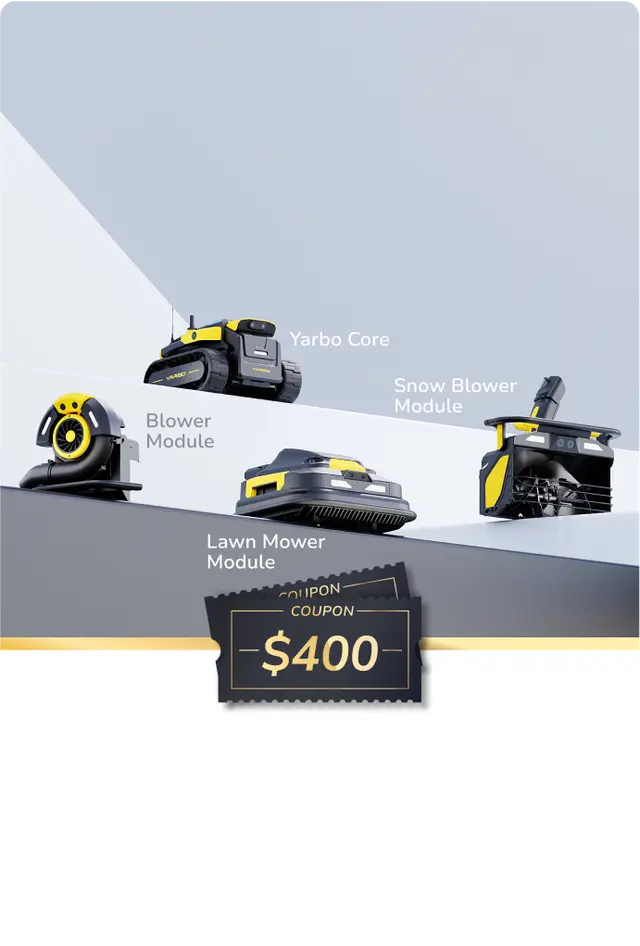
Modern lawn care has evolved beyond manual tools with smart devices like Yarbo’s modular system (featuring Yarbo Lawn Mower, Snow Blower, and Leaf Blower modules), you can automate much of your lawn’s seasonal preparation. These devices help maintain your property efficiently during the critical pre-winter period.
Benefits of Pre-Winter Lawn Maintenance
A little extra attention now saves a lot of work later. Pre-winter lawn care offers several long-term benefits:
-
Healthier Spring Regrowth: Fall-fed lawns store essential carbohydrates and nutrients from winterizer fertilizer, ensuring vigorous growth and rich color as soon as temperatures rise.
-
Reduced Weed Pressure: Strong, dense turf leaves less room for crabgrass, dandelions, and other invasive weeds to establish themselves in early spring.
-
Improved Soil Structure: Aerating and enriching soil with organic matter before winter promotes deeper root growth and better drainage, minimizing compaction from snow cover.
-
Enhanced Cold and Disease Resistance: Proper potassium intake and balanced pH fortify grass against frost damage, fungal infections, and desiccation during freezing months.
-
Effortless Winter Management with Smart Tools: The Yarbo ecosystem takes the guesswork out of seasonal transitions. Its modular design allows you to switch from mowing to snow blowing or leaf clearing within minutes.
For example:-
Yarbo Mower Module: Trims your lawn evenly before dormancy to prevent mold growth.
-
Yarbo Snow Blower Module: Automatically clears snow, preventing buildup that can suffocate turf.
-
Yarbo Blower Module: Helps remove leaves, twigs, and debris, keeping your yard clean and nutrient-absorbent before fertilization.
-
By integrating smart automation with traditional best practices, you create a resilient, self-sustaining lawn ecosystem that thrives year-round.
Key Pre-Winter Maintenance Steps
Before frost sets in, complete these vital steps to prepare your lawn:
-
Mow to the Right Height: Trim your lawn to about 2.5–3 inches. Too long invites snow mold; too short weakens roots.
-
Aerate Compact Soil: Use a plug aerator to loosen soil and allow nutrients and oxygen to penetrate.
-
Apply the Best Winterizer Fertilizer: Choose a high-potassium formula like 10-0-20 for root strengthening.
-
Overseed Thin Areas: Spread cool-season grass seed where coverage is sparse to promote uniform spring growth.
-
Water Deeply Before Frost: Hydrate the root zone so grass can store moisture during dormancy.
-
Clear Debris and Fallen Leaves: Use a Yarbo Blower Module to prevent thatch buildup, mold formation, and smothering.
-
Inspect Irrigation Systems: Drain sprinklers to avoid frozen pipes and winter leaks.
.png?w=1280&h=720)
Common Winter Lawn Care Mistakes
Avoiding common pitfalls is as crucial as following best practices. Watch out for these frequent errors:
-
Applying Fertilizer Too Early or Too Late: Early application encourages premature growth; late fertilization misses the absorption window.
-
Over-Fertilizing: Excess nutrients can burn grass and pollute runoff areas. Stick to label recommendations.
-
Skipping Aeration or Overseeding: Neglecting these steps limits nutrient uptake and weakens turf density.
-
Ignoring Leaf Cleanup: Leaves trap moisture, encouraging fungus. Smart tools like the Yarbo Blower Module simplify clearing.
-
Neglecting Watering Before Frost: Dry roots are more prone to freeze damage. Water deeply before the ground hardens.
Top 5 Best Winterizer Fertilizers for 2025
Here’s a curated list of the best winterizer fertilizers trusted by lawn care experts.
-
Scotts Turf Builder WinterGuard Fall Lawn Food
-
NPK: 32-0-10
-
Key Benefits: Promotes strong roots and improved nutrient absorption.
-
Best For: Cool-season grasses.
-
Pennington Ultragreen Winterizer Plus Weed & Feed
-
NPK: 22-0-14
-
Key Benefits: Feeds lawn and controls weeds simultaneously.
-
Best For: Homeowners wanting dual action.
-
GreenView Fall Lawn Food
-
NPK: 22-0-10
-
Key Benefits: No phosphorus; ideal where regulations restrict P.
-
Jonathan Green Winter Survival Fall Lawn Food
-
NPK: 10-0-20
-
Key Benefits: High potassium content for cold resilience.
-
Milorganite Organic Nitrogen Fertilizer
-
NPK: 6-4-0
-
Key Benefits: Slow-release, organic option that enriches soil health.
How to Apply Winterizer Fertilizer Effectively?
Tools and Equipment Needed
-
Broadcast or drop spreader
-
Lawn rake
-
Hose or sprinkler
Step-by-Step Application Process
-
Mow and clean debris before applying.
-
Calibrate the spreader according to product label.
-
Apply evenly, walking in straight lines.
-
Water lightly afterward to help nutrients penetrate.
Post-Application Care
Avoid mowing for 3–5 days and keep foot traffic minimal to allow absorption.
Organic vs Synthetic Winterizer Fertilizers
Pros and Cons of Organic Options
- Improves soil health
- Environmentally friendly
- Slower nutrient release
When to Choose Synthetic Fertilizers
- Immediate nutrient availability
- Easy to apply and measure
- Potential for runoff if misused
For eco-conscious homeowners, Milorganite is an excellent organic choice.
Conclusion
Investing in the best winterizer fertilizer is an investment in your lawn’s future. Combine it with proper winter lawn care, timely application, and soil testing for the best results.
FAQs About Best Winterizer Fertilizer
1.What makes a fertilizer a “winterizer”?
It’s formulated with high potassium and moderate nitrogen to strengthen roots before dormancy.
2.Can I use spring fertilizer in fall?
No, spring fertilizers are high in nitrogen for top growth, which isn’t ideal before winter.
3.How late is too late to apply a winterizer fertilizer?
After the ground freezes or grass stops growing, nutrients can’t be absorbed effectively.
4.Do I need to water after applying winterizer?
Yes, lightly water to activate the fertilizer and help it reach the roots.
5.Is winterizer safe for pets?
Most are safe once absorbed, but keep pets off the lawn until it’s watered in and dry.
6.How often should I apply winterizer fertilizer?
Once per fall season is sufficient for most lawns.
-7.png?w=1001&h=621)
 Private group · 33.0K members