-0.png?w=3844&h=1440)
Technology is transforming yard care, and one innovation leading the charge is the robot lawnmower. Homeowners are asking: is it worth switching to automation, or should they stick with traditional methods?
With models improving every year, robot lawnmowers now offer advanced features such as GPS navigation, smart sensors, and weather-resistant designs.
But before making the investment, it’s crucial to understand how they work, their pros and cons, and whether they’re suitable for your specific yard—especially if you’re wondering, can you mow a wet lawn with them?
Table of Contents:
What Is a Robot Lawnmower and How Does It Work?
A robot lawnmower is an automatic machine designed to trim your grass with minimal human intervention. Think of it as the lawn-care equivalent of a robot vacuum cleaner. Instead of pushing or riding a mower, you set boundaries, schedule mowing times, and let the robot handle the rest.
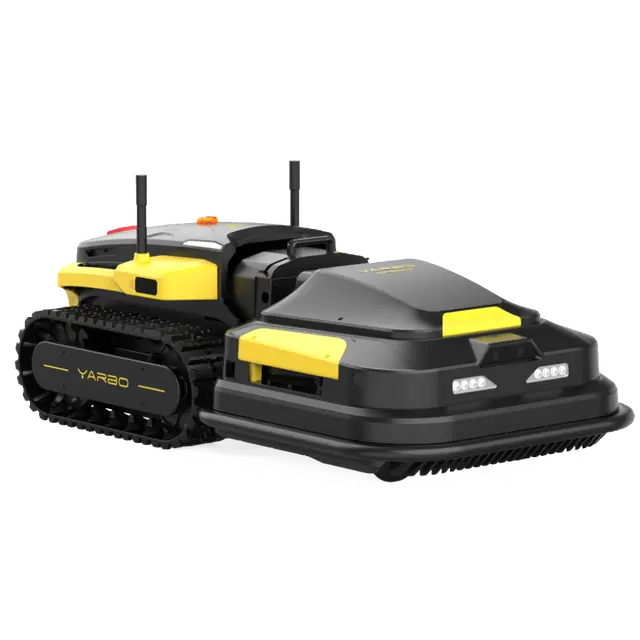
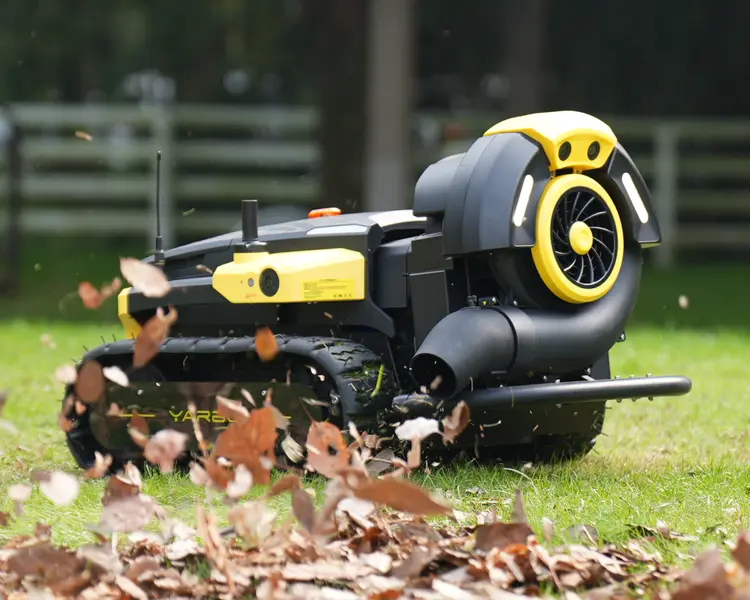
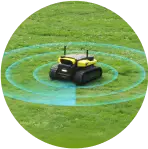
Most robot lawnmowers use sensors, boundary wires, or GPS mapping to navigate. High-end models, such as Yarbo, utilize RTK-GPS, vision systems, IMU, and odometry for centimeter-level precision mapping and route tracking, completely eliminating the need for perimeter wires.
They move around the lawn in systematic or random patterns, cutting grass into fine clippings that decompose naturally, nourishing the soil. Some high-end models even connect to smartphone apps, allowing remote monitoring and control.
Key Features That Make Robot Lawnmowers Smart
-
GPS or RTK navigation for accurate lawn coverage.
-
Weather sensors that prevent mowing during rain.
-
Adjustable cutting heights for different grass types.
-
Smartphone integration with scheduling and alerts.
-
Safety sensors that stop blades if lifted or tipped.
Advantages of Using a Robot Lawnmower
Switching to a robot lawnmower comes with a list of advantages that go beyond just saving time.
Time-Saving Benefits
Robot lawnmowers can work daily or multiple times per week, maintaining a consistent height without the need for manual mowing. This means more free weekends and less physical labor. For homeowners with large properties, this can translate to significant time savings; one user noted, 'I have 3 acres and Yarbo cut my weekly chore time to zero'. Consistent Lawn
Consistent Lawn Appearance
Because they mow frequently, robot lawnmowers leave grass evenly cut, avoiding the uneven patches that sometimes happen with traditional mowing.
Energy Efficiency and Eco-Friendliness
Unlike gas-powered mowers, most robot lawnmowers are battery-operated. This reduces emissions and creates a quieter mowing experience, making them more sustainable for long-term lawn care.
Appearance
Because they mow frequently, robot lawnmowers leave grass evenly cut, avoiding the uneven patches that sometimes happen with traditional mowing. The Yarbo Lawn Mower Pro, with its straight blades., cuts grass clippings into finer pieces, accelerating decomposition and naturally nourishing the lawn, leading to a cleaner, lower-maintenance lawn appearance.
Choosing the Right Robot Lawnmower for Your Large Yard
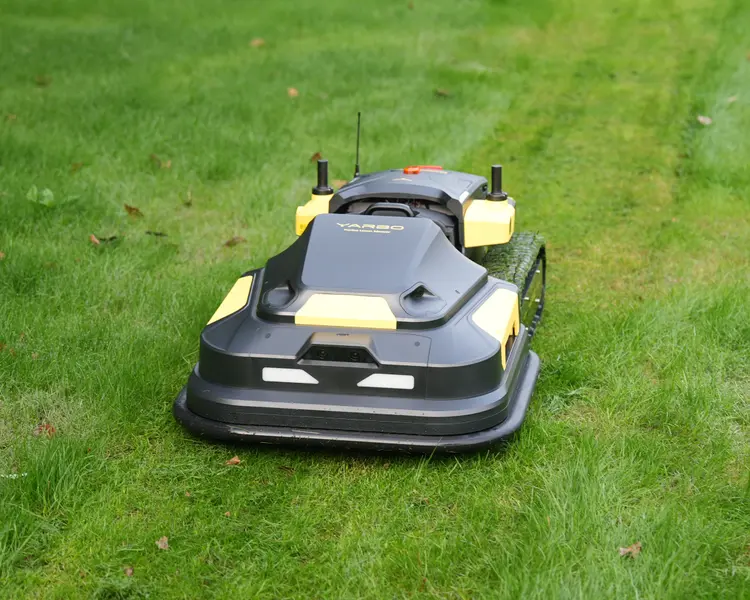
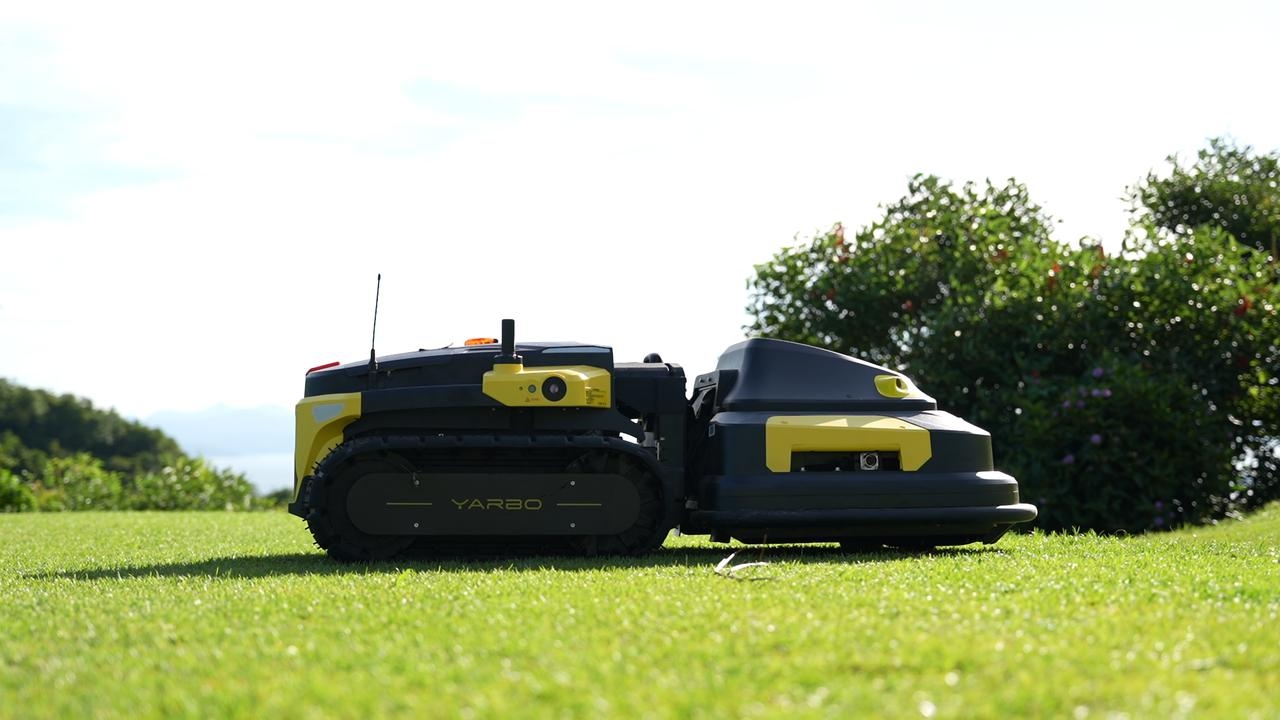
If you've got expansive acreage—or a particularly rugged or steep property—the Yarbo robot lawn mower stands out as a formidable option:
-
Scale and stamina: Excellent for multi-acre properties where smaller mowers fall short.
-
Autonomous flexibility: Smart detection, customizable patterns, and connectivity take the effort out of yard management.
-
Unmatched coverage: Yarbo is engineered for vast lawns, capable of maintaining up to 6 acres (25,000 m²). For optimal results, it handles 3.5 acres on a 48-hour mowing cycle or up to 6 acres on a 72-hour cycle.
-
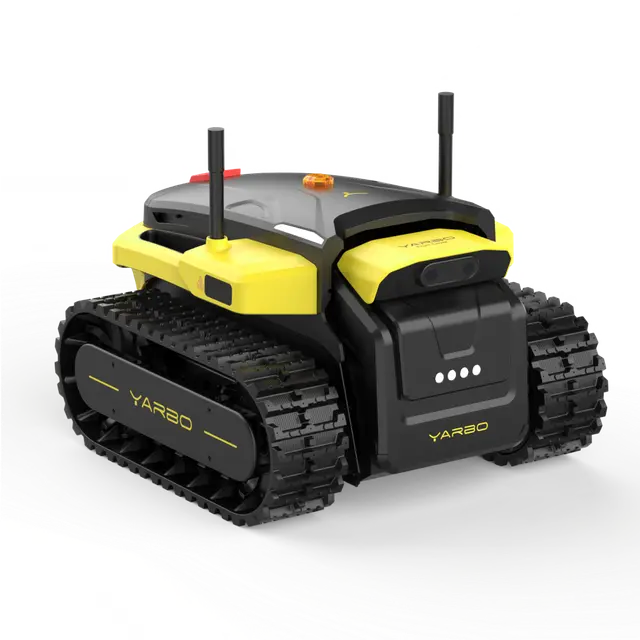
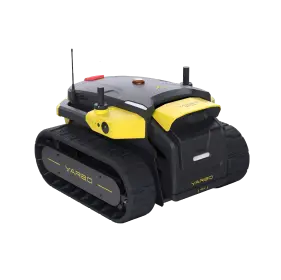
All-wheel tracked system: Equipped with track-driven mobility, Yarbo effortlessly traverses a variety of terrains—from hills to uneven ground—with minimal turf compaction.
-
Impressive slope capability: It can climb slopes of up to 35° (70%), enabling confident mowing even across steep inclines.
-
Advanced navigation and obstacle awareness: Yarbo leverages RTK-GPS, vision systems, IMU, and odometry for precise mapping and route tracking—no boundary wires required. It also boasts binocular cameras, ultrasonic radar, and bumper sensors to detect and avoid obstacles intelligently.
-
Customizable mowing patterns: Tailor how Yarbo navigates your lawn using parallel, checkerboard, triangle, or spiral patterns—ideal for varied terrain and aesthetic preferences.

-
Year-round utility: With modular attachments, Yarbo becomes more than a mower—it's a multi-season yard robot.
-
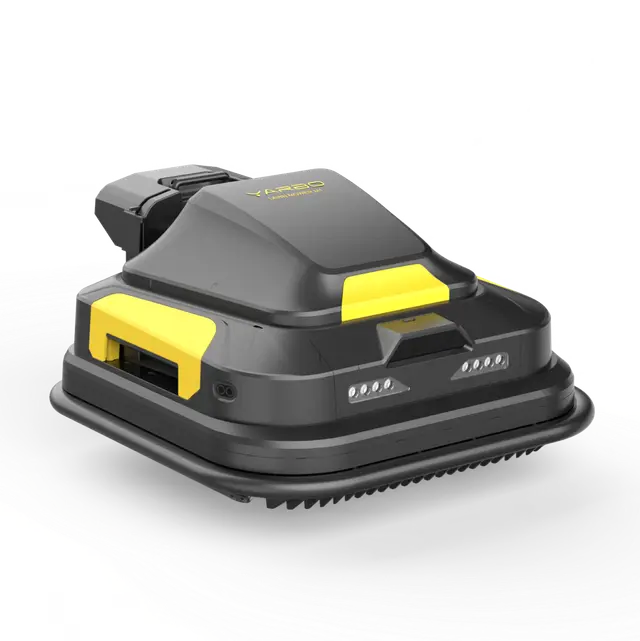
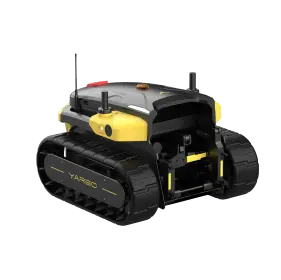
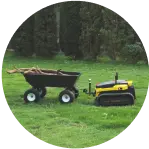
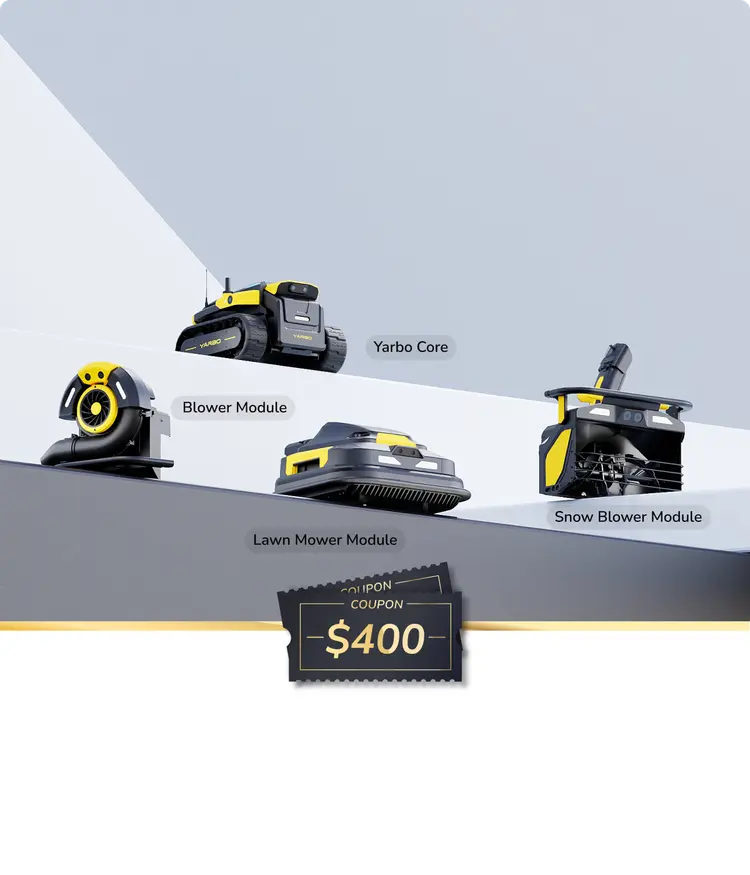
Robust build and modular versatility: Featuring a floating dual-disc deck (each with five blades), Yarbo flexes with the terrain for consistently even cuts. It's also designed for modularity—with quick-swap attachments for tasks beyond mowing, such as towing, trimming, snow clearing, and leaf blowing.
-
Smart automation and connectivity: Equipped with 4G, Wi-Fi, Bluetooth, auto recharging, rain detection, teleoperation capabilities, and cliff detection, Yarbo is well-prepared for autonomous, smart lawn management.
-
Solid support and warranty: Buyers benefit from a 2-Year Limited Warranty + Optional 3-Year Extended Coverage, 24/7 customer support, and a 30-day hassle-free return policy.
-
Real-world user praise: On Reddit, one user shared:
“So my estimate is around 5 acres of lawn to mow. This is the biggest reason I choose Yarbo – most robot lawn mowers can’t do this much acreage.”
Potential Drawbacks of Robot Lawnmowers
No product is perfect, and robot lawnmowers come with a few limitations worth considering.
Upfront Cost Considerations
Robot lawnmowers can be more expensive than standard push or riding mowers. However, when factoring in fuel, maintenance, and time saved, the cost balances out over several years.
Performance on Different Terrains
While many robot lawnmowers can handle slopes and uneven ground, very complex terrains with obstacles may require high-end models.
Limitations in Handling Wet Grass
One of the biggest questions is: can you mow a wet lawn with a robot lawnmower? While some models can attempt it, mowing wet grass often leads to clogging, uneven cuts, and potential damage to both the mower and your lawn. However, the Yarbo Lawn Mower Pro is specifically designed to handle tall, thick, wet, or overgrown grass with ease, preventing clogging and providing efficient, clean trims even in challenging conditions.
Can You Mow a Wet Lawn With Robot Lawnmowers?
This is one of the most common concerns among homeowners.
Risks of Cutting Wet Grass
-
Grass clumps together, leaving uneven patches.
-
Wet clippings stick to blades, reducing efficiency.
-
Lawn roots can be damaged due to soil compaction.
-
Increased risk of slipping or mower malfunction.
Best Practices for Wet Lawn Mowing
-
Wait until the lawn is dry before operating your robot lawnmower.
-
Install rain sensors that stop mowing when it rains, or rely on Yarbo's smart automation with weather sensors and an IPX5/IPX6 waterproof rating for operation in diverse conditions.
-
Raise blade height slightly if the grass is damp. "In short, while some robot lawnmowers may attempt mowing wet grass, it’s best to avoid it whenever possible with standard models. For optimal results and reliability in less-than-ideal conditions, investing in a robust system like the Yarbo Lawn Mower Pro, built to handle such challenges, is recommended."
In short, while some robot lawnmowers may attempt mowing wet grass, it’s best to avoid it whenever possible.
Choosing the Right Robot Lawnmower for Your Yard
Yard Size and Complexity
Small to medium yards work well with entry-level models, while large or complex lawns benefit from advanced models with GPS navigation.
Smart Navigation and Mapping Features
Look for robot lawnmowers that create maps of your yard, ensuring no section is left unmowed.
Safety and Security Options
PIN codes, alarms, and GPS tracking help protect your investment.
Comparing Robot Lawnmowers vs Traditional Lawn Mowers
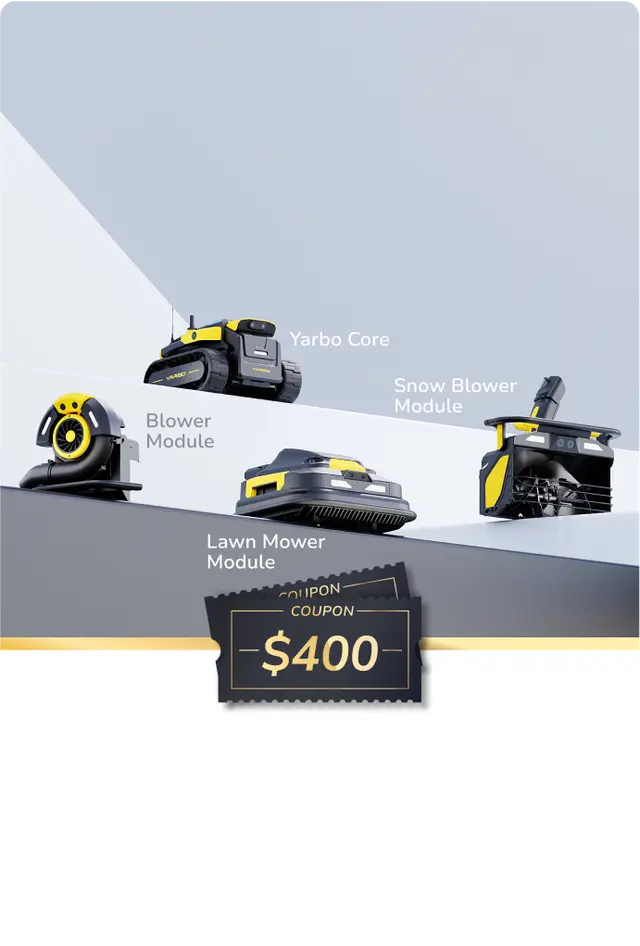
Cost over time robot lawnmowers have higher initial costs but lower operating expenses compared to gas mowers. A fully equipped Yarbo (Core + mower, snow, blower modules) can range from $6,999 to $9,700, but it replaces at least three major machines and can recoup its cost within 2-3 years through savings on contractor fees or multiple separate equipment purchases. This makes it a long-term economical solution:
Manual Effort vs Automation
Traditional mowers require physical work, while robot lawnmowers handle the task automatically, saving energy and time.
Cost Comparison With Professional Services
-
Professional Lawn Care Services typically cost between $50–$100 per visit, depending on yard size and frequency. Over a full mowing season, this can add up to $2,000–$3,500 annually.
-
A robot lawnmower, like Yarbo, involves a higher upfront investment but can replace these recurring costs, paying for itself within 2–3 years.
-
Traditional mowers are cheaper upfront but still require fuel, maintenance, and personal time — and if the homeowner doesn’t want to mow, they’ll end up hiring a service anyway.
Cutting Precision and Edge Handling
With professional services, you’re dependent on their schedule, which may not always align with your needs.
Robot mowers give you the freedom of a perfectly maintained lawn 24/7, on your terms, without waiting for a crew.
Traditional mowers require you to dedicate time and effort every week.
Quality and Precision
-
Professionals often deliver clean cuts and handle edges and trimming with skill.
-
Robot mowers, especially advanced ones like Yarbo, deliver consistent, frequent mowing that keeps grass healthier. Some edge work may still need manual attention, though robotic edging solutions are emerging.
-
Traditional mowers depend on the user’s skill, effort, and consistency — which can vary.
Conclusion
A robot lawnmower is an excellent investment for homeowners who value convenience, consistency, and eco-friendly lawn care. While they may struggle with wet grass and require an upfront investment, the time saved and long-term cost benefits make them a strong choice.
If you’re wondering whether to upgrade, consider your yard size, terrain, and lifestyle. For most households, a robot lawnmower isn’t just a gadget—it’s a game-changer.
FAQs About Robot Lawnmowers
Q1: Do robot lawnmowers work on uneven ground?
Yes, most can handle mild slopes, though extreme terrains may need premium models. Yarbo, with its patented all-terrain tracks, can easily climb slopes up to 35° (70%) and navigates uneven ground, bumps, and roots effectively.
Q2: How long do robot lawnmowers last?
With proper maintenance, robot lawn mowers typically last 8–10 years. Usage frequency affects parts like the battery (usually 2–4 years) and blades, but the main unit itself is built for long-term durability.
Q3: Can I leave a robot lawnmower outside?
Yes, but it’s better to keep it in a docking station with a shelter.
Q4: Do robot lawnmowers need Wi-Fi?
Not always. Many models run offline, but Wi-Fi enhances remote control. Yarbo uses RTK-GPS navigation which does not strictly require internet for signal reception, but connectivity (4G, Wi-Fi, Bluetooth) enhances remote control, updates, and communication with the cloud.
Q5: How much does a good robot lawnmower cost?
Prices range from $800 to $4,000 depending on features and yard size.
Q6: Can you mow a wet lawn with a robot lawnmower?
Technically yes, but it’s not recommended due to potential grass and mower damage. However, the Yarbo Lawn Mower Pro is specifically designed to handle tall, thick, wet, or overgrown grass with ease, preventing clogging.
-7.png?w=1001&h=621)
 Private group · 33.0K members