Maintaining a lush and healthy lawn isn’t just about watering and fertilizing—it begins with proper mowing practices. Following the right grass mowing tips not only keeps your yard looking neat but also promotes stronger root systems, reduces weeds, and enhances grass growth.
Whether you’re a new homeowner wondering how to mow a lawn or looking to refine your techniques with professional grass mowing tips, this guide covers everything you need for a thriving lawn.
Table Of Contents:
Why Proper Grass Mowing Tips Matters for Grass Health?
Mowing may seem like a simple routine, but it’s one of the most critical elements of lawn care. Grass is a living plant, and improper mowing can stress it, weaken the root system, and invite disease. Cutting your grass the right way strengthens each blade, boosts photosynthesis, and helps your lawn resist pests and drought.
Think of mowing as a haircut: the right trim promotes growth, while a poor cut can leave damage that takes weeks to recover.
Selecting the Right Lawn Mower & Tools
Selecting the right lawn mower is a crucial step in maintaining a healthy and well-manicured lawn. The type of mower you choose depends on the size of your yard, your budget, and your personal preferences.
Here’s a breakdown of the three main types of lawn mowers:
-
Push Mowers
Push mowers are ideal for small to medium-sized lawns. These mowers are lightweight, affordable, and eco-friendly, especially if you opt for a manual reel mower. Gas and electric push mowers offer more power, making them suitable for slightly larger areas.
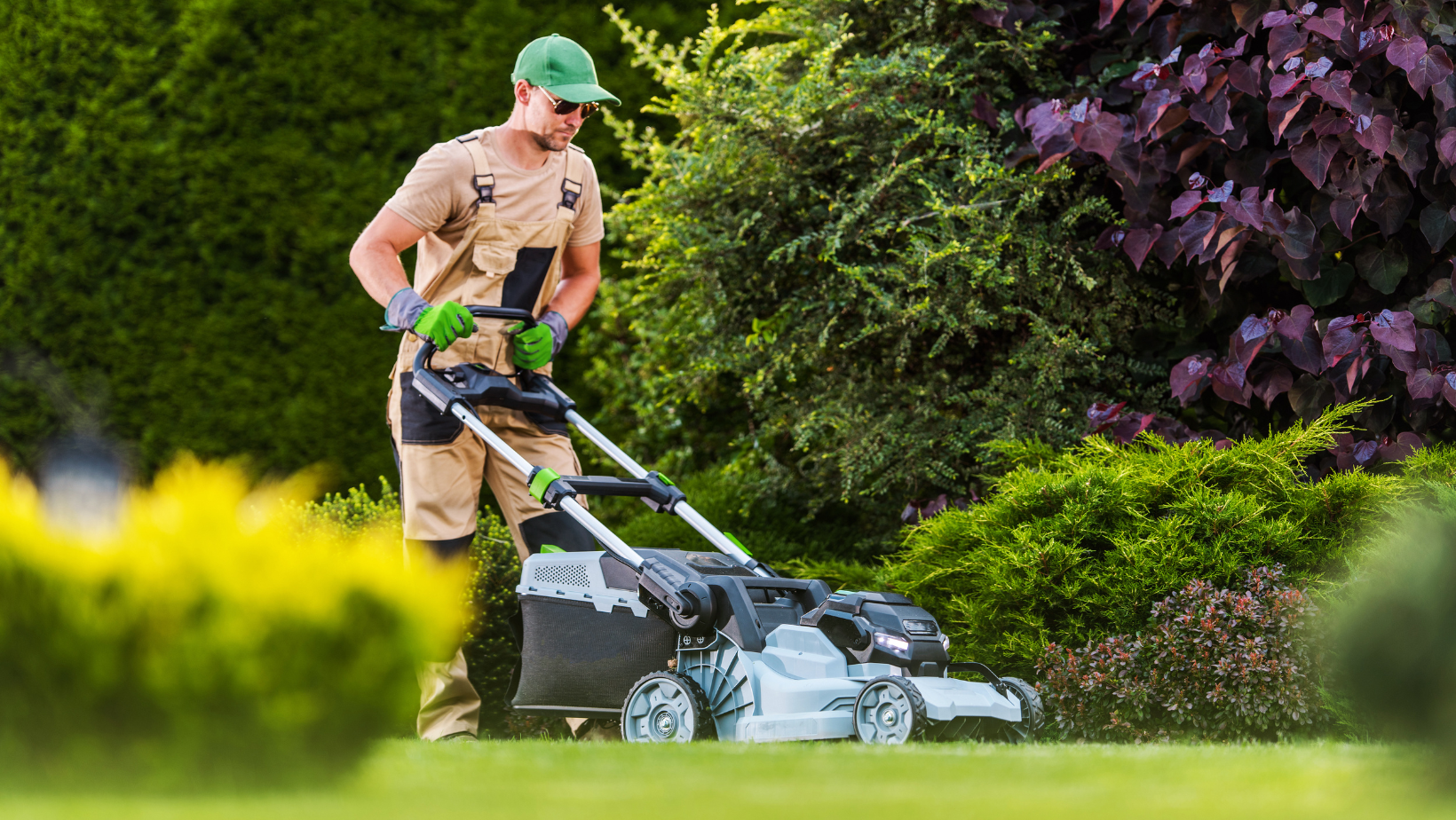
Benefits of Push Mowers:
-
Cost-effective and easy to maintain.
-
Great for lawns with tight spaces or intricate landscaping.
-
A good option for fitness enthusiasts, as they require physical effort.
-
Riding Mowers
For large lawns or properties exceeding half an acre, a riding mower is a game-changer. These mowers come with powerful engines, wide cutting decks, and comfortable seating, allowing you to mow large areas quickly and efficiently.
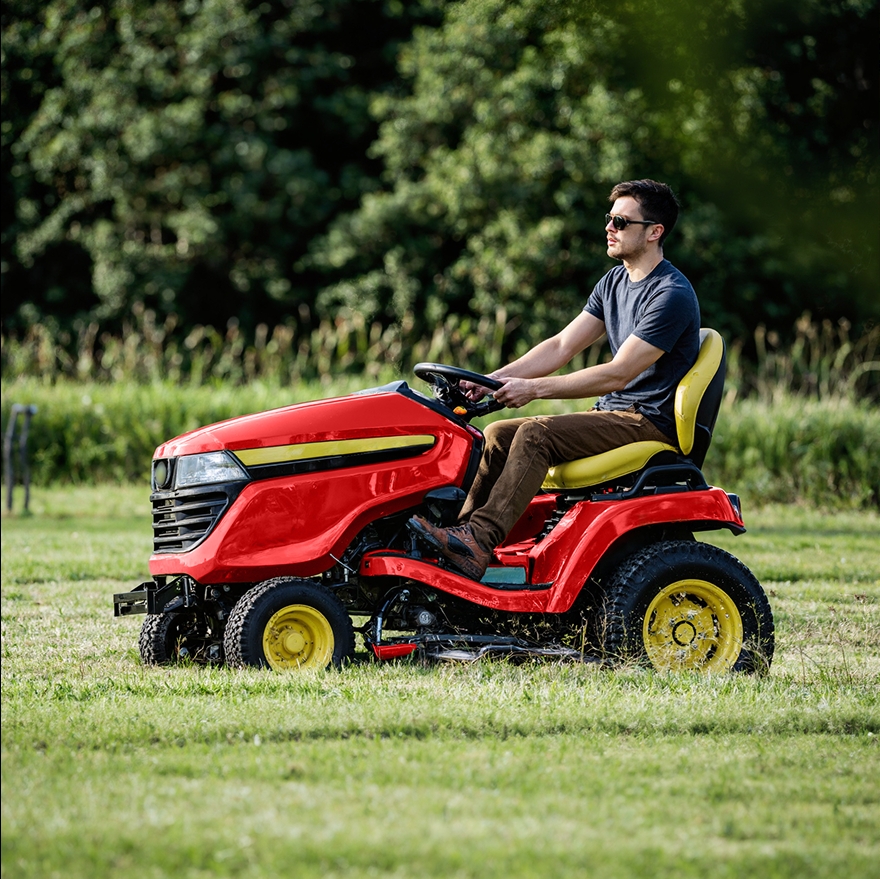
Benefits of Riding Mowers:
-
Ideal for expansive lawns.
-
Can handle uneven terrain and slopes.
-
Many models offer attachments for bagging, mulching, or even snow removal.
-
Robotic Mowers
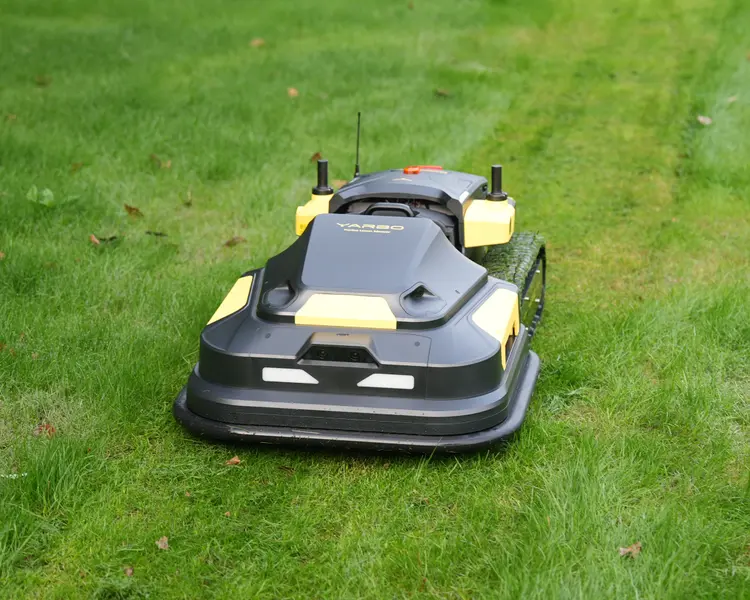
If you’re looking for a hands-free, tech-savvy solution, robotic mowers are the way to go. These innovative devices use advanced sensors to navigate your lawn, mow on a schedule, and even recharge themselves when needed.
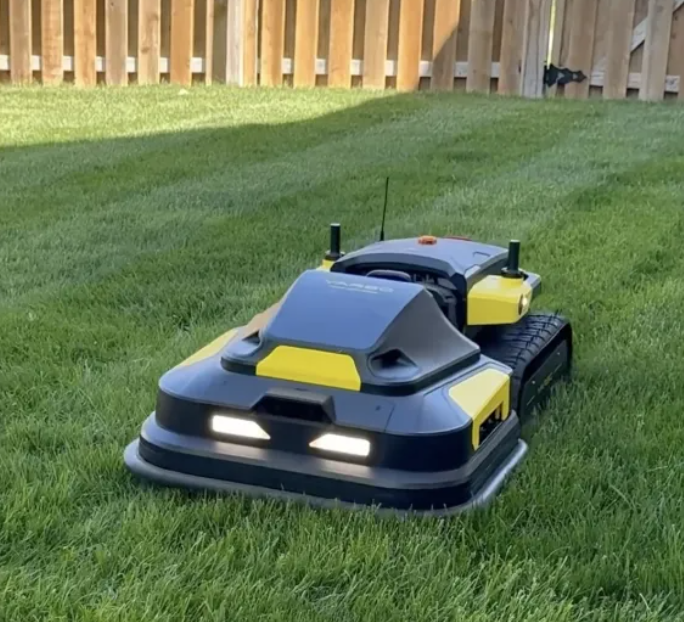
Benefits of Robotic Mowers:
-
Perfect for busy homeowners or those who prefer minimal effort.
-
Eco-friendly and energy-efficient.
-
Can be customized with features like perimeter control, rain sensors, and app connectivity.
Pro Tip: While robotic mowers are a higher initial investment, they’re excellent for maintaining a consistently trimmed lawn without manual intervention.
Optional Tools
Want to take your lawn to the next level?
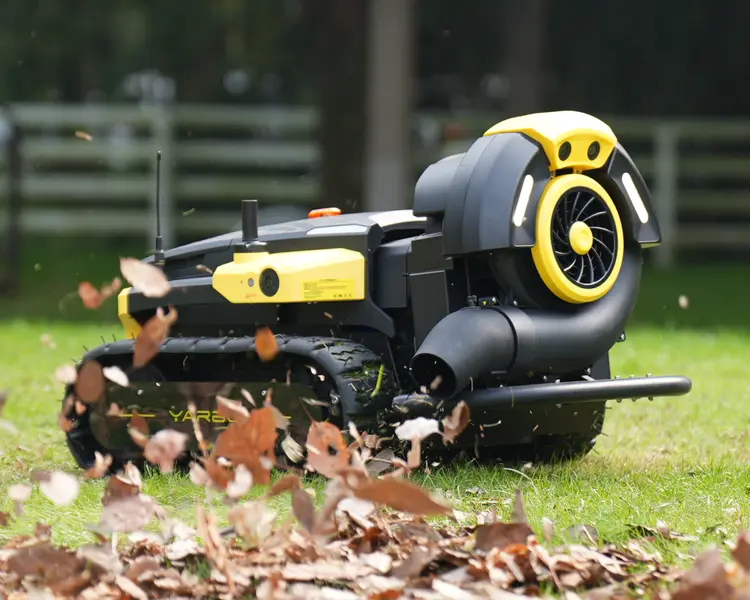
A lawn edger creates crisp edges, while a leaf blower keeps your yard free of debris. If you have a robot lawn mower, they often come with or have attachments you can use to get those final details right.
Preparing for Lawn Mowing Checklist
Inspecting Your Lawn
Before you start, scan your lawn for rocks, branches, and toys. These obstacles can damage your mower or harm you if flung by the blades.
Preparing Your Lawn Mower
To keep your mower running like a pro and your lawn looking its best, regular maintenance is essential. This isn’t just about prolonging the life of your mower; it’s also about ensuring a clean, healthy cut for your grass.
Here’s a detailed checklist to keep your equipment in top shape:
1. Sharpen or Replace Your Mower Blades
Dull blades tear grass instead of cutting it, leading to jagged edges and an unhealthy lawn. Sharpen your blades every 20-25 hours of use, or replace them if they’re nicked or excessively worn. A sharp blade ensures a cleaner cut, which promotes healthier grass growth.
.png?w=1640&h=924)
-
Sharpen the blade using a file or a bench grinder.
-
Be sure to follow the blade’s original angle for precision and maintain a balanced edge to avoid uneven cuts.
-
If sharpening feels like a hassle, consider taking the blades to a professional for servicing to ensure optimal results.
-
For blades that are severely damaged, bent, or show significant wear and tear, replacement is the best option.
-
Using worn-out blades not only compromises the health of your lawn but can also strain your mower’s performance.
2. Clean the Mower Deck
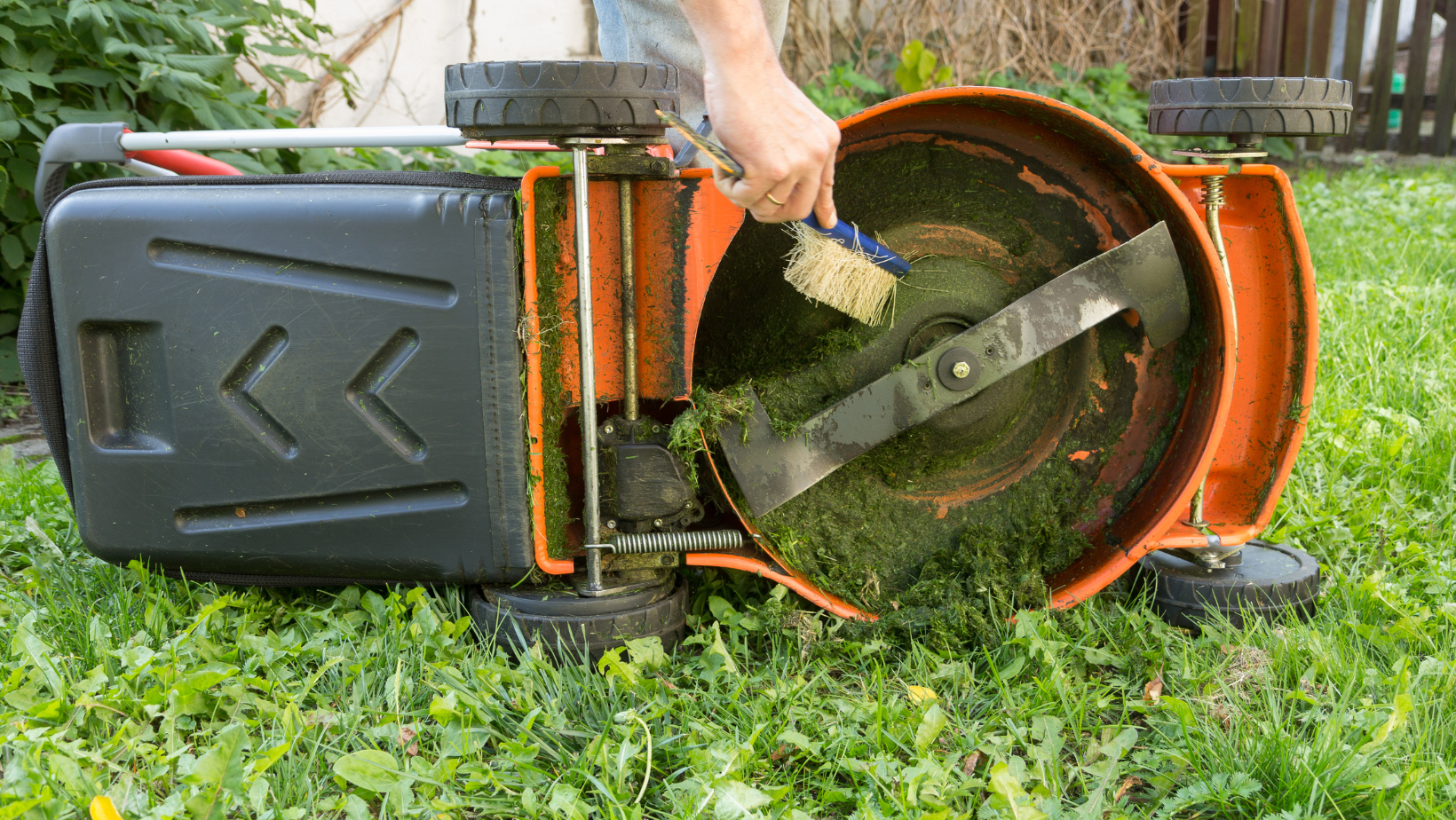
Grass clippings and dirt can accumulate on the underside of the mower deck, causing rust and reducing performance. After every mow, scrape off debris and wash the deck to keep your mower efficient and long-lasting.
Prioritize Safety First - Always turn off the mower and disconnect the spark plug before starting any maintenance. This simple step ensures you avoid accidental starts while working on the deck.
3. Clear Away Grass and Debris
Use a scraper, putty knife, or similar tool to remove any grass clippings, dirt, or debris that have built up underneath the mower deck. This buildup can hinder airflow and reduce cutting efficiency if left unchecked.
Give the mower deck a good rinse using a garden hose or pressure washer. This helps eliminate stubborn dirt and prevents rust from forming. Make sure to dry the deck afterward to avoid moisture-related damage.
4. Inspect for Rust or Damage
Periodically, check the mower deck for signs of rust, cracks, or other damage. Address any issues immediately—whether that means sanding down rust, applying rust-proof paint, or repairing damaged areas. Prompt fixes will prolong the life of your mower deck and ensure consistent performance.
5. Change the Oil
Fresh oil is the lifeblood of your mower’s engine. Replace the oil every 50 hours of use or once per season to prevent engine wear. Always refer to your owner’s manual for the recommended oil type.
6. Replace the Spark Plugs
Spark plugs play a critical role in starting your mower. Replace them annually or if you notice difficulty starting the mower. A new spark plug ensures a reliable start and consistent performance.
7. Clean or Replace the Air Filter
A clogged air filter can choke your engine, reducing efficiency and increasing emissions. Clean the filter every 25 hours of use or replace it annually to keep your mower running smoothly.
8. Check Cables and Belts
Inspect the cables and belts for cracks, fraying, or looseness. Tighten or replace as needed to avoid unexpected breakdowns mid-mow. Properly maintained cables and belts ensure your mower operates smoothly.
9. Inspect the Fuel System
Stale fuel can clog your mower’s carburetor and reduce performance. Drain old fuel at the end of the mowing season and always use fresh fuel with a stabilizer to prevent issues.
10. Check the Battery (For Robot Lawn Mowers)
If you’re using a robot mower, its battery is its lifeline. Regularly inspect the battery for signs of wear or reduced performance. Charge it fully and replace it as recommended by the manufacturer to ensure uninterrupted operation.
Pro Tip: A well-maintained lawn mower not only improves performance but also extends the life of the equipment, saving you time and money in the long run. Regularly following this checklist ensures your mower is always ready to deliver a clean, professional cut.
How to Mow a Lawn Correctly: The Basics You Need to Know?
If you’re wondering how to mow a lawn properly, start with the fundamentals:
-
Check your mower’s blades before every session. Dull blades tear grass, while sharp blades make a clean cut.
-
Never remove more than one-third of grass height in a single mowing session. Cutting too short weakens the plant.
-
Mow when the grass is dry to avoid clumping and uneven results.
-
Keep your mower deck clean to prevent debris buildup that affects performance.
A simple rule of thumb: mow regularly, but not excessively, to maintain balance between growth and resilience.
The Best Mowing Frequency for Different Grass Types
Grass type and growth speed determine mowing frequency. For example:
-
Fast-growing cool-season grasses: Once or twice weekly during spring and fall
-
Warm-season grasses: Weekly during summer’s peak growing season
-
Drought-prone areas: Less frequent mowing during dry spells to prevent stress
Consistency is key. Skipping weeks and then mowing too short shocks the lawn, leaving brown patches and weak spots.
Choosing the Right Mowing Schedule
Consistency is key! Mow when the grass reaches 2.5 to 3 inches is the ideal height, adjusting for seasonal growth. For example, mow weekly in spring and less often during slower growth periods.
-
Avoid mowing during the hottest time of the day, it can stress the grass
-
Avoid mowing in the cold. It leaves the grass exposed to frost or dew can increase its vulnerability to diseases
-
Mowing wet grass often results in clumping, leads to uneven cuts and potentially damage your lawn as well as your lawn mower.
-
Grass's mowing needs decrease in winters and increase in the winters dapt your schedule with seasonal changes,
-
Learn about your grass type as different types of grass grow at different rates, have different water and & temperature requirements.
Proper Mowing Techniques
Setting the Right Mowing Height
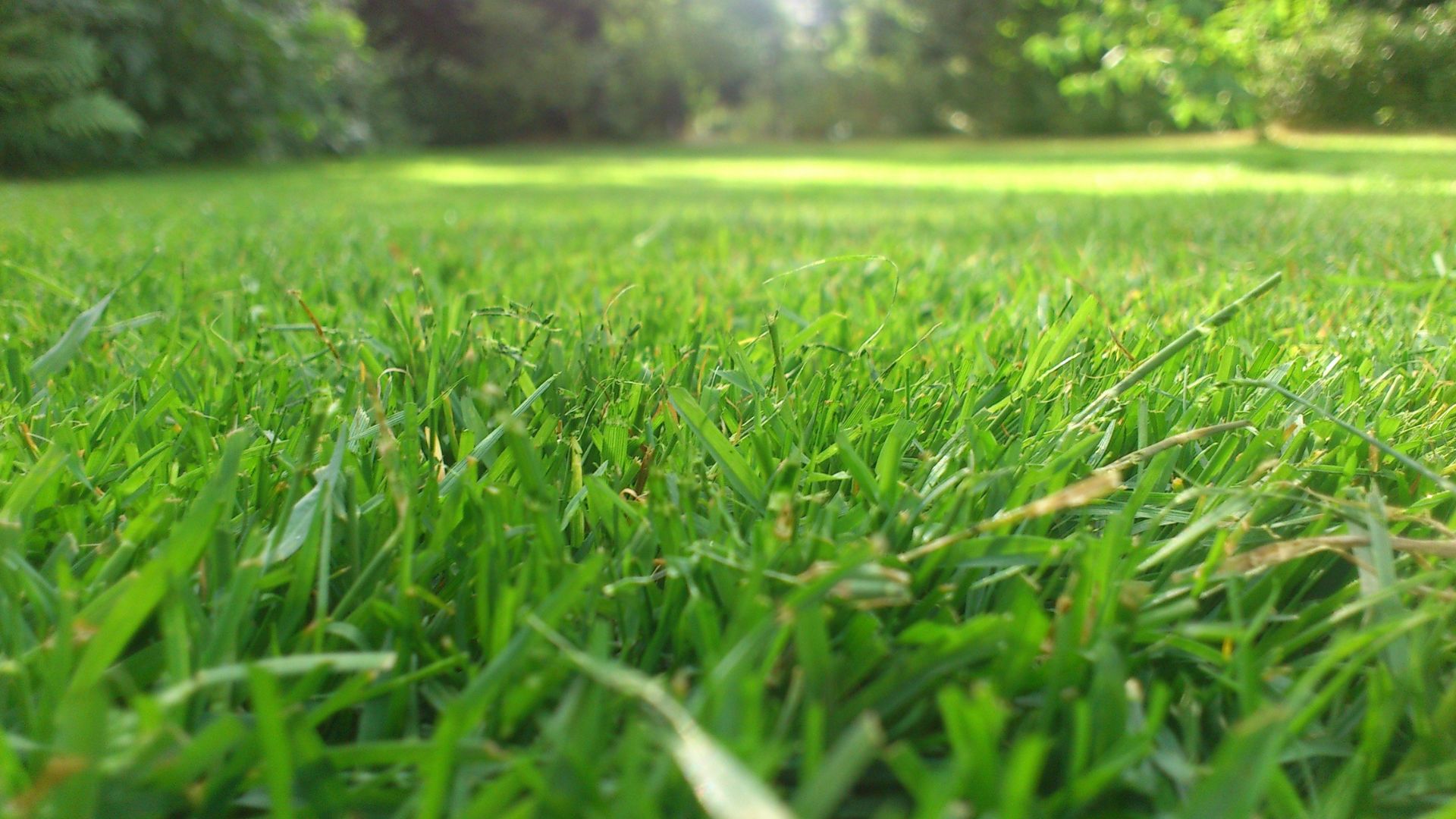
Cutting your grass too short stresses it out. Most lawns thrive with grass heights of 2.5–4 inches.
Following the One-Third Rule
Never cut more than one-third of the grass blade length at once. This practice keeps your lawn healthy and reduces the risk of brown patches.
How to Alternate Mowing Patterns for Stronger Grass
Mowing in the same direction every time creates ruts and compacts soil. Instead, alternate mowing patterns. Try these:
-
Horizontal vs. vertical passes
-
Diagonal mowing every other week
-
Checkerboard patterns for aesthetics
Changing directions prevents grass from leaning, encourages upright growth, and reduces wear on your lawn.
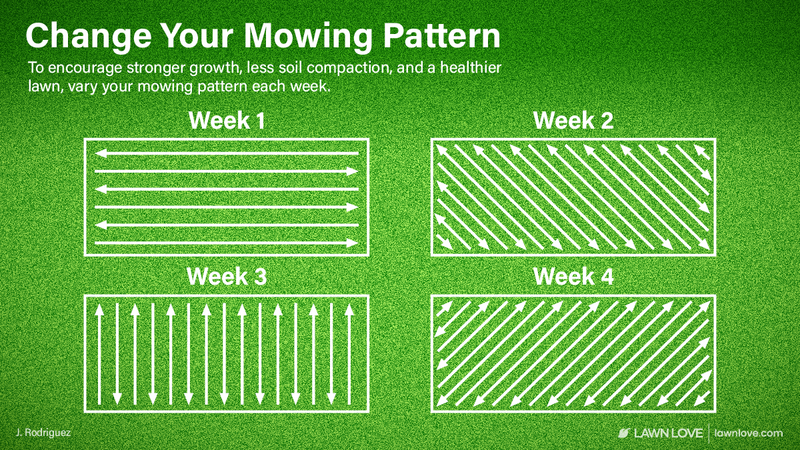
Here’s an easy step-by-step way to start:
-
Week 1: Mow horizontally (Right to left)
-
Week 2: Mow diagonally, starting from one corner of the yard
-
Week 3: Mow vertically (Up and down the lawn)
-
Week 4: Mow diagonally in the direction opposite week 2
Post Mowing Care
-
Cleaning Your Equipment
Remove grass clippings from your mower to prevent rust and maintain performance.
-
Watering the Lawn
Water deeply and infrequently, preferably in the early morning, to keep your lawn hydrated without promoting disease.
-
Leave Clipping on the Lawn
Leaving grass clippings on your lawn, a practice known as grasscycling, offers numerous benefits, with the most important being a healthier, more vibrant lawn over time.
-
Edge and Trim
Use a string trimmer or edger to tidy up areas along sidewalks, driveways, and flower beds. Clean edges give your lawn a polished, professional look.
-
Aerate Compacted Areas
After mowing, identify spots that feel compacted or look patchy. Aerating these areas can improve airflow, nutrient absorption, and water penetration.
-
Fertilize Strategically
If you notice your lawn looks a little lackluster, consider applying a slow-release fertilizer. The nutrients will replenish the soil, promoting healthy, vibrant growth.
-
Monitor for Weeds and Pests
Post-mowing is a great time to look for weeds, pests, or diseases. Spot-treat problem areas to prevent them from spreading.
-
Avoid Heavy Traffic
Give your freshly mowed lawn some time to recover. Avoid walking or playing on it for at least a few hours to prevent compaction and stress.
-
Plan Your Next Mow
Observe how quickly your grass grows and plan the next mow accordingly. Mowing too soon or too late can affect the health and appearance of your lawn.
By incorporating these post-mowing care tips, you’ll keep your lawn in great shape and create a space that’s both beautiful and functional.
Seasonal Lawn Mowing Tips for Year-Round Lawn Health
Your lawn’s needs change with the seasons, so your mowing practices should adapt accordingly:
-
Spring: Start mowing once grass reaches 3–4 inches. Focus on gradual trims.
-
Summer: Avoid mowing during peak heat. Raise cutting height slightly to protect roots.
-
Fall: Keep mowing until growth stops; mulching leaves into the lawn adds nutrients.
-
Winter: Limit mowing, but clear debris to prevent mold and disease.
Each season presents unique challenges, but adjusting your mowing habits ensures grass stays healthy year-round.
Eco-Friendly Lawn Mowing Tips for Sustainable Care
Modern homeowners are increasingly eco-conscious, and mowing can be part of that effort. Consider:
-
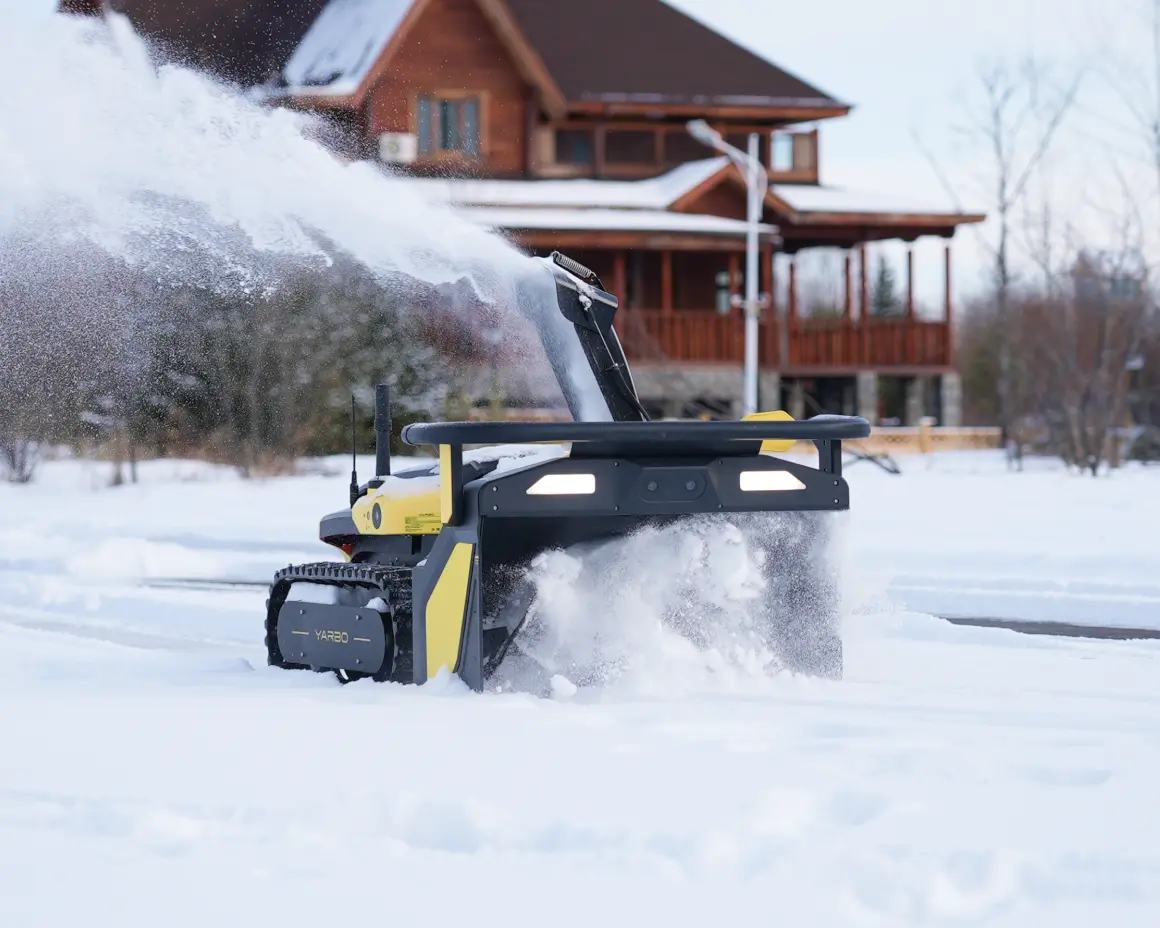
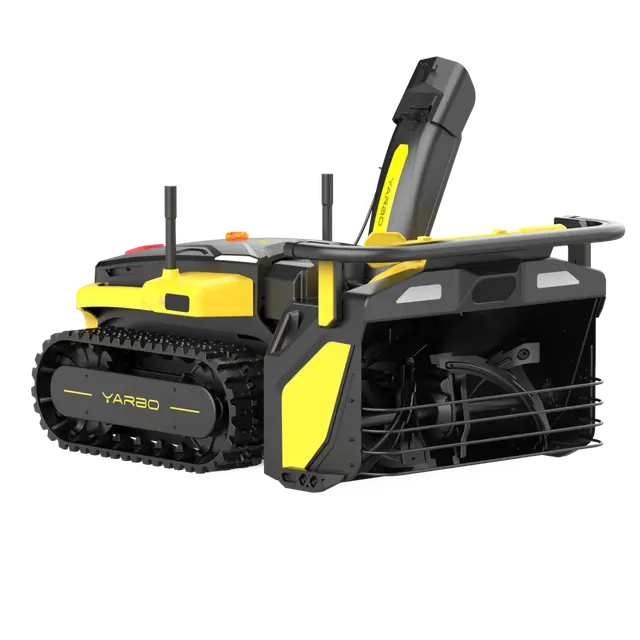
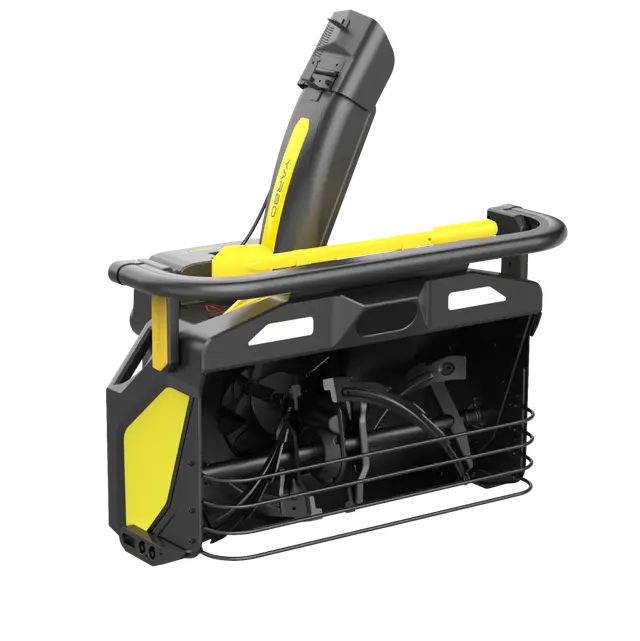
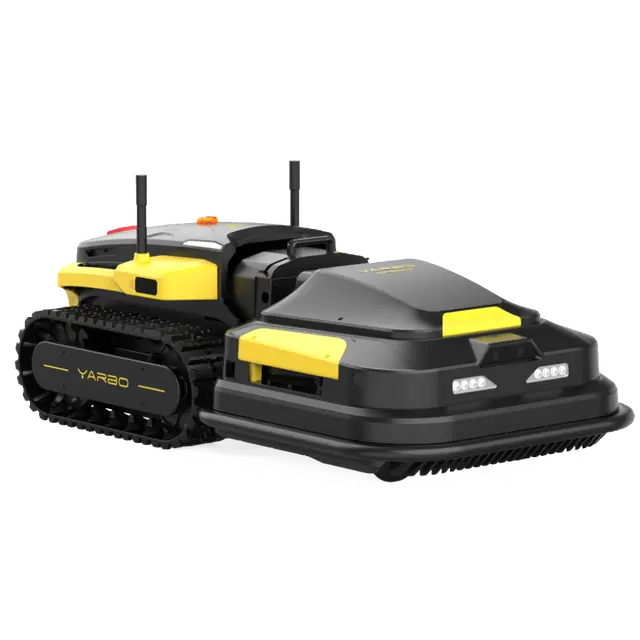
Switching to battery-powered or robotic mowers like Yarbo’s smart modular mower.
-
Practicing grasscycling (leaving clippings as natural mulch).
-
Reducing mowing frequency during droughts.
-
Planting native grass species that need less maintenance.
Eco-friendly mowing not only saves energy but also enhances long-term lawn health.
Common Mistakes to Avoid
Even experienced homeowners make lawn care errors. Avoid these:
-
Scalping (cutting grass too short)
-
Mowing with dull blades
-
Mowing too quickly (causes uneven cuts)
-
Ignoring mower maintenance
-
Always mowing in the same pattern
Recognizing and correcting these mistakes keeps your lawn thriving.
Conclusion
A well-maintained lawn is more than just a pretty sight—it's a healthy, thriving ecosystem. By following these grass mowing tips, you'll enjoy a greener, healthier yard that becomes the envy of the neighborhood. Remember, consistency is key!
FAQs
1. How often should I mow my lawn for best results?
Most lawns thrive when mowed once a week during growing season, though fast-growing grass may need twice weekly mowing.
Most lawns thrive when mowed once a week during growing season, though fast-growing grass may need twice weekly mowing.
2. What’s the best height to cut grass for lawn health?
Generally, 2.5 to 3 inches works for most grass types. Taller grass protects roots and reduces weeds.
3. Can mowing wet grass damage my lawn?
Yes. Wet mowing can clump grass, leave uneven cuts, and spread disease. Wait until grass dries.
4. Should I bag or mulch my grass clippings?
Mulching returns nutrients to the soil, but bagging is better if grass is too long or diseased.
5. What’s the biggest mistake homeowners make when mowing?
Cutting grass too short (“scalping”), which weakens roots and encourages weeds.
6. Do I need to sharpen my mower blades every year?
Yes—ideally twice a season, or after 3-6 months , to keep cuts clean and grass healthy.
-7.png?w=1001&h=621)
 Private group · 33.0K members