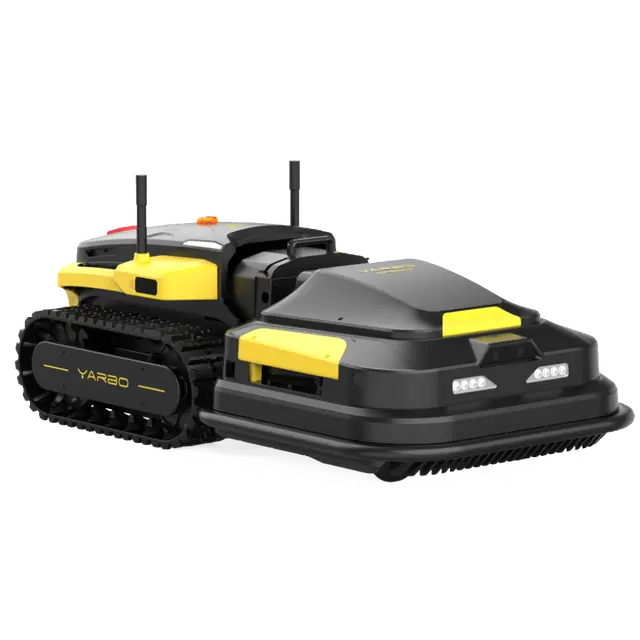
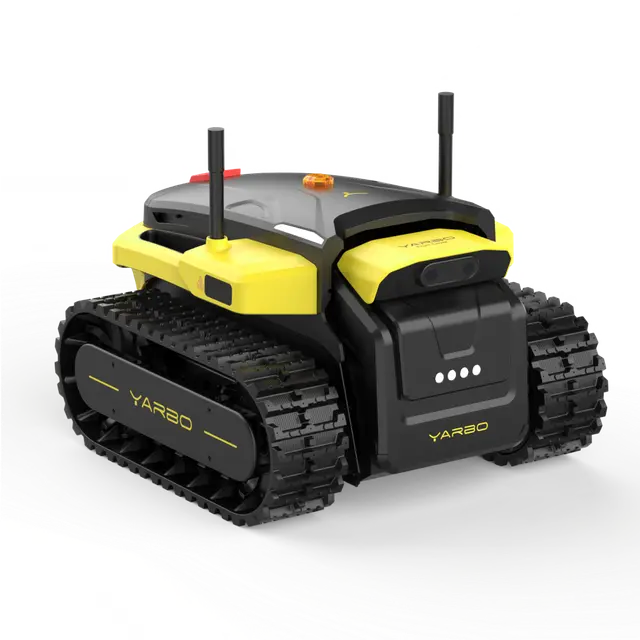
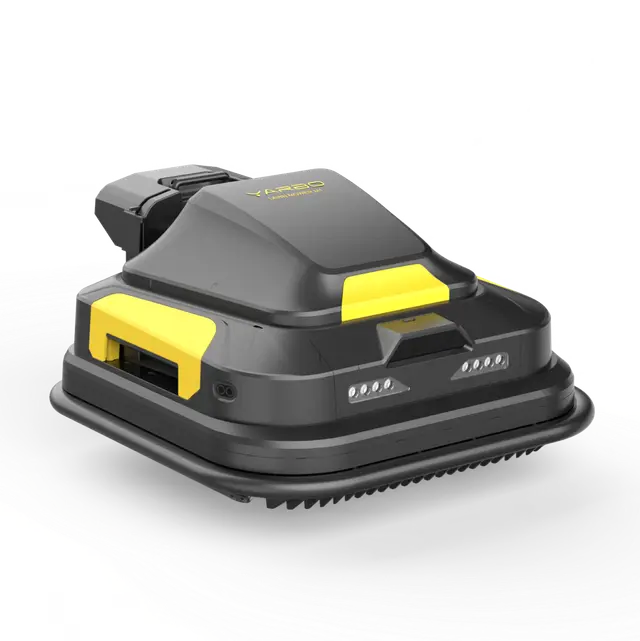
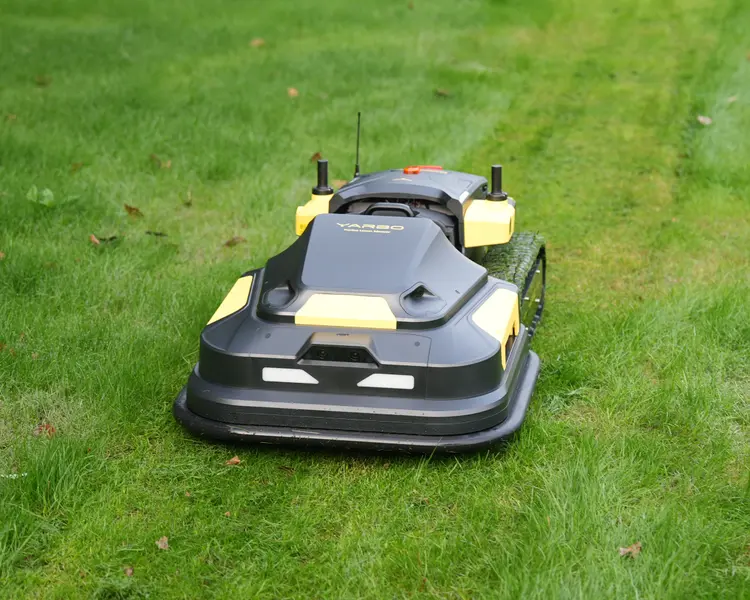
.png?w=1843&h=1353)
Every homeowner dreams of a healthy, green lawn, but keeping it that way requires more than just regular mowing. The true secret lies in knowing your lawn mower parts and replacing them at the right time. Whether you own a walk-behind mower or a riding mower, these machines are only as good as the components that make them work. Over time, wear and tear can reduce efficiency, increase fuel consumption, and even damage your yard. That’s why understanding which mower parts need routine replacement can save you money, extend your mower’s life, and keep your grass looking its best.
In this guide, we’ll explore all the essential lawn mower parts—from blades and filters to belts and batteries—along with expert tips on when to sharpen, repair, or replace them.
Table Of Contents:
Understanding the Anatomy of a Lawn Mower
Before diving into each of lawn mower parts, it’s important to know the basic anatomy of a lawn mower. While brands and models vary, most mowers share core components:
-
Blades – Cut the grass to a uniform height.
-
Engine – Powers the cutting and driving mechanisms.
-
Air and Fuel Filters – Ensure clean intake and combustion.
-
Spark Plug – Provides ignition for combustion engines.
-
Oil & Oil Filter – Lubricate and protect engine parts.
-
Belts & Pulleys – Transfer power to blades or wheels.
-
Cables & Levers – Control speed, drive, and blade engagement.
-
Battery/Electricals – Start and power modern models.
-
Deck & Housing – Protects internal components.
Walk-Behind vs Riding Mowers: Do the Parts Differ?
Yes, while the core function remains the same, riding mowers often include additional parts like larger batteries, hydrostatic transmissions, and advanced steering systems. Walk-behind mowers are simpler but still require regular maintenance of their essential mower parts.
Lawn Mower Blades: The Cutting Edge of Performance
lawn mower blades are the most crucial and frequently replaced lawn mower parts. Dull or bent blades tear grass instead of cutting it cleanly, leaving your lawn vulnerable to disease and discoloration.
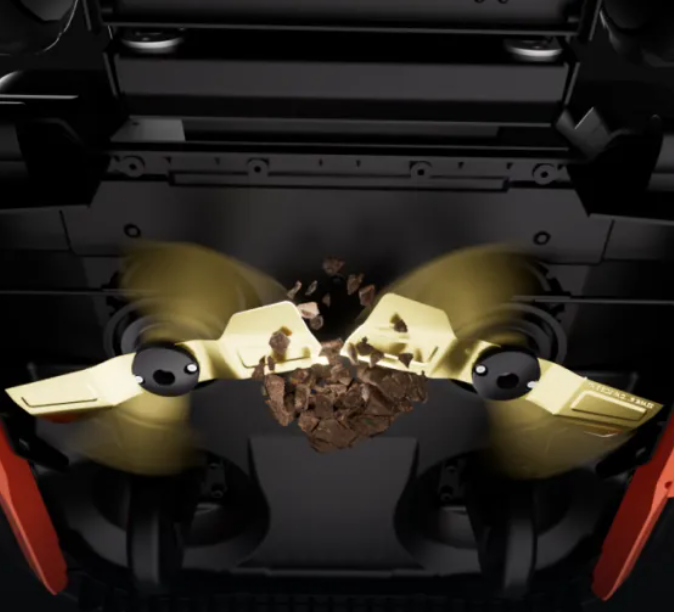
Signs It’s Time to Replace Your Lawn Mower Blades
-
Grass tips look frayed instead of sharp.
-
Uneven mowing height across the yard.
-
Excess vibration or noise while cutting.
-
Nicks, chips, or visible bending in the blade.
How to Sharpen vs Replace Lawn Mower Blades
-
How to Sharpen: Every 20–25 hours of mowing (or once every 8–10 cuts).
-
How to Replace Lawn Mower Blade: At least once per season, or immediately if blades are cracked or bent.
Pro Tip: Always disconnect the spark plug before removing lawn mower blades to prevent accidental start-up.
Air Filters: Keeping the Engine Breathing Clean
Engines require clean air for combustion. Dirty air filters choke the system, reduce power, and increase fuel consumption.
Paper vs Foam Filters
-
Paper Filters: Great for dusty environments; must be replaced when clogged.
-
Foam Filters: Washable and reusable; ideal for homeowners looking for long-term value.
Replacement Frequency for Best Performance
-
Replace paper filters every 25 operating hours or once per season.
-
Clean foam filters every 25 hours, replace annually.
Spark Plugs: Igniting Reliable Power
Small but mighty, spark plugs are the ignition source that keeps your mower running smoothly. They create the electrical spark needed to ignite the air-fuel mixture in the engine, powering every cut you make. When spark plugs wear out or become dirty, your mower’s performance can quickly decline leading to hard starts, reduced power, or uneven mowing results.
Symptoms of a Worn-Out Spark Plug
-
Difficulty starting the mower. If your mower takes multiple tries to start or doesn’t start at all, a fouled or damaged spark plug is often the culprit.
-
Engine misfiring or running roughly. Irregular combustion can cause vibrations, sputtering, or inconsistent engine speed.
-
Poor fuel efficiency. A weak spark can cause incomplete fuel burning, wasting gas and reducing overall performance.
To ensure consistent power and easy starts, replace spark plugs annually or after every 100 operating hours whichever comes first. Check and clean them periodically throughout the mowing season to remove carbon deposits or oil buildup. Using the correct spark plug type recommended by your mower’s manufacturer ensures maximum efficiency, smooth operation, and reliable ignition every time you mow.
Oil & Oil Filters: The Lifeblood of Your Mower
Just like in cars, oil lubricates moving engine parts, reducing friction and preventing overheating.
When and How to Change Mower Oil
-
Change oil every 25–50 hours of operation, or at least once per season.
-
Always use oil recommended by the manufacturer.
-
Riding mowers with oil filters require replacement filters at the same time.
Neglecting oil changes can lead to costly engine repairs or even total engine failure.
Belts: The Hidden Power Transfer Mechanism
Belts connect the engine to the mower deck and drive wheels. When they wear out, your mower loses cutting power and traction.
Cracks, Slips, and Breaks—When to Replace
-
Visible cracks or fraying.
-
Slipping or squealing noise while operating.
-
Reduced blade speed or uneven cutting.
Most belts last 2–3 seasons depending on use and storage conditions.
Tires and Wheels: Stability and Traction Essentials
Your mower’s tires ensure balance, smooth rolling, and traction on uneven terrain.
Best Practices for Extending Tire Life
-
Maintain proper air pressure.
-
Store mowers in dry, shaded spaces to avoid rubber cracking.
-
Replace tires when tread is bald or sidewalls show deep cracks.
Cables and Control Levers: Smooth Operation Matters
Cables link your controls to the mower’s throttle, blade engagement, and drive systems.
Common Wear Issues and Fixes
-
Sticking or unresponsive levers indicate stretched or frayed cables.
-
Rust and corrosion can stiffen movement.
-
Replace cables every few seasons or when they no longer operate smoothly.
Battery and Electrical Components: Powering Modern Mowers
Electric start and cordless mowers depend heavily on batteries and wiring.
How Long Do Batteries Last?
-
Standard mower batteries last 3–5 years.
-
Rechargeable batteries in cordless mowers may last 2–4 years, depending on charge cycles.
Regularly check terminals for corrosion and keep batteries charged during off-season storage.
Fuel System Parts: Carburetors, Fuel Lines, and Filters
Dirty or clogged fuel components can stall your mower and cause permanent engine damage.

Preventing Clogs and Fuel Contamination
-
Replace fuel filters every 1–2 seasons.
-
Inspect fuel lines annually for cracks or leaks.
-
Clean or rebuild carburetors if starting issues persist.
Decks, Covers, and Housing: Protecting the Heart of Your Mower
The mower deck and housing are more than just exterior parts they’re the core protectors of your machine. They shield the blades, belts, and engine components from damage caused by flying debris, moisture, and grass buildup. A well-maintained deck ensures smooth airflow for efficient grass cutting and prevents clogging, which can strain the motor and reduce performance over time.
Rust Prevention and Replacement Tips
-
Clean the underside of the deck after every use. Grass clippings trap moisture and fertilizer residue, which can accelerate rusting if not cleaned promptly.
-
Apply anti-rust spray or paint touch-ups annually. A protective coating helps repel moisture and adds years to your mower’s life. Focus on the deck edges and mounting points where corrosion begins first.
-
Check for dents and damage. Even small cracks or dents can disrupt airflow, leading to uneven cuts. Inspect the housing regularly and repair minor damage early.
-
Replace decks when corrosion weakens structural integrity. A rusty or compromised deck can become unsafe, reducing stability and cutting precision. Investing in a replacement ensures your mower continues performing efficiently and safely.
Keeping your mower deck and housing in prime condition not only extends its lifespan but also maintains consistent cutting performance and protects the internal mechanics — the true heart of your mower.
Conclusion
Your mower is a collection of hardworking parts, each playing a critical role in keeping your lawn looking sharp. By paying attention to your lawn mower parts and replacing them on schedule, you’ll not only prevent breakdowns but also save money in the long run. Think of it as an investment: a little maintenance today ensures a healthier lawn and a mower that lasts for years.
FAQs about Lawn Mower Parts
1.How often should I replace lawn mower blades?
At least once a year, or sooner if blades are dull, bent, or damaged.
At least once a year, or sooner if blades are dull, bent, or damaged.
2.Can I wash and reuse lawn mower air filters?
Foam filters can be washed and reused, but paper filters should be replaced.
Foam filters can be washed and reused, but paper filters should be replaced.
3.What’s the average lifespan of a lawn mower battery?
Most last 3–5 years with proper care and storage.
Most last 3–5 years with proper care and storage.
4.Do all mowers have oil filters?
No, only riding mowers and larger models typically include oil filters.
No, only riding mowers and larger models typically include oil filters.
5.How do I know if my mower belt is bad?
Cracking, fraying, or squealing noises during operation are common warning signs.
Cracking, fraying, or squealing noises during operation are common warning signs.
6.Is it better to sharpen or replace mower blades?
Sharpening works for dull blades, but cracked or bent blades should always be replaced.
Sharpening works for dull blades, but cracked or bent blades should always be replaced.
-7.png?w=1001&h=621)
 Private group · 33.0K members