.png?w=1280&h=720)
Maintaining warm season grass through the winter can feel like walking a tightrope — you want to protect the turf, minimize damage, and ensure a healthy bounce-back come spring. While many guides focus on either winter fertilizer or mowing schedules, fewer address how to coordinate snow removal safely for these sensitive lawns.
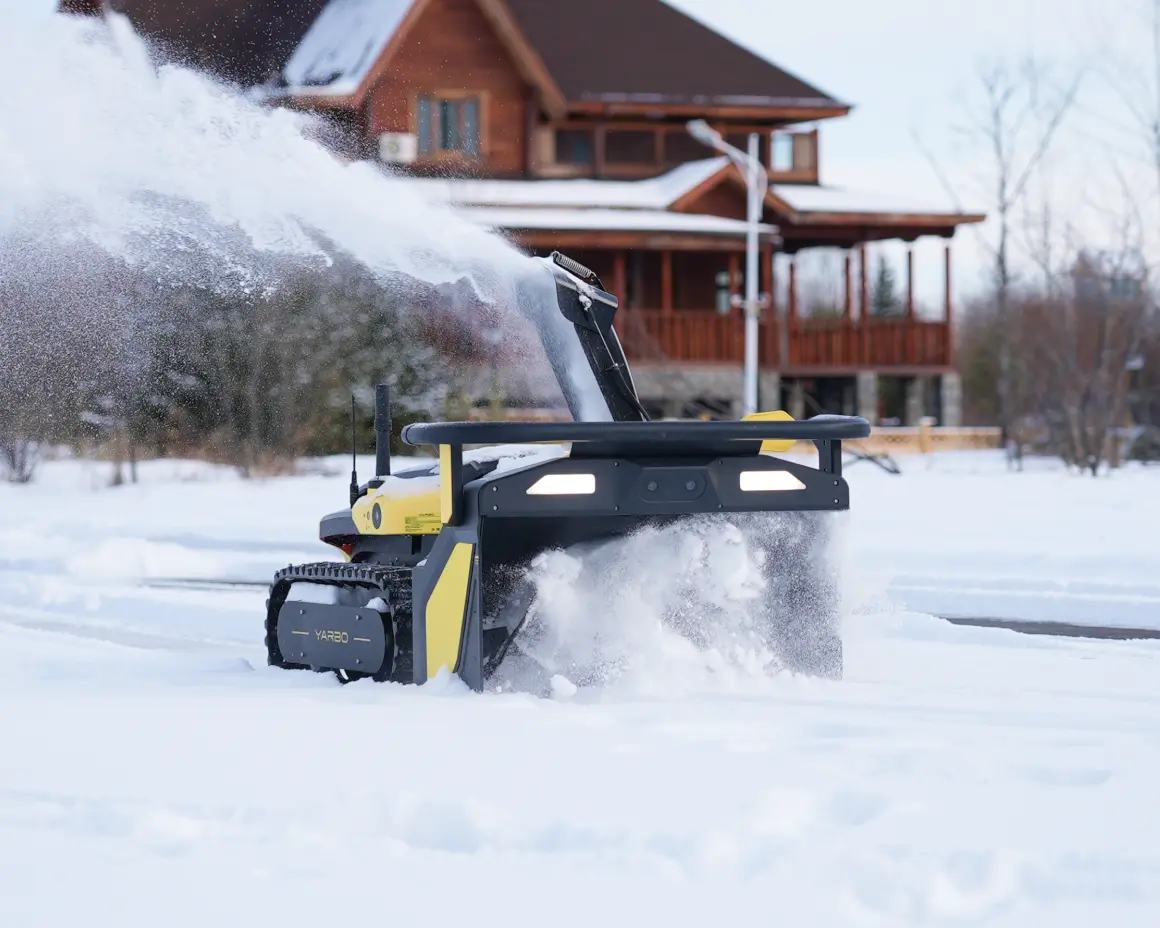
This article is a complete winter maintenance and snow removal coordination plan for warm season grass yards, built around modern, efficient solutions particularly emphasizing Yarbo’s modular yard robot. We will cover what happens to warm season grass in cold months, why winter care matters, how to remove snow without damaging turf, and a step-by-step plan that includes both traditional lawn-care tactics and advanced robotic assistance.
Table of Contents:
Understanding Warm Season Grass Dormancy and Winter Stress
What Happens to Warm Season Grass in Winter?
Warm season grasses (like Bermuda, Zoysia, St. Augustine, and centipede) naturally enter a state of dormancy or semi-dormancy during colder months. Their above-ground growth slows dramatically, energy is redirected to roots, and cold stress can damage blades and crown tissue. Without proper care, turf may weaken, making recovery in spring lawn care harder.
.png?w=1280&h=720)
Signs of Damage from Cold, Frost, and Ice
Some common indicators that your warm season grass is suffering in winter include:
-
Browning or blackened leaf blades (frost burn)
-
Thinning turf cover or bare patches
-
Ice crusting or matting, which can suffocate grass
-
Poor root vigor when spring arrives
Recognizing these signs early is key to intervening with the right winter maintenance.
Why Winter Maintenance Matters for Warm Season Grass Lawns
Even when top growth slows, the roots of warm season grass remain active. Maintaining soil health in winter helps:
-
Protect root systems — Cold, frozen soil can damage roots if the turf is weak.
-
Support spring green-up — Well-fertilized and cared-for roots bounce back faster when the growing season returns.
-
Prevent disease — Standing water, ice, or snow compaction can lead to fungal issues; proper lawn care helps reduce risk.
Role of Winter Lawn Fertilizer in Seasonal Health
Applying a winter lawn fertilizer can give your warm season grass the nutrients it needs to strengthen roots, survive stress, and make a healthy recovery in spring. The right formulation, timing, and application method are important to avoid burning or fueling undesirable growth.
Coordinating Snow Removal with Lawn Preservation
How Snow Removal Mistakes Can Damage Warm Season Grass
Snow is not just water — when removed improperly, it can wreak havoc on your turf:
-
Using heavy metal blades or harsh plowing technique can gouge or tear the turf.
-
Compacting snow in high-traffic areas (or piling it on grass) increases the risk of ice crusts.
-
Leaving snow shoveled into turf zones subjects dormant grass to extended periods of cold, moisture, and pressure damaging crowns and roots.
Best Practices for Protecting Turf Areas from Snow Pile Stress
Here are smart techniques to remove snow while safeguarding warm season grass:
-
Limit snow piles on lawn areas — only stack snow where grass isn’t underneath, or use temporary barriers.
-
Use light, frequent clearing — instead of letting snow accumulate to dangerous depths, clear early and often.
-
Avoid sharp metal blades on turf — use rubber-edge blades or adjustable snow blowers.
-
Monitor soil after major snow events — when everything melts, check for compaction or damage and aerate if needed.
Step-by-Step Winter Maintenance Plan for Warm Season Grass
Here is a phased plan to integrate winter lawn care with snow removal, tailored for warm season grass yards and supported by Yarbo.
Pre-Winter Preparation Checklist (Late Fall / Just Before First Frost)
-
Soil test: Check pH, nutrient levels, and drainage. Correct imbalances to give roots a strong foundation.
-
Final mow: Cut grass to a slightly lower but safe height; remove clippings.
-
Fertilize: Apply a winter lawn fertilizer rich in potassium (for stress resistance) but moderate in nitrogen.
-
Map your yard in the Yarbo app: Set up zones, no-go areas, and define where snow should or should not be piled.
-
Install docking station: Make sure the robot has a clear, accessible docking area with no risk of snow blocking access.
-
Secure snow throwing zones: Mark or flag areas where snow will be thrown by Yarbo, ensuring it avoids turf where possible.
Mid-Winter Monitoring and Maintenance
-
Automated snow clearing: Yarbo begins its snow removal routine based on schedule or manual trigger via app.
-
Check performance: After each major snowfall, remotely monitor Yarbo’s clearing path (via app) to ensure it's not damaging turf.
-
Recharge cycles: Let Yarbo return to dock and recharge — it handles this autonomously.
-
Inspect turf: On milder days, shovel a small corner to check if turf is being compressed or iced over.
-
Avoid piling snow on grass: Use the robot’s adjustable chute to direct snow to safe areas only.
Transitioning From Winter to Spring Lawn Care
-
Let the snow melt naturally: Avoid mechanically removing leftover snow unless absolutely necessary.
-
Monitor thaw: As soil warms, check for compaction in areas where snow was frequently piled.
-
Aeration: If compaction is detected, consider aerating to help root growth.
-
First feeding: Once soil temperature is safe (usually when grass begins to green), apply a balanced spring fertilizer.
-
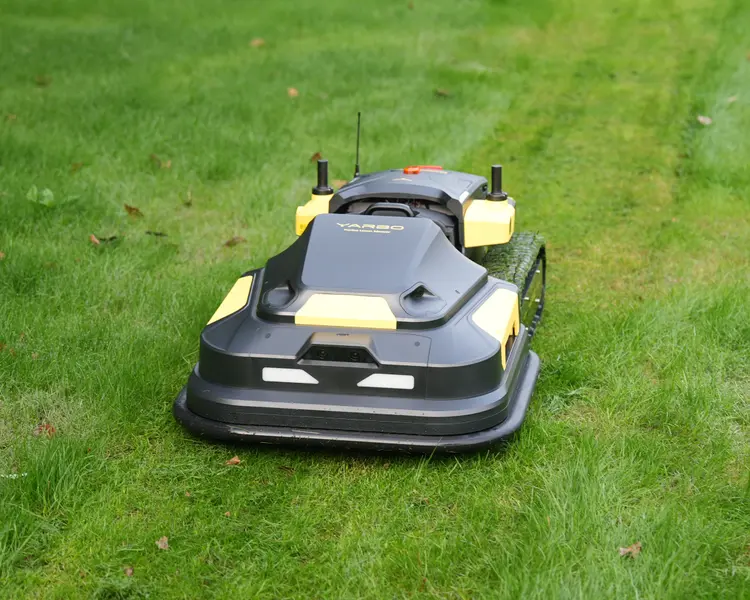
Mow first greens: Reinstall the Yarbo Mower Module, map zones if needed, and begin mowing at a higher height to promote root growth.
-
Irrigation: Water lightly if spring is dry to encourage growth without drowning recovering roots.
Best Winter Lawn Fertilizers for Warm Season Grass
Nutrient Priorities Before Dormancy
-
Potassium (K): Helps with cold stress resistance and root strength.
-
Phosphorus (P): Supports root development.
-
Moderate Nitrogen (N): Enough to maintain root vigor, but not so much that it encourages lush, vulnerable growth.
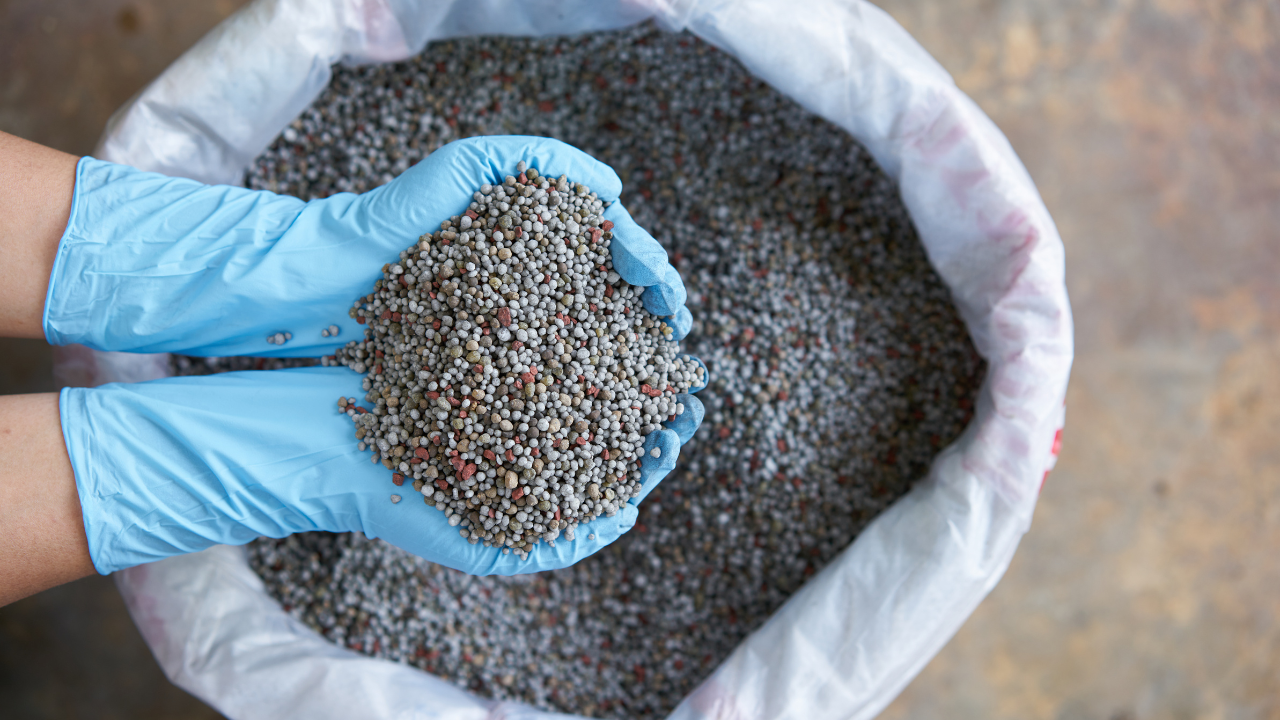
Application Timing and Rates
-
Apply 4–6 weeks before first hard frost (depending on your local climate).
-
Use an even distribution strategy, especially on large lawns — you may use a drop spreader or broadcast spreader.
-
Follow label recommendations for rates. Over-fertilizing can damage grass or lead to runoff.
Regional Considerations for Warm Season Grass + Snow Regions
Managing Southern Lawns with Unexpected Snow
For lawns in usually warm climates (e.g., the southern U.S.) that rarely see snow:
-
You may not need an advanced snow clearing strategy; manual shoveling might suffice.
-
However, if snow does occur, having Yarbo’s snow blower module ready can save you the hassle in rare events.
-
Use zone settings to ensure Yarbo doesn’t damage turf that is more sensitive due to lack of winter hardening.
Cold-Tolerant Varieties vs. Sensitive Grass Types
-
Some warm season grasses are more cold-tolerant (e.g., certain Bermudas), while others (like St. Augustine) may be more fragile under snow stress.
-
For more sensitive types, additional care (e.g., thick thatch, or snow cover reduction) is crucial.
-
Using Yarbo, you can map “high risk” areas and avoid piling snow there.
Conclusion
Winter maintenance and snow removal for warm season grass lawns can be complex but it doesn’t have to be a burden. By combining traditional turf-care strategies (like winter fertilizer, soil testing, and careful monitoring) with Yarbo’s modular yard robot solution, homeowners can protect their grass effectively and avoid the pitfalls of snow damage.
Here’s your final takeaway plan:
-
Prepare before winter: Test soil, mow, fertilize, and set up your Yarbo app zones.
-
Leverage Yarbo for snow: Use the Snow Blower module for safe, controlled snow clearing.
-
Monitor and adapt: Keep an eye on how snow removal is affecting turf and adjust your strategy.
-
Transition smartly to spring: Aerate if needed, feed with spring fertilizer, and switch back to the mowing module.
-
Use this year-round: By investing in Yarbo, you’re not just preparing for winter you’re investing in an all-season yard-care system.
If you follow this plan, your warm season grass lawn will not only survive winter it will thrive come spring.
Frequently Asked Questions (FAQs)
-
Will applying winter fertilizer burn my warm season grass?
It’s unlikely if you choose a proper formulation and apply at the right time. Use a winter fertilizer with lower nitrogen and higher potassium, and apply 4–6 weeks before hard frost. -
Can Yarbo’s snow blower module damage my turf?
Yarbo is designed to minimize turf damage: the tracked drive spreads weight, and the auger + impeller combo avoids harsh metal scraping. Plus, with proper chute control, you can direct where snow is thrown. -
Do I need to remove Yarbo from the lawn in winter when not in use?
Ideally, Yarbo remains docked and ready. Its auto-recharge ensures it can run and return safely. Make sure the dock isn’t blocked by snow.
-7.png?w=1001&h=621)
 Private group · 33.0K members