.png?w=1245&h=830)
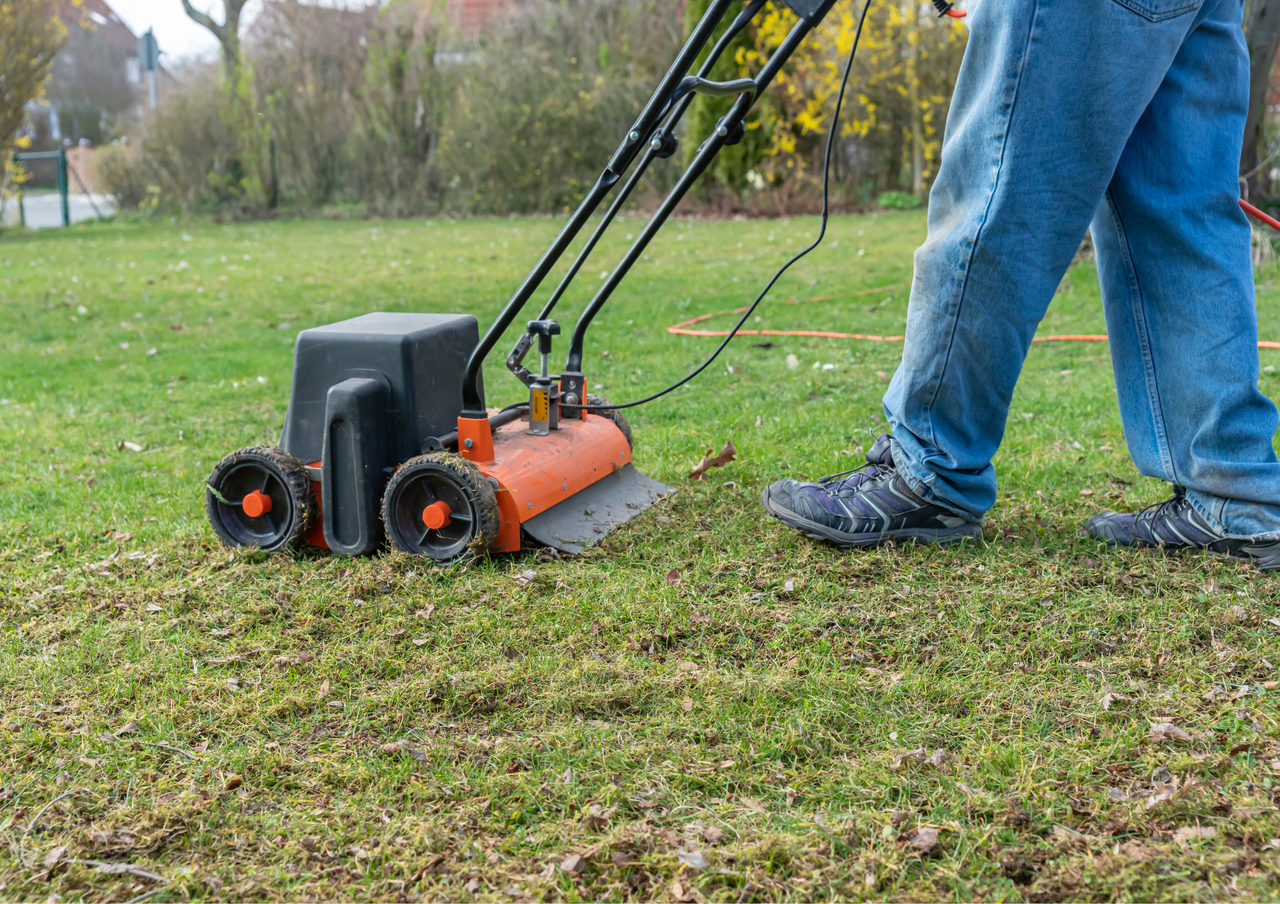
A manual lawn mower is the simplest form of lawn care equipment, powered entirely by human effort. Unlike gas or electric mowers, it doesn’t have an engine or motor. Instead, it uses a set of sharp, rotating blades that spin as you push it forward. These blades create a scissor-like action, slicing grass cleanly and evenly.
Many people confuse manual lawn mowers with push mowers. Technically, all manual mowers are push mowers, but not all push mowers are manual. Push mowers can also include electric and gas-powered models that still require pushing but use engines for cutting. The key distinction is that a manual mower is fully mechanical—no fuel, no battery, just muscle.
This simplicity makes them cost-effective, lightweight, and eco-friendly, which is why they remain popular among homeowners with smaller yards despite the rise of high-tech solutions like Yarbo’s robotic lawn mowers.
Table of Contents:
Why Choose a Manual Lawn Mower Over Electric Mowers?
When deciding between a manual lawn mower and electric mowers, several factors come into play: budget, yard size, noise levels, and environmental impact.
Manual lawn mowers shine in these areas:
-
No fuel or electricity required – cut operating costs to zero.
-
Virtually silent operation – no noise pollution.
-
Eco-friendly – zero emissions, unlike gas or even some electric models powered by fossil-fuel grids.
-
Low maintenance – just keep the blades sharp and the mower clean.
On the other hand, electric mowers provide convenience. They’re easier to push, require less effort, and can handle taller or thicker grass better. However, they depend on charging or extension cords and typically cost more upfront.
So, why would anyone pick manual over electric? Because sometimes, simplicity wins. If you own a small, flat yard and enjoy light exercise, a manual mower is not only practical but also enjoyable.
How Do Push Mowers Differ From Manual Lawn Mowers?
The terms push mower and manual lawn mower often cause confusion. Here’s the breakdown:
| Type | Power Source | Effort Required | Typical Use Case | Cost Range |
| Manual Lawn Mower | Human push only | High | Small, flat lawns | $80–$200 |
| Push Electric | Battery/Cord | Medium | Small–medium lawns, uneven grass | $200–$500 |
| Push Gas | Gasoline engine | Low–Medium | Medium–large lawns, tougher conditions | $250–$700 |
Manual mowers are best for budget-conscious, eco-minded homeowners, while electric and gas push mowers appeal to those who want more convenience.
Advantages of Using a Manual Lawn Mower
Zero Emissions and Sustainable Lawn Care
A manual lawn mower produces no carbon footprint, making it the greenest option available. With rising concerns about climate change, many homeowners are looking for ways to reduce emissions—and lawn care is a good place to start.
Cost Savings Compared to Electric and Gas Mowers
There are no fuel costs, no batteries to replace, and no cords to manage. Aside from occasional blade sharpening, a manual mower requires almost no investment after purchase. Over five years, you could save hundreds compared to electric mowers or gas options.
Physical Health Benefits of Manual Mowing
Pushing a manual mower provides low-impact exercise. It engages your arms, shoulders, and core, while also improving cardiovascular health. For those who enjoy staying active, mowing the lawn can double as a mini workout.
Disadvantages and Limitations of Manual Lawn Mowers
Despite their many benefits, manual lawn mowers come with drawbacks:
-
Physical effort – not ideal for people with limited mobility.
-
Time-consuming – mowing large yards can be exhausting.
-
Performance issues – struggles with tall grass or wet conditions.
-
Limited versatility – can’t handle tasks like leaf blowing or snow removal.
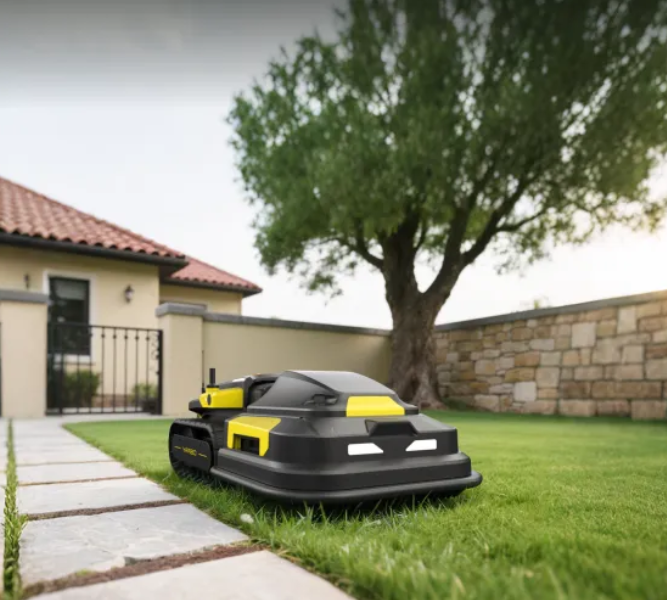
This is where smart robotic options like Yarbo step in. While manual mowers work well for small spaces, Yarbo handles large and complex courtyards with precision, all without the sweat.
Who Should Consider a Manual Lawn Mower?
Manual mowers are best for:
-
Small lawns under 5,000 sq. ft.
-
Flat and even terrain with grass maintained regularly.
-
Eco-conscious homeowners who want a sustainable option.
-
Budget buyers who don’t want ongoing fuel or maintenance costs.
If this sounds like your situation, a manual lawn mower is a great fit. But if you’re managing an acre-sized property or dealing with slopes and obstacles, you may want to consider robotic solutions like Yarbo that bring convenience and automation.
Comparing Manual, Push, and Electric Mowers: Which Is Right for You?
Here’s a quick comparison table:
| Feature | Manual Lawn Mower | Push Electric Mower | Push Gas Mower | Yarbo Robot Mower |
| Effort | High | Medium | Low | None |
| Eco-Friendly | Excellent | Good | Poor | Excellent |
| Cost (5 years) | Lowest | Medium | High | Premium, but long-term ROI |
| Maintenance | Minimal | Battery/Blade care | High | Software + modules |
| Yard Size | Small | Small–medium | Medium–large | Small–large (up to 6 acres) |
Can a Manual Lawn Mower Handle Tall Grass?
A manual lawn mower works best when grass is kept short. If grass grows too tall or thick, it becomes difficult to push and may not cut evenly. For overgrown lawns, electric mowers or advanced solutions like Yarbo’s robotic mower handle tall grass more efficiently thanks to higher-powered cutting systems.
The Role of Technology in Modern Lawn Care
Yarbo: The Future Beyond Manual Lawn Mowers
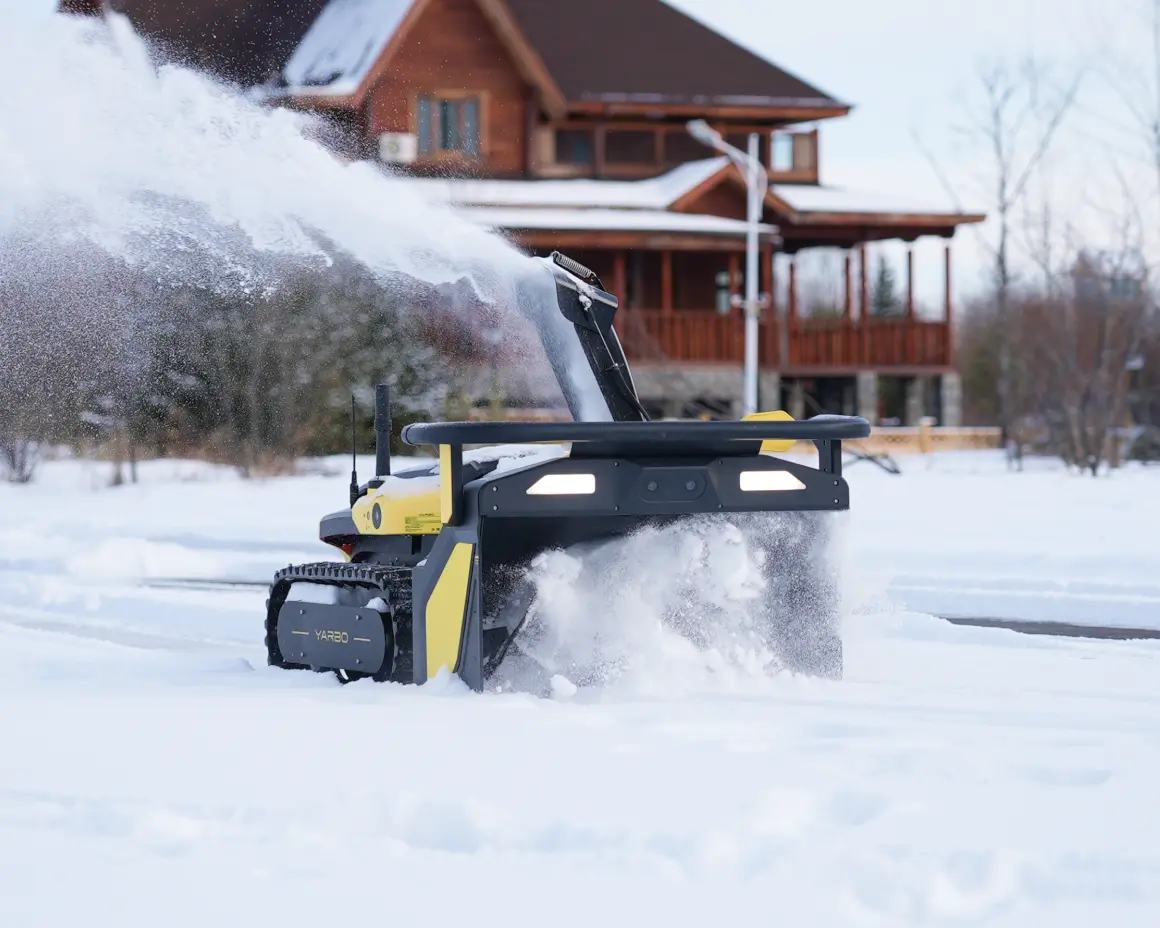
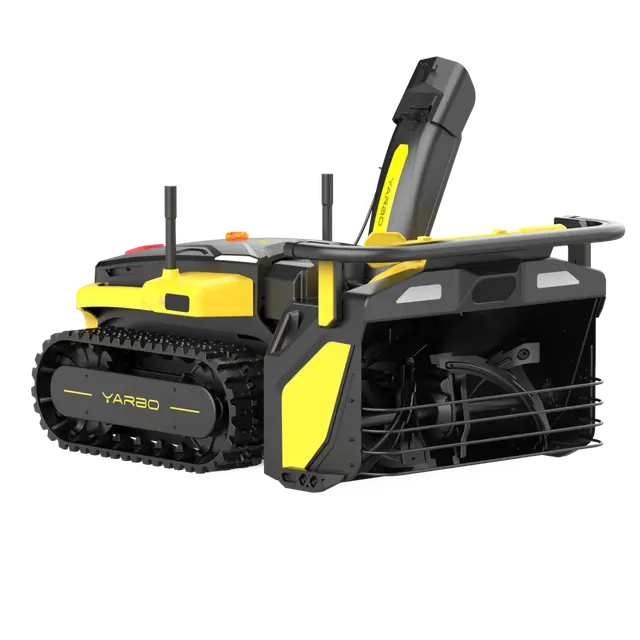
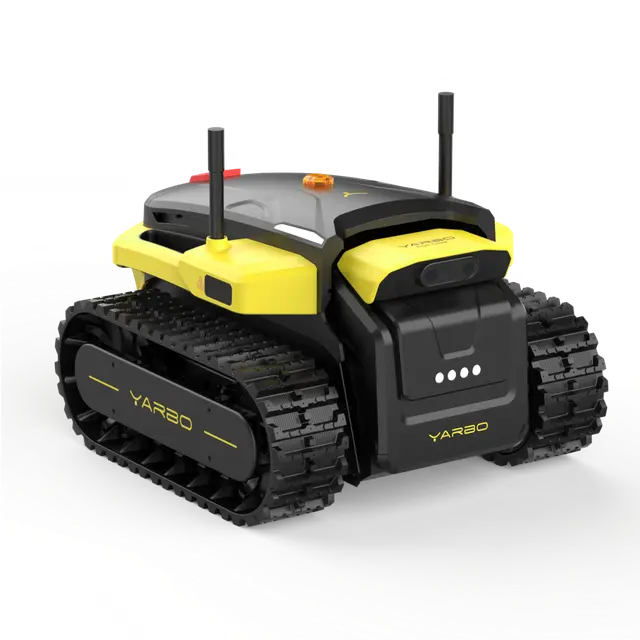
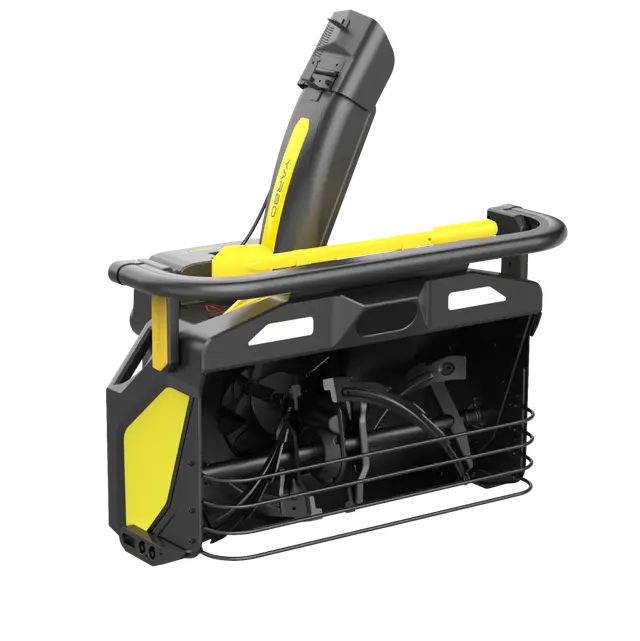
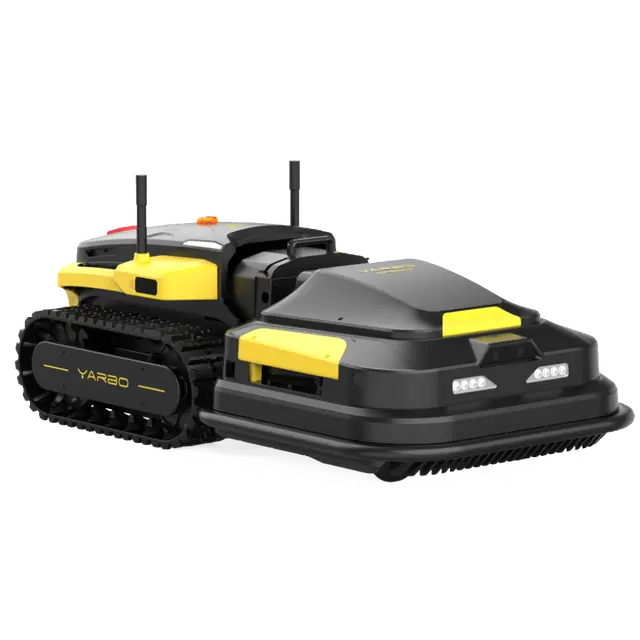
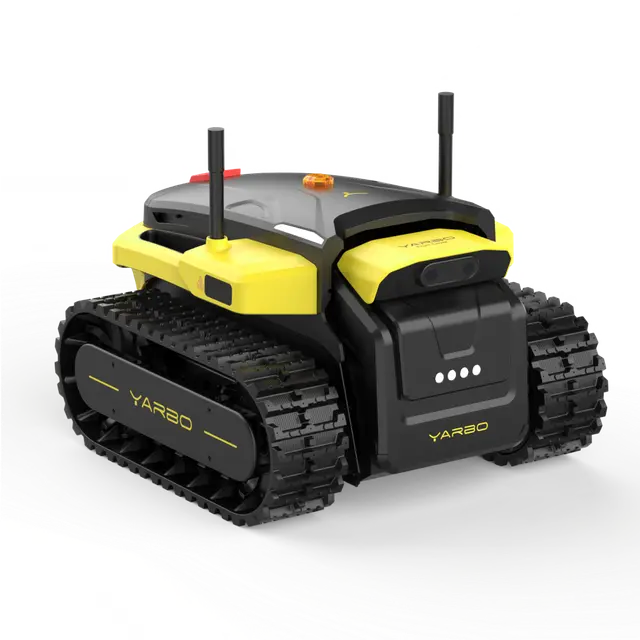
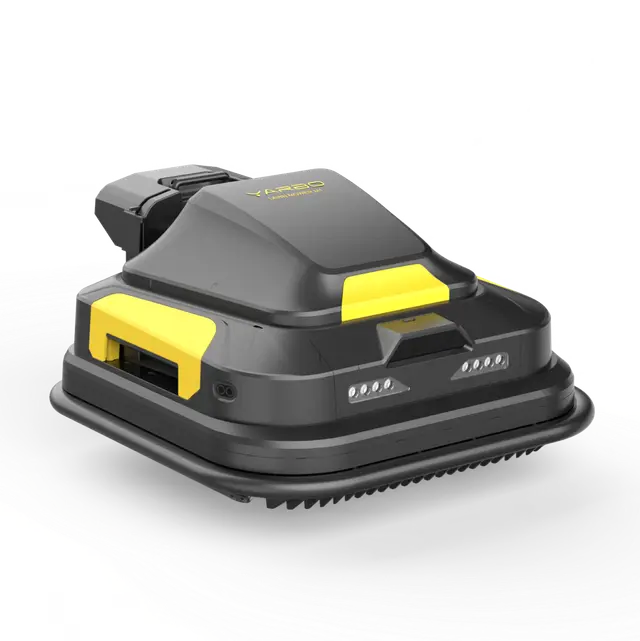
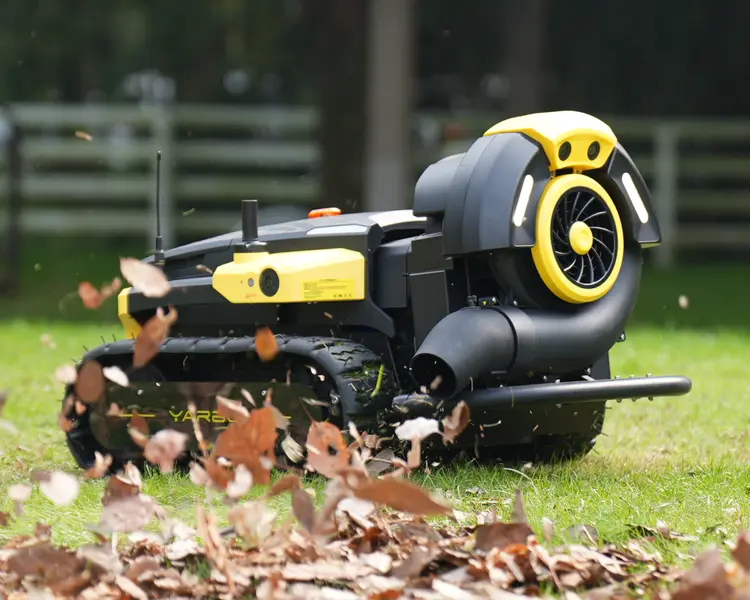
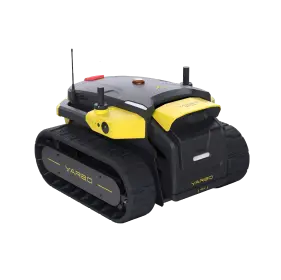
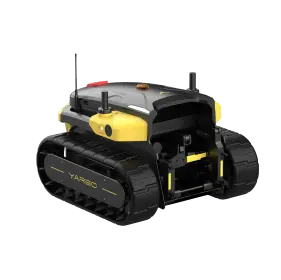
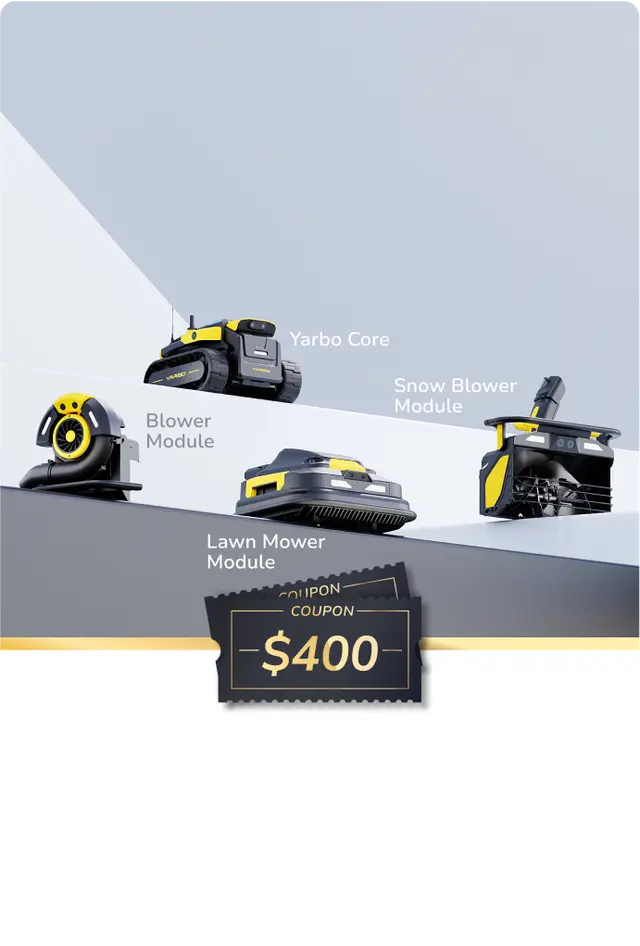
While a manual mower represents simplicity, Yarbo represents innovation. Its modular design transforms one base unit into:
-
A robotic mower
-
A snow blower
-
A leaf blower
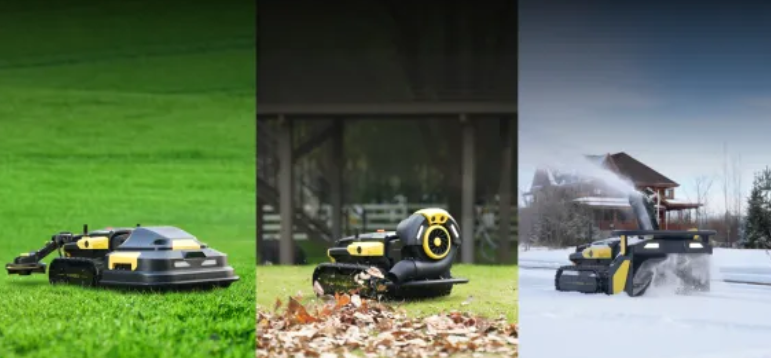
This flexibility means homeowners don’t need multiple machines for year-round yard care.
Safety and Time: Reclaiming Your Life
Manual yard work, especially snow shoveling, carries serious risks, including physical strain and cardiac events. Yarbo eliminates this danger entirely by handling the grunt work automatically, 24/7. You can schedule it via an app to keep your driveway clear while you stay warm inside.
Maintenance Tips for Manual Lawn Mowers
If you choose a manual lawn mower, here’s how to keep it in shape:
-
Sharpen blades every 20–25 hours of use.
-
Clean after each mow to prevent rust.
-
Store indoors to avoid weather damage.
-
Oil moving parts occasionally for smoother operation.
Cost Breakdown: Manual vs Push vs Electric vs Yarbo
| Cost Factor | Manual Mower | Push Electric | Push Gas | Yarbo Robot |
| Initial Price | $80–$200 | $200–$500 | $250–$700 | $3,999+ |
| Fuel/Battery | None | $40–$60/year | $80–$120/year | None (electric charging) |
| Maintenance | Minimal | Moderate | High | Low–moderate (software + blades) |
| Lifespan | 10+ years | 5–8 years | 5–7 years | 10+ years |
Manual mowers win for lowest cost, but Yarbo wins for time savings and versatility.
Final Thoughts
The manual lawn mower is still relevant for small, simple lawns under 5,000 square feet. It is a budget-friendly, eco-conscious choice.
But as properties get larger and lifestyles get busier, advanced solutions like Yarbo prove invaluable. If you are investing thousands in yard maintenance or purchasing multiple high-end tools to manage your property, Yarbo is the smarter, long-term investment that offers a comprehensive, hands-free solution year-round.
Considering the long-term investment? Use our ROI calculator to see how much you could save on labor and equipment over five years by switching to the all-season Yarbo platform.
FAQs
1. What’s the biggest disadvantage of manual lawn mowers?
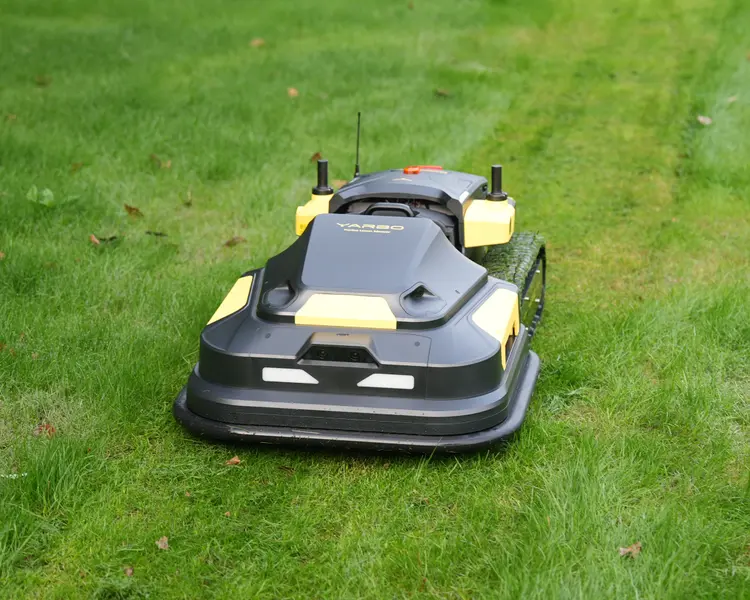
The main drawback is the physical effort required. They demand pushing strength and do not work well on tall or wet grass. Yarbo’s robust, track-driven mower handles these conditions automatically.
2. Do manual lawn mowers work well for large lawns?
Manual lawn mowers are best for small to medium-sized yards. For large or complex properties, advanced robotic options like Yarbo can save time and energy.
3. How do electric mowers compare to manual lawn mowers?
Electric mowers provide more convenience and require less effort than manual mowers, but they rely on charging or cords. A manual mower is maintenance-light but demands physical work.
4. Are manual lawn mowers eco-friendly?
Yes, manual mowers have zero emissions and no fuel costs, making them highly sustainable. However, Yarbo also offers eco-friendly robotic solutions with powerful electric modules.
5. What’s the biggest disadvantage of manual lawn mowers?
The main drawback is effort—they require pushing strength and don’t work well on tall or wet grass. Yarbo’s modular robotic mower handles these conditions automatically.
6. Should I buy a manual mower if I already have an electric mower?
Yes, many homeowners keep a manual mower for touch-ups and quick jobs. For full automation, Yarbo’s robot mower can handle mowing, leaf blowing, and snow removal.
-7.png?w=1001&h=621)
 Private group · 33.0K members