A sharp mower blade isn’t just a luxury—it’s a necessity for a lush, healthy lawn. When you sharpen mower blades regularly, you ensure a clean cut, which helps grass recover faster, promotes even growth, and enhances your yard’s appearance.
A dull blade tears the grass instead of slicing it cleanly. This causes frayed tips that turn brown and become vulnerable to disease. Over time, this leads to an uneven, unhealthy lawn that requires more care and water.
The benefits of sharpening lawn mower blades include:
-
Improved Lawn Health – Cleaner cuts reduce stress on grass blades.
-
Better Efficiency – A sharp blade cuts faster, reducing mowing time.
-
Fuel and Battery Savings – Less strain on your mower means less energy consumption.
-
Enhanced Lawn Aesthetics – Sharp blades leave behind a manicured, professional finish.
Table of Contents:
Signs Your Lawn Mower Blades Need Sharpening
Even the best lawn mowers lose their edge after frequent use. Look for these signs:
1. Uneven Grass Height
If your lawn has a patchy appearance after mowing, the blade might not be cutting evenly.
2. Frayed or Brown Grass Tips
Tearing instead of slicing leaves grass tips jagged, causing discoloration within 24–48 hours.
3. Increased Mowing Time
If you find yourself going over the same area multiple times, dull blades are likely the culprit.
Tools You’ll Need to Sharpen Lawn Mower Blade
Before you start, gather the right tools.
Essential Safety Gear
-
Heavy-duty gloves
-
Safety goggles
-
Hearing protection (for power tools)
Manual Sharpening Tools
-
Mill file
-
Blade sharpening stone
-
Blade balancer
Power Tool Options
-
Bench grinder
-
Angle grinder
-
Rotary tool (like a Dremel)
Types of Lawn Mower Blades
Not all mower blades are created equal — each type is designed for a specific purpose, cutting style, and mowing condition. Understanding the differences helps you choose the right blade for your mower and yard.
1. Standard Blades (2-in-1 Blades)
Often called "straight" or "lift" blades, these are common in most gas and electric mowers. They’re designed for cutting grass cleanly and discharging the clippings out of the side or into a bag.
-
Best for: Regular mowing on well-maintained lawns.
-
Sharpening tip: Maintain a consistent bevel and balance for even cutting.
2. Mulching Blades (3-in-1 Blades)
Mulching blades have a more curved design with extra cutting edges. They finely chop grass clippings, returning nutrients to the soil.
-
Best for: Homeowners who want a nutrient-rich, low-maintenance lawn without bagging clippings.
-
Sharpening tip: Keep multiple cutting surfaces sharp for optimal mulch quality.
3. High-Lift Blades
These blades have a pronounced upward curve at the back edge to create stronger airflow, helping lift grass for a clean cut and efficient bagging.
-
Best for: Thick, tall grass and bagging systems.
-
Sharpening tip: Avoid altering the lift design when filing or grinding.
4. Low-Lift Blades
Low-lift blades create less suction, making them ideal for sandy or dusty areas where high airflow could stir debris and damage the mower.
-
Best for: Dry, sandy lawns or side-discharge mowing.
5. Electric Lawn Mower Blades
Electric mowers typically use lightweight, precision-balanced blades that require less torque but need to be extremely sharp for efficiency.
-
Best for: Homeowners who prefer quiet, eco-friendly mowing.
-
Example: Many modern electric mowers use hardened steel blades that resist wear but benefit from frequent touch-ups.
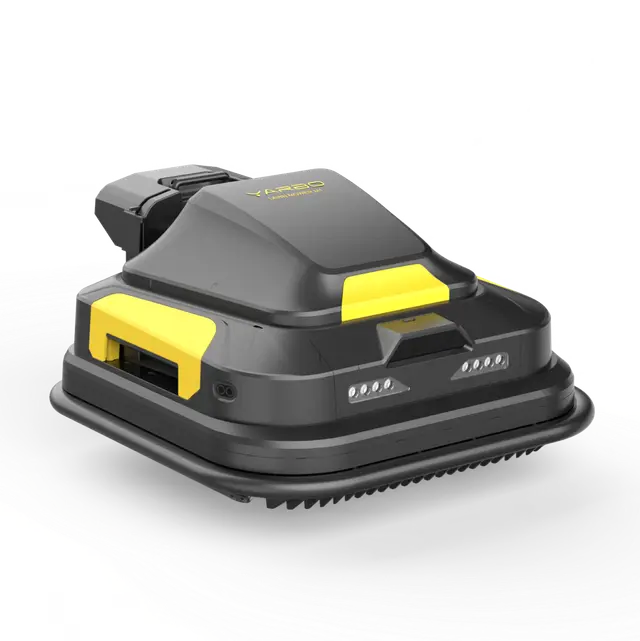
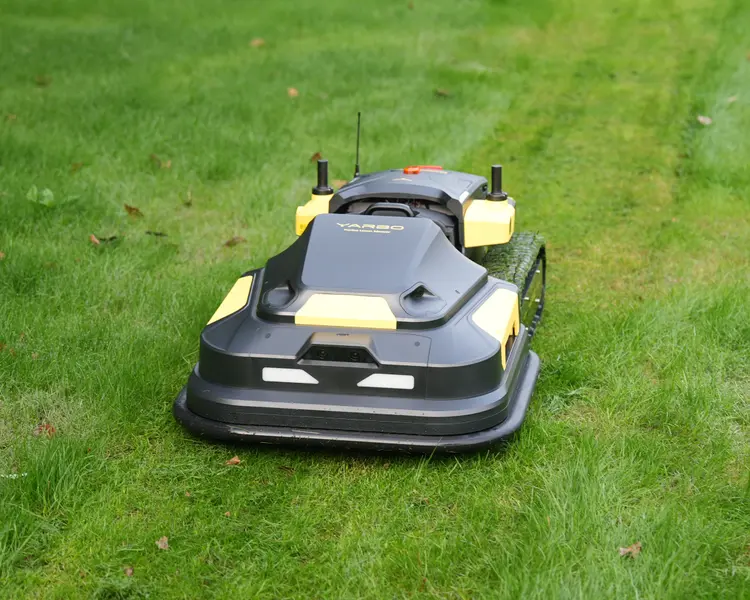
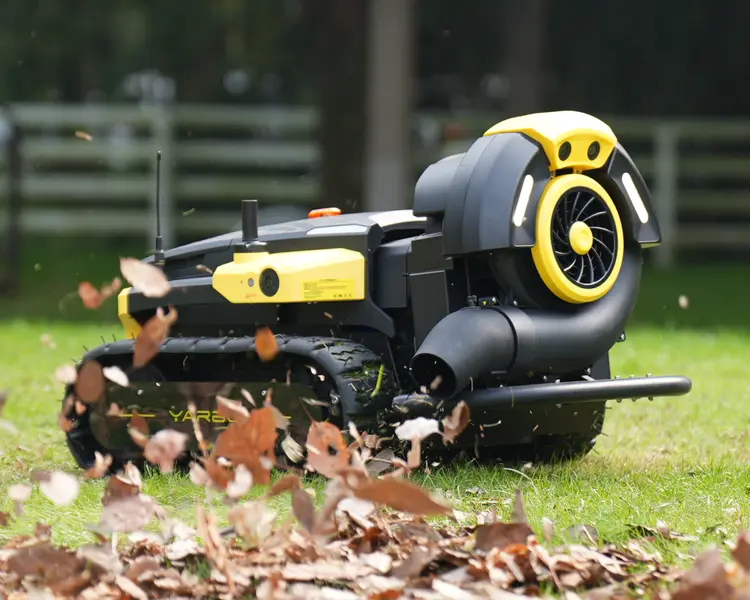
6. Yarbo’s Heavy-Duty Modular Blades
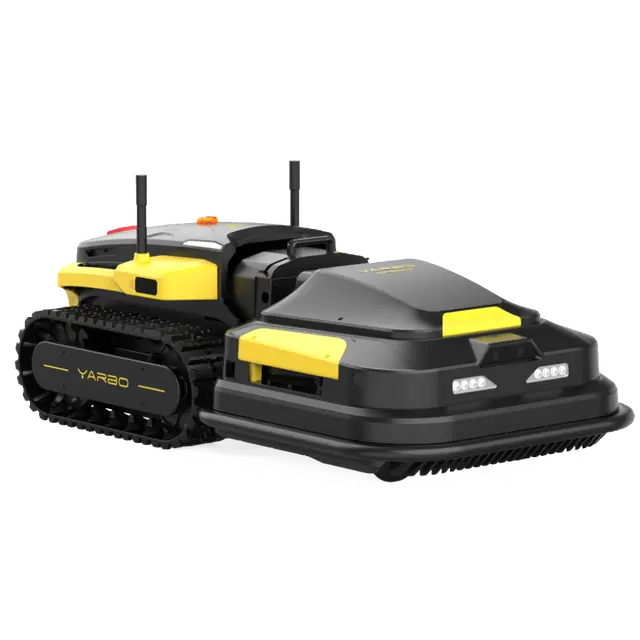
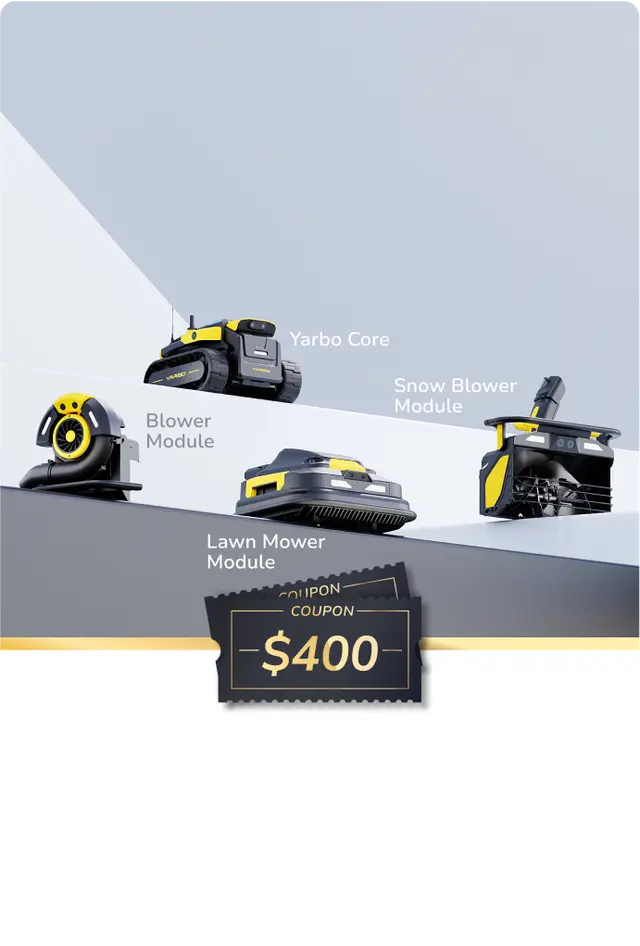
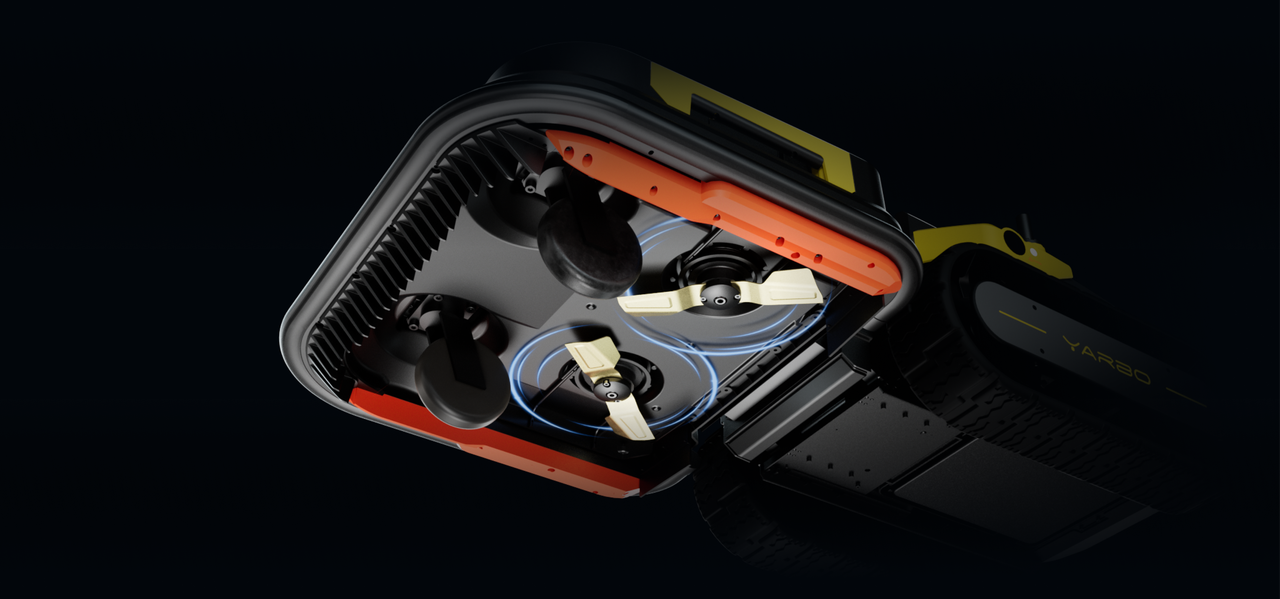
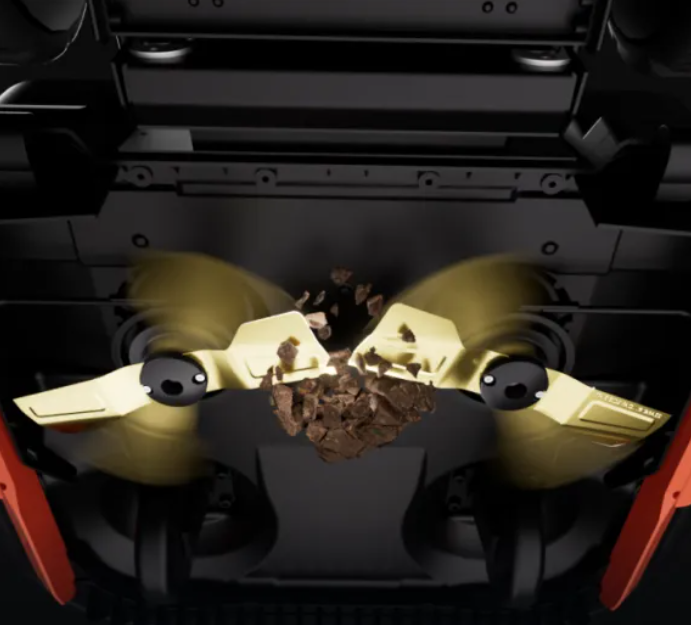
Yarbo’s lawn mowing module features premium, high-strength steel blades engineered for large and complex yards. Designed to handle uneven terrain, thick grass, and variable weather, these blades are easy to maintain and replace thanks to Yarbo’s modular system.
-
Key Advantages:
-
Rugged design for heavy-duty use.
-
Compatible with Yarbo’s autonomous mowing system.
-
Designed for precision cutting and efficiency in all yard conditions.
-
You can buy Yarbo Replacement Blades easily and directly from Yarbo's official website.
How to Sharpen Lawn Mower Blades — Step-by-Step Guide
Here’s the most effective guide to sharpen lawn mower blade safely and efficiently.
Step 1: Disconnect the Spark Plug
Always disconnect the spark plug to prevent accidental starting. For electric mowers, remove the battery.
Step 2: Remove the Blade
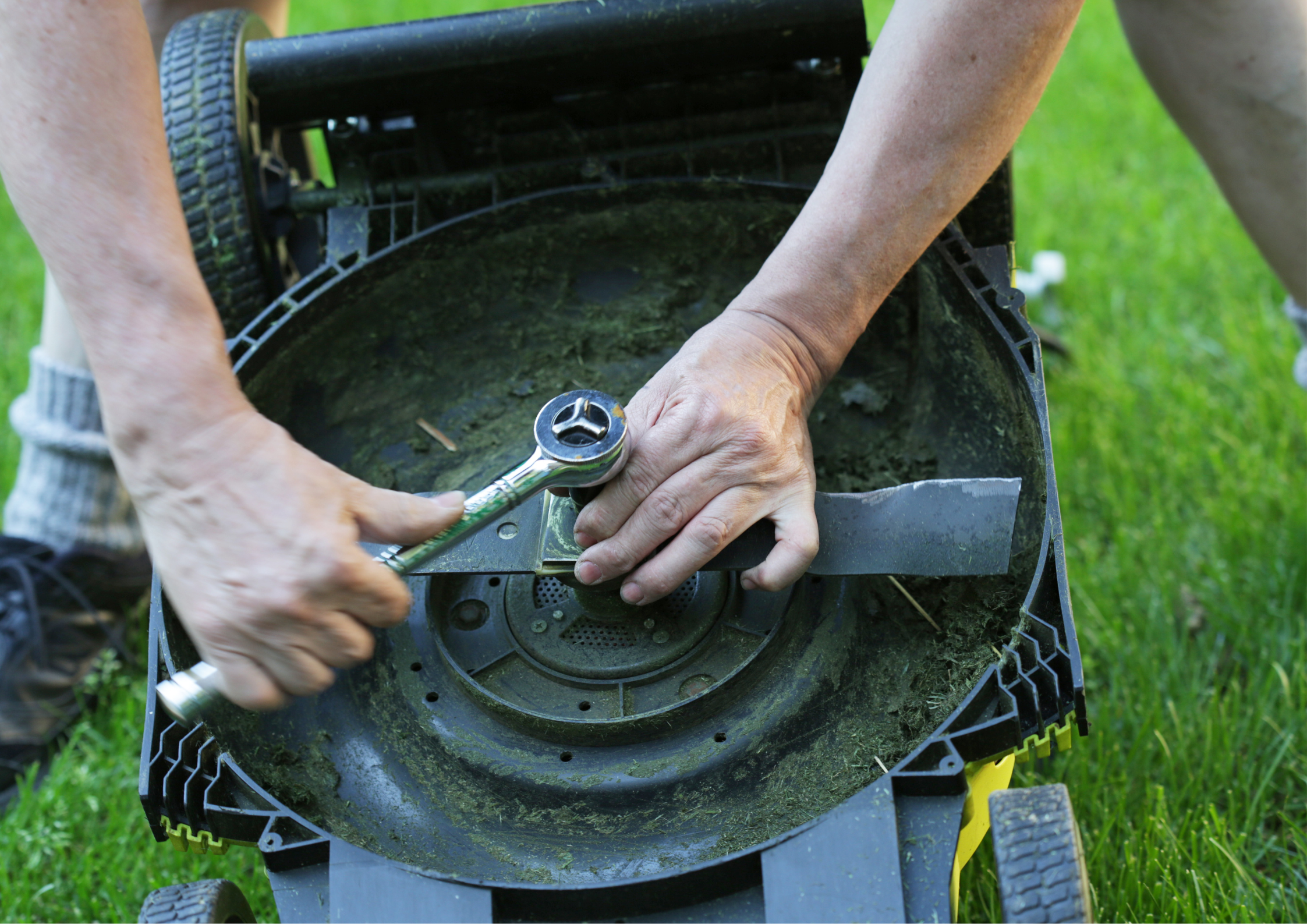
Use a wrench to loosen the bolt holding the blade. Mark the bottom side of the blade with chalk to ensure correct reinstallation.
Step 3: Secure the Blade for Sharpening
Clamp the blade in a vise to keep it stable.
Step 4: Sharpen the Cutting Edge
Hold your file or grinder at the blade’s original bevel angle (usually 30°–45°). Push in one direction for a smooth, even edge.
Step 5: Balance the Blade
An unbalanced blade can damage your mower. Place it on a blade balancer or hang it on a nail to check for even weight distribution.
Step 6: Reattach the Blade
Secure the blade tightly and reconnect the spark plug or battery.
How Often to Sharpen Lawn Mower Blade?
For most homeowners, sharpening mower blades twice per mowing season is ideal. However, if you mow frequently or encounter rocky soil, you might need to sharpen lawn mower blade every 20–25 hours of use.
Where to Sharpen Lawn Mower Blade Professionally
If DIY sharpening isn’t for you, try these options:
-
Local Hardware Stores – Many offer same-day sharpening services.
-
Lawn Equipment Repair Shops – Specialized services for precision sharpening.
-
Big-Box Retailers – Stores like Home Depot or Lowe’s often have seasonal sharpening services.
Common Mistakes to Avoid When Sharpening
Over-Sharpening the Blade
Removing too much material weakens the blade and shortens its lifespan.
Incorrect Blade Balancing
An imbalanced blade causes vibrations, which can damage the mower’s motor.
Using the Wrong Tools
The wrong sharpening method can overheat or warp the blade.
Maintenance Tips to Extend Blade Life
-
Clean After Every Mow – Remove stuck grass and dirt.
-
Store Blades in a Dry Place – Prevents rust and corrosion.
-
Seasonal Inspections – Check for chips, bends, or cracks before storage
Safety Tips When Sharpening Mower Blades
-
Always wear gloves and goggles.
-
Work in a well-lit, ventilated area.
-
Secure the blade before sharpening.
-
Avoid touching freshly sharpened edges.
Environmental Benefits of a Well-Sharpened Blade
A sharp blade reduces mower strain, which means less fuel or battery use and lower emissions. Plus, healthy grass requires less water and fertilizer, contributing to a greener environment.
Conclusion
Learning how to sharpen lawn mower blades is a skill that saves money, improves your lawn’s health, and extends the life of your mower. Whether you DIY or use a professional service, keeping blades sharp is key to a greener, smoother lawn.
If you’re ready to take lawn care to the next level, consider Yarbo’s autonomous mowing system with heavy-duty, precision-engineered blades designed for large and complex yards. Experience cleaner cuts, less effort, and year-round lawn perfection
FAQs
-
How often should I sharpen lawn mower blade?
Twice a season is recommended, but it depends on usage and lawn conditions.
-
How long do Yarbo mower blades last?
Yarbo’s heavy-duty steel blades are built for long-term performance, typically lasting an entire mowing season for average residential use. In larger or more demanding yards, blade lifespan may vary depending on mowing frequency, grass type, and terrain conditions. Thanks to Yarbo’s modular design, replacing the blades is quick and tool-friendly, ensuring your mower always delivers a clean, precise cut.
-
Can I sharpen mower blades without removing them?
Yes, but it’s less effective and can be dangerous without proper precautions.
-
What’s the best angle for sharpening?
A 30°–45° bevel is ideal for most mower blades.
-
Is it better to replace or sharpen dull blades?
Sharpening is cost-effective, but replace blades if they’re chipped, bent, or too thin.
-
Can I use a Dremel to sharpen mower blades?
Yes, with a grinding attachment, a Dremel works well for small touch-ups.
-
How do I know if my blade is balanced?
Place it on a blade balancer or hang it on a nail—if it tilts to one side, it’s unbalanced.
-7.png?w=1001&h=621)
 Private group · 33.0K members