.png?w=2245&h=1587)
When homeowners look for the best weed killer for lawns, safety is often the first concern. Weeds compete with grass for sunlight, water, and nutrients, but many traditional herbicides harm the environment, soil, and even pets.
Using best weed killer for lawns ensures your grass thrives without the risk of chemical burns or long-term soil damage.
Best weed management is not just about aesthetics—it protects pollinators, preserves biodiversity, and ensures children and pets can play freely on the grass. Eco-conscious lawn care is now a priority, and safe weed killers are at the center of this movement.
Table Of Contents:
Understanding How Weed Killers Work
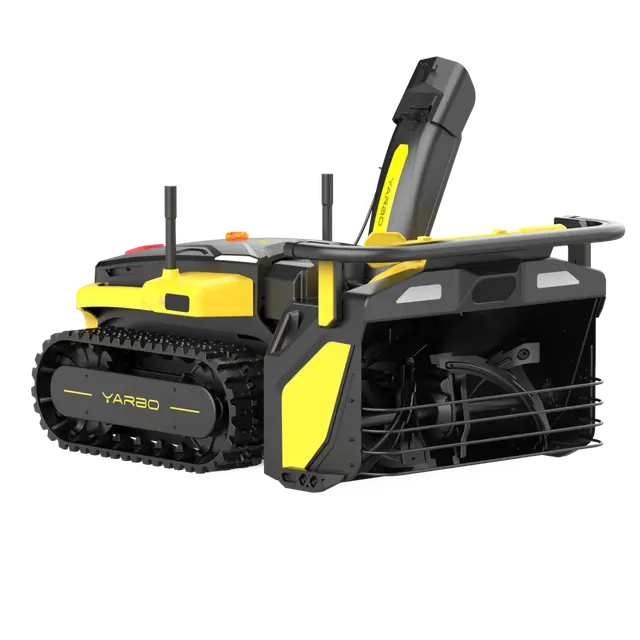
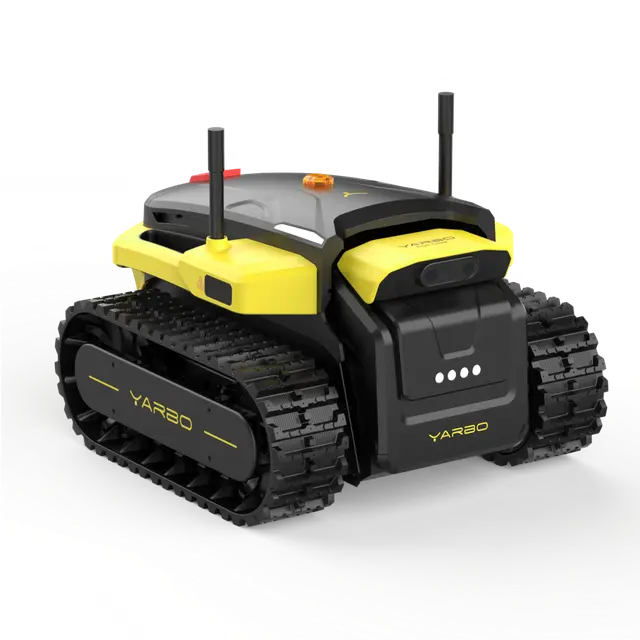
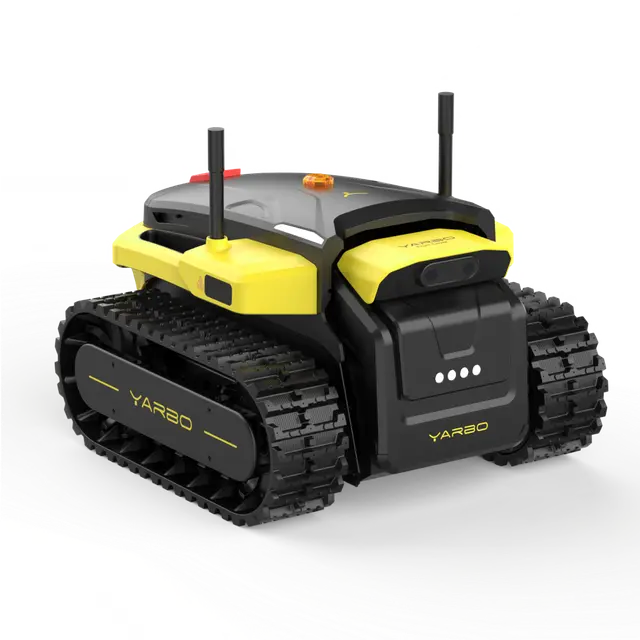
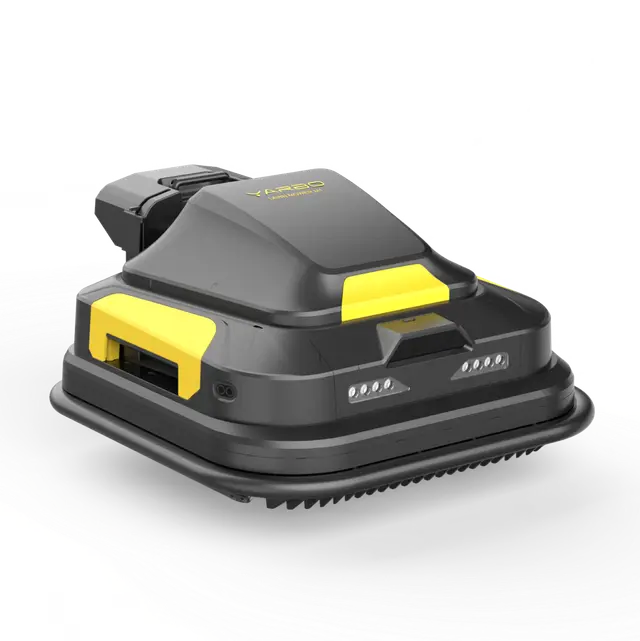
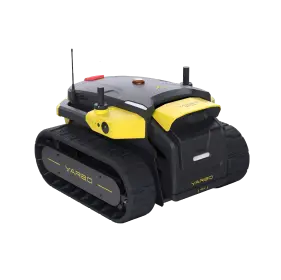
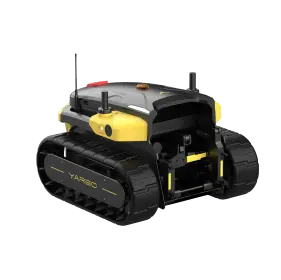
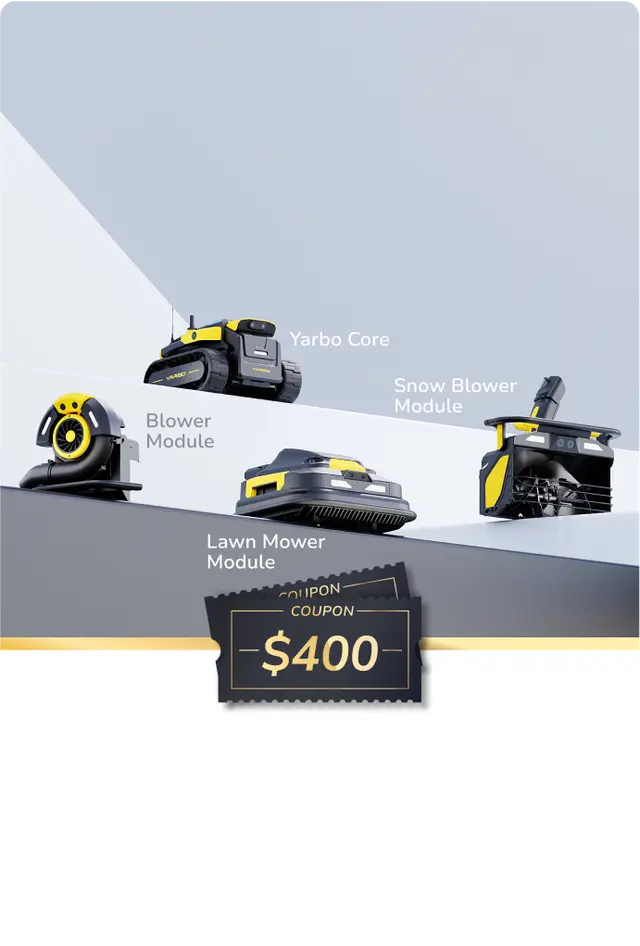
A fundamental aspect of sustainable weed management involves fostering a dense, healthy lawn that naturally outcompetes weeds. This can significantly reduce the need for chemical interventions. Modern automated solutions, like the Yarbo modular yard robot, play a crucial role by ensuring consistent, precise maintenance, contributing to a robust turf that leaves little room for unwanted growth.
Weed killers, also known as herbicides, are formulated to target unwanted plants without damaging the surrounding grass. To choose wisely, you need to understand the categories and get the best results.
For optimal results, precision in application and adherence to timing (e.g., relative to mowing schedules) are crucial, factors that can be seamlessly integrated with automated lawn care planning.
Selective vs Non-Selective Weed Killers
-
Selective: Designed to kill specific weeds while sparing grass (ideal for lawns).
-
Non-Selective: Kill any plant they contact (best for driveways or patios, not lawns).
Contact vs Systemic Weed Killers
-
Contact herbicides destroy the part of the plant they touch, best for annual weeds.
-
Systemic herbicides travel through the root system to kill perennials from within.
Types of Safe Weed Killers for Lawns
Organic and Natural Weed Control
Natural options like vinegar, corn gluten meal, and essential oil-based sprays are safe and effective for spot treatments. These are especially useful for households with pets and children.
Eco-Friendly Commercial Weed Killers
Some brands produce herbicides with reduced toxicity, ensuring they’re safe for use on lawns without harming beneficial organisms.
DIY Weed Killer Sprays
Household solutions such as vinegar, salt, and dish soap can create budget-friendly alternatives for small patches of weeds.
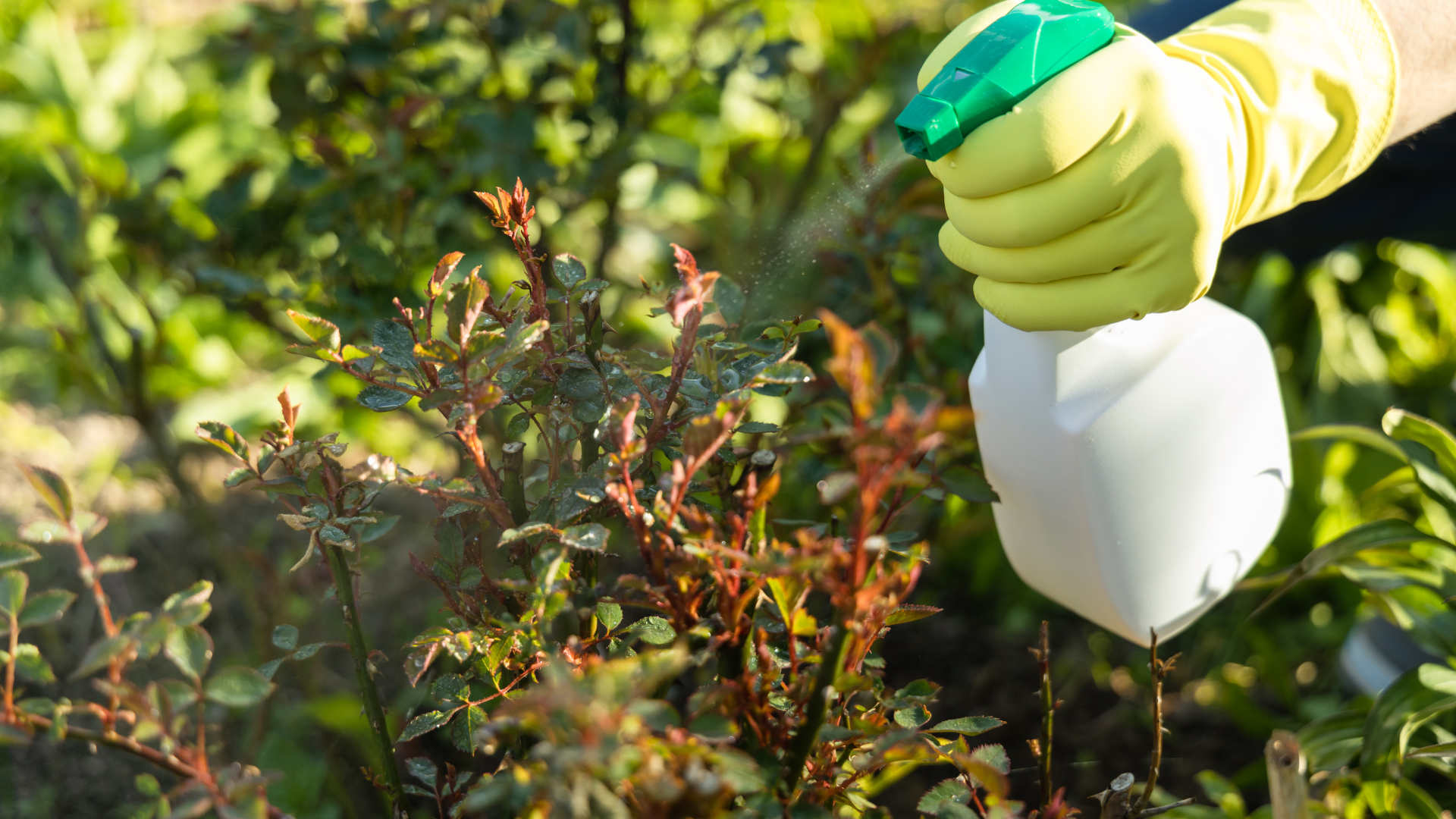
Best Weed Killer Options for Different Lawn Types
Cool-Season Grass Lawns
Lawns with fescue, Kentucky bluegrass, or ryegrass need selective herbicides that won’t stress the grass in colder months.
Warm-Season Grass Lawns
Zoysia, Bermuda, and St. Augustine grasses thrive with specially formulated weed killers designed for hotter climates.
Mixed or Transitional Lawns
Lawns in shifting climates need adaptable solutions that balance safety with effectiveness.
How to Use Weed Killer Spray Safely and Effectively?
Preparing Your Lawn Before Application
-
Mow the lawn 2–3 days before spraying.
-
Water lightly to reduce plant stress.
-
Mow the lawn 2–3 days before spraying. Automated lawn robots like Yarbo can be scheduled to handle this with precision, ensuring your lawn is optimally prepared without manual effort.
Correct Application Techniques
-
Apply on calm, dry days to prevent drift.
-
Use a sprayer with even coverage for consistent results.
Mistakes to Avoid When Using Weed Killers
-
Over-application can scorch grass.
-
Spraying before rain reduces effectiveness.
Alternatives to Chemical Weed Control
- Mulching and Soil Health
Mulching helps suppress weed growth while enriching the soil.
- Manual Weeding and Tools
Using weed pullers ensures removal from the root, preventing regrowth.
- Lawn Aeration and Overseeding
A thick, healthy lawn naturally crowds out weeds, reducing dependency on sprays.
Integrating Smart Automation into Your Lawn Care Strategy
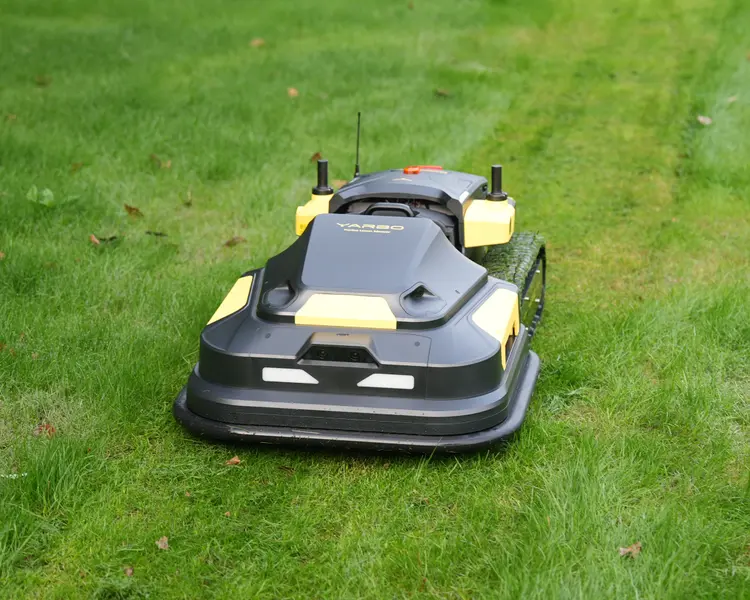
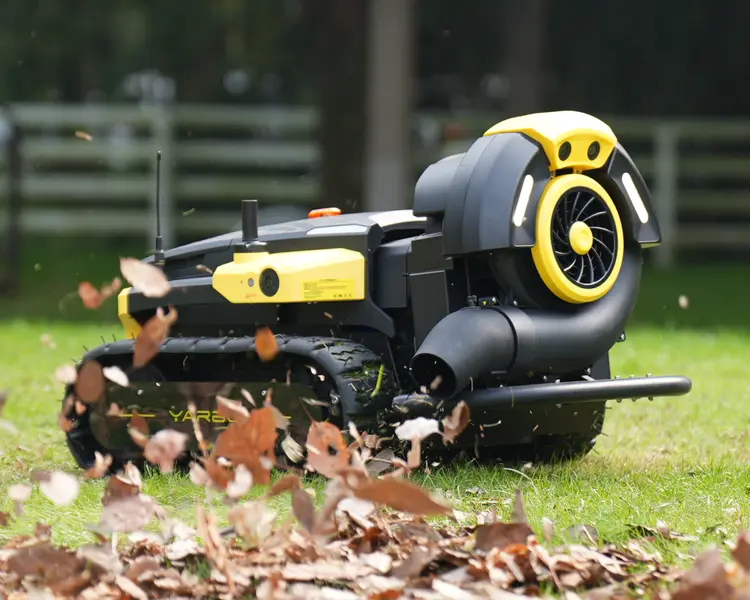
For homeowners with large or complex yards, maintaining a consistently healthy lawn—one that naturally crowds out weeds—can be a significant challenge. This is where a modular yard robot like Yarbo becomes an invaluable asset. This innovative system is designed to automate key lawn maintenance tasks, significantly contributing to a weed-resistant and vibrant lawn. Here’s how:
-
Consistent Mowing Height: Yarbo’s precise navigation (RTK-GPS, cameras, IMU) and adjustable cutting height ensure that your grass is always maintained at the optimal length, shading out weed seeds and promoting dense growth.
-
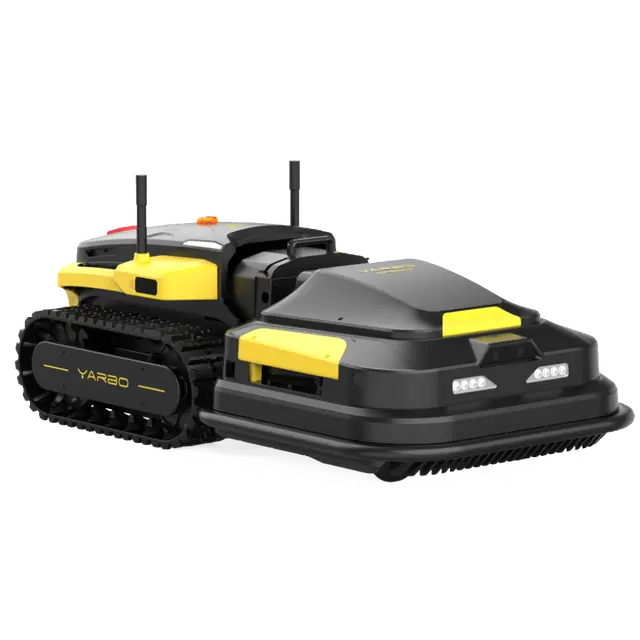
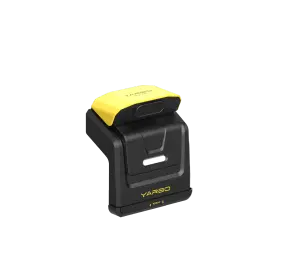
Mulching for Soil Health: The Lawn Mower Pro module offers mulching blades that cut grass clippings into finer pieces, enriching the soil with nutrients and reducing the need for external fertilizers, which further strengthens your lawn against weeds.
-
Effortless Coverage of Large and Complex Areas: Whether you have sprawling lawns up to 6 acres, steep slopes up to 35°, or numerous obstacles like trees and flowerbeds, Yarbo's all-terrain tracks and intelligent obstacle avoidance ensure uniform coverage without missing spots where weeds might thrive.
-
By combining targeted, safe weed killer applications with the consistent, intelligent maintenance provided by autonomous solutions like Yarbo, you can achieve a lush, healthy, and beautiful lawn that naturally resists weeds, enhancing your property and lifestyle.
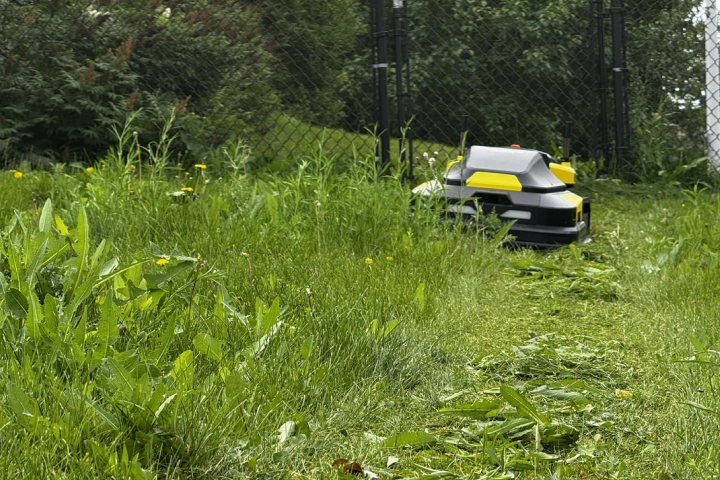
Expert Tips for Keeping Your Lawn Weed-Free
-
Fertilize at the right times to strengthen grass.
-
Maintain proper mowing height to shade out weeds.
-
Rotate weed control methods for long-term success.
-
Maintain proper mowing height to shade out weeds. Yarbo lawn mowers offer adjustable cutting heights (e.g., 1.2–4 inches for the standard version and 0.8–4 inches for the Pro version), allowing you to customize grass length to promote density and shade out weed seeds consistently across large areas, including complex terrains.
-
Regular and consistent mowing, especially with features like mulching blades available in the Yarbo Lawn Mower Pro, helps return finely cut grass clippings to the lawn. This accelerates decomposition and naturally nourishes the soil, contributing to a thicker, healthier turf that inherently resists weed growth.
Common Myths About Weed Killers Debunked
Myth: Natural weed killers aren’t effective.
Fact: Many organic solutions are highly effective when applied consistently.
Fact: Many organic solutions are highly effective when applied consistently.
Myth: More product means better results.
Fact: Overuse damages grass and the environment.
Fact: Overuse damages grass and the environment.
Myth: Weed killers are always harmful.
Fact: Safe formulations exist for eco-friendly lawn care.
Fact: Safe formulations exist for eco-friendly lawn care.
Conclusion
A healthy, green lawn doesn’t require harmful chemicals. By choosing the best weed killer for lawns—whether commercial eco-friendly sprays, organic alternatives, or DIY solutions—you can keep weeds away while protecting your grass, soil, and loved ones. Consistency, proper application, and complementary lawn care practices ensure lasting results.
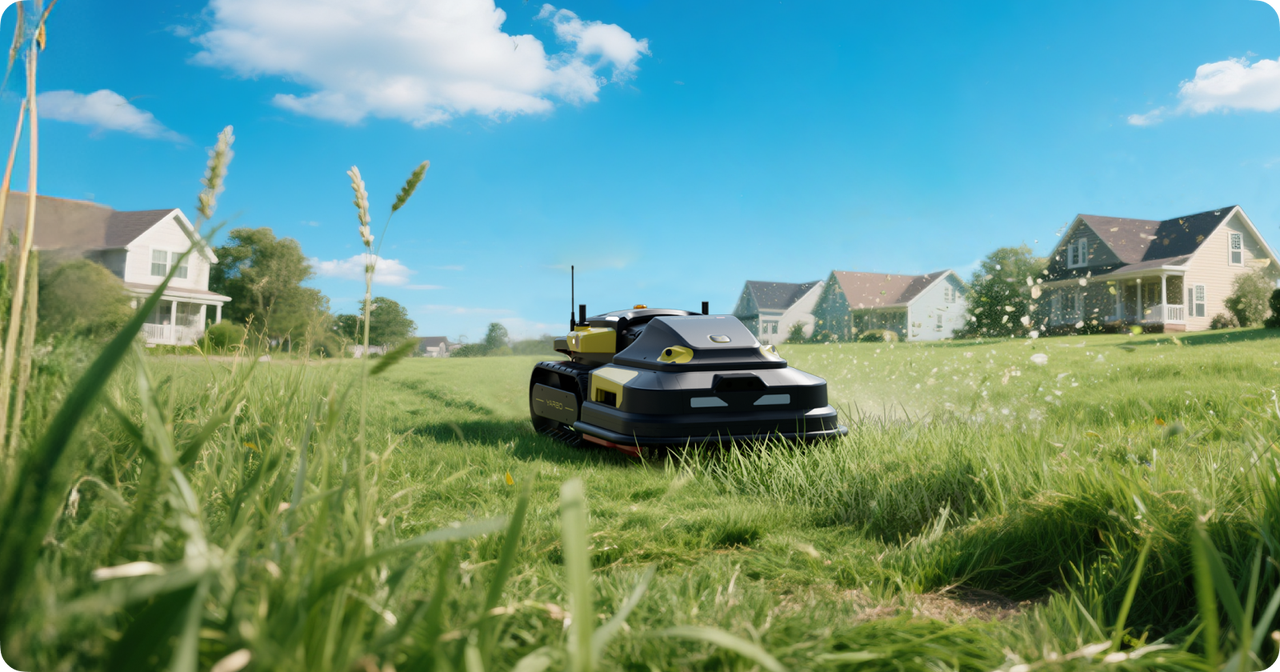
By integrating smart yard maintenance solutions, such as the Yarbo modular robot ecosystem, homeowners can achieve a consistently healthy and beautiful lawn with minimal manual effort and reduced reliance on chemicals.
These autonomous systems handle essential tasks like precise mowing, which is key to natural weed suppression, while freeing up your valuable time. This holistic approach ensures a green, weed-free space that's safe for children and pets year-round.
FAQs
Q1: What is the best weed killer spray for pets?
A: Organic vinegar-based sprays and corn gluten meal are safe options.
A: Organic vinegar-based sprays and corn gluten meal are safe options.
Q2: How often should I apply weed killer to my lawn?
A: Typically, 2–3 times per growing season, depending on weed type.
A: Typically, 2–3 times per growing season, depending on weed type.
Q3: Can I make my own DIY safe weed killer for lawns?
A: Yes, vinegar, dish soap, and salt mixed together can serve as a homemade option.
A: Yes, vinegar, dish soap, and salt mixed together can serve as a homemade option.
Q4: Will safe weed killers work on dandelions and crabgrass?
A: Selective eco-friendly herbicides are effective against both.
A: Selective eco-friendly herbicides are effective against both.
Q5: How can automated lawn care contribute to a weed-free lawn?
A: Automated lawn care systems, like Yarbo, ensure consistent and precise mowing at optimal heights, which helps the grass grow thicker and more dense, naturally crowding out weeds by shading the soil. Additionally, features such as mulching blades on advanced robot mowers nourish the lawn, further promoting a healthy turf that is more resistant to weed encroachment.
Q6: Can weed killers damage my soil long term?
A: Harsh chemicals may, but safe and organic options preserve soil health.
A: Harsh chemicals may, but safe and organic options preserve soil health.
-7.png?w=1001&h=621)
 Private group · 33.0K members