-1.png?w=1280&h=720)
Winter brings beauty, but also risk and clearing snow is more than just a chore. Without care, snow removal can lead to slips, overexertion, and equipment mishaps.
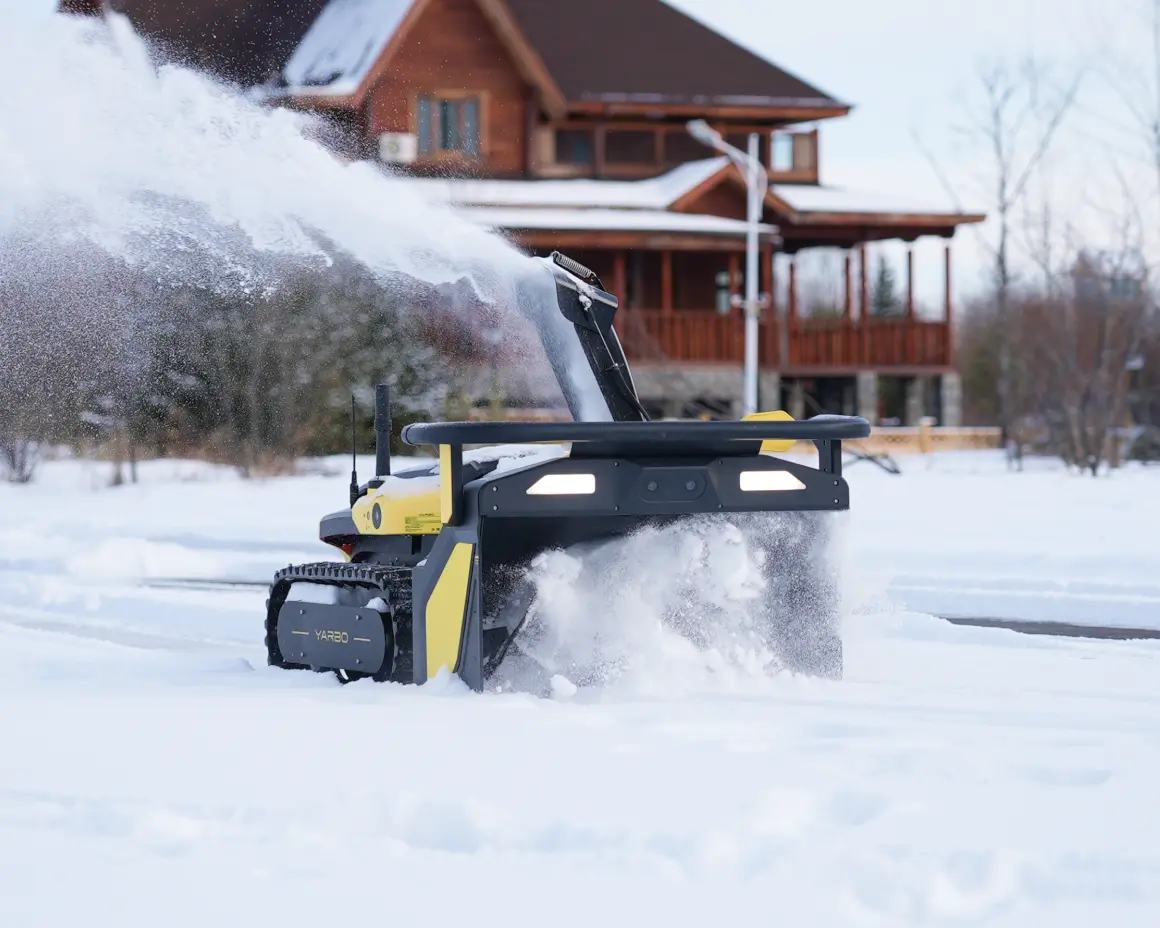
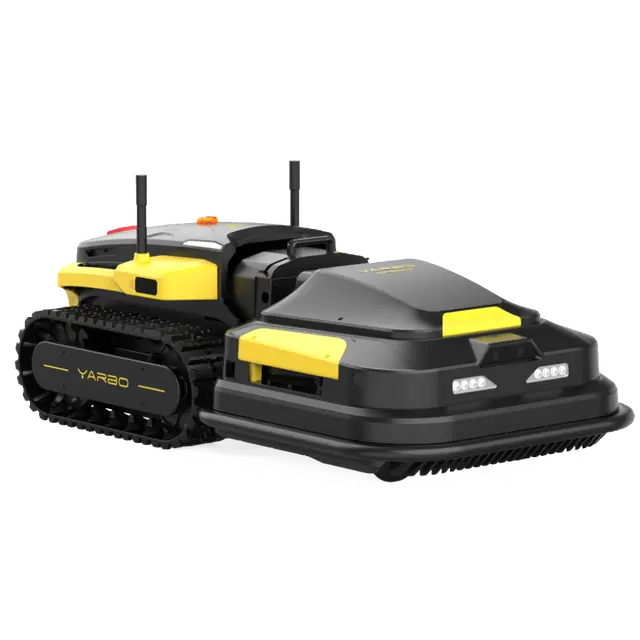
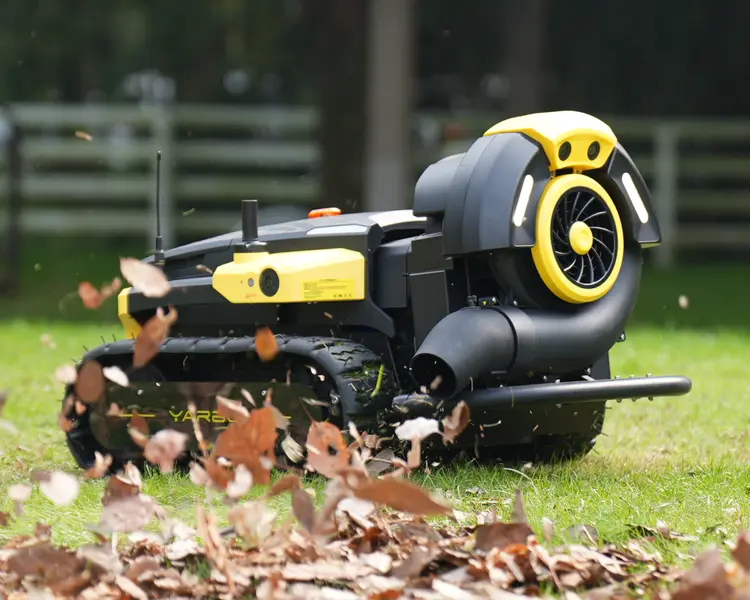
That’s why snow removal safety tips are more than helpful they can make the difference between a safe winter and an injury-prone one. Whether you’re shoveling snow and shovel by hand or using a high-tech solution like the Yarbo Snow Blower, following the right precautions is critical.
That’s why snow removal safety tips are more than helpful they can make the difference between a safe winter and an injury-prone one. Whether you’re shoveling snow and shovel by hand or using a high-tech solution like the Yarbo Snow Blower, following the right precautions is critical.
In this guide, you'll find five essential snow removal safety tips to manage your winter yard hazards — rooted in expert advice and Yarbo-specific best practices. We'll cover everything from warming up before you work, to keeping your robotic snow removal tool safe and maintained.
Table Of Contents:
1. Assess and Prepare Before You Start Snow Removal
Check the Conditions
Before you even step outside, take a moment to assess the weather. Snowfall, wind, and icy surfaces all affect how safe and efficient snow removal will be. Avoid clearing snow during blizzards or extreme cold not just to protect yourself, but also to prevent putting excessive strain on your equipment.
If you're using Yarbo, carefully plan its work area in the app. Map out your paths, and designate “no-go zones” for obstacles like large rocks, furniture, or garden beds. This ensures that Yarbo doesn’t try to navigate into unsafe terrain. The mapping feature helps prevent collisions and makes automated snow removal much safer.
Clear the Area
Make sure your yard is free from unexpected hazards: toys, fallen branches, or hidden objects can damage your tools or Yarbo’s auger or even cause accidents. Clearing these beforehand reduces risk significantly.
Additionally, if you're using a robotic unit, pay special attention to the docking station’s placement. It should be accessible and in a location that allows Yarbo to return easily for recharging.
2. Dress and Warm Up for Winter Work
Layer Up for Safety
When you're removing snow manually, proper clothing is your first line of defense. Wear breathable, layered clothing to trap warmth while allowing mobility. Waterproof gloves, a warm hat, and boots with good traction are non-negotiable. Slippery surfaces are everywhere in winter grip matters.
Warm Up Your Body
Treat shoveling like a workout. Do a few gentle stretches arms, back, legs yo reduce the risk of muscle strain. Cold muscles are more prone to injury, and safety tips for shoveling snow as it can physically demanding. Warming up helps prevent that.
Stay Hydrated
It might feel cold, but snow removal uses up energy and can dehydrate you fast. Drink water (or a sports drink) before and during breaks. Even though you might not feel sweaty, your body is working hard.
3. Safe Manual Snow Shoveling Techniques
Choose the Right Shovel
Ergonomic snow and shovel can make a big difference. Look for designs with curved handles or lightweight blades. A non-stick coating helps snow slide off easily, reducing effort.
.png?w=1280&h=720)
Push Rather Than Lift
Whenever possible, push the snow instead of lifting it. It’s less stressful on your back. If you must lift, always bend at the knees — not the waist — and use your legs to do the work. Keep the load light and manageable.
Avoid Twisting Motions
When you're throwing snow, pivot your entire body instead of twisting your torso. Twisting under load puts your spine at risk. Turning your feet and shifting your hips helps protect your back.
Take Breaks
Listen to your body. If you feel winded, dizzy, or unusually tired — stop. Overexertion is a serious risk, especially in cold conditions. It’s better to go slow and steady than to rush and get hurt.
4. Using Powered Equipment Safely — Yarbo Snow Blower
Using a snow blower — especially an autonomous one like Yarbo — can dramatically reduce the physical toll of snow removal. But it comes with its own safety considerations, so lets dive into snow removal safety tips for snow blowers.
Learn the Manual and Controls
Before you run Yarbo, make sure you’ve read the user manual and are familiar with how its snow blower module works. Understanding controls, app settings, and safety mechanisms is essential.
Triple-Layer Safety System
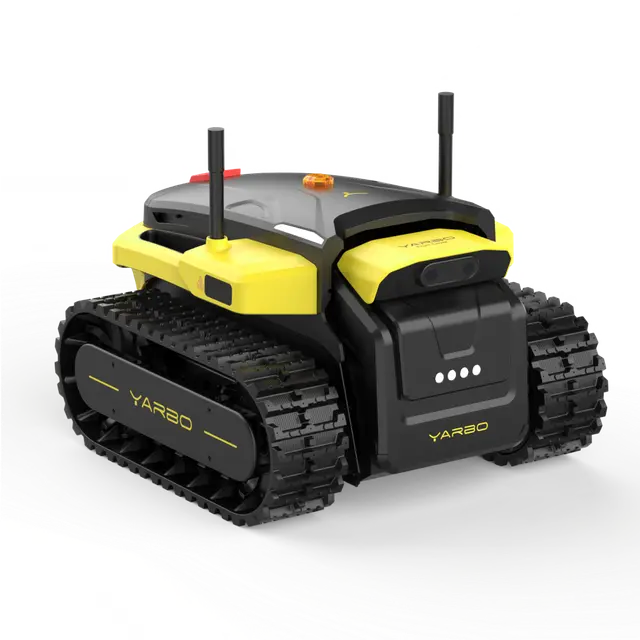
Yarbo’s design includes a triple-layer safety system:
-
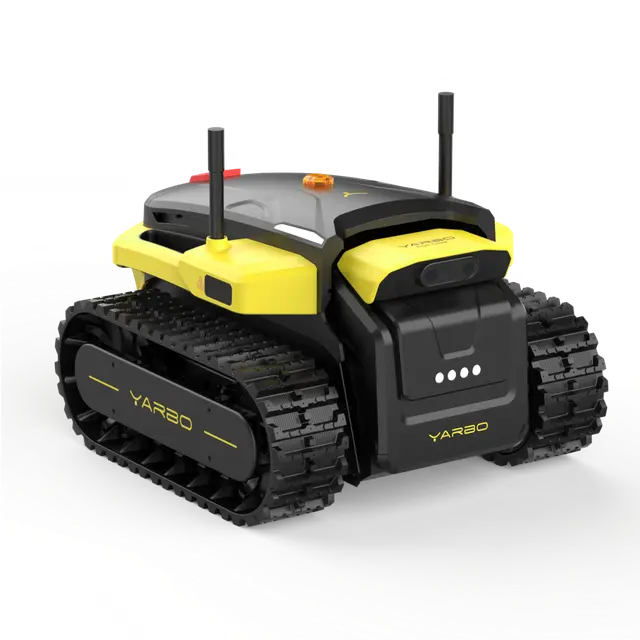
Radar — helps detect obstacles ahead.
-
Three cameras — for side and front view to identify objects and terrain.
-
Bumper protection — to absorb impact and stop the robot if needed.
This system together ensures that Yarbo avoids collisions with pets, people, or unexpected objects.
Safe Auger Operation
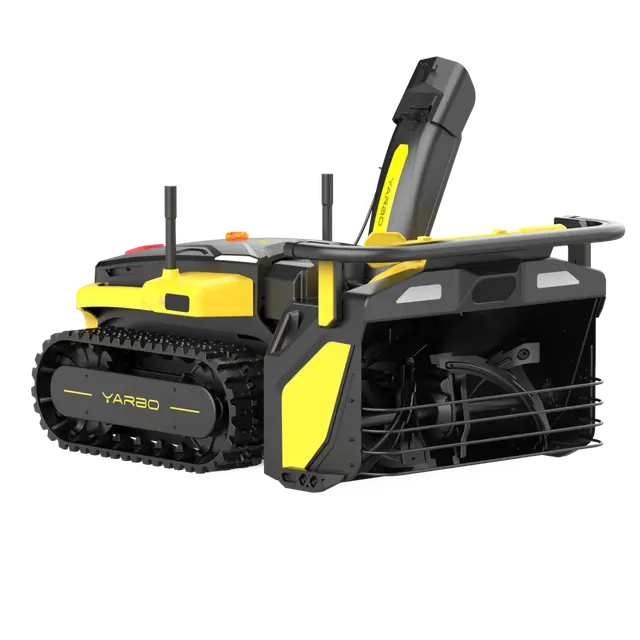
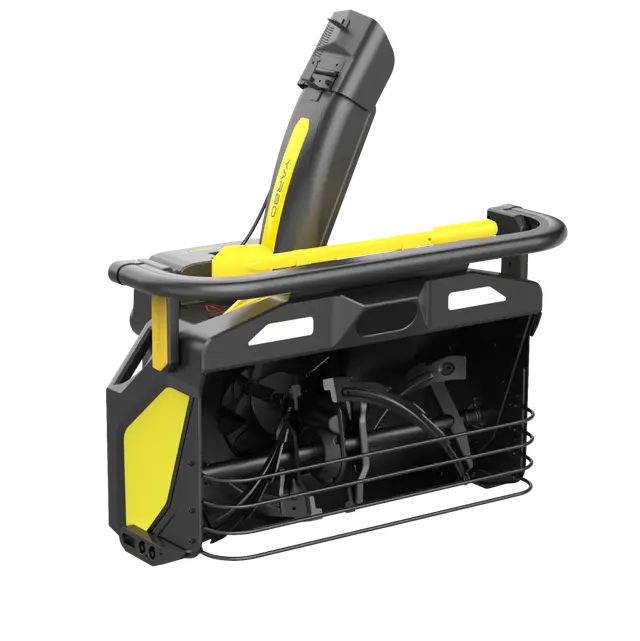
The auger, which scoops and throws snow, is one of the riskiest moving parts. Follow these rules for safety:
-
Never work on the auger while it's running. Always press Stop on the rear or use the app to shut down the system.
-
Avoid touching or clearing any debris from the auger until you’re certain it's stopped and powered down.
-
Make sure the protection fence (auger guard) is securely installed before starting. It’s designed to keep your hands and feet safe.
-
Avoid wearing loose clothing, scarves, or anything that could get caught in the auger.
-
Use the “No-Go Zones” feature in the app to prevent Yarbo from going near large obstacles.
5. Regular Maintenance to Avoid Winter Failures
Robust maintenance is not just about longevity — it’s about safety.
Pre- and Post-Operation Checks
Before and after every run, check key components:
-
Make sure the discharge chute is clear. Operating with a clogged chute can damage the motor or reduce clearing performance.
-
Remove snow buildup from the robot’s body, especially from the tracks, and wear gloves to avoid frostbite.
-
Inspect the auger, impeller, shear pins, and skid shoes for wear or damage. Replace worn parts promptly.
Lubrication to Prevent Freezing
Tracks are especially prone to freezing in winter. If the tracks do freeze, move Yarbo to a warmer spot (like a garage) to thaw, but avoid using direct heat that could warp plastic parts.
Battery Safety
When doing maintenance, the following snow removal safety tips are important to keep in mind:
-
Turn Yarbo off properly via the app.
-
Remove the battery pack by unscrewing anti-theft bolts.
-
Clean or inspect battery regularly; store it safely when not in use.
Cleaning Tools
Use the clean-out tool snow and shovel provided by Yarbo. Never use your hand to remove snow or debris from the chute or auger always power off first.
Bonus Tip: Dealing with Wet or Packed Snow Safely
Wet or sticky snow is more challenging — but Yarbo is equipped to handle it — if you follow the right snow removal safety tips.
-
Use medium movement speed in the app when working in wet snow. Yarbo’s dynamic adjustment algorithm manages current load to prevent strain.
-
If you have the plow blade accessory, attach it for better performance on wet or packed snow.
-
Regularly clear the chute and apply non-stick spray (or similar) to the auger, impeller, and chute to reduce build-up.
-
If the chute clogs, press Emergency Stop to power down first, then use the clean-out tool to remove snow safely.
Why Robotic Removal with Yarbo Is Safer Than Manual Shoveling
Here’s how using a Yarbo Snow Blower can significantly reduce risk compared to manual snow removal:
-
Less physical strain: No heavy lifting, pushing, or constant bending.
-
Reduced injury risk: Your heart and muscles don’t bear the same load as manual shoveling.
-
Autonomous operation: You can schedule runs via the app cold, icy mornings don’t always mean you have to go out yourself.
-
Advanced safety features: Radar, cameras, bumper all work together to detect obstacles and prevent accidents.
-
Self-recharging: Yarbo docks and recharges automatically, so it stays ready without manual intervention.
Common Hazards and Yarbo-Specific Solutions
| Hazard | Yarbo-Aware Solution |
| Frozen Tracks | Clean tracks post-session, lubricate regularly, and thaw safely if frozen. |
| Auger Injury | Always power off before approaching, use the auger guard, and avoid loose clothing. |
| Docking / Charging Errors | Use correct mapping, set no-go zones, and follow app instructions. (Some users report routing issues; proper setup helps.) |
| Sharp Objects / Obstacles | Use the no-go zone feature, and avoid letting Yarbo run near fragile or dangerous obstacles. |
| Surface Damage | Some users removed anti-slip studs on tracks because they were scratching concrete. |
Conclusion
Snow removal doesn’t have to be a high-risk chore. By following these snow removal safety tips, you can protect your body, your property, and your equipment. Using a smart, autonomous system like Yarbo not only reduces physical strain but also brings advanced safety features to the job.
From proper warm-up and clothing to safe operation of the auger and consistent maintenance each step matters. When combined, these practices help you manage winter yard hazards with confidence and control.
Stay safe, stay warm, and let smart automation do the heavy lifting this winter especially focusing on safety tips for shoveling snow.
FAQs
Q1: What makes Yarbo safer than a traditional gas snow blower?
A: Yarbo’s autonomous operation eliminates much of the physical strain of manual snow removal. Its triple-layer safety system (radar, cameras, bumper) helps avoid collisions, and the need to manually refuel is removed reducing risk of accidents.
A: Yarbo’s autonomous operation eliminates much of the physical strain of manual snow removal. Its triple-layer safety system (radar, cameras, bumper) helps avoid collisions, and the need to manually refuel is removed reducing risk of accidents.
Q2: Can I adjust Yarbo’s auger angle, and is that safe?
A: Yes — in the Yarbo app, under Work Plan → Modify → Pathway → Settings, you can change the auger angle. But always power off Yarbo before doing any physical adjustments to reduce risk.
A: Yes — in the Yarbo app, under Work Plan → Modify → Pathway → Settings, you can change the auger angle. But always power off Yarbo before doing any physical adjustments to reduce risk.
Q3: How do I prevent sticky wet snow from clogging Yarbo?
A: Use a medium speed setting, apply a non-stick spray on the auger and chute, and clear out solid snow frequently using Yarbo’s clean-out tool. Also, the plow blade accessory helps when snow is too wet or heavy. Or simply use Yarbo snow shovel attachment in advance.
A: Use a medium speed setting, apply a non-stick spray on the auger and chute, and clear out solid snow frequently using Yarbo’s clean-out tool. Also, the plow blade accessory helps when snow is too wet or heavy. Or simply use Yarbo snow shovel attachment in advance.
Q4: The tracks froze up on my Yarbo what should I do?
A: Move it to a warmer place (like a garage) to thaw naturally, avoid direct heat, and then lubricate tracks with grease after thawing to help prevent recurrence.
A: Move it to a warmer place (like a garage) to thaw naturally, avoid direct heat, and then lubricate tracks with grease after thawing to help prevent recurrence.
Q5: Is it safe to clear a clogged chute while Yarbo is running?
A: No,never reach into the chute while the auger is spinning. Always use the Stop button on the unit or app, let it fully power down, then use the provided clean-out tool.
A: No,never reach into the chute while the auger is spinning. Always use the Stop button on the unit or app, let it fully power down, then use the provided clean-out tool.
Q6: What maintenance do I need to do before and after Yarbo’s snow runs?
A: Pre- and post-run checks include clearing the discharge chute, examining the auger and skid shoes, wiping snow off the body and camera lenses, and inspecting the battery. Also, lubricate the tracks regularly.
A: Pre- and post-run checks include clearing the discharge chute, examining the auger and skid shoes, wiping snow off the body and camera lenses, and inspecting the battery. Also, lubricate the tracks regularly.
-7.png?w=1001&h=621)
 Private group · 33.0K members