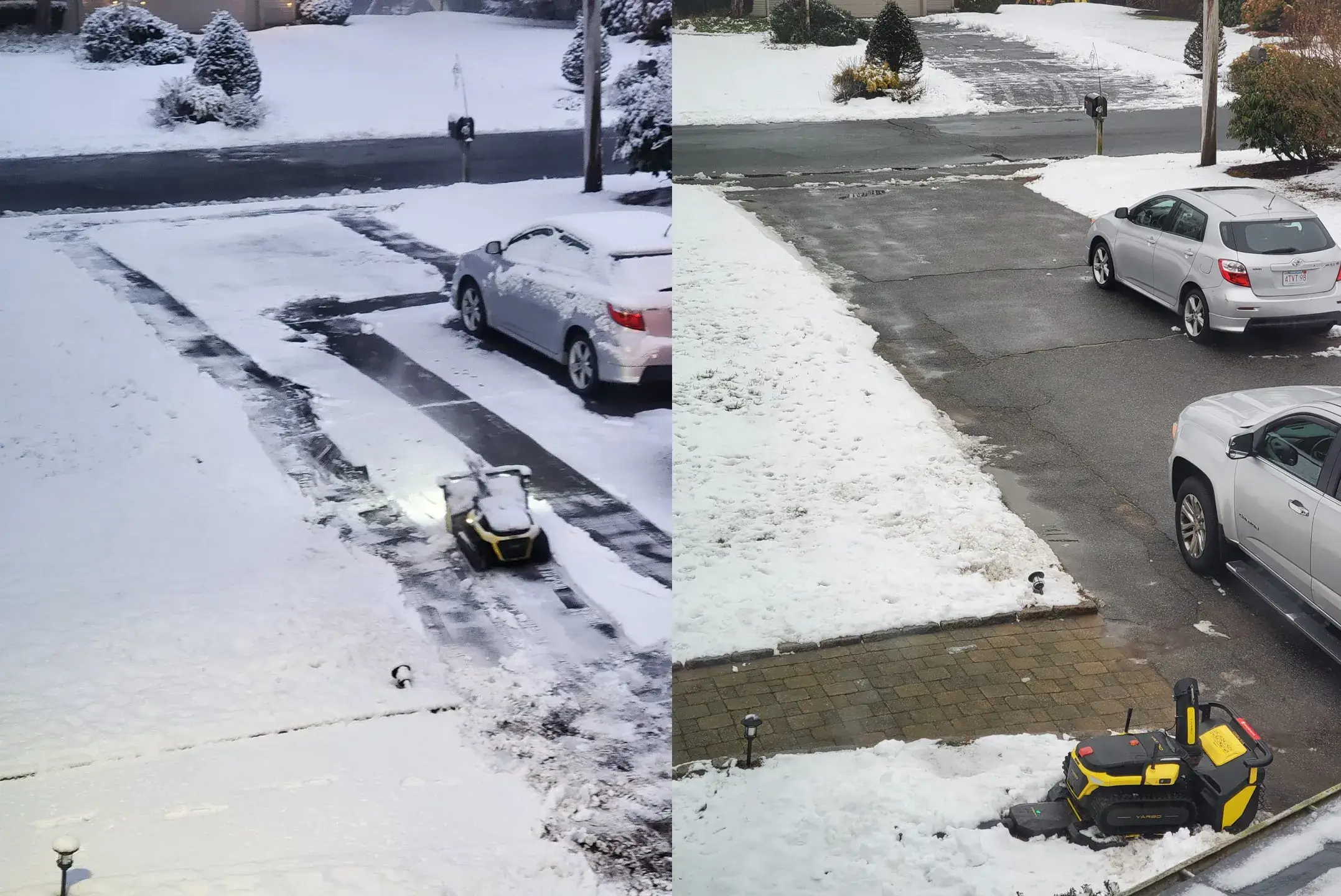
That’s a common and crucial question.
Choosing the right size not only improves efficiency but also saves time, effort, and maintenance costs in the long run.
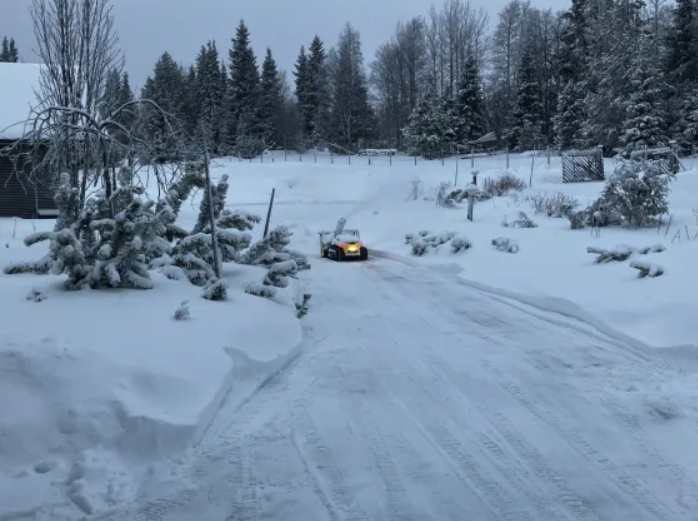
Snow Blower Sizes Explained
2. Two‑Stage Snow Blowers
3. Three‑Stage Snow Blowers
What Size Snow Blower Do I Need Based on Area Size?
Small Areas: Sidewalks and Short Driveways:
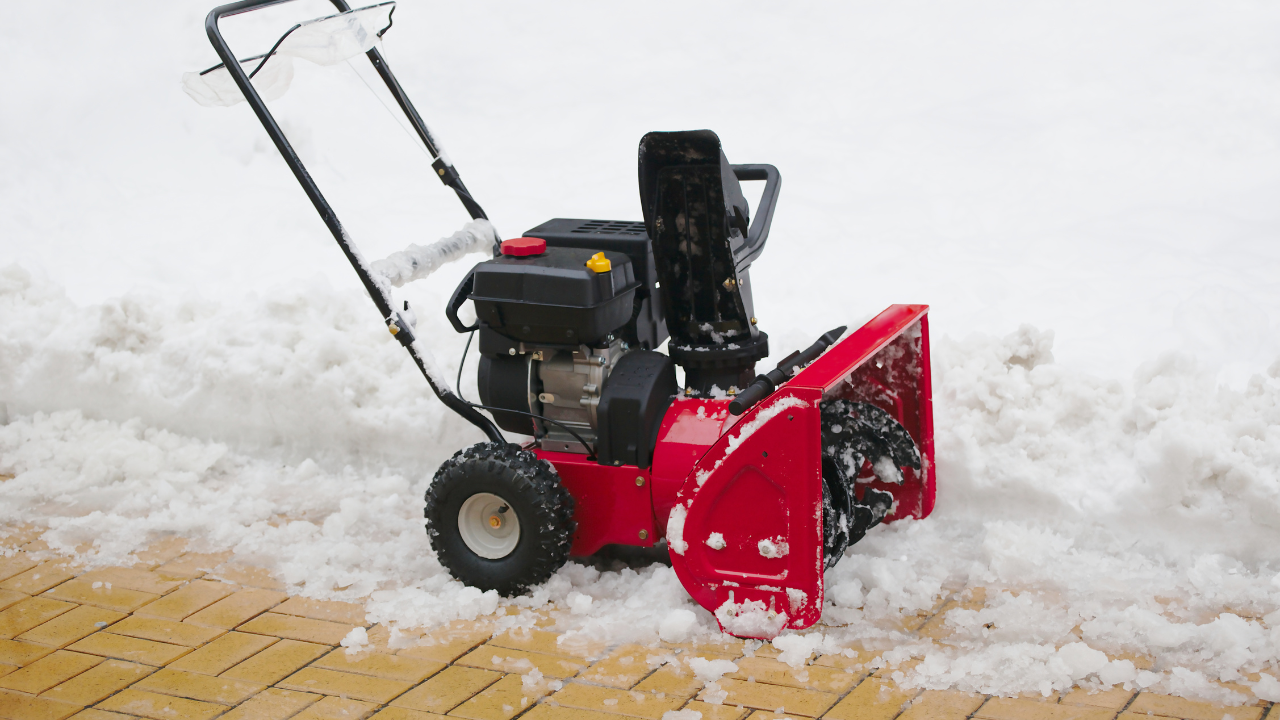
Recommended Specs:
-
Clearing Width: 18"–22"
-
Power: Up to 200cc
-
Ideal For: Flat surfaces, light snowfall
Medium Areas (Two-Car Driveways and Walkways)
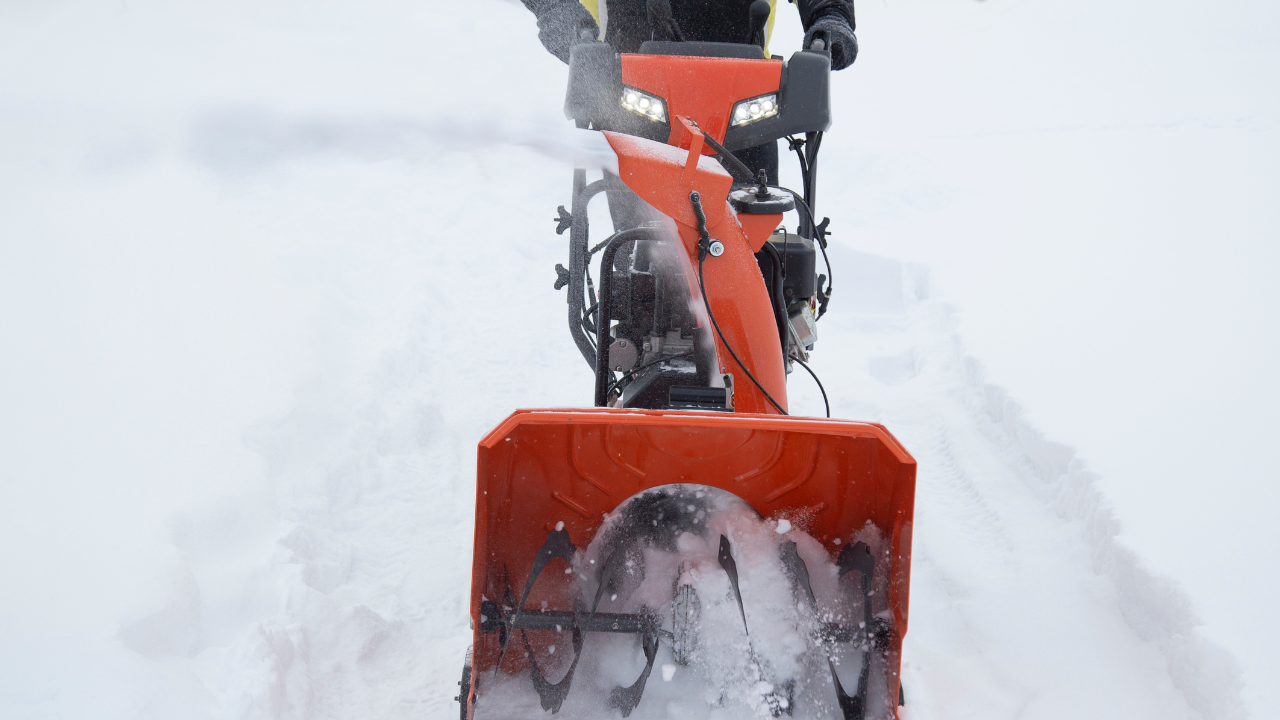
Recommended Specs:
-
Clearing Width: 22"–28"
-
Power: 200cc–300cc
-
Ideal For: Moderate snow (up to 12 inches), sloped driveways
Large Areas (Long Driveways and Courtyards)
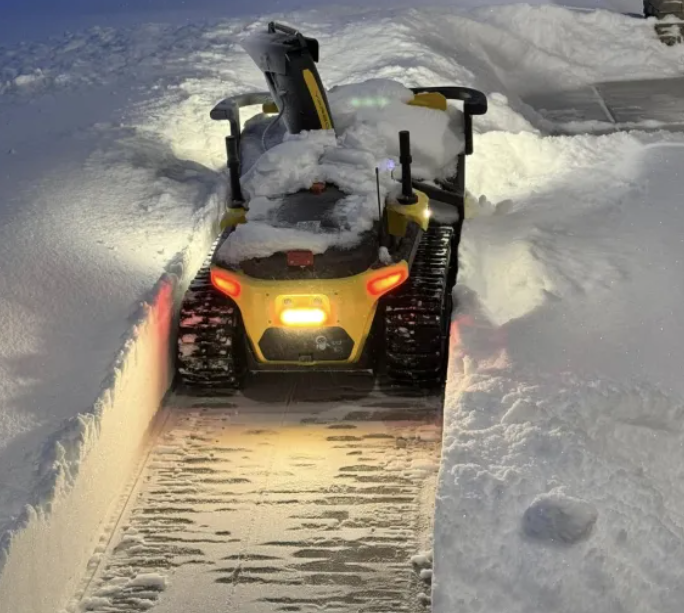
Recommended Specs:
-
Clearing Width: 22" and above
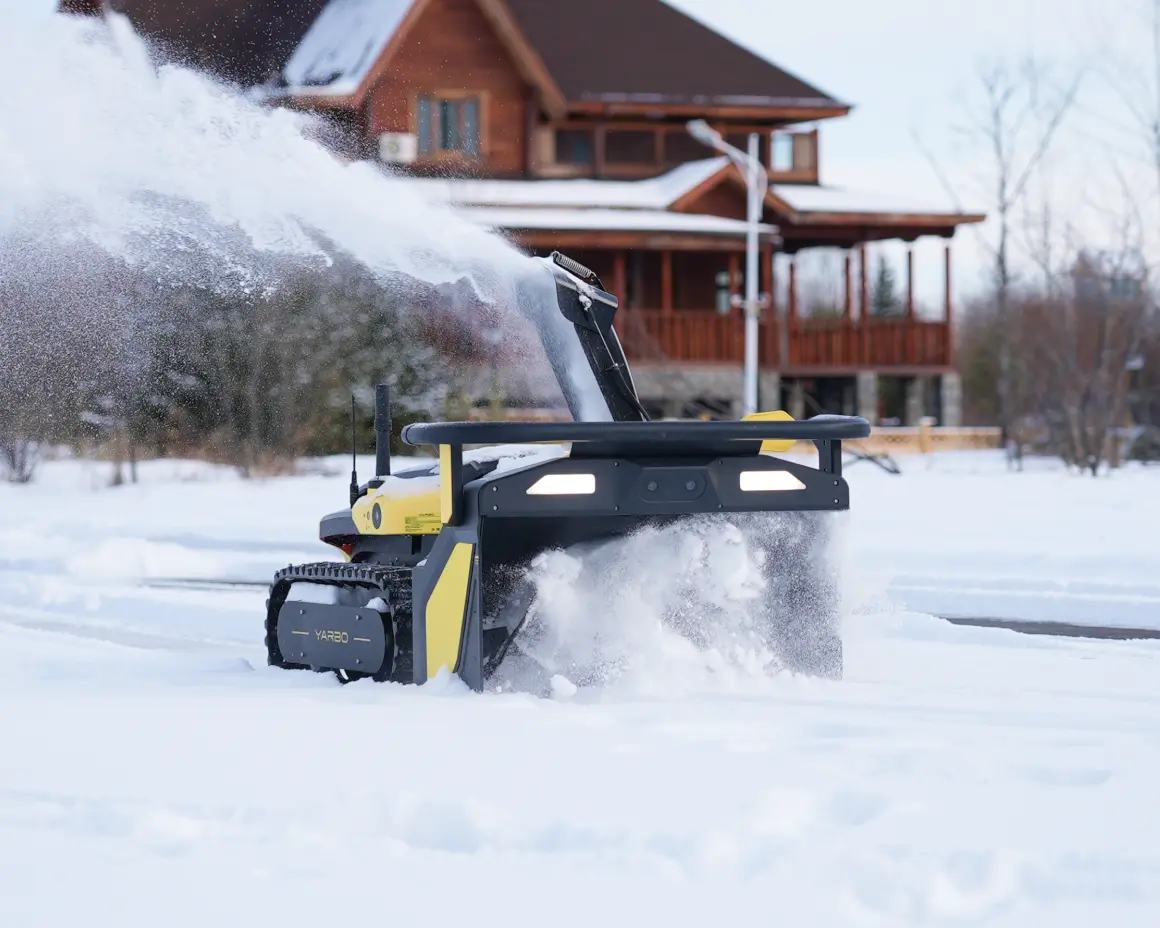
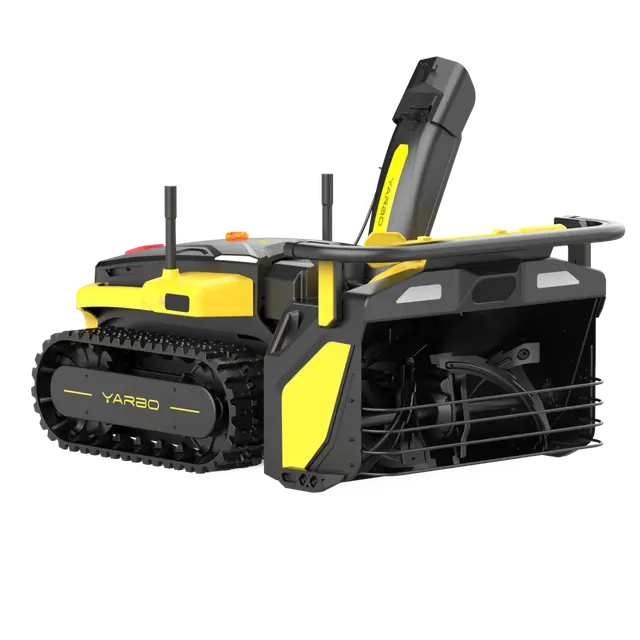
- Power: 300cc+ or Heavy-duty Lithium-ion battery (for electric models such as the one Yarbo has)
-
Ideal For: Frequent, heavy snowfalls, rugged terrain
Key Factors Beyond Clearing Width
Intake Height & Throwing Distance
-
Intake height dictates how deep snow you can manage—for two‑stage models commonly up to ~20 in.
-
Throw distance (20–50 ft) ensures snow lands away from cleared paths.
Power Source
-
Gas: Best for long runtime and heavy snow.
-
Battery/Electric: Quiet, eco‑friendly. EGO Power+ models clear up to a 16‑car driveway on one charge with dual 7.5 Ah batteries, tossing up to 50 ft. Reddit feedback confirms battery life works well on moderate tasks but may overheat under heavy use .
Terrain & Drive Features
-
Self‑propelled wheels, tracks, and power steering are essential for slopes and uneven surfaces.
-
Adjustable skid shoes help on gravel or paver surfaces.
Extra Comfort & Control
-
Heated grips, LED headlights, remote chute control, and quick‑fold handles improve usability.
Snowfall Type: Matching to Capacity
| Snow Type | Recommended Blower Size |
| Light/powder (under 6") | Single‑Stage (18–22") |
| Moderate (6–12") | Two‑Stage (24–28") |
| Heavy/wet or packed | Two‑Stage 28"+ or Three‑Stage |
Real‑World Insights
-
Real Simple's experts favored two‑stage models with ~24–28" width for versatility and efficiency.
-
EGO Power+ 24" cordless 2‑stage is popular as battery-powered best, though users note the battery may overheat on long large jobs.
-
A Reddit user: “A 24 inch wide snowblower is a good comfortable width... A 2 stage will make you happier.”
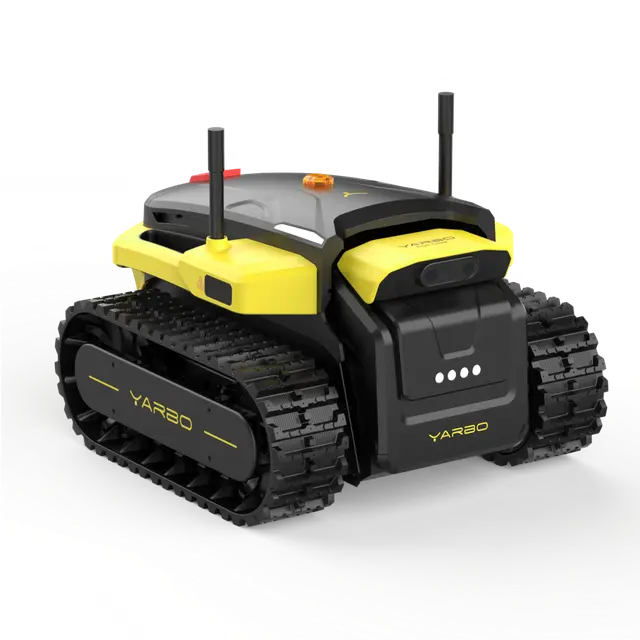
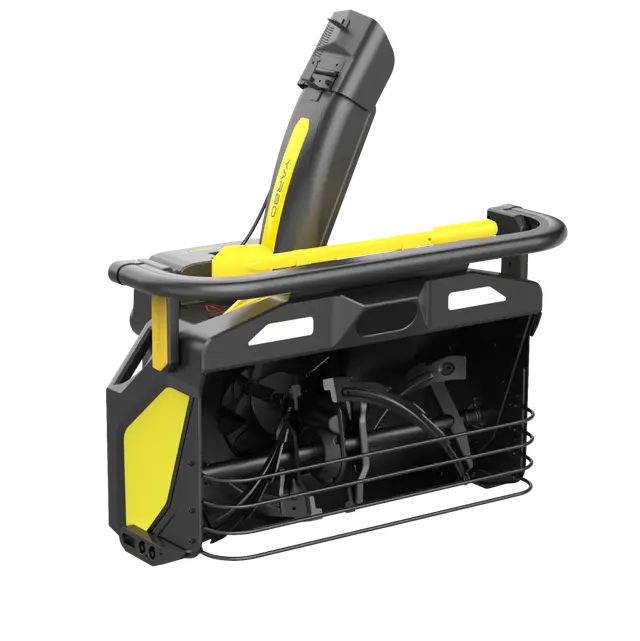
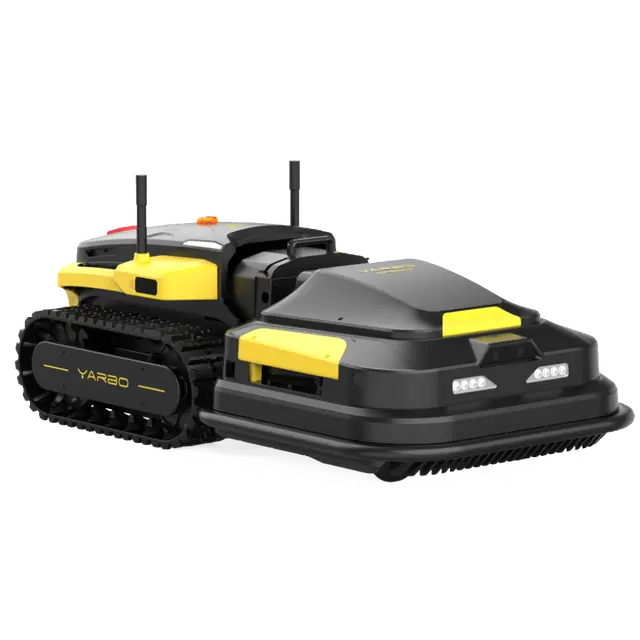
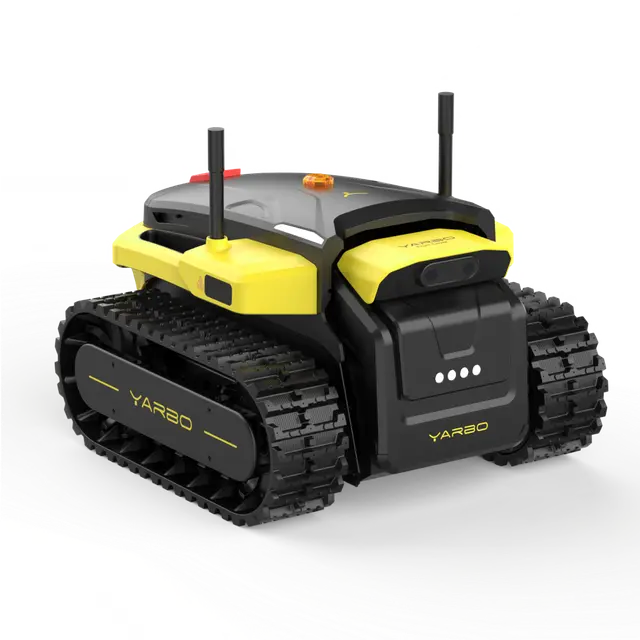
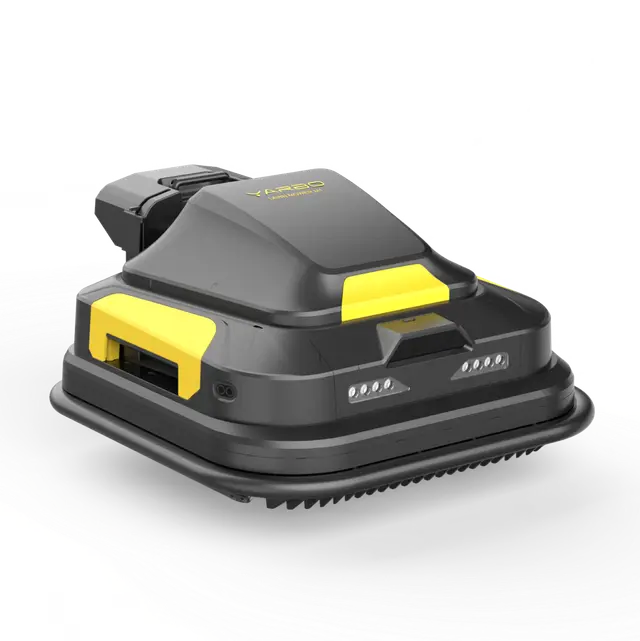
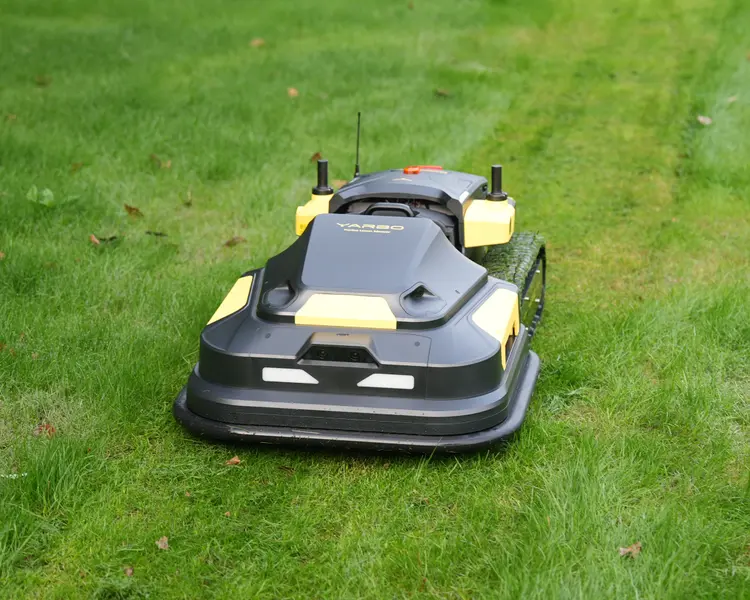
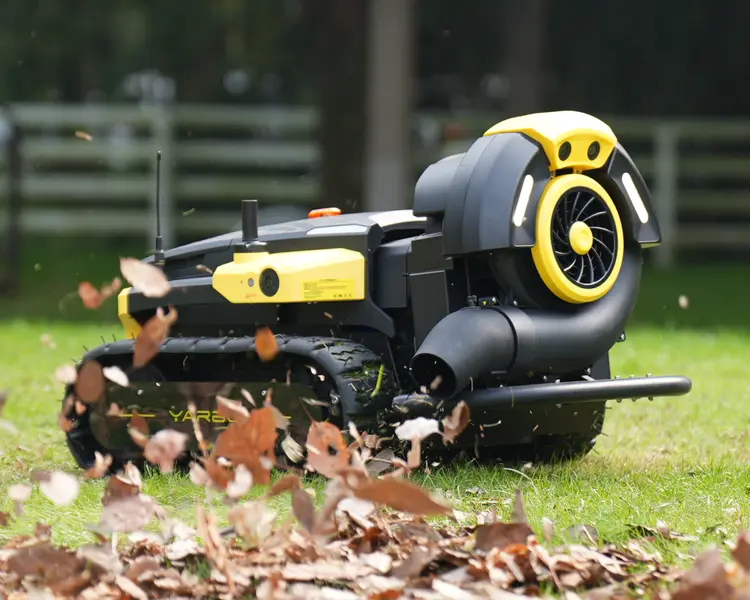
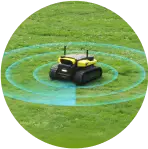
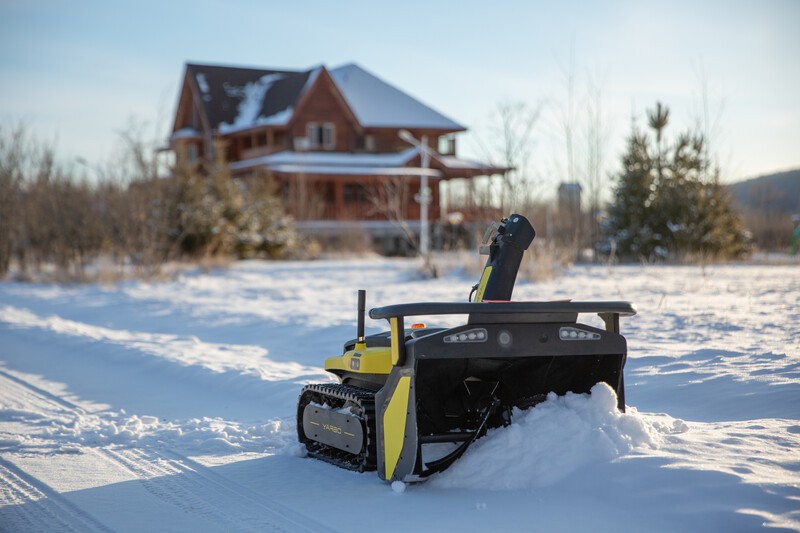
Yarbo: Smart Autonomous Snow Clearing for Large Areas
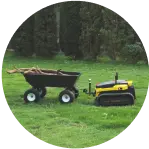
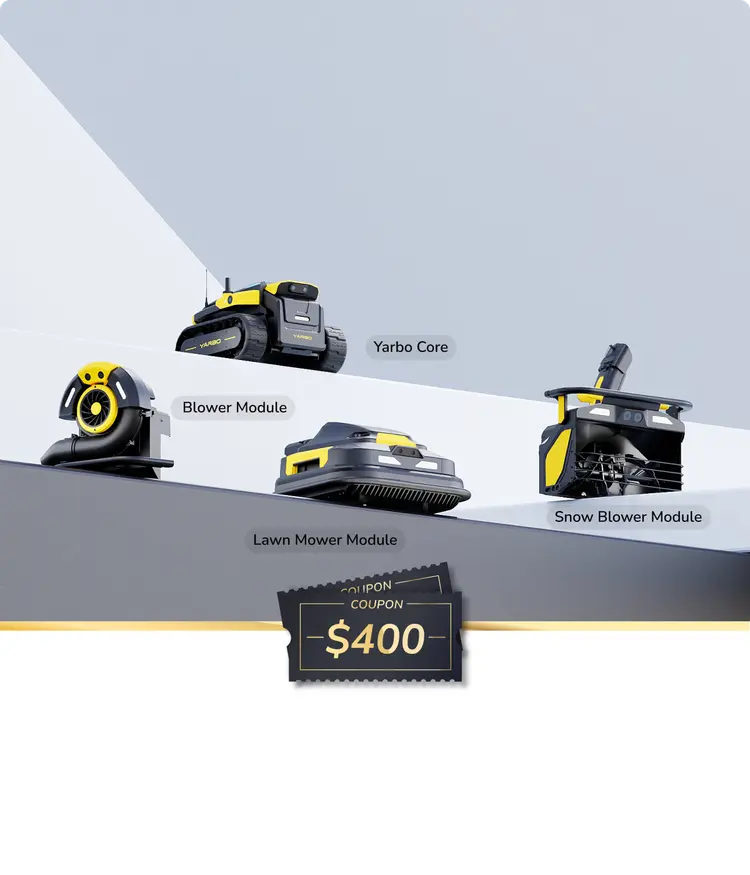
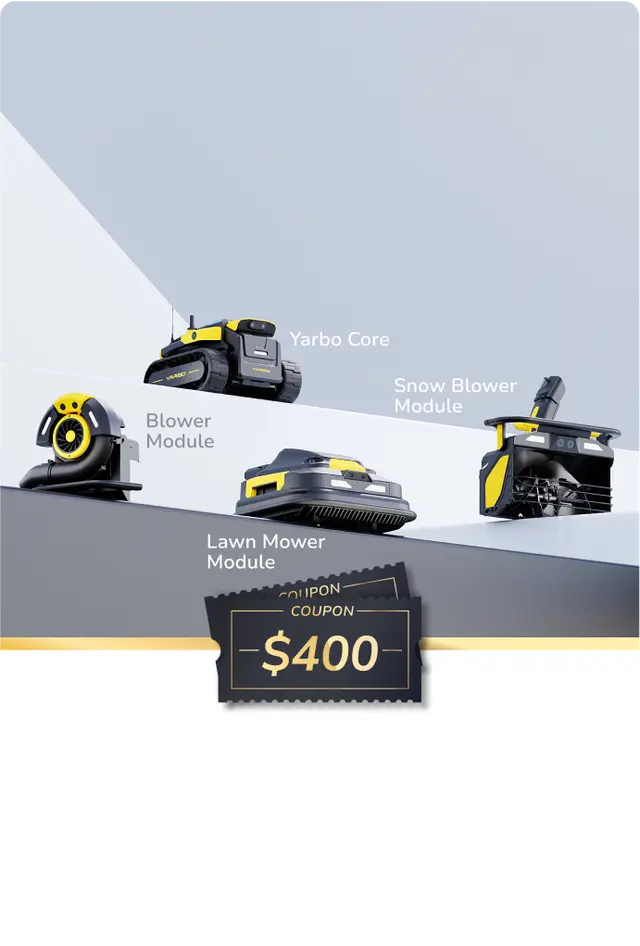
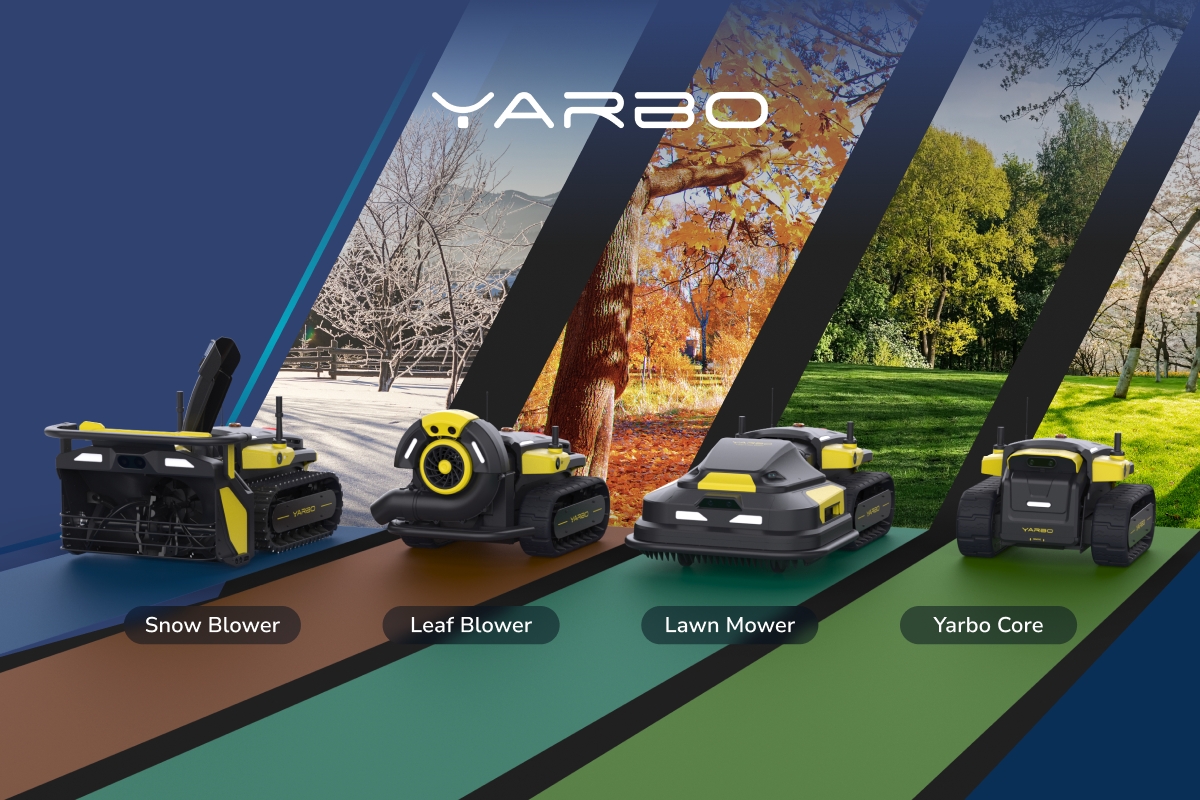
Modular Year‑Round Attachments
Cost & Maintenance: Buying Smart
-
Single‑stage models: ~$600–900.
-
Two‑stage: $1,100+; three‑stage: expensive but robust.
-
Battery vs gas: batteries need occasional replacement; gas models need oil, fuel, spark plugs.
-
Change oil, spark plugs regularly
-
Clean chute and scraper bar
-
Store dry, cover during off‑season
Mistakes to Avoid When Picking Size
Choosing the wrong size snow blower can lead to frustrating performance issues, wasted money, or even damage to your property. Here are common mistakes to avoid when selecting the right size:
-
Choosing a snow blower that’s too small for your yard or average snow depth
A small, lightweight snow blower might be cheaper, but if you regularly face heavy or wet snowfall, it will struggle to keep up. Undersized models can overheat, clog easily, or require multiple passes—costing you time and effort. Always match the blower’s intake width and height to your region’s typical snow conditions and the total area you need to clear. -
Ignoring your terrain type (slopes, gravel, uneven surfaces)
Flat, paved driveways can work fine with most models, but if your property has inclines, gravel paths, or uneven surfaces, you’ll need a snow blower with proper traction, larger tires, and adjustable skid shoes. For steep slopes, consider a self-propelled or tracked model to maintain control and reduce strain. -
Not considering the power source limitations
Electric and battery-powered snow blowers are quieter and require less maintenance, but may lack the power and runtime needed for larger driveways or deeper snow. Gas-powered models offer more strength and clearing capacity, but they come with higher maintenance and emissions. Assess your tolerance for noise, power needs, and convenience before choosing. -
Overlooking maintenance requirements and durability
Some snow blowers require regular oil changes, spark plug checks, or belt replacements, especially gas-powered ones. Others may have plastic parts that wear out quickly in harsh conditions. Ignoring these factors can lead to unexpected downtime during a snowstorm. Make sure you choose a model known for reliability and easy maintenance access, especially if you’ll use it frequently throughout the winter.
-7.png?w=1001&h=621)
 Private group · 33.0K members