Mowing the lawn shouldn’t feel like a second job. But for homeowners with large yards, steep slopes, or unpredictable weather, it often does. Walk into any home improvement store, and you’ll see rows of options—each claiming to be the best lawn mower. But “best” depends on your yard’s chaos: overgrown grass, 35° hills, sudden snowstorms, or a jungle of trees and flower beds.
This guide cuts through the noise, focusing on what matters for real residential yards. We’ll break down why the best lawn mowers aren’t one-size-fits-all, compare electric, gas, and robotic options (with a close look at Yarbo’s modular edge), share unfiltered user stories, and even dive into maintenance for extreme conditions. By the end, you’ll know exactly which mower turns your yard from a headache into a source of pride.
What Makes the Best Lawn Mower for Your Yard?
Good lawn mowers don’t just cut grass—they adapt to your yard’s unique challenges. Here’s what to prioritize, especially if you’re dealing with size, slopes, or seasons:
1. Terrain Taming: Slopes, Obstacles, and Size
-
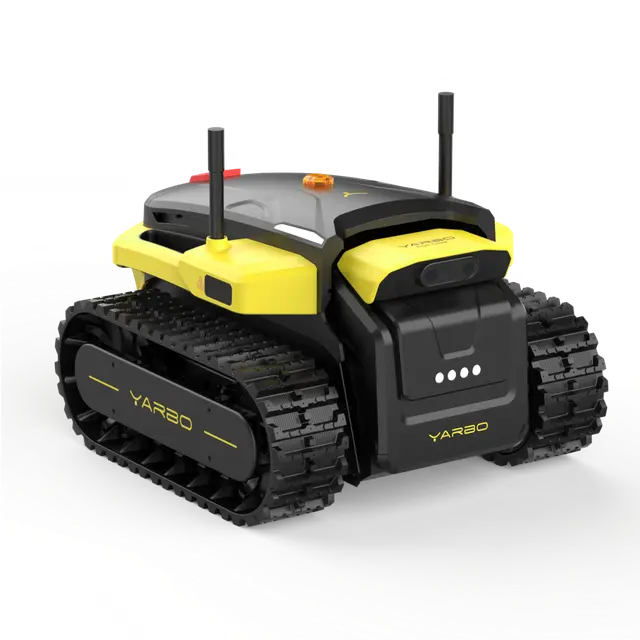
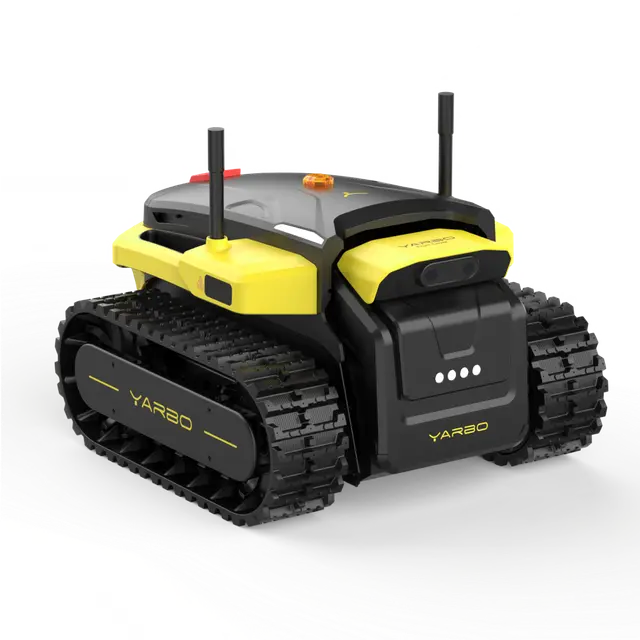
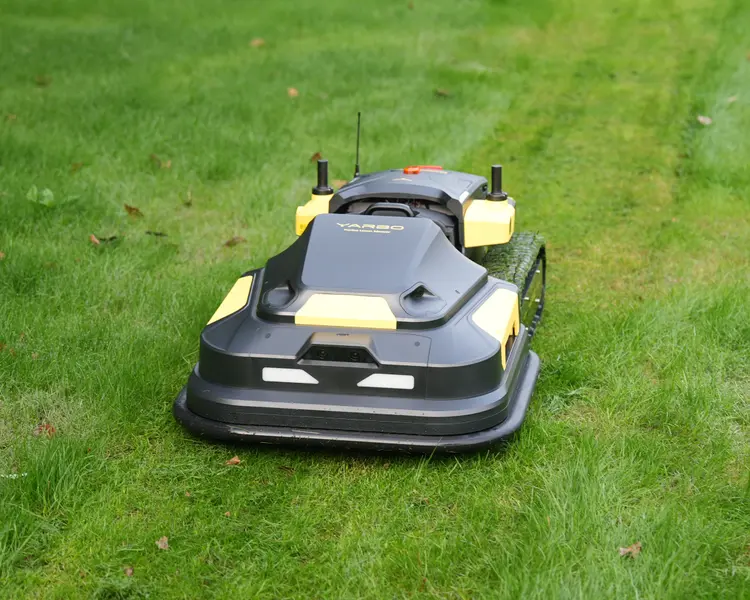
Slopes: If your yard has hills steeper than 10°, forget basic push mowers. Look for tracked designs (like Yarbo) that handle up to 35° (70% grade) without slipping. “My 25° backyard used to take 2 hours with a gas mower—now Yarbo does it while I drink coffee,” says Jake from Vermont, who owns a 2-acre property with rolling hills.
-
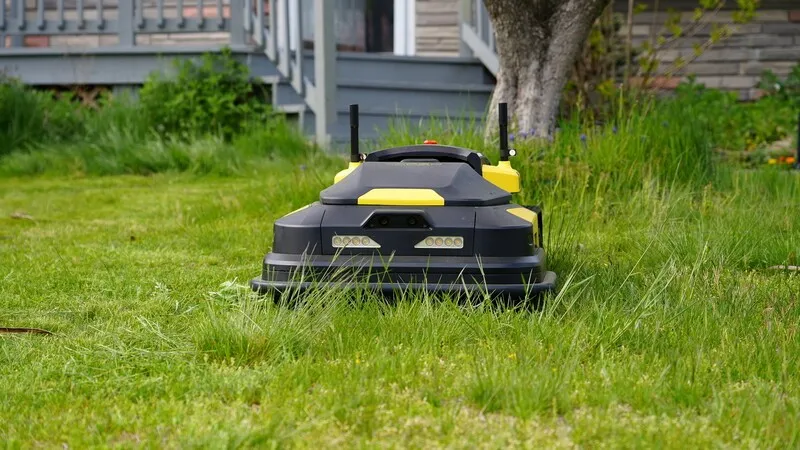
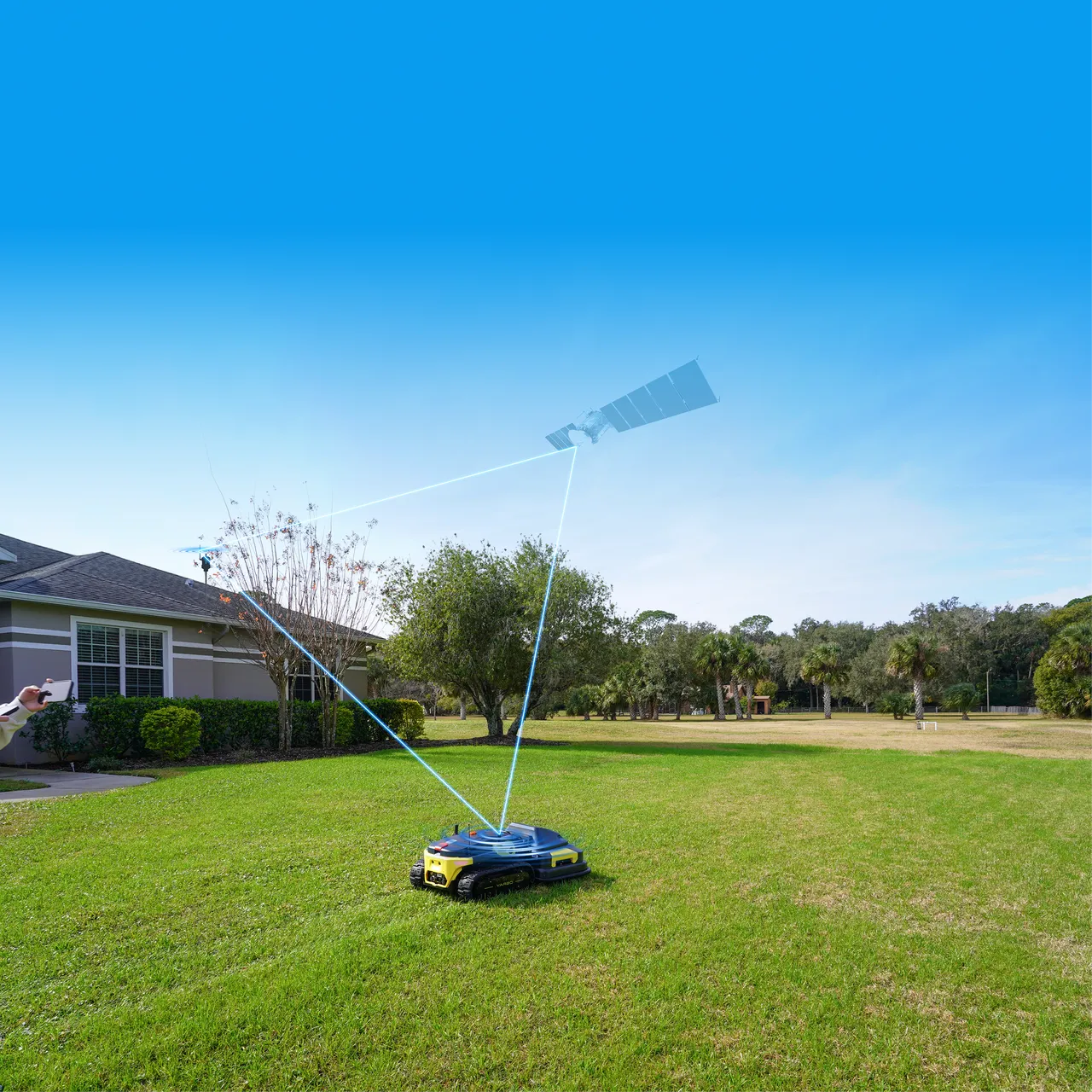
Obstacles: Trees, rocks, or flower beds? Opt for mowers with smart navigation (RTK-GPS + 360° sensors) that map and avoid obstacles automatically. No more nicking tree trunks or stopping to move toys.
-
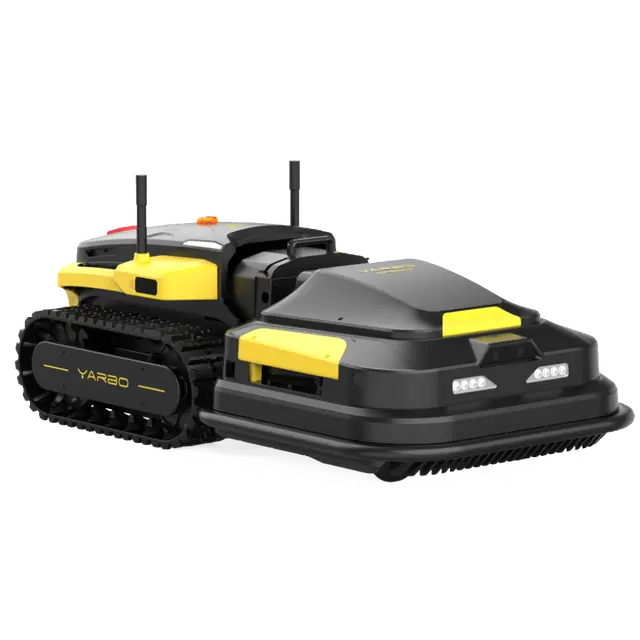
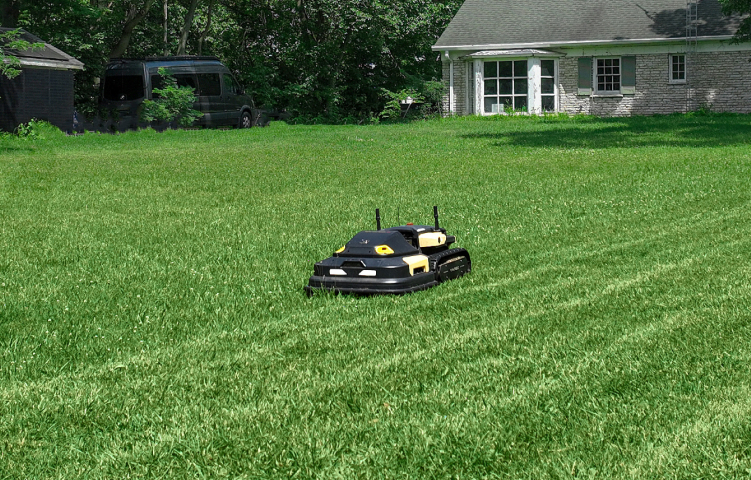
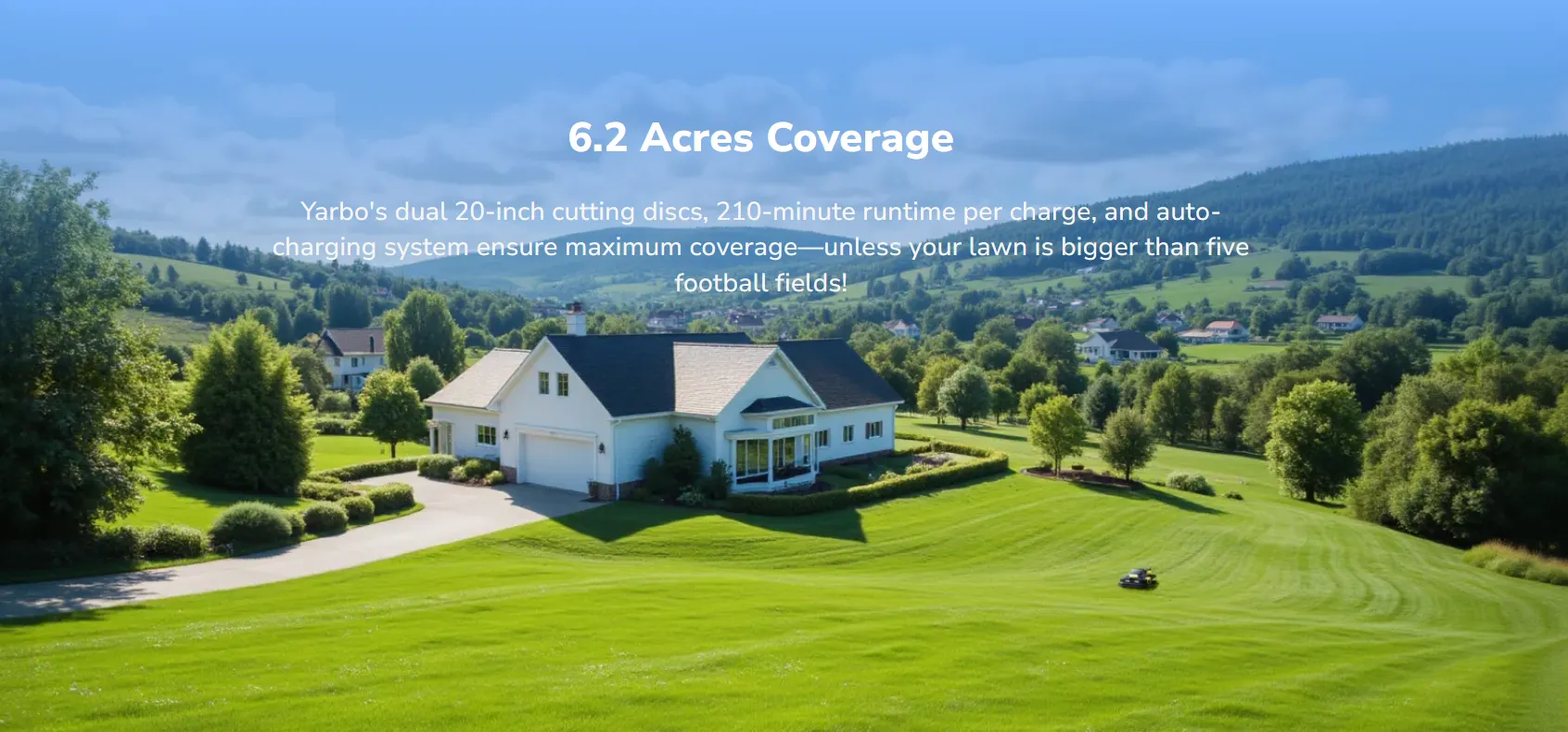
Coverage: For yards over 1 acre, skip anything under 20-inch cutting widths. Robotic models like Yarbo cover up to 6.2 acres through scheduled mowing cycles—no more stopping to refuel or recharge mid-job.
2. All-Season Versatility: One Tool for Every Weather
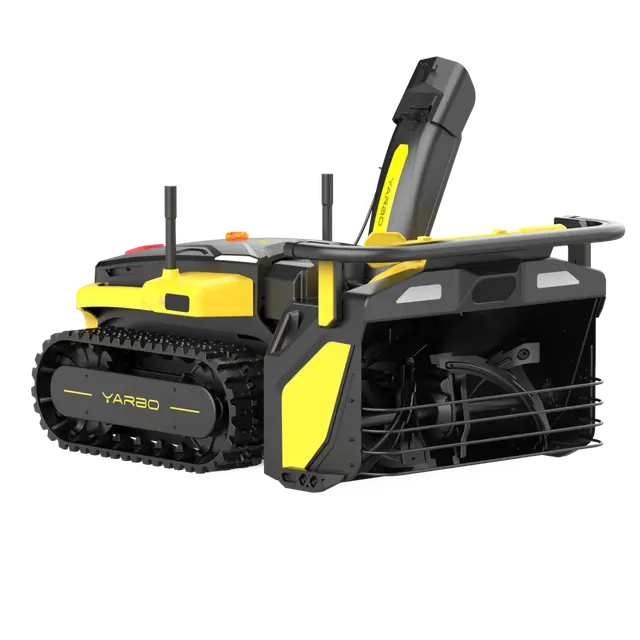
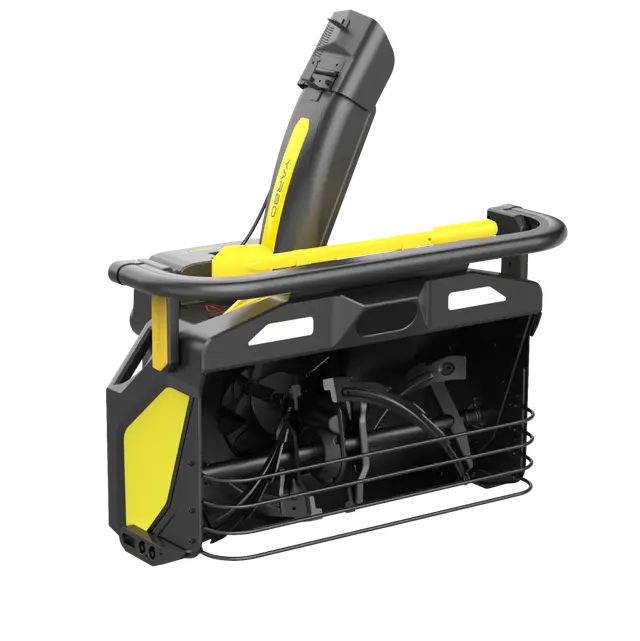
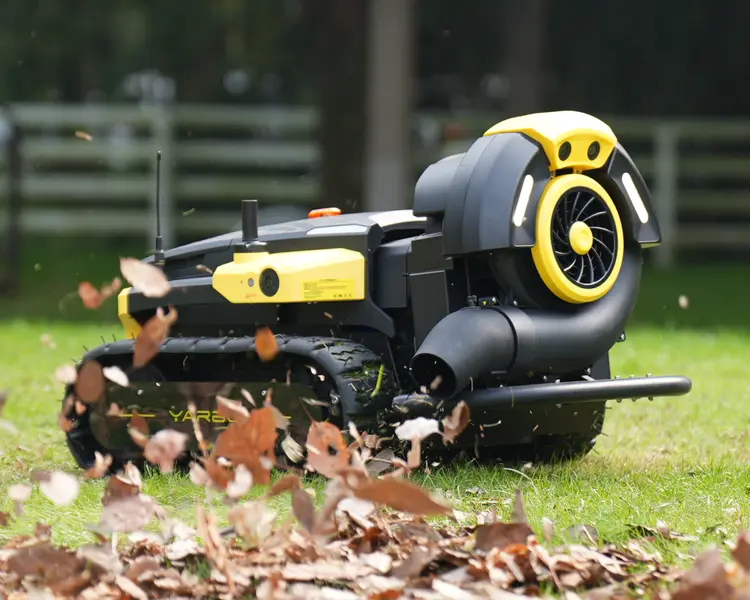
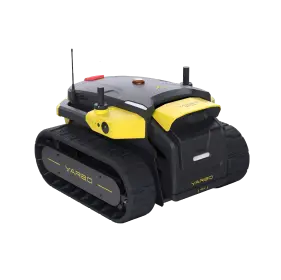
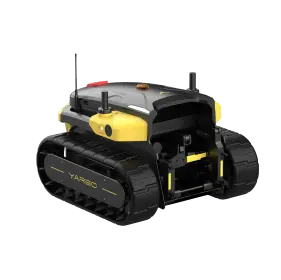
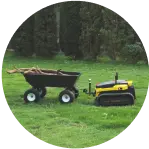
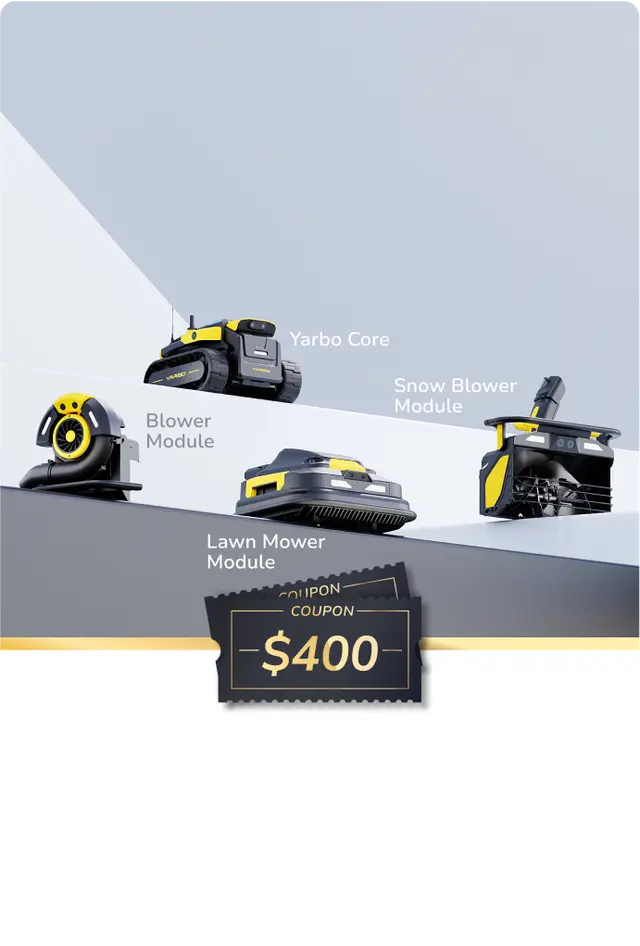
Why store a mower, snow blower, and leaf blower when one machine can do it all? Modular designs (Yarbo’s specialty) let you swap attachments in minutes:
-
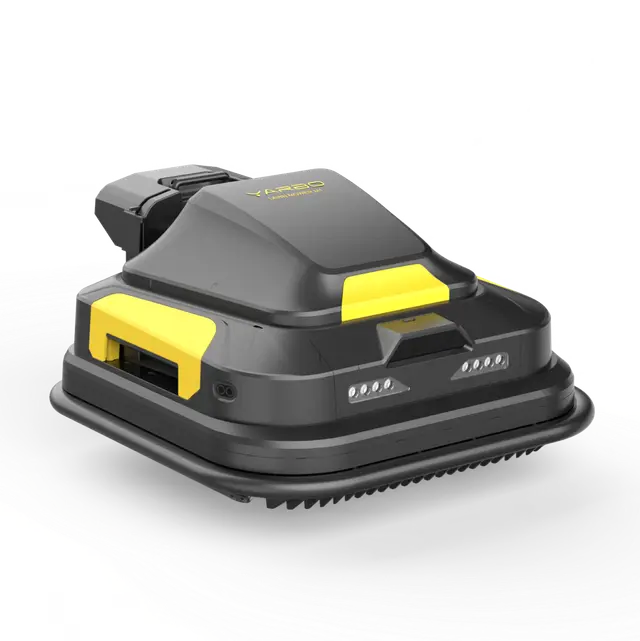
Summer: Mow with a 20-inch twin-blade deck that handles thick grass.
-
Fall: Blow leaves at 192km/h to clear patios and flower beds.
-
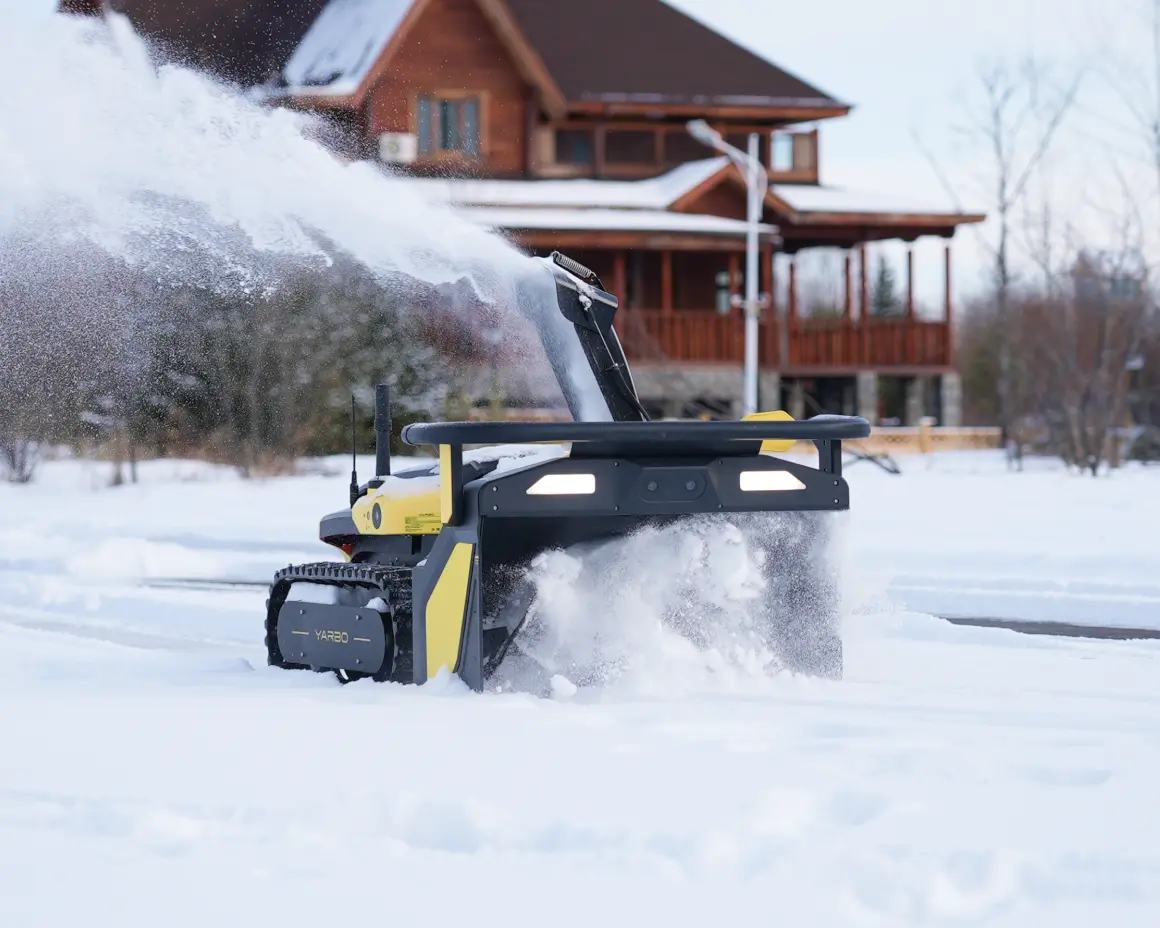
Winter: Plow snow up to 12 inches deep, even in -40°C weather.
“I used to rent a snow blower every winter—now Yarbo switches modules in 5 minutes. Saved $400 in rental fees last year,” notes Maria from Minnesota, who has a 1.5-acre yard.
3. Automation: Set It and Forget It
The best lawn mower for busy homeowners is the one you never think about. Look for:
-
App control: Schedule mows, check progress, or adjust boundaries from your phone.
-
Auto-recharge: Returns to the dock when battery hits 20%, then resumes where it left off.
-
Weather sensing: Starts early to beat rain, or fires up the snow blower when forecasts predict a storm.
“I was on vacation when a blizzard hit—Yarbo cleared my driveway overnight. Neighbors thought I hired a plow service,” laughs Dave from Colorado.
Electric, Gas, or Robotic? Which Is the Best Lawn Mower for You?
Not all mowers are built for the same yards. Let’s break down the pros and cons, with a focus on large or complex properties:
Gas Mowers: Power, but Pain
-
Best for: Flat yards under 2 acres with thick grass.
-
Pros: No battery limits—great for all-day mowing.
-
Cons: Loud (annoys neighbors), requires oil changes and fuel. Can’t handle slopes over 15° without risk of tipping.
-
“My gas mower works, but I hate hauling gasoline and cleaning oil spills. Last summer, it stalled on my 20° slope—I had to drag it back by hand,” says Tom, a homeowner with a 1.2-acre yard.
Electric (Battery) Mowers: Quiet, but Limited
-
Best for: Small to medium yards (under 1 acre) with gentle slopes.
-
Pros: Quiet enough to mow at 7 AM, no fumes, low maintenance.
-
Cons: Batteries die fast on large yards—40V models top out at 30 minutes. Struggle with wet grass or slopes over 10°.
-
“I love my battery mower for my flat 1/3-acre lawn, but when I tried mowing my parent’s 1.5-acre hilly property, it died twice. Not worth the hassle,” admits Lisa from Oregon.
Robotic Mowers (Yarbo): Smart, Strong, and Seasonal
-
Best for: Large yards (1+ acre), slopes up to 35°, and homeowners who hate chores.
-
Pros: Fully automatic—mows, blows leaves, and clears snow with module swaps. Handles obstacles and extreme weather.
-
Cons: Higher upfront cost (but saves long-term on labor/equipment). Needs 30-minute setup to map your yard.
-
“My 2-acre yard has 8 trees, a pond, and a 30° slope. Yarbo maps it all, avoids the kids’ toys, and even switches to snow mode in winter. Worth every penny to get my weekends back,” raves Rachel from New York.
Real User Stories
We dug into forums, Facebook groups, and YouTube reviews to find unfiltered takes—no paid ads, just honest experiences:

Yarbo Modular Mower: Conquering Complex Yards
-
“I have a 4-acre property with a 25° slope and a bunch of pine trees. My old riding mower took 3 hours/week and scared the deer. Yarbo? It mows while I work, navigates around tree roots, and the app sends me a ‘done’ alert. The snow module cleared 12 inches of snow last winter without me lifting a finger. Best $7k I ever spent,” — Mike, Michigan.
-
“Setup took 45 minutes (mapping boundaries with the app), but now it’s hands-off. My yard has a stone wall and a garden—Yarbo hasn’t hit either in 6 months. Neighbors thought I hired a landscaper,” — Sarah, Pennsylvania.
Honda HRX217VKA (Gas): Reliable but Rigid
-
“Great for my flat 1-acre lawn—starts every time, mulches well. But it’s loud, and I can’t use it on the small slope by my garage. Also, oil changes are a mess,” — Dave, Ohio.
EGO Power+ (Battery): Good for Small Yards
-
“Perfect for my 1/2-acre suburban lot. Quiet, lightweight, and the battery charges fast. But when my grass grew 6 inches after rain? It struggled. Not for tough conditions,” — Karen, Texas.
Maintenance Tips for the Best Lawn Mowers
Even good lawn mowers need care, especially if you use them in tough environments. Here’s how to keep yours running:
For Slopes and Heavy Use
-
Sharpen blades every 10 hours (not 20) if you’re cutting thick grass on hills—dull blades strain the motor.
-
Check tracks/wheels weekly: Mud and grass can jam Yarbo’s tracks, so hose them down after use.
For Extreme Weather
-
Winter: Drain gas mowers (fuel goes bad). For Yarbo, activate “snow mode” to heat batteries—works even at -40°C.
-
Summer: Clean air filters on gas mowers biweekly (dust clogs them). Yarbo’s IPX5 waterproofing handles rain, but wipe sensors to avoid glitches.
For Modular Systems (Yarbo)
-
Store unused modules (snow blower, leaf blower) in a dry place. A little lubricant on latches keeps swaps smooth.
-
Calibrate RTK-GPS once a season: Go to “Settings” in the app to ensure accuracy, especially after storms.
How to Choose the Best Lawn Mower for Your Yard?
Ask these questions to narrow it down—no more guesswork:
-
How big and messy is your yard?
-
Under 1 acre, flat, few obstacles: A good lawn mower like the EGO Power+ works.
-
1+ acre, slopes, trees/rocks: Yarbo (robotic) is a practical choice.
-
-
Do you hate seasonal chores?
-
If you dread switching from mowing to snow blowing, Yarbo’s modules save you from storing 3 machines. “I used to have a shed full of tools—now it’s just Yarbo. My wife finally let me get rid of the old snow blower,” says John, Massachusetts.
-
What’s your “hassle threshold”?
-
Gas mowers = weekly maintenance (fuel, oil, noise).
-
Battery mowers = recharging and limited range.
-
Yarbo = 30-minute setup, then zero work.
-
-
Can you afford the upfront cost?
-
Gas: $300–$800, but add $100/year for fuel/oil.
-
Battery: $500–$1,200, plus $200 for extra batteries over time.
-
Yarbo: $7,000–$9,700, but replaces 3+ machines and saves $6000+/year on labor. Most users see ROI in 6 months.
-
The Best Lawn Mowers for Every Scenario
-
Best for Large, Complex Yards: Yarbo Modular Mower (35° slopes, 6.2-acre coverage, all-season use).
-
Best for Small, Flat Yards: EGO Power+ (quiet, affordable, easy to store).
-
Best for Budget Gas Users: Honda HRX217VKA (reliable, but limited to flat terrain).
Final Thoughts
The best lawn mower isn’t just a tool—it’s a solution to your yard’s unique chaos. For most homeowners, especially those with large or tricky properties, Yarbo stands out: it handles slopes that scare gas mowers, replaces multiple machines, and works while you live your life.
“I used to spend 5 hours/week on yard work—now I spend 5 minutes setting up Yarbo. It’s not just a mower; it’s the reason I can host weekend barbecues without stress,” says Paul, a 3-acre yard owner in North Carolina.
Don’t settle for a mower that fights your yard. Choose one that works with it—no matter how big, steep, or messy. Your weekends will thank you.
-7.png?w=1001&h=621)
 Private group · 33.0K members