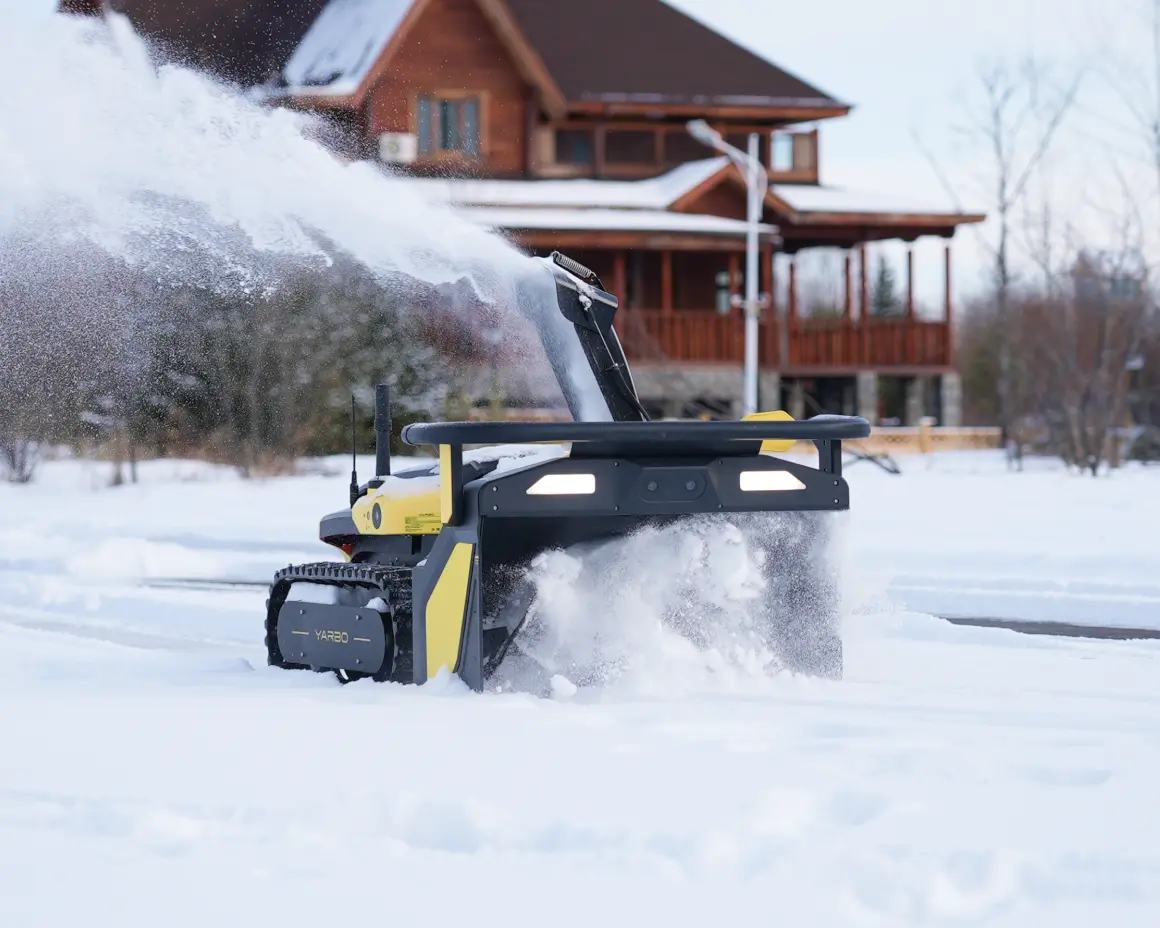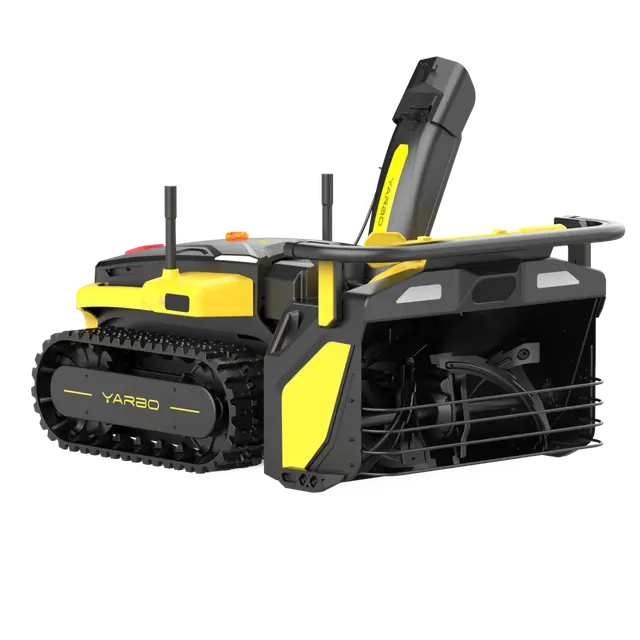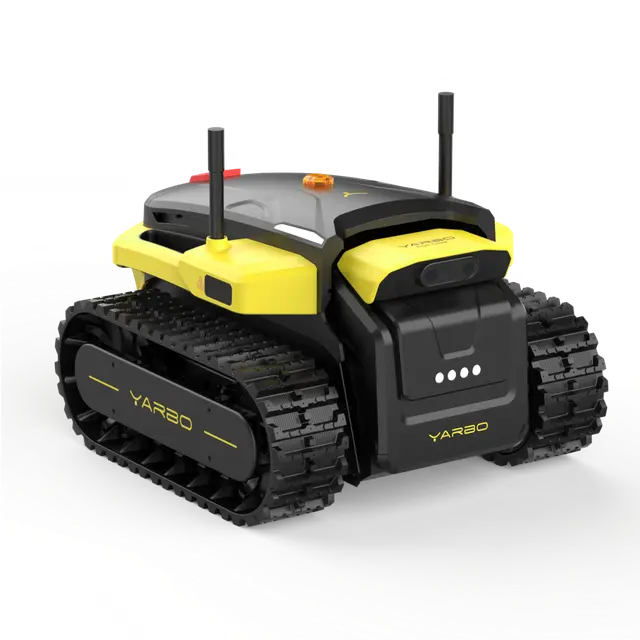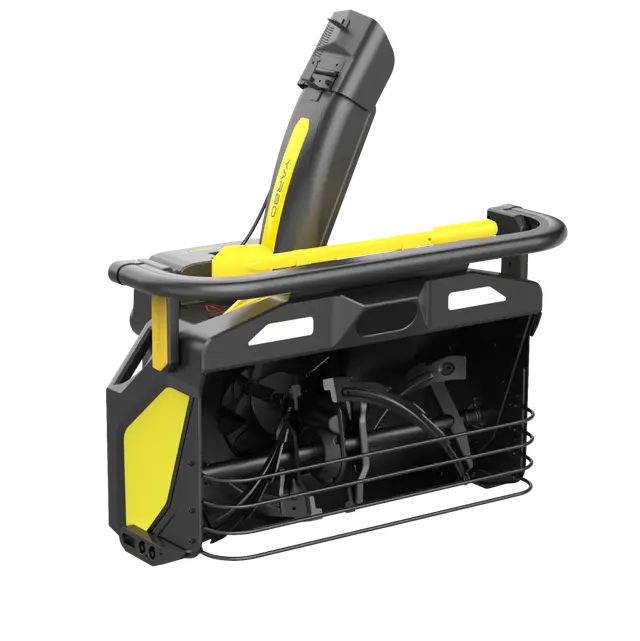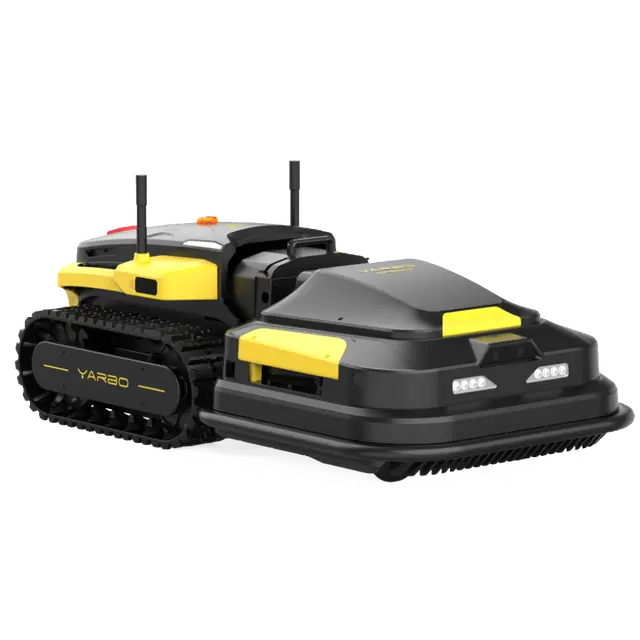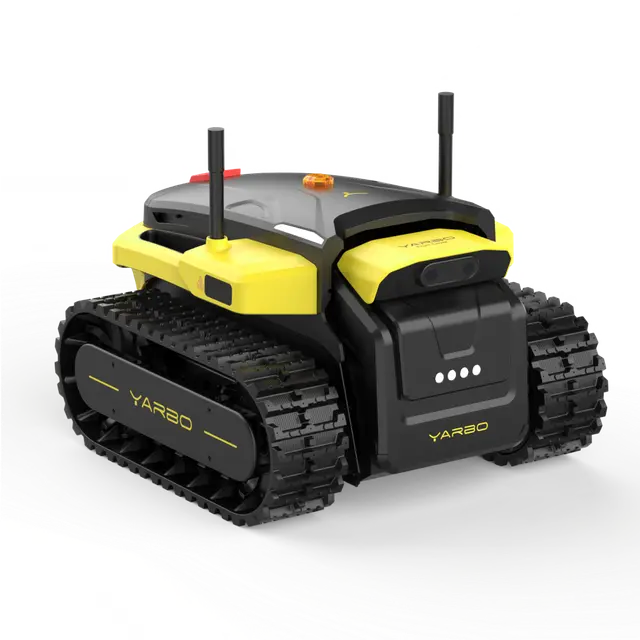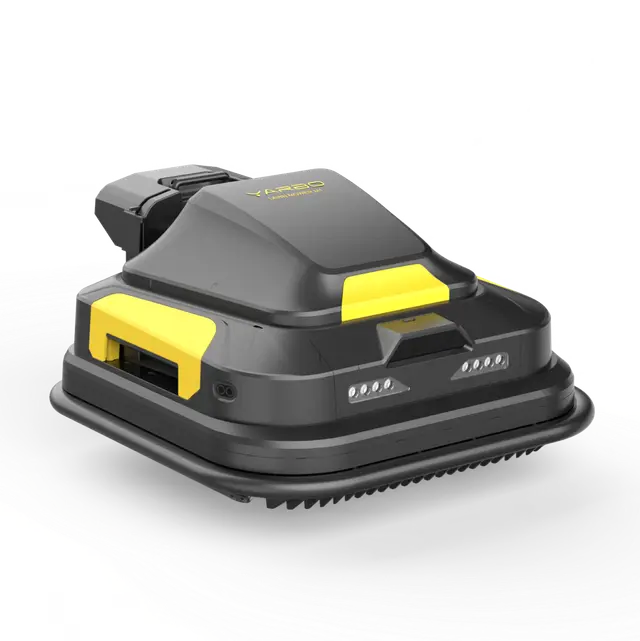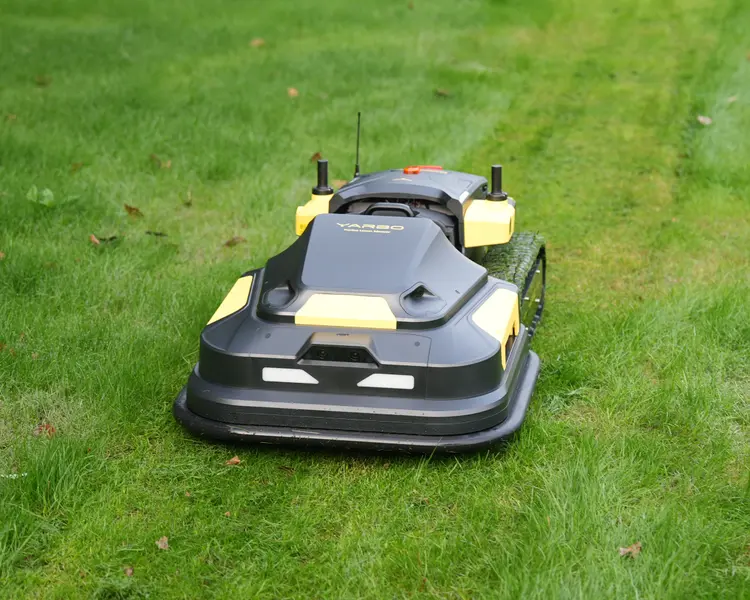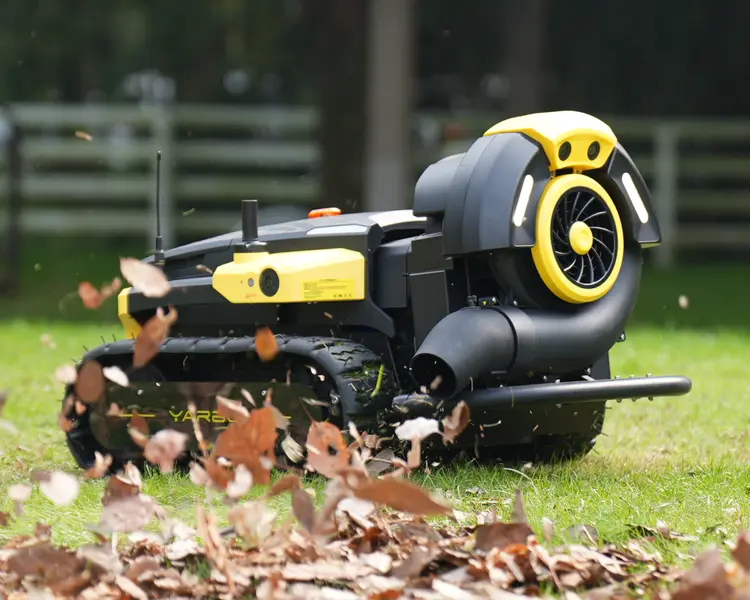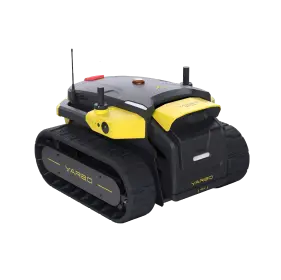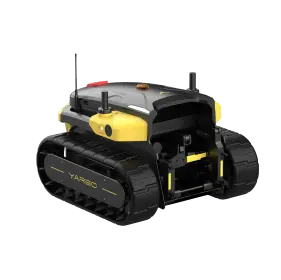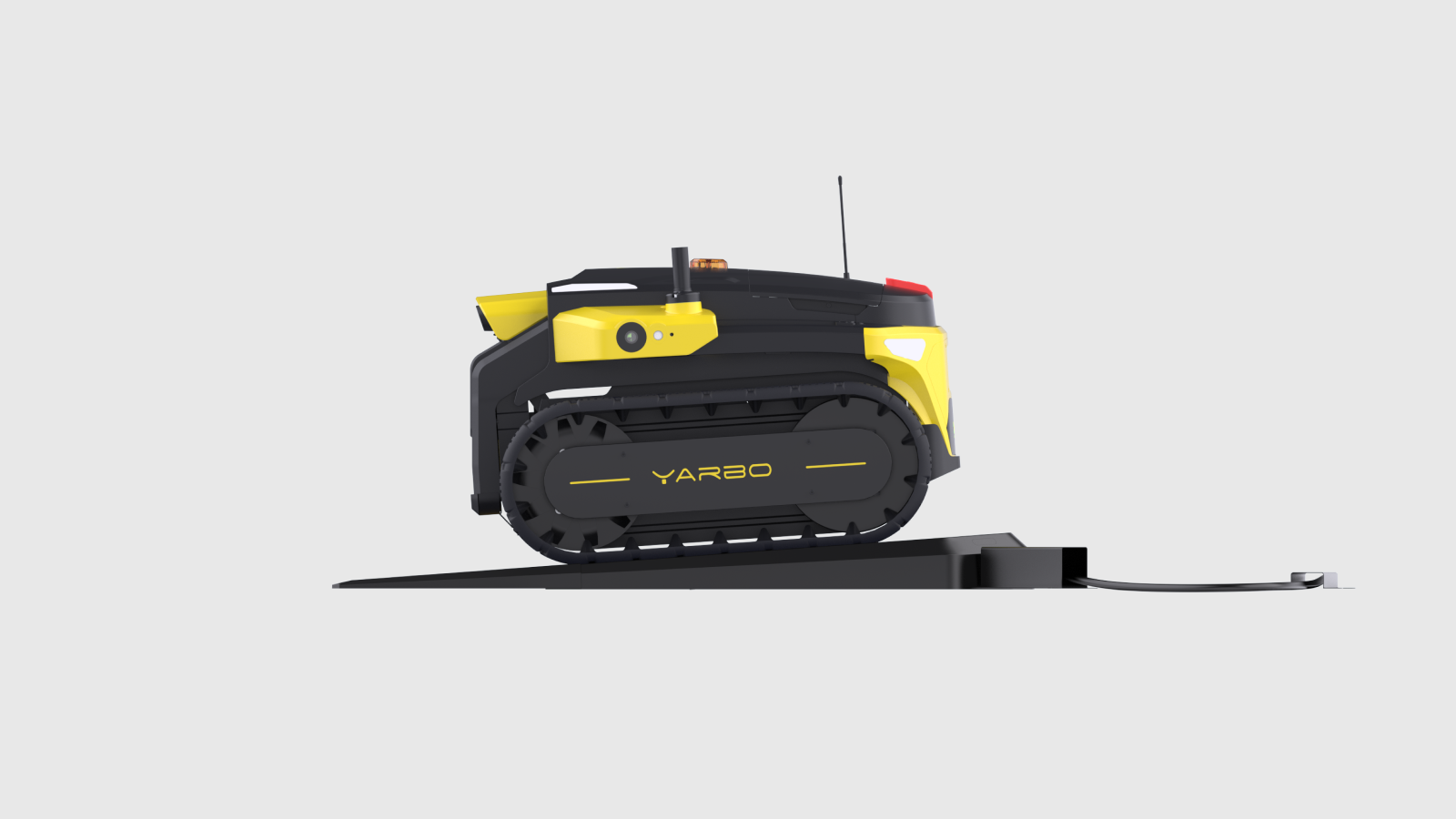
In the early days of robotic technology, charging was anything but seamless. Lawn and snow robots often relied on physical connectors or metallic charging pads that demanded precise alignment and frequent maintenance. A small misalignment could interrupt the entire process forcing users to manually adjust the robot or clean corroded contacts. It was a convenient idea trapped in a clunky reality.
As robotics evolved, so did the demand for smarter, cleaner, and wireless charger auto solutions. The next generation of automation required a system that could think and act on its own without constant user intervention or exposure to wear and tear. That’s where wireless charging technology began transforming the landscape, enabling truly uninterrupted operation.
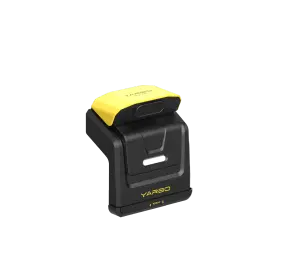
Enter Yarbo’s Smart Docking Station — a breakthrough in automotive wireless charging that redefines how outdoor robots power up. Unlike traditional contact-based docks, the Yarbo Docking Station uses an advanced wireless charger auto system to deliver efficient, contact-free energy transfer.
Built for Yarbo’s modular outdoor robots, this innovation ensures safe, fast, and weather-resistant charging no cables, no corrosion, no complications.
With Yarbo, the future of robotic convenience isn’t just wireless it’s intelligent, efficient, and designed for real-world reliability
Table Of Contents:
How Yarbo’s Smart Wireless Charging Docking Station Works?
At the heart of Yarbo’s ecosystem lies a simple yet powerful idea charging without contact. Traditional robotic mowers or snow blowers rely on physical charging pins or metal connectors that must touch precisely to deliver power. Over time, this setup is prone to corrosion, debris buildup, and wear especially in outdoor environments.
.png?w=1081&h=1081)
Yarbo’s smart wireless charger auto system eliminates these issues entirely by transferring power magnetically through the air.
Step 1: Seamless Return-to-Dock Navigation
When Yarbo finishes a job mowing, blowing snow, or sweeping leaves it doesn’t need manual help to find its way back. Using advanced RTK-GPS positioning and vision-based navigation, Yarbo automatically detects the most efficient route to its robot charging station. The robot aligns itself perfectly with the dock using onboard sensors and cameras, ensuring precision even in low visibility or challenging terrain.
Step 2: Inductive Wireless Charging Begins
Once docked, the magic happens. Yarbo’s docking pad and the robot’s underside coil communicate through inductive coupling the same fundamental technology used in automotive wireless charging systems. Energy transfers from the station’s transmitter coil to the robot’s receiver coil via an electromagnetic field, without any physical contact.
This means there are no exposed metal parts, no rust, and no risk of power interruptions due to rain, snow, or dust. The dock’s design is fully IP-rated for outdoor use, keeping both components safe and weatherproof.
Step 3: Intelligent Power Regulation and Efficiency
As the current flows wirelessly, Yarbo’s internal power management system takes over. Intelligent sensors constantly monitor the voltage, temperature, and alignment between the coils. The system automatically adjusts charging power to maintain peak efficiency ensuring faster, safer energy transfer without overheating.
In practical terms, this results in consistent, optimal charging speeds comparable to wired systems but with zero maintenance. It’s engineered to meet the same safety and performance standards as automotive wireless charging systems, giving users both confidence and convenience.
Step 4: Smart Battery Management and App Integration
Yarbo’s app connects to the robot in real-time, allowing users to monitor charging progress, battery health, and energy usage remotely. You can view detailed charging statistics, schedule operations, or even receive notifications when the robot is fully charged and ready to go.
This synergy between AI-driven navigation, wireless charging technology, and intelligent monitoring defines what Yarbo stands for a frictionless outdoor automation experience.
Charging Modes and Performance
Yarbo supports both docked (wireless) and wired charging. For docking:
-
A full charge from 0% to 100% takes about 3 hours via the Docking Station.
-
Charging from 30% to 80% takes about 1 hour 15 minutes in that mode.
-
Under normal conditions, Yarbo’s docked charging outputs at 600W, before tapering speed after 90% to protect battery health.
-
In wired mode, 0 to 100% takes ~5 hours, and 30% to 80% takes ~2h 20m.
Yarbo’s battery is a 36V, 38.4Ah Li-ion pack, designed to operate from –25 °C up to 60 °C.
Safety & Protection in Yarbo’s Wireless Charger Auto System
Yarbo’s system is engineered for the extreme cold, with an operating temperature range down to ‒25°C. The dock includes specialized logic to ensure safety in freezing conditions:
-
All-Weather Protection: The Yarbo Docking Station features a sturdy, durable all-weather design with an IP67 protection level. This ensures it operates reliably in rain, snow, or dusty environments without performance loss. Its waterproof build allows it to remain deployed outdoors year-round, making it fearless of wind, rain, and seasonal temperature changes.
-
Pre-Charge Snow Clearing: A highly effective, yet simple, feature is that the robot will clear snow off the docking pad before reversing into the station, ensuring a proper connection and preventing charging failure.
-
Thermal Protection: If the battery temperature drops below 5°C, the system will delay the visible charging process until the battery warms up. This is a crucial safety measure to safeguard the lithium-ion cells.
-
Charge Regulation: The system constantly monitors voltage and temperature. It automatically reduces charging speed beyond 90% to protect long-term battery health and prevent overcharge issues.
Efficiency & Practical Benefits of the Yarbo Docking Station
Yarbo’s wireless charger auto system delivers significant efficiency gains, boosting the robot’s productivity and minimizing downtime.
-
Fast Charging: The docked charging system outputs a nominal 600W. Charging from 30% to 80% takes only about 1 hour and 15 minutes (or 1.25 hours).
-
Superior Cycle Time: A full 0% to 100% charge via the Docking Station takes about 3 hours, significantly faster than the 5 hours required for a full charge in wired mode. This faster effective cycle time means Yarbo spends less time idling, maximizing its potential for continuous, high-frequency clearing.
-
Minimizing Mechanical Wear: Traditional plugs and connectors degrade over time. Yarbo’s wireless charger auto setup removes that failure point entirely, improving the longevity of both the robot and its dock.
Yarbo vs Typical Robot Charging Stations & Automotive Wireless Charging
Versus Standard Robot Docks
Many robot docks (robot vacuum stations, garden bots) rely on metallic contacts that require consistent cleaning, alignment, and maintenance. Yarbo’s wireless charger auto model is far cleaner fewer moving or exposed parts, less maintenance, and more resilience to weather.
Borrowing from Automotive Wireless Charging
Yarbo’s system parallels the principles of automotive wireless charging (used in some EVs) non-contact energy transfer via magnetic resonance. However, Yarbo is optimized for smaller scale loads, lower voltages, and the frequent docking cycles typical of yard robots.
Yarbo’s system does not claim the extremely high power levels of EV charging systems; instead, it balances safe output (600W nominal) with battery protection and practical cycle time. That tradeoff ensures consistent, reliable daily performance.
Integrating the Dock into Yarbo’s Ecosystem
The Docking Station is a core component of Yarbo’s modular multi-function design.
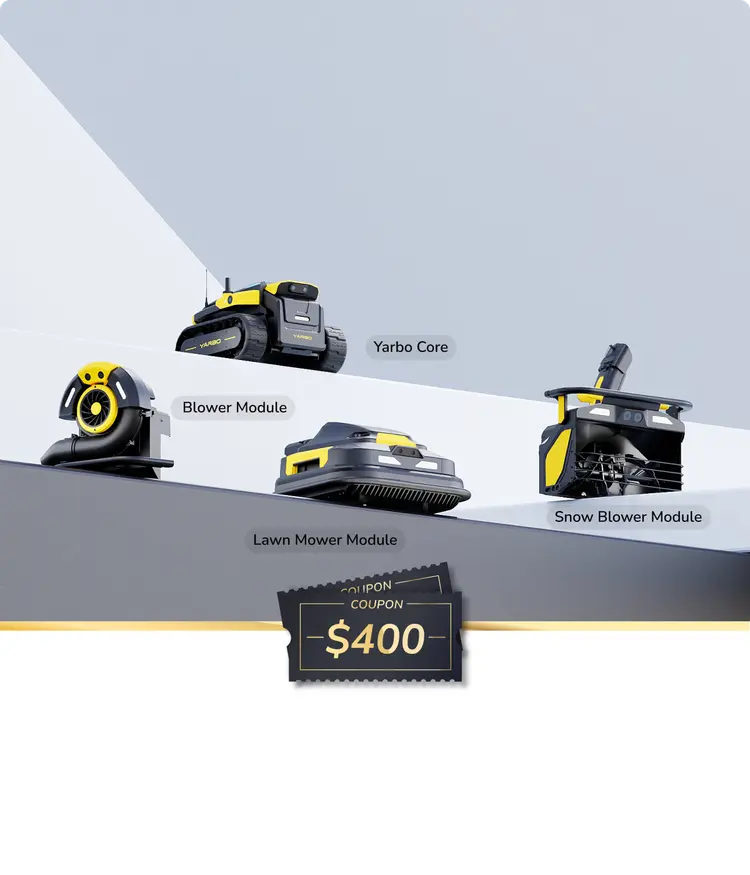
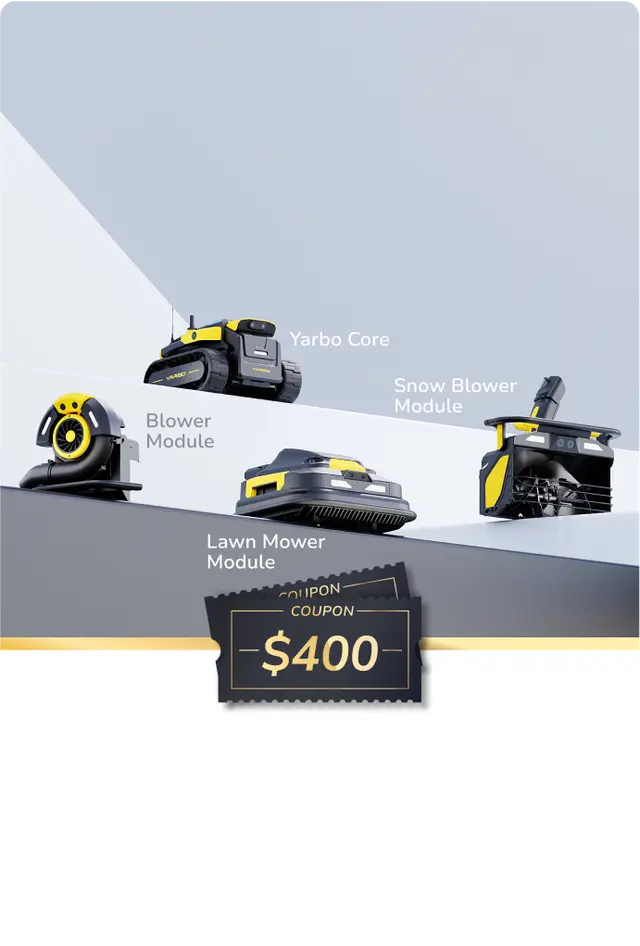
Universal Compatibility: The station is fully compatible with all Yarbo modules—including the snow blower, lawn mower, and leaf blower—meaning customers invest in a single dock that services their entire fleet of yard maintenance tools year-round. This shared infrastructure significantly saves storage space and reduces the cost associated with multiple seasonal devices.
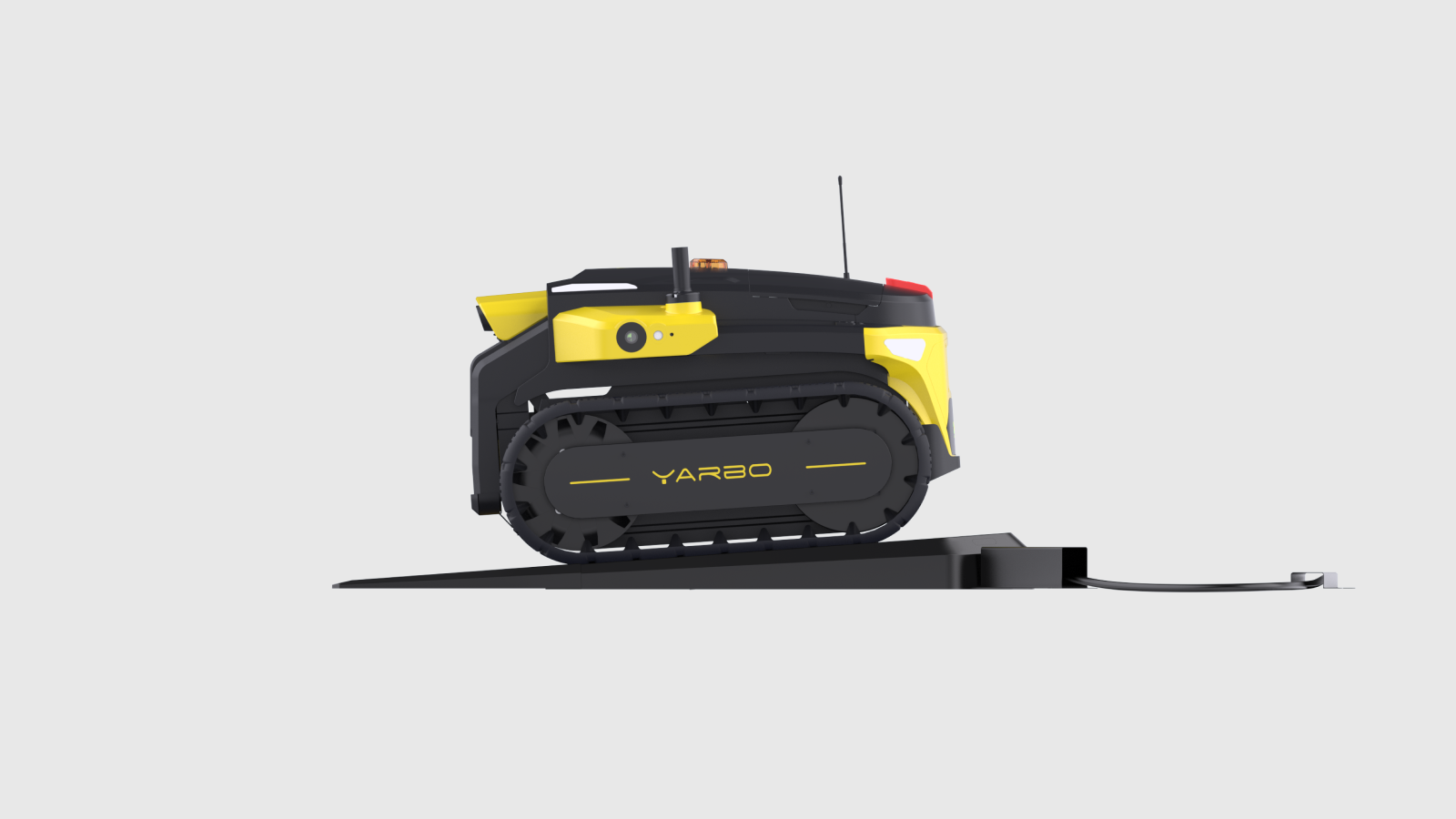
Yarbo’s wireless charging system combines safety, high efficiency, and robustness, fulfilling the promise of a truly frictionless outdoor automation experience. By ensuring Yarbo is always charged, protected, and ready to deploy, the system maintains the relentless guardianship against the snow that homeowners demand.
Addressing Common Concerns & Misconceptions
Wireless Means Slower?
Not in Yarbo’s case. Because dock-based charging is optimized for its battery size and duty cycle, users often see quicker partial cycles (e.g. 30–80 %) than wired charging. The full 0–100 % docked time (3h) is still a meaningful improvement over wired (5h).
Safety Risks of Inductive Charging?
Yarbo mitigates risks through gradual tapering beyond 90%, temperature protections, and a prohibition against simultaneous wired/wireless charging. These layered safeguards mean the system is designed with safety, not guesswork.
What if Docking Fails?
Official support acknowledges that docking failures could occur if the location or positioning is misaligned. Ensuring the dock is mapped correctly and that the robot has unhindered approach paths is key to consistent operation.
Conclusion
Yarbo’s wireless charger auto implementation via its Docking Station marks a significant advancement in yard robotics. By leveraging magnetic induction, smart auto-return, and modular compatibility, it delivers a robot charging station experience that is safe, efficient, and user-friendly. Its inspiration from automotive wireless charging principles ensures you benefit from mature energy transfer technology, adapted precisely for robotic lawn care.
When deployed correctly, Yarbo’s system reduces downtime, protects battery life, and eliminates cable maintenance — all while ensuring your yard robot stays ready “on demand.” For anyone seeking a top-tier autonomous yard solution, the Yarbo Docking Station stands out as a benchmark in safe, efficient, cable-free recharging.
FAQs
Q1. What is the difference between Yarbo’s dock charging and wired charging?
Dock charging is wireless (via magnetic induction) and takes about 3 hours for full charge, with 30–80% in ~1h15m. Wired charging takes about 5 hours from 0–100%.
Q2. Can Yarbo’s Docking Station charge in cold temperatures?
Yes, but if the battery is below 5 °C, the system delays visible charging until warming occurs to protect battery cells.
Q3. How does the auto-return feature work?
You set a recharge threshold in Yarbo’s Work Preference settings; when battery falls below that, Yarbo returns autonomously to dock and resumes operation after charge.
Q4. Will wireless charging degrade the battery faster?
No, Yarbo’s system includes safe charging protocols, tapering beyond 90%, and prohibits simultaneous wired/wireless charging to preserve battery health.
Q5. What happens when docking misalignment occurs?
If Yarbo cannot align correctly, the system might fail to charge. Proper dock placement and route mapping are essential to reduce docking errors.
-7.png?w=1001&h=621)
 Private group · 33.0K members