Fatigué des pelouses exigeantes et néfastes pour l'environnement ? Un entretien écologique de votre pelouse offre une solution durable, abordable et efficace. entretenir une cour luxuriante et verte Cette approche réduit non seulement les dommages environnementaux, mais améliore également la santé globale de votre pelouse.
Voici quelques faits surprenants sur les pelouses que vous trouverez intéressants :
- États-Unis les pelouses couvrent près de 40 millions d'acres, faisant du gazon la plus grande culture irriguée du pays.
- Les pelouses consomment environ 9 milliards de gallons par jour pendant les mois d’été de pointe, ce qui représente beaucoup d’eau sans aucune valeur agricole.
- Des études estiment que le maintien d'un mode de vie conventionnel la pelouse produit plus de gaz à effet de serre que ce que la pelouse peut absorber.
L'entretien écologique de votre pelouse n'est pas une simple tendance ; c'est une nécessité. En adoptant des pratiques durables, vous pouvez réduire votre empreinte carbone, préserver des ressources précieuses et créer un environnement plus sain pour votre famille et votre communauté.
Explorons comment vous pouvez transformer votre jardin en un havre de paix plus vert et plus durable.
Comprendre l'entretien écologique des pelouses
Écologique entretien de la pelouse se concentre sur l’utilisation de méthodes naturelles et de pratiques respectueuses de l’environnement pour entretenir votre pelouse.
Ces techniques minimisent les dommages causés aux écosystèmes et réduisent la dépendance aux produits chimiques synthétiques, ce qui se traduit par des sols, des plantes et une faune locale plus sains.
Avantages de l'entretien écologique des pelouses
1. Un environnement plus sain
Les pratiques écologiques réduisent la pollution causée par les engrais chimiques et les pesticides, améliorant ainsi la qualité de l’air et de l’eau.
2. Économies de coûts au fil du temps
Même si les efforts initiaux peuvent sembler exigeants, les pratiques durables conduisent souvent à des économies importantes d’eau, d’engrais et d’énergie.
3. Meilleure santé de la pelouse et biodiversité
En adoptant des méthodes naturelles, votre pelouse peut s’épanouir avec une vie végétale et des insectes dynamiques, contribuant ainsi aux écosystèmes locaux.
La santé du sol : la base d'une pelouse durable
Un sol sain est la pierre angulaire d'une pelouse écologique. En veillant à la santé de votre sol, vous assurez à votre gazon les nutriments dont il a besoin pour s'épanouir naturellement.
Comprendre la composition de votre sol
La composition des sols varie selon les régions du monde, ce qui implique des besoins spécifiques. Comprendre les besoins de votre sol est essentiel pour l'entretien et la santé de votre pelouse.
Tout ce dont votre pelouse a besoin, de l'eau aux nutriments, en passant par les types de plantes et de végétation qu'elle peut supporter, dépend de la composition de votre sol. Une analyse détaillée du sol vous aidera à déterminer si votre sol est sableux, limoneux ou argileux et à adapter vos pratiques d'entretien en conséquence. Par exemple :
- Sol sablonneux:S'égoutte rapidement et peut nécessiter des arrosages fréquents et de la matière organique pour retenir les nutriments.
- Sol argileux:Retient l'eau et peut nécessiter une aération et du compost pour améliorer le drainage et éviter le compactage.
- Sol limoneux:Idéal pour la plupart des pelouses, nécessitant une fertilisation équilibrée et un entretien régulier.
Testez et améliorez votre sol
- Effectuez un test de sol pour déterminer les niveaux de pH et la teneur en éléments nutritifs.
- Visez un pH compris entre 6,0 et 7,0 pour une croissance optimale de l’herbe.
- Amendez le sol avec du compost organique pour améliorer la texture, l’aération et les niveaux de nutriments.
Ajouter de la matière organique
- Incorporez des matières organiques comme du compost, des tontes de gazon ou du paillis de feuilles.
- Ces amendements naturels renforcent l’activité microbienne et améliorent la rétention d’humidité.
- Les produits chimiques peuvent nuire aux micro-organismes essentiels à la santé des sols. Privilégiez les options naturelles pour des résultats durables.
- Recherchez des engrais biologiques certifiés avec des profils nutritionnels équilibrés adaptés aux besoins de votre pelouse.
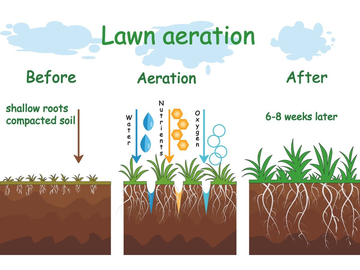
Aérer régulièrement
- Aérez votre pelouse au moins une fois par an pour lutter contre le compactage du sol.
- Utilisez un aérateur de sol pour éliminer les bouchons de terre, permettant ainsi à l’oxygène, à l’eau et aux nutriments de pénétrer plus profondément.
Choisir le bon gazon
- Optez pour graminées indigènes car ils sont bien adaptés aux conditions locales, nécessitant moins d'eau et d'entretien.
- Choisir herbe qui pousse avec un minimum d'eau comme les Bermudes ou la Zoysia pour économiser l'eau.
- Plantez de l'herbe pendant la saison optimale n pour assurer une croissance saine avec moins de ressources.
Techniques de conservation de l'eau
Un arrosage efficace permet non seulement d’économiser l’eau, mais aussi de favoriser une croissance plus saine de l’herbe.
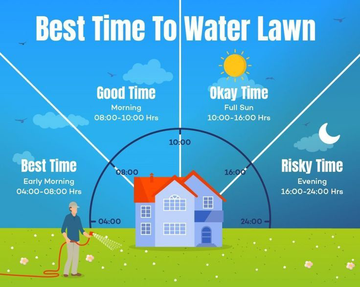
Arrosez abondamment, mais rarement
- Arrosez tôt le matin pour minimiser l’évaporation.
- Utilisez un tuyau suintant ou un système d’irrigation goutte à goutte pour acheminer l’eau directement vers les racines.
- Assurez-vous que votre pelouse reçoit environ 1 pouce d’eau par semaine, y compris les précipitations.
Capter et réutiliser l'eau
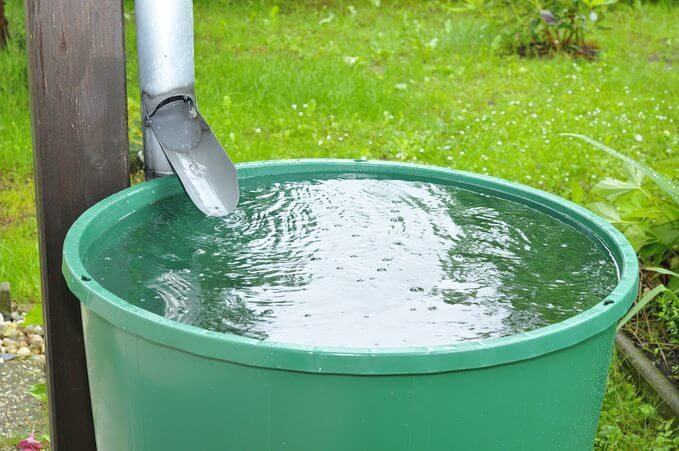
- Installer des barils de pluie pour recueillir l’eau de pluie pour l’irrigation.
- Utilisez des systèmes d’eaux grises pour réutiliser l’eau domestique pour votre pelouse.
Planter des variétés de graminées résistantes à la sécheresse
- Choisissez des types d’herbes indigènes ou résistantes à la sécheresse adaptées à votre climat.
- Ces variétés nécessitent moins d’eau et prospèrent dans les conditions locales.
Réduire la dépendance chimique
Les produits chimiques de synthèse nuisent aux insectes utiles et contaminent les sources d'eau. Remplacez-les par des alternatives naturelles.
Engrais naturels
- Utilisez des engrais organiques fabriqués à partir d’ingrédients naturels comme la farine d’os ou l’extrait d’algues.
- Appliquez des engrais à libération lente pour fournir des nutriments constants au fil du temps.
Désherbage biologique
- Répandre de la farine de gluten de maïs comme inhibiteur de mauvaises herbes de prélevée.
- Arrachez régulièrement les mauvaises herbes à la main ou utilisez un herbicide naturel à base de vinaigre.
Lutte antiparasitaire
- Inspectez régulièrement votre pelouse à la recherche de signes de parasites et résolvez les problèmes avant qu’ils ne deviennent des problèmes majeurs.
- Utilisez de l’huile de neem, de la terre de diatomées et d’autres options non toxiques pour gérer efficacement les parasites.
- Encouragez les coccinelles, les abeilles et autres insectes utiles qui contrôlent naturellement les populations de parasites.
Alternatives aux herbicides nocifs
- Appliquez des solutions à base de vinaigre ou de gluten de maïs pour supprimer les mauvaises herbes sans produits chimiques.
- Répandez du paillis organique pour bloquer la lumière du soleil et empêcher les mauvaises herbes de germer.
- Un peu d’huile de coude permet de gérer les mauvaises herbes de manière naturelle dans les petits espaces.
Biodiversité : accueillir la faune sauvage sur votre pelouse
L’amélioration de la biodiversité crée un écosystème équilibré et soutient la faune locale.
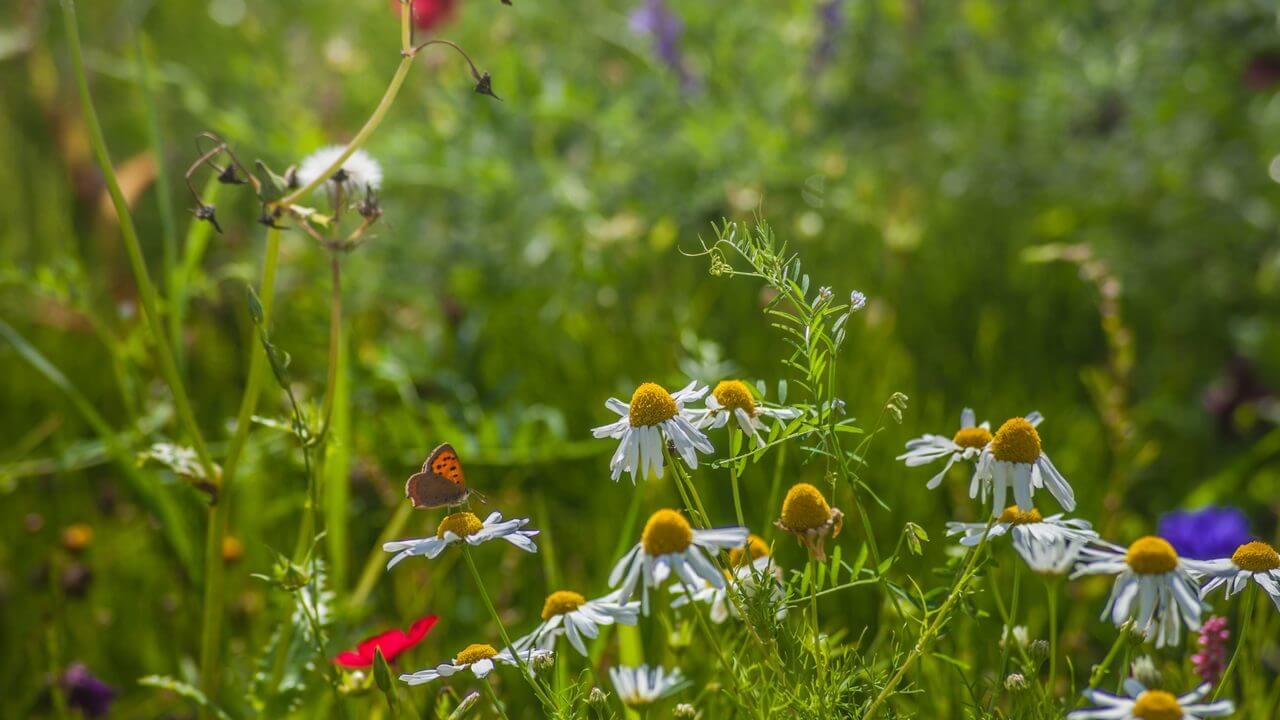
Plantes pollinisatrices favorables aux espèces
- Incorporez des plantes à fleurs et des arbustes qui attirent les abeilles, les papillons et les oiseaux.
- Évitez d’utiliser des pesticides qui peuvent nuire aux pollinisateurs.
Créer des caractéristiques d'habitat
- Ajoutez des nichoirs, des nichoirs à chauves-souris ou des tas de pierres pour vous abriter.
- Construisez un petit étang ou installez un élément aquatique pour soutenir la faune aquatique.
Adoptez les plantes indigènes
- Les plantes indigènes nécessitent moins d’entretien et fournissent de la nourriture et un habitat aux espèces locales.
- Utilisez ces plantes pour remplacer les zones de gazon gourmandes en eau.
Compostage : Recyclage des déchets organiques
Le compostage transforme les déchets de jardin et de cuisine en amendements de sol riches en nutriments.
Démarrer un bac à compost
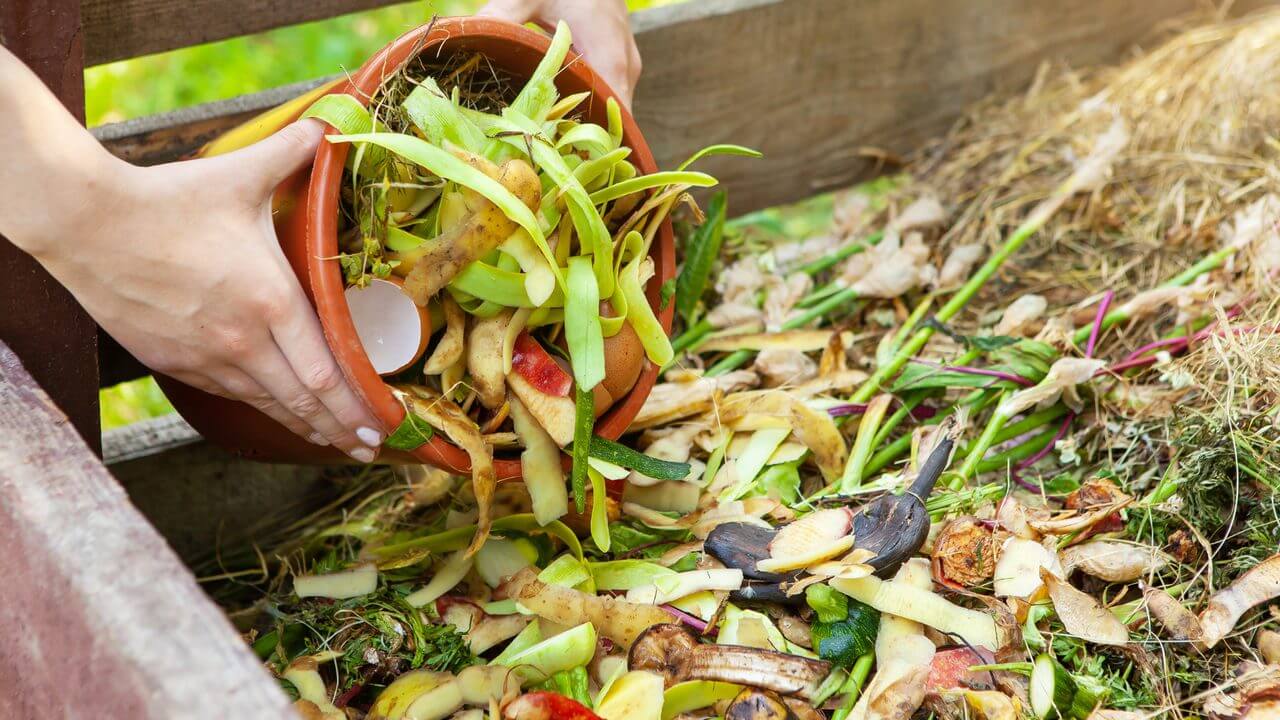
- Ramassez les tontes de gazon, les feuilles, les coquilles d’œufs et les restes de légumes.
- Maintenir un mélange équilibré.
Biodiversité : accueillir la faune sauvage sur votre pelouse
- L’amélioration de la biodiversité crée un écosystème équilibré et soutient la faune locale.
Plantes pollinisatrices favorables aux espèces
- Incorporez des plantes à fleurs et des arbustes qui attirent les abeilles, les papillons et les oiseaux.
- Évitez d’utiliser des pesticides qui peuvent nuire aux pollinisateurs.
Créer des caractéristiques d'habitat
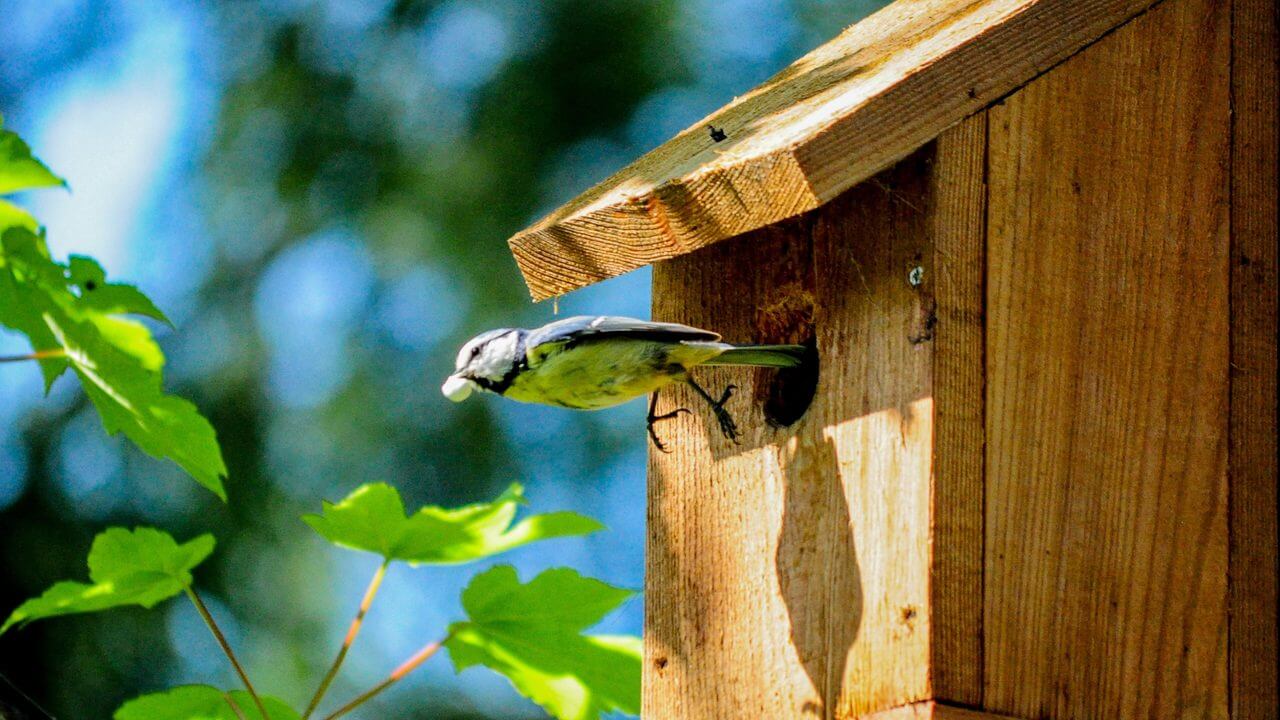
- Ajoutez des nichoirs, des nichoirs à chauves-souris ou des tas de pierres pour vous abriter.
- Construisez un petit étang ou installez un élément aquatique pour soutenir la faune aquatique.
Adoptez les plantes indigènes
- Les plantes indigènes nécessitent moins d’entretien et fournissent de la nourriture et un habitat aux espèces locales.
- Utilisez ces plantes pour remplacer les zones de gazon gourmandes en eau.
Équipement de pelouse écologique
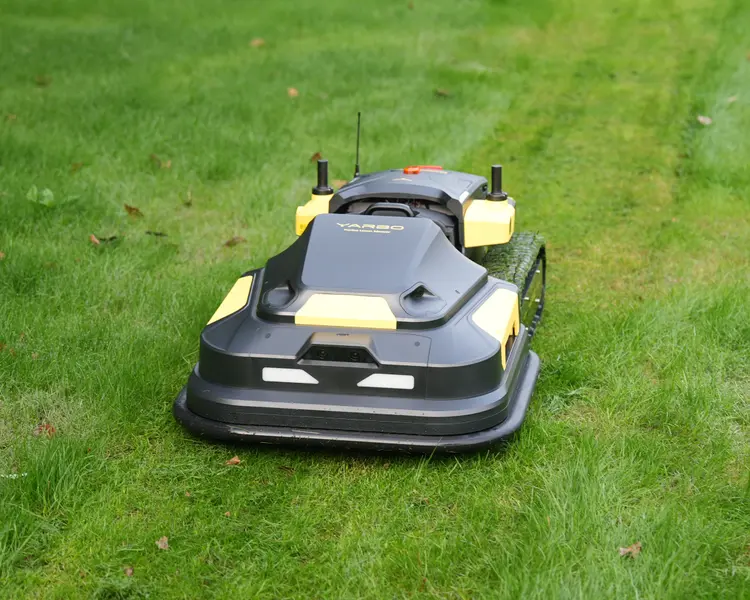
Tondeuses à gazon électriques ou à essence Passez aux tondeuses électriques pour réduire les émissions et économiser sur les coûts de carburant.
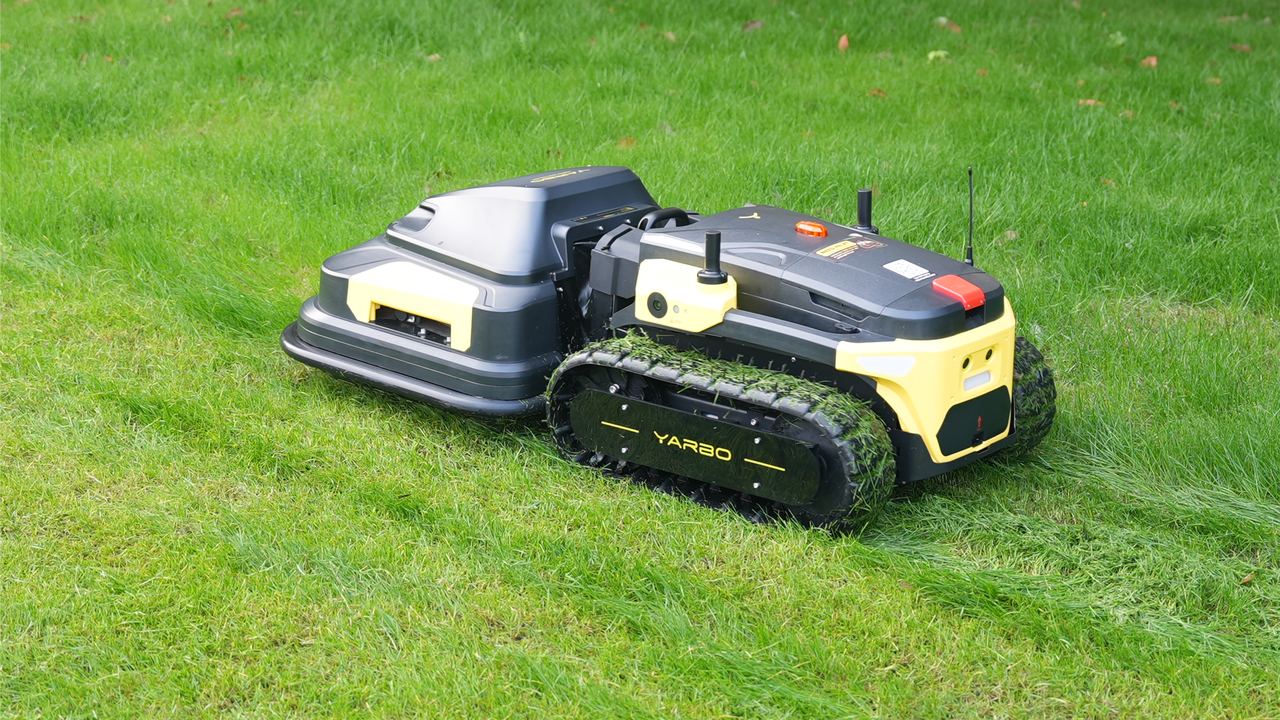
- Les râteaux, les cisailles et les tondeuses poussées sont non seulement écologiques, mais également parfaits pour faire de l’exercice !
- Entretenez régulièrement vos outils pour augmenter leur durée de vie et leur efficacité.
Aménagement paysager pour la durabilité
1. Des arbres placés stratégiquement fournissent de l’ombre, réduisant l’évaporation de l’eau et rafraîchissant naturellement votre jardin.
2. Plantez des fleurs comme la lavande et les soucis pour attirer les abeilles et les papillons, ce qui est essentiel à la biodiversité.
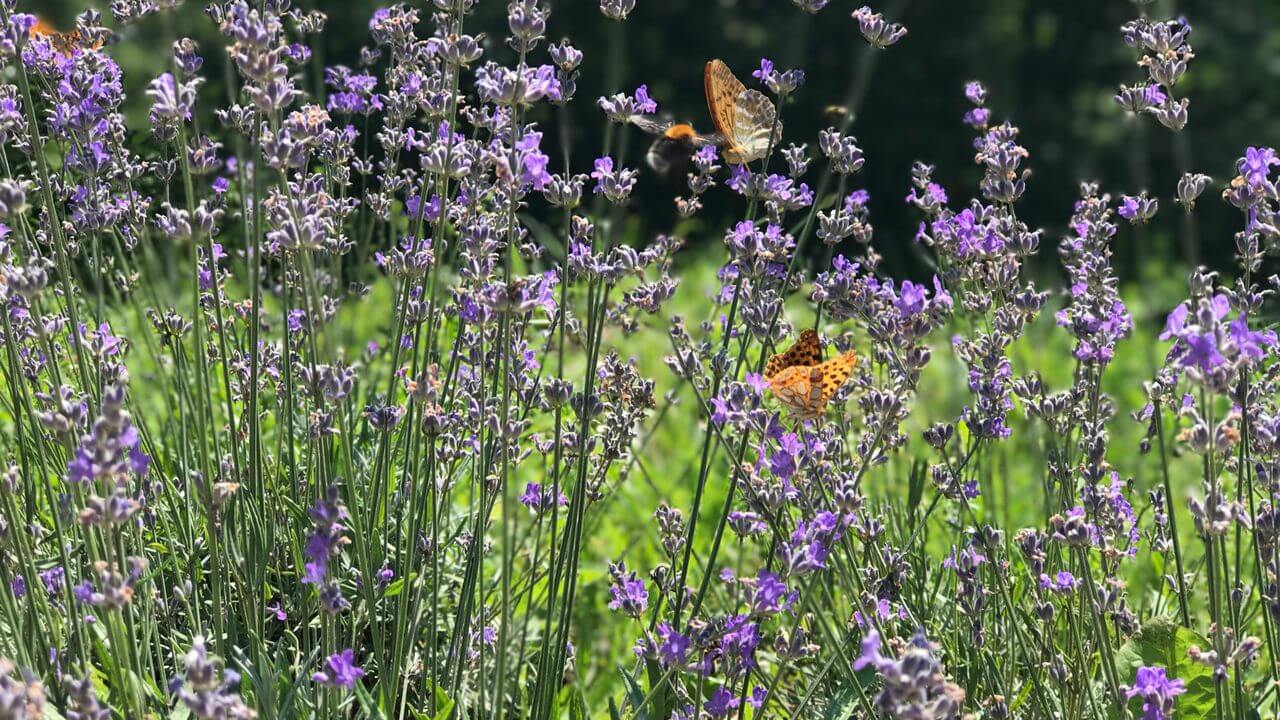
3. Remplacez l’herbe à entretien élevé par du thym rampant ou du trèfle pour une alternative plus verte et nécessitant peu d’entretien.
Communauté et éducation
Partagez votre démarche éco-responsable avec vos voisins et encouragez-les à adopter des pratiques durables. Participez à des programmes locaux favorisant des paysages plus verts. Rejoignez des groupes en ligne sur Reddit et Facebook pour apprendre des autres et partager votre expérience.
Mythes sur l'entretien écologique des pelouses
Beaucoup pensent que les pelouses écologiques sont plus difficiles à entretenir. En réalité, elles nécessitent moins de ressources à long terme.
Respectueux de l’environnement ne signifie pas que des pratiques durables de mauvaise qualité peuvent donner lieu à une pelouse luxuriante et florissante qui est tout aussi belle que celles entretenues de manière conventionnelle.
Commencer aujourd'hui
Vous n’avez pas besoin de conquérir le monde en un jour, commencez par de petits changements faciles à gérer, comme le passage aux engrais biologiques ou la réduction de la consommation d’eau.
Célébrez vos progrès : cela vous motivera et renforcera votre dynamique. Enfin, fixez-vous des objectifs réalisables pour un impact à long terme.
Conclusion
L’entretien écologique de la pelouse n’est pas seulement un choix responsable pour l’environnement, mais aussi une approche pratique pour créer une cour plus saine et plus résiliente.
En adoptant ces pratiques durables, vous profiterez d'une pelouse luxuriante et verdoyante tout en préservant les ressources naturelles et en favorisant la biodiversité. Commencez à mettre en œuvre ces changements dès aujourd'hui et regardez votre jardin se transformer en une oasis écologique.
FAQ
1. Comment puis-je passer à un entretien de pelouse écologique ?
Commencez par analyser le sol et passez aux engrais biologiques. Adoptez progressivement des pratiques comme un arrosage efficace et une lutte naturelle contre les nuisibles.
2. Les engrais organiques sont-ils aussi efficaces que les engrais chimiques ?
Oui ! Les engrais organiques améliorent la santé du sol tout en lui fournissant des nutriments essentiels.
3. Quelle herbe est la meilleure pour les pelouses écologiques ?
Les graminées indigènes ou résistantes à la sécheresse sont idéales, car elles nécessitent moins d’eau et d’entretien.
4. Comment contrôler les mauvaises herbes sans produits chimiques ?
Utilisez des méthodes naturelles comme le paillage, les solutions à base de vinaigre et l’arrachage manuel régulier.
5. L’entretien écologique de la pelouse peut-il me faire économiser de l’argent ?
Absolument ! La réduction de la consommation d'eau et de produits chimiques permet de réaliser des économies significatives au fil du temps.
-7.png?w=1001&h=621)
 Private group · 33.0K members