Choosing the right type of cool season grass is essential for maintaining a lush, green lawn in regions with cold winters and mild summers.
Whether you're starting a new lawn or overseeding an existing one, understanding the different types of cool season grasses can help you make the best choice for your climate, soil, and lawn care needs.
Table of Contents:
What Is Cool Season Grass?
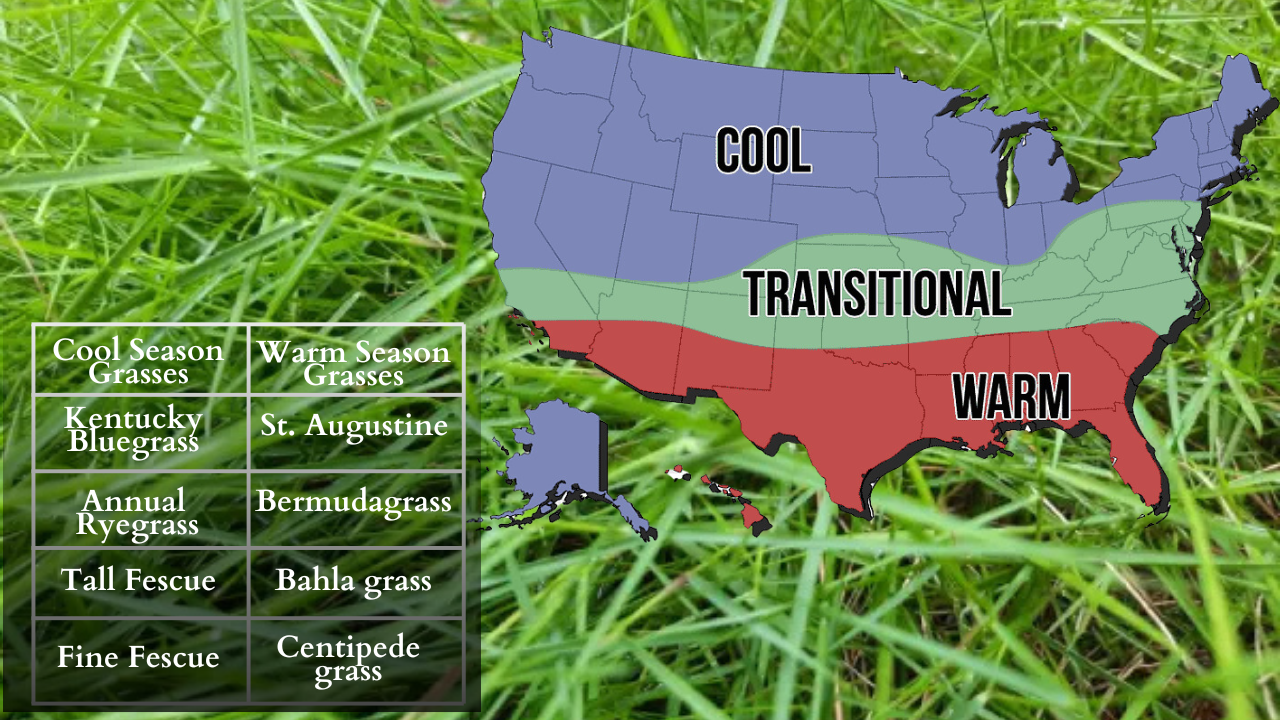
Cool season grass refers to turfgrass varieties that thrive in temperatures ranging from 60°F to 75°F (15°C to 24°C).
These grasses are ideal for regions with cold winters and mild summers, typically found in the northern parts of the United States, Canada, and parts of Europe and Asia.
Cool season grasses are most active during spring and fall and can stay green longer in cooler weather.
These grasses have adapted to grow quickly during cooler periods and go semi-dormant during the peak summer heat. Choosing the right cool season grass for your lawn involves understanding your local climate, soil conditions, and how much maintenance you're willing to perform.
Why Choose Cool Season Grass for Your Lawn?
Homeowners and landscapers opt for cool season grass for several key reasons:
-
Longer Green Periods: Cool season grasses stay green into late fall and green up faster in spring.
-
Versatile Growth: Perfect for temperate climates where winters are cold and summers are not extremely hot.
-
Diverse Grass Seeds Available: A wide variety of cool season grass seeds allow for custom blends tailored to your lawn’s specific needs.
-
Resilient: These grasses recover well from stress caused by drought or foot traffic—especially when properly maintained.
Whether you're looking to revitalize an old lawn or start a new one from scratch, cool season grasses are a smart and attractive choice.
Top 5 Types of Cool Season Grass
Let's dive into the most popular and effective types of cool season grasses. Each has its own advantages, maintenance level, and ideal growing conditions.
1. Kentucky Bluegrass
Overview: Kentucky Bluegrass is one of the most well-known cool season grasses, loved for its rich color and lush texture.
-
Pros: Self-repairing, visually appealing, dense carpet-like growth.
-
Cons: Slow to germinate (up to 21 days), needs frequent fertilization.
Best for: Homeowners seeking a lush, uniform lawn and willing to put in moderate effort.
2. Perennial Ryegrass
-
Pros: Fast germination (5-10 days), durable, great for high-traffic areas.
-
Cons: Not shade-tolerant, can struggle in extreme heat.
Best for: Areas with high foot traffic like backyards and sports fields.
3. Fine Fescue
Overview: This category includes creeping red fescue, chewings fescue, hard fescue, and sheep fescue. They’re known for shade tolerance and low maintenance.
-
Pros: Grows in shade, requires less water, low mowing needs.
-
Cons: Not ideal for heavy traffic, can appear wispy.
Best for: Shady lawns, eco-conscious homeowners, low-maintenance yards.
4. Tall Fescue
Overview: A robust and adaptable type of cool season grass that does well in a range of environments.
-
Pros: Deep roots make it drought-resistant, tolerates sun and shade, durable.
-
Cons: Coarser texture, some varieties may grow in clumps.
Best for: Mixed-use lawns, transitional climate zones.
5. Bentgrass
Overview: Often used on golf courses, Bentgrass has a fine texture and tolerates close mowing.
-
Pros: Luxurious appearance, great for ornamental lawns.
-
Cons: High maintenance, frequent mowing and watering required.
Best for: Specialty lawns and golf putting greens.
How to Choose the Best Cool Season Grass Seed for Your Lawn?
Choosing the best seed depends on several factors:
-
Climate: Consider your USDA Hardiness Zone.
-
Sunlight Exposure: Shady areas do best with Fine Fescue.
-
Foot Traffic: Perennial Ryegrass and Tall Fescue are best for durability.
-
Maintenance Commitment: Bentgrass requires high upkeep; Fine Fescue needs minimal attention.
-
Budget: Tall Fescue and Ryegrass are generally more affordable.
Tip: Often, a mix of seeds provides the best results—combining durability with shade and drought resistance.
Comparing Types of Cool Season Grass: A Visual Table
| Grass Type | Growth Rate | Shade Tolerance | Drought Resistance | Texture | Maintenance |
| Kentucky Bluegrass | Medium | Moderate | Moderate | Fine | Moderate |
| Perennial Ryegrass | Fast | Low | Moderate | Medium | High |
| Fine Fescue | Slow | High | High | Very Fine | Low |
| Tall Fescue | Medium | High | High | Coarse | Moderate |
| Bentgrass | Slow | Low | Low | Very Fine | Very High |
Final Thoughts
Choosing the right cool season grass depends on your climate, soil type, maintenance preferences, and budget. Here's a quick takeaway:
-
For low maintenance & shade: Fine Fescue.
-
For fast coverage & durability: Perennial Ryegrass.
-
For lush, high-end lawns: Kentucky Bluegrass.
-
For drought resistance & foot traffic: Tall Fescue.
-
For ornamental appeal: Bentgrass.
Use this guide as your blueprint for a greener, healthier, and more sustainable lawn.
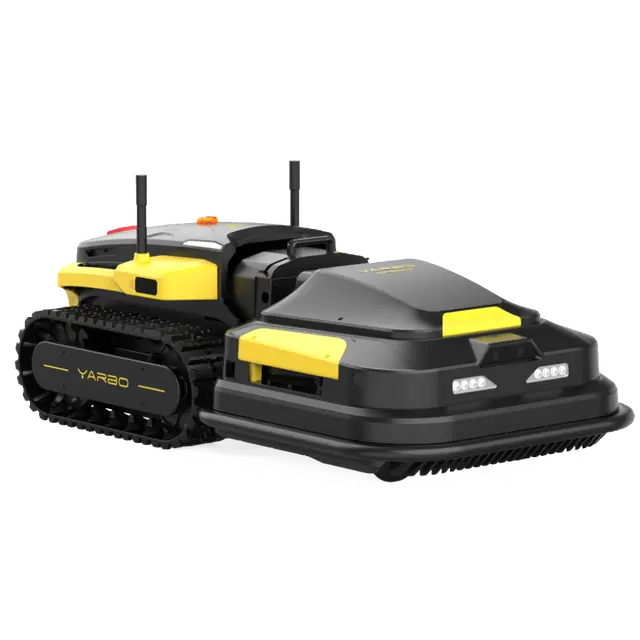
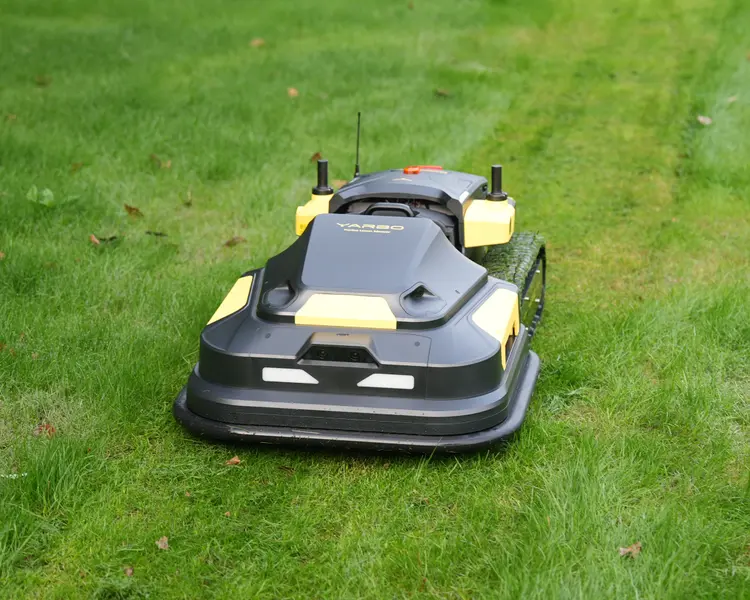
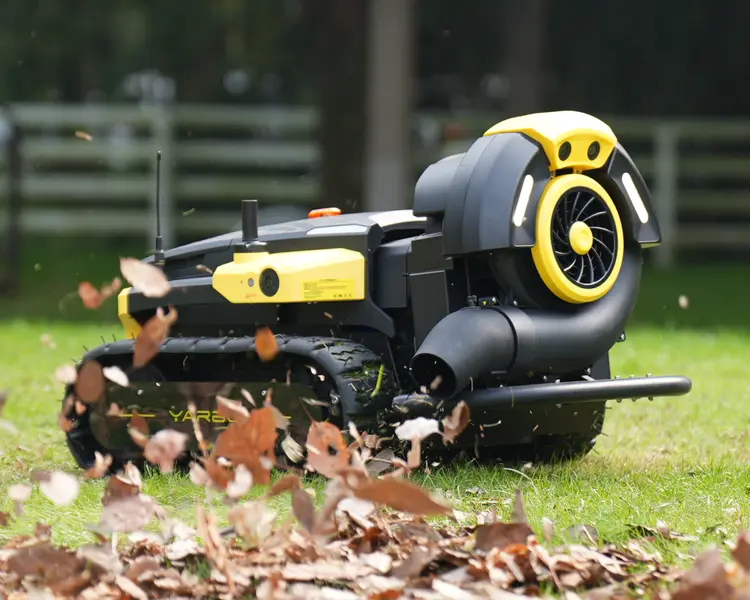
Tip: No matter which cool season grass you choose, maintaining it consistently is key. If you own a large property in North America, Canada, or Europe, the Lawn Mower Pro are ideal tools to help you keep your yard pristine.

These robotic mowers are built to handle wide areas with precision, smart mapping, and minimal effort—giving you more time to enjoy your perfect lawn.
FAQs About Cool Season Grass
-
How often should I mow cool season grass?
Once a week during peak growing season; keep it at 2.5–3.5 inches.
-
When should I plant cool season grass seed?
Early fall is best, followed by early spring as a secondary option.
-
Is cool season grass drought-tolerant?
Tall Fescue and Fine Fescue are the most drought-tolerant types.
-
How long does it take for cool season grass to germinate?
Ranges from 5 to 21 days depending on the seed type and soil conditions.
-
Can Yarbo mow cool season grasses like Fescue and Bluegrass?
Yes! Yarbo robotic mowers are fully capable of mowing all types of cool season grass, including Fescue, Kentucky Bluegrass, and Ryegrass. Its adjustable cutting height and powerful blades ensure a clean cut every time.
-7.png?w=1001&h=621)
 Private group · 33.0K members