When it comes to maintaining a lush, healthy lawn, most homeowners focus on mowing frequency, height, and watering. But the type of mower blade you use can be just as important.
Choosing between lawn mulching blades vs regular blades isn’t just about cutting grass—it’s about whether your lawn thrives or struggles.
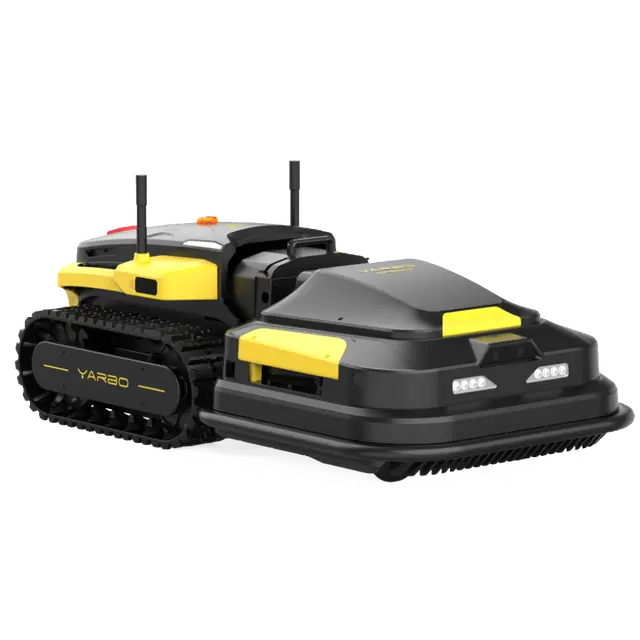
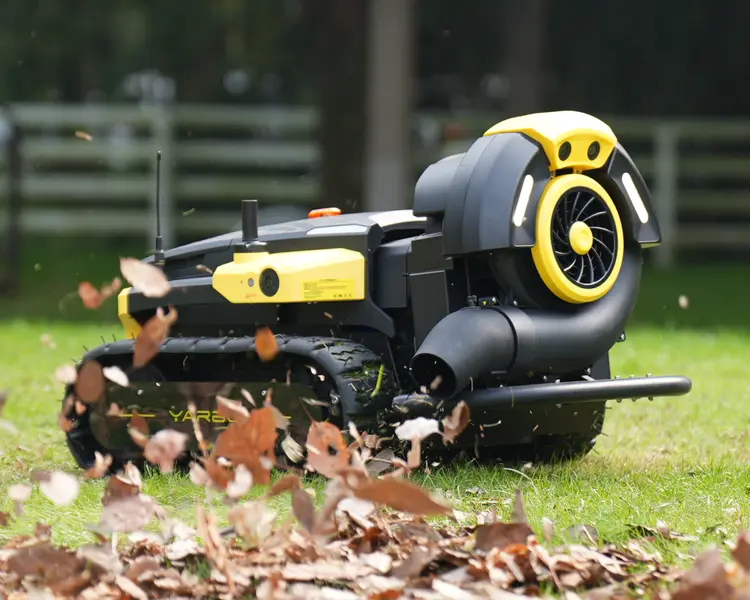
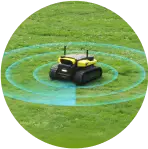
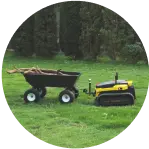
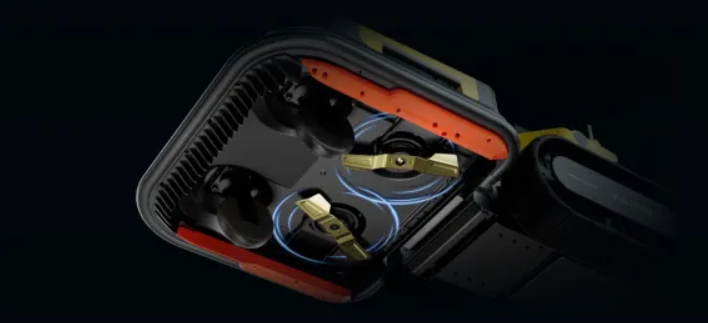
Yarbo, a pioneer in robotic yard care systems, has taken this debate further with its dual-blade system, engineered to maximize both cutting precision and mulching efficiency. Unlike traditional lawn mowers that force you to choose one blade type, Yarbo integrates advanced technology to deliver the best of both worlds.
Table of Contents:
What Are Regular Lawn Mower Blades?
Standard mower blades, often called “2-in-1 blades”, are designed primarily for cutting grass and either bagging clippings or side-discharging them. They are straight, streamlined, and efficient at quickly chopping grass to a uniform height.
Key features of standard blades:
-
Straight edges designed for a clean cut
-
Better at handling tall or overgrown grass
-
More efficient at bagging clippings
-
Typically less airflow compared to mulching blades
.png?w=1640&h=924)
While standard blades are great for raw cutting power, they don’t recycle clippings into fine mulch, which means your lawn may miss out on natural fertilization.
What Are Mulching Blades?
Lawn mulching blades, also called “3-in-1 blades”, are specifically designed to cut, recut, and redistribute grass clippings into tiny particles that decompose quickly.
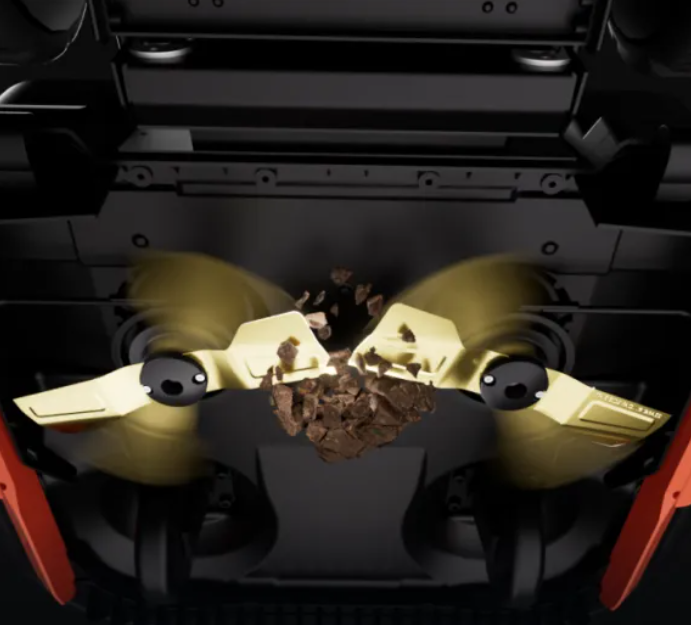
Key features of mulching blades:
-
Curved edges for airflow and recirculation
-
Lift-and-chop motion that cuts clippings multiple times
-
Leaves behind nutrient-rich mulch for the soil
-
Reduced need for chemical fertilizers
For eco-conscious homeowners, lawn mulching blades provide a natural, sustainable solution that enriches the lawn while saving time and effort.
Mulching Blades vs Regular Blades: Key Differences
| Feature | Standard Blades | Mulching Blades |
| Cutting Edge | Straight | Curved with teeth |
| Purpose | Cutting + bagging/discharge | Cutting + mulching |
| Clipping Size | Larger | Finely chopped |
| Fertilization | Requires external fertilizers | Natural nutrient recycling |
| Best Use Case | Overgrown/tall grass | Regular mowing, healthy lawns |
This difference is why Yarbo’s straight-blade system is revolutionary—it allows users to get precision cutting and mulching without compromise.
How Mulching Improves Lawn Health?
Mulching isn’t just about saving time—it’s about feeding your lawn naturally. Here’s how it helps:
-
Nutrient Recycling: Mulched clippings break down, releasing nitrogen, potassium, and phosphorus back into the soil.
-
Moisture Retention: A thin mulch layer prevents soil from drying too quickly.
-
Weed Suppression: Healthier soil reduces weed growth.
-
Eco-Friendly: Less yard waste means fewer trips to the landfill. Studies consistently show that mulching significantly improves soil health long-term, reducing the need for synthetic fertilizers and promoting a more robust ecosystem. When paired with Yarbo’s robotic precision, mulching becomes effortless and far more effective.
Yarbo’s Straight-Blade System Explained
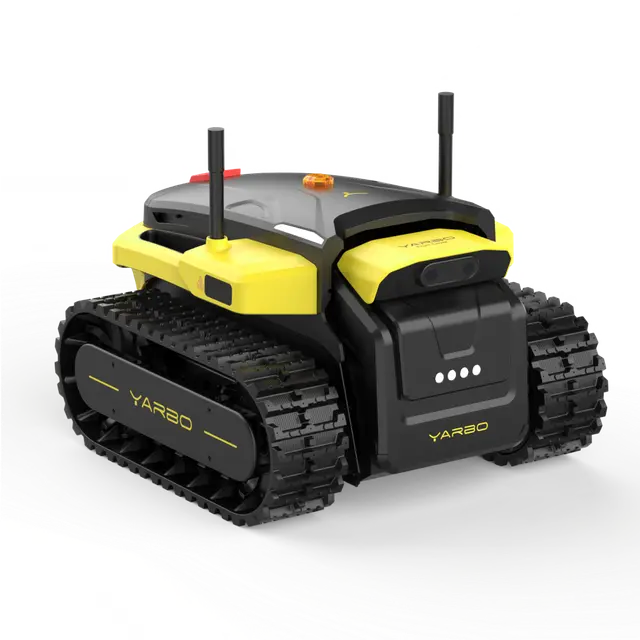
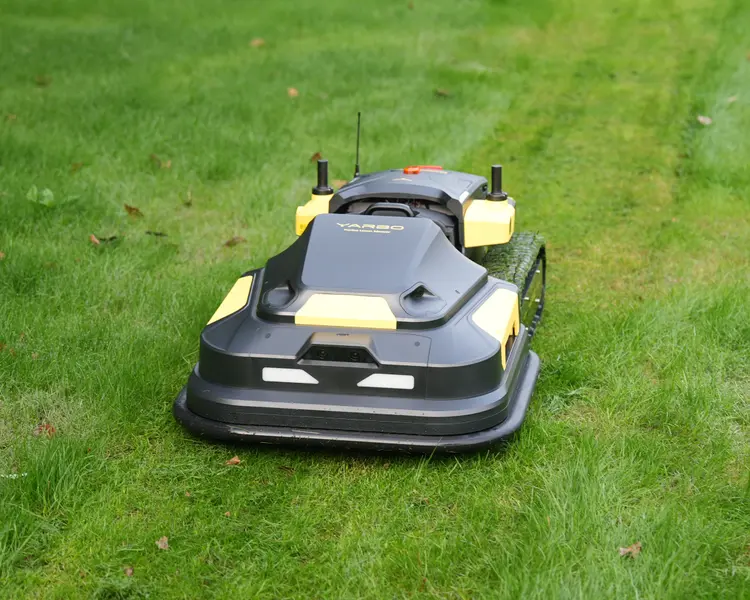
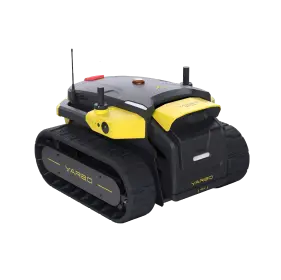
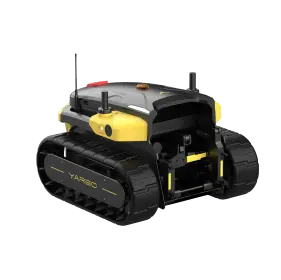
Yarbo’s robotic mower is not just a mower—it’s a modular yard robot built for large and complex yards. At its core Yarbo’s straight blades are designed for precision cutting and efficient mowing. Compared to traditional mulching blades, they offer limited mulching support in tall or dense grass, but their strength lies in clean, even cutting.
Highlights of Yarbo’s blade system:
-
Crafted from high-strength steel, Yarbo’s blades last longer and require less frequent replacement (every 6 months recommended).
-
Engineered for clean, even results across large, complex yards.
-
Straight blade design minimizes resistance, allowing faster mowing with less strain
-
Optimized airflow for efficient mulching
-
Adjustable height for different grass types and conditions
Unlike conventional mowers where you swap blades, Yarbo’s technology delivers consistent lawn mulching blade and cutting performance in one setup.
The Science Behind Yarbo’s Mulching Capabilities
While traditional mulching blades are built for intensive mulching, Yarbo’s straight blades can provide partial mulching support—particularly useful when tackling tall grass (above 15 cm / 6 in) or denser lawn areas. Their main advantage, however, is delivering precise, efficient cuts.
Additionally, Yarbo’s AI-driven navigation ensures even coverage, so no patch is left behind under-mulched or unevenly cut.
Yarbo vs Traditional Mowers: Why the Difference Matters
Traditional mowers force you to compromise:
-
Standard blades = efficient cut, poor mulching
-
Mulching blades = healthier lawn, struggles with tall grass
Yarbo eliminates this trade-off. Its straight-blade integration + robotic intelligence means you get:
-
Cleaner cuts than standard blades
-
Better mulching than standalone mulching blades
-
No blade swapping required
-
Superior performance in large, complex yards
Benefits of Using Mulching Blades with Yarbo
-
Healthier, Greener Lawn: Natural fertilizer keeps grass lush.
-
Time-Saving: No raking or bagging clippings.
-
Cost-Effective: Reduced fertilizer and yard waste costs.
-
Environmentally Friendly: Lower carbon footprint with natural recycling.
-
Child & Pet Friendly: No leftover clumps of sharp clippings, just soft mulch.
Unlike specialized mulching blades, Yarbo’s straight blades are versatile. They adapt to various conditions, from fine turf to tall, thick grass, delivering consistent performance. This makes them ideal for homeowners with diverse lawn needs.
Mulching Blades and Yard Size: Large Yards Advantage
-
Most mulching blades struggle in large yards because of uneven cutting and clogging. Yarbo solves this with its specialized design for extensive green spaces, boasting a maximum coverage of up to 6 acres (25,000 m²) and superior performance on challenging terrains.
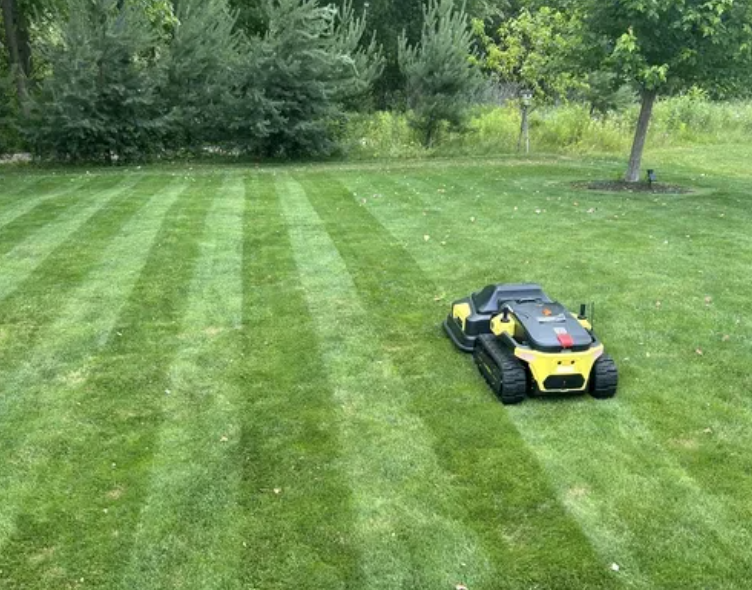
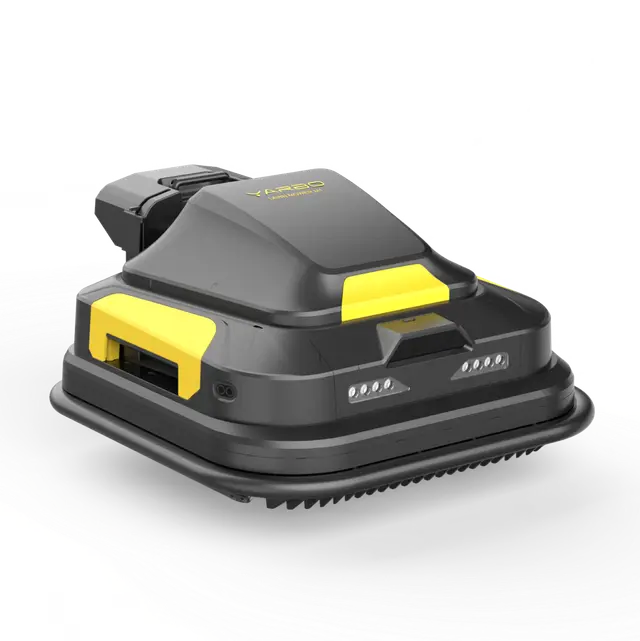
- Wide cutting deck with dual 20-inch blades for industry-leading cutting width and faster coverage.
- High battery capacity for long mowing sessions, supporting up to 210 minutes of operation and covering 1,600㎡ (0.4 acres) on a single charge.
- Self-navigation with RTK-GPS, binocular cameras, and IMU for centimeter-level precision in complex terrain, including slopes up to 35° (70%) without perimeter wires. This makes Yarbo one of the best mulching blade solutions for large and complex yards, systematically and confidently mowing where others might get stuck or lost.
Mulching Blades vs Regular Blades vs Side Discharge
This difference is why Yarbo’s dual-blade system is revolutionary—it allows users to get precision cutting and mulching without compromise.
It eliminates the common trade-off faced with traditional mowers, where standard blades offer efficient cuts but poor mulching, and standalone mulching blades struggle with tall grass. Yarbo’s integrated system ensures a healthier lawn without sacrificing cutting power.
| Method | Pros | Cons |
| Mulching | Natural fertilization, eco-friendly | Not ideal for wet grass |
| Bagging | Clean, professional look | Time-consuming, requires disposal |
| Side Discharge | Great for tall grass | Leaves clumps, less aesthetic |
Yarbo’s mulching blades deliver the most balanced solution for homeowners who want healthy lawns without extra labor.
Environmental Benefits of Mulching Blades
By cutting cleanly and reducing excess yard waste, Yarbo’s straight blades contribute to a more eco-friendly mowing process, minimizing disposal needs.
Maintenance Tips for Mulching Blades
To keep Yarbo’s blades in top shape:
-
Sharpen blades every 25–30 hours of mowing
-
Inspect for wear or cracks regularly
-
Clean deck to prevent buildup
-
Replace blades seasonally for best performance
Common Misconceptions About Mulching Blades
Common Misconceptions About Mulching Blades
-
“Mulching leaves clumps.” → Not with Yarbo’s fine-cut system, powered by powerful suction and recirculation technology.
-
“Mulching dulls blades faster.” → With regular maintenance, lifespan is the same.
-
“Mulching is bad for lawns.” → Studies show mulching improves soil health long-term."
Conclusion
When comparing mulching blades vs standard blades, most homeowners face trade-offs between cutting efficiency and lawn health. Yarbo’s dual-blade system eliminates the need to choose, offering a solution that’s efficient, eco-friendly, and future-ready.
For anyone serious about maintaining a lush, healthy lawn—especially in large or complex yards—Yarbo’s robotic mulching mower isn’t just a tool, it’s a game-changer.
FAQs
Q1. What’s the main difference between mulching blades and regular blades?
Mulching blades chop clippings into finer pieces that decompose, while regular blades simply cut and discharge.
Mulching blades chop clippings into finer pieces that decompose, while regular blades simply cut and discharge.
Q2. Q: Does Yarbo use mulching blades?
Yarbo comes with straight blades, which focus on precision cutting. While not designed as full mulching blades, they can provide limited mulching support in tall or dense grass conditions.
Yarbo comes with straight blades, which focus on precision cutting. While not designed as full mulching blades, they can provide limited mulching support in tall or dense grass conditions.
Q3. Can mulching blades handle wet grass?
They can, but performance is best on dry grass. Yarbo’s suction system helps minimize clumping, and the Pro version is specifically designed to handle tall, thick, wet, or overgrown grass with ease, without clogging.
Q4. How often should I sharpen mulching blades?
Every 25–30 hours of mowing or at least once per season.
Every 25–30 hours of mowing or at least once per season.
Q5. Are mulching blades better for large yards?
Yes, especially when paired with Yarbo’s wide deck and high-capacity system. Yarbo is engineered for up to 6 acres of coverage and its tracked drive handles slopes up to 35° (70% grade), providing unmatched efficiency and consistent results in challenging large yard conditions.
Q6. Is mulching safe for pets and kids?
Absolutely—mulching leaves behind soft, fine particles, not sharp clippings.
Absolutely—mulching leaves behind soft, fine particles, not sharp clippings.
-7.png?w=1001&h=621)
 Private group · 33.0K members