To maintain optimal health and vibrancy, you should mow your lawn frequently enough to remove only the top one-third (1/3) of the grass blade height per cut, which typically means mowing once or twice weekly during peak growing seasons.
“How often should you mow your lawn” is a question homeowners frequently ask—and it's vital for a lush, green yard.
If you’re unsure on how often to mow grass, you’re not alone. Inconsistent or overly frequent mowing can damage grass health, while proper mowing keeps your lawn vibrant.
Table Of Contents:
Why Asking “How Often Should You Mow Your Lawn” Matters?
-
Pain point: over‑mowing or under‑mowing can stress roots, invite weeds, and stunt lawn growth.
-
Solution: find the ideal mowing rhythm.
-
Support: turf experts say spacing cuts correctly helps root depth and drought resistance.
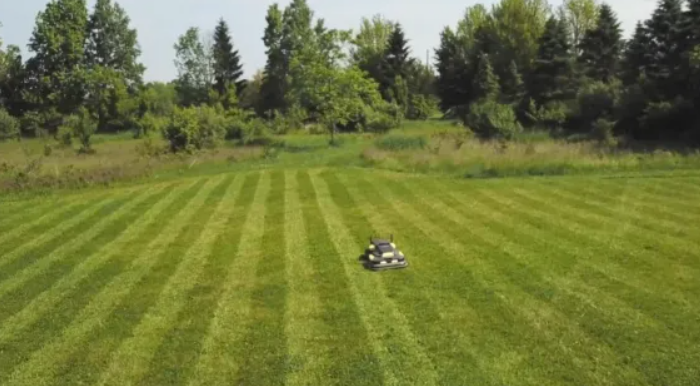
Seasonal Mowing Frequency: How Often to Mow Lawn?
The correct frequency for mowing depends largely on the season, grass type, and growth rate. Here is the definitive seasonal guide to determine the right mowing schedule:
| Season | Grass Growth Rate | Recommended Mowing Frequency |
| Spring & Early Summer | Rapid Growth (Peak Season) | Once or twice weekly |
| Mid to Late Summer | Slowed Growth (Warmer Temps) | Once every 7–10 days |
| Fall | Growth Picks Up Again | Resume mowing once or twice weekly |
| Winter | Dormancy | Mow sparingly, only if necessary (mild climates) |
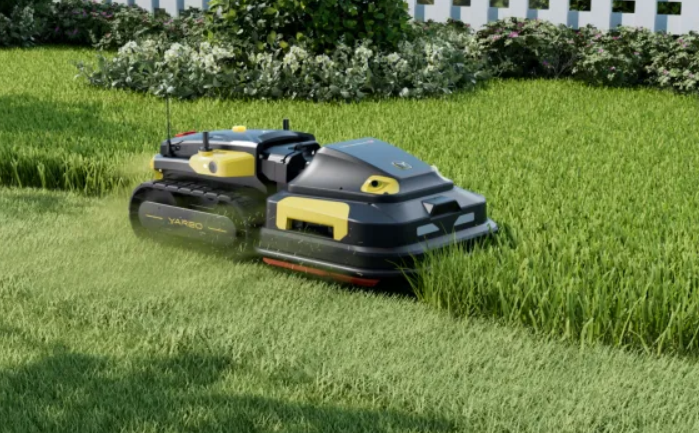
This explains how often to mow grass depending on weather, grass type, and seasonal growth.
The Factors Influencing Mowing Frequency
Other than wondering how often should you mow your lawn, it’s important to know the factors behind mowing frequency. The best mowing schedule is determined by a variety of factors, such as:
-
Grass Type
Grass type influences mowing frequency, as different species have varying growth rates throughout the seasons.
Cool-season grasses like Kentucky bluegrass grow quickly in the spring and fall and require more frequent mowing, while warm-season grasses like bermudagrass grow vigorously in the summer and are mowed more frequently.
-
Seasonal Changes
How often should you mow your lawn in different seasons is one of the key factors in maintaining a healthy and vibrant lawn.
Grass grows at varying rates throughout the year, which requires owners to adapt to the specific season.
Rain boosts growth; drought slows it. Don’t mow during extreme heat or right after rain as it's not recommended to mow wet grass.
-
Height management:
Always follow the one-third rule—not clipping more than ⅓ of blade per cut.
Never cut more than one-third of the grass blade at a time. Removing too much at once can shock the grass, weakening its root structure and increasing its susceptibility to stress.

-
Sharp blades:
One of the most overlooked yet critical factors in lawn care is the condition of your mower blades. The sharpness of your blades plays a huge role in the outcome.
Dull blades tear the grass rather than cutting it cleanly. This causes the tips to fray and turn brown, making your lawn appear unhealthy and uneven. Which is why it is important to replace your lawn mower blade once its old and dull.
-
Mowing Pattern:
Absolutely. Your mowing pattern directly influences how often you should mow your lawn and how evenly your grass grows. Repeating the same mowing direction every time causes soil compaction, turf wear, and visible track lines that harm the lawn’s aesthetic and health.
Alternating your mowing pattern—horizontal one week, vertical the next, diagonal another—prevents ruts, encourages upright growth, and distributes wear across the yard more evenly. This helps maintain healthy, resilient turf that can withstand foot traffic and seasonal stress.
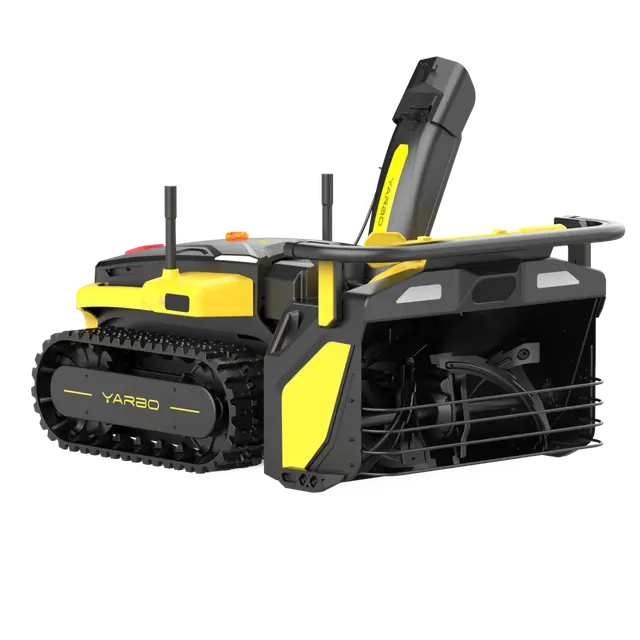
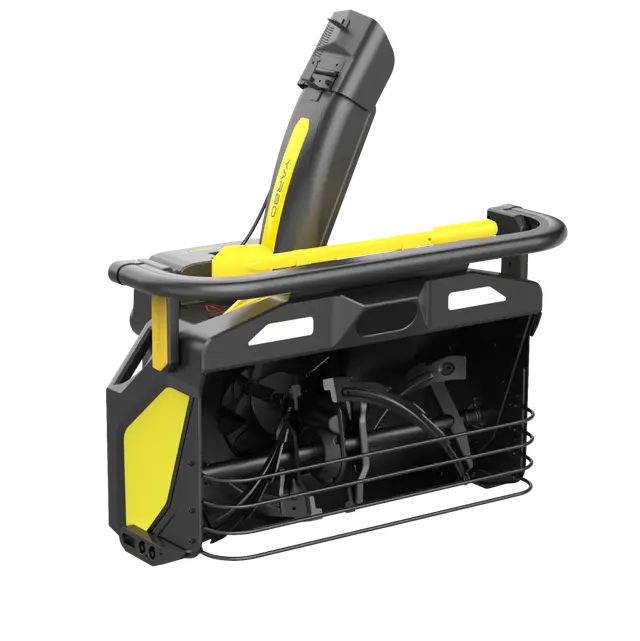
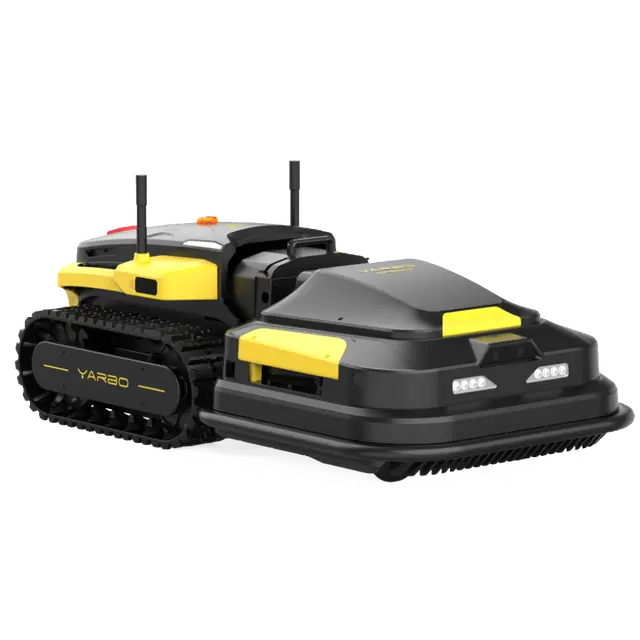
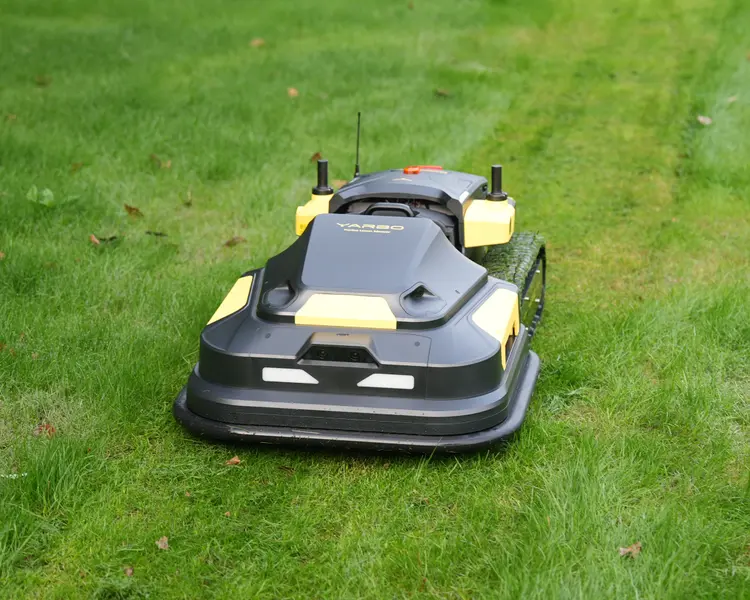
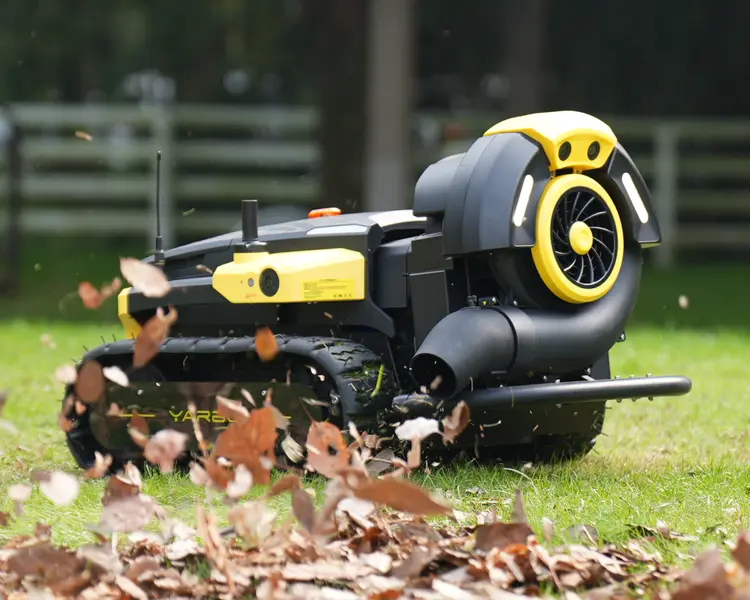
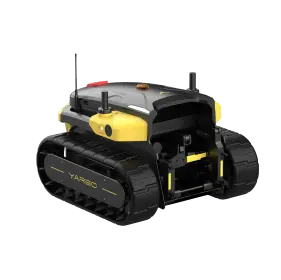
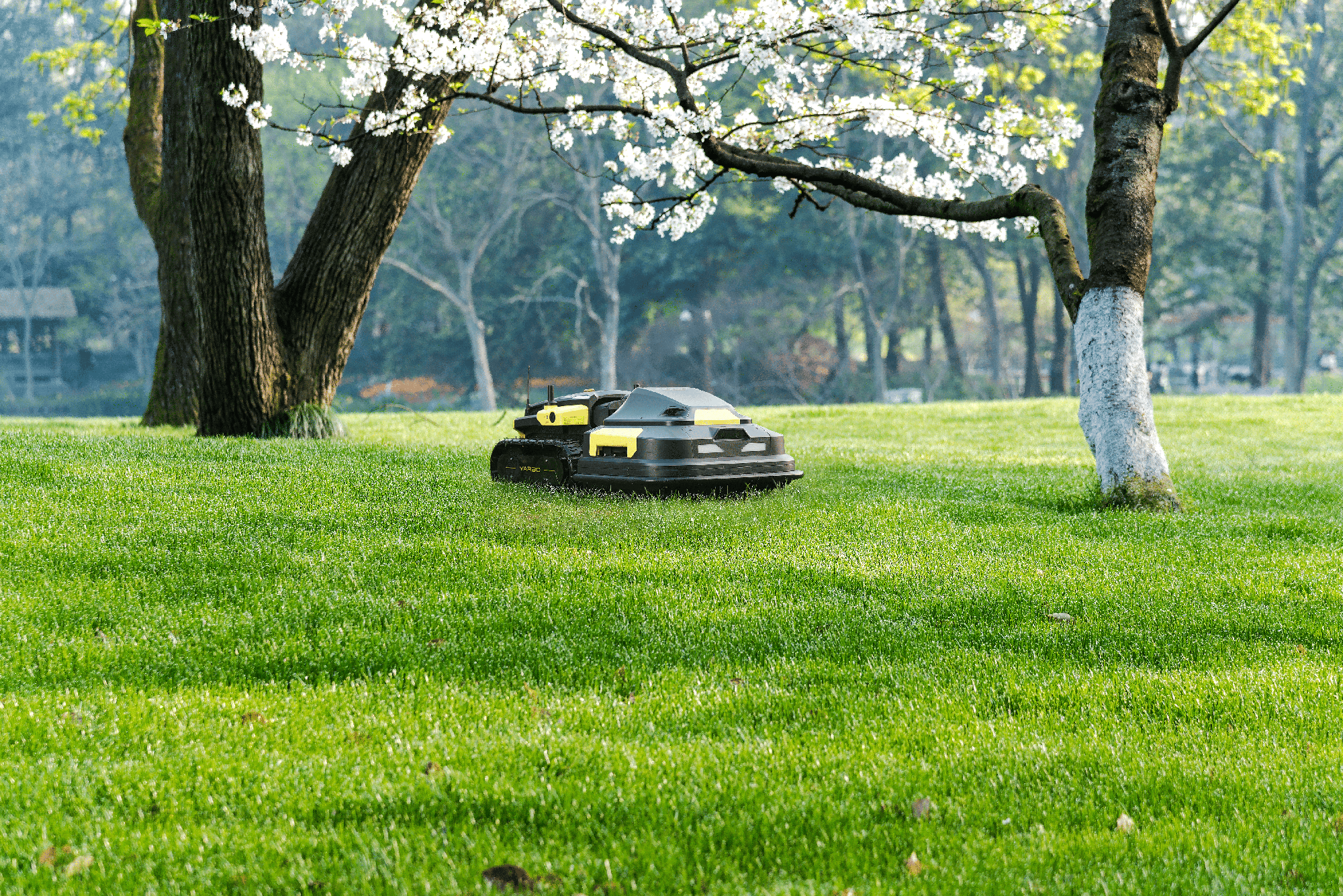
Yarbo’s intelligent robotic mowers take care of this automatically. The smart mapping system rotates mowing patterns in different sessions, so you never have to worry about repeating the same route or compacting certain areas.
For homeowners who care about how often to mow lawn and want perfect results with minimal effort, Yarbo's pattern technology delivers.
The Common Mowing Mistakes
It’s a common factor to wonder “how often should you cut your grass” or even simply how to take care of grass. Many homeowners make mowing mistakes without realizing it, which can harm the health and beauty of their grass. Here are some of the most common mistakes to avoid:
-
Cutting Too Short
Cutting grass excessively short, also known as scalping, damages the roots and exposes the lawn to disease, drought, and weed invasion. It’s important to maintain the proper mowing height to promote a strong and healthy lawn.
-
Irregular Mowing Schedules
Inconsistent mowing can lead to overgrown grass or excessive clipping, both of which can cause stress on your lawn. A good timetable promotes consistent growth and reduces grass damage.
-
Using Dull Mower Blades
Dull mower blades tend to shred the grass instead of cutting it cleanly, resulting in jagged edges that develop brown spots. Mower blades should be sharpened regularly to maintain precise cutting and healthy growth.
-
Mowing During Extreme Weather Conditions
Mowing in extreme heat or immediately following heavy rain can harm grass blades and compress the soil. The right time to mow is when the grass is dry and with appropriate weather.
The Best Practices for Mowing Your Lawn
Mowing your lawn the right way can dramatically pormote the health and beauty of your lawn. Here are some recommended mowing practices to help you create a lush, green lawn.
-
One-Third Rule
The most crucial rule in mowing frequency is the One-Third Rule: Never cut more than one-third (⅓) of the grass blade at a time. Removing too much at once, often called "scalping," severely shocks the grass, weakening its root structure and increasing its susceptibility to stress, disease, and drought.
Ideal Cutting Heights: Maintaining the right height is essential for healthy growth.
-
Cool-season grasses (e.g., Kentucky bluegrass): 2.5 to 3.5 inches tall.
-
Warm-season grasses (e.g., bermudagrass): 1.5 to 2.5 inches tall.
-
Ideal Mowing Height
Maintaining the right mowing height is essential. Cool-season grasses should be kept between 2.5 and 3.5 inches tall, and warm-season grasses between 1.5 to 2.5 inches tall.
-
Sharpening Blades and Mowing Technique
Using sharp mower blades contributes to cleaner cuts and healthier grass. Additionally, alternate mowing patterns reduce soil compaction and promote proper growth.
How Often Should You Mow Your Lawn with Yarbo Solutions?
Yarbo robotic lawn mowers make consistent mowing hassle‑free:
-
Set it to mow weekly or biweekly, depending on season.
-
Yarbo automatically adheres to the one‑third rule and adjusts cutting height based on conditions.
-
Design handles slopes, obstacles, and large plots up to 6+ acres.
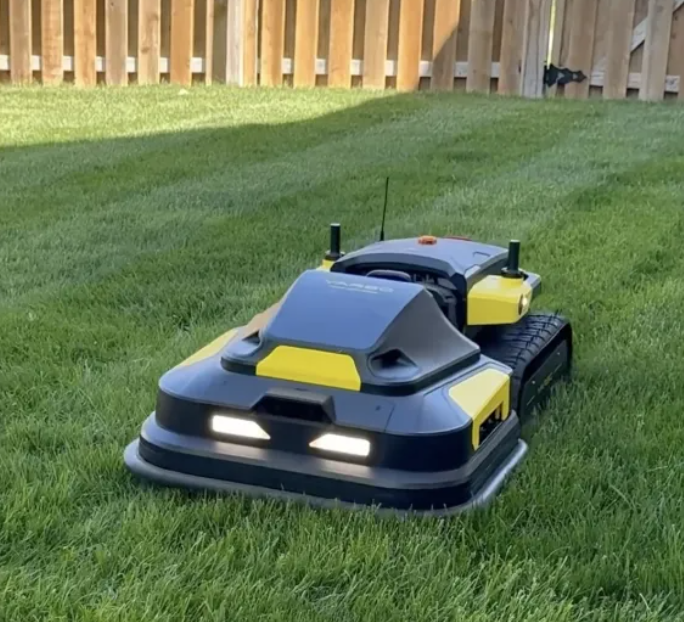
Yarbo advantages:
-
Durable structural design
-
No‑effort scheduling and repeatable routine
-
Leaves nutrient‑rich clippings (no bagging needed)
-
Saves time, gasoline, and mower maintenance hassles
Conclusion
Knowing how often should you mow your lawn is the first step toward a vibrant lawn. By adhering to the one-third rule and adapting to seasonal growth rates, homeowners can dramatically improve their lawn health.
Yarbo’s automated system simplifies this calculation, ensuring consistent, optimal mowing without physical effort.
Ready to let Yarbo do the mowing while you relax?
Visit the Yarbo official website to learn more or schedule a demo. Or contact sales to find the perfect robotic mower for your yard.
FAQs
-
How often should you mow your lawn in spring?
Once or twice weekly as grass grows fast. -
What if you mow your lawn too short?
Scalping weakens growth—avoid cutting more than ⅓. -
Can you mow when grass is wet?
No—wet grass clumps and clogs, so wait until dry. -
How does grass type affect how often to mow grass?
Fast-growing cool-season vs. slower warm-season—adjust frequency accordingly. -
Why choose Yarbo?
Smart automation ensures optimal mowing, adapts schedules, terrain, and cutting heights and there is increasing users' feedback on Yarbo reliability.
-7.png?w=1001&h=621)
 Private group · 33.0K members