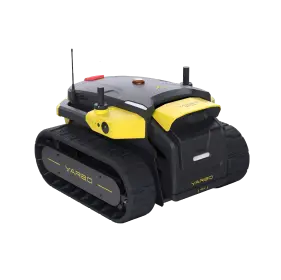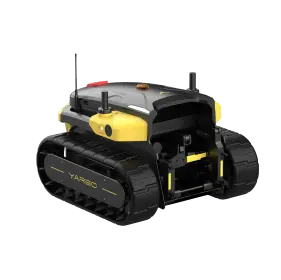
Proper storage for lawn equipment isn’t just about saving space; it’s about extending the lifespan of your tools, keeping them safe, and making sure they’re always ready for the next use. If you’ve been wondering how to store lawn mower in garage without clutter or damage, this guide has you covered.
We’ll walk through everything from fuel prep and blade care to smart garage storage solutions, and even highlight how Yarbo’s innovative robotic lawn care system eliminates many traditional storage hassles.

Table of Contents:
Why does Proper Storage for Lawn Equipment Matter?
Your lawn mower and equipment aren’t small investments. Storing them improperly can lead to:
-
Rust buildup from moisture.
-
Fuel system problems caused by stagnant gasoline.
-
Damage to blades and belts.
-
Safety hazards in a cluttered garage.
By learning the best ways to store lawn mower and lawn tools, you’ll:
-
Save money on repairs.
-
Prevent accidents.
-
Keep your garage organized.
-
Ensure your mower starts easily every season.
Preparing Your Lawn Mower for Storage
To maintain your lawn mower’s performance and longevity, follow these essential maintenance steps before storage:
1. Fuel system maintenance
Drain or stabilize the fuel to stop gum and varnish buildup. Warm the engine for a complete oil drain, then refill with the viscosity oil specified by the manufacturer.
2. Air filter care
Check the air filter for damage or obstruction, and replace it if necessary for airflow.
3. Lawn mower cleaning
Blow compressed air across the cooling fins and around the carburetor to remove fine debris.
Scrape the mower deck with a stiff brush to disregard caked grass that can trap moisture.
4. Spark plug inspection
Inspect the spark plug gap and electrode, replacing if fouled or eroded.
5. Lubrication
Lubricate wheel bearings and pivot points with a high-temperature grease to lower friction.
Confirm that every component is dehydrated before deciding how to store lawn mower in garage; residual moisture can cause rust and performance issues later.
How to Store Lawn Mower in Garage Safely?
Once your mower is prepped, focus on storing it safely.
-
Choosing the Right Storage Space
Keep your mower in a dry, ventilated spot away from direct sunlight and extreme cold.
-
Using Lawn Mower Covers for Protection
Covers prevent dust and moisture damage. Opt for a breathable, waterproof material.
-
Vertical vs Horizontal Storage
-
Vertical storage saves floor space (if your mower is designed for it).
-
Horizontal storage works best for standard models.
-
Storing Battery-Powered Lawn Mowers
Remove batteries and store them indoors at room temperature to prolong their life.
Smart Storage for Lawn Equipment
Your garage can easily become cluttered with tools. Here’s how to organize it better:
1. Wall-Mounted Racks and Hooks
Hang trimmers, blowers, and even push mowers on sturdy hooks to free up floor space.
2. Shelving Units for Smaller Tools
Store gardening gloves, oil, and accessories neatly.
3. Storage Cabinets for Seasonal Equipment
Cabinets with lockable doors are great for sharp or hazardous tools.

Finding the Best Spot in Your Garage for Your Lawn Mower
When deciding how to store lawn mower in garage spaces, you’ll want to balance temperature control, space efficiency, and accessibility. The right spot not only protects your equipment but also ensures it’s easy to use and maintain season after season.
Space Efficiency
First, measure your mower’s footprint. Most standard gas-powered push mowers take up around four square feet, though many modern models fold vertically to save space. If your garage is tight, wall-mounted brackets or hanging storage can keep the mower off the floor and reduce clutter.
The most important rule for how to store lawn mower in garage efficiently is to keep it away from car doors, walkways, and heavy foot traffic. For riding mowers, account for their larger turning radius and clearance around rear tires. Always store on a level surface to stabilize fuel and avoid oil leaks. A corner is often best—just make sure it won’t block airflow for your furnace or water heater.
Temperature Control
Engines and batteries are sensitive to extreme temperatures. In freezing conditions, engine oil thickens and resists circulation. In very hot garages, fuel can vaporize and cause pressure buildup. That’s why experts recommend keeping your garage between 40°F and 70°F (5℃–20℃) for ideal mower storage.
This stability isn’t just for gas mowers—electric mowers and their lithium-ion batteries also degrade more quickly in temperature extremes. If your garage isn’t insulated, a small box fan during summer or a heater rated for garage use in winter can help maintain balance. Just ensure any heating or cooling solution is safe and designed for enclosed spaces.
Accessibility
No matter how carefully you plan, storage is useless if your mower isn’t accessible. Place push mowers with the handle facing the garage door for quick roll-out. For riding mowers, leave a wide enough path for smooth entry and exit.
When considering how to store lawn mower in garage for easy access, also think about maintenance. Leave enough floor space to remove the deck, sharpen blades, or change the oil without moving other equipment. Keeping your mower close to your tool chest or workstation ensures you can handle small repairs and seasonal prep quickly.
Storage Tips for Different Types of Lawn Mowers
Whether it's a push, riding, or robotic mower, proper storage ensures that your equipment is safe, efficient, and ready for the next use.
Push Mowers
-
Remove or stabilize the fuel to avoid gum in the carburetor.
-
Clean the deck, then apply a thin oil film on exposed metal to stop rust.
-
Keep the spark plug wire disconnected.
-
Store the mower upright in a dry spot.
Riding Mowers
-
Run the engine dry or use a fuel shutoff valve to safeguard the fuel lines.
-
Disconnect the battery or hook it to a trickle charger to thwart sulfation.
-
Raise the cutting deck to relax belt tension.
-
Prop the tires if possible to avoid flat spots.
Robotic Mowers
-
Clean the undercarriage to remove fine debris that can jam drive wheels.
-
Charge the battery and store it in a stable-temperature area to protract battery life.
-
Inspect the boundary wire connections and update the firmware before downtime.
Yarbo Lawn Mower: Dependable Choice for Lawn Care
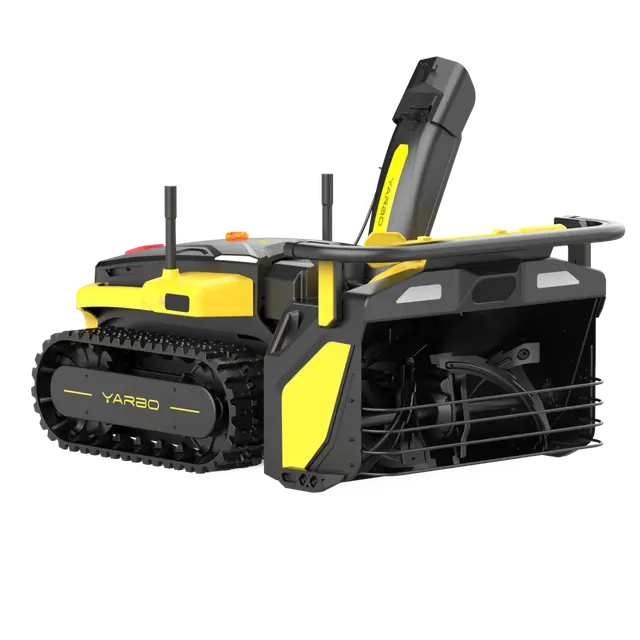
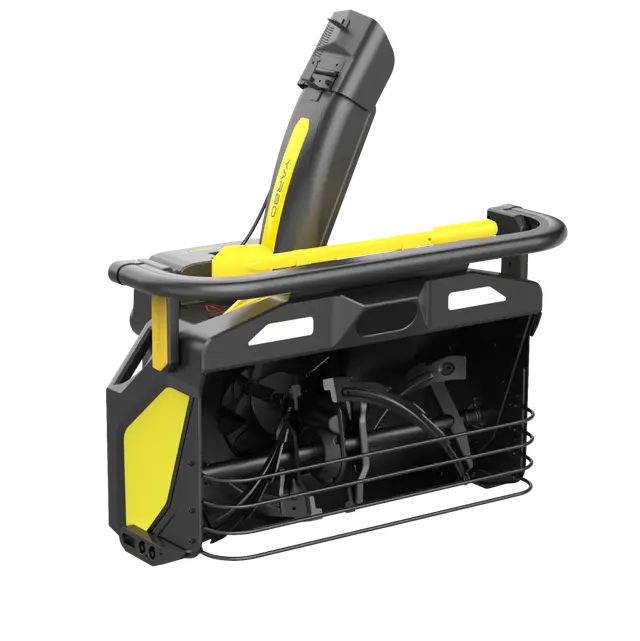
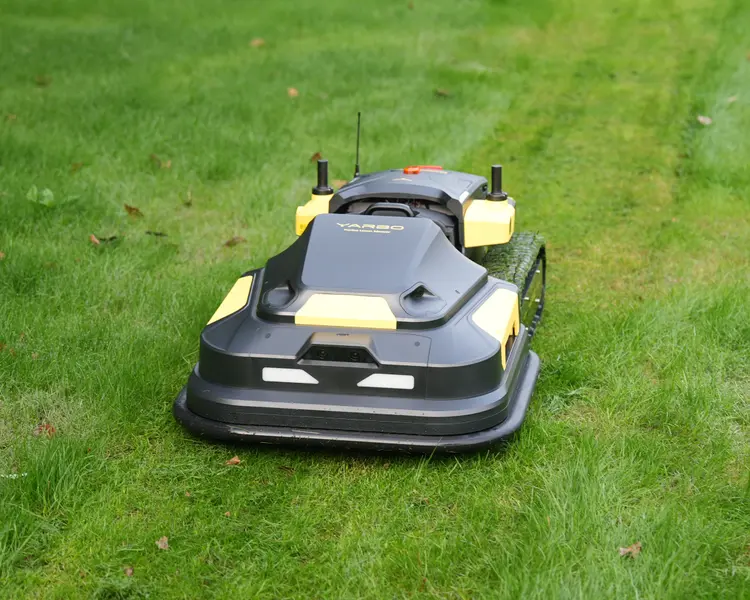
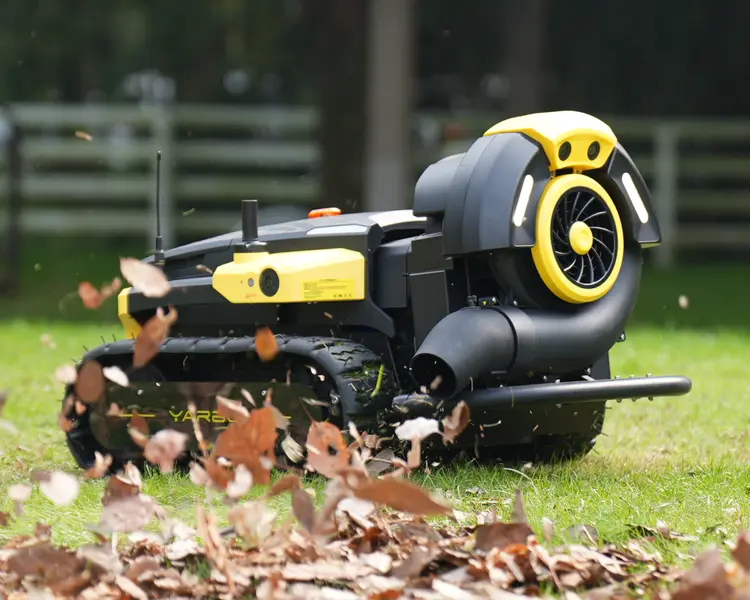
Honored with the CES Innovation Award, Yarbo focuses on smart, user-friendly solutions for yard care tasks like snow removal, lawn mowing, and leaf blowing. The Yarbo lawn mower is an autonomous robot designed for efficient and hands-free lawn care. Key features include:
-
High performance: This lawn mower robot navigates up to 6 acres on 35° slopeswith adjustable cutting height from 1.2-4 inches, suiting different needs of lawn mowing.
-
Advanced obstacle avoidance:Equipped with 3 cameras and 4 ultrasonic radars, it utilizes stereo vision for boundary mapping and obstacle avoidance.
-
Low noise operation: Operating at just 60 decibels, it provides a quiet mowing experience without disturbing the surroundings.

Knowing how to store lawn mower in garage correctly saves time, money, and frustration. From cleaning and prepping to smart organization, proper storage for lawn equipment keeps everything in top condition.
If you want to simplify storage altogether, Yarbo’s robotic system offers a smarter solution—engineered for performance, durability, and ease.
FAQs
1. Should I store my lawn mower with fuel in the tank?
No, either drain the fuel or use a stabilizer. Stale fuel causes engine issues.
No, either drain the fuel or use a stabilizer. Stale fuel causes engine issues.
2. Can I store my lawn mower outside?
Storage for lawn equipment outside is not recommended. Moisture and weather exposure lead to rust and damage.
3. How do I store an electric lawn mower in winter?
Clean it, remove the battery, and store it in a dry, indoor space.
4. Is it safe to hang a lawn mower on the wall?
Yes, if it’s designed for vertical storage and mounted securely.
5. Do I need to change the oil before storage for lawn equipment?
Yes, fresh oil prevents corrosion and engine wear.
Yes, fresh oil prevents corrosion and engine wear.
6. How does Yarbo reduce storage problems?
Yarbo’s modular design, weather resistance, and advanced build mean less maintenance and minimal storage requirements.
Yarbo’s modular design, weather resistance, and advanced build mean less maintenance and minimal storage requirements.
-7.png?w=1001&h=621)
 Private group · 33.0K members