.png?w=1280&h=720)
Winter cleanup can be exhausting, especially when the snowfall is heavy, wet, and piled higher than your boots. That’s exactly why self-propelled snow blowers have become so popular among homeowners. They reduce the physical work it takes to clear snow by moving forward on their own, almost like a lawn mower with built-in assistance. If you’ve ever struggled pushing a standard snow blower up an icy driveway, you already know why people search for the best self-propelled snow blower every season.
But here’s the big question most homeowners ask: Are self-propelled snow blowers actually worth the extra cost, or is it better to buy a cheaper manual-push model?
This guide breaks everything down simply, how they work, who needs them, when a riding snow blower is better, and how smart alternatives (like autonomous snow robots) may outperform both.
Let’s dig in.
Table of Contents:
What Are Self-Propelled Snow Blowers and Why Do They Matter?
A self-propelled snow blower is a snow-clearing machine equipped with a drive system that moves the unit forward automatically. Instead of pushing 150 to 300 pounds of machinery through snow, you simply squeeze the drive handles — and the machine moves itself.
Why Do They Matter?
Because winter isn’t getting any gentler.
Many areas now experience:
-
Heavier, wetter snow
-
More frequent storms
-
Larger driveway clearing loads
-
Colder temperatures that create icy surfaces
The average homeowner does 35–45 minutes of snow clearing per storm using a standard snow blower. With a self-propelled system, that time often drops by nearly half.
Are Self-Propelled Snow Blowers Worth the Extra Cost?
In most cases — yes, absolutely. Here’s why the investment usually pays off:
-
Reduced Physical Strain
Trying to push a snow blower uphill or through compacted snow is a nightmare. Self-propelled units remove that effort entirely.
-
Faster Clearing
These machines maintain steady forward motion, making your clearing speed more predictable.
-
Better for Larger Properties
If your driveway is long or sloped, a push-only blower loses value quickly.
-
Higher Durability
Most self-propelled machines are built as mid- to high-tier models, so you also get:
-
Better steel housing
-
Stronger engines
-
Longer warranties
Types of Driving Systems
| Drive Type | Best For | Notes |
| Single-Speed | Small driveways | Simple but limited |
| Multiple-Speed | Medium/large areas | Better control |
| Track Drive | Icy or steep slopes | Maximum traction |
Machines with track drives often feel like small tanks — slow but extremely stable.
Self-Propelled vs Non–Self–Propelled: What’s the Real Difference?
A lot of buyers struggle with this comparison.
| Feature / Category | Self-Propelled Snow Blower | Non–Self Propelled Snow Blower |
| Effort Required | Very Low Effort — Machine moves forward automatically. The operator only guides direction. Ideal for users with limited mobility or strength. | ★★ High Effort — Must push full machine weight (80–300 lbs). Gets extremely tiring in deep, wet snow. |
| Clearing Speed | Fast & Consistent — Maintains steady speed regardless of snow density. Multiple speed settings improve efficiency. | Slower & Variable — Speed depends on user strength and snow conditions. Slows down significantly in heavy or compacted snow. |
| Performance in Heavy Snow | Excellent. Strong drive system helps push through dense piles without stalling. | Poor to Moderate. Requires force to break through heavy or wet snow. Users often have to stop and rest. |
| Slope Performance | Best for Sloped Driveways — Wheel or track drives provide traction on hills and icy surfaces. | ★★ Difficult on Slopes — Pushing uphill is exhausting and unsafe. Slips easily on ice. |
| Traction Control | Superior. Track-drive models grip like a small snow tank. | Limited. Wheel spin is common in icy areas. |
| User Fatigue | Minimal. Few physical demands. | High. Causes arm, shoulder, and back strain. |
| Ease of Maneuvering | Medium. Heavier machines, but drive system compensates. Power steering often included. | Light to medium weight, but pushing through snow makes maneuvering harder than expected. |
| Best For | - Large or sloped driveways |
When Should You Choose a Riding Snow Blower Instead?
A riding snow blower becomes a better choice when:
-
You have a very large property
-
You clear private roads or long drive paths
-
You physically cannot walk behind a blower
-
You want the fastest possible clearing
Riding models are powerful but expensive, usually $3,000–$5,500 for mid-range units.
How Self-Propelled Snow Blowers Solve Winter Pain Points?
Here’s how they help:
- Physical Relief: No pushing, no lifting, no strain.
- Faster Clearing: Steady drive speeds improve efficiency.
- Slope Control: Propelled wheels or tracks grip better on inclines.
- Handling Wet Snow: Stronger augers help break down slushy buildup.
- More Control: Speed adjustments let you match snow density.
.png?w=1280&h=720)
Overall, they make winter easier, especially for older adults or homeowners with large driveways.
Who Should Buy a Self-Propelled Snow Blower?
This machine is ideal for:
-
Homeowners with long or sloped driveways
-
Areas with frequent snowstorms
-
Anyone who finds winter cleanup physically demanding
-
Older homeowners
-
People who want faster snow removal
Not ideal for:
-
Small patios
-
Light snow regions
-
Extremely tight budgets
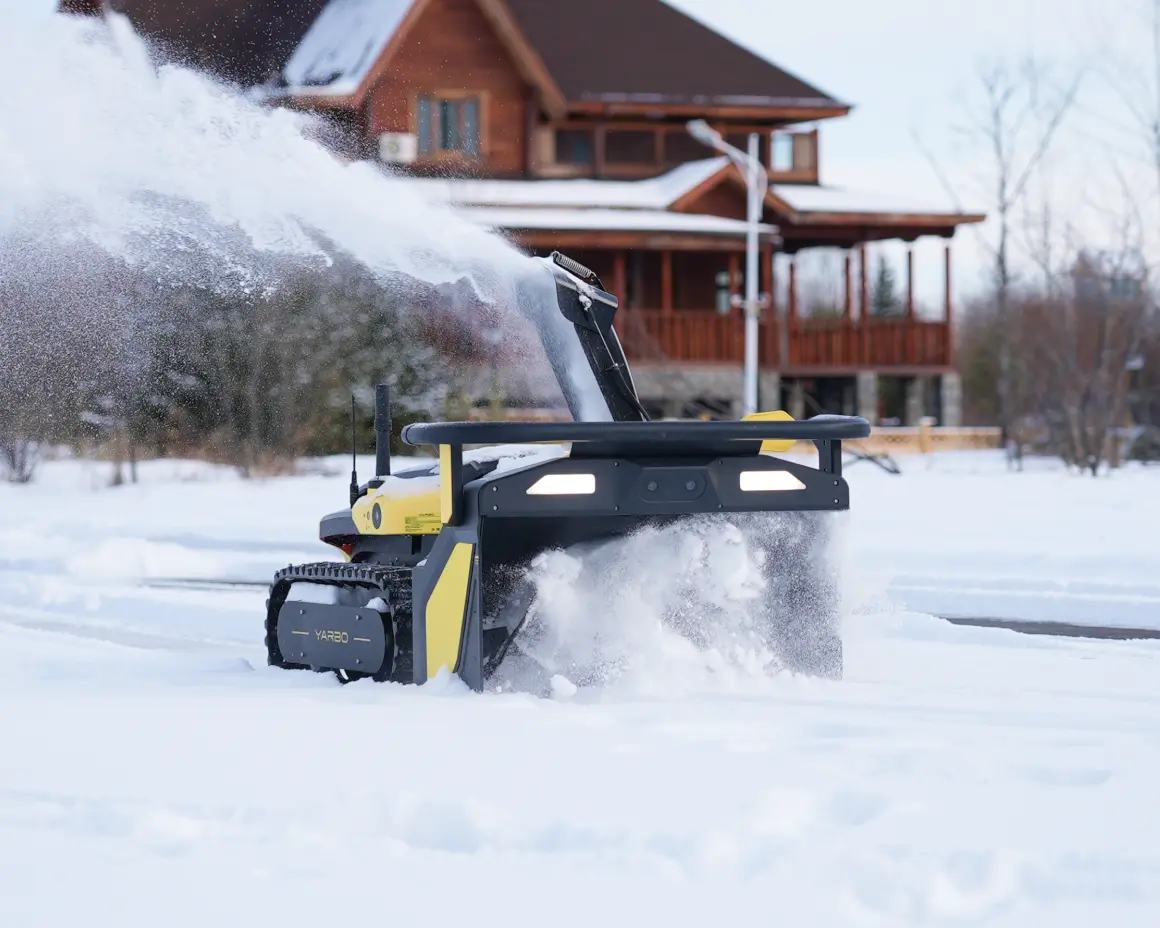
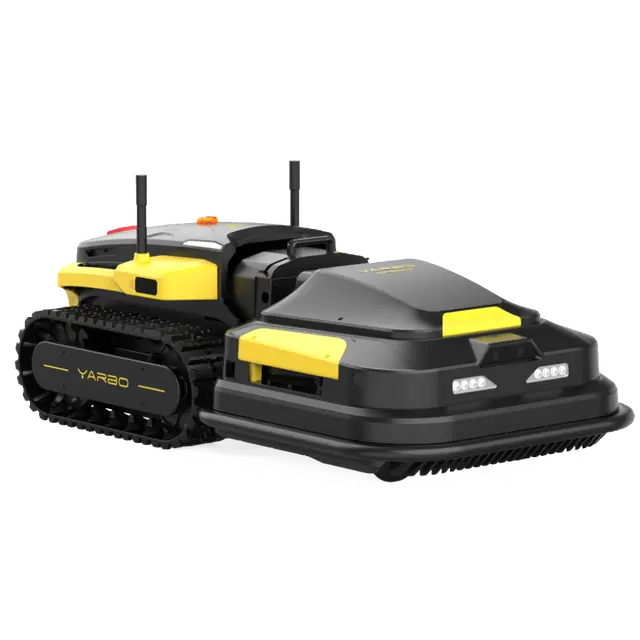
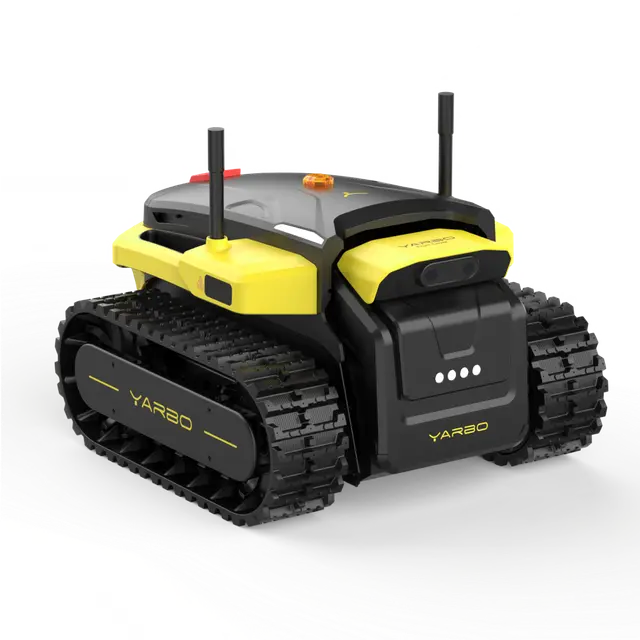
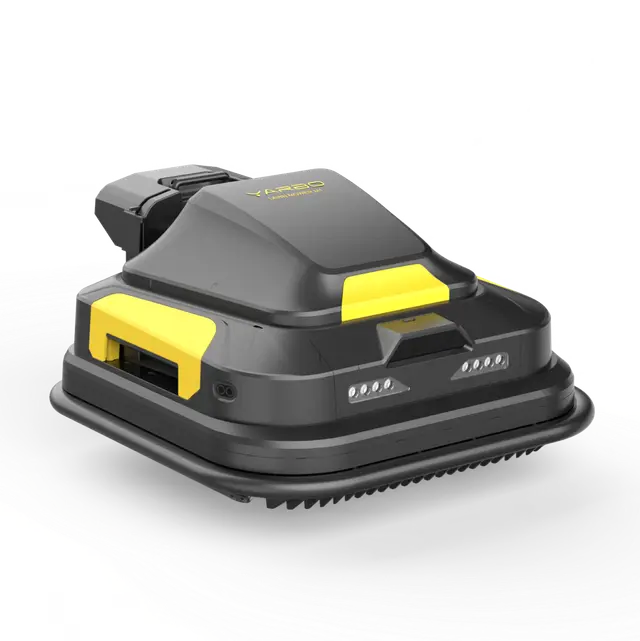
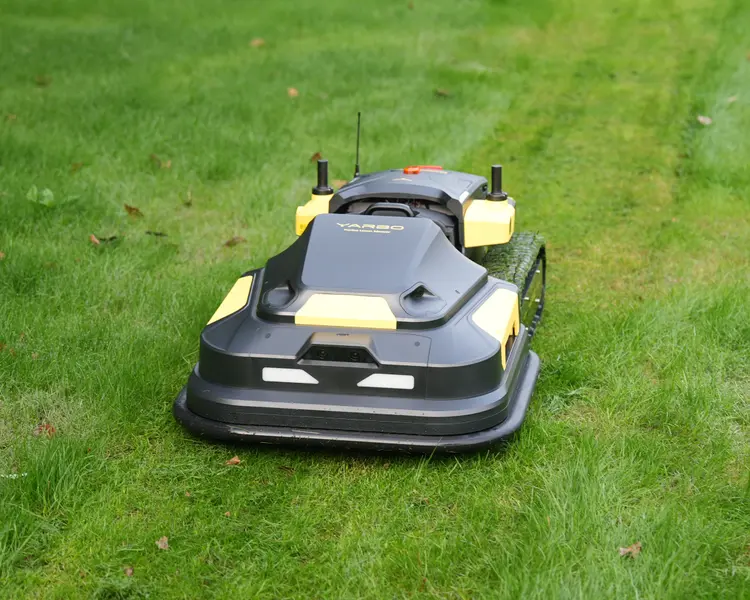
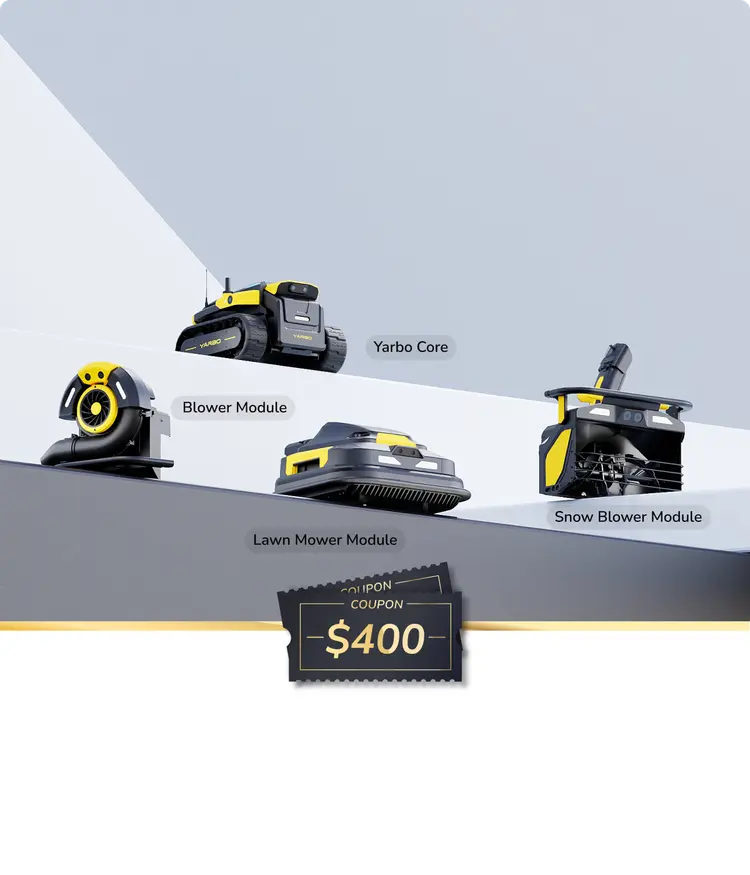
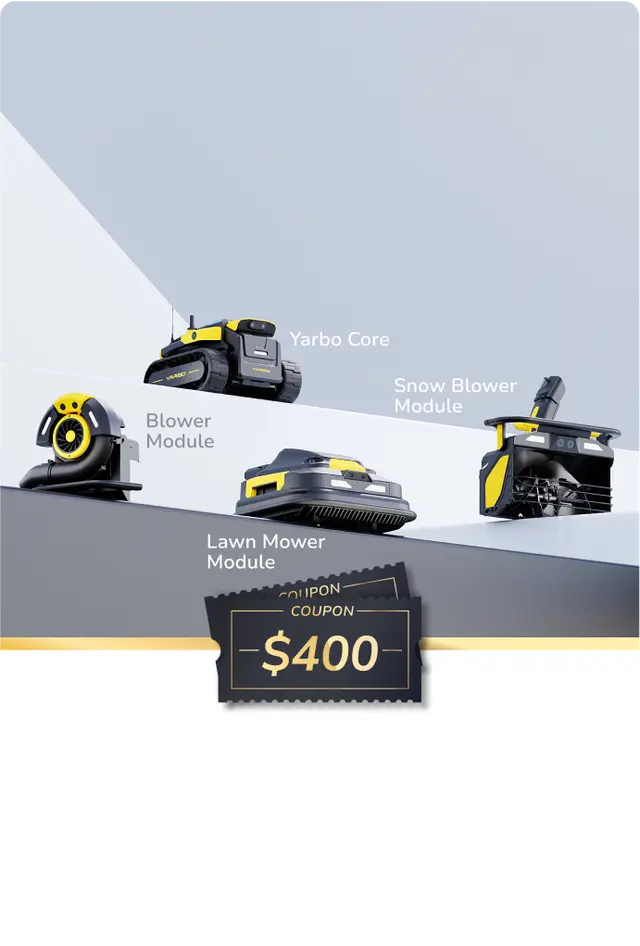
How Autonomous Alternatives Like Yarbo Compare?
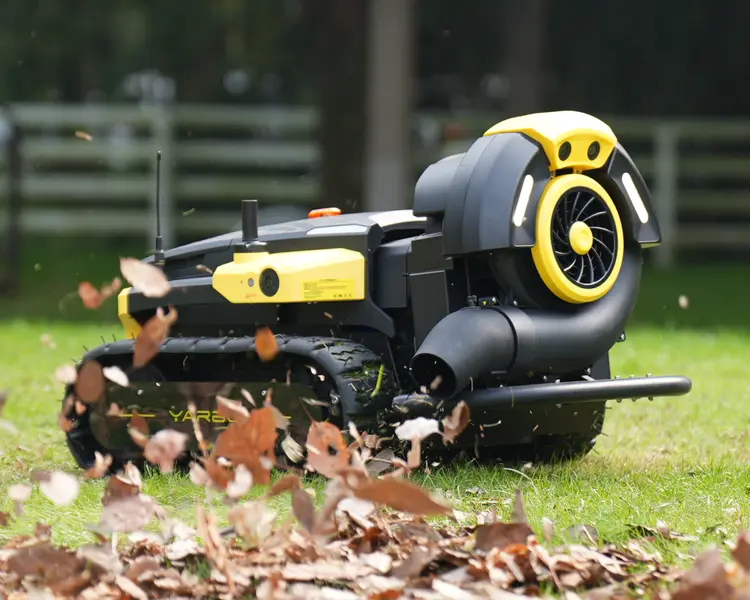
While self-propelled models are great, autonomous snow removal robots are changing the industry — especially for people who want zero physical effort.
-
Higher Resale Value
A well-maintained self-propelled model resells 20–30% higher than manual models.
But yes, they do cost more, usually $900–$2,500 depending on size and build. We explain costs in detail later.
How Do Self-Propelled Snow Blowers Work?
A self-propelled snow blower uses a transmission to power the wheels or tracks. When you activate the drive system:
-
Power transfers from the engine to the wheel axle.
-
Wheels begin rotating automatically.
-
You simply steer and guide the machine.
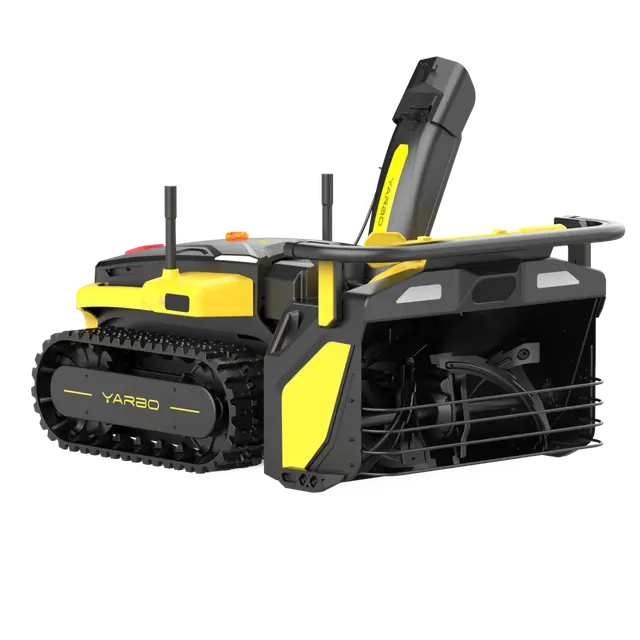
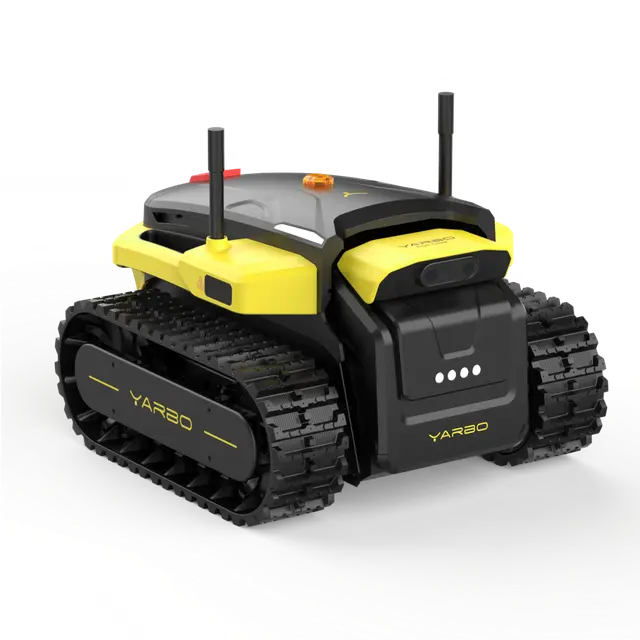
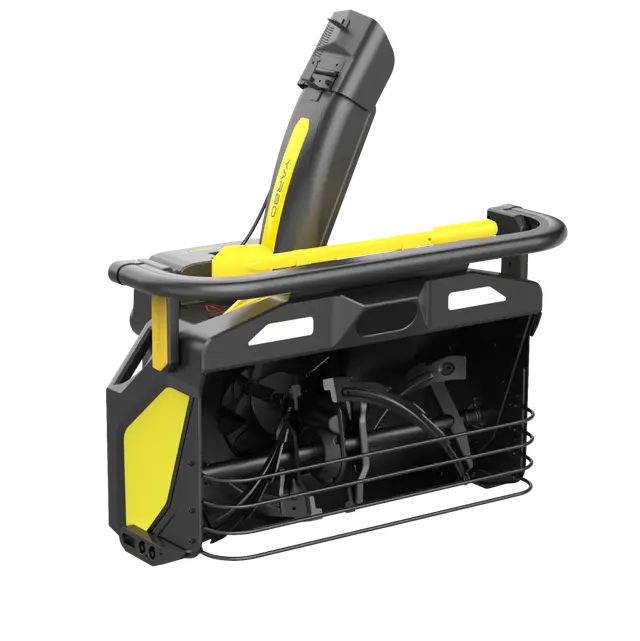
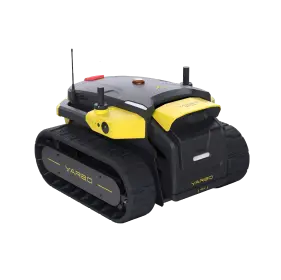
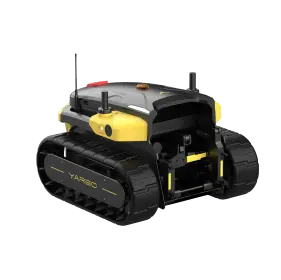
Yarbo Snow Blower is one example with strong snow handling ability, intake height of 12 in, and throwing distance of 40 ft. It uses:
.png?w=2214&h=1600)
-
RTK GPS precision navigation
-
Obstacle detection
-
Automatic route planning
-
No pushing, driving, or guiding
-
Fully autonomous clearing
Unlike traditional blowers, Yarbo works on its own, can run on schedules, and even clears after multiple storms without you stepping outside.
For homeowners who hate winter work, this can be far more convenient than a self-propelled or riding snow blower.
Conclusion
Self-propelled snow blowers are a smart upgrade for homeowners dealing with heavy snow, large driveways, or steep inclines. They save time, reduce physical effort, and handle tougher conditions better than manual-push models. Whether you choose a mid-size model or a riding snow blower, the investment pays off in long-term convenience.
For homeowners who want effortless snow removal, autonomous robotic options like Yarbo bring a new level of convenience that traditional blowers can’t match.
FAQs
1. Are self-propelled snow blowers easier to use?
Yes. The drive system pushes the machine forward, reducing physical effort.
2. Is a self-propelled model good for steep driveways?
Yes — especially track-drive versions, which offer strong traction, for example, Yarbo, 70% climbing ability
3. How long do self-propelled snow blowers last?
With maintenance, 10–20 years is common.
4. Is a riding snow blower better than a walk-behind?
Only if you have a large property or a long driveway and also save a lot of time and energy.
5. Are self-propelled snow blowers worth the money?
For heavy snow regions or slopes, they’re absolutely worth the investment.
6. Are there better alternatives to self-propelled models?
Autonomous robots like Yarbo offer more convenience, especially for frequent snowstorms.
-7.png?w=1001&h=621)
 Private group · 33.0K members