Choosing the right lawn mower is essential for efficient maintenance of property, especially if you manage large lawns or multiple commercial sites.
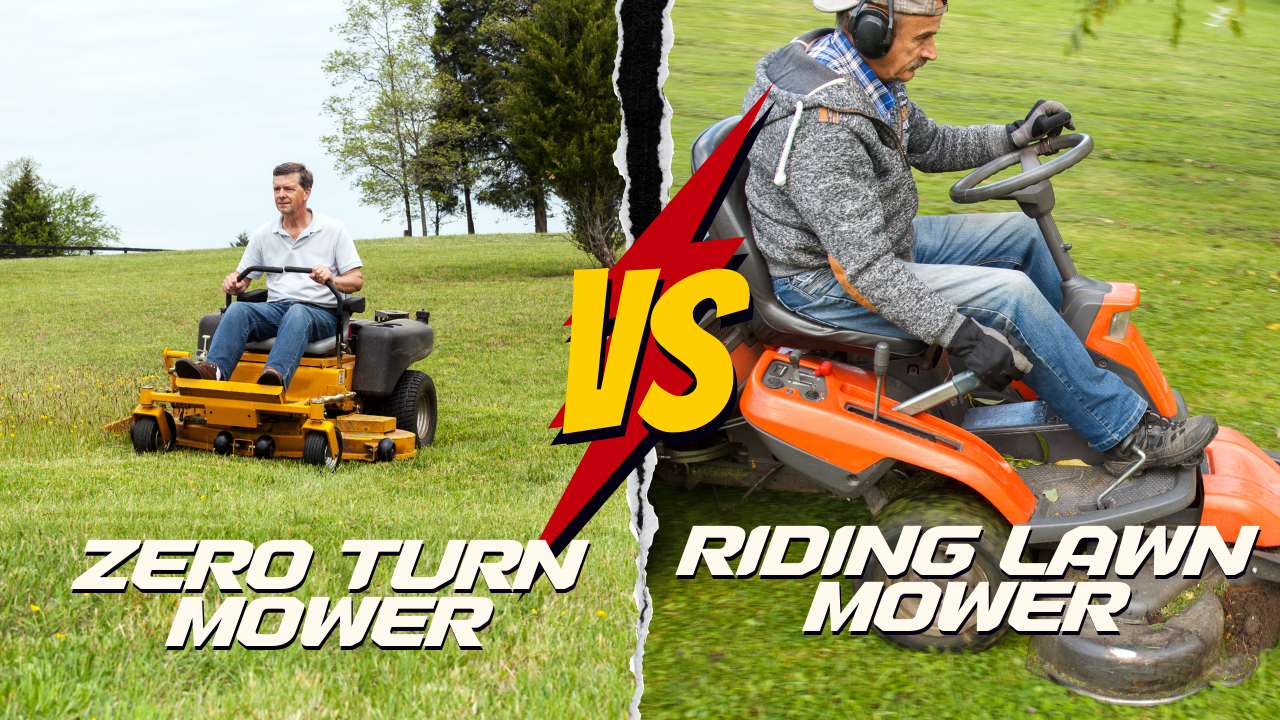
When it comes to commercial mowers, two heavy-hitters dominate the conversation: riding mower vs zero turn. There are distinct pros and cons of riding mower vs zero turn mowers in terms of speed, precision, cost, and versatility. The right choice depends on your lawn size, terrain, and overall landscaping needs.
This guide compares the two, helping you decide whether speed and maneuverability or stability and versatility matter more for your mowing routine.
Table Of Contents:
What Is a Zero Turn Mower?
A zero-turn mower is a commercial lawn mower designed for high-speed, precision cutting. It uses independent wheel motors, allowing it to pivot on its own axis with a zero-degree turning radius. This makes it ideal for navigating around trees, flower beds, and complex landscaping without leaving uncut patches.
Popular with both homeowners and professional landscapers, zero-turn mowers are built for efficiency and productivity—making them a top choice for commercial mowers on large, flat properties.
Key Features and Benefits of Zero Turn Mowers
-
Zero-Degree Turning Radius
Unlike riding mowers that need more space to turn, zero-turn models pivot in place, giving you unmatched control in tight spaces.
-
High-Speed Mowing
With top speeds of 7–8 mph, zero-turn mowers can cover large lawns in less time. Paired with wider cutting decks (48–54 inches), they reduce mowing time significantly.
-
Professional-Grade Precision
Their design allows for cleaner turns and reduced trimming work, which is ideal for commercial properties mowing with detailed landscaping.

Pros and Cons of Zero Turn Mowers
Pros
-
Faster mowing times – Ideal for properties over two acres.
-
Excellent for obstacle-heavy lawns – Perfect for intricate landscaping layouts.
-
Polished results – Reduces the need for secondary trimming.
Cons
-
Higher upfront cost – Mid-range commercial zero-turn mowers cost $3,000–$5,000.
-
Not suited for steep slopes – Stability can be an issue on uneven terrain.
-
Specialized maintenance – Hydrostatic transmissions and other components often require professional servicing.
What Is a Riding Mower?
A riding mower, or lawn tractor, allows you to sit and steer using a traditional steering wheel. It’s slower than a zero-turn but offers more stability and versatility—especially valuable for properties with mixed terrain.7
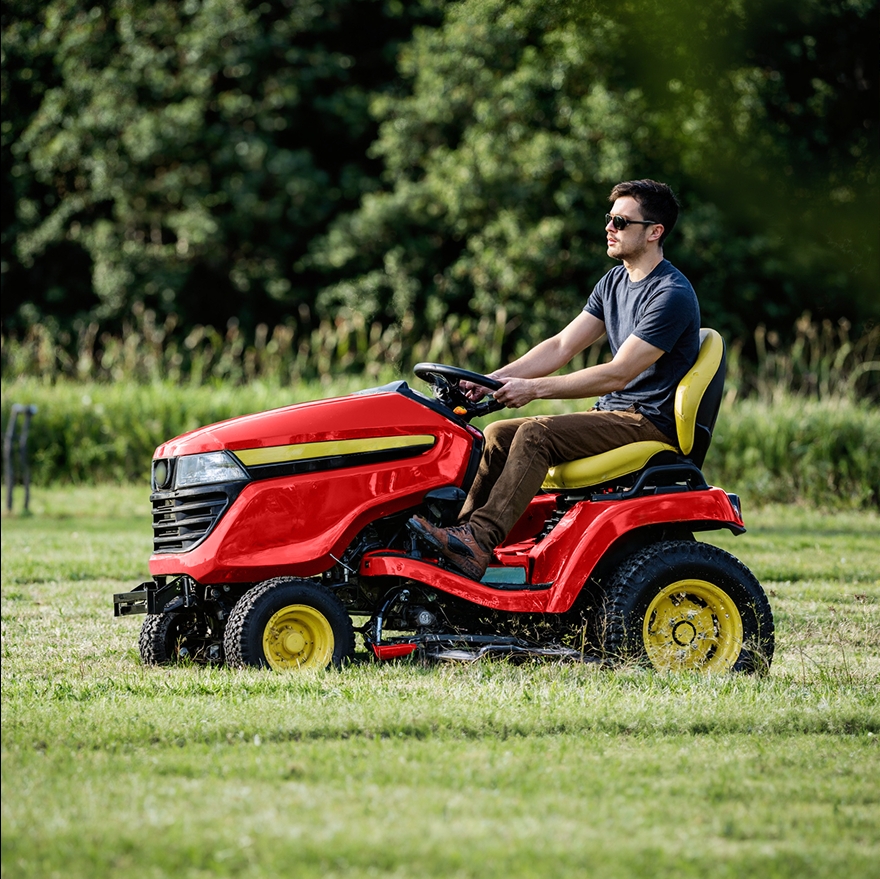
For maintenance of property that involves more than mowing, riding mowers can be equipped with a wide range of attachments, making them a versatile choice for year-round work.
Key Features and Benefits of Riding Mowers
-
Comfort and Ease of Use
Ergonomic seating and intuitive controls make riding mowers comfortable for extended mowing sessions.
-
Versatile Attachments
From snow plows to aerators, riding mowers can handle more than just mowing—making them valuable in all seasons.
-
Stability on Slopes
Better suited for uneven or hilly lawns, riding mowers provide safe and steady performance.
Pros and Cons of Riding Mowers
Pros
-
More affordable – Entry-level models start at around $1,500.
-
Versatile – Accept multiple attachments for various property maintenance tasks.
-
Stable on slopes – Safer for uneven terrain.
Cons
-
Slower mowing speed – Usually 4–5.5 mph.
-
Less precise – Requires more space to turn and may need extra trimming.
-
Narrower cutting decks – Typically 42–46 inches, meaning more passes on large lawns.
Side-by-Side Comparison: Riding Mower vs Zero Turn
| Feature | Zero-Turn Lawn Mower | Riding Lawn Mower |
| Maneuverability | Extremely agile with a near-zero turning radius, allowing precise mowing around trees, flowerbeds, and tight spaces. Ideal for complex landscapes. | Moderate turning radius, making it less effective in navigating around tight spots. Better suited for open, unobstructed lawns. |
| Speed | Typically faster, with mowing speeds ranging from 5–8 mph, reducing mowing time for large yards. | Slower, generally 3–5 mph, so mowing can take longer, especially on larger properties. |
| Cut Quality | Provides a cleaner, more consistent cut due to the ability to maintain a steady line and speed even around obstacles. | Good cut quality but can be uneven in tight or tricky areas where multiple passes are needed. |
| Terrain Handling | Performs best on flat or slightly uneven ground; struggles on steep slopes because of traction limitations. | More stable on slopes and uneven ground due to traditional steering and lower center of gravity. |
| Learning Curve | Requires practice to master dual-lever steering; can be challenging for beginners. | Easier to operate with a standard steering wheel, making it more beginner-friendly. |
| Comfort & Ergonomics | Often comes with high-back seats and suspension options, but rougher ride on uneven terrain due to higher speed. | Generally offers a smoother ride on uneven ground and feels more like driving a small car. |
| Versatility | Primarily designed for mowing; limited options for attachments like snow plows or garden carts. | Can tow a variety of attachments, such as spreaders, carts, and snow blowers, making it more versatile for year-round use. |
| Maintenance | More complex hydrostatic drive systems may require higher maintenance costs over time. | Simpler mechanics and drive systems make them easier and often cheaper to maintain. |
| Cost | Higher price point — quality residential models start around $3,000–$5,000, with commercial models exceeding $10,000. | More affordable — entry-level models start around $1,500–$3,500, with premium versions going higher. |
| Best For | Large, flat yards with many obstacles; homeowners or landscapers who prioritize speed and precision. | Medium to large lawns, especially those with slopes, uneven ground, or mixed tasks beyond mowing. |
Choosing the Right Mower for Your Property Maintenance
When deciding between a Zero turn vs riding mower, consider these key factors:
-
Lawn Size
-
Over 2 acres: Zero-turn mowers save time and deliver professional-quality cuts.
-
Under 2 acres: Riding mowers are cost-effective and versatile.
-
-
Terrain Type
-
Flat or obstacle-heavy lawns: Zero-turn mowers excel in maneuverability.
-
Hilly or uneven lawns: Riding mowers offer better stability and safety.
-
-
Budget
-
Zero-turns cost more upfront but save time on large properties.
-
Riding mowers are more affordable and require simpler maintenance.
-
-
Year-Round Needs
-
If you need snow removal, leaf collection, or aeration, riding mowers with attachments offer greater versatility.
-
Selecting the right mower depends on your lawn size, terrain complexity, and desired level of maintenance convenience. While traditional push or riding mowers are suitable for all types of yards. However, advanced solutions like robot lawn mowers are transforming how homeowners maintain their properties.
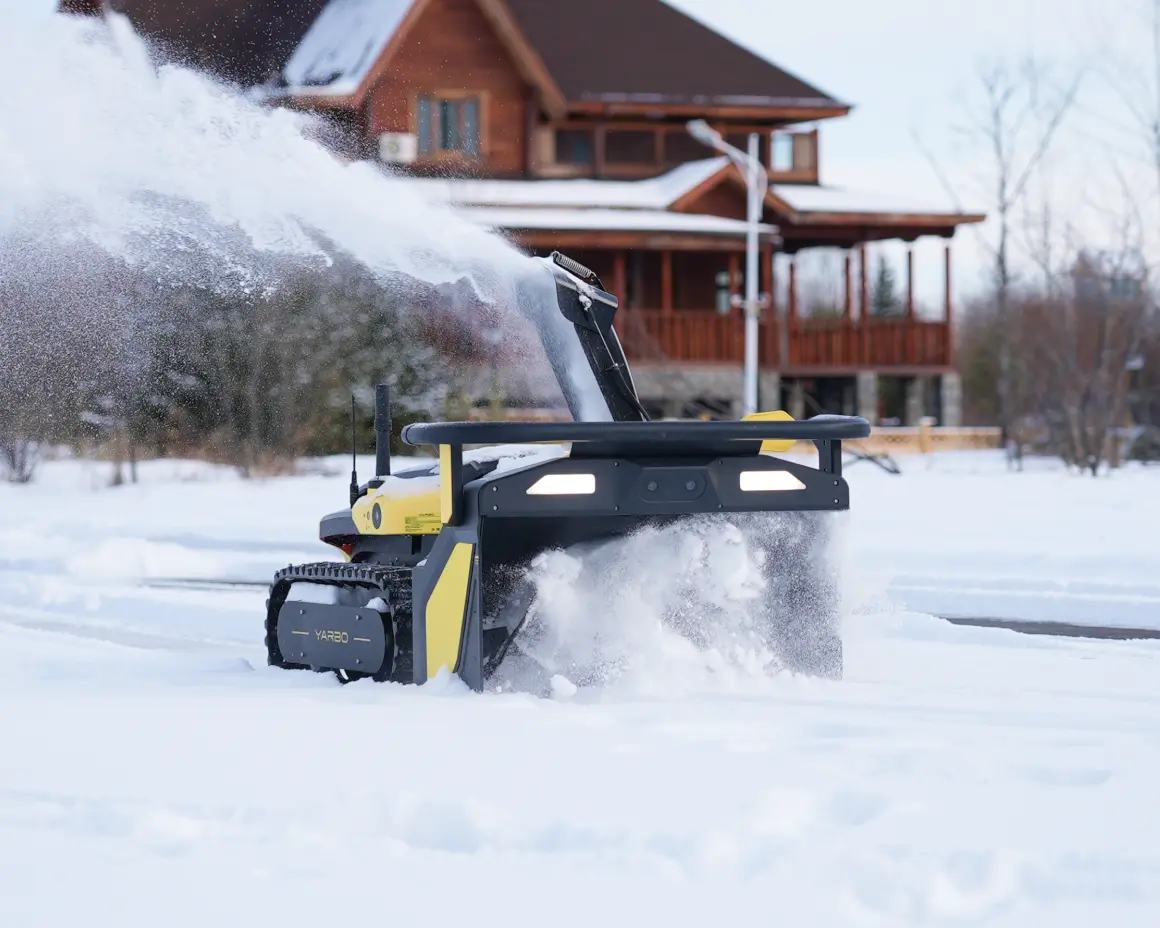
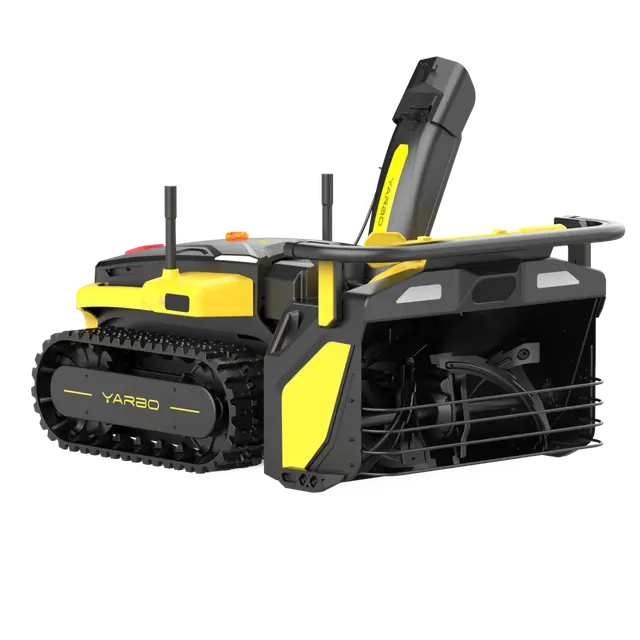
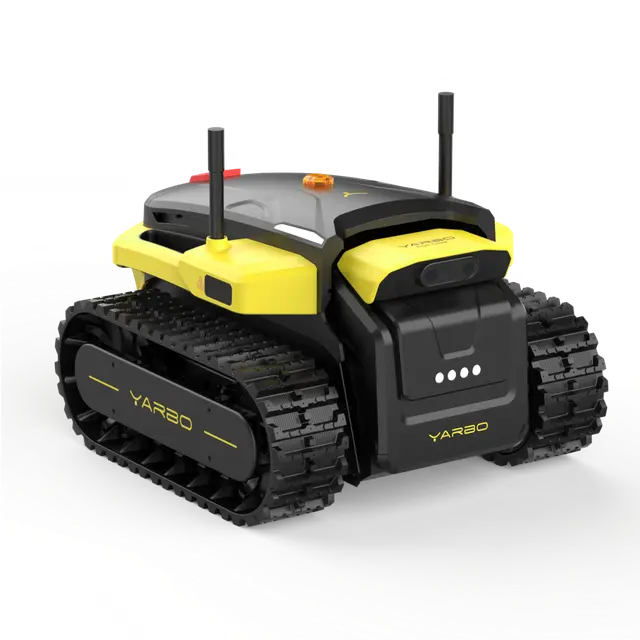
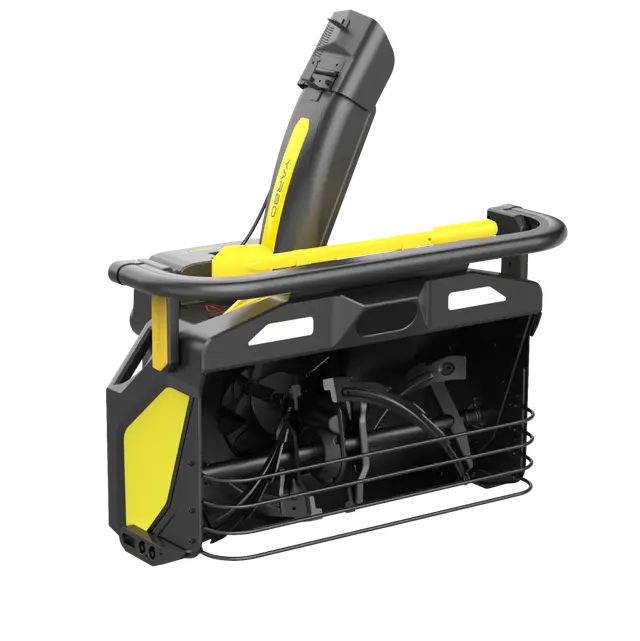
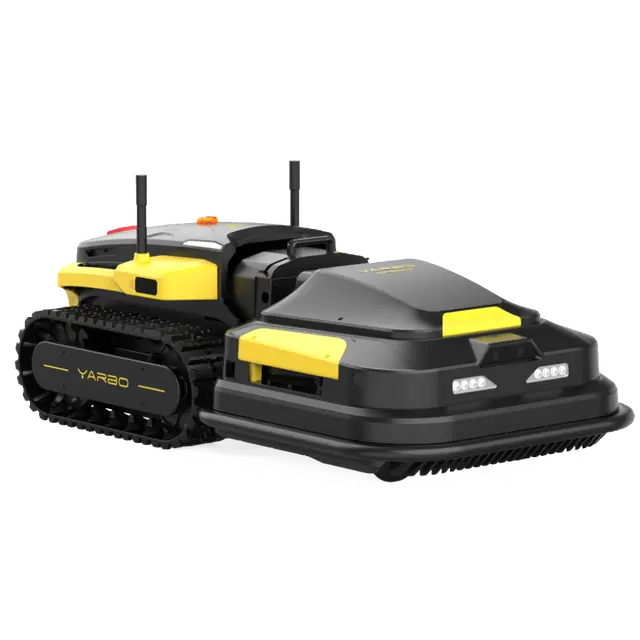
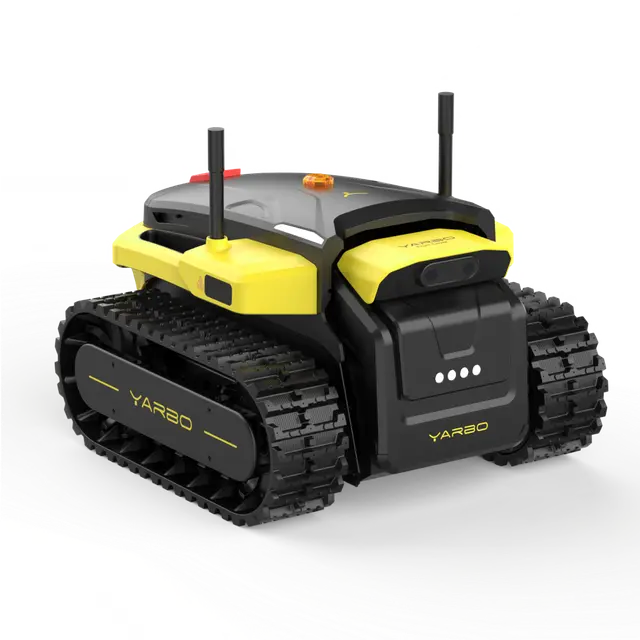
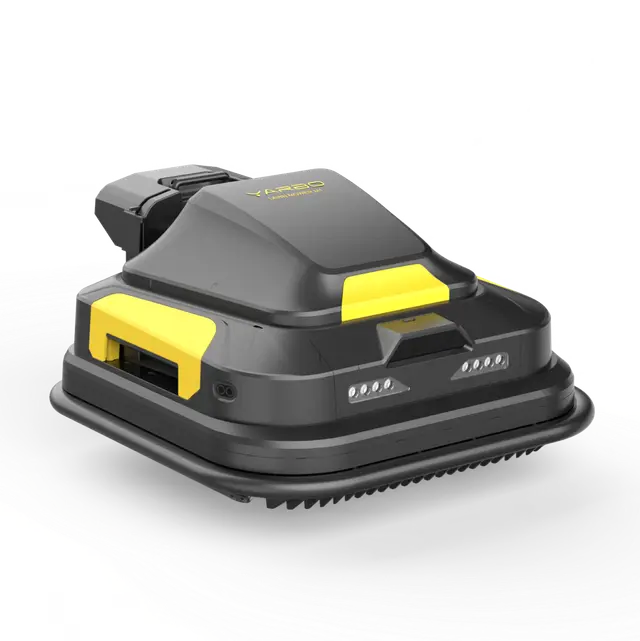
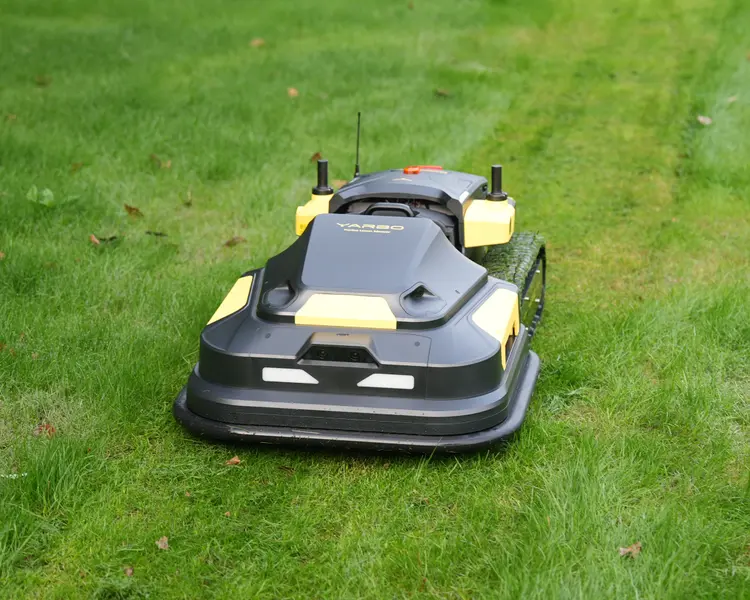
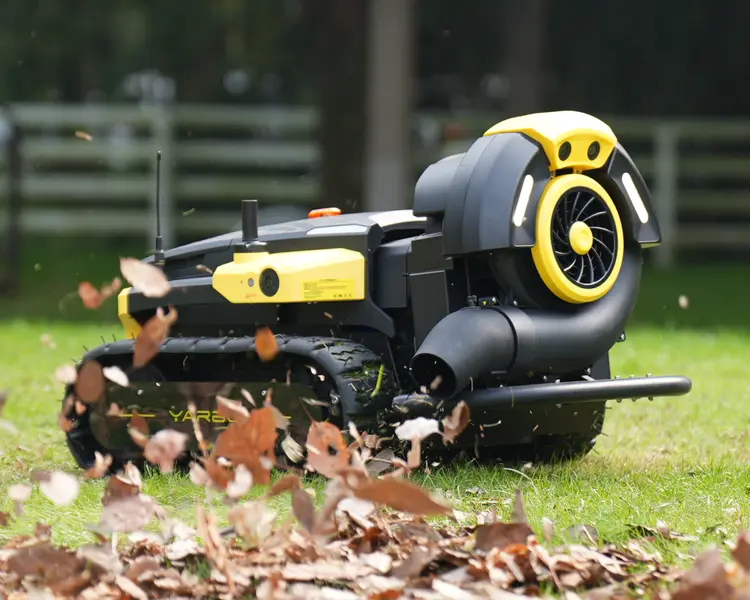
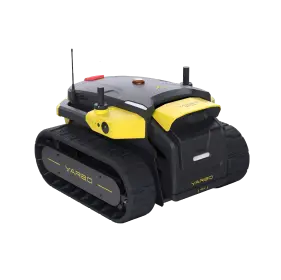
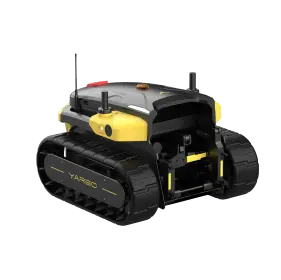
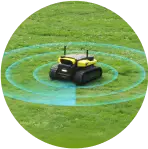
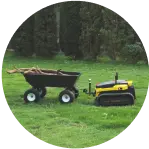
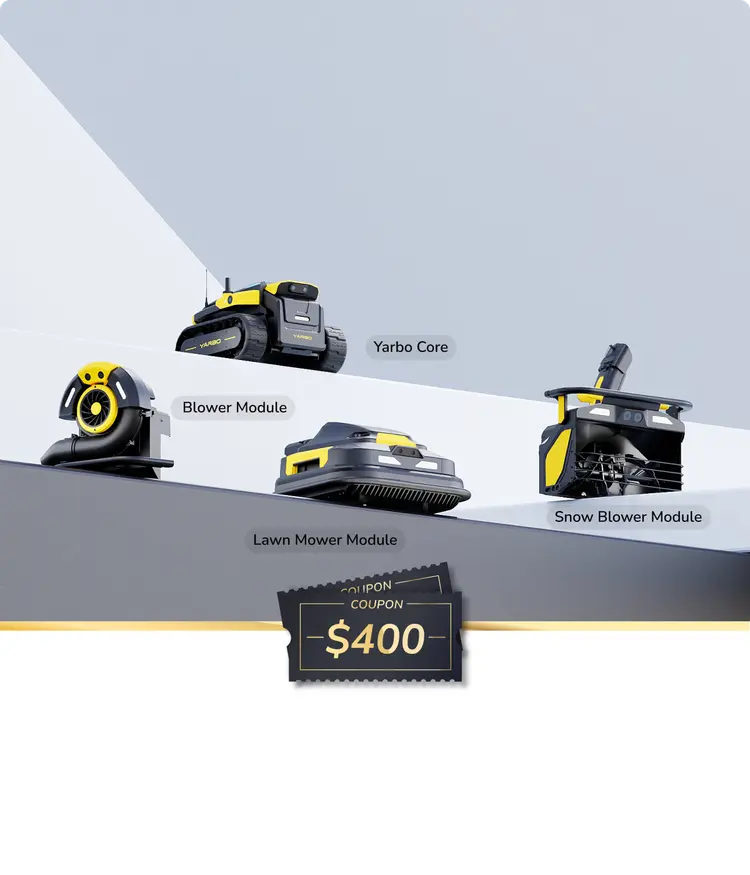
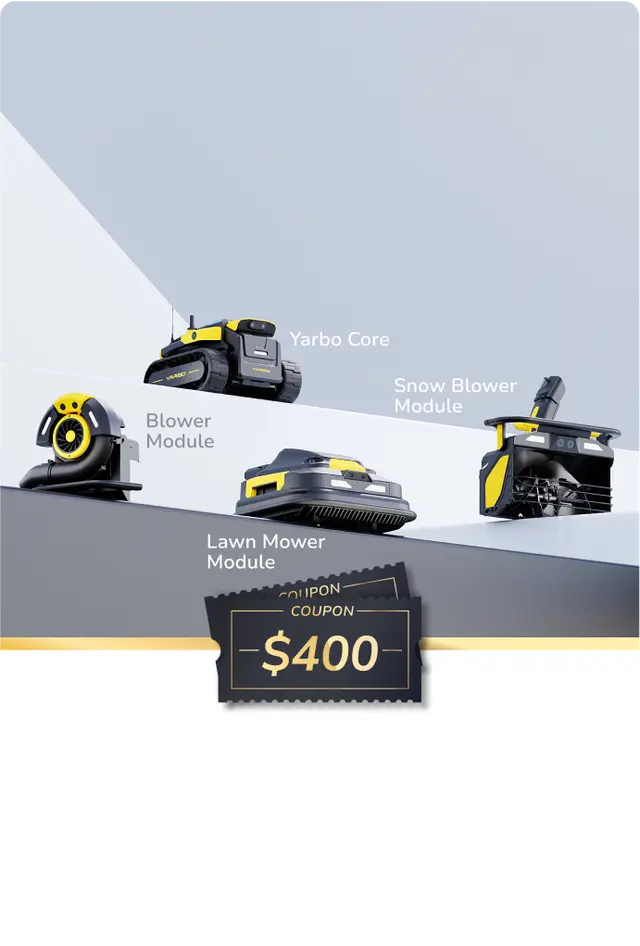
Have you considered upgrading to a robot mower like the Yarbo Lawn Mower Module? Designed for large and complex yards, Yarbo handles slopes, uneven ground, and thick grass with ease—saving you time and eliminating the need for hired help. Its modular design means you can switch between mowing, snow blowing, and leaf blowing with the same core unit, making it a year-round investment.
Final Thoughts
Both zero-turn and riding mowers can serve as excellent commercial mowers, but the right choice depends on your property’s size, terrain, and your long-term maintenance of property goals.
-
Choose a Zero Turn Mower if you manage large, flat lawns where speed and precision are top priorities.
-
Choose a Riding Mower if you need an affordable, all-around machine for varied terrain and year-round tasks.
Have you considered whether a robot lawn mower like Yarbo could replace or complement your current mower for even greater efficiency and lower maintenance?
By aligning your choice with your lawn care needs, you’ll not only enhance efficiency but also extend the lifespan of your equipment—keeping your property looking its best.
Explore Yarbo’s advanced robotic mowers today and experience the future of commercial lawn care.
FAQ
-
What is the main difference between a riding mower vs zero turn?
Zero-turn mowers focus on speed and precision, making them ideal for large, flat lawns. Riding mowers prioritize comfort and versatility, performing better on uneven terrain. Between zero turn vs riding mower your choice depends on your lawn's size, terrain, and mowing needs.
-
Can a zero-turn mower handle hills?
Zero-turn mowers struggle on steep slopes due to stability issues. They work best on flat or gently sloping lawns. If your yard has significant inclines, a riding mower offers better safety and performance.
-
Are riding mowers cheaper to maintain?
Yes, riding mowers are easier and cheaper to maintain. Their simpler mechanics and widely available parts make repairs more affordable. Zero-turn mowers often require specialized servicing, increasing maintenance costs. Yarbo’s electric system has fewer moving parts than gas-powered mowers, reducing maintenance costs. Software updates are delivered over-the-air, keeping performance optimized without expensive servicing.
-
Which mower is better for a small lawn?
For small lawns, riding mowers are more practical. Their narrower cutting decks and steady pace suit compact spaces. Zero-turn mowers are better for larger properties where speed and precision matter.
-
What is the main difference between Yarbo and traditional mowers?
Yarbo is fully autonomous and requires no manual operation, while traditional mowers like zero-turn and riding models require your time and effort. Yarbo’s wire-free navigation and smart mapping make it ideal for both simple and complex properties.
-7.png?w=1001&h=621)
 Private group · 33.0K members