.png?w=720&h=480)
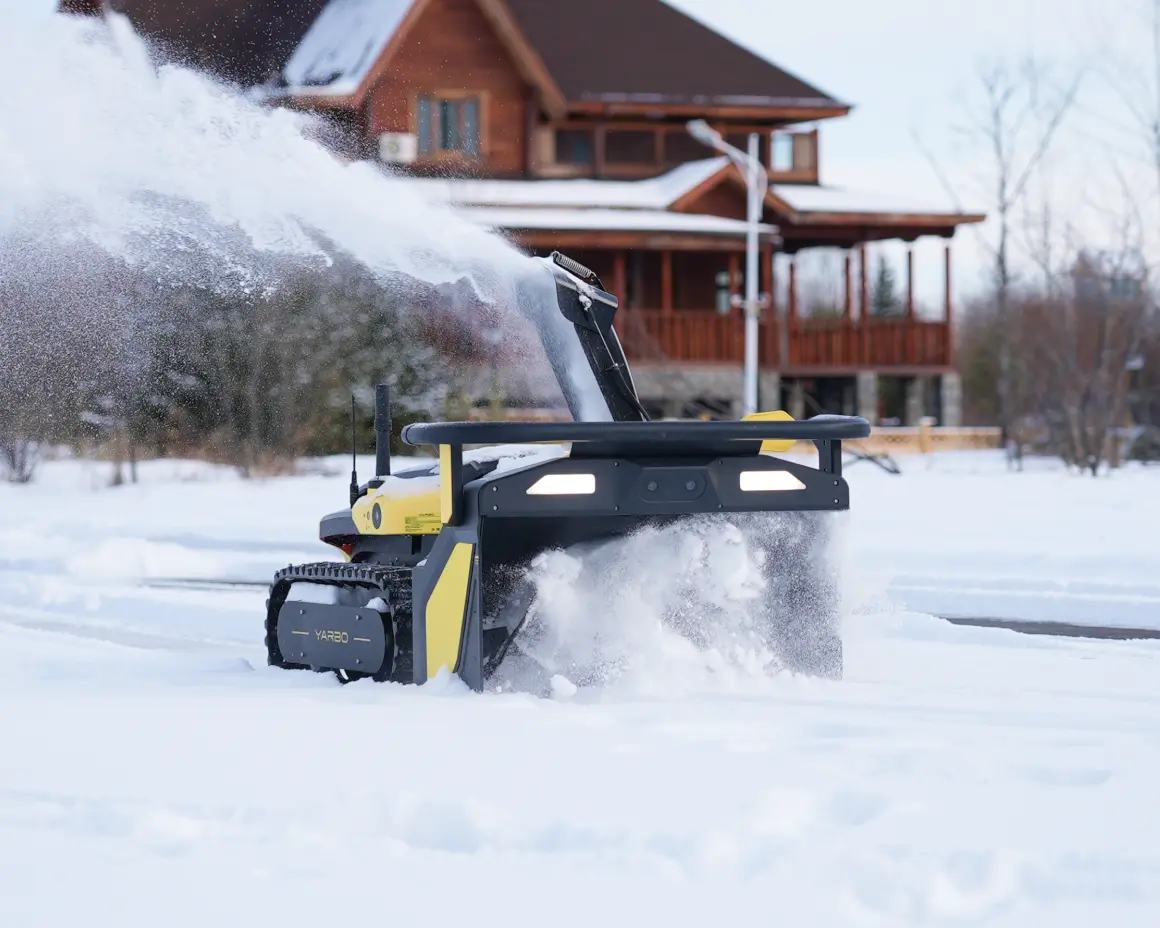
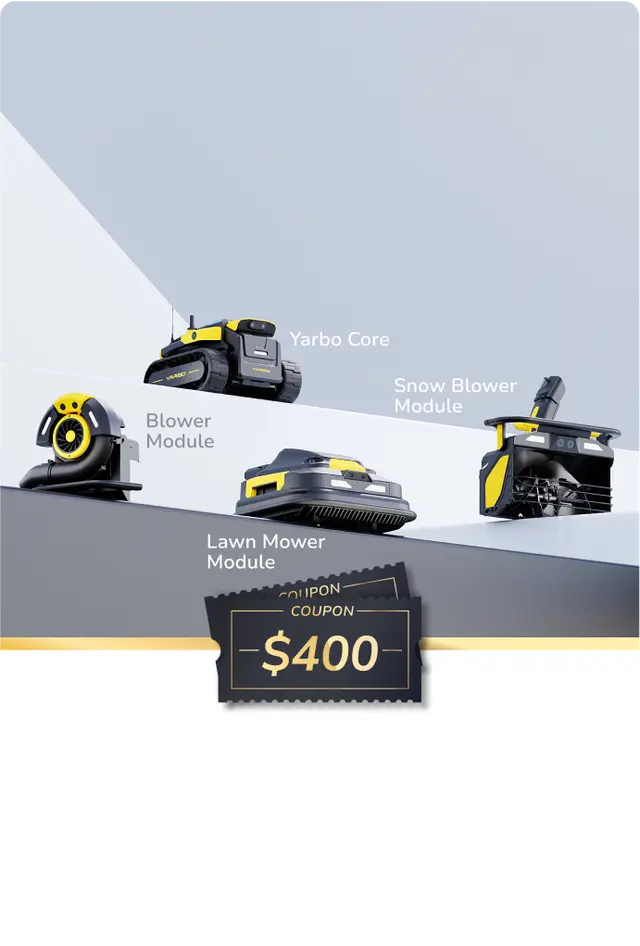
The invention of robot snow blower has completely changed the game when it comes to snow maintenace, transforming a once time-consuming weekend chore into an effortless, automated routine. What started as simple robotic assistants guided by boundary wires has evolved into highly intelligent machines powered by AI-driven vision systems, GPS precision, and autonomous navigation technologies.
Today’s smart mowers and snow blowers don’t just move—they see, learn, and adapt to their surroundings with remarkable accuracy. This rapid evolution of technology of robotic mower gps, led by systems like the PPVS (Perception and Path Vision System), is redefining what homeowners can expect from outdoor automation—combining convenience, efficiency, and innovation into one intelligent package.
Table of Contents:
What Is the PPVS Navigation System?
The PPVS (Perception and Path Vision System) is an advanced vision-based navigation technology that allows autonomous snow blower and robotic mowers to operate with near-human precision. By combining robot navigation algorithms, camera sensors, and GPS coordination, the PPVS ensures that robots plan and follow the most efficient routes—even in challenging environments.
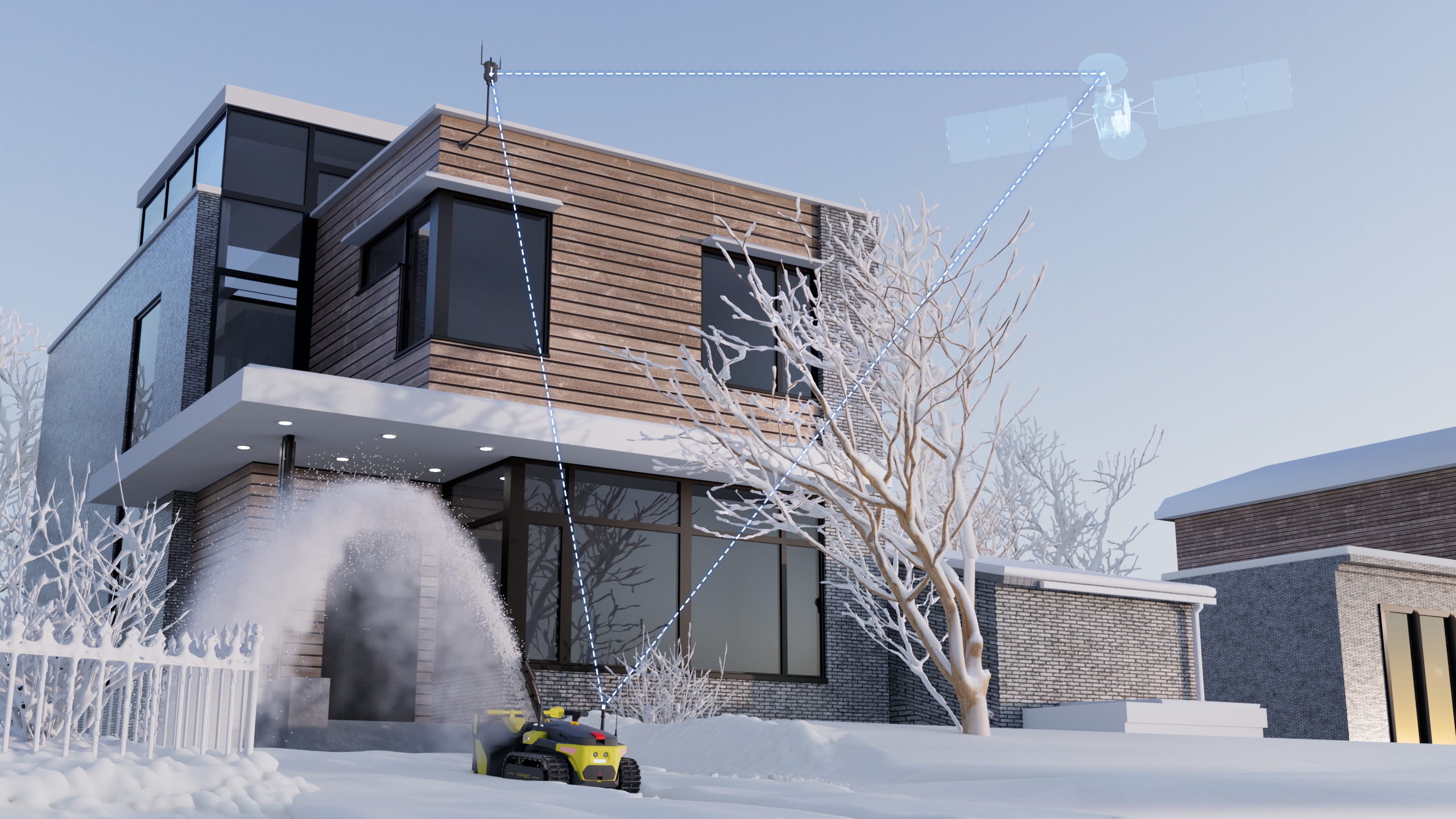
Unlike basic GPS systems, which rely solely on satellite signals, PPVS integrates real-time visual perception and AI-based decision-making to adapt to changing surfaces and obstacles. This dual-layer intelligence gives the machine the ability to perceive depth, detect obstacles like curbs or snow piles, and make instant route corrections without human assistance.
Origins and Evolution of PPVS Technology
The concept of vision-based navigation dates back to early robotics experiments in the 1980s, but its practical use only became possible with modern AI vision processing and sensor miniaturization. Over the past decade, companies like Yarbo have pushed these boundaries by merging robotic mower GPS precision with computer vision to build smarter, more resilient yard robots.
As automation moves from factories to outdoor environments, visual navigation systems like PPVS are defining a new generation of autonomous yard robots capable of functioning year-round—cutting grass in summer and clearing snow in winter.
Why Navigation Matters in Autonomous Snow Blower?
For an autonomous snow blower, navigation accuracy isn’t just about convenience—it determines whether the driveway gets fully cleared or left patchy. A precise navigation system ensures:
-
Efficient path coverage, minimizing missed areas.
-
Collision avoidance, preventing damage to property or equipment.
-
Time optimization, completing tasks faster with less battery drain.
Poor navigation can lead to uneven clearing, wasted energy, and even system malfunctions, especially in low-visibility conditions typical of winter mornings.
The Challenges of Winter Terrain
Snow-covered surfaces pose unique challenges:
-
Hidden obstacles like stones or branches can confuse or damage a robot.
-
Reflective glare from ice interferes with standard sensors.
-
Changing terrain from soft snow to compact ice demands adaptive navigation.
PPVS technology overcomes these issues by combining multi-sensor fusion using vision, GPS, and inertial data to perceive the environment with depth accuracy, ensuring safe and reliable operation even in blizzards.
How PPVS Works: The Science Behind Vision-Based Navigation
At its core, PPVS merges visual perception with high-precision path planning. Yarbo’s PPVS implementation is driven by the fusion of several technologies:
-
RTK-GPS Positioning: Provides a global frame of reference, allowing the system to calculate precise coordinates and movement angles essential for large-area path planning. However, RTK-GPS performance may be affected by signal conditions, such as when operating under trees, near tall buildings, or during blizzard weather. Therefore, it is more accurate to state that it delivers high precision in most environments.
-
Visual Recognition and Object Detection: Yarbo utilizes bionic binocular cameras and AI-driven image segmentation to identify obstacles, driveways, and boundaries. This vision system helps the robot navigate between snowbanks, pavement, and lawns in real time with greater precision.
-
Inertial Sensing and Slippage Monitoring: The system incorporates IMU (Inertial Measurement Unit) and odometry data, often termed VIO (Visual Inertial Odometry). VIO monitors track slippage, which is a common challenge in wet or hard snow. If slippage is detected, the system executes a Grip assist algorithm (GAA) and attempts to restore the preset path but might have difficulty under extreme ice or deep snow.
-
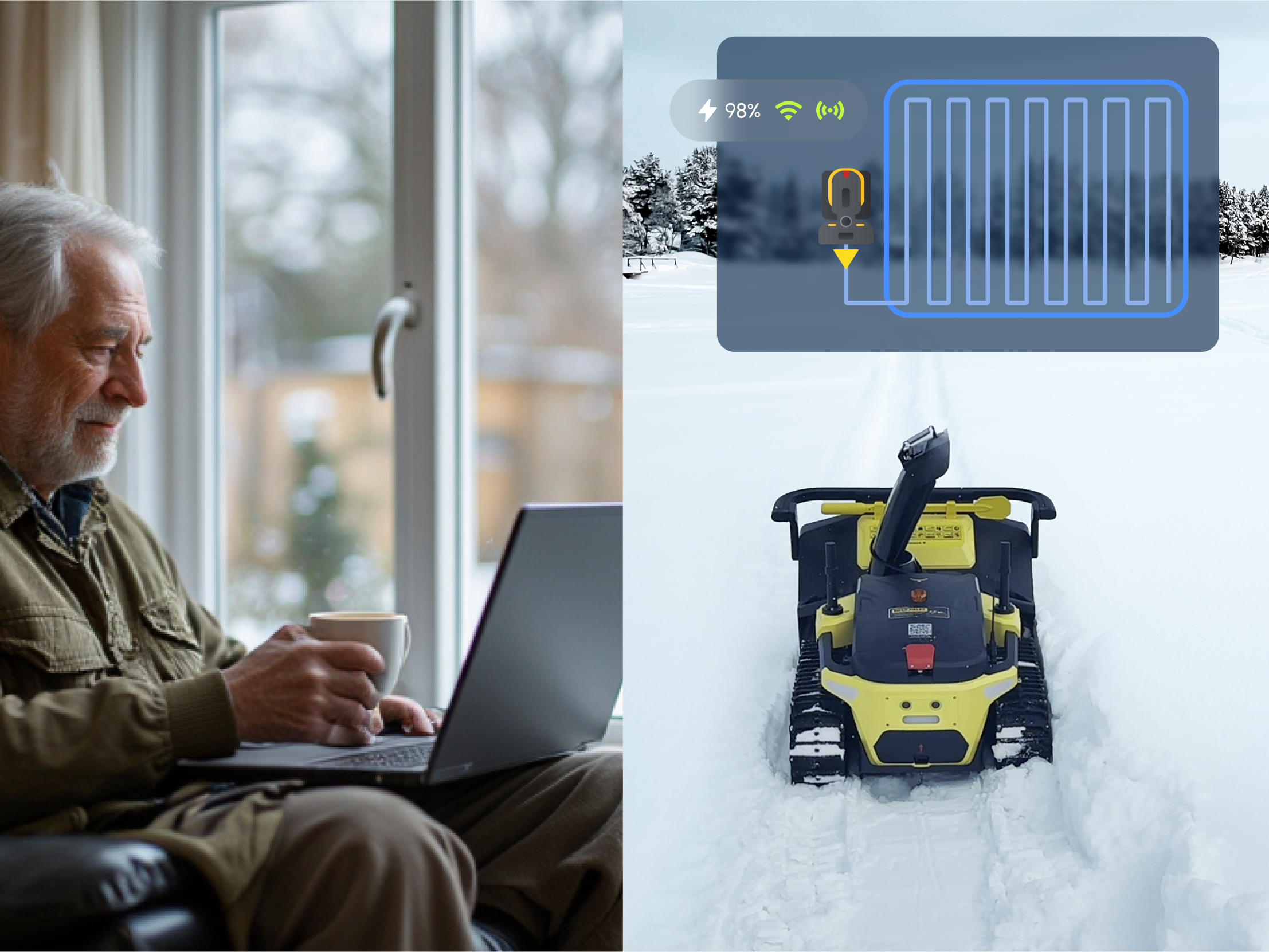
Path Mapping and Planning: Once the robot understands its environment, the path planning algorithm calculates an optimized route, ensuring ensuring high coverage in most cases.
Adaptive Real-Time Adjustments
When something unexpected occurs—such as a moving car, falling snow, or a shifting pile—the robot instantly recalculates its trajectory. This adaptive intelligence prevents interruptions and ensures continuous, seamless operation, allowing the machine to stay productive and accurate even in unpredictable outdoor environments.
PPVS vs. Traditional GPS Navigation Systems
Traditional GPS navigation works well in open spaces but struggles with signal interference near trees, buildings, or during heavy snowfall. PPVS enhances reliability by using vision cues to complement GPS data.
| Feature | Traditional GPS Navigation | PPVS Vision System |
| Accuracy | ±10–20 cm | ±2–3 cm |
| Obstacle Detection | Limited | Advanced AI vision |
| Terrain Adaptability | Low | High |
| Weather Performance | Affected by snow | Adaptive to conditions |
| Cost Efficiency | Moderate | High ROI over time |
With PPVS navigation, autonomous snow blower don’t just follow a path—they see the path.
Integration of PPVS in Robotic Mowers and Snow Blowers
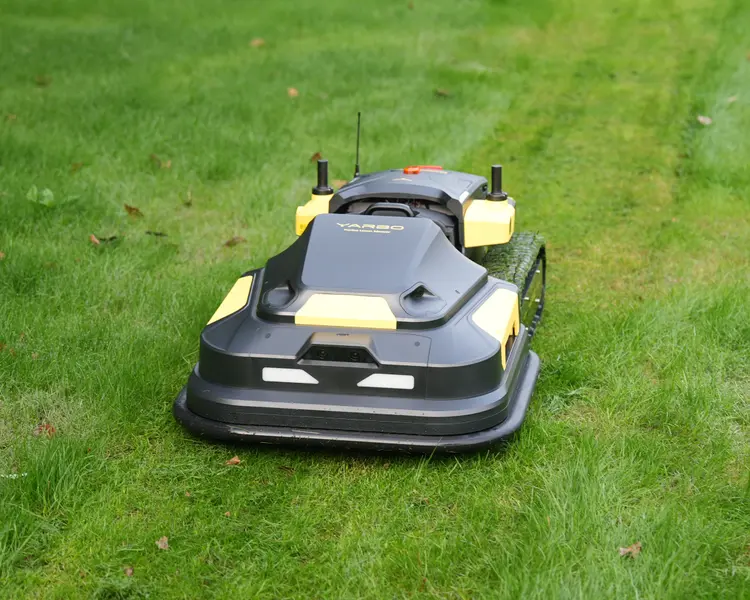
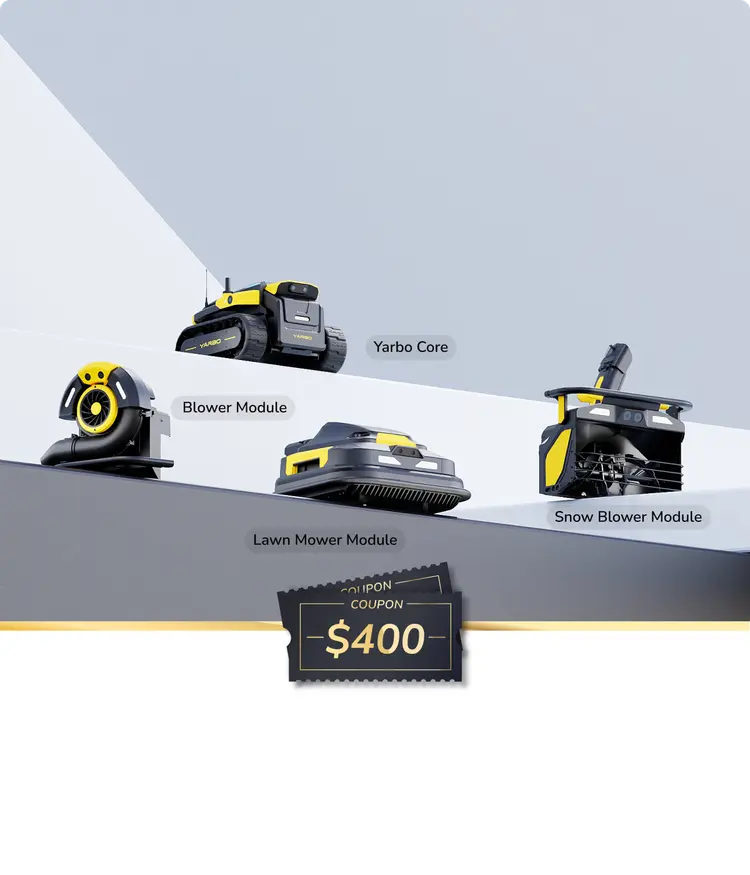
The same PPVS system powering snow blowers also drives modern robotic lawn mowers, showcasing its modular versatility. This shared ecosystem means homeowners can use a single base module for both summer mowing and winter clearing—reducing costs and maximizing year-round efficiency.
Cross-Season Utility
PPVS seamlessly transitions between green lawns and white snow. Whether mapping grass boundaries or snow perimeters, its learning model recognizes terrain features and applies the best navigation strategy automatically.
Benefits of PPVS Navigation for Homeowners
For homeowners, PPVS translates into:
-
Ensures consistently well-cleared paths under most conditions.
-
Reduced maintenance, since collisions and inefficiencies are minimized.
-
Greater safety, as the system recognizes and avoids obstacles like pets or parked cars.
-
Long-term savings, through energy efficiency and reduced wear.
Efficiency, Safety, and Cost Savings
A PPVS-equipped robot doesn’t just save hours of manual labor it enhances property safety during snowstorms, reducing risks of slips or driveway damage.
Case Study: Yarbo’s Vision-Driven Navigation System
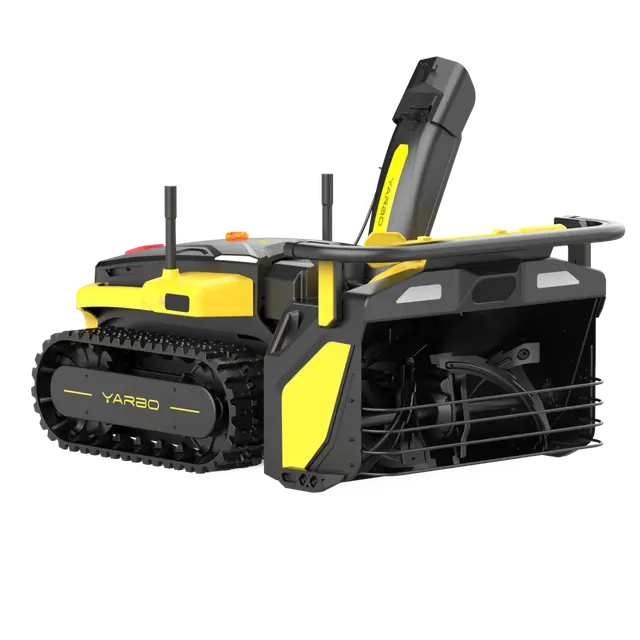
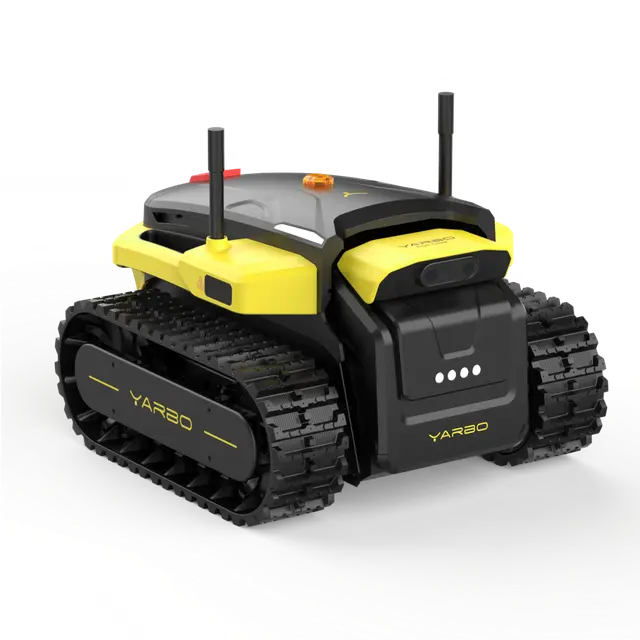
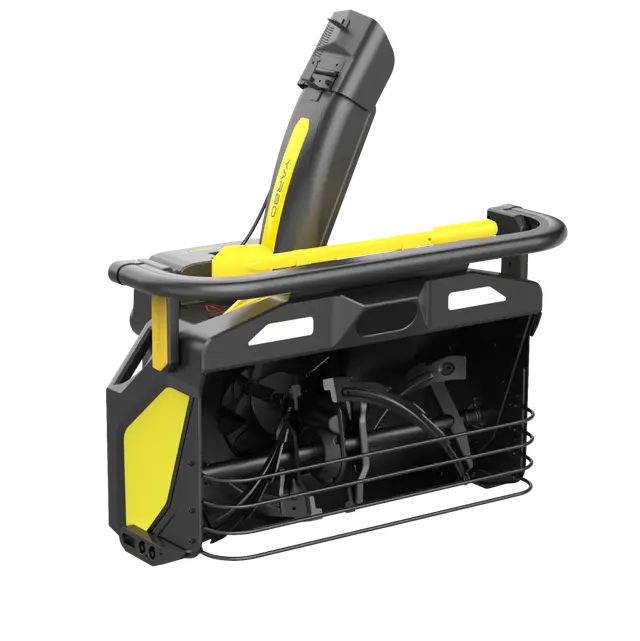
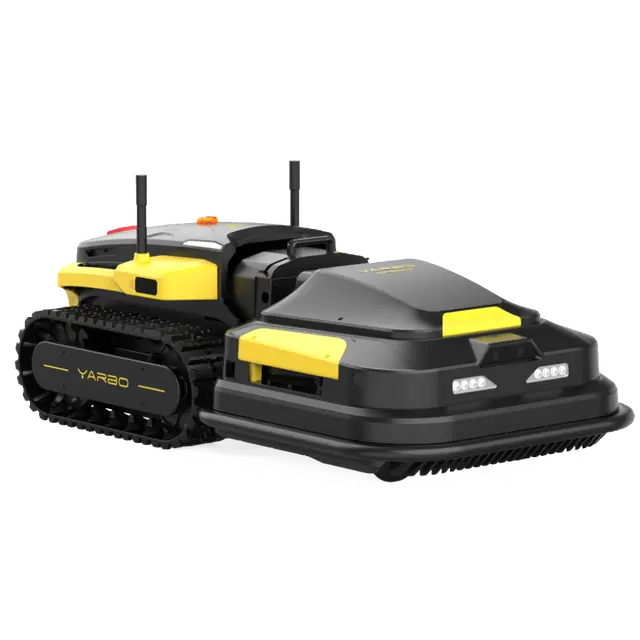
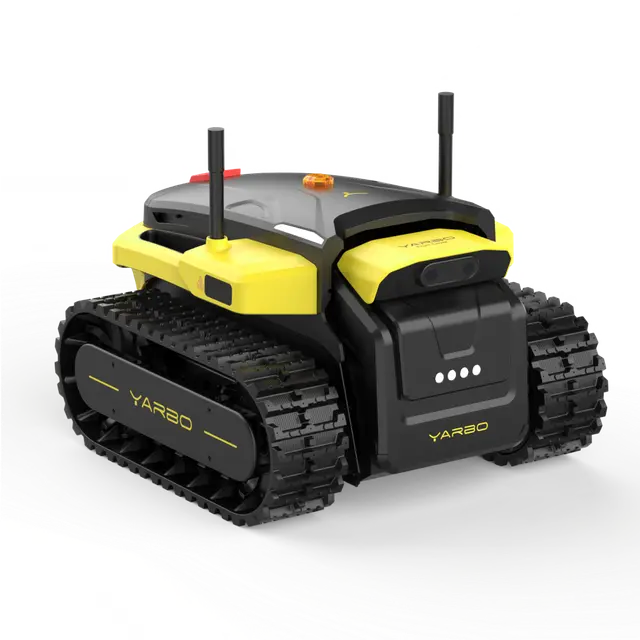
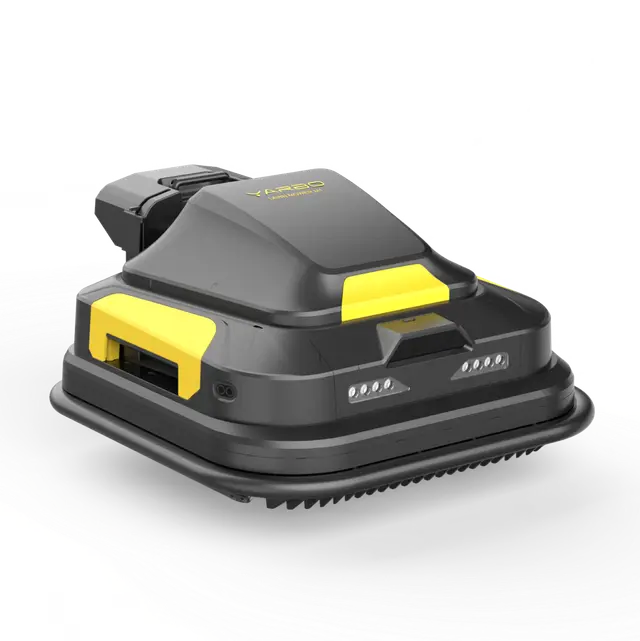
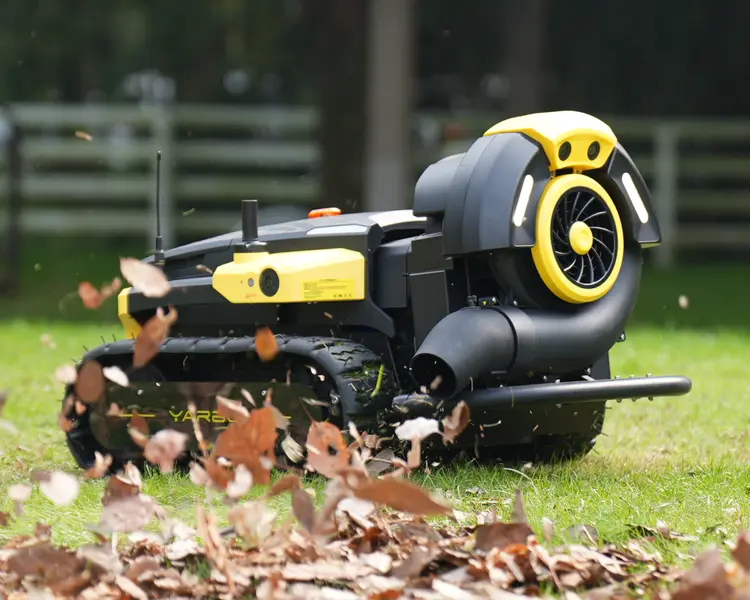
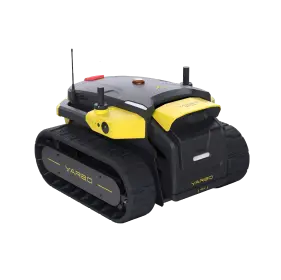
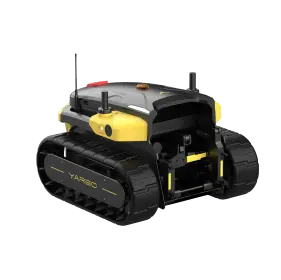
Yarbo, a leader in modular yard robots, utilizes an advanced PPVS navigation core across all its products. The Yarbo Snow Blower and Lawn Mower are built on the same modular base, which uses AI vision, GPS RTK, and LiDAR for precise path tracking.
User Experience Insights
Customers report:
-
Over 95% path accuracy in snow removal.
-
Reduced clearing time by 40% compared to manual blowers.
-
Zero collisions in months of operation.
These results prove the reliability of PPVS in real-world conditions.
The Future of Robot Navigation
The evolution of robot navigation is moving toward self-learning systems capable of predicting environmental changes and optimizing paths autonomously.
-
3D environmental reconstruction
-
Predictive obstacle modeling
-
Cloud-based AI learning
As smart home ecosystems expand, homeowners can expect fully synchronized yard management systems capable of communicating with weather apps and home assistants.
Conclusion
The PPVS Navigation System represents a monumental leap in robot navigation for autonomous snow blower and robotic mowers. By merging vision-based intelligence with precision GPS, it delivers unmatched accuracy, safety, and adaptability in every season. As vision technology continues to evolve, PPVS will remain at the core of smart, autonomous yard care—bringing effortless outdoor management to every home.
FAQs
1. What does PPVS stand for in robot navigation?
PPVS stands for Perception and Path Vision System, a technology combining vision sensors and GPS data to guide autonomous robots with precision.
PPVS stands for Perception and Path Vision System, a technology combining vision sensors and GPS data to guide autonomous robots with precision.
2. How is PPVS better than GPS-only navigation?
While GPS helps determine global location, PPVS adds real-time vision to identify and react to local obstacles—making it far more accurate and adaptive.
While GPS helps determine global location, PPVS adds real-time vision to identify and react to local obstacles—making it far more accurate and adaptive.
3. Can PPVS work in heavy snowfall or darkness?
Yes, PPVS uses infrared and depth-sensing cameras, allowing operation in low-light or snowy conditions.
Yes, PPVS uses infrared and depth-sensing cameras, allowing operation in low-light or snowy conditions.
4. Does PPVS require manual calibration?
Initial setup may involve simple calibration, but the system self-learns and adjusts automatically over time.
Initial setup may involve simple calibration, but the system self-learns and adjusts automatically over time.
5. Is PPVS used in other robots besides snow blowers?
Absolutely. The same system powers robotic lawn mowers, delivery bots, and even warehouse automation systems.
Absolutely. The same system powers robotic lawn mowers, delivery bots, and even warehouse automation systems.
6. How does PPVS handle slippage on ice or wet snow?
PPVS utilizes IMU and odometer data to monitor slippage. When skidding is detected, the system executes a Grip assist algorithm(GAA) , allowing the robot to regain traction and return to its planned path.
-7.png?w=1001&h=621)
 Private group · 33.0K members