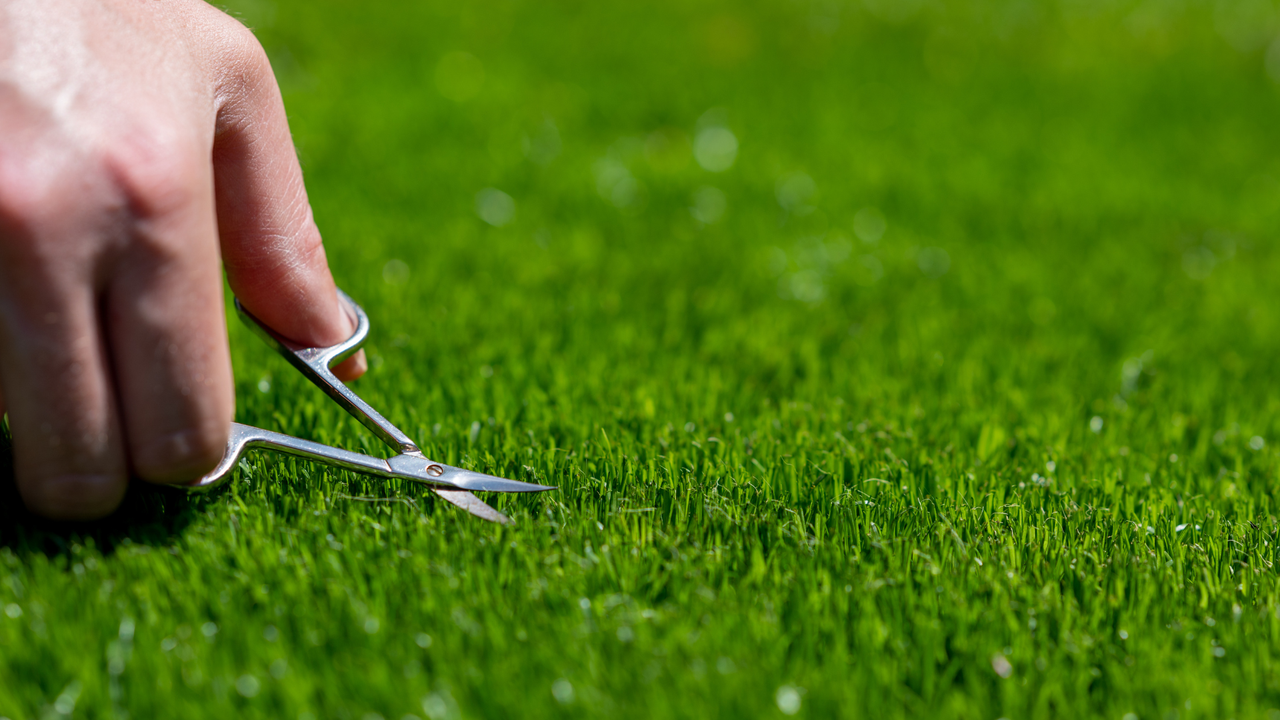
A lush, healthy lawn doesn’t happen by accident — it’s the result of thoughtful mowing routines, precise technique, and the right equipment. Learning to trim grass correctly not only improves the appearance of your yard but also strengthens root systems, prevents disease, and encourages a dense, carpet-like surface.
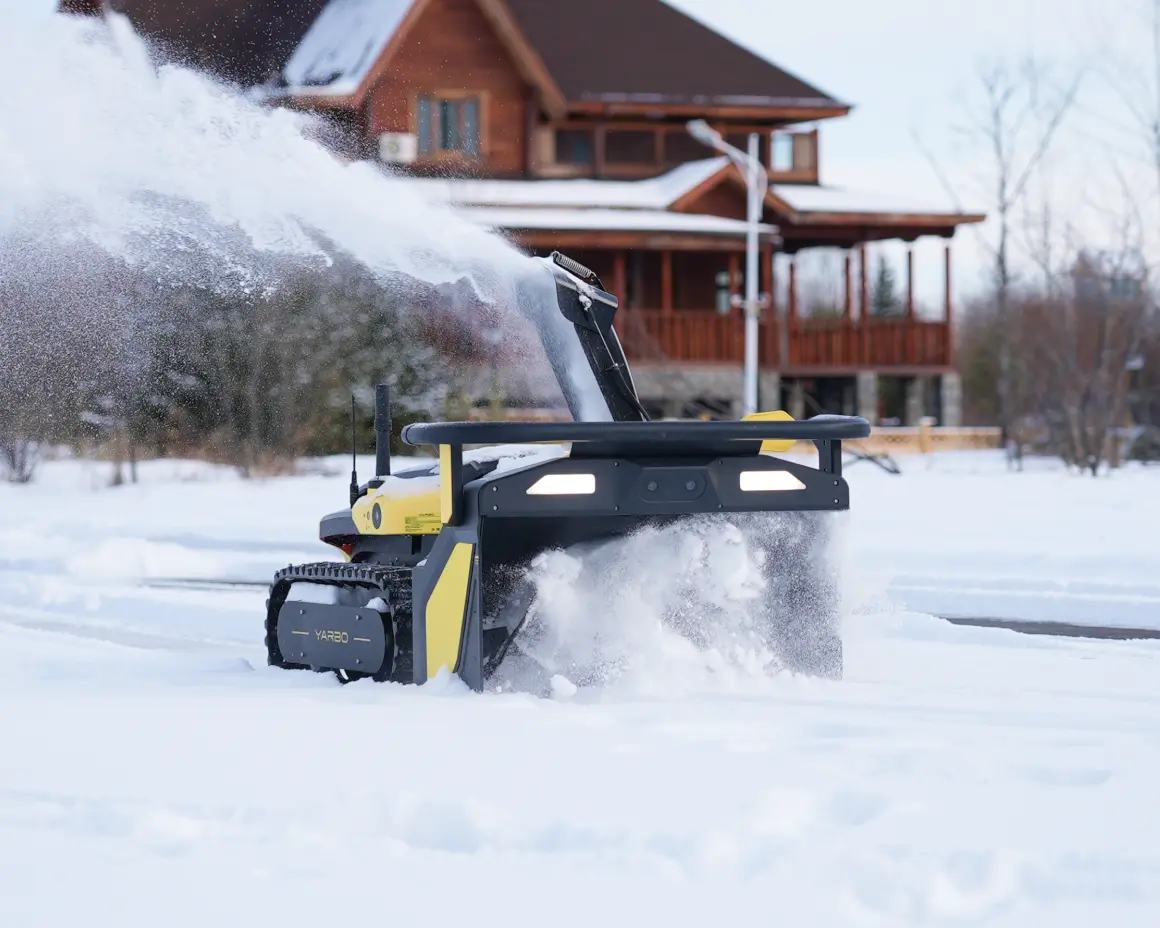
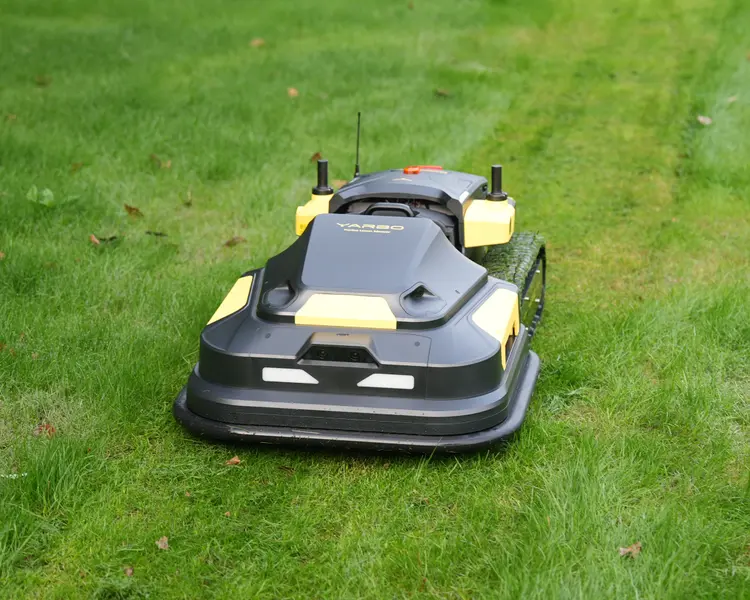
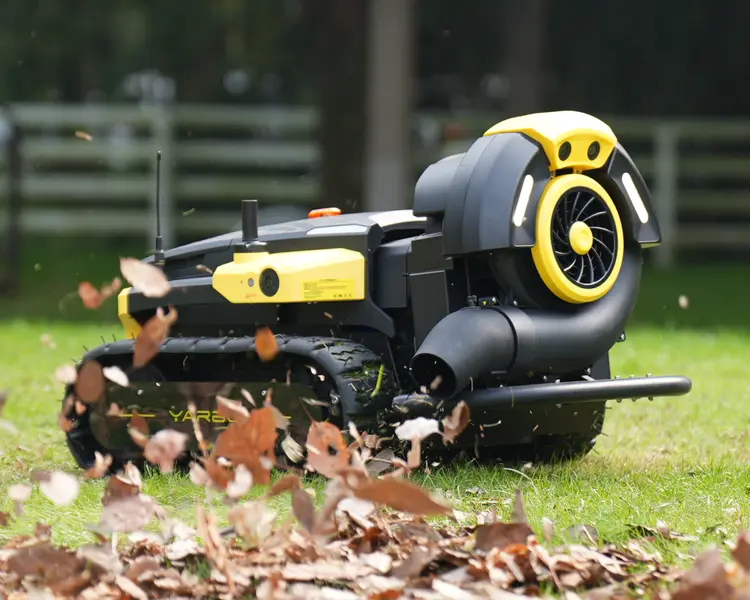
Managing grass trimmings effectively is also essential for soil health. Mulching or properly disposing of clippings returns nutrients to the lawn and reduces waste. Combining traditional mowing with modern tools like a lawn mower trimmer or even a smart mower like Yarbo can make the process efficient, precise, and enjoyable.
In this guide, you’ll find 21 expert-backed tips to help you mow smarter, maintain healthy grass, and make the most of your equipment from push mowers to advanced robotic solutions.
Table of Contents:
Essential Lawn Mowing Tools and Equipment
The first step toward lawn excellence begins with using the right tools. Not all mowers and accessories are created equal, and choosing the right one can save time, effort, and money in the long run.
Choosing the Right Lawn Mower for Your Yard
Lawn mowers come in a variety of models designed for different yard sizes, grass types, and user preferences.
Before you even start mowing, the most crucial decision is choosing the right lawn mower for your yard’s size, terrain, and grass type. The wrong mower can make the task harder, lead to uneven cuts, and even damage your lawn.
Why mower choice matters:
-
Efficiency: A mower too small for a large lawn means longer mowing time and frequent stops.
-
Precision: The wrong blade height or deck type can scalp grass or leave patches.
-
Lawn Health: A poorly suited mower might compact soil or shred blades instead of cutting cleanly.
-
Physical Effort: Choosing a mower that matches your strength, mobility, and available time is key for long-term maintenance.
-
Cost Over Time: An ill-suited mower often leads to higher maintenance and early replacement.
Maintenance Tips for Long-Lasting Tools
Your equipment’s lifespan and performance depend largely on how well you maintain it. A poorly maintained mower won’t cut evenly and may even damage your lawn. Follow these best practices:
-
Blade Care: Dull blades tear instead of cutting grass, causing brown tips and increasing susceptibility to disease. Sharpen blades every 20–25 hours of mowing time.
-
Engine Checks: For gas mowers, check oil levels before each mow and replace spark plugs and air filters at the start of the season.
-
Cleaning: After every mow, remove grass buildup under the deck to prevent rust and ensure optimal airflow.
-
Battery Storage: If you're using a cordless electric mower, store the battery in a cool, dry place when not in use and never leave it on the charger indefinitely.
-
Winterizing: Drain fuel from gas mowers before storage, clean the deck, and lubricate moving parts to prevent corrosion during colder months.
Investing time into equipment care ensures safer operation and consistent lawn quality throughout the year.
Best Time and Frequency to Mow Your Lawn
Timing your mowing sessions right plays a crucial role in lawn health. It's not just about cutting grass when it looks long—it’s about cutting at the right time and interval to promote optimal growth.
Ideal Mowing Schedule by Grass Type
Grass grows at different rates depending on the species, weather, and soil conditions. Here’s a guide to help you stay on schedule:
| Grass Type | Recommended Frequency | Ideal Mowing Height |
| Kentucky Bluegrass | Every 5–7 days | 2.5–3.5 inches |
| Bermuda Grass | Every 3–5 days | 1–2 inches |
| Tall Fescue | Every 6–7 days | 3–4 inches |
| St. Augustine Grass | Every 5–7 days | 2.5–4 inches |
| Zoysia Grass | Every 5–7 days | 1–2 inches |
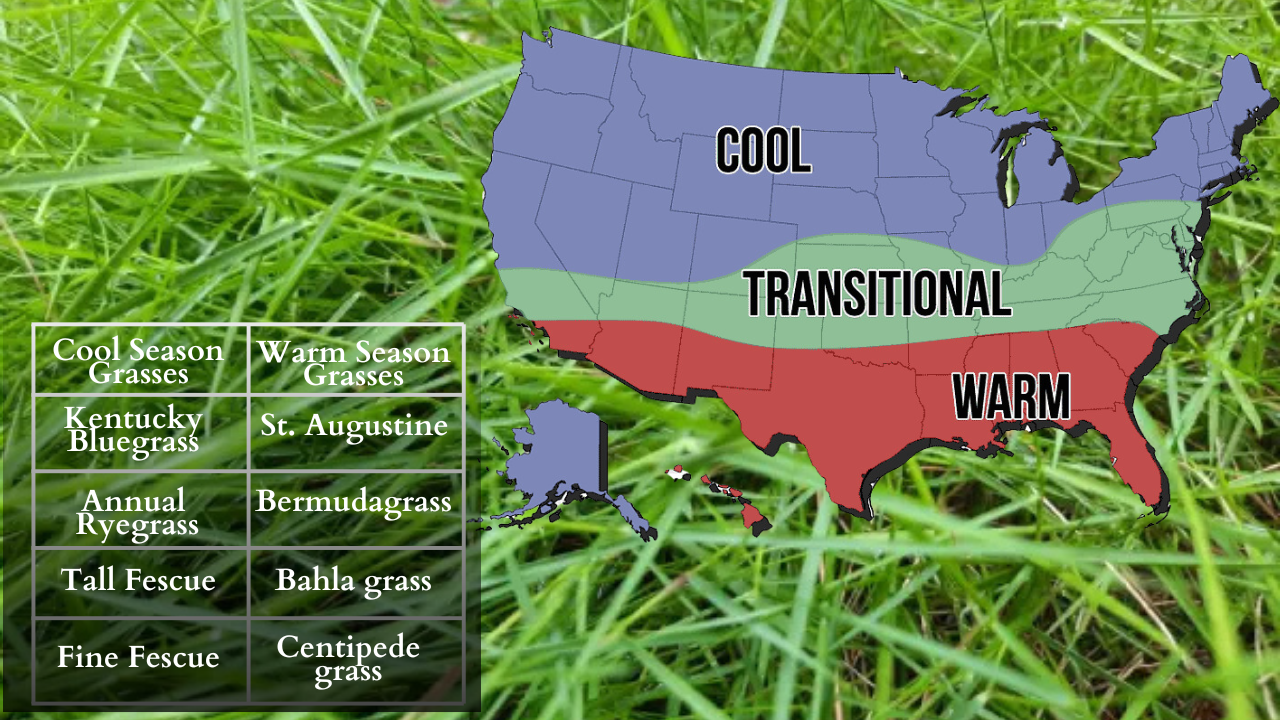
Avoid cutting too low, especially in warm seasons. Taller grass shades the soil, reducing evaporation and keeping roots cooler.
Seasonal Adjustments for Year-Round Health
-
Spring: As your grass exits dormancy, it grows rapidly. Mow more frequently, but avoid cutting it too short.
-
Summer: Raise your mowing height to retain soil moisture. Mow early or late in the day to reduce heat stress.
-
Fall: Continue regular mowing, gradually lowering the blade height. This prepares the lawn for winter and reduces the chance of snow mold.
-
Winter: In most regions, grass growth stops. Avoid mowing dormant grass, as it can damage the turf.
Paying attention to the season allows you to support your lawn's natural growth cycles, promoting year-round vitality. Learn more about seasonal lawn care changes you need to make.
21 Power Tips for a Perfectly Trimmed Lawn
These lawn mowing secrets can completely transform your yard when applied consistently. From mowing patterns to post-mow care, here are 21 expert-backed tips for lawn perfection:
1. Follow the One‑Third Rule
Never cut more than one-third of the grass blade at once. This ensures you trim grass safely, supporting strong roots and dense growth.
2. Change Mowing Patterns Weekly
Alternate your mowing direction — horizontal, vertical, diagonal — to prevent ruts and keep grass upright.
3. Keep Blades Razor Sharp
Dull blades tear instead of cleanly cutting grass. Sharp blades help your lawn mower trimmer or mower deliver precise cuts and reduce stress on grass.
4. Mow When Grass Is Dry
Wet grass can clog decks and create uneven cuts. Always aim to trim grass when the lawn is dry.
.jpeg?w=1920&h=1080)
5. Edge and Trim Before You Mow
Use a lawn mower trimmer or edger to handle borders and hard-to-reach areas. Neatly trimmed edges let your main mower capture all grass trimmings efficiently.
6. Leave Grass Clippings (Mulching Mowers)
Grasscycling returns nitrogen and nutrients to the soil. Leaving grass trimmings on the lawn reduces waste and improves overall lawn health.
7. Don’t Bag Unless Needed
Only bag clippings if necessary, otherwise leave grass trimmings to feed your lawn naturally.
8. Keep Your Deck Height Consistent
Avoid changing mower height constantly. Consistent cuts support healthy growth when you trim grass regularly.
9. Use the Correct Speed
Mow at a steady pace for best results. Your lawn mower trimmer or push mower works most efficiently at a consistent speed.
10. Mow Slopes Safely
For slopes, follow safe mowing practices. Robotic mowers like Yarbo can handle steep terrain while efficiently managing grass trimmings.
11. Avoid Scalping Your Lawn
Maintain at least 2.5 inches of grass. Proper trim grass height prevents stress and promotes a healthy, lush lawn.
12. Use Lawn Striping Kits
Create clean lines with a striping kit, while your mower or lawn mower trimmer handles leftover grass trimmings.
.png?w=1920&h=1080)
13. Alternate Between Bagging and Mulching
Mulch during peak growth to recycle nutrients, then bag occasionally. This ensures grass trimmings support your soil without excess buildup.
14. Inspect Your Mower Before Each Use
Check tire pressure, blade condition, and fuel/battery levels. A well-maintained lawn mower trimmer ensures precise trim grass results.
15. Use a Mowing Journal or App
Track mowing schedules, deck height, and weather to optimize your trim grass routines.
16. Aerate Your Lawn Annually
Aeration allows air, nutrients, and water to reach roots, supporting consistent growth after you trim grass regularly.
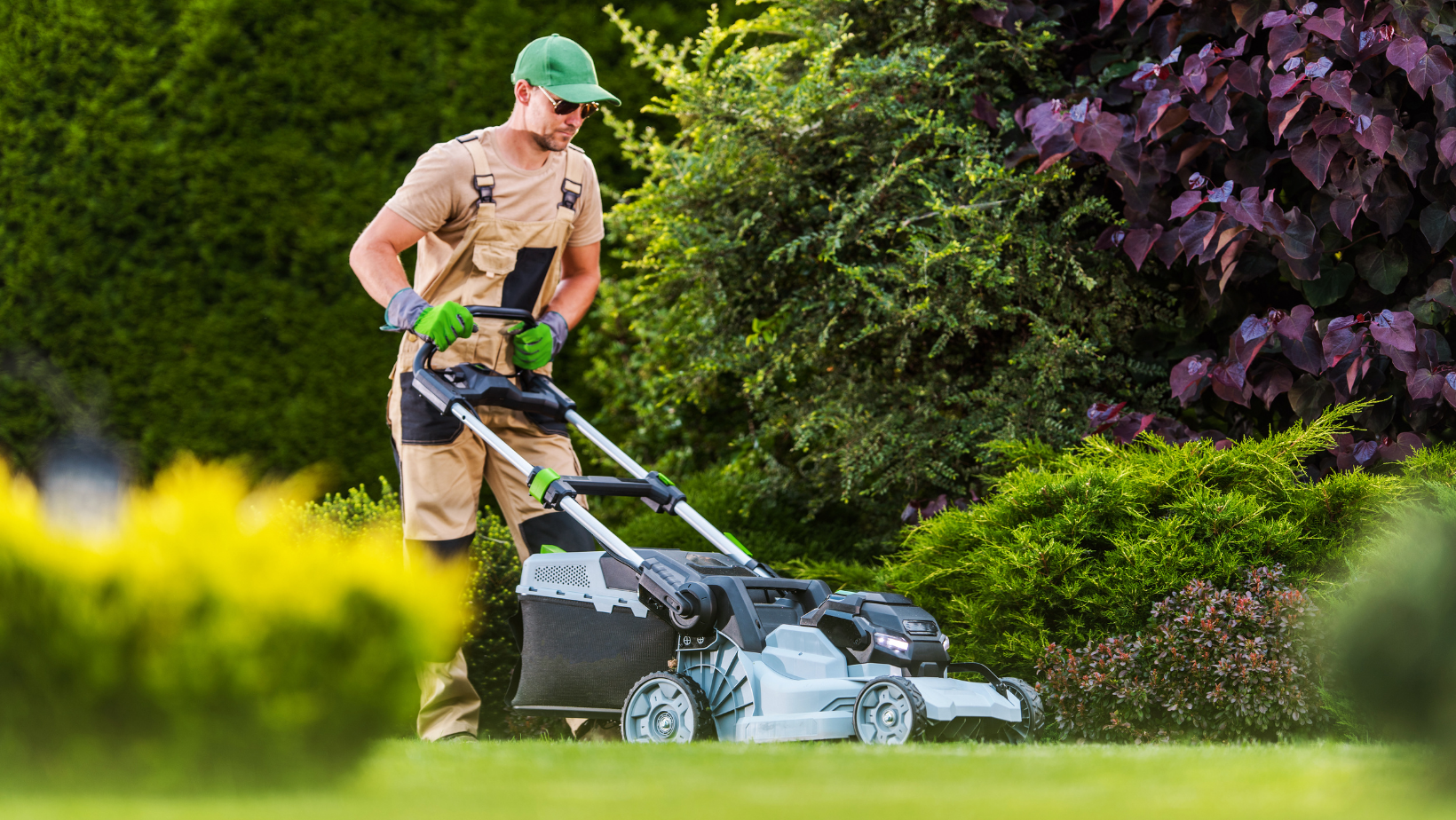
17. Mow in the Shade First
Shaded grass dries slower. Mow shaded areas before sun-exposed zones to reduce stress on the lawn and prevent uneven grass trimmings distribution.
18. Use the Right Fuel and Oil
Follow manufacturer instructions. For robotic mowers, ensure charging docks are powered for uninterrupted mowing and proper collection of grass trimmings.
19. Wear the Right Gear
Safety first. Closed-toe shoes, eye protection, and ear protection keep you safe while trimming.
20. Give Your Lawn a Break During Drought
During dry periods, raise mowing height and reduce frequency to protect grass. Proper care ensures leftover grass trimmings don’t stress the lawn.
21. Upgrade to a Smart Mower Like Yarbo
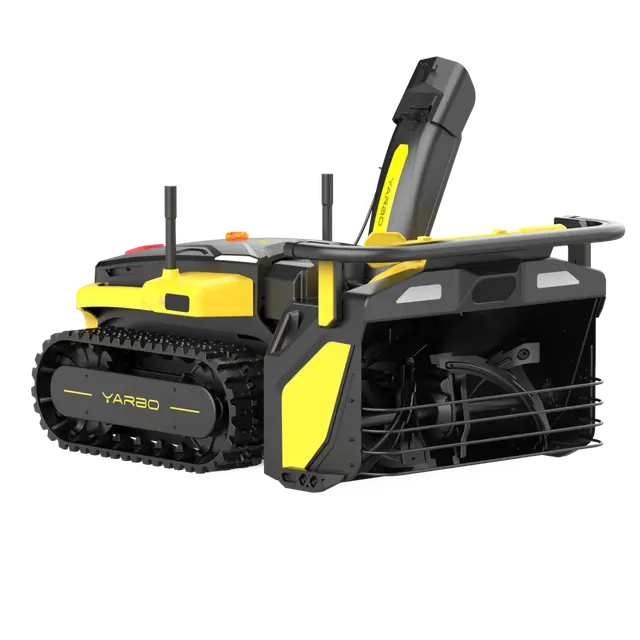
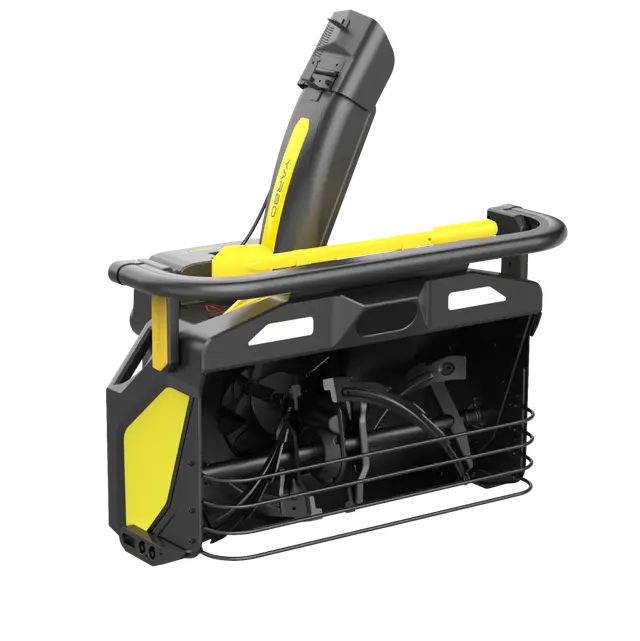
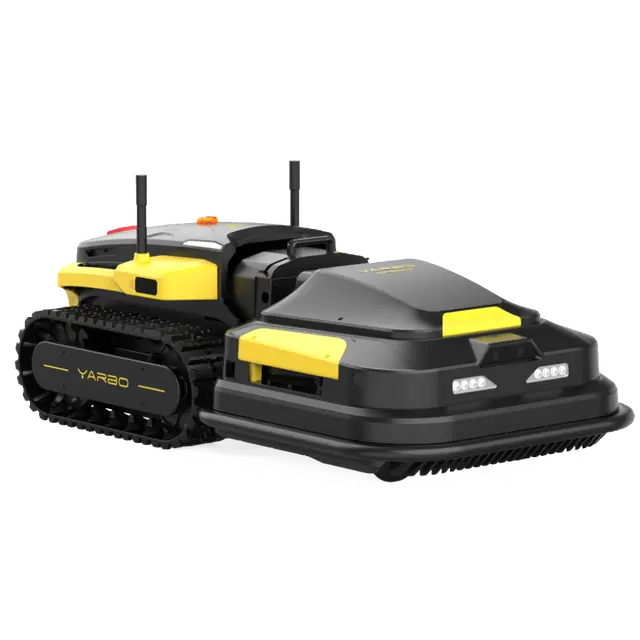
Yarbo automates mowing and allows precise trim grass patterns while efficiently managing grass trimmings. Its RTK-GPS, modular decks, and obstacle avoidance make it superior to traditional lawn mower trimmers for large or complex yards.
Conclusion: Master the Art of Lawn Mowing
Achieving a perfectly maintained lawn isn’t just about cutting grass — it’s about knowing how to trim grass efficiently, handle grass trimmings, and use the right tools. A lawn mower trimmer ensures precise edges, while advanced solutions like Yarbo automate mowing, manage clippings intelligently, and provide unparalleled precision for large or complex yards.
By applying these 21 expert tips, you can maintain a lush, green, and healthy lawn all year round, while saving time and energy. Smart mowing techniques, combined with proper grass management, create a resilient yard that looks amazing and thrives under every condition.
Frequently Asked Questions (FAQs)
1. How often should I mow my lawn in summer?
In summer, mow every 4–6 days depending on your grass type. Raise the mowing height to retain soil moisture and reduce heat stress.
2. Is it better to mow before or after rain?
Always mow after the lawn has dried. Wet grass clumps, clogs the mower, and results in a patchy cut.
3. How do I prevent weeds from spreading when mowing?
Use a clean, sharp blade. Mow weeds before they go to seed and always mow regularly. Consider spot treatments or overseeding to strengthen your turf.
4. Should I sharpen or replace my mower blade?
Sharpen your blade every season or after 20–25 hours of use. Replace it if it’s cracked, bent, or worn too thin.
5. What causes brown tips after mowing?
Dull blades, cutting too short, or mowing during heat stress causes browning. Sharpen your blades and raise your mowing height.
6. Can I mow my lawn with a robot mower if it’s raining?
It’s best to avoid mowing wet grass with any mower, including robotic ones, unless it’s specifically rated for wet conditions. Yarbo has an advanced rain sensor that automatically directs it to return to its charging dock when rain is detected.
-7.png?w=1001&h=621)
 Private group · 33.0K members