A beautifully manicured lawn isn’t just about watering and fertilizing—it starts with sharp, reliable mower blades. Mower blades are the unsung heroes of lawn care, responsible for ensuring each cut is precise and clean. Dull or damaged blades not only ruin the look of your lawn but can also stress the grass, making it more vulnerable to disease. By learning how mower blades work, when to replace blades on lawn mower models, and the best practices for blade care, you’ll ensure a healthier, greener, and more professional-looking lawn.
Table of Contents:
Understanding Different Types of Mower Blades
Every yard is unique, and so are the mower blades designed to care for them. Choosing the right type of blade makes a world of difference in cut quality and efficiency.
-
Standard Blades: Often called 2-in-1 blades, these are the most common type found on push mowers. They’re designed for simple cutting and side discharge, making them reliable for everyday mowing.
-
Mulching Blades: Mulching blades feature a curved design that chops grass clippings into fine pieces, allowing them to fall back into the soil as natural fertilizer. They’re perfect if you want to boost lawn health without bagging. For eco-conscious mowing, these are highly recommended.
-
High-Lift Blades: These blades create strong upward airflow, making them ideal for bagging clippings. If you deal with tall grass or want a cleaner-looking yard, high-lift blades are your best choice. These blades are often preferred when handling tall, thick, or wet grass.
-
Low-Lift Blades: Designed for sandy or dusty environments, low-lift blades reduce dust clouds and extend mower life. They’re quieter and ideal for yards where airflow isn’t as crucial, such as those with sandy soils.
-
Gator Blades: These blades combine mulching and lifting action, giving you versatility. They’re popular among lawn enthusiasts who want mulching benefits with the added bagging efficiency.
Anatomy of a Lawn Mower Blade
Understanding what goes into a blade helps in making smarter replacement decisions.
-
Material Composition: Most mower blades are made from high-carbon or alloy steel for strength and durability. Hardened edges ensure they can withstand regular sharpening. This rugged composition is essential for equipment designed to tackle rough terrain, roots, and rocks.
-
Length and Width Specifications: Blades come in a variety of sizes. Always match the exact length and hole configuration recommended for your mower to avoid imbalance.
-
The Role of Sharpness in Grass Cutting: A sharp blade cuts grass cleanly, while a dull one tears it, leaving jagged edges that dry out quickly. That’s why sharpening and timely replacement are crucial.
Material Composition
Most mower blades are made from high-carbon or alloy steel for strength and durability. Hardened edges ensure they can withstand regular sharpening.
Length and Width Specifications
Blades come in a variety of sizes. Always match the exact length and hole configuration recommended for your mower to avoid imbalance.
The Role of Sharpness in Grass Cutting
A sharp blade cuts grass cleanly, while a dull one tears it, leaving jagged edges that dry out quickly. That’s why sharpening and timely replacement are crucial.
Signs It’s Time to Replace Blades on Lawn Mower
Knowing when to replace mower blades saves time and prevents lawn damage.
-
Uneven Grass Cutting: If your lawn looks patchy even after mowing, dull or damaged blades are likely to blame. Grass tips turning brown after mowing? That’s a sign the blades are tearing rather than slicing.
-
Excessive Vibration: A bent or unbalanced blade can cause vibrations. In autonomous mowers using RTK-GPS for centimeter-level precision, this vibration is particularly dangerous as it can negatively impact navigation and potentially damage sensitive components. Any vibration means it’s critical to rebalance or replace the blade immediately.
-
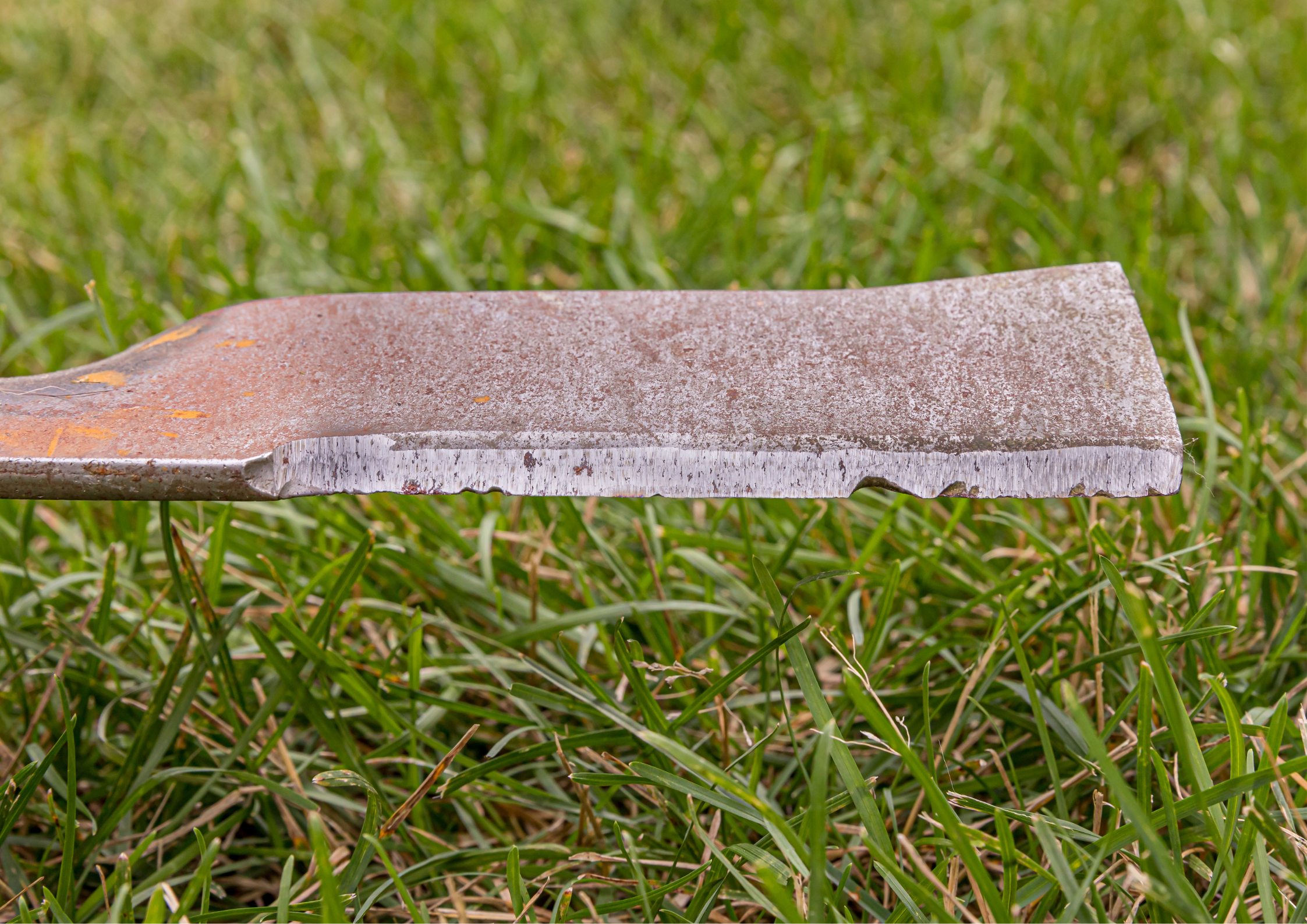
Physical Blade Damage: Check for chips, bends, or cracks. Any structural damage means it’s time for a new blade.
How to Replace Lawn Mower Blade (Step-by-Step Guide)
Replacing mower blades may sound technical, but with the right approach, it’s straightforward.
Safety Precautions Before Starting
-
Disconnect the spark plug to prevent accidental starts.
-
Wear gloves to protect against sharp edges.
Tools You’ll Need
-
Socket wrench or blade removal tool
-
Wooden block to hold the blade in place
-
Replacement blade
Removing the Old Blade
-
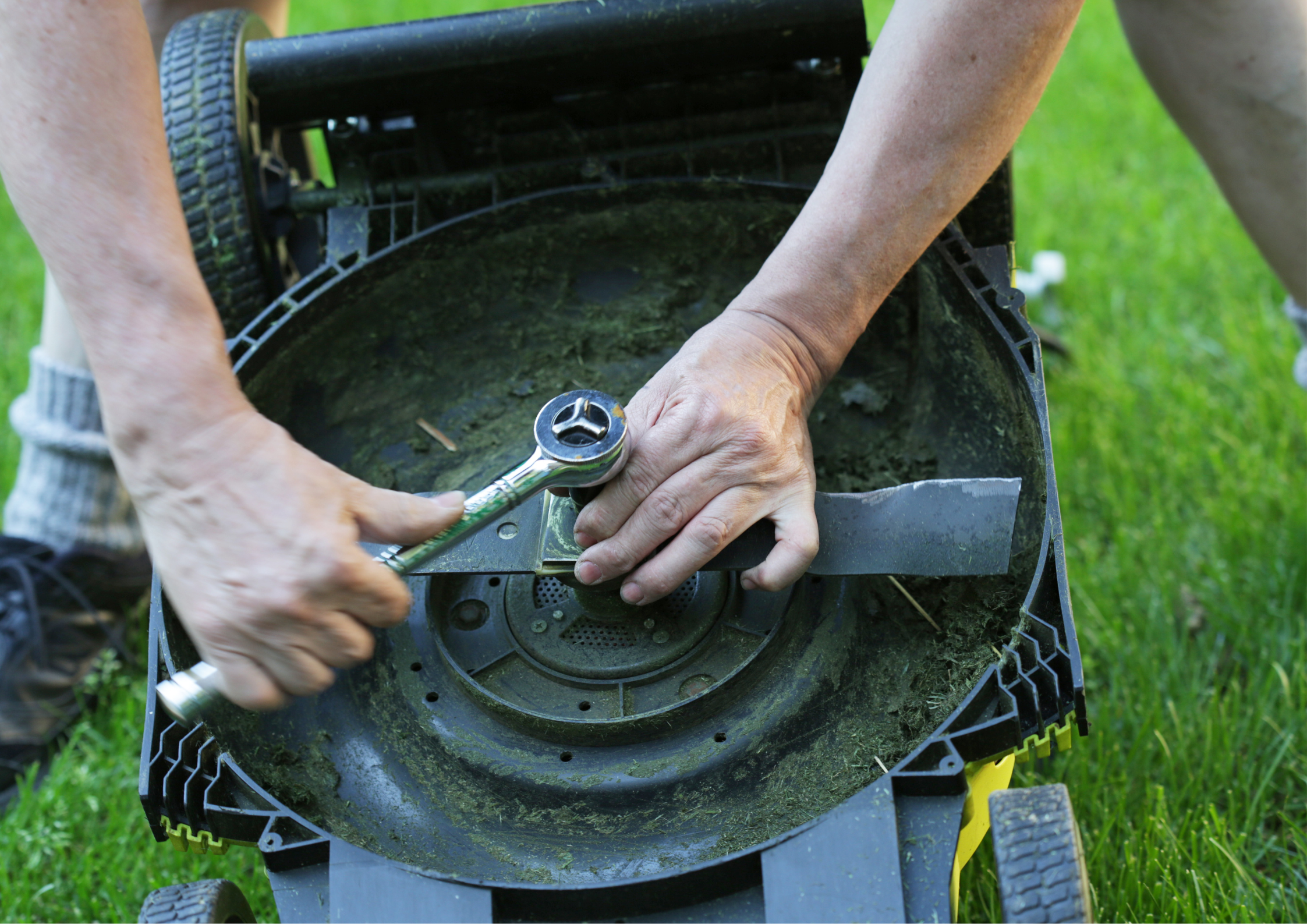
Tilt the mower on its side with the carburetor facing up.
-
Use a wrench to loosen the bolt holding the blade.
-
Remove the blade carefully while noting its orientation.
Installing the New Blade
-
Position the new blade in the same orientation as the old one.
-
Tighten the bolt securely but avoid over-tightening.
-
Reconnect the spark plug and test the mower.
Sharpening vs. Replacing: Which Is Better?
Sharpening is cost-effective and can extend blade life. However, if the blade shows cracks, chips, or excessive wear, replacement is safer. A general rule is to sharpen every 20–25 hours of mowing and replace blades once a year, depending on usage.
How Often Should You Replace Blades on Lawn Mower?
For most homeowners, replacing mower blades once per mowing season is sufficient. However, if you mow large areas or encounter rocks, sand, or thick weeds, you may need replacements more often.
Expert Tips for Extending Blade Lifespan
-
Clean blades after each mow.
-
Avoid mowing over debris like rocks or branches.
-
Store your mower in a dry place to prevent rust.
-
Rotate between sharpening and replacement for balanced performance.
Compatibility and Choosing the Right Blade for Autonomous Mowers
Selecting the right blade isn’t just about performance—it’s about making sure it’s fully compatible with your mower. The right match ensures clean cuts, longer equipment life, and safer operation, while the wrong blade can lead to uneven mowing or even damage.
OEM vs. Aftermarket Blades
OEM (Original Equipment Manufacturer) blades are designed specifically for your mower model, ensuring perfect fit and balance. Aftermarket blades may be cheaper but require extra attention to compatibility. When dealing with autonomous systems that rely on multi-positioning navigation (RTK, vision, IMU) for centimeter-level accuracy, ensuring a perfectly balanced and compatible OEM blade is crucial to maintain stability and performance.
-
Thick, lush lawns → High-lift blades
-
Sandy soils → Low-lift blades
-
Eco-conscious mowing → Mulching blades
Matching Blade Type to Grass Conditions
-
Thick, lush lawns → High-lift blades
-
Sandy soils → Low-lift blades
-
Eco-conscious mowing → Mulching blades
Selecting the right blade isn’t just about performance—it’s about making sure it’s fully compatible with your mower. The right match ensures clean cuts, longer equipment life, and safer operation, while the wrong blade can lead to uneven mowing or even damage.
Yarbo Lawn Mower Blades: Standard vs. Pro – Built for Heavy-Duty Performance
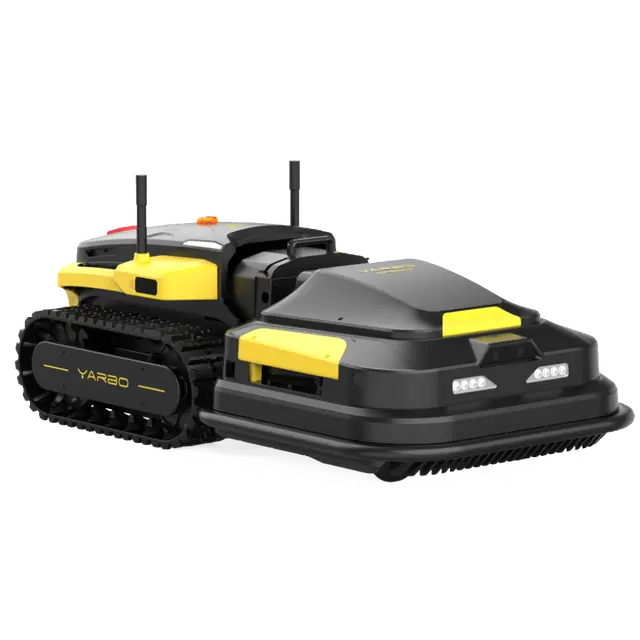
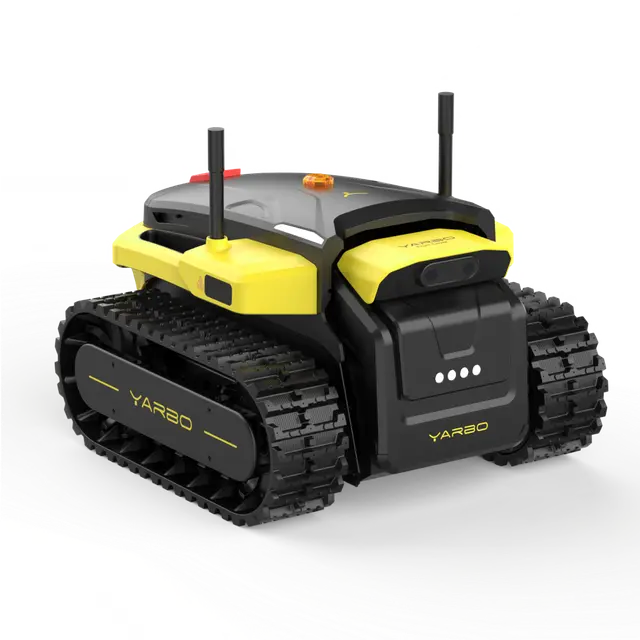
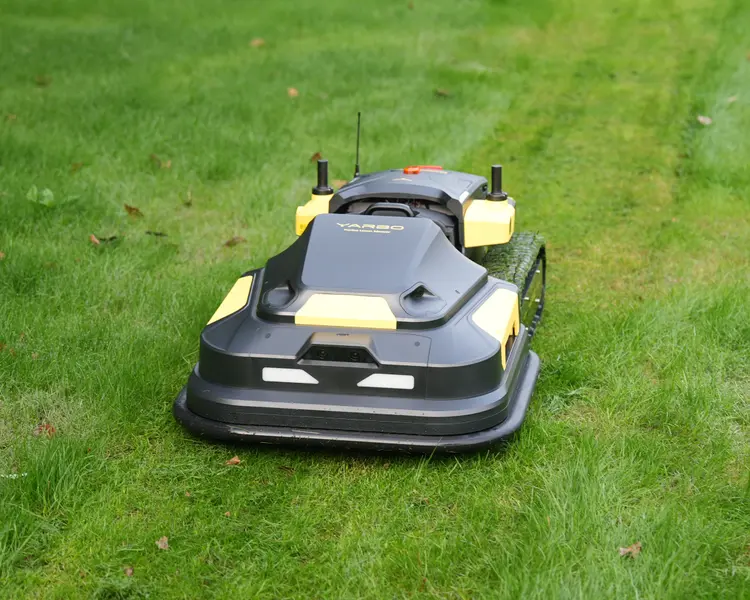
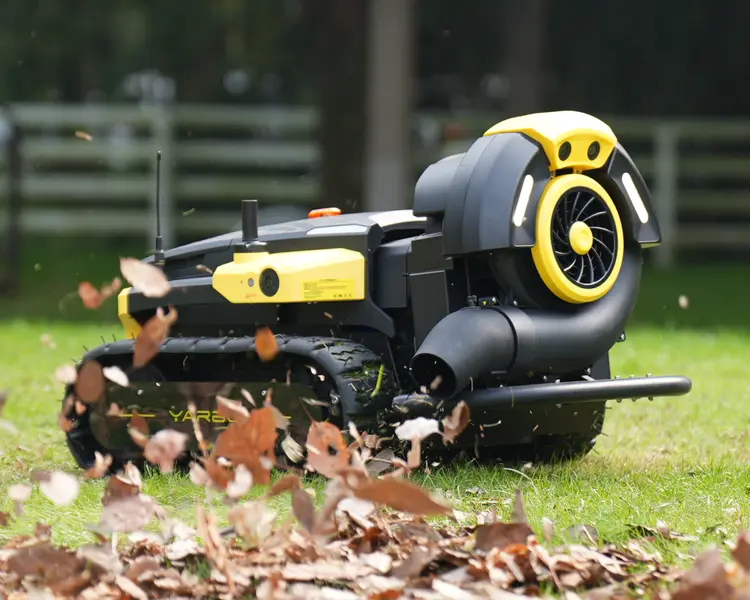
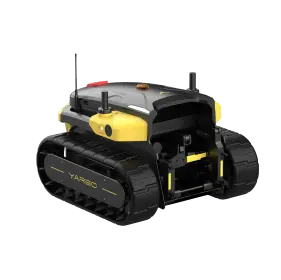
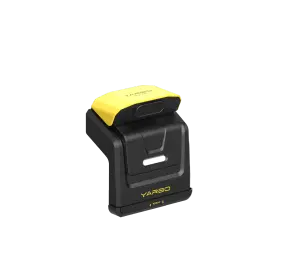
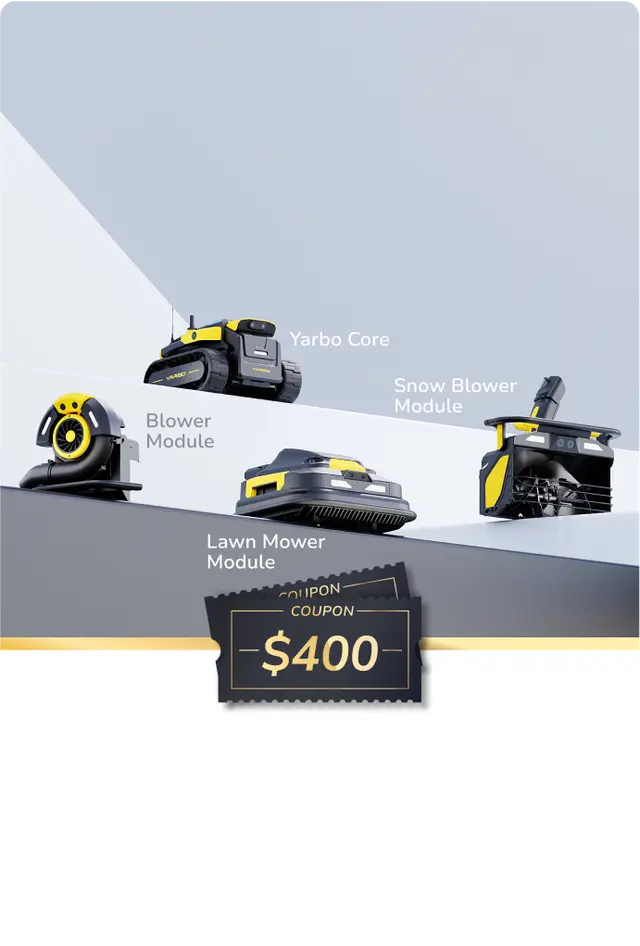
Yarbo takes mowing innovation a step further with its modular blade system, designed to handle large lawns (up to 6 acres) and complex terrain. Unlike traditional mowers, Yarbo offers two distinct blade setups:
-
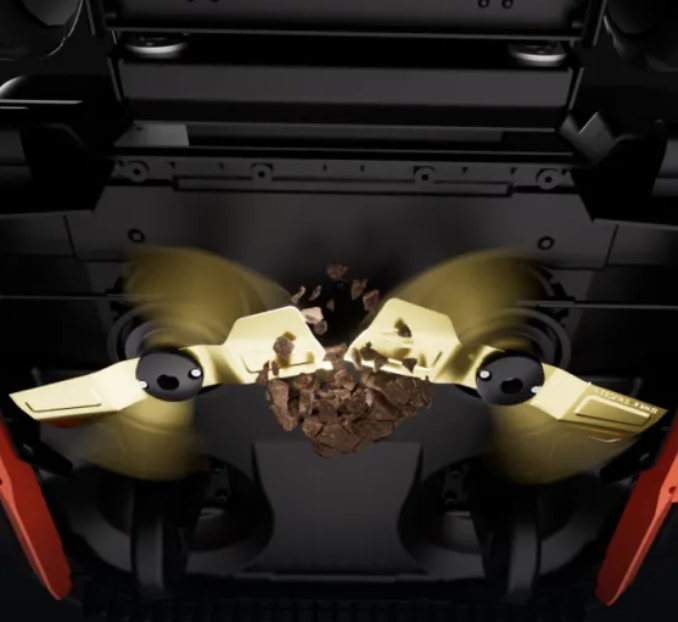
Standard Yarbo Blades (Cutting Disc System): These use multiple small, lightweight steel blades mounted on a cutting disc. They’re designed for frequent, light-to-moderate mowing and fine mulching.
-
Replacement is cost-effective, with Yarbo offering a 40-piece blade and bolt pack that makes maintenance simple. This setup is ideal for homeowners who want consistent cuts without high upkeep costs.
-
Yarbo Lawn Mower Pro Blades (Straight Blade System): The Pro module is built for heavy-duty performance. It uses larger straight blades — and even dual-deck options — that provide stronger lift, wider coverage, and aggressive cutting power. The Pro module is engineered to handle tall, thick, wet, or overgrown grass, or even dense warm-season grasses common in the southern US. It features dual 300W drive motors and offers adjustable cutting height from 0.8 inches to 4 inches. This system is perfect for larger properties, dense grass, or tougher mowing conditions and also high-end property management users such as Golf Courses and Professional Turf Farms.
In short, the standard Yarbo blades are all about efficiency and affordability for routine mowing, while the Pro blades are engineered for power, precision, and scale. Choosing the right one depends on your lawn size and mowing needs.

-
Yarbo Lawn Mower Pro Blades (Straight Blade System): The Pro module is built for heavy-duty performance. It uses larger straight blades — and even dual-deck options — that provide stronger lift, and aggressive cutting power. With a cutting width of up to 20 inches and dual 300W motors, the Pro’s blades are perfect for larger properties, dense grass, or tougher mowing conditions.
In short, the standard Yarbo blades are all about efficiency and affordability for routine mowing, while the Pro blades are engineered for power, precision, and scale. Choosing the right one depends on your lawn size and mowing needs.
Conclusion
Mower blades are more than just pieces of steel—they’re the key to a healthy, vibrant lawn. By learning how to replace lawn mower blade components properly, recognizing signs of wear, and choosing the right type of blade for your yard, you’ll enjoy professional-quality cuts every time. Whether you sharpen or replace, keeping your mower blades in top condition ensures efficiency, safety, and a lawn that makes your neighbors green with envy.
FAQs
1. How do I know which mower blade fits my machine?
Check the model number in your mower’s manual and match it with OEM specifications.
Check the model number in your mower’s manual and match it with OEM specifications.
2. Can I sharpen mower blades at home?
Yes, with a bench grinder or sharpening tool. Just ensure the blade remains balanced afterward.
Yes, with a bench grinder or sharpening tool. Just ensure the blade remains balanced afterward.
3. How often should I check mower blades for wear?
Inspect after every 8–10 mowing sessions. It is recommended to replace the blade every three months The replacement cycle of the blade is related to usage and lawn density, and should be replaced more frequently if necessary.
Inspect after every 8–10 mowing sessions. It is recommended to replace the blade every three months The replacement cycle of the blade is related to usage and lawn density, and should be replaced more frequently if necessary.
4. Are aftermarket blades as good as OEM?
They can be, but OEM guarantees a perfect fit and durability.
They can be, but OEM guarantees a perfect fit and durability.
5. What’s the safest way to dispose of old mower blades?
Recycle them at a metal facility, but ensure sharp edges are covered.
Recycle them at a metal facility, but ensure sharp edges are covered.
6. Do sharper blades make mowing easier?
Absolutely. Sharper blades reduce resistance, making mowing faster and healthier for the grass.
Absolutely. Sharper blades reduce resistance, making mowing faster and healthier for the grass.
-7.png?w=1001&h=621)
 Private group · 33.0K members