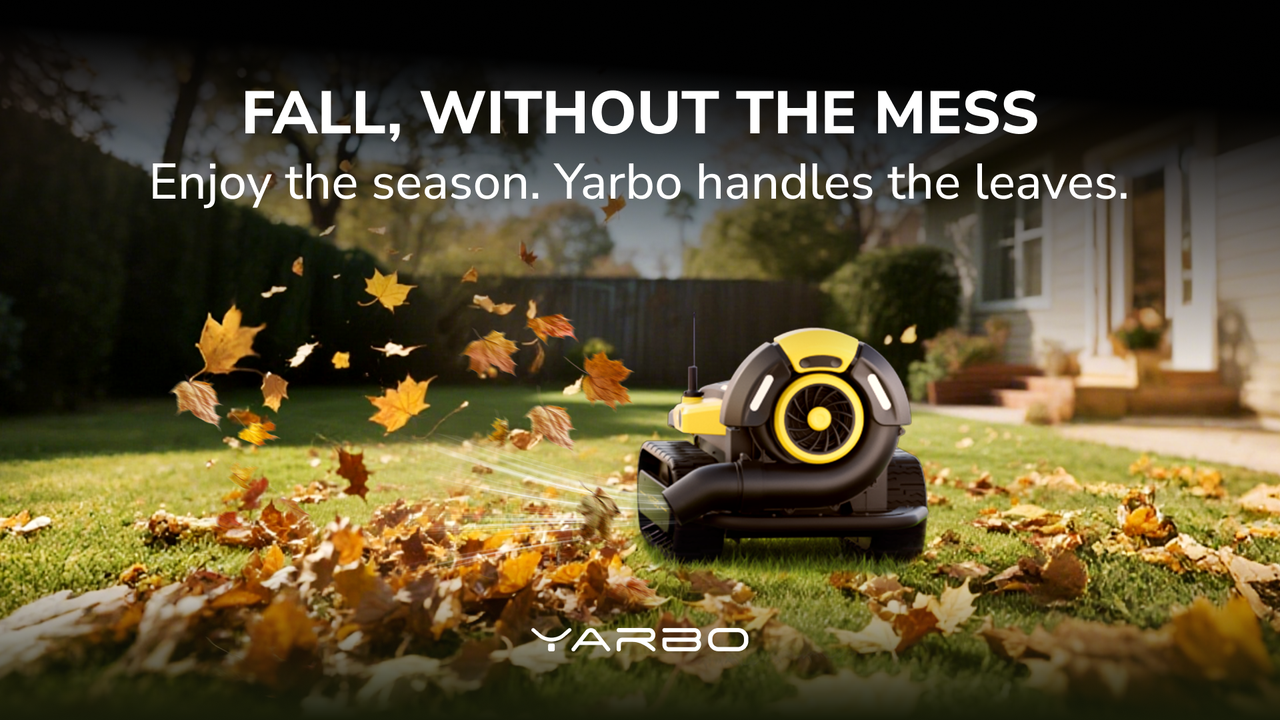
Fall cleanup doesn't have to mean back-breaking raking. Leaf blowers save time and effort. But choosing the right tool is crucial. The size of your yard dictates exactly what is a good leaf blower for your needs. A small patio requires far less power than a sweeping, multi-acre property.
This guide helps you identify the best yard blower based solely on the size of your space. Stop wasting money on overpowered or underpowered equipment.
Power Metrics: What Do CFM and MPH Really Mean?
When you shop for a good leaf blower, you will see two acronyms everywhere: CFM and MPH. Understanding these is key to making an informed decision.
MPH (Miles Per Hour) MPH tells you how fast the air shoots out of the nozzle. This measurement is most helpful for moving heavier debris. High MPH is essential for tasks like clearing wet leaves, dense piles, or small sticks.
CFM (Cubic Feet per Minute) CFM measures the volume of air the machine moves in sixty seconds. This is the volume factor. A higher CFM rating means the blower can move more material all at once. This is vital for clearing large areas quickly.
To maximize efficiency, you need a leaf blower that balances both MPH and CFM. A good leaf blower provides sufficient speed and volume.
Yard Size Determines Blower Type
Your property size is the biggest factor in choosing your equipment. Traditional blowers come in three main formats: handheld, backpack, and walk-behind.
Small to Mid-Sized Yards (Up to ½ Acre)
For small to medium-sized yards, handheld leaf blowers are the general rule of thumb. These models are portable and designed to be used with one hand. They are ideal for quick cleanups around decks, patios, driveways, and tight corners.
-
Corded Electric Blowers: These are best for small yards or areas right near the house. They offer consistent power but restrict mobility due to the extension cord. They require less maintenance and are lighter and quieter than gas models.
-
Cordless/Battery Handheld Blowers: Battery-powered blowers give you great mobility. They are easy to manage and suitable for routine tasks. They typically require high-voltage batteries for longer runtimes. If your yard is medium-sized, consider having a spare battery pack.
Handheld models range from electric, to 2-cycle, to 4-cycle options. Handhelds prioritize precision and portability. They are the choice for modest outdoor spaces. They are quiet, light, and require no gasoline or fumes. If you wonder what is a good leaf blower for tight townhomes or small lots, start here.
Large Yards and Extensive Coverage (½ Acre and Up)
If you have a large property or heavy-duty cleanup jobs, you need more power and better weight distribution.
-
Backpack Leaf Blowers: These are built to produce greater power. They are designed for extended periods of use. The weight is distributed across the user’s back using padded straps and harness systems, which mitigates usability issues common with long-term use of handheld models. Backpack models offer robust performance and longer run times. They suit homeowners with expansive yards or landscaping professionals.
-
Walk-Behind Blowers: For managing extensive landscapes and vast leaf coverage, walk-behind models offer high-performance solutions. These are robust machines with powerful engines and wide clearing paths. They are built for heavy-duty tasks.
These larger options historically meant using gas power, which delivers maximum mobility and runtime for areas a quarter-acre or more. However, modern battery-powered backpack options are changing that. The shift away from gas is accelerating due to emissions, noise, and maintenance demands.
What Is A Good Leaf Blower?
The question, "what is a good leaf blower," is best answered by checking the CFM rating against your yard size.
| Yard Size Category | Typical Square Footage | Recommended CFM Range | Recommended MPH Range | Traditional Blower Type |
| Small/Patios | Up to 2,000 sq. ft. | 150–200 CFM | 150–200 MPH | Handheld (Corded or Small Battery) |
| Medium | 2,000 to 5,000 sq. ft. | 200–400 CFM | 180+ MPH | Handheld (High-Power Battery) |
| Large/Heavy Duty | 5,000 sq. ft. and above | 400 CFM or more | 200+ MPH | Backpack or Walk-Behind |
For large yards with thick, wet leaf piles, aiming for 400+ CFM and 200+ MPH is crucial for effectiveness. A model with 400 CFM and 180 MPH is perfect for a half-acre lot. Professionals and owners of properties 1+ acres often choose power levels around 650 CFM and 250 MPH.
Remember, a good leaf blower needs efficient components. Look for brushless motors in cordless models. They deliver better efficiency and more power.
Why the Best Yard Blower Is Often Battery-Powered?
Battery power delivers mobility without the fumes and maintenance hassles of gas. Consumers are increasingly choosing battery-powered models. This transition is driven by awareness of global warming and fuel emissions.
The Advantages of Battery-Powered Blowers:
-
Zero Maintenance: Gas blowers require spark plug checks, oil changes, and fresh fuel. Battery blowers simply need a charged battery.
-
Quiet Operation: Gas blowers can hit 100+ decibels. Many battery models operate around 60–70 decibels. They are quiet enough to use without earplugs. You can use a quieter blower without disturbing early-morning neighbors.
-
Eco-Friendly: Battery models are zero-emission. This is better for your yard and the environment.
When buying a cordless model, always check the run time. You need 20–40 minutes of high power runtime to finish the job.
The Ultimate Best Yard Blower for Effortless Cleanup
If your yard is large, complex, or you simply want to eliminate the labor completely, it is time to look beyond traditional walk-behind, handheld, and backpack designs. The future of yard care is autonomous.
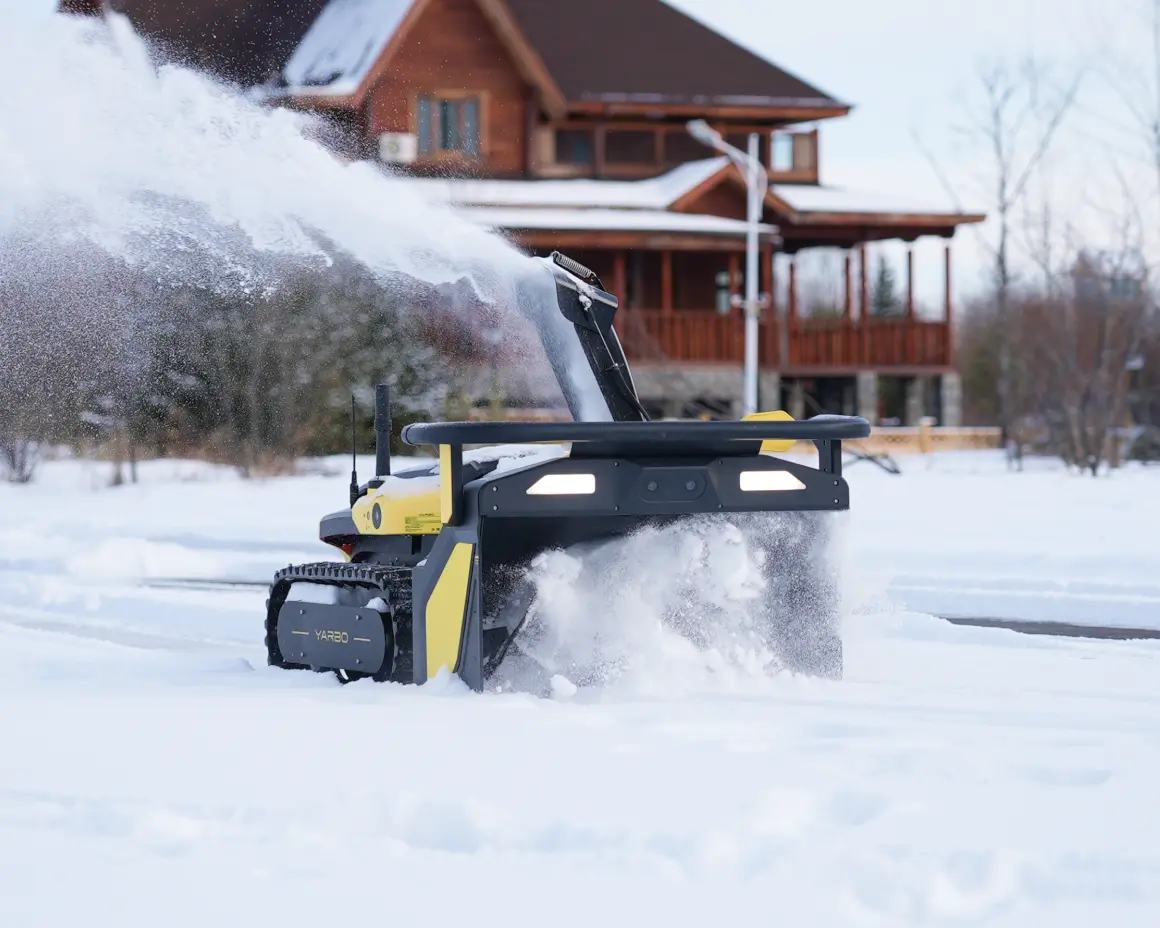
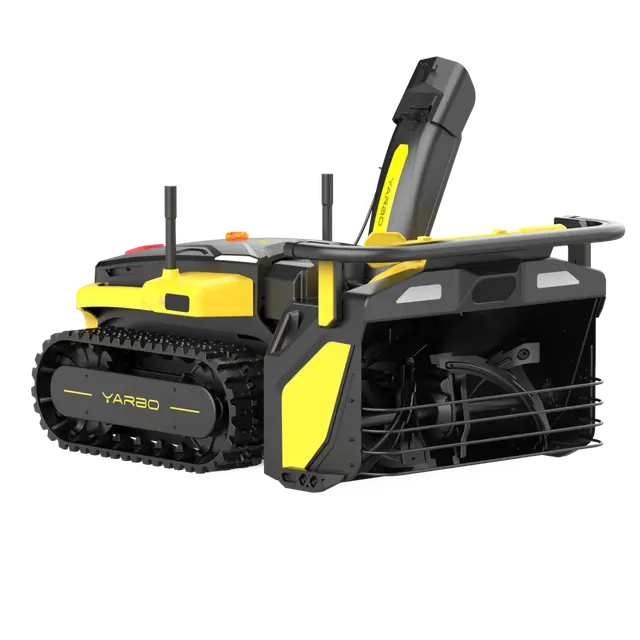
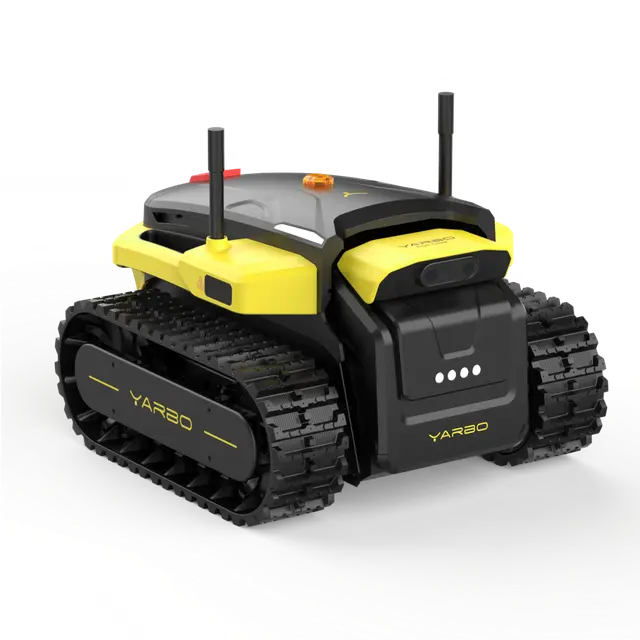
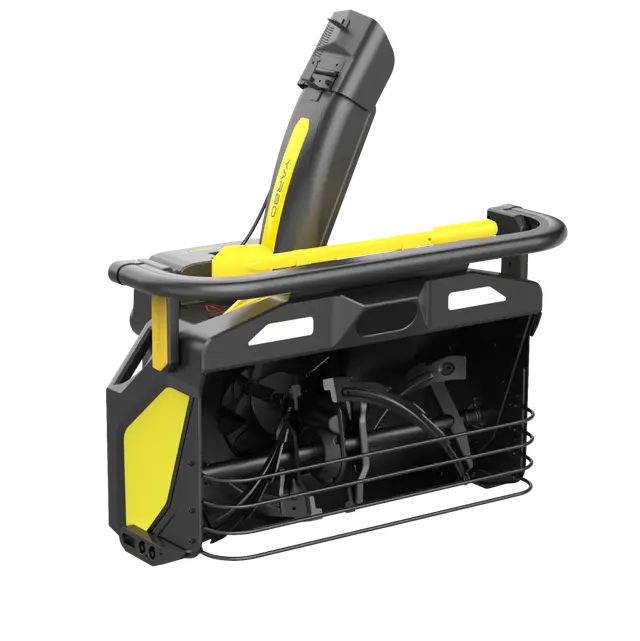
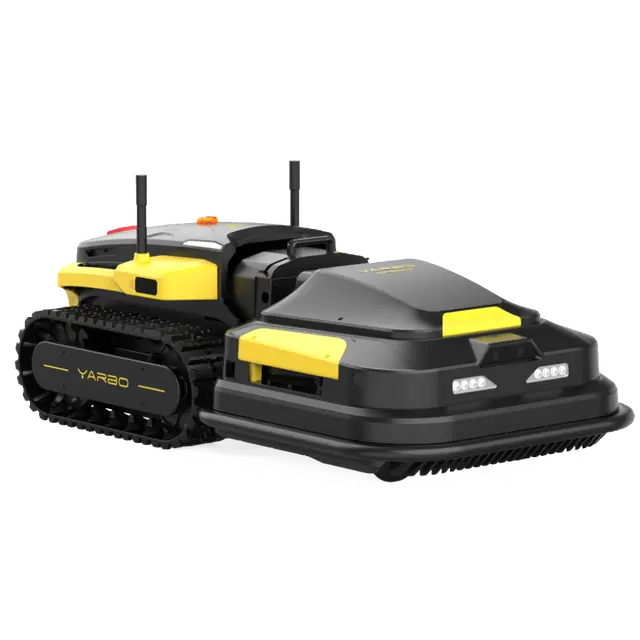
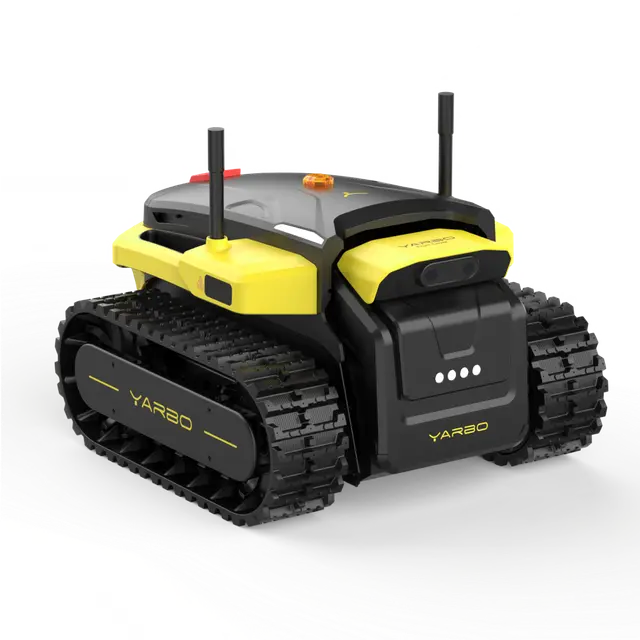
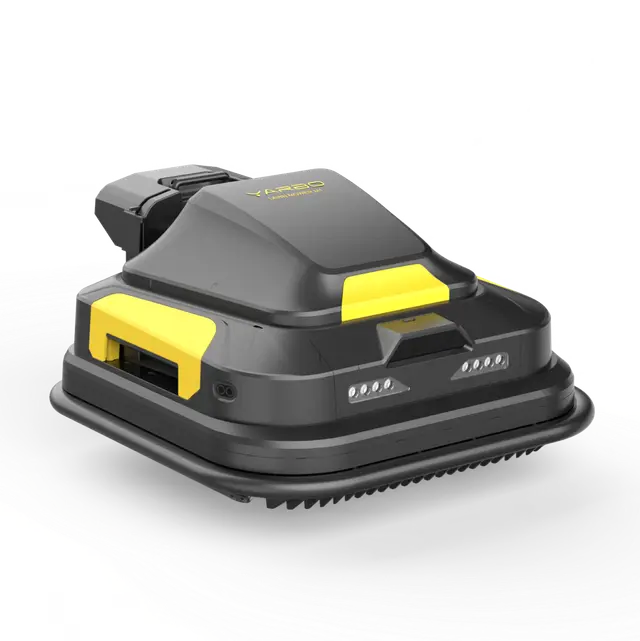
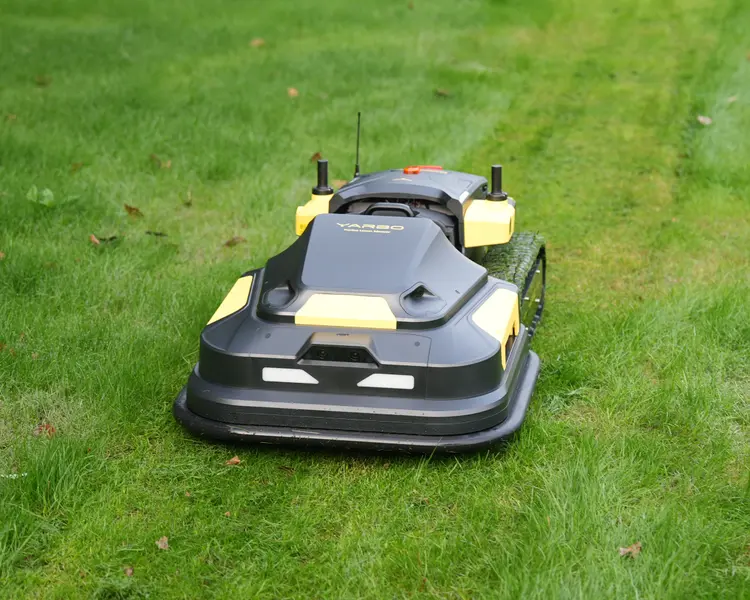
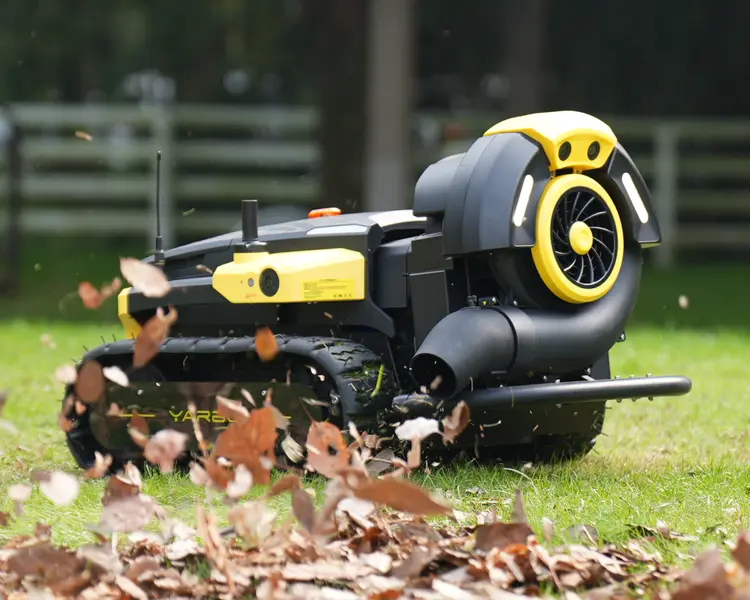
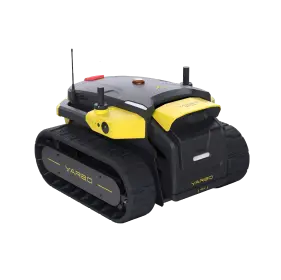
Yarbo has introduced the first-ever robotic leaf blower. This is truly the best yard blower for anyone seeking total automation.
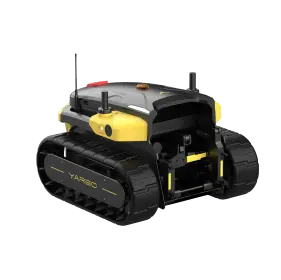
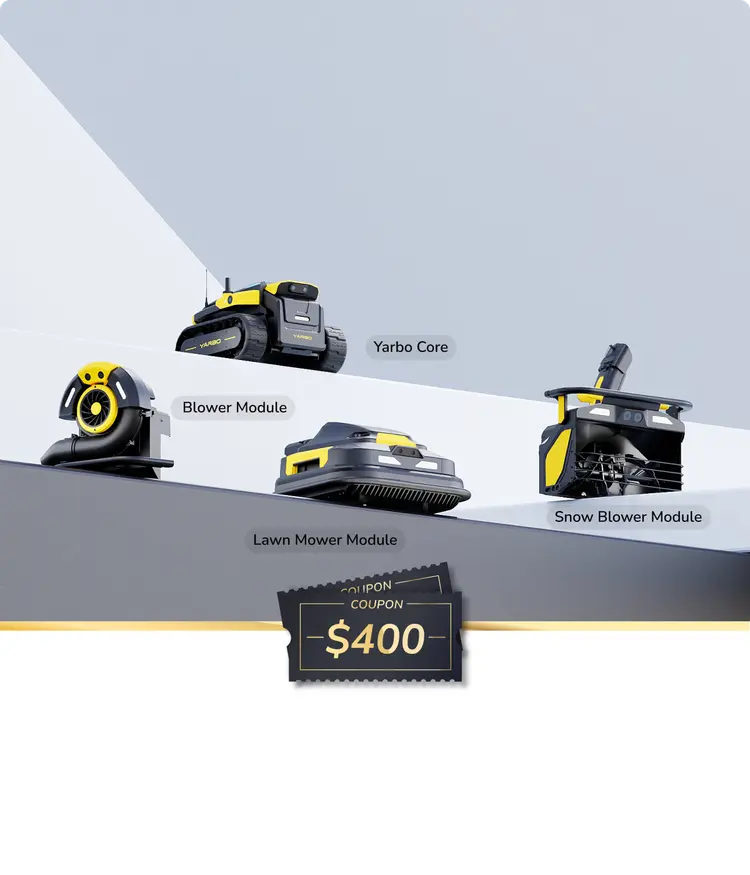
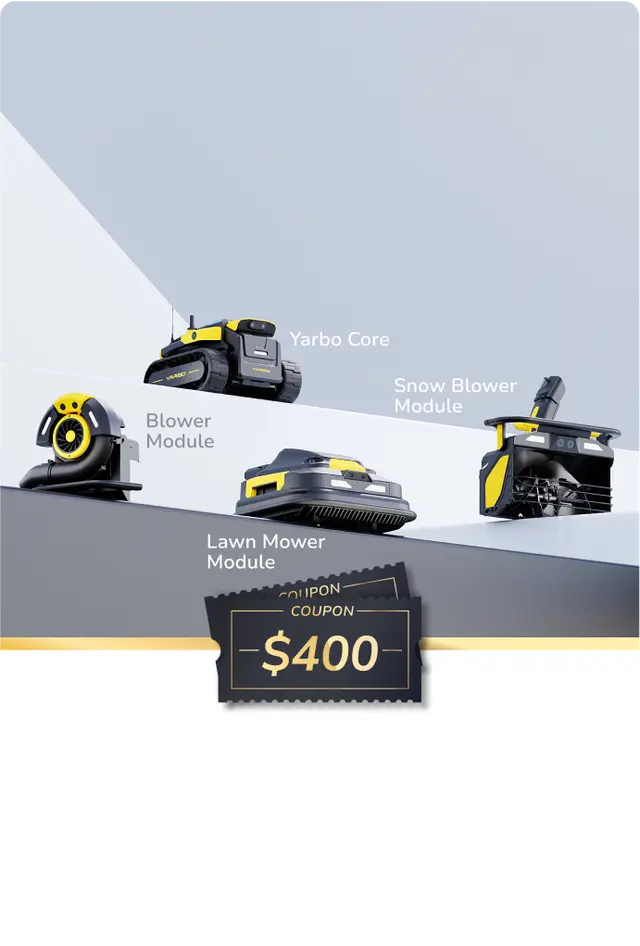
The Yarbo Blower module integrates with the Yarbo Core. It handles varied tasks beyond just leaves, including light snow removal and driveway cleaning.
The Yarbo Blower Advantage:
-
Powerful Performance: The Yarbo Blower provides 21 N (Newtons) of blowing force. This high-velocity airflow is excellent for clearing thick leaf piles and rain-soaked debris. The unit delivers an impressive 607 CFM air volume and 174 MPH air velocity.
-
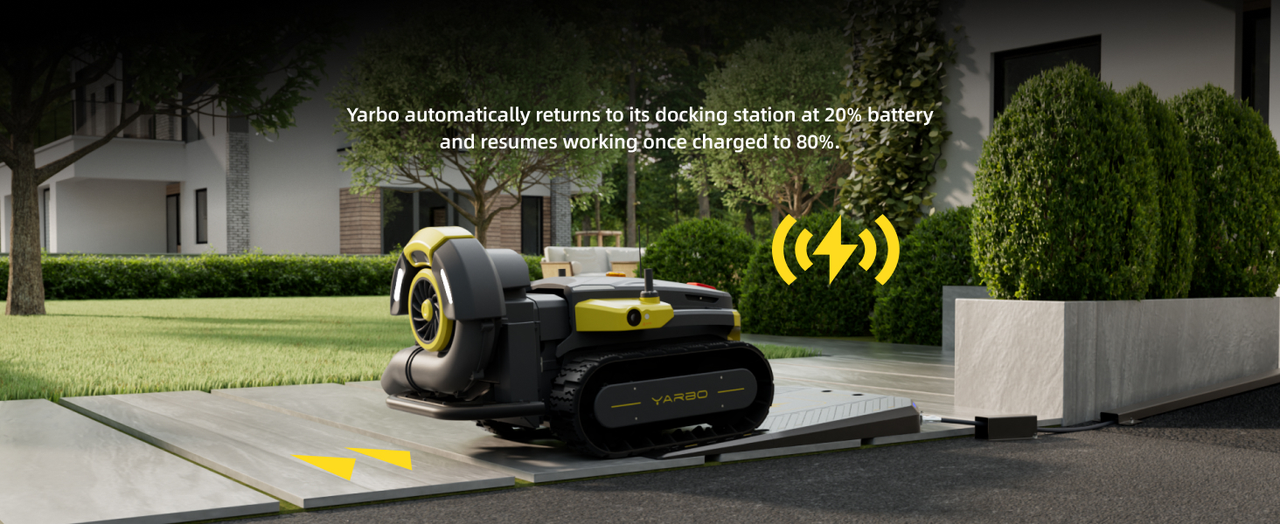
Autonomous Operation: Yarbo intelligently gathers leaves into neat, easy-to-handle piles, eliminating the hassle of manual disposal. It uses smart route planning algorithms that adapt to your yard's map, significantly boosting coverage efficiency. You can execute automated work plans via the app.
-
Superior Navigation: Complex terrain is no problem. Yarbo handles steep slopes up to 70% (35°). It uses advanced systems like RTK-GPS, Stereo Vision, and ODOM to navigate flawlessly, even in wooded areas.
-
Enhanced Experience: As a battery-powered blower, it offers clean energy. It provides a typical operating time of 70 minutes per charge. If you already own the Yarbo Core, adding the leaf blower module is a seamless decision.
Yarbo removes the physical burden. It avoids the muscle aches associated with manual labor. For high-income households or those who hire out yard services, the blower module offers a competitive, effortless solution.
Making Your Final Decision
Choosing a good leaf blower starts with accurately assessing your property.
-
If you have a small space, prioritize weight and low noise. A handheld cordless blower around 200 CFM and 150 MPH will suffice.
-
If you have a large property with heavy debris, you need higher CFM (400+) and greater power. Traditionally, this meant a gas backpack blower. Now, powerful battery backpack or autonomous robotic options are the smarter choice.
Regardless of the type you select, always wear eye protection and follow all safety recommendations. Regularly removing leaves is important; allowing them to sit can damage your lawn. Try to clear them every other week for a healthy lawn.
The goal is to find a good leaf blower that fits your needs and budget. Whether you choose a lightweight handheld model or the fully autonomous Yarbo Blower—the last leaf blower you'll ever need—yard cleanup can finally become effortless.
Ready to simplify your fall routine?
👉 [Shop Yarbo’s Robotic Leaf Blower Now]
FAQs
Q1: Can one leaf blower work for both small tight corners and large open areas?
A: Yes—for yards under ½ acre, a cordless handheld (200–300 CFM, 150–180 MPH) works. Over ½ acre, a battery backpack (400+ CFM) fits. For complex 1+ acre yards, Yarbo’s autonomous blower navigates tight spots and covers large areas.
Q2: How to avoid cordless leaf blower battery death mid-cleanup?
A: Pick 60V–80V batteries for 20–40 mins runtime, buy a spare, and choose models with smart power management (like Yarbo’s 70-min runtime).
Q3: Do I need separate blowers for dry vs. wet leaves?
A: No—prioritize CFM (200–400+) for dry leaves, MPH (180+) for wet ones. All-purpose models (e.g., Yarbo: 607 CFM + 174 MPH) handle both.
-7.png?w=1001&h=621)
 Private group · 33.0K members