A lush, green lawn is the dream of every homeowner. But did you know that one of the most overlooked
secrets to a healthy lawn is
aeration? It’s not just about mowing, watering, and fertilizing—lawn aeration plays a crucial role in ensuring your grass thrives year-round.
In this article, we’ll break down the benefits of aerating lawn, science behind lawn aeration, why it’s essential, and the best times to do it.
Table of Contents:
What Is Lawn Aeration?
A healthy lawn is more than just regular mowing and watering—it requires air, water, and nutrients to reach the roots.
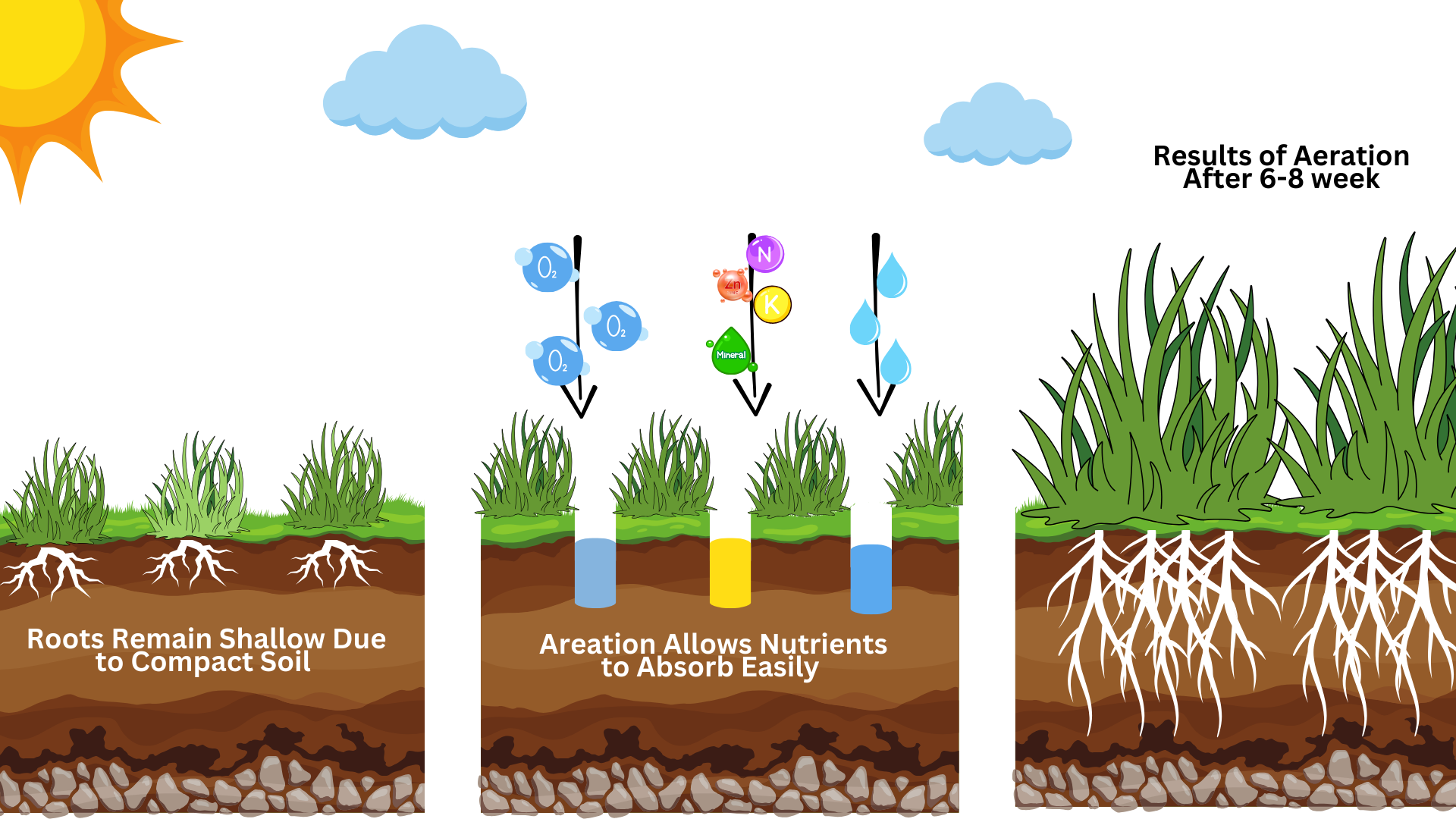
Wonder why aerate lawn? Lawn aeration is the process of creating small holes in your lawn to break up compacted soil and improve nutrient & airflow to the roots. Without aeration, your soil becomes dense and suffocates your grass, leading to thinning turf and poor growth.
This allows water, nutrients, and oxygen to penetrate deep into the soil, making it easier for grass to grow thick and healthy.
The Science Behind Soil Compaction
Soil compaction happens when particles are pressed tightly together, leaving little room for air pockets. This usually occurs due to foot traffic, mowing, or even heavy rainfall. Compacted soil prevents grass roots from growing deeply, limiting their ability to access water and nutrients.
Benefits of Aerating Lawn On Lawn Health
The answer to why aerate lawn is that when you aerate, you break through the hardened soil, opening pathways for root expansion and nutrient intake. Studies from turf management specialists confirm that aerated lawns develop stronger, deeper roots, resulting in thicker, greener grass that withstands environmental stress.
Benefits of Aerating Lawn Backed by Science
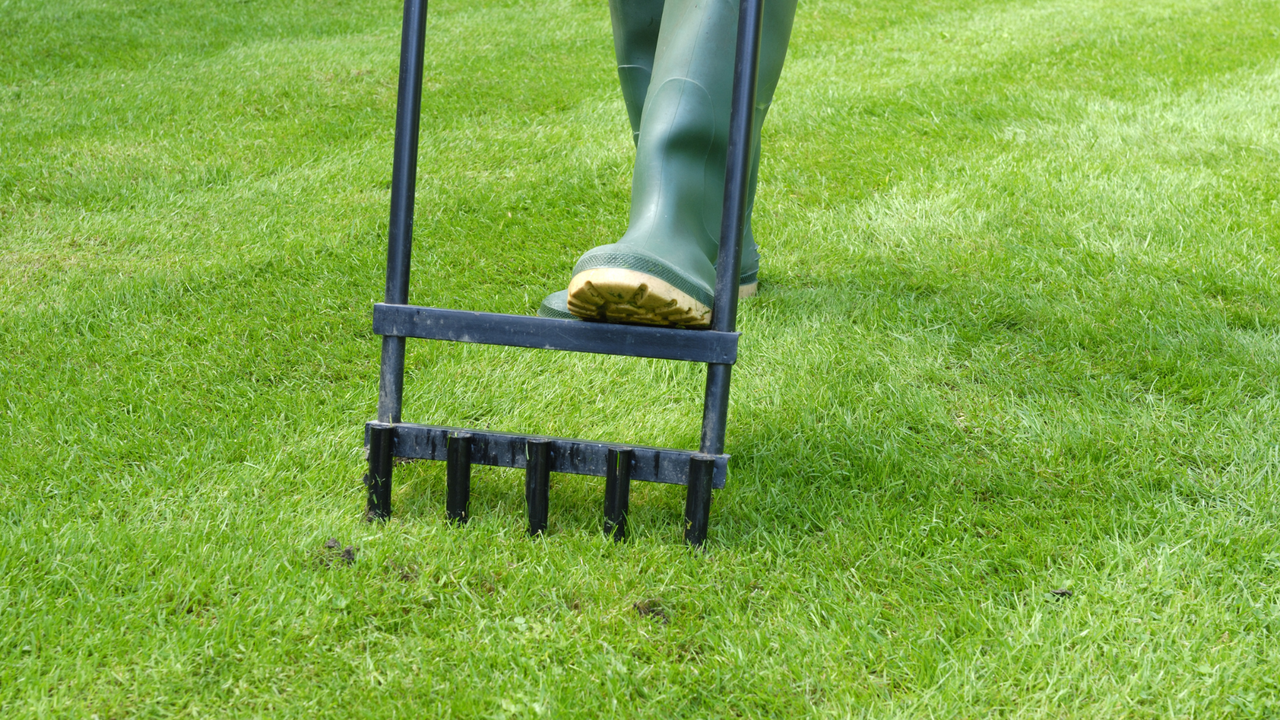
Boosts Nutrient and Oxygen Absorption
Grass roots need oxygen to survive. By creating channels in the soil, aeration ensures air circulates freely while fertilizers reach deep into the ground.
Improves Water Penetration
Compacted lawns cause water runoff instead of absorption. Aeration allows water to soak into the soil, keeping your lawn hydrated without waste.
Strengthens Grass Roots
Deep roots equal resilient turf. Aeration stimulates stronger root systems that can handle drought, disease, and heavy use.Encourages deeper, more resilient root systems, thicker, more resilient grass that can withstand foot traffic, drought, and other environmental stressors.
Reduces Thatch Buildup
Thatch is a spongy layer of dead grass and debris. Left unchecked, it suffocates roots. Aeration helps microbes break down thatch naturally, improving soil health.
Does Lawn Aeration Work?
Scientific Studies and Expert Insights
According to The Spruce, regular aeration can increase lawn density by up to 30%. Turf specialists also recommend annual aeration for compacted soils to maintain healthy turf growth.
Real-Life Results from Aerated Lawns
Homeowners often notice greener, denser lawns within weeks of aeration, especially when combined with overseeding and fertilization.
According to
The Spruce, regular aeration can increase lawn density by up to 30%.
When Should You Aerate Your Lawn?
Timing is everything when it comes to lawn aeration. Knowing the right time to aerate your lawn ensures the best results, helping grass roots grow deeper and stronger. Aerating at the wrong time can stress your lawn or even damage it.
The Best Time to Aerate Your Lawn
The ideal time to aerate your lawn depends on the type of grass you have:
-
Cool-Season Grasses (like Kentucky bluegrass, ryegrass, or fescue)
-
Warm-Season Grasses (like Bermuda, zoysia, or St. Augustine)
-
Best Time: Late spring to early summer
-
Why: These grasses thrive in warmer weather, so aerating during their peak growing period helps them heal and spread effectively.
Signs Your Lawn Needs Aeration
Even if you know the best season, certain signs indicate your lawn could benefit from aeration sooner:
-
Soil feels hard when you press into it
-
Water pooling in certain areas, instead of absorbing
-
Thinning or patchy grass, despite watering and fertilizing
-
Heavy foot traffic or frequent use
-
Excessive thatch buildup over ½ inch thick
-
Difficulty inserting a screwdriver into the soil
How to Do Lawn Aeration Step by Step?
Choosing the Right Aeration Method
Lawn aeration can be done using different methods, each with its own advantages and best-use scenarios. The right method depends on your soil type, grass condition, and overall lawn needs. Here are the three main types of lawn aeration techniques:
1. Core Aeration (Plug Aeration)
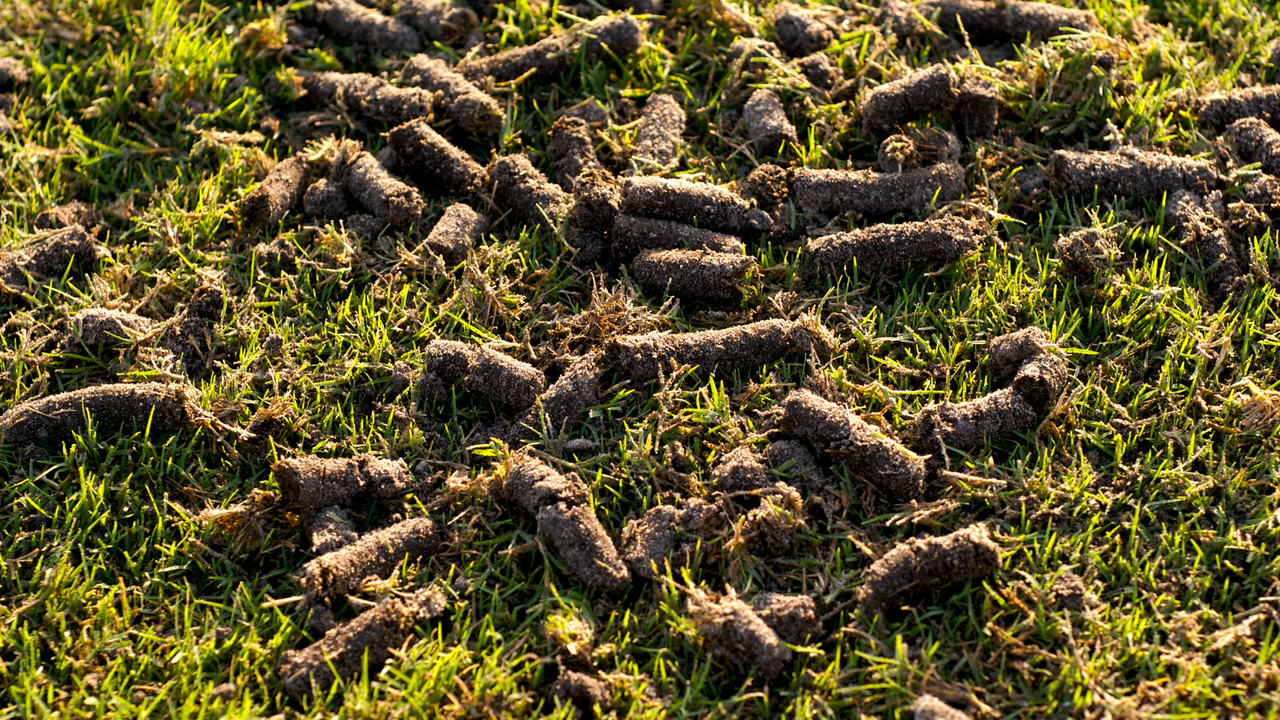
Core aeration, also known as plug aeration, is the most effective method for reducing soil compaction. This process involves a machine that removes small plugs of soil (about 2–3 inches deep) and deposits them on the lawn’s surface. These plugs gradually break down, enriching the soil with organic matter while creating space for air, water, and nutrients to penetrate deeply.
- Best for: Highly compacted soil, clay-heavy lawns, and thick thatch buildup
- Pros: Long-lasting results, improves root development, and enhances soil health
- Cons: Requires equipment rental or professional service, leaves temporary soil plugs on the surface
2. Spike Aeration (Also known as Aeration Shoes)
Spike aeration involves using a tool or machine with solid spikes or tines to puncture holes in the soil without removing any material. This method is less invasive but can sometimes worsen compaction by pushing soil sideways rather than removing it.
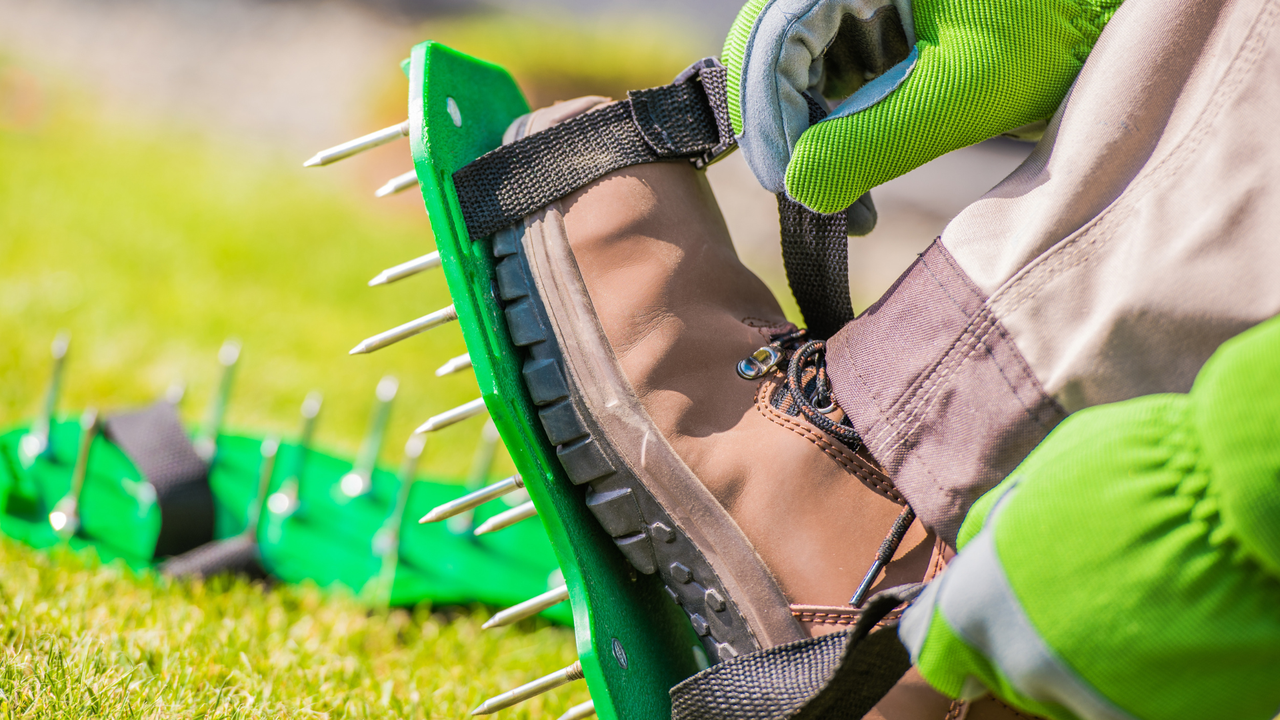
- Best for: Lightly compacted soil, sandy lawns, and frequent aeration needs
- Pros: Easier to do at home, affordable, and requires minimal cleanup
- Cons: Less effective on heavy clay soils, can compact the soil further over time
3. Liquid Aeration
Liquid aeration is a newer technique that involves applying a liquid solution to the lawn, which helps break up compacted soil at a microscopic level. These solutions contain natural enzymes and surfactants that improve soil structure over time. Unlike mechanical aeration, this method doesn’t leave visible holes, making it ideal for homeowners looking for a no-mess alternative.
- Best for: Lawns with mild to moderate compaction, sandy or loamy soils, and those seeking a low-maintenance approach
- Pros: No need for heavy machinery, easy to apply, and covers large areas quickly
- Cons: Takes longer to show results, may not be as effective for highly compacted soil
Which Aeration Method Is Right for You?
If you have severely compacted soil, core aeration is the best option for long-term lawn health. For light aeration maintenance, spike aeration can work, but it should be used sparingly. If you prefer a hassle-free approach, liquid aeration may be a good alternative, especially for maintaining soil health between mechanical aeration sessions.
| Method |
Best For |
Pros |
Cons |
| Core Aeration |
Compacted, clay-heavy soils |
Long-lasting, improves soil health |
Requires equipment, temporary plugs |
| Spike Aeration |
Lightly compacted, sandy soils |
Affordable, easy to do |
Less effective, may worsen compaction |
| Liquid Aeration |
Mild compaction, low-maintenance lawns |
No machinery, easy application |
Slower results, less effective for heavy soils |
By choosing the right aeration method and performing it at the right time, you’ll set your lawn up for healthier growth, better water absorption, and a stronger root system
DIY vs. Professional Aeration
Benefits of Hiring a Professional
A professional aeration service ensures that the job is done correctly and efficiently, with commercial-grade equipment or rolling aerators that provides deeper penetration.
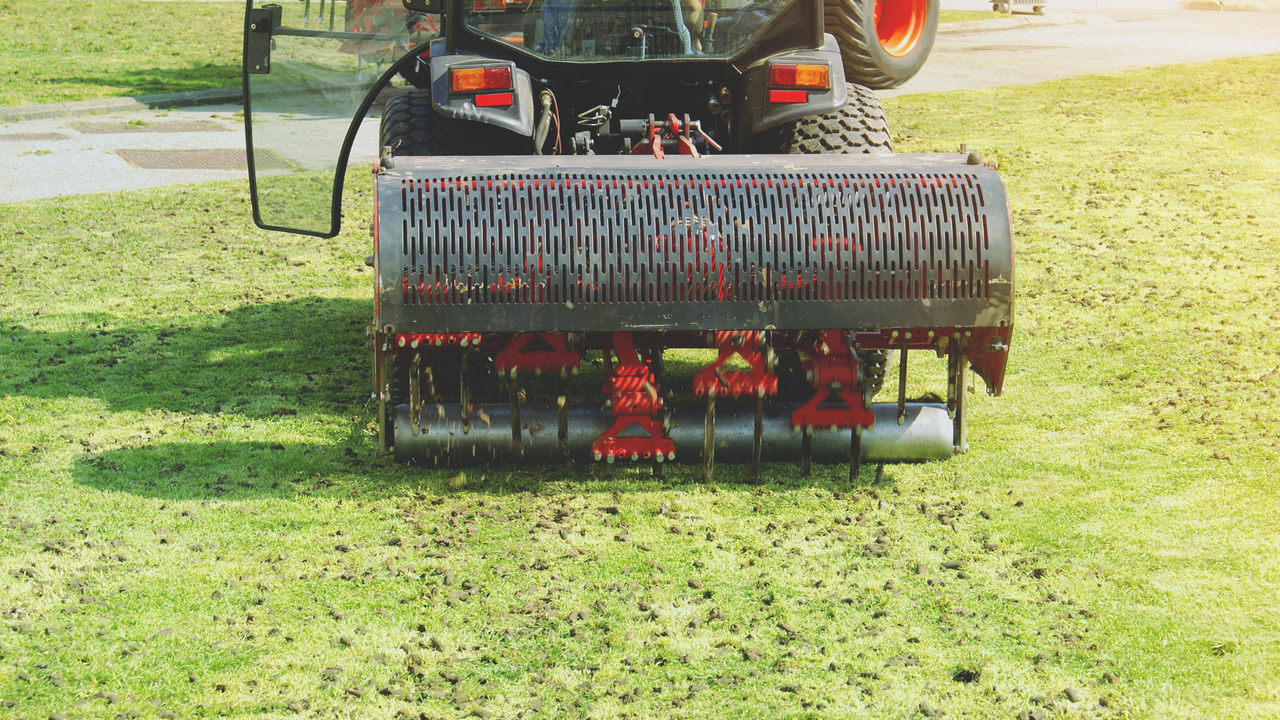
How to Aerate Your Lawn at Home
If you prefer a DIY approach, you can rent or buy an aerator and follow these steps:
- Water the lawn a day before to soften the soil.
- Run the aerator across your lawn in a grid pattern.
- Leave soil plugs on the surface to break down naturally.
What to Do After Aerating Your Lawn
Aerating is just the first step toward a healthier, greener lawn. What you do immediately afterward can make all the difference in maximizing the benefits of the process.
Overseeding for a Thicker Lawn
Aeration creates the perfect environment for overseeding, helping new grass grow thicker and fill in bare spots.
Fertilizing for Maximum Growth
Applying fertilizer after aeration maximizes nutrient absorption, giving your grass a boost.
Proper Watering Techniques
After aeration, keep your lawn moist but not soaked to encourage healthy root growth.
Common Lawn Aeration Mistakes to Avoid
- Aerating when the soil is too dry or too wet
- Using the wrong aeration method for your soil type
- Skipping aftercare like fertilizing and watering
Conclusion
Lawn aeration is more than just a gardening task—it’s a scientifically proven way to improve root health, enhance nutrient absorption, and create resilient grass. Whether you hire a professional or DIY, timing and method are key. Combine aeration with overseeding, fertilization, and proper watering, and your lawn will stay lush, green, and healthy year after year.
For further reading, check this resource from University of Minnesota Extension on professional lawn aeration practices.
FAQS
1. Can I aerate my lawn too much?
Yes. Over-aeration disrupts the root system and stresses grass. Once a year is sufficient for most lawns, though compacted soil may need twice yearly.
2. Is it better to aerate before or after fertilizing?
Always aerate before fertilizing. This ensures nutrients reach the roots through the newly created soil channels.
3. Can I mow my lawn after aeration?
Wait at least 2–3 days after aeration before mowing. This gives soil plugs time to dry and break down naturally.
4. Does aeration help with weeds?
Indirectly, yes. A thick, healthy lawn resists weed invasion better, but aeration alone won’t kill existing weeds.
5. Does lawn aeration work on all soil types?
Yes, but the method matters. Core aeration works best on clay soils, while liquid or spike aeration is suitable for sandy soils.

-7.png?w=1001&h=621)
 Private group · 33.0K members