Maintaining a healthy, beautiful lawn can feel overwhelming, especially when you’re unsure where to start.
This lawn care guide will give you clear, actionable lawn care tips using the right lawn care tools to help your yard thrive without wasting time or resources.
Table Of Contents
Why Is a Lawn Care Guide Essential for a Healthy Lawn?
A well-structured lawn care guide saves you from costly mistakes like overwatering, uneven mowing, or soil neglect. It provides clear, season-based lawn care tips so you can maintain your yard’s health and appearance year-round. But first things first, you need to have an understanding of your lawn.
Understanding Your Lawn
Understanding your lawn is a critical step in achieving your dream lawn. This will guide you on what your lawn's needs are and what you need to do for it.
Identifying Grass Types
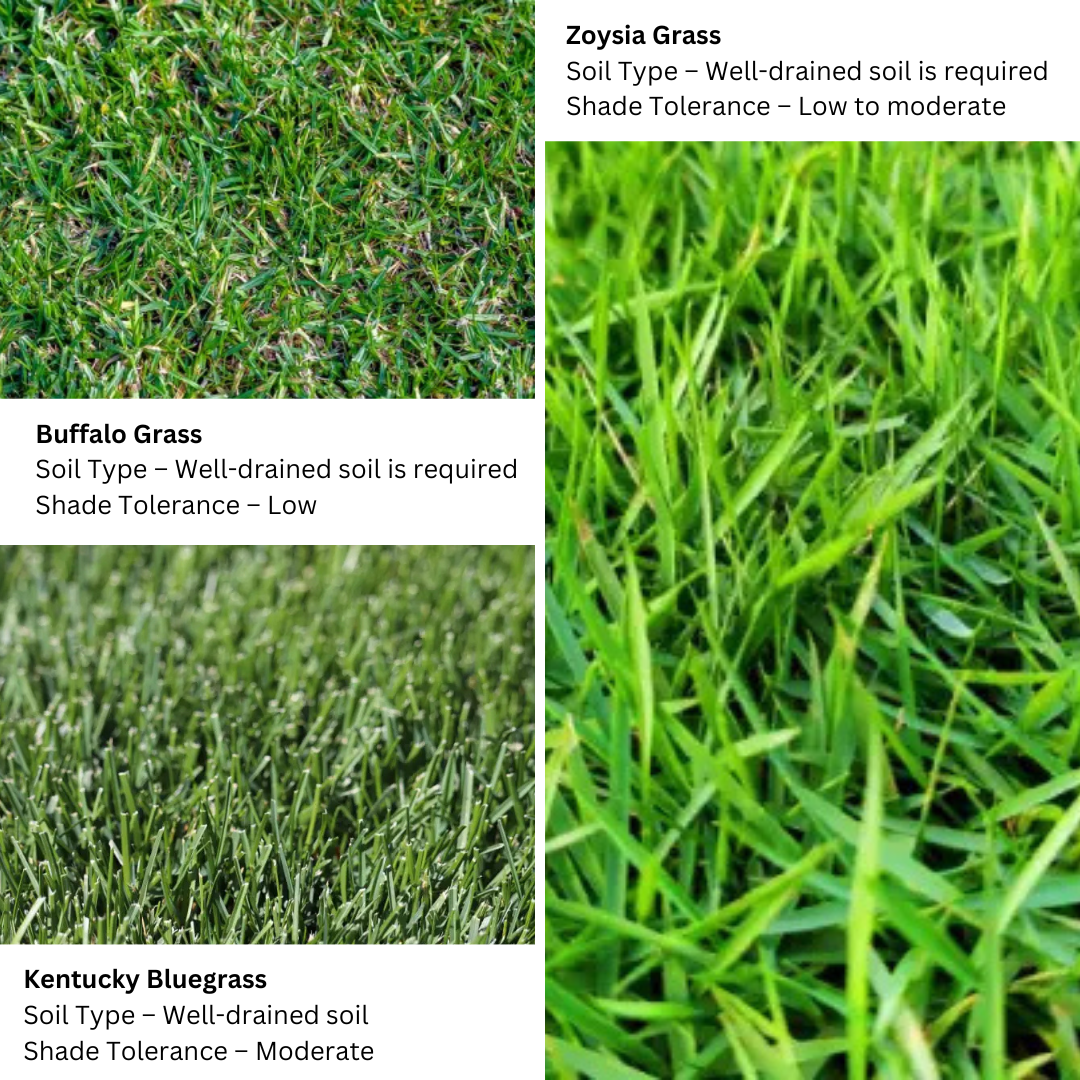
Different grass types thrive in different conditions. Warm-season grasses like Bermuda and Zoysia flourish in hotter climates, while cool-season grasses like Kentucky Bluegrass prefer cooler temperatures. Knowing your grass type is the first step toward effective care.
Recognizing Your Soil Type
Healthy grass starts with healthy soil. Is your soil sandy, clay-heavy, or loamy? Conduct a soil test to determine its pH and nutrient levels, and adjust accordingly for optimal growth.
Knowing Your Climate Zone
Your climate zone determines how your lawn responds to weather conditions. Check your USDA zone to understand the seasonal needs of your lawn.
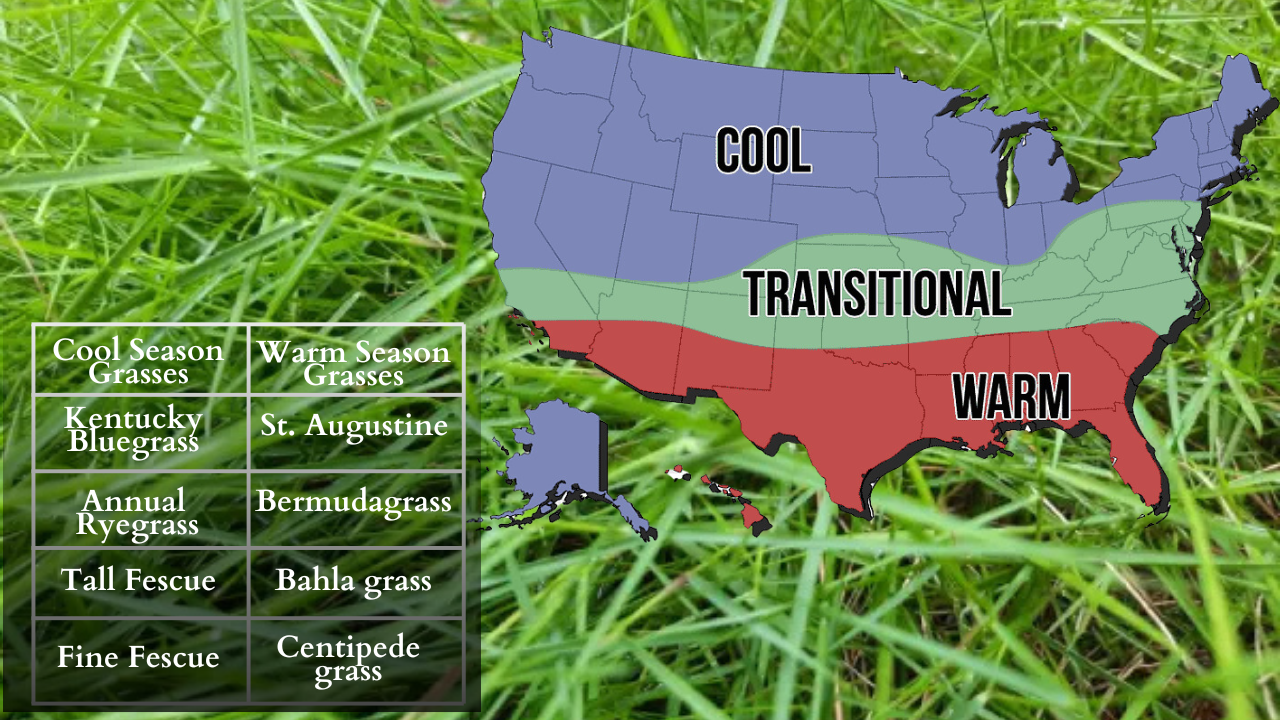
Lawn Care Guide For a Healthier Lawn
Step One: Preparing Your Lawn
Cleaning and Debris Removal
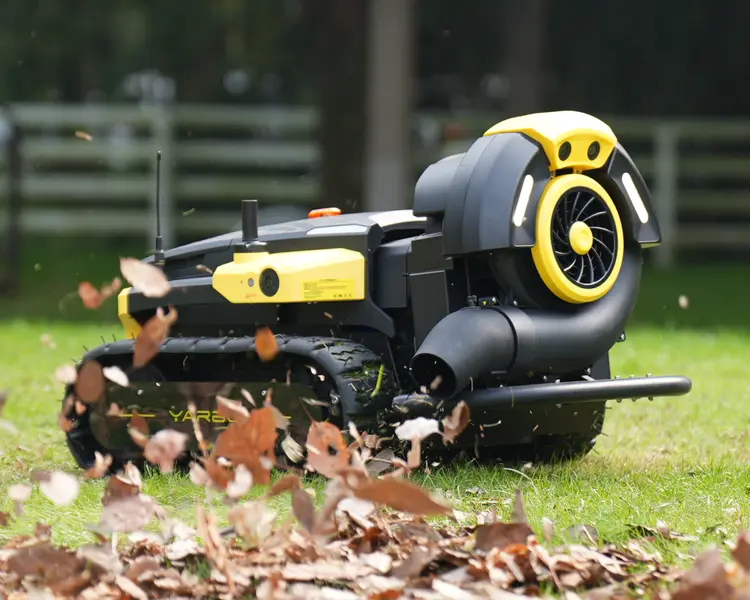
Start by clearing away leaves, sticks, and other debris. A clean lawn allows grass to grow unimpeded and prepares it for further care.
Soil Testing and Improvement
Test your soil’s pH and nutrient levels. Add lime to increase pH or sulfur to lower it, and enrich your soil with compost if needed.
Step Two: Correct Mowing Techniques
Always mow with sharp blades and avoid cutting more than one-third of the grass height at a time. Scalping the grass can weaken its roots and invite pests.
Best Practices for Mowing Frequency
Mow weekly during the growing season but adjust frequency based on grass growth. Never mow wet grass to avoid uneven cuts and damage.
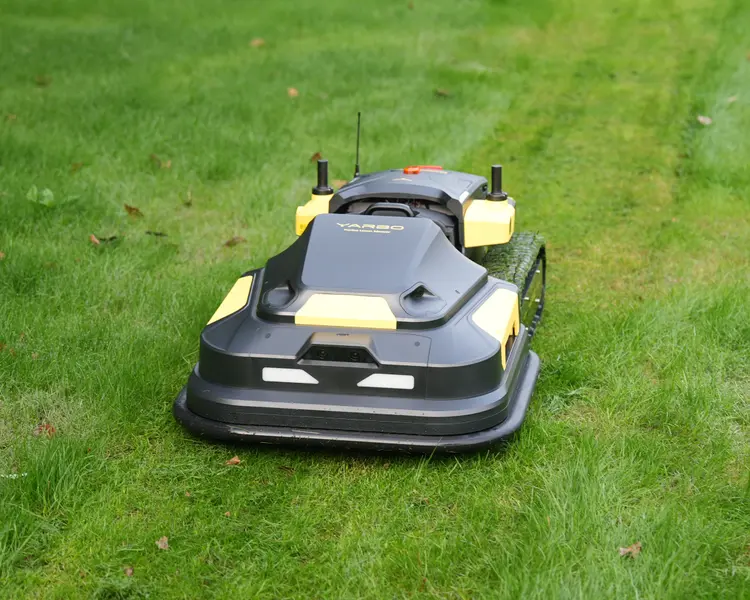
With the innovation in technology, you can invest in a robot lawn mowing and control it from your smart phone to keep your lawn properly mowed and healthy.
Step Three: Watering Your Lawn
When and How Much to Water
Early morning is the best time to water your lawn, allowing it to absorb moisture before the heat of the day.
Aim for about 1-1.5 inches of water per week, including rainfall.
Tips for Conserving Water:
-
Use a rain gauge to track natural precipitation
-
Install a drip irrigation system for targeted watering.
Step Four: Feeding and Fertilizing
Choosing the Right Fertilizer
Opt for a balanced fertilizer with nitrogen, phosphorus, and potassium. Organic fertilizers are an excellent eco-friendly choice.
How Often to Fertilize
Feed your lawn 3-4 times a year: in early spring, late spring, early fall, and late fall.
Related Read: How to Choose the Right Fertilizer for Your Lawn
Step Five: Weed Management
Weed management is necessary as it competes with your grass for nutirent, space, and growth and ruins the aesthetic appeal of your lawn.
- Types of Weeds and How to Control Them: Broadleaf weeds, grassy weeds, and sedges require different treatments. Use pre-emergent herbicides to prevent weeds and post-emergent herbicides to kill existing ones.
- Preventing Weed Growth: Keep your grass healthy and thick to crowd out weeds naturally. Mulching also helps prevent weed seeds from germinating.
Step Six: Aeration and Dethatching
Aeration involves perforating the soil with small holes to allow air, water, and nutrients to penetrate deeper into the roots. This process helps relieve soil compaction, which can suffocate grass roots and hinder growth.
-
When to Aerate: Aerate in the spring or fall when the grass is actively growing.
-
How to Aerate: Use a manual core aerator, a spike aerator, or a machine for larger lawns.
Aerating your lawn allows water, nutrients, and air to penetrate the soil, promoting deeper root growth.
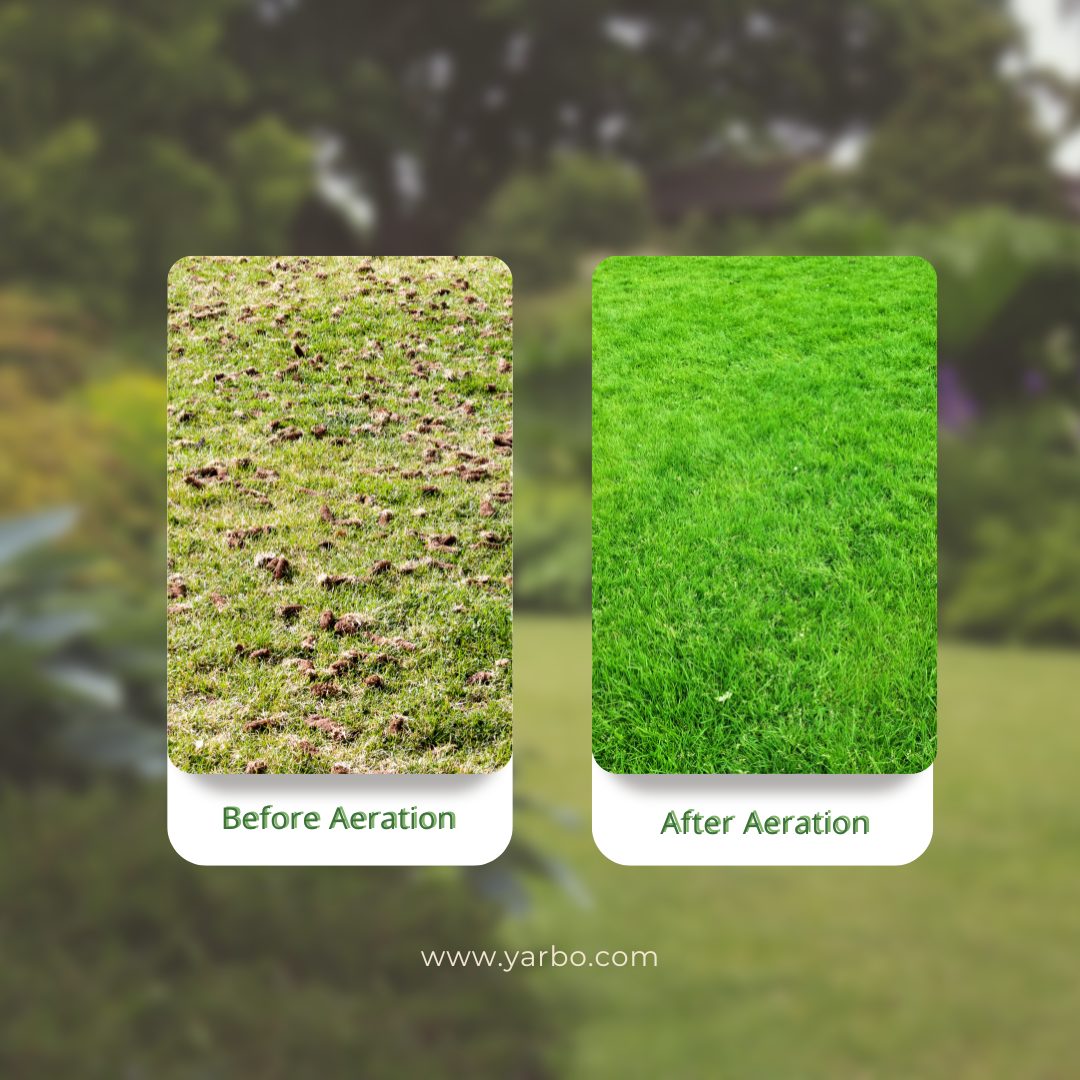
How and When to Dethatch
Dethatching is the process of removing the layer of dead grass, roots, and other organic material that accumulates between the soil surface and the grass blades, known as "thatch."
While a small amount of thatch is normal and can protect the soil, too much can block water, air, and nutrients from reaching the grass roots.
-
When to Dethatch: Early spring or fall is ideal, depending on your grass type.
-
How to Dethatch: Use a dethatching rake, a power dethatcher, or hire professionals for large areas.
Remove excess thatch in early spring or fall to keep your lawn healthy and breathable.
When To Seed and Overseed You Lawn
Fixing Bald Spots in Your Lawn
Use a patch repair mix for small bald spots, ensuring the seeds have good soil contact.
When to Overseeding Your Lawn
Early fall or spring are ideal times for overseeding to fill in thin areas and improve overall density.
Dealing with Pests and Diseases
The enemy of your yard and grass health is pests and diseases, There are a number of things that you can do to help you grass build immunity against these invaders and maintain your lawn heath.
Common Lawn Pests and Treatments
Grubs, chinch bugs, and armyworms are common culprits; these pests can harm your lawn.
Treat infestations with appropriate insecticides or organic solutions like neem oil.
Identifying and Managing Lawn Diseases
Yellow patches or moldy spots may signal diseases like brown patch or snow mold. Address these issues with fungicides and improved lawn care practices.
What Are the Best Lawn Care Tips for Healthier Grass?
Looking for effective lawn care tips that actually work? Here’s what to focus on:
-
Regular Mowing: Keep your grass at the recommended height to encourage thicker growth and block weeds.
-
Proper Watering: Water deeply, but less frequently, to encourage deeper root systems.
-
Fertilization: Use a balanced fertilizer appropriate for your grass type to maintain nutrients in the soil.
-
Aeration: Aerate your lawn annually to allow water, air, and nutrients to reach the roots.
-
Weed Control: Spot-treat or manually remove weeds to reduce competition for nutrients.
Prefer to get things automated? Check our Yarbo's lawn care tools today.
These lawn care tips help you build a healthy, resilient lawn capable of withstanding foot traffic, pests, and changing weather.
What Lawn Care Tools Do You Need for Easy Lawn Maintenance?
Choosing the right lawn care tools makes following your lawn care guide easier and more effective:
-
Robotic Mowers: Automate mowing for consistent grass height while saving time.
-
Aerators: Essential for breaking compacted soil and promoting root growth.
-
Trimmers and Edgers: For clean, precise borders that boost curb appeal.
-
Smart Irrigation Systems: Ensure your lawn receives the right amount of water without wastage.
-
Soil Test Kits: Determine soil pH and nutrient deficiencies to tailor fertilization plans.
Tip: The Yarbo Mower Pro is an excellent lawn care tool for automating mowing while promoting healthier grass.
How Can the Right Lawn Care Tools Save You Time?
Using advanced lawn care tools like robotic mowers and automated irrigation reduces manual work, prevents common lawn mistakes, and ensures your yard consistently looks its best.
-
Time Savings: Automated tools handle routine tasks, giving you more free time.
-
Efficiency: Smart tools reduce water and fertilizer waste while improving lawn health.
-
Consistency: Automation maintains optimal mowing and watering schedules without human error.
Yarbo’s Role in Your Lawn Care Guide
The Yarbo Mower Pro is your ultimate lawn care tool for effortless, effective lawn maintenance. It autonomously trims your grass to the ideal height while mulching clippings to return nutrients to the soil, reducing the need for synthetic fertilizers.
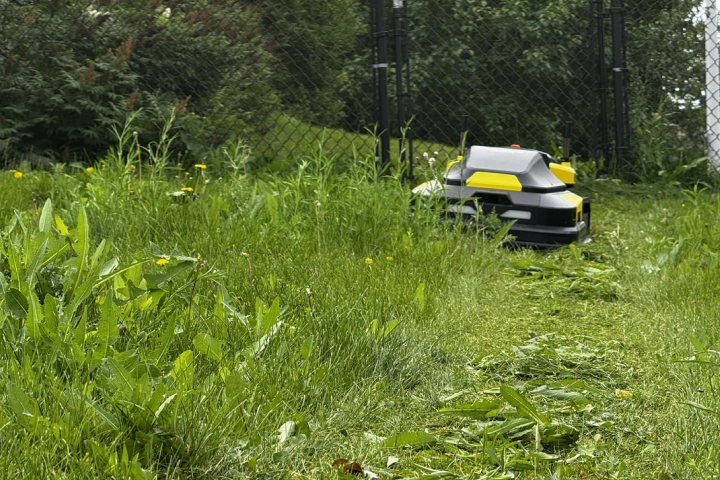
Real User Testimonial: “Since using the Yarbo Mower Pro, my lawn looks healthier, and I’ve reclaimed hours every weekend.”
Is It Worth Investing in Smart Lawn Care Tools?
Investing in smart lawn care tools aligned with your lawn care guide pays off by:
-
Reducing manual effort
-
Improving lawn health and appearance
-
Lowering water and maintenance costs
-
Providing year-round consistency
If your lawn care takes more than 2 hours per week, upgrading to automated solutions like the Yarbo Mower Pro can save you over 100 hours annually while promoting a healthier lawn.
Final Takeaway
Following a lawn care guide with proven lawn care tips and using the right lawn care tools will transform your lawn into a healthy, lush outdoor space you’re proud of.
Ready to take your lawn care to the next level? Explore Yarbo’s smart lawn care tools here.
FAQs
Q1: How often should I mow for a healthy lawn?
Aim to mow weekly, removing only one-third of the grass blade length at a time for optimal health.
Aim to mow weekly, removing only one-third of the grass blade length at a time for optimal health.
Q2: What is the best watering schedule?
Water deeply 1–2 times per week, ensuring your lawn gets around 1 inch of water per week.
Water deeply 1–2 times per week, ensuring your lawn gets around 1 inch of water per week.
Q3: Do robotic mowers improve lawn health?
Yes! Robotic mowers like Yarbo provide frequent, even trimming, encouraging thicker and healthier grass growth.
Yes! Robotic mowers like Yarbo provide frequent, even trimming, encouraging thicker and healthier grass growth.
Q4: Can I maintain a lawn without using chemicals?
Yes, using organic fertilizers, proper mowing, and aeration can naturally promote lawn health without harsh chemicals.
Yes, using organic fertilizers, proper mowing, and aeration can naturally promote lawn health without harsh chemicals.
Q5: How do I know if my soil needs aeration?
If water pools on your lawn or the ground feels hard, it’s time to aerate to improve root health.
If water pools on your lawn or the ground feels hard, it’s time to aerate to improve root health.
Q6: Can I water my lawn at night?
Watering at night can lead to fungal growth. Early morning is best.
Watering at night can lead to fungal growth. Early morning is best.
-7.png?w=1001&h=621)
 Private group · 33.0K members