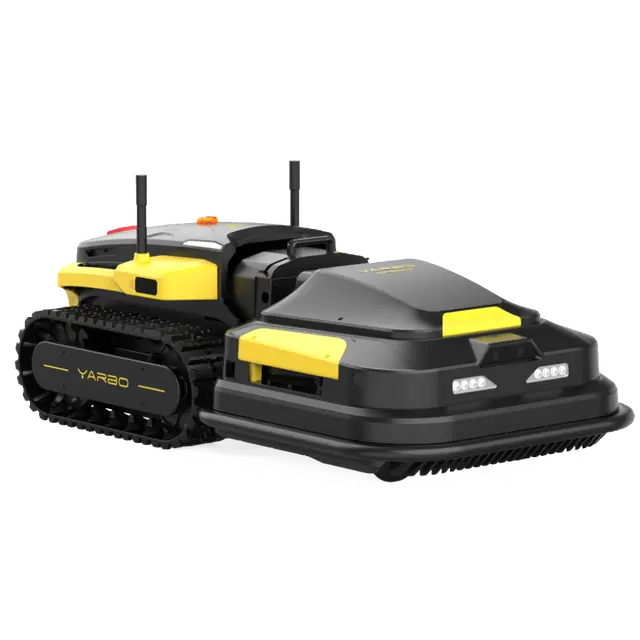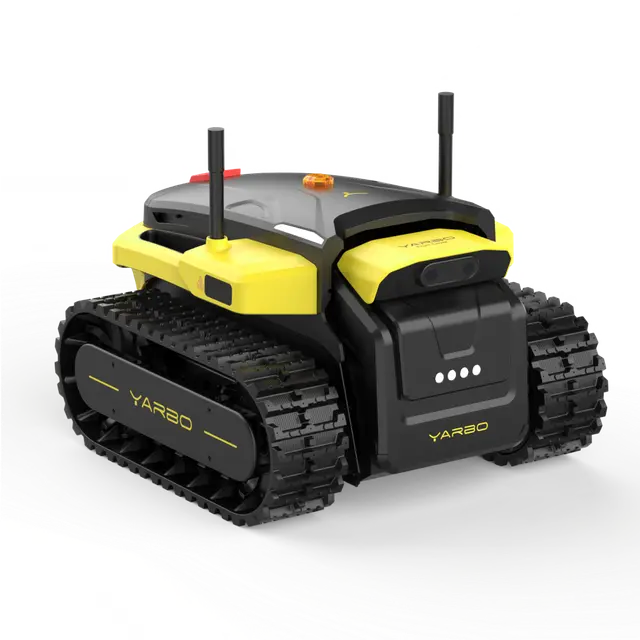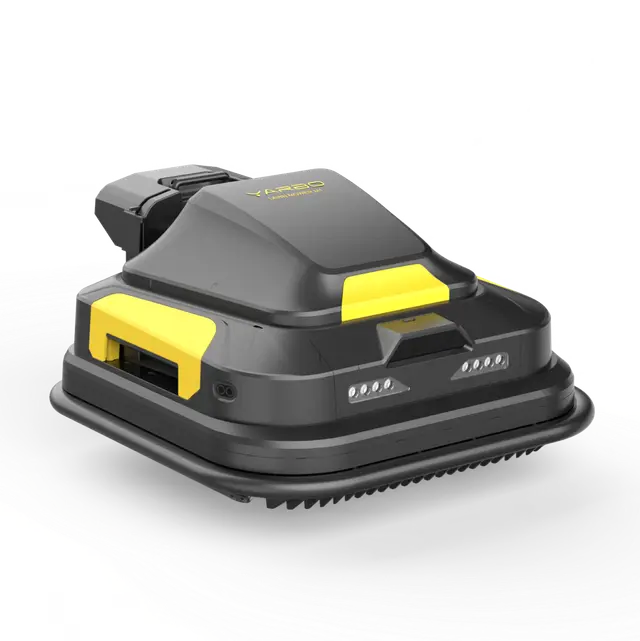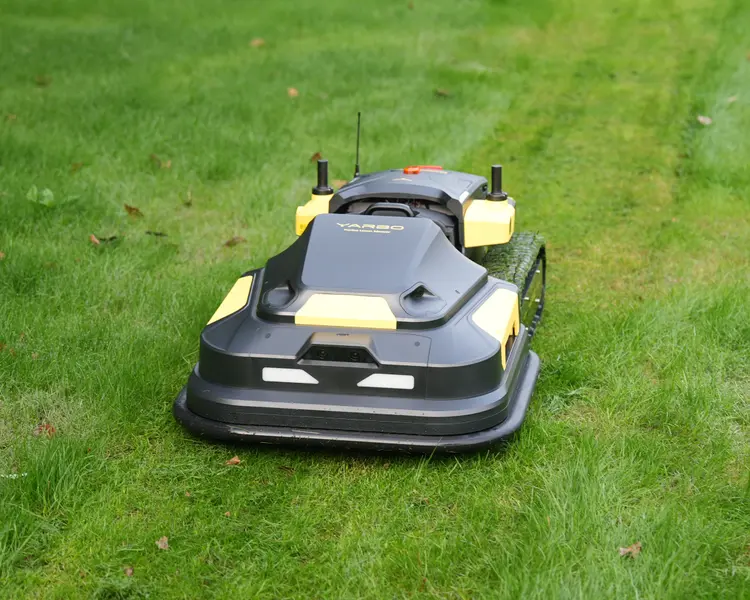
Modern homeowners want convenience, safety, and efficiency from their yard care solutions. This is where the robot lawn mower shines—especially models equipped with obstacle avoidance systems.
Whether you have kids’ toys on the lawn, random branches after a storm, or landscaping features like flower beds and statues, a robot lawn mower with GPS and smart sensors avoids damage and ensures a flawless mow and true lawn automation.
Obstacle avoidance isn’t just a luxury—it’s a critical feature for anyone investing in a lawn mower robot for large or intricate yards.
Let’s explore how this feature works, its benefits, and why Yarbo leads in obstacle avoidance technology.
Table Of Contents:
How Does Obstacle Avoidance Work in Robot Lawn Mowers?
Obstacle avoidance technology in robot mowers uses a combination of hardware and software:
-
Ultrasonic Sensors & Cameras: Detect nearby objects and adjust the mower’s path.
-
Bump Sensors: Trigger redirection when contact is made.
-
LIDAR or Infrared Technology: Helps map surroundings in 3D.
-
GPS Integration: Creates virtual maps to avoid known obstacles.
A robot lawn mower with GPS can pre-map your lawn, mark restricted zones, and adapt its route if new objects appear. This ensures safety and avoids damage to both your lawn mower, pets, children, and property.
What Are the Benefits of Obstacle Avoidance in Lawn Mower Robots?
-
Protects Landscaping and Garden Features
Your carefully manicured flower beds and garden gnomes are safe. Obstacle-avoiding mowers identify and bypass them effortlessly.
-
Prevents Damage to the Mower
A robot mower without obstacle avoidance may repeatedly bump into hard surfaces, wearing out parts and damaging the mower.
-
Enables Night or Unsupervised Operation
With GPS and sensors, your mower can work safely even in low light—great for busy homeowners who prefer quiet nighttime mowing.
-
Improves Efficiency and Coverage
Fewer interruptions and detours mean a faster and more complete mow, especially for lawn mower robots on large or complex properties.
Why Yarbo Excels at Obstacle Avoidance?
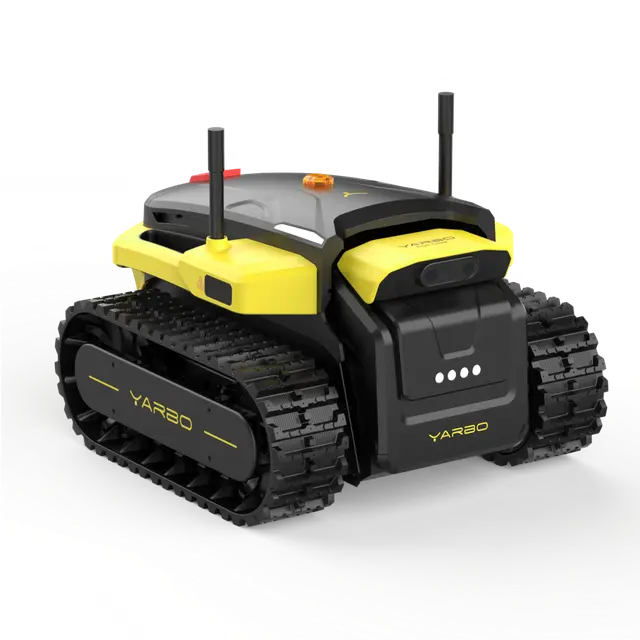
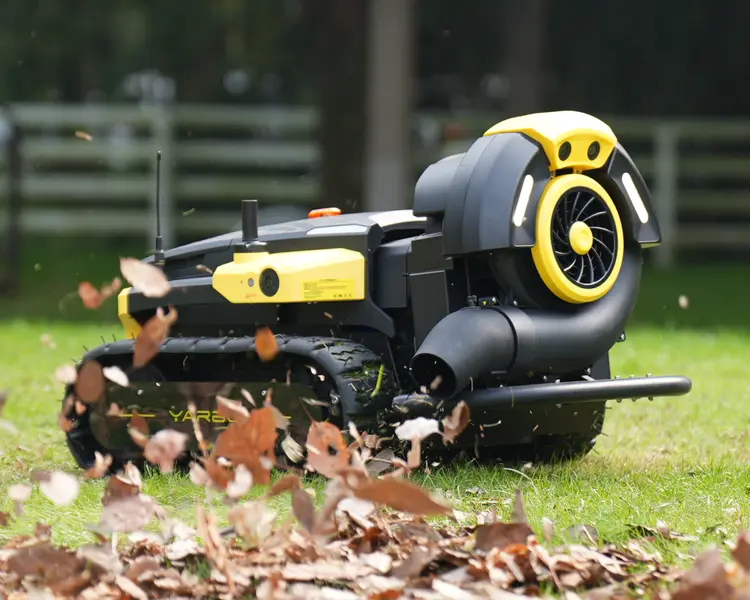
Yarbo’s robot lawn mower is equipped with a cutting-edge multi-sensor navigation system that goes far beyond traditional bump-detection models. At the core is RTK-GPS, delivering centimeter-level mapping accuracy for precise boundary control—even in large or complex yards.
What truly sets Yarbo apart is its vision-based obstacle detection system, powered by a combination of binocular cameras for depth perception, side cameras for peripheral awareness, and ultrasonic sensors for close-range detection. These work alongside IMU and ODOM sensors that maintain stable positioning—even when GPS signals are weak or temporarily blocked by trees, buildings, or weather conditions.
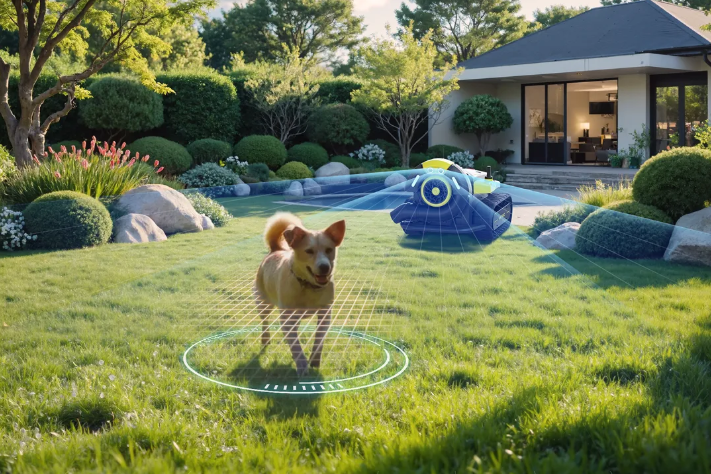
This robust tech stack allows Yarbo to anticipate and intelligently avoid obstacles—not react after a collision. Whether it’s toys left in the grass, roaming pets, fallen branches, or uneven terrain, Yarbo continuously analyzes its surroundings and adapts in real-time without missing a beat.
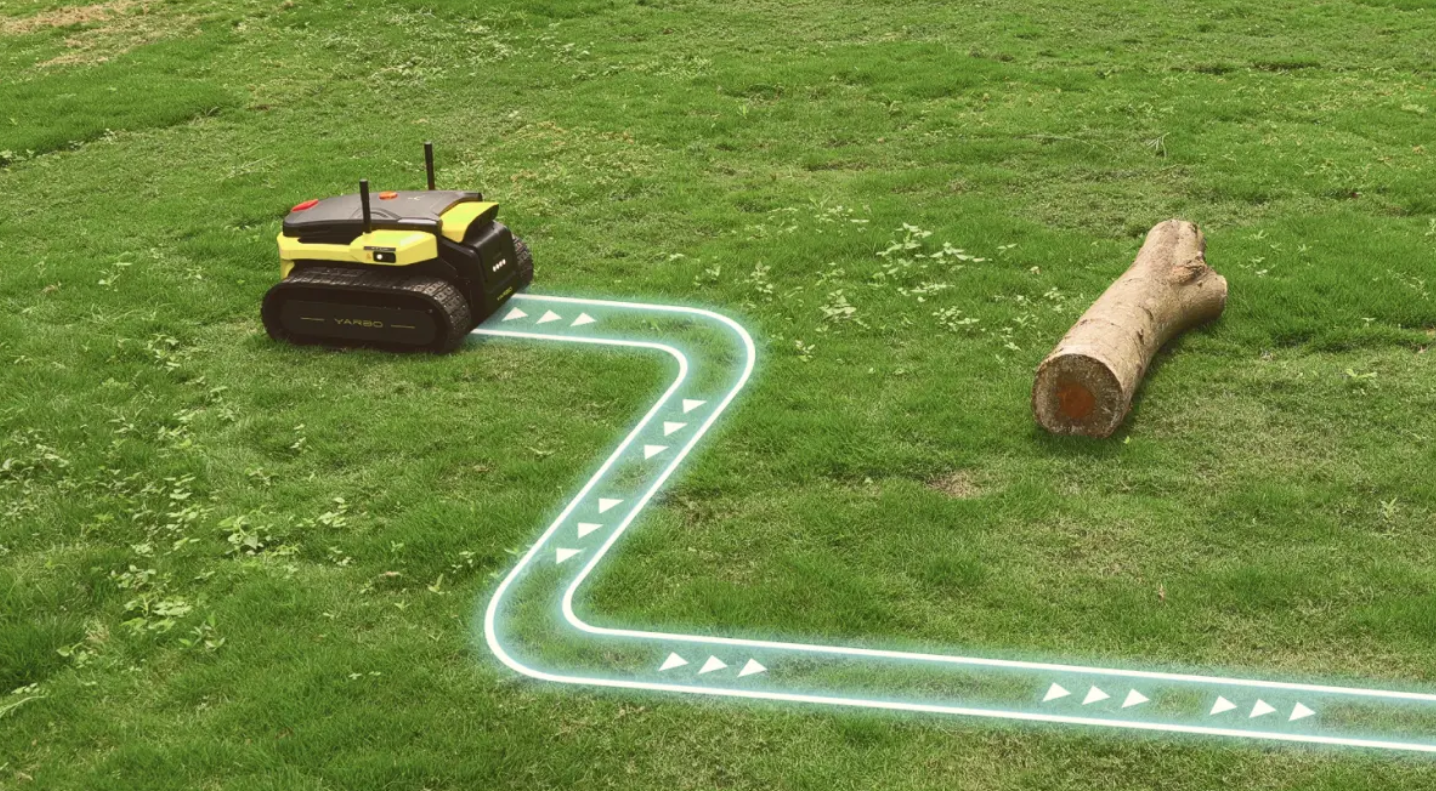
Case in Point: One Yarbo user shared that after a thunderstorm, their unit successfully detected and navigated around fallen branches scattered across the yard—without a single collision. It’s a real-world example of Yarbo’s AI and sensor fusion at work in dynamic, unpredictable environments.
How Does Obstacle Avoidance Impact Performance on Large or Complex Yards?
For expansive properties, typical robotic mowers struggle with coverage and navigation. But with integrated GPS and smart obstacle detection, Yarbo ensures:
-
Systematic mowing without skipping zones.
-
Auto-adjustment around fences, pools, and furniture.
-
Pinpoint return-to-base navigation, even if the lawn layout changes mid-task.
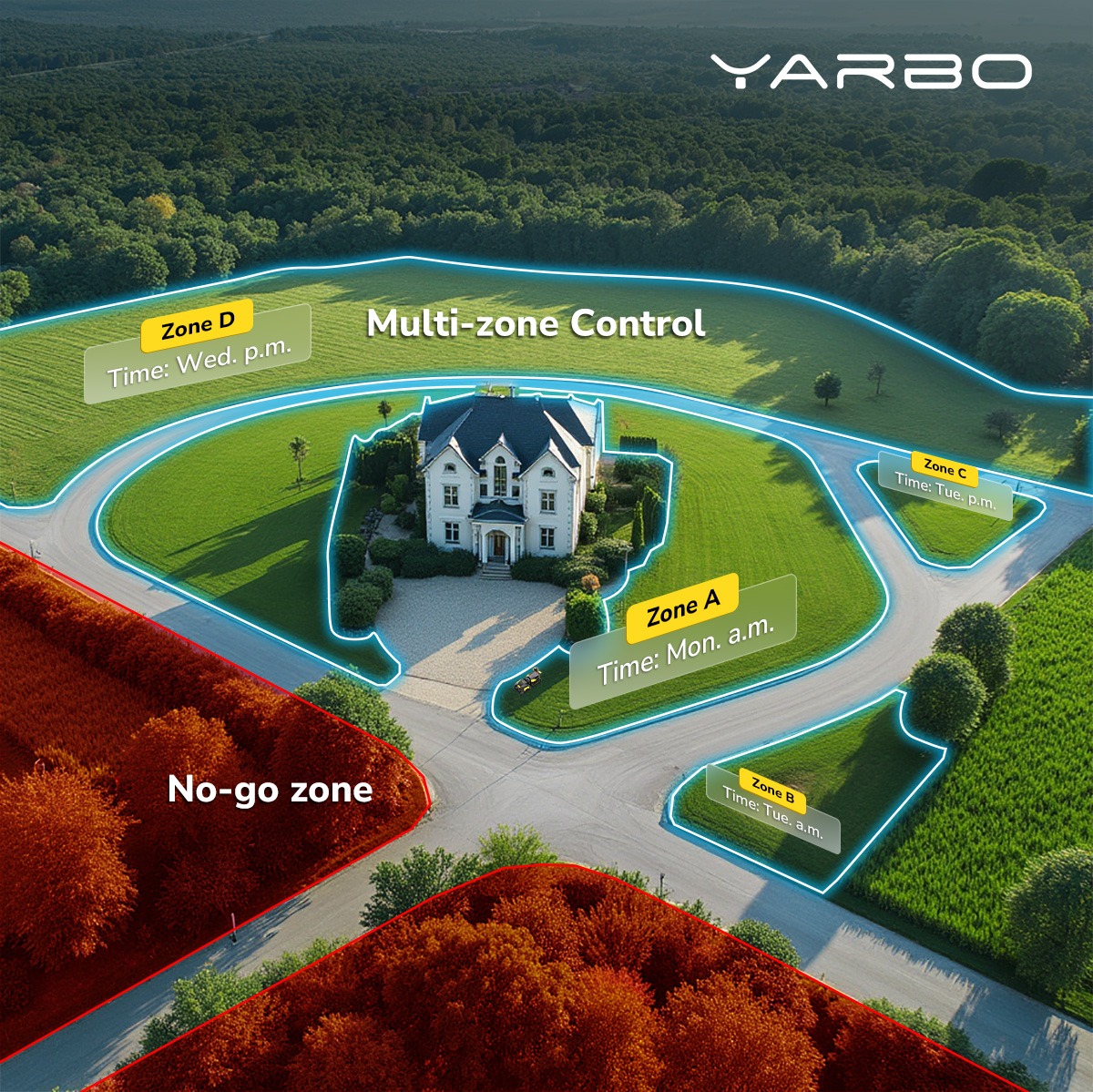
The result? A lawn mower robot that doesn’t blindly bump into things but instead plans smarter paths and avoids interruptions. Yarbo anticipates and navigates around obstacles before they become a problem.
This makes it the best and most practical type of lawn mower robot for estates, parks, and modern homes with intricate layouts.
While no technology is perfect—much like the early days of autonomous vacuum cleaners—occasional bugs may arise. What truly sets Yarbo apart, however, is its 24/7 after-sales support and a dedicated tech team that works tirelessly to ensure Yarbo and its advanced obstacle avoidance features operate smoothly and consistently.
Can Robot Lawn Mowers Handle Unexpected Objects?
Yes, advanced models like Yarbo can:
-
Detect sudden objects like roaming pets or fallen tools.
-
Pause or reroute instantly.
-
Log new objects into memory for future avoidance.
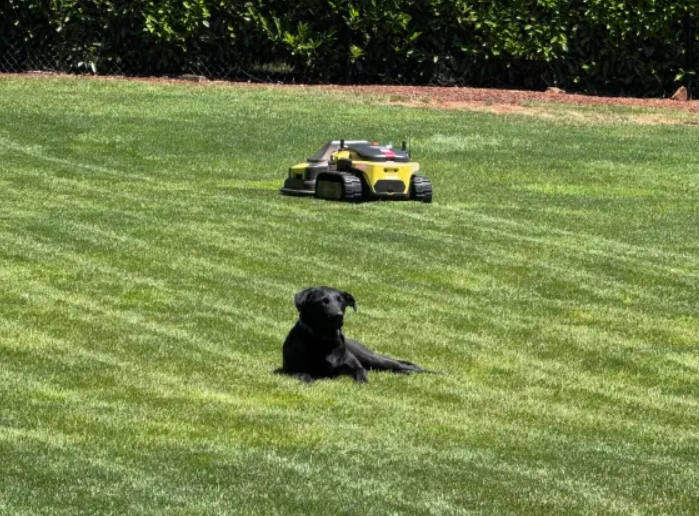
The result? Fewer rescues, fewer accidents, and more reliability.
Things to Look for in Robot Lawn Mower with Obstacle Avoidance
When choosing a robot lawn mower, prioritize:
-
Real-time object detection: Cameras or LIDAR for visual awareness.
-
High-precision GPS: Essential for large or multi-zone yards.
-
AI-based mapping: Learns and adapts to your lawn.
-
Weather resistance: So it doesn’t misread water puddles or wet leaves as obstacles.
-
Mobile App Control: To set exclusion zones and check obstacle alerts in real time.
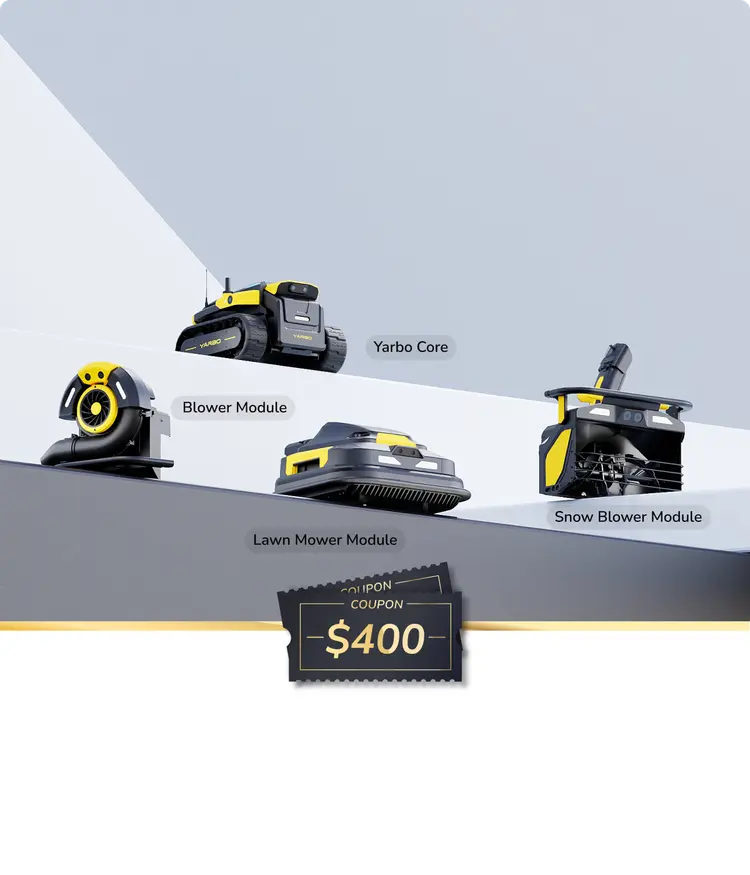
Yarbo includes all of these—plus modular capabilities, making it more than just a mower.
Choose Smarter, Mow Smarter
If your lawn is large, complex, active, or expansive, don’t settle for less. A robot lawn mower with obstacle avoidance ensures peace of mind, efficient mowing, and lawn safety. With Yarbo’s AI-driven detection and GPS mapping, you don’t just mow—you mow smart.
Ready to experience frictionless yard care?
Visit Yarbo’s website to explore how their smart mowers are redefining autonomous lawn care with precision obstacle avoidance.
FAQs
-
Can robot lawn mowers avoid small objects like toys or rocks?
Yes. Models like Yarbo detect even small items using visual and ultrasonic sensors to prevent collisions or blade damage.
-
Do robot lawn mowers stop when they detect an obstacle?
Yes. They either pause or reroute depending on the object’s size, movement, and the mower’s smart decision-making.
-
Is GPS-based obstacle avoidance better than sensor-only systems?
Absolutely. GPS enables pre-mapping and dynamic rerouting, offering higher precision than bump or contact sensors alone.
-
Can a lawn mower robot remember obstacle locations?
Advanced models like Yarbo can create persistent obstacle maps, making each mowing session more efficient than the last.
-7.png?w=1001&h=621)
 Private group · 33.0K members